Hear from Our Customers
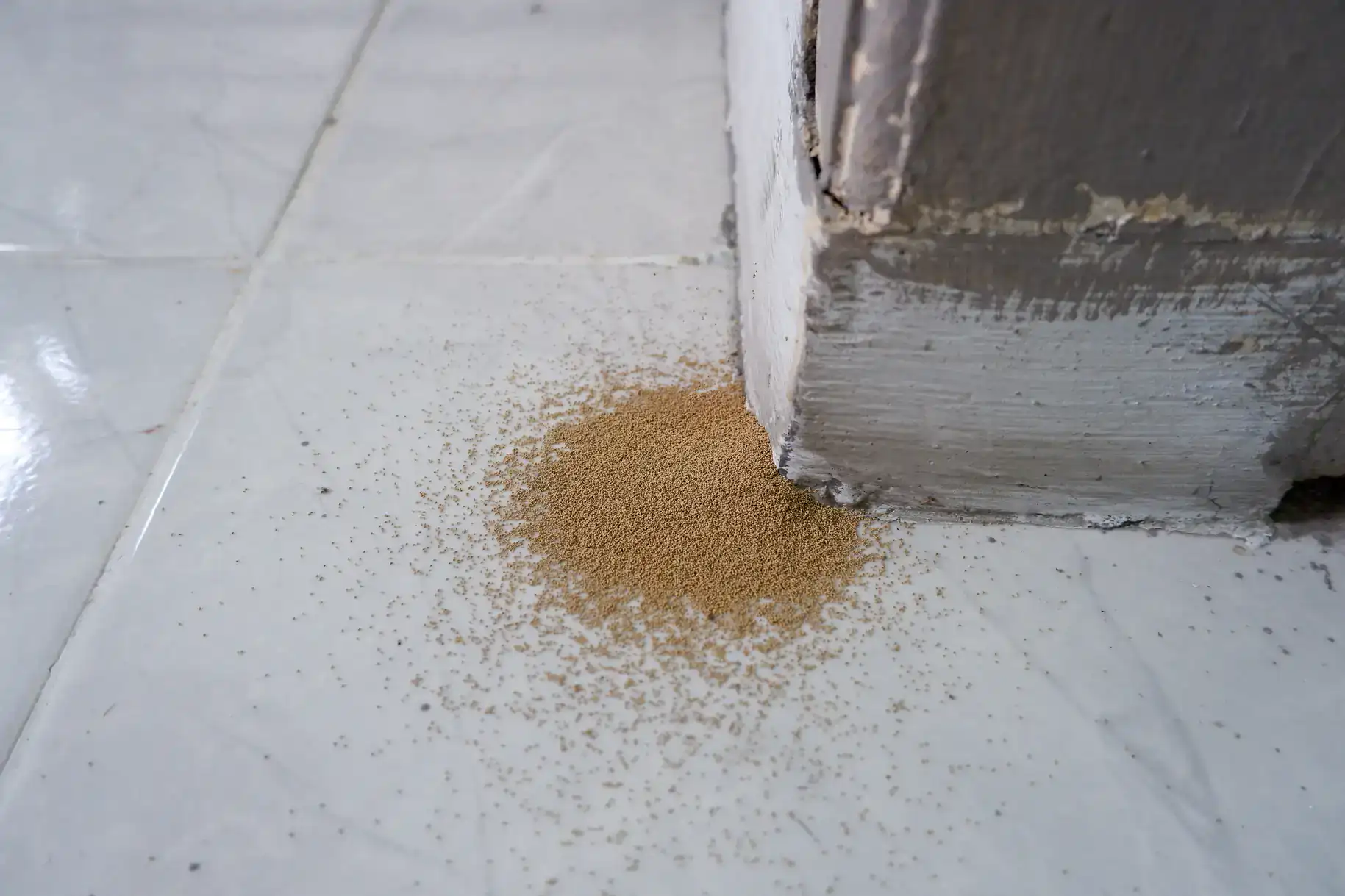
Most Middle Village homeowners don’t find out they have termites until the damage is already done a soft spot in the floor, a door that won’t close right, or a contractor who stops mid-renovation and says, “You’ve got a problem.” By the time termites are visible, they’ve usually been active for years. The average repair bill runs around $3,000, and when structural beams are involved, that number can climb to $10,000 or more. In a neighborhood where the median home value sits close to $891,300, that’s not a small hit.
What makes Middle Village particularly vulnerable is the combination of pre-war housing stock and the way these homes are built. Nearly half of the homes here were constructed before 1950. Brick exteriors give people a false sense of security but termites aren’t eating the brick. They’re eating the wood framing inside it, and they’re doing it quietly, around the clock.
There’s also a risk that’s easy to overlook in a rowhouse neighborhood: subterranean termite colonies live underground and don’t stop at property lines. A colony under your neighbor’s foundation can extend beneath yours without either of you knowing. That’s just how this species works, and it’s exactly why a professional inspection in an attached-home neighborhood like Middle Village is worth doing sooner rather than later.
We’ve been operating in New York City since 1976. Richard Kourbage Sr. started Kingsway Exterminating, and his sons Richard Jr. and Charles have been part of it since the late 1980s. That’s not a talking point it means we have people here who have been inspecting Middle Village rowhouses and Queens properties for over three decades and have seen what termite damage actually looks like in this borough’s specific housing stock.
Our team collectively brings more than 100 years of combined pest control experience. That depth matters when you’re dealing with pre-war construction on streets near Juniper Valley Park or a semi-detached home bordering one of the cemeteries along Metropolitan Avenue conditions that affect termite pressure in ways a less experienced company might miss.
We hold an A+ rating with the Better Business Bureau and have maintained accreditation since 1989. All materials we use are registered with the New York State Department of Environmental Conservation which matters when you’re treating a family home with kids and pets inside.
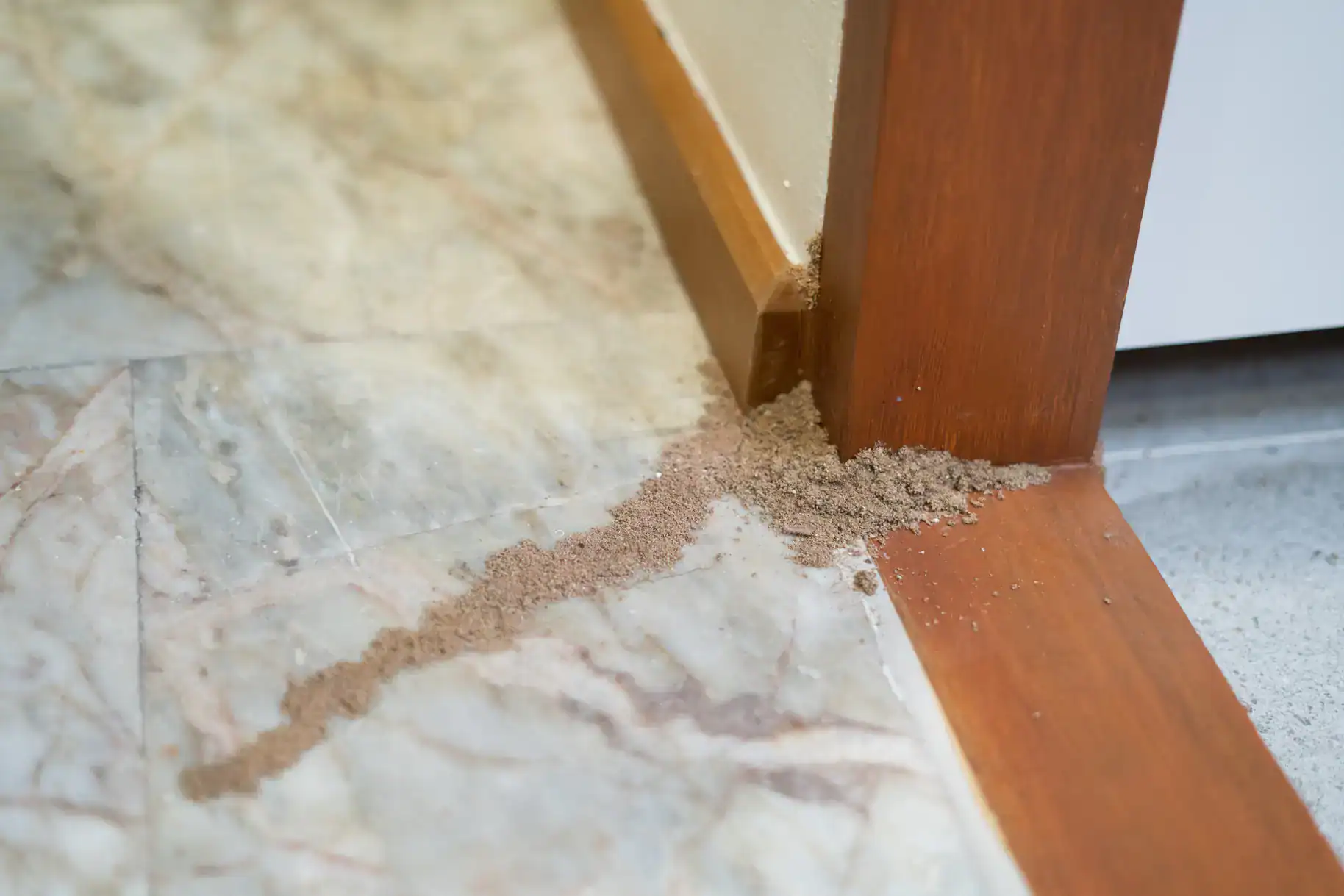
It starts with a call. We answer the phone 24 hours a day, seven days a week including Sundays, which matters if you find something alarming during a weekend renovation and can’t afford to wait until Monday. In most cases, we can schedule an inspection the same day or within two business days.
During the inspection, our technician will examine the areas where Eastern Subterranean Termites typically enter and establish activity in homes like yours: basement sill plates, foundation contact points, expansion joints, plumbing penetrations, and any wood that sits close to soil. In Middle Village, where the ground beneath the streets north of Metropolitan Avenue was historically swampland the area once known as Juniper Swamp soil moisture levels tend to run higher than most homeowners realize, and that’s a condition termites actively seek out. Our inspection accounts for that.
If termite activity is confirmed, you’ll get a clear explanation of what was found, where it is, and what treatment makes sense for your specific property. For attached or semi-detached homes in Middle Village, our technician will also assess whether the colony’s source may extend beyond your unit because in a rowhouse block, that’s a real possibility that changes the treatment approach. You’ll receive a written estimate before anything moves forward, and all treatments use NYS DEC registered materials.
Ready to get started?
Termite control for a Middle Village home isn’t one-size-fits-all, and we don’t treat it that way. The service starts with a thorough inspection not a five-minute walkthrough, but a real look at the structural elements most likely to be compromised in a pre-war or mid-century Queens rowhouse. That means the basement, the sill plates, the floor joists, the areas around any plumbing penetrations, and any wood that’s in contact with or close to the foundation.
Treatment options are matched to what’s actually found. For active subterranean termite infestations, we apply liquid barrier treatments along the foundation perimeter to eliminate the colony’s access points and disrupt their foraging trails. Termite baiting systems are also available for situations where a liquid barrier isn’t the right fit particularly useful in attached-home scenarios where the colony may be sourcing from beneath a shared foundation line. For homes near St. John’s Cemetery or along the Juniper Valley Park perimeter, where soil conditions create elevated termite pressure year-round, we can also set up an ongoing monitoring program to catch any future activity before it becomes a structural problem.
If you’re buying or selling a home in Middle Village and need a Wood Destroying Organism (WDO) report for your lender or real estate attorney, we provide that documentation as well. Given the neighborhood’s home values and aging housing stock, this is one of the most requested services during property transactions in Queens County and it’s something we’ve been handling for New York City transactions for over five decades.
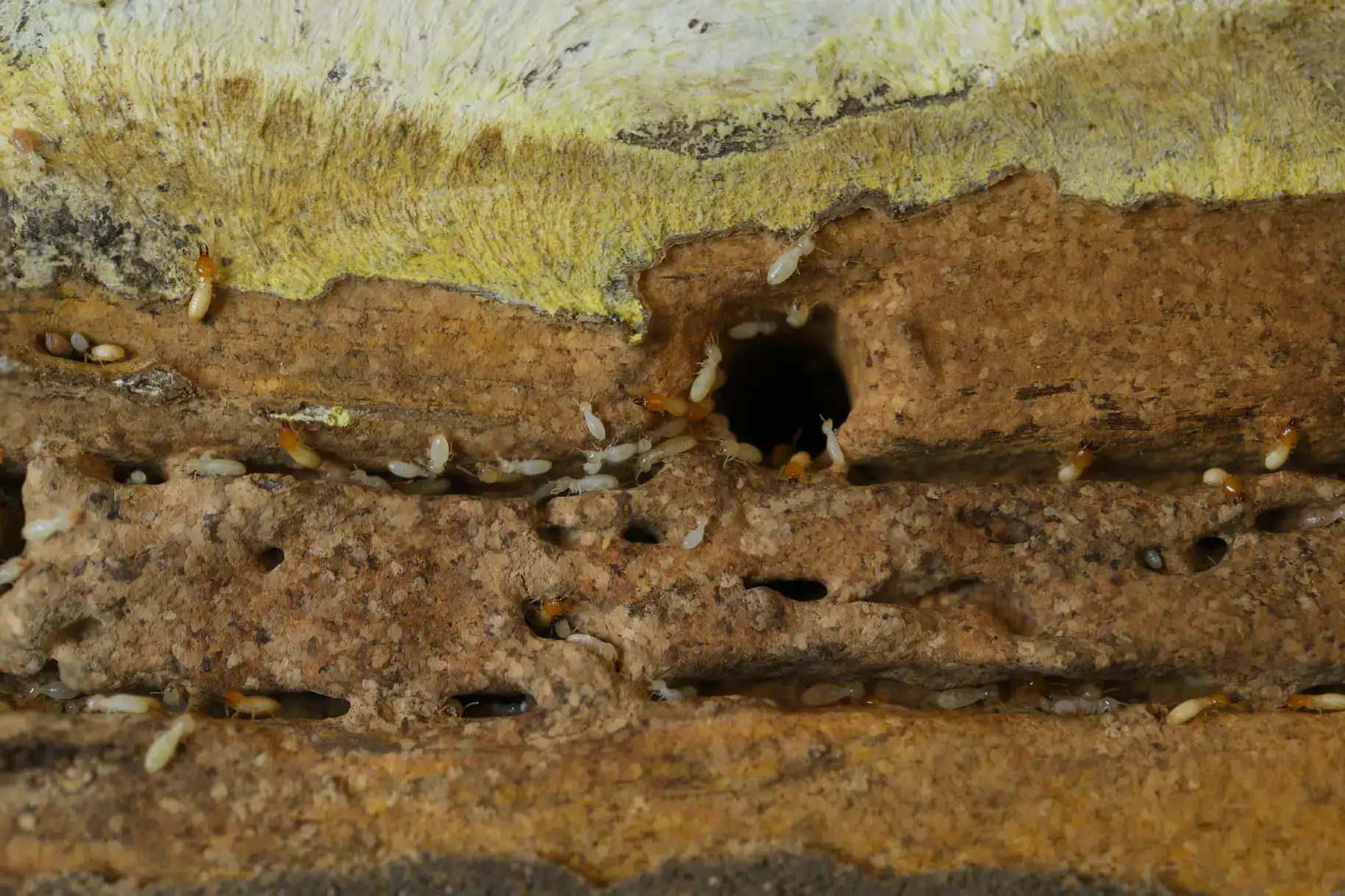
Yes and this is one of the most common misconceptions in this neighborhood. The brick exterior of a Middle Village rowhouse is not what termites are after. Eastern Subterranean Termites, which are the dominant species throughout Queens and all of New York City, enter structures through the foundation, not through the walls. They come up from the soil through foundation contact points, expansion joints, cracks as narrow as 1/32 of an inch, and plumbing penetrations. Once inside, they move into the wood-framed interior floor joists, sill plates, subflooring and feed from the inside out.
By the time you notice any visible sign of damage, the infestation has typically been active for several years. The brick exterior doesn’t slow them down or keep them out. It just makes it harder to spot the problem early, which is exactly why professional inspections matter in a neighborhood built the way Middle Village is.
This is one of the most important questions to understand if you live in an attached or semi-detached home, and in Middle Village, most people do. Eastern Subterranean Termites don’t nest inside the structure they nest underground and send foraging tunnels up into the wood above. Because their colony lives in the soil, it doesn’t stop at your property line. A single colony can extend horizontally beneath multiple homes on the same block.
What this means practically is that if your neighbor has an active infestation and treats only their unit, the colony may still be active beneath the shared foundation and your home remains at risk. It also means that if you’re the one with visible termite activity, the source colony might actually be centered beneath an adjacent property. This is why our inspection process for rowhouse and semi-detached properties in Middle Village looks beyond the individual unit and considers the full picture of what’s happening underground.
The Eastern Subterranean Termite swarms in early spring typically between March and May following warm days with rain. That’s when winged reproductive termites, called swarmers, emerge from the colony to mate and start new colonies. If you see what looks like a swarm of flying ants near your windowsills, around your basement, or anywhere near your foundation in the spring, that’s a serious sign and worth a same-day call.
That said, termites are active year-round underground. Queens winters with freeze-thaw cycles can cause foundation cracking and basement moisture buildup, which creates new entry points when spring arrives. Middle Village’s proximity to large green spaces Juniper Valley Park and three major cemeteries means the surrounding soil stays relatively undisturbed and moist, which supports colony activity throughout the year. Spring is when you’re most likely to see them, but the damage doesn’t stop when the swarm does.
For a typical Middle Village rowhouse or semi-detached home, professional termite treatment generally falls in the range of $1,500 to $5,000, depending on the severity of the infestation, the size of the property, and the treatment method that’s appropriate for your specific situation. Homes with more extensive damage or where the colony source extends beneath a shared foundation may require a broader approach, which can affect the final cost.
It helps to put that number in context. Structural beam replacement can run $2,000 to $10,000 or more. And homeowner’s insurance almost universally excludes termite damage. In a neighborhood where homes are valued close to $891,300, the cost of professional treatment is a fraction of what delayed action can end up costing. We provide written estimates before any work begins, so you know exactly what you’re looking at.
If the buyer is using FHA or VA financing, a Wood Destroying Organism (WDO) inspection report is required before the loan can close. Many conventional lenders and real estate attorneys in Queens also request them, particularly for older homes and in Middle Village, where the median construction year is 1951 and nearly half the housing stock predates 1950, most homes fall squarely into the category that triggers this request.
Beyond the financing requirement, a termite inspection before listing protects you from a last-minute finding that could derail a transaction. Discovering an active infestation during the buyer’s inspection on a home valued near $900,000 creates significant negotiating pressure and can delay or kill a deal entirely. Getting the inspection done before you list gives you time to address any findings on your terms, not the buyer’s timeline.
Because termite discovery doesn’t happen on a convenient schedule. It happens when a contractor pulls back drywall during a basement renovation and finds damaged framing. It happens when you notice swarmers on a Sunday morning and realize you have no idea how long they’ve been there. It happens when a lender calls on a Friday and tells you the WDO report is needed before closing.
Middle Village is a neighborhood where people have often owned their homes for decades sometimes inherited them and the stakes of a termite finding are high, both financially and emotionally. Waiting three or four days for an inspection when you’re in that situation isn’t acceptable. We answer the phone around the clock and can typically get someone out the same day. That’s just how we’ve operated for over 50 years, and it’s one of the reasons homeowners across Queens County keep calling.
Useful Links