
Hear from Our Customers
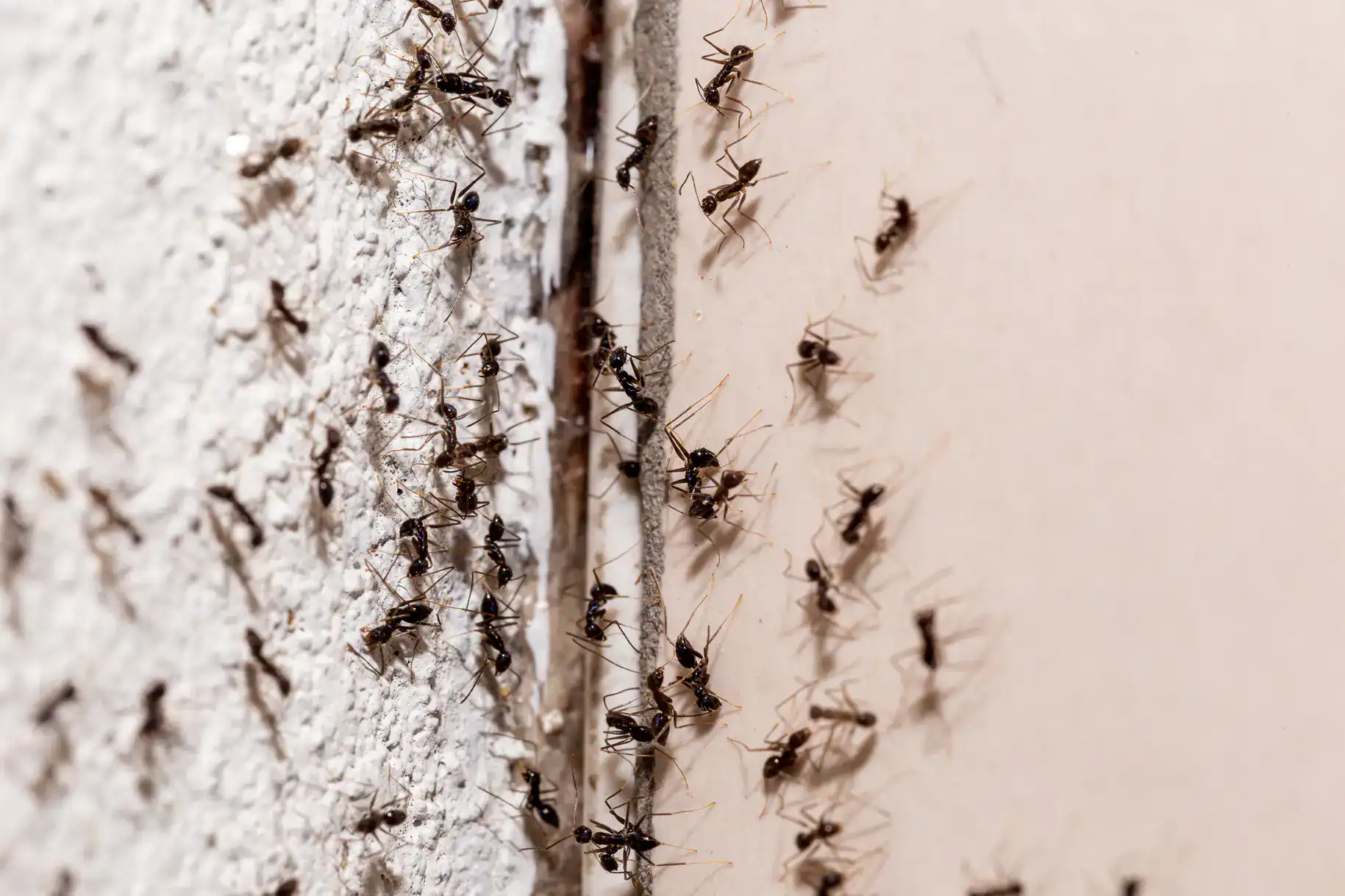
Most ant treatments fail because they only target what you can see. The foragers on your kitchen counter are just the front line the colony driving them is somewhere deeper, often inside a wall void, beneath your foundation, or in moisture-damaged wood behind a baseboard. Until that colony is gone, the ants keep coming back.
Middle Village’s housing stock makes this especially relevant. The brick Tudor and Colonial row houses that line the streets between Metropolitan Avenue and Juniper Valley Park are beautiful and they’re also approaching 90 to 100 years old. Aging wooden structural members, settled foundations, and older plumbing that allows moisture to creep into wall voids create exactly the conditions carpenter ants look for. This isn’t a generic pest problem. It’s a specific one that Middle Village’s housing type produces almost predictably.
Once the infestation is fully eliminated colony and all you stop finding frass near your baseboards, stop seeing trails along your countertops, and stop wondering whether the problem is getting worse inside your walls. For homeowners who’ve lived in their Middle Village homes for decades and want to keep them in good shape, that kind of resolution isn’t just a convenience. It’s protection for the structure itself.
We were founded on a straightforward idea: show up, do the work properly, and stand behind it. That’s been our standard for over 40 years across Brooklyn, Queens, and the rest of the five boroughs. We’re a family-owned operation not a franchise, not a national chain and the difference shows in how the work gets done and who’s accountable when it doesn’t go perfectly the first time.
Queens has been part of our service territory from the beginning, including Middle Village and the central Queens neighborhoods surrounding it Maspeth, Glendale, Ridgewood, Elmhurst, and Forest Hills. The older brick housing stock, the park-adjacent pest pressure, the multi-family buildings along the commercial corridors none of that is new to our technicians. They’ve been treating Middle Village homes for decades.
We hold an A+ rating with the Better Business Bureau of New York State, are fully licensed, bonded, and insured, and use only NYS DEC-registered materials. When you call, a real person answers 24 hours a day, 7 days a week.
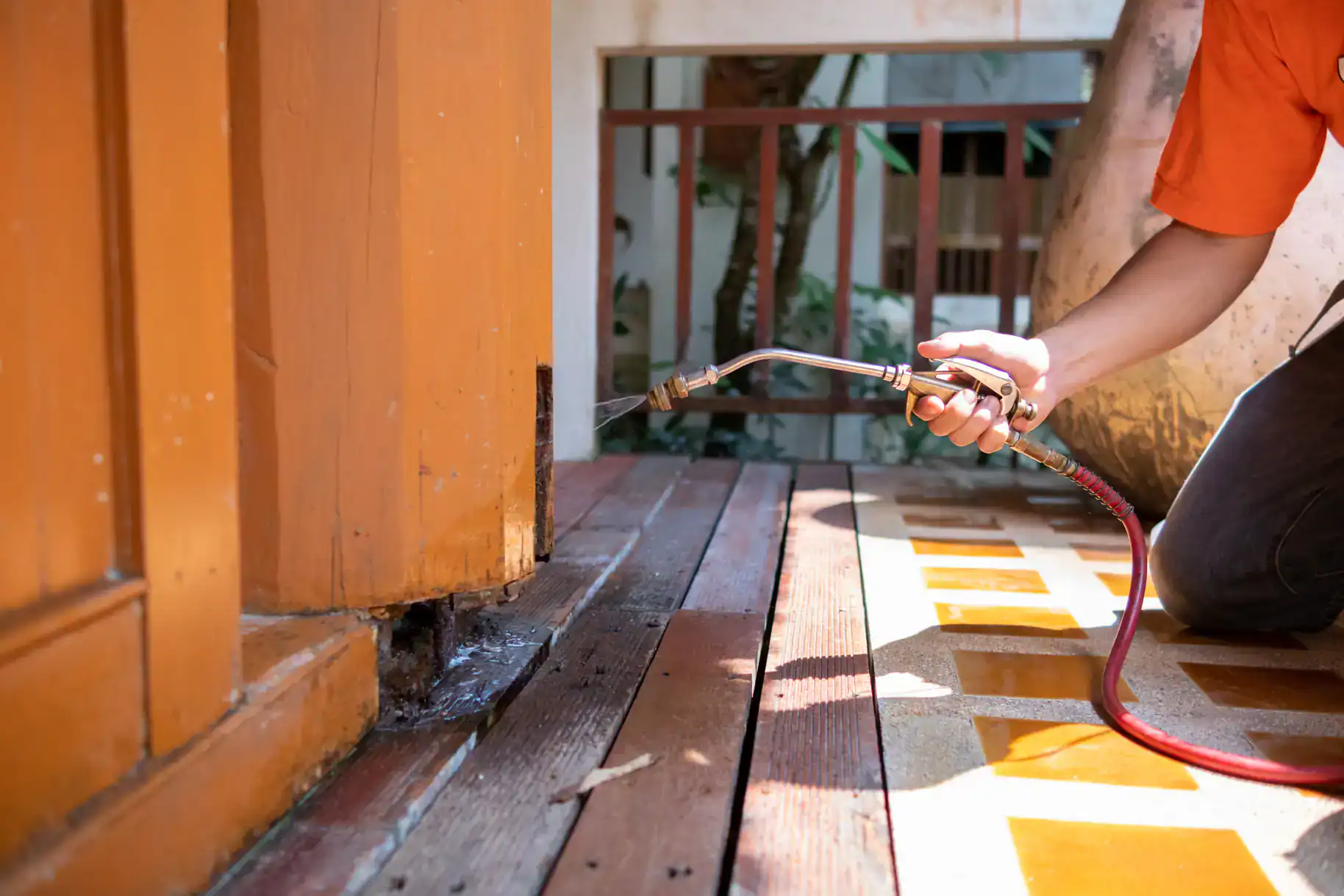
The first visit is a full cleanout. Materials are applied both inside and outside your home but not in the way a store-bought spray works. These are professional-grade materials designed to be picked up by forager ants and carried back into the nest, where they spread through the colony. That’s what reaches the queen. That’s what actually ends the infestation rather than just thinning it temporarily.
Because ant colonies especially carpenter ant colonies in older Middle Village homes often involve multiple satellite nests spread across different areas of the structure, a single visit rarely completes the job. We schedule follow-up visits, weekly or every other week, to re-apply materials and monitor activity until the infestation is fully resolved. For Middle Village homes with aging wood near moisture sources, this multi-visit approach isn’t optional it’s what the job requires.
Once the infestation is under control, you can move to a maintenance schedule that keeps your home protected going forward monthly, every other month, or whatever fits your situation. There’s no pressure to commit to more than you need. The goal is a home that stays ant-free, not a contract that keeps you locked in.
Ready to get started?
Middle Village sits in a genuinely unusual position for a Queens neighborhood. You have the Long Island Expressway forming your northern edge, Woodhaven Boulevard to the east, and most significantly for pest pressure Juniper Valley Park’s 55 acres sitting right at the heart of the community, with the Lutheran Cemetery bordering the neighborhood to the west. That combination of green space on multiple sides creates a sustained reservoir of ant colony activity that park-adjacent neighborhoods in more urban parts of Queens simply don’t experience at the same level.
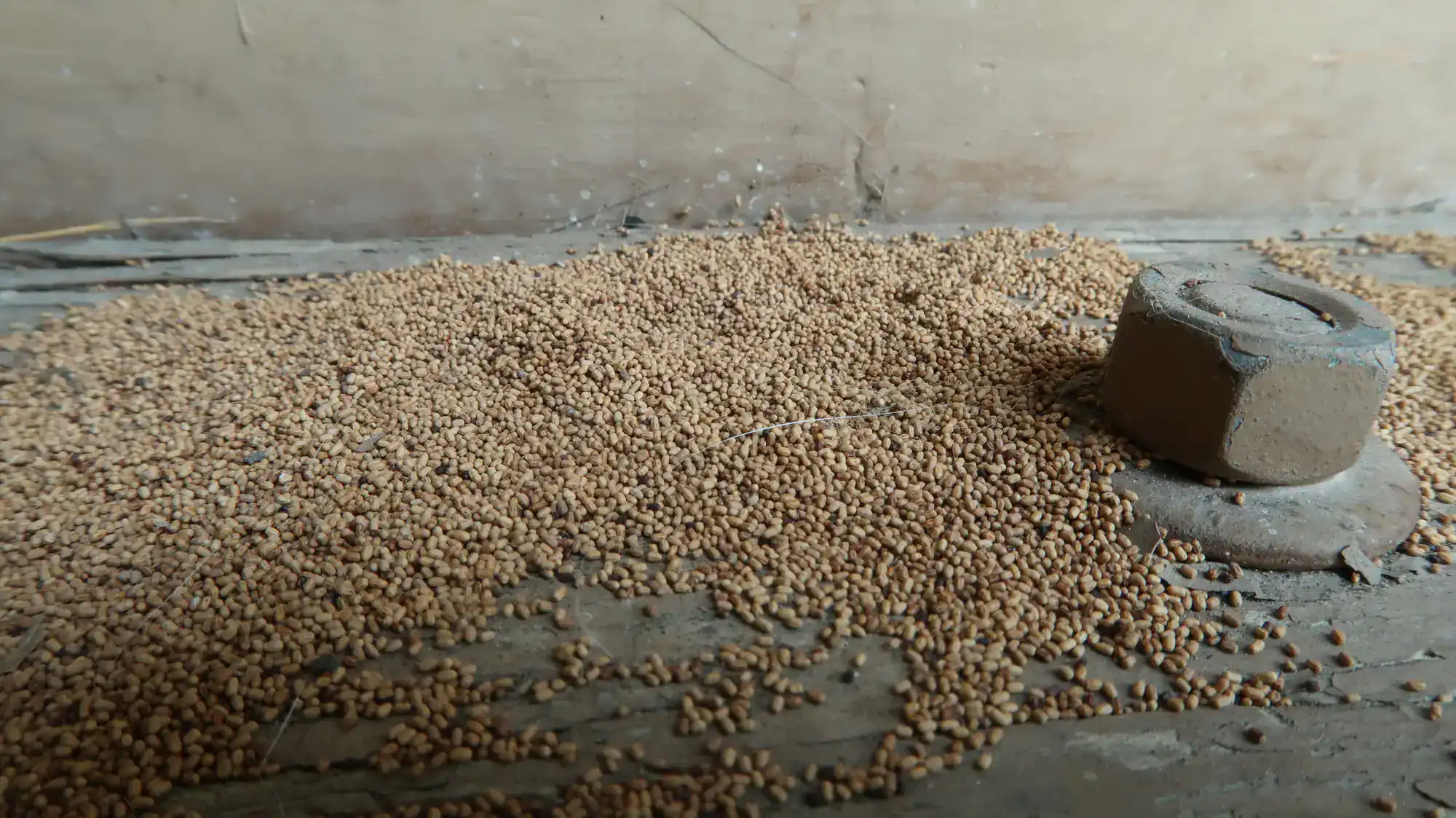
Carpenter ants are the primary structural concern in Middle Village, and they’re drawn to exactly what the neighborhood’s older housing stock provides: moist or softened wood in aging structures. If you’re seeing what looks like coarse sawdust near a window frame, baseboard, or structural beam that’s frass, and it’s a sign carpenter ants are actively excavating somewhere nearby. Our technicians are trained to identify these signs, locate where the activity is concentrated, and apply treatment that reaches the nest rather than just the surface.
All materials we use are registered with the New York State Department of Environmental Conservation a legal requirement for pest control work in NYC that not every operator in the market actually meets. We are fully licensed and compliant. Free estimates are available, and a 10% senior discount applies relevant in a neighborhood where the median resident age is close to 47 and many homeowners have been in their homes for decades.
Store-bought sprays kill the ants you can see the foragers that are out searching for food. But those foragers represent a small fraction of the colony. The queen, the eggs, and the bulk of the population are somewhere deeper: inside a wall void, beneath your foundation, or in a structural area you can’t easily access. When the foragers die, the colony simply produces more.
In Middle Village’s older brick Tudor homes, this problem is compounded by the fact that carpenter ants often establish satellite colonies across multiple areas of the same structure. Treating one visible entry point doesn’t address the others. Professional treatment uses materials that forager ants carry back into the nest themselves, spreading the treatment through the colony from the inside. That’s the mechanism that actually ends the cycle and it’s why professional ant control in Middle Village requires follow-up visits, not just one application.
The clearest sign of carpenter ants is frass a coarse, sawdust-like material that appears near wooden structural elements like window frames, door sills, baseboards, or exposed beams. Unlike termites, carpenter ants don’t eat wood they excavate it to build their nests, and they push the debris out as they work. If you’re finding small piles of what looks like shredded wood fiber near any wooden surface, that’s a strong indicator.
Carpenter ants are also larger than the pavement ants or odorous house ants that are more common in kitchen and bathroom intrusions. They’re typically black or dark brown and noticeably bigger than the small ants you’d find trailing along a countertop. In Middle Village specifically, homes with older wooden structural members, aging window frames, or any history of moisture in the basement or walls are at elevated risk. If you’re seeing large black ants especially in spring and early summer it’s worth getting an inspection before the colony has time to expand further into the structure.
Yes when it’s done correctly by a licensed operator using properly registered materials. We use only NYS Department of Environmental Conservation-registered pesticide materials, applied by licensed, bonded, and insured technicians who know exactly where and how to apply them based on the layout of your home and where the activity is concentrated.
Your technician will walk you through any re-entry timing and specific precautions relevant to your household before the work begins. In most residential treatments, the precautions are straightforward and the disruption to your daily routine is minimal. The bigger risk, honestly, is delaying treatment carpenter ants in the aging structural wood common to Middle Village’s 1920s and 1930s homes cause damage that compounds over time. Getting the infestation resolved properly, with materials that are safe and legally compliant, is the right call for your family and your home.
It depends on the species and how established the colony is, but for carpenter ant infestations in older homes which is the most common scenario in Middle Village you should expect the process to take several weeks from the initial cleanout to full resolution. The first visit applies materials that begin working immediately, but because the colony needs time to be fully affected and satellite nests may require additional treatment, follow-up visits are a standard part of the process.
We schedule those follow-up visits weekly or every other week until the activity is confirmed resolved. For homes in Middle Village that back onto Juniper Valley Park or sit near the cemetery green spaces along the western edge of the neighborhood, there’s also an ongoing re-infestation risk from park-adjacent colonies which is why transitioning to a maintenance schedule after the initial treatment is a practical step, not just an upsell. The maintenance visits keep pressure off your home before a new infestation has a chance to establish.
The cleanout is the active treatment phase it’s what happens when you have an existing infestation that needs to be eliminated. Materials are applied inside and outside the structure, follow-up visits are scheduled to monitor activity and re-apply as needed, and the goal is to fully eliminate the colony. This phase takes a few weeks and involves multiple visits.
Maintenance is what comes after. Once the infestation is resolved, scheduled maintenance visits monthly, every other month, or at whatever interval makes sense for your home keep a protective barrier in place so that new colonies can’t establish before you notice them. For Middle Village homeowners dealing with park-edge pressure from Juniper Valley Park or the sustained green habitat along the cemetery borders, maintenance isn’t just a precaution it’s what prevents you from going through the cleanout process again in six months. It’s a straightforward way to stay ahead of the problem rather than reacting to it.
Yes we offer a 10% senior discount, and it’s worth mentioning if you qualify. Middle Village has one of the older resident profiles in Queens, with a median age close to 47 and a large share of long-term homeowners who have been in their homes for decades. A lot of the people calling about ant problems in this neighborhood have been maintaining the same house for 20, 30, or 40 years and a discount that reflects that kind of long-term investment in a property is a straightforward way to acknowledge it.
Beyond the senior discount, we provide free estimates for all ant control services in Middle Village. You’ll know exactly what you’re dealing with and what the treatment will cost before any work begins. No obligation, no pressure. For homeowners who’ve already spent money on hardware store sprays that didn’t solve the problem, knowing the cost upfront before committing to professional treatment is a reasonable thing to expect and it’s what we provide.
Useful Links