Hear from Our Customers
You stop finding them in the kitchen at midnight. You stop wondering if the unit next door is the real problem. You stop buying products that scatter the colony instead of killing it. That’s what a real cockroach treatment looks like and it’s a different experience than what most Flatbush residents have had before.
Flatbush’s housing stock is part of why this problem is so persistent. The prewar apartment buildings along Ocean Avenue and Flatbush Avenue were built with the kind of plumbing chases, wall voids, and shared utility lines that German cockroaches treat like a highway system. One unit’s kitchen problem becomes a building-wide infestation within weeks and a single spray treatment on one apartment doesn’t touch what’s living inside the walls.
Then there’s the commercial corridor. The stretch of Flatbush Avenue from Church Avenue down toward Kings Highway is one of Brooklyn’s densest concentrations of restaurants, bakeries, and food markets. That foot traffic and food waste creates a constant source of cockroach pressure at street level and those populations don’t stay outside. They move through foundations, drains, and shared building infrastructure into the residential units nearby. If your building sits within a few blocks of that corridor, you’re dealing with external re-infestation pressure that no one-time treatment will solve on its own.
Kingsway Exterminating Company has been based at 2216 Flatbush Avenue in Flatbush since the early 1980s. The same road that runs through the heart of your neighborhood runs directly to our door. That’s not a marketing point it’s just where we are. Our technicians have been treating buildings in this part of Brooklyn for decades, through every shift the neighborhood has gone through.
We were founded by Richard Kourbage Sr. and have stayed family-owned and operated ever since, with Richard Kourbage Jr. joining in 1987. Our team collectively brings over 100 years of hands-on pest control experience to every job. We’re fully licensed, bonded, and insured, and we apply only NYS Department of Environmental Conservation registered materials which matters in a neighborhood with as many families, seniors, and young children as Flatbush has.
We also hold an A+ rating with the Better Business Bureau of New York State not as a one-time achievement, but as a standard we’ve maintained consistently. When you call us, you’re calling a Brooklyn company that’s been doing this work longer than most of our competitors have been in business.
The first thing we do is identify what you’re actually dealing with. German cockroaches the small, fast ones living behind your appliances and inside your cabinet hinges require a completely different treatment approach than American cockroaches, which Flatbush residents usually call waterbugs. Waterbugs come up through drain pipes and sewer connections, especially after heavy rain, and they’re common in basement units and ground-floor apartments throughout the neighborhood. Treating both the same way is one of the main reasons DIY products fail.
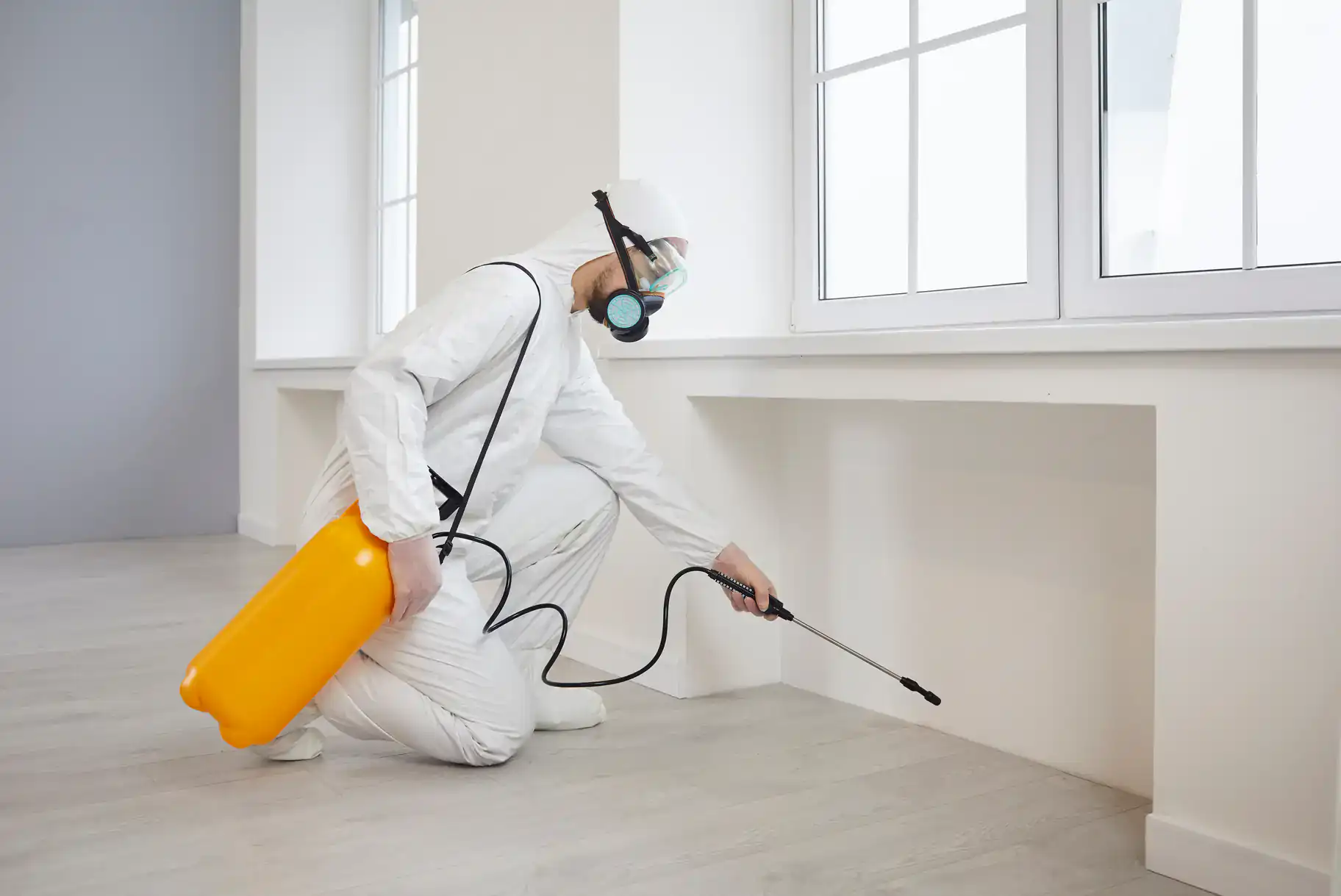
Once we know what species we’re dealing with and where they’re concentrated, we apply targeted gel bait, insect growth regulators, and crack-and-crevice treatments directly into the harborage sites the places cockroaches actually live, not just the surfaces where they happen to appear. This is what reaches the colony behind the walls, not just the individuals you can see. For multi-unit buildings, we work with both tenants and property managers to address the infestation at the building level, because treating a single apartment while the surrounding units remain untreated is a temporary fix at best.
After the initial treatment, we walk you through what to expect over the following days and schedule any necessary follow-up. For buildings facing ongoing pressure from the Flatbush Avenue commercial corridor or from aging sewer infrastructure, we offer recurring maintenance schedules weekly, monthly, or every other month that keep the problem from coming back rather than just knocking it down temporarily.
Ready to get started?
Cockroach pest control in Flatbush isn’t a standard job. The combination of aging prewar infrastructure, dense multi-family housing, and proximity to one of Brooklyn’s busiest food-service corridors means the work here requires more than a basic treatment visit. What you get with us is a service designed around how cockroach infestations actually behave in buildings like yours not a one-size approach borrowed from a suburban market.
Every treatment uses NYS DEC registered materials applied by certified technicians. That’s not just a legal requirement it’s a real distinction in a neighborhood where 25% of the population is under 17 and a significant share of residents are seniors who qualify for our 10% senior discount. Chemical safety isn’t an afterthought here; it’s built into how we work. We also provide documented commercial treatments for food-service businesses along the Flatbush Avenue corridor, including written treatment reports that support NYC Department of Health compliance which matters when an unannounced DOH inspection can result in a grade reduction or closure.
For property managers handling rent-stabilized buildings in Flatbush, we offer whole-building treatment programs and ongoing maintenance contracts that provide the documentation and reliability needed for NYC housing code compliance. We also issue Demolition Clearance Certificates to the NYC Department of Health a specialized credential relevant to the building renovation and development activity happening along Flatbush’s commercial corridors. Whether you’re a renter, a homeowner in Ditmas Park, or a landlord managing a building on Ocean Avenue, the service is built around what your specific situation actually requires.
This is the most common frustration we hear from Flatbush residents, and the answer almost always comes down to one of two things: the source wasn’t addressed, or the treatment only reached the cockroaches that were visible rather than the colony behind the walls.
In multi-unit buildings which make up the majority of Flatbush’s residential housing stock a German cockroach colony spreads through shared plumbing chases and wall voids that connect units across multiple floors. If only one apartment gets treated while adjacent units remain infested, re-infestation is essentially guaranteed. The other factor specific to Flatbush is the commercial corridor. Buildings within a few blocks of the Flatbush Avenue restaurant strip face ongoing cockroach pressure from the outside which means a single treatment, no matter how thorough, won’t hold indefinitely without a maintenance plan to address re-entry.
“Waterbug” is the term most New Yorkers use for American cockroaches the large, reddish-brown ones that show up in bathrooms, basements, and near drains, especially after it rains. They’re a different species from German cockroaches, and they behave differently. German cockroaches are the small ones that live and breed inside your kitchen and bathroom behind appliances, inside cabinet hinges, and along plumbing lines. Waterbugs typically migrate up from the sewer system through drain connections and are more common in ground-floor units and basement apartments.
The reason this distinction matters is that the treatment is different. Gel bait and insect growth regulators are the right approach for German cockroaches living inside your walls. Waterbugs require drain treatments, entry point sealing, and addressing the sewer connection itself. In Flatbush, where older plumbing infrastructure is common throughout the neighborhood’s prewar building stock, both problems can exist in the same building at the same time which is why species identification is the first step we take before any treatment begins.
Under the NYC Administrative Code, landlords are required to maintain pest-free conditions in residential rental properties. If you report a cockroach infestation to your landlord and they fail to address it, you can file a complaint through 311, which can trigger a formal NYC housing inspection. That’s the legal baseline but the practical reality in Flatbush is more complicated.
Many Flatbush renters live in rent-stabilized prewar buildings where deferred maintenance has allowed cockroach conditions to develop over years. If your landlord is unresponsive, you do have options documenting the infestation, filing with 311, and contacting tenant advocacy organizations active in the neighborhood are all legitimate steps. That said, some tenants choose to hire their own exterminator rather than wait, especially when children or elderly family members are in the home. We work with both tenants and property managers, and we can provide written documentation of the treatment and findings which is useful if you need to demonstrate the scope of the problem to a landlord or housing inspector.
The most reliable early sign is seeing small, fast-moving cockroaches in your kitchen usually near the stove, refrigerator, or under the sink. German cockroaches are light brown with two dark stripes behind their head, and they’re roughly half an inch to five-eighths of an inch long. If you’re seeing them during the day, that typically means the population has grown large enough that the colony is pushing individuals out of their harborage sites into open areas.
Other signs include small dark droppings that look like ground pepper along cabinet edges, a musty odor in enclosed spaces, and egg cases small brown capsules tucked into corners or crevices. In Flatbush’s prewar apartments, the areas behind the stove and refrigerator, inside the motor housing of appliances, and along the plumbing under the kitchen sink are the most common harborage sites. One visible cockroach is rarely just one cockroach German cockroach colonies grow quickly, and a single female can produce hundreds of offspring within a matter of weeks under warm conditions.
With gel bait treatment which is what professional-grade German cockroach control uses you typically start seeing a significant reduction in activity within three to five days. The bait works by attracting cockroaches to a slow-acting insecticide that they carry back to the colony, which means it reaches cockroaches that never come into contact with the treated surface directly. Full elimination of an established colony generally takes two to three weeks, depending on the size of the infestation and whether the building has multiple units involved.
What you should expect to see in the first few days is actually an increase in visible activity as the colony is disrupted this is normal and not a sign that the treatment isn’t working. In Flatbush’s multi-unit buildings, a follow-up visit is often necessary to address any remaining activity or to treat adjacent units if the building-level infestation is more widespread than the initial inspection revealed. We walk you through the timeline and expectations before we leave so you know exactly what to watch for.
Yes we offer a 10% senior discount on pest control services. Flatbush has a meaningful senior population, and we’ve been serving this part of Brooklyn long enough to understand what that means in practice. Many of the neighborhood’s long-term residents including seniors who’ve lived in the same Flatbush apartment or home for decades are on fixed incomes and are rightly cautious about both cost and chemical exposure. The discount reflects that reality.
On the safety side, every material we use is registered with the New York State Department of Environmental Conservation and applied by certified technicians who know how to work safely in occupied homes. We don’t use broad-spectrum aerosol sprays that linger in the air our treatments are targeted to specific harborage sites, which significantly reduces any exposure risk for people who are home during or after the treatment. If you have specific health concerns or sensitivities, let us know when you call and we’ll walk you through exactly what we’re using and how it’s applied before we begin.
Useful Links
Other Services we provide in Flatbush