Hear from Our Customers
Most people in Glendale don’t call a professional until they’ve already tried everything else. The sprays from the hardware store. The bait traps. Maybe even a roach bomb. And the cockroaches are still there because those products don’t reach where cockroaches actually live. In the wall voids behind your kitchen cabinets. Inside the pipe chases that run between floors in your two-family home. Deep in the basement utility spaces that are common in Glendale’s late 1800s and early 1900s construction. That’s not a product problem. That’s a structural problem that requires a different approach.
When cockroach pest control in Glendale is done right, the difference isn’t just visual. You’re not finding them in your sink at 2am. Your kids aren’t being exposed to the allergens that cockroaches shed and those allergens are documented asthma triggers, not just a gross inconvenience. You’re not getting calls from your tenant saying they found roaches in the unit you rent out. The infestation is addressed at the source, not just scattered around with a baseboard spray that pushes them deeper into the walls.
Glendale’s housing stock is genuinely older than most of the city. Many of the homes in the Evergreen and Liberty Park sections were built before 1920. That age means more harborage points, more settled gaps in the structure, and more shared infrastructure between units all of which cockroaches use to move freely through a building. Effective cockroach control here isn’t about applying more product. It’s about knowing where to look in buildings like these.
We were founded in Brooklyn by Richard Kourbage Sr. and have been running continuously under family ownership for over 40 years. Richard Kourbage Jr. joined in 1987, and we’ve never changed hands, never been sold to a franchise, and never outsourced our accountability. When you call, you’re reaching a family business not a regional manager at a national chain.
Our team collectively brings more than 100 years of pest control experience to every job. That depth matters in a neighborhood like Glendale, where the housing stock along Central Avenue and Cooper Avenue includes some of the oldest residential structures in Queens three blocks of which are listed on the National Register of Historic Places. These aren’t cookie-cutter builds. They require a technician who has actually worked in buildings like them before.
We hold a consistent A+ rating with the Better Business Bureau of New York State, apply only NYS DEC Registered Materials, and are fully licensed, bonded, and insured. For Glendale homeowners who value a track record over a sales pitch, that’s the short version of what matters.
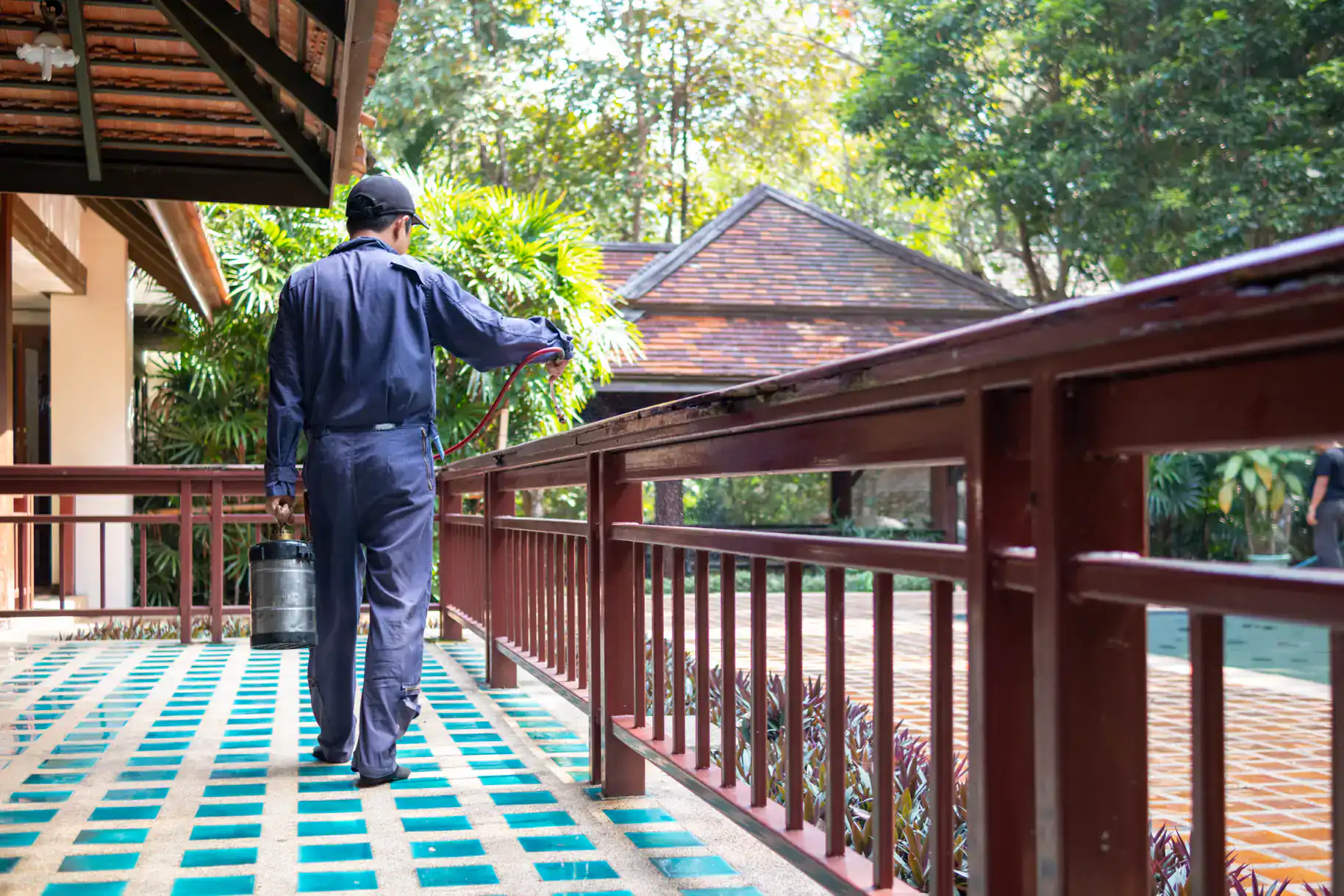
The first thing that happens is an inspection a real one, not a five-minute walkthrough before we reach for a spray can. In Glendale’s older homes, that means checking the areas that most DIY treatments never reach: inside cabinet voids, along aging pipe penetrations, under kitchen flooring, in basement utility spaces, and anywhere two units share a wall or floor. The goal is to identify where cockroaches are actually harboring, what species you’re dealing with, and what entry points are allowing them in.
That last part matters more than most people realize. German cockroaches the small, fast ones that infest kitchens and bathrooms require a completely different treatment than American cockroaches, which Glendale residents often call “waterbugs.” Waterbugs migrate upward through sewer lines and floor drains, especially in the aging plumbing that runs through the neighborhood’s pre-war homes. Treating a waterbug problem with German cockroach bait, or vice versa, doesn’t work. Species identification comes first.
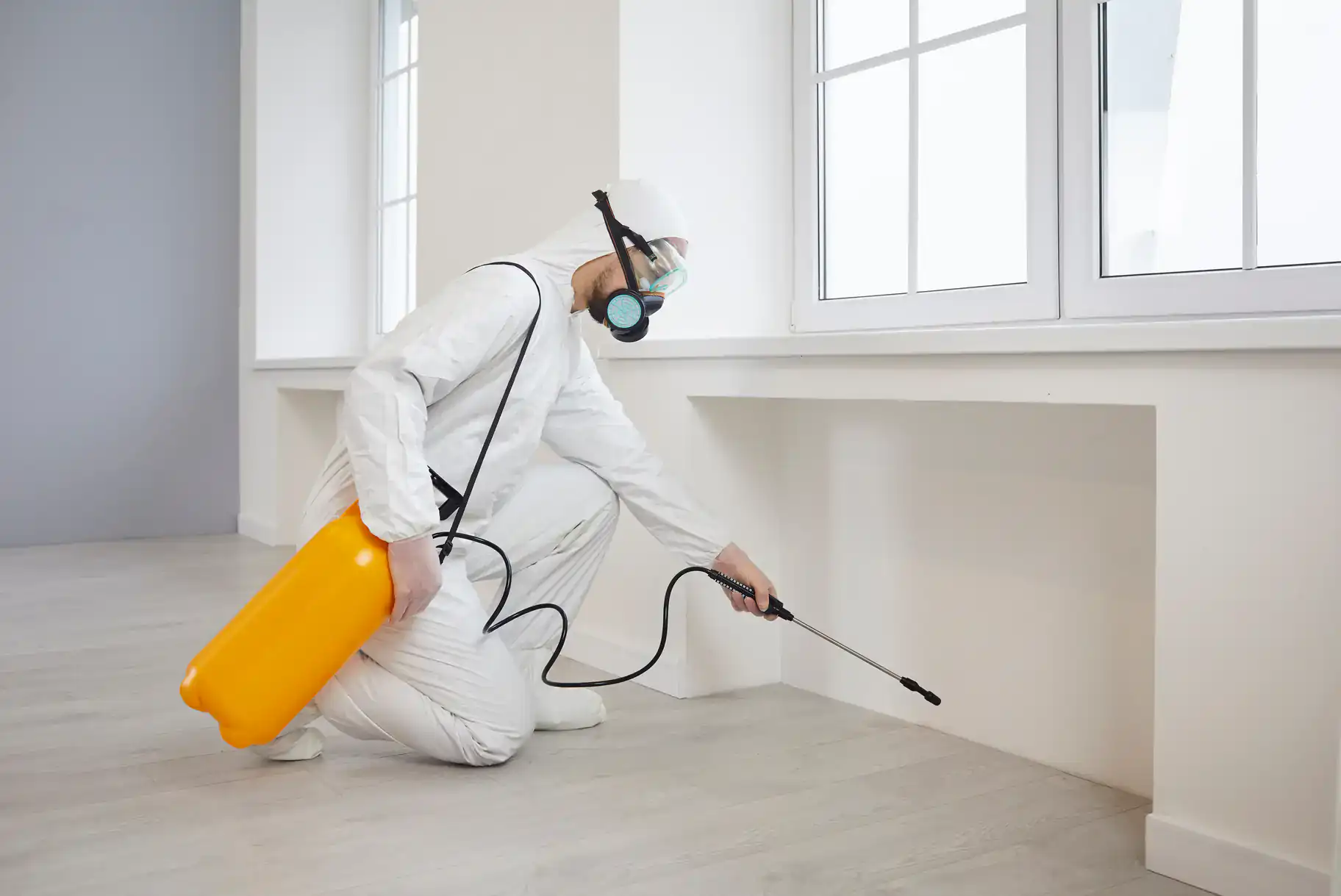
From there, treatment is applied where cockroaches actually live targeted gel baiting, crack-and-crevice applications, dust treatments in wall voids not just along baseboards. If you’re in a two-family home and the infestation is crossing between units, both units need to be addressed. A treatment that covers only one floor in a shared building is a temporary fix, not a solution. We work with both owner-occupants and tenants to make sure the full structure is treated, and we can provide written documentation if you’re dealing with an HPD inspection or a tenant complaint.
Ready to get started?
Every cockroach treatment we provide starts with a thorough inspection of the full structure not just the rooms where you’ve seen activity. In Glendale’s semi-detached and two-family homes, cockroaches rarely stay confined to one area. They follow plumbing, move through wall voids, and use the shared infrastructure between attached units as a highway. The inspection maps all of that before any product goes down.
Treatment is species-specific and structure-specific. For German cockroach infestations the most common in Glendale’s older apartment buildings and multi-family homes we use targeted gel baiting and insect growth regulators applied in the crack-and-crevice zones where colonies establish. For American cockroach and waterbug problems, treatment focuses on entry points: floor drains, pipe penetrations, and sewer access points that are especially common in the neighborhood’s aging pre-war plumbing. Every material we apply is registered with the NYS Department of Environmental Conservation, which means it’s been tested and approved not just whatever’s cheapest or fastest.
For Glendale landlords and property managers, we also provide written service documentation that can support HPD compliance responses and tenant dispute records. Under New York City’s Housing Maintenance Code, the responsibility for maintaining a cockroach-free building sits with the property owner and having a licensed, bonded exterminator with a documented treatment history on file is the right way to protect that obligation. A 10% senior discount is available for qualifying Glendale residents ask when you call.
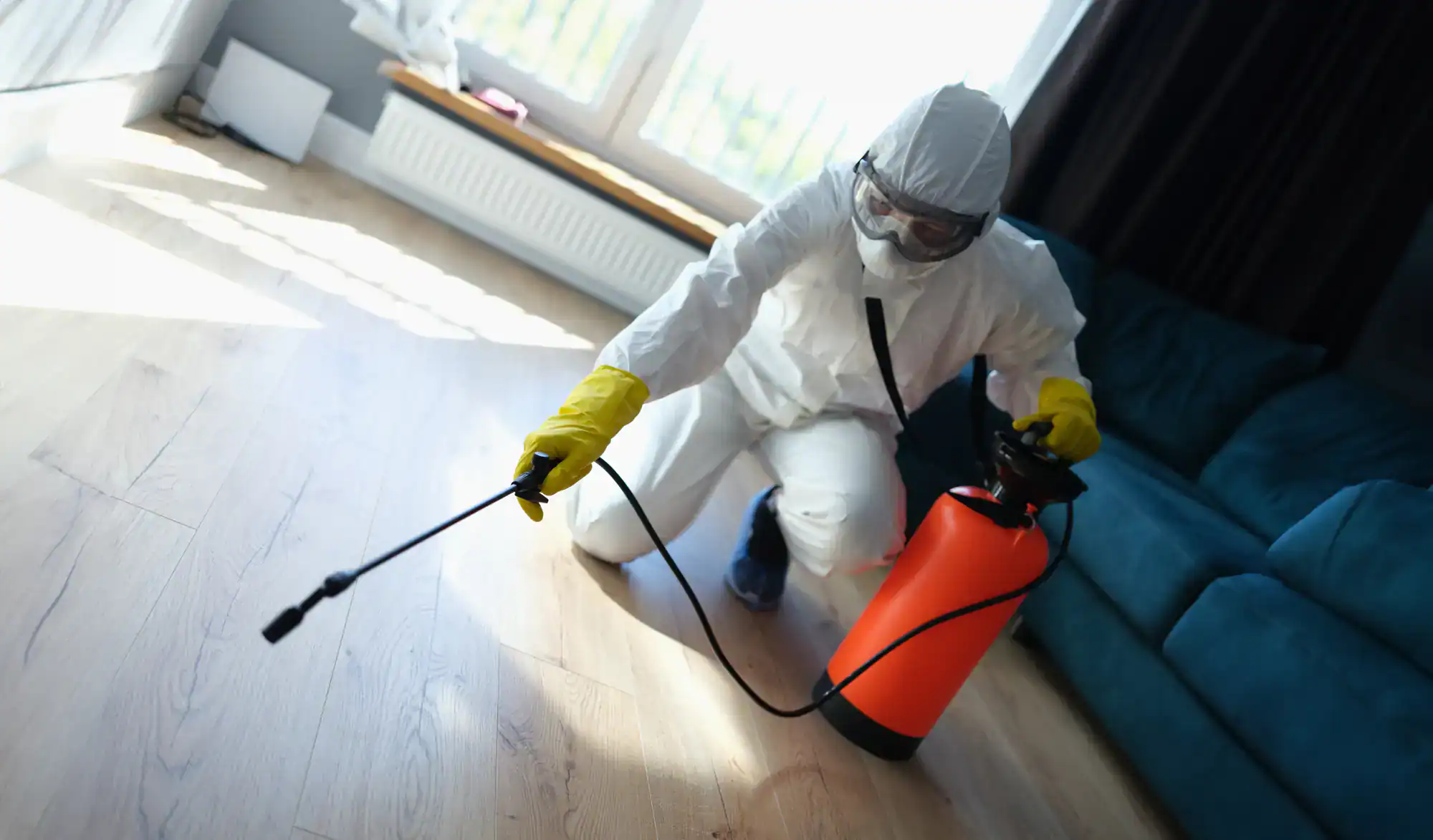
The most common reason is that over-the-counter products don’t reach the places cockroaches actually live. In Glendale’s older housing stock especially the pre-war wood-frame and semi-detached homes in the Evergreen and Liberty Park sections cockroaches establish harborage sites deep inside wall voids, behind aging pipe chases, under kitchen flooring, and in basement utility spaces. A spray along the baseboard doesn’t touch any of those locations. It may kill the cockroaches you can see, but the colony survives and rebuilds.
The second reason is building structure. If you’re in a two-family home or a semi-detached property in Glendale, cockroaches can migrate between units through shared walls, plumbing penetrations, and floor joists. Treating your unit while the adjacent unit remains untreated is like bailing out one side of a boat. A lasting solution requires treating the full structure not just the apartment where the problem was first noticed.
German cockroaches are the small, fast ones typically about half an inch long, tan or light brown, with two dark stripes behind their head. They infest kitchens and bathrooms, establish colonies inside cabinet voids and appliance cavities, and reproduce quickly. A single female German cockroach can produce hundreds of offspring in a matter of months. They are the most common cockroach species in Glendale’s multi-family and two-family homes, and they’ve developed significant resistance to the synthetic pyrethroid sprays sold in hardware stores.
American cockroaches what most Glendale residents call “waterbugs” are a different problem entirely. They’re larger, darker, and they don’t typically live inside your walls. They migrate upward through sewer systems, floor drains, and pipe penetrations, which is why they tend to appear in bathrooms and basements, especially in the aging plumbing infrastructure of Glendale’s pre-war homes. These two species require completely different treatment protocols. Identifying which one you have or whether you have both is the first step before any treatment begins.
Yes. Under New York City’s Housing Maintenance Code, landlords are legally required to maintain residential buildings free of cockroach infestations. If you’re a tenant in Glendale and your landlord hasn’t addressed a reported cockroach problem, you have the right to file a 311 complaint, which can trigger an inspection by NYC Housing Preservation and Development (HPD). An HPD violation for cockroach infestation is a formal legal record not just a warning.
If you’re a landlord in Glendale particularly if you own one of the neighborhood’s many two-family homes the right move after a tenant complaint is to call a licensed exterminator before HPD arrives, not after. We can treat both units, provide written documentation of the service, and give you a defensible record of compliance. That documentation matters if the situation escalates to an HPD inspection or a housing court proceeding. Acting quickly and having a licensed, bonded company on record is the practical way to protect your property and your tenant relationship.
Every material we apply is registered with the New York State Department of Environmental Conservation. That registration process involves testing, review, and approval it’s a regulatory standard, not a marketing label. The products we use are professional-grade formulations applied by certified technicians who follow strict protocols for placement and dosage. The targeted approach gel baiting in crack-and-crevice zones, dust treatments inside wall voids also means that product is applied where cockroaches travel, not broadcast across open surfaces where children and pets spend time.
That said, our technician will walk you through any specific preparation steps before treatment and any re-entry timing after. In homes with young children or pets, those instructions matter and we take them seriously. It’s also worth noting that untreated cockroach infestations carry their own health risks cockroach allergens are documented asthma triggers, and cockroaches carry pathogens including Salmonella. In a family home in Glendale, the health risk of leaving an infestation untreated is real and measurable.
The structural age of Glendale’s housing stock changes the entire treatment approach. Homes built in the late 1800s and early 1900s which make up a significant portion of the Evergreen and Central Avenue Historic District sections of the neighborhood have settled foundations, aging plumbing, and wall construction that creates far more potential harborage points than modern builds. There are gaps behind pipe penetrations that were never sealed, floor joists that have shifted over a century of settling, and utility chases that run vertically between floors in ways that newer construction simply doesn’t have.
In a two-family home specifically, the shared-wall and shared-infrastructure dynamic means a cockroach infestation in one unit will almost always affect the other if left untreated. Treating only the unit with visible activity is a short-term fix. A thorough treatment in Glendale’s two-family homes addresses both units, targets the harborage zones specific to the building’s age and construction, and seals or treats the entry points that allow cockroaches to move between floors. That’s a different scope of work than treating a single apartment in a modern high-rise and it requires a technician who has actually worked in buildings like these before.
Yes we offer a 10% discount for senior residents. Glendale has a meaningful population of older, long-term homeowners people who have lived in the same pre-war home for decades and who are now managing those properties on fixed incomes. A cockroach infestation in that context isn’t just a nuisance. It’s an unexpected expense on top of the ongoing costs of maintaining an aging home, and it often comes after months of trying to handle it with store-bought products that didn’t work.
The senior discount is straightforward just mention it when you call to schedule your inspection. There’s no complicated enrollment or eligibility process. We’ve been serving Brooklyn and Queens communities for over 40 years, and a significant part of that history has been working with homeowners who built their lives in neighborhoods like Glendale. Recognizing that with a concrete discount is one way that commitment shows up in practice.
Useful Links
Other Services we provide in Glendale