
Hear from Our Customers
You stop hearing scratching in the walls at 2 a.m. You stop finding droppings behind the stove or along the basement baseboards. You stop wondering if the traps you bought at the Home Depot on Woodhaven Boulevard are doing anything because they’re not solving it, they’re just managing it one animal at a time.
Here’s what most Glendale homeowners don’t realize until they’ve already tried the DIY route: the rodents aren’t the root problem. The entry points are. In a neighborhood where more than 70% of homes were built before 1939, those entry points are everywhere gaps around aging pipe penetrations, settling at the base of foundation walls, deteriorated mortar that’s been quietly crumbling for decades. Snap traps don’t seal a quarter-inch gap in a 90-year-old foundation. Professional rodent control does.
There’s also the pressure that comes from outside your property. Glendale sits adjacent to the Fresh Pond freight rail yards the LIRR’s central freight crossroads, currently handling municipal waste and construction debris. That’s a persistent food and harborage source that pushes rodent populations outward into the surrounding residential streets. Add the cemetery belt that nearly encircles the neighborhood, and you have a situation where the source of pressure never disappears on its own. What changes after we handle your rodent control is that your home stops being the path of least resistance and stays that way.
We’ve been operating in New York City since 1971. That’s not a marketing number it’s a verifiable fact backed by an A+ BBB rating and accreditation that dates to May 5, 1989. More than 35 consecutive years of meeting the Better Business Bureau’s standards for accountability and customer responsiveness. No locally-based Glendale competitor carries that record.
We’re family-owned and second-generation. Richard Kourbage Sr. founded us. His sons Richard Jr. and Charles have been part of the company since 1987 and 1989, respectively. That means the people running this business have their names and reputations tied directly to every service call not a franchise operator following a corporate checklist from a regional office.
We serve all five boroughs, and that includes Queens. Operating out of Marine Park in Brooklyn, we’re not a distant national chain routing technicians from an unfamiliar base we’re a neighboring-borough company that knows the difference between a Glendale address and a Ridgewood one, and understands exactly what that distinction means for the homes and building stock in the 11385 area.
It starts with a free phone consultation. You describe what you’re seeing droppings in the basement, sounds in the walls, a rodent spotted near the Cooper Avenue corridor and one of our technicians gives you an honest read on what it likely means before anyone sets foot in your home. No charge, no pressure.
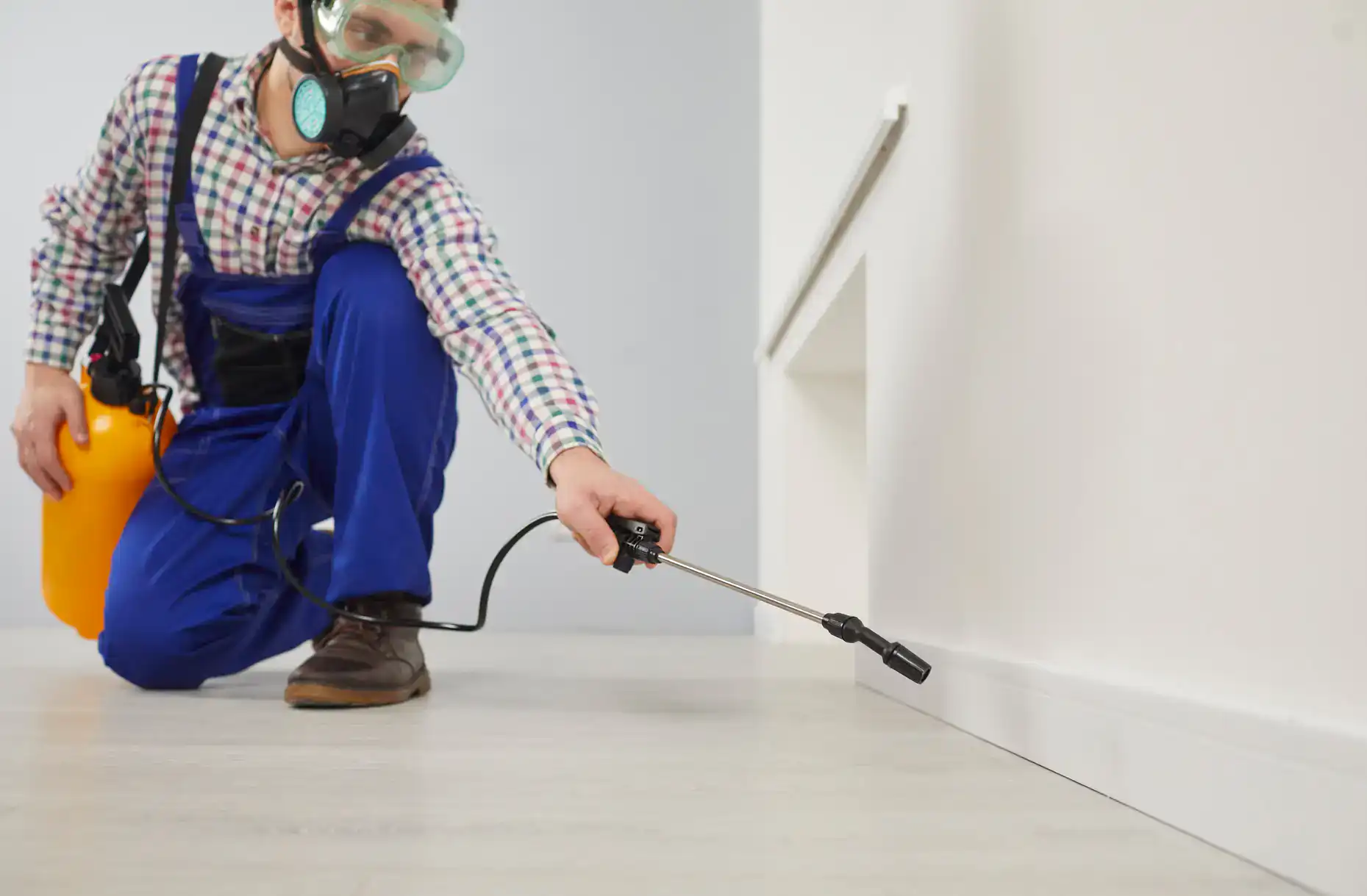
When our technician arrives, the first priority is a thorough inspection of both the interior and exterior of your property. In Glendale’s pre-1939 housing stock, that means looking at the places most homeowners never check: the gap where the gas line enters the foundation, the deteriorated mortar along the base of the exterior wall, the utility penetrations in the basement that haven’t been properly sealed since the Eisenhower administration. Every potential entry point gets identified. Then we build a treatment plan around what’s actually found in your specific home not a generic protocol pulled from a template.
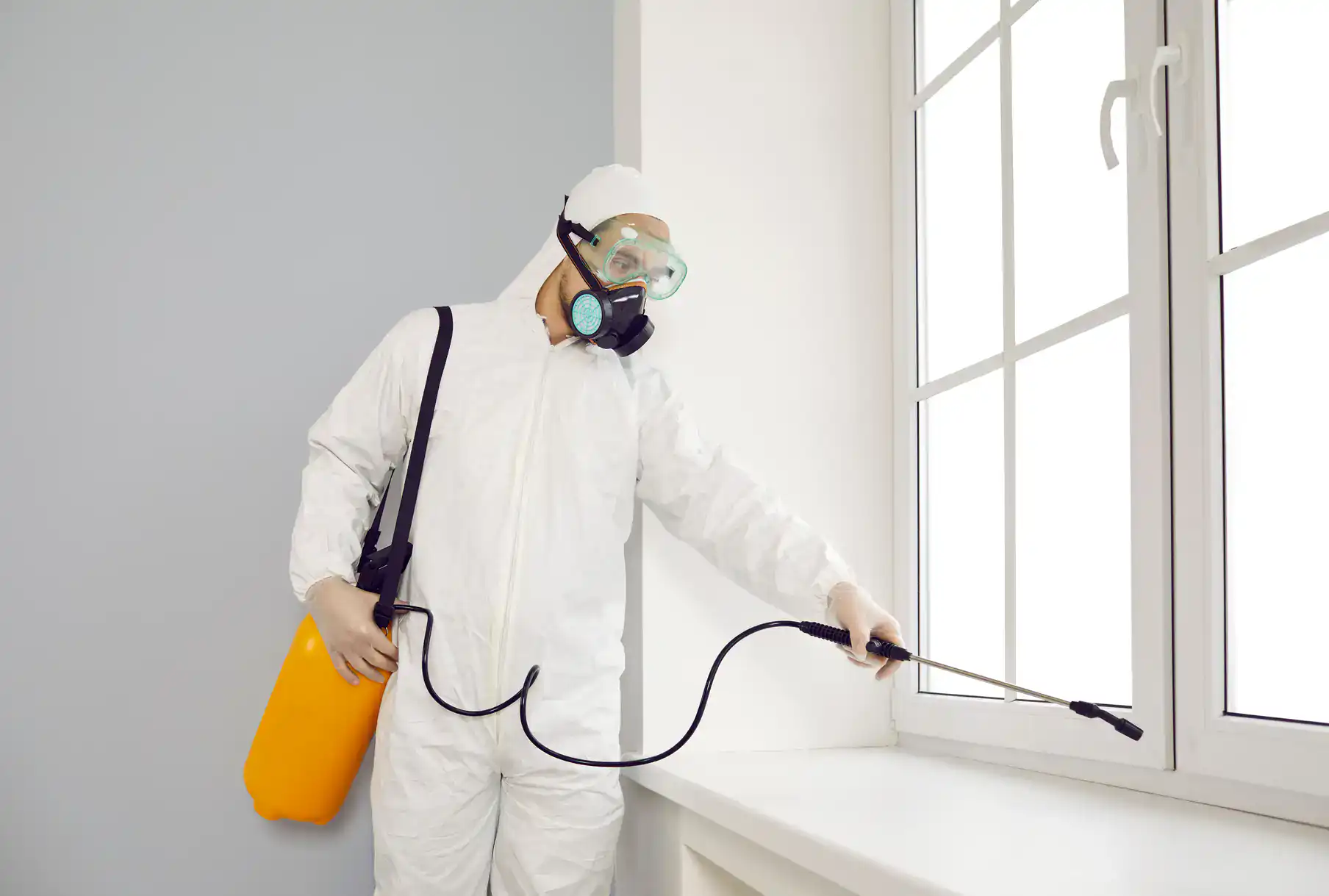
Treatment itself uses only NYS Department of Environmental Conservation-registered materials, which matters in a household with kids, pets, or elderly family members. After the initial service, we follow up to confirm the activity has stopped and that the entry points have been addressed. In a neighborhood with the kind of sustained external pressure Glendale has from the freight yards, the cemeteries, Forest Park to the south ongoing monitoring is available for homeowners who want to stay ahead of it rather than react to it. Appointments are available within 48 hours, and same-day service is often possible.
Ready to get started?
Rodent control in Glendale isn’t a one-size-fits-all service, and we don’t treat it like one. The neighborhood has a specific combination of conditions aging housing stock, freight rail infrastructure, cemetery-edge habitat corridors, and proximity to Forest Park that creates rodent pressure unlike most other parts of Queens. Our service is built around that reality.
What you get starts with a full interior and exterior inspection calibrated to the vulnerabilities common in pre-war Glendale homes: foundation gaps, aging utility penetrations, settling at exterior walls, and original construction details that predate modern rodent-proofing standards. Identification of the specific rodent species matters here too Norway rats behaving near the freight corridors in Lower Glendale require a different approach than house mice entering through a gap in a brick rowhouse wall off Myrtle Avenue.
Treatment includes baiting, trapping, and exclusion work using NYS DEC-registered materials. We are fully licensed, bonded, and insured which protects you as the property owner and ensures every application meets New York State regulatory standards. For Glendale landlords and property owners, that compliance matters directly: NYC Health Code Article 151 requires property owners to maintain premises free of rodent conditions, and a DOHMH violation requires a licensed professional to remediate. Our credentials satisfy that requirement. Whether it’s a single-family home near the Liberty Park section, a two-family house off Central Avenue, or a commercial property along the Myrtle Avenue corridor, we match the scope of service to what the property actually needs.
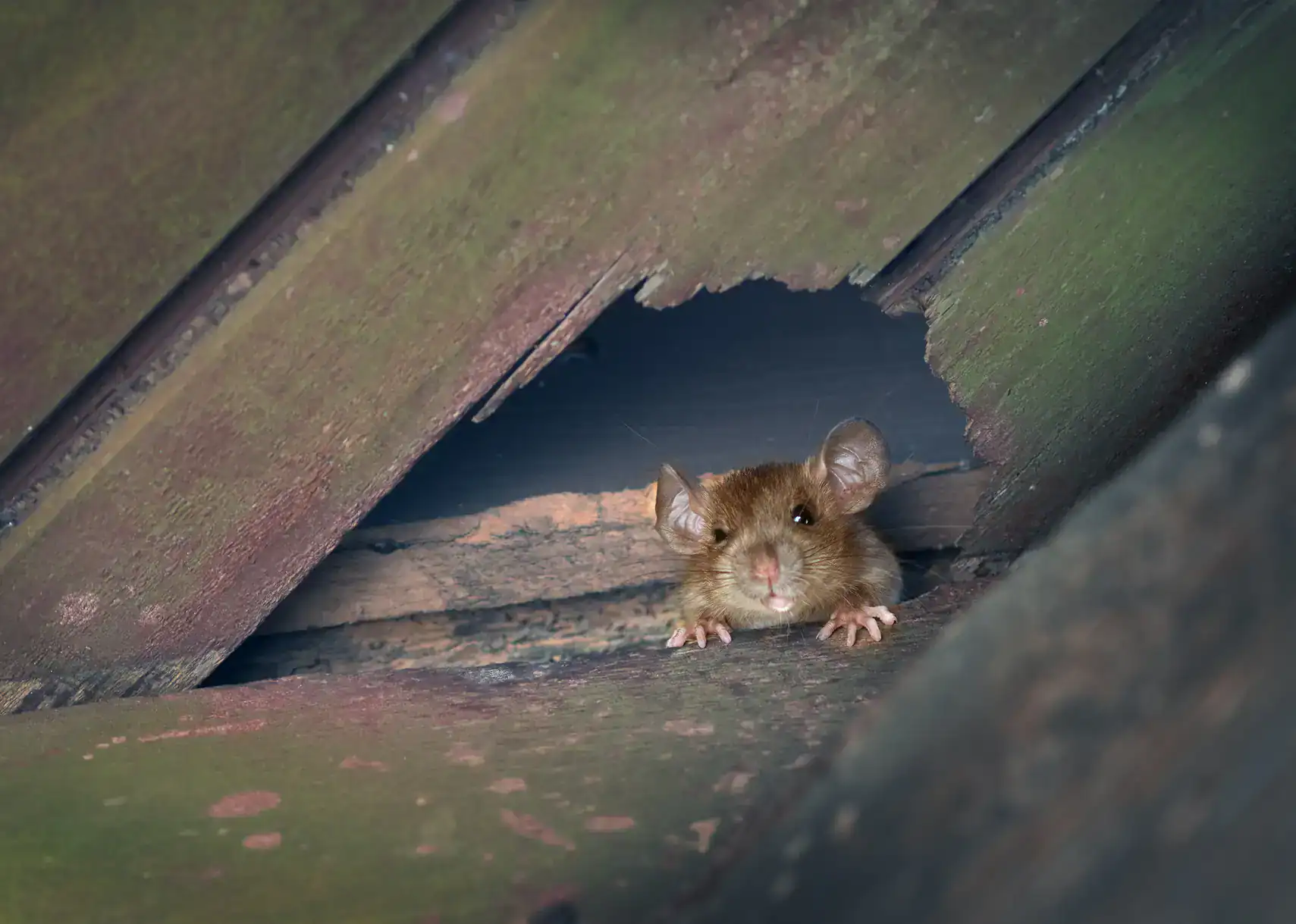
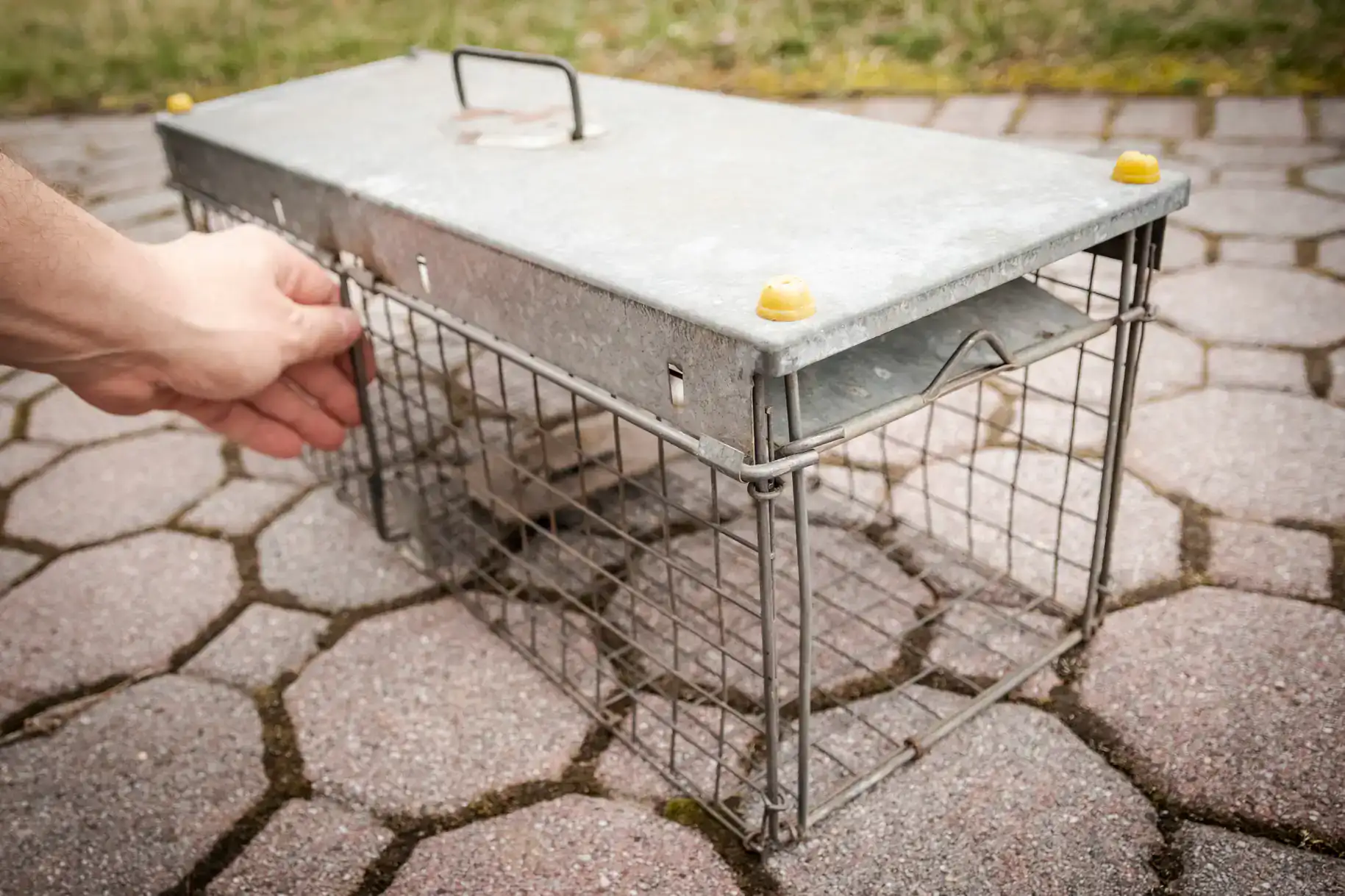
Traps catch animals. They don’t stop more from coming in. In Glendale specifically, that distinction matters more than in most neighborhoods because the external pressure feeding your home’s rodent problem is structural and persistent. The Fresh Pond freight rail yards handle municipal waste year-round. The cemeteries that nearly encircle the neighborhood provide stable, undisturbed harborage. Forest Park borders the neighborhood to the south. These aren’t temporary conditions; they’re permanent features of Glendale’s geography that continuously push rodent populations toward the nearest available shelter.
What’s actually happening when traps don’t solve the problem is that the entry points haven’t been found and sealed. In a pre-1939 home and more than 70% of Glendale’s housing stock qualifies there are gaps around pipe penetrations, settling at the foundation base, and utility entry points that were never designed to meet modern rodent-proofing standards. A mouse can enter through an opening the size of a pencil eraser. A rat needs only a quarter-inch gap. We locate those points through professional inspection. Sealing them is what stops the cycle.
Pricing for professional rodent control in the Queens area generally runs between $180 and $610 for initial treatment, depending on the size of the property, the severity of the infestation, and what’s involved in the inspection and baiting process. If exclusion work is needed physically sealing entry points in the structure that adds roughly $200 to $600 depending on the scope.
For Glendale homeowners, it’s worth framing that cost against the alternative. The median home value in the neighborhood is approaching $800,000. Rodents chewing through electrical wiring in a wall void of a 90-year-old home is not a small risk the National Pest Management Association estimates rodents cause up to 25% of unexplained house fires annually in the US. The cost of professional rodent control is a fraction of what a structural repair or an insurance claim looks like. We provide a free estimate before any work begins, so you know exactly what you’re looking at before committing to anything.
Yes, and it’s not a minor factor. Forest Park is over 500 acres of oak and hickory woodland bordering Glendale’s southern and southwestern edge. Unlike a manicured park, it’s deep woodland with minimal human activity at night stable habitat for rodent populations that don’t face the same sanitation-based controls that limit urban populations. As temperatures drop in October and November, rodents at the park’s edge migrate toward the warmth of adjacent homes. If your property is in Upper Glendale or the Liberty Park section near the park boundary, you’re in a zone of heightened seasonal pressure every fall and winter.
The cemeteries compound this. Glendale is nearly encircled by historic cemetery land Evergreens, St. John’s, Cypress Hills, and others which provides undisturbed soil, ground cover, and minimal nighttime activity. Norway rats travel 100 to 150 feet from their nests daily in search of food, meaning a colony established along a cemetery perimeter can reach the nearest residential block without difficulty. This is why one-time treatments have limits in Glendale the source of pressure doesn’t go away. Ongoing monitoring is what keeps your home from becoming the path of least resistance every season.
The CDC documents more than 35 diseases that rats and mice can spread to humans. The ones most relevant to a residential setting in Glendale include hantavirus, leptospirosis, salmonella, and rat-bite fever. Hantavirus is particularly concerning because it doesn’t require direct contact with a live rodent dried droppings that become airborne during normal household activity can transmit the virus when inhaled. In a pre-war Glendale home with unfinished basement spaces, wall voids, and crawl areas that may not have been fully accessed in years, droppings can accumulate in places you’d never see during a casual inspection.
Leptospirosis is spread through rodent urine contaminating surfaces or water sources a relevant risk in Glendale’s lower-lying western sections where drainage issues create moisture conditions that rodents are drawn to. Salmonella contamination of food preparation surfaces from rodent activity is also well-documented. The health risk isn’t theoretical. It’s a documented public health concern that’s particularly acute in older housing stock where rodents can establish themselves in hidden spaces and remain undetected for extended periods. Professional rodent control addresses not just elimination but safe cleanup and prevention of further contamination.
Rodent exclusion is the process of physically identifying and sealing the structural entry points that allow rodents to get into your home in the first place. It’s different from baiting and trapping, which deal with the animals already inside. Exclusion deals with the building itself closing the gaps, reinforcing the penetrations, and eliminating the access routes that make your home vulnerable.
For Glendale homeowners, exclusion isn’t optional it’s the part of the service that actually makes the results last. With more than 70% of the neighborhood’s homes built before 1939, the structural vulnerabilities are not edge cases. They’re standard features of pre-war construction: gaps around aging gas and water line penetrations, mortar that has deteriorated along the foundation base over decades, original utility entry points that were never designed with rodent-proofing in mind. Without exclusion, baiting and trapping will reduce the current population but the next wave of rodents coming in from the freight yard corridors or the cemetery perimeters will find the same entry points and use them. Exclusion is what breaks that cycle.
A single animal is possible, but in Glendale’s environment it’s the less likely scenario. The neighborhood’s combination of freight rail infrastructure, cemetery-edge habitat, and aging housing stock means that if one rodent found its way into your home, it found a route and routes don’t stay private for long. The more useful question is what you’re actually observing.
Fresh droppings dark, moist, and roughly the size of a grain of rice for mice, or larger for rats indicate active presence. Gnaw marks on food packaging, baseboards, or wiring insulation point to established activity. Grease marks along walls where rodents travel repeatedly are a reliable sign of a regular route, not a one-time visit. Scratching sounds inside walls or ceilings, particularly at night when rodents are most active, typically indicate animals that have found a nesting space. If you’re seeing or hearing more than one of these signs, you’re likely dealing with more than a single animal. A professional inspection will give you a clear picture we offer a free phone consultation where you can describe what you’re seeing and get an honest assessment of what it likely means before scheduling anything.
Useful Links
Other Services we provide in Glendale