Hear from Our Customers
You stop finding them behind the stove at midnight. You stop wondering if your neighbor’s infestation is already inside your walls. That’s what real cockroach control in Park Slope looks like not a spray visit that scatters the problem, but a treatment that addresses where they’re living, breeding, and moving through your building.
Park Slope’s brownstones were built between 1880 and 1920. That’s over a century of settling mortar, aging cast-iron pipes, and shared party walls between every attached home on the block. Cockroaches don’t need much a gap around a pipe, a crack in a basement wall, a moisture source from aging plumbing and in buildings this old, those entry points exist whether you can see them or not. A proper treatment accounts for the building, not just the kitchen.
If you’re on the western blocks near Third or Fourth Avenue, there’s something else worth knowing. When the Gowanus Canal overflows during heavy rain which happens more often now American cockroaches migrate up through sewer connections directly into basement units. That’s not a general pest problem. That’s a specific, local one. And it requires a technician who actually knows this neighborhood, not one reading off a generic service checklist.
We were founded by the Kourbage family and have operated out of Brooklyn continuously since the 1980s. Richard Kourbage Sr. built the company from the ground up. Richard Jr. joined in 1987. Multiple family members still work in the business today. Nobody bought this company. Nobody rebranded it. It’s the same operation, same borough, same standards for over 40 years.
Our office is on Flatbush Avenue in Marine Park the same Flatbush Avenue that runs straight up to Grand Army Plaza at Park Slope’s front door. That’s not a coincidence. We’ve been serving Park Slope and the neighborhoods along this corridor for decades, and our collective team experience adds up to over 100 years of hands-on pest control work in buildings just like yours.
We hold an A+ rating with the Better Business Bureau of New York State, carry full NYS DEC licensing, and are licensed, bonded, and insured. For Park Slope homeowners and landlords who need documentation for compliance purposes, we also issue Demolition Clearance Certificates to the NYC Department of Health a credential most residential exterminators simply don’t have.
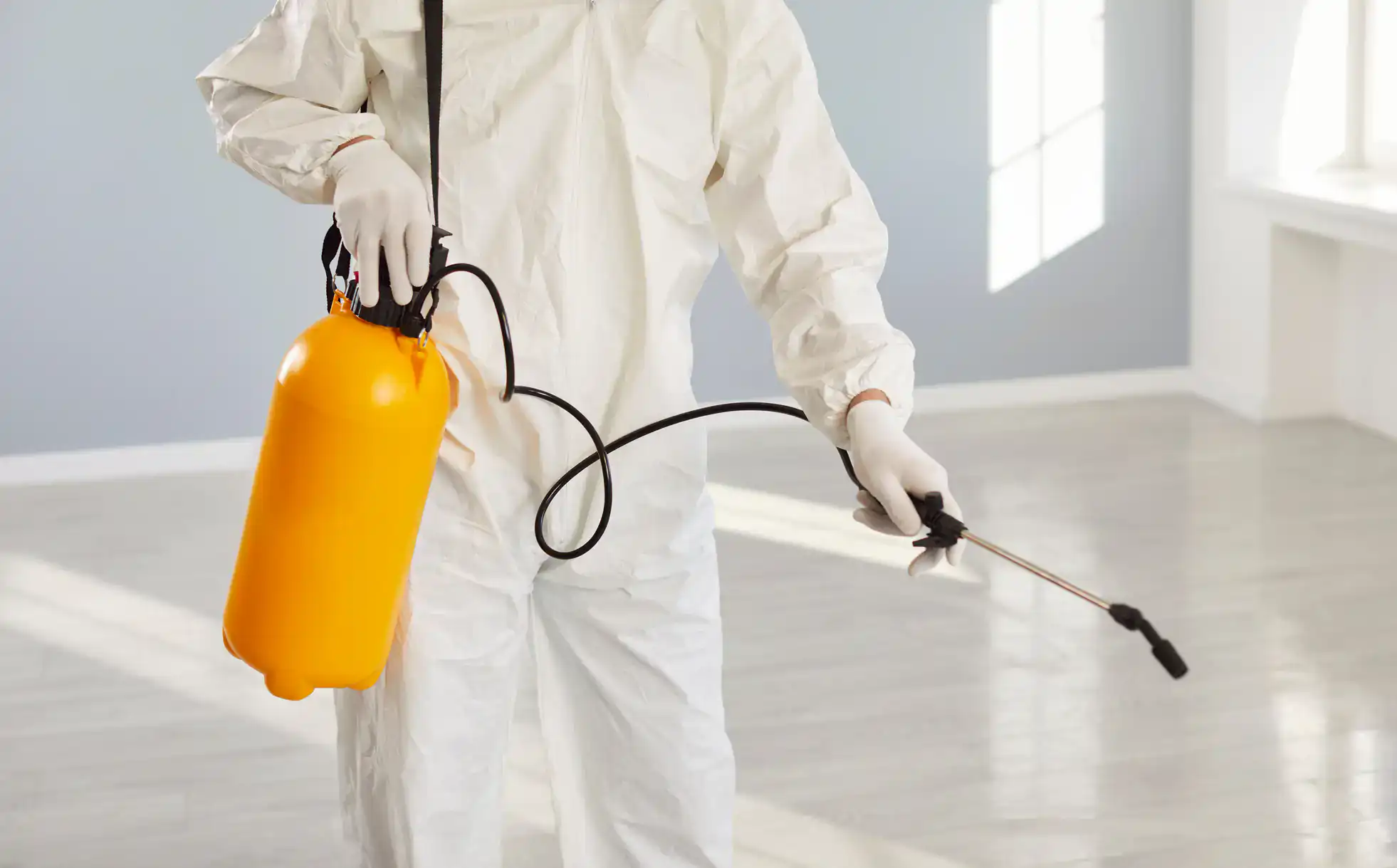
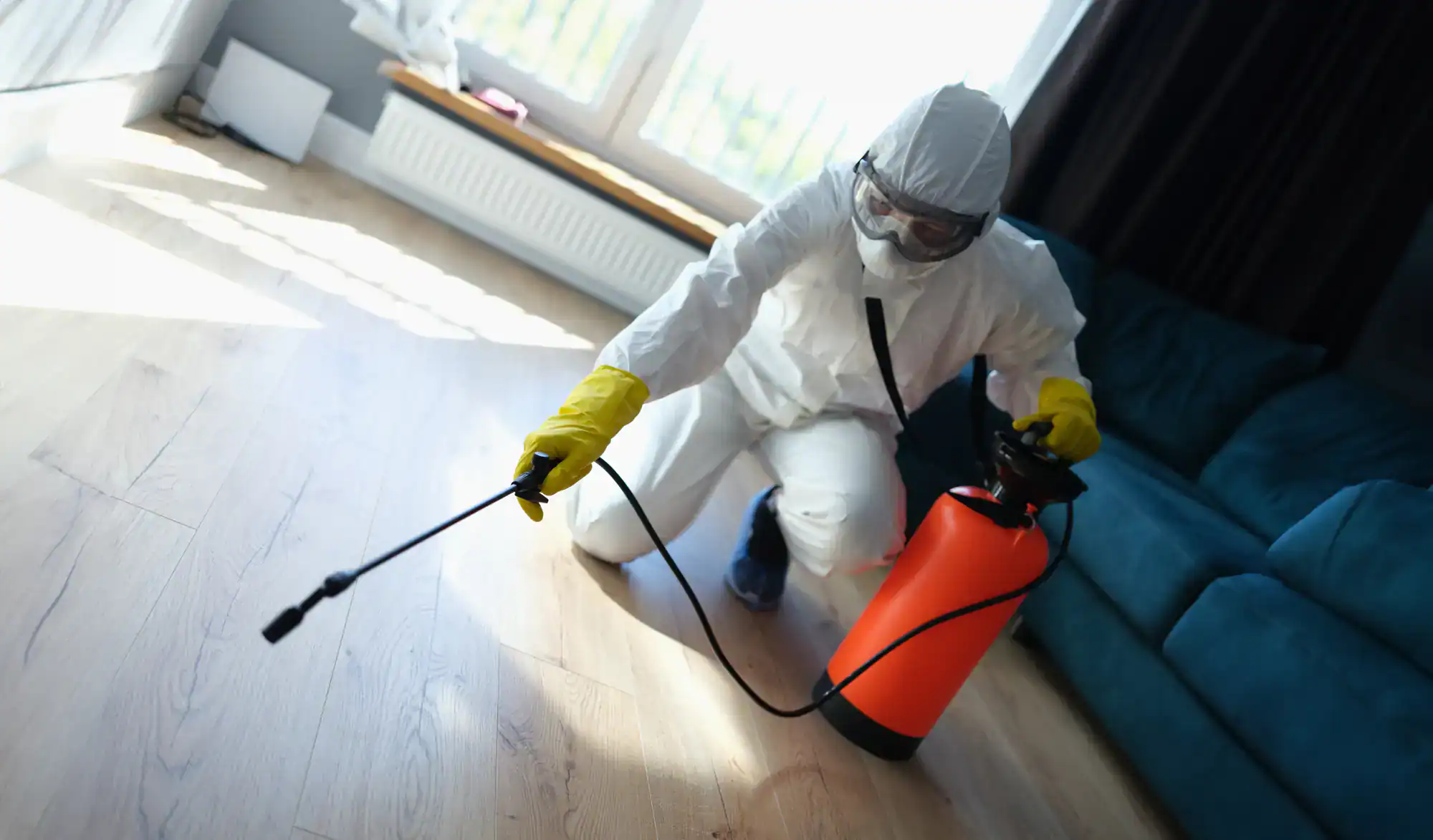
It starts with an inspection a real one. Not a five-minute walk-through before pulling out a sprayer. Our technician looks at where cockroaches are actually living: behind appliances, under sinks, inside wall voids, around pipe penetrations, in basement utility areas. In a Park Slope brownstone or pre-war apartment, that inspection also includes the shared-wall access points and basement entry zones that are specific to attached rowhouse construction. If you’re in a multi-unit building, we factor in the likelihood of cross-unit migration because in this neighborhood, that’s almost always part of the picture.
Treatment follows the inspection, not a preset formula. German cockroaches the small, fast ones in kitchen cabinets are treated with targeted gel baits and insect growth regulators. Aerosol sprays scatter German cockroach colonies and make infestations worse, not better. American cockroaches, the large ones that come up through basement drains, require treatment of sewer entry points and harborage areas, not just surface application. Every material we apply is registered with the NYS Department of Environmental Conservation, which matters if you have children or pets in the home.
After the initial treatment, we build in follow-up. Cockroach infestations in dense urban buildings especially in older Brooklyn housing stock rarely resolve after a single visit. A maintenance schedule protects the work that was done and keeps re-infestation from undoing it. That follow-through is what separates a real solution from a temporary fix.
Ready to get started?
We handle both residential and commercial cockroach control in Park Slope. On the residential side, that means brownstones, converted two- and three-family rowhouses, pre-war rental apartments, and owner-occupied homes across ZIP codes 11215 and 11217. On the commercial side, it means the restaurants, cafés, and food-service businesses along Fifth Avenue and Seventh Avenue where a single cockroach sighting during a NYC Department of Health inspection can result in a public “C” grade posting and immediate revenue loss. We understand the compliance requirements of NYC’s restaurant inspection system and know what it takes to get a business back in good standing.
For residential customers, our service includes a full inspection, species identification, targeted treatment using NYS DEC Registered Materials, and a follow-up schedule. Identifying the species first matters enormously German cockroaches and American cockroaches require completely different treatment approaches, and misidentifying them wastes time and money. Our technicians have seen both species extensively in Park Slope’s specific building stock and know where each one hides.
Landlords and property managers in Park Slope should also know that under NYC’s Housing Maintenance Code, cockroach infestation is classified as a Class B violation hazardous and requires remediation within 30 days of a violation notice. We work with building owners who need documented treatment records for compliance, and our service process is built to meet that standard. A 10% discount is available for senior residents, many of whom have lived in their Park Slope homes for decades and deserve straightforward, honest service.
Brownstones in Park Slope were built between the 1880s and early 1900s, which means the plumbing, foundation walls, and mortar joints in most of these buildings are well over a century old. Cockroaches don’t need a large opening a gap around a pipe, a crack where a wall meets the floor, or a deteriorating mortar joint between basement stones is enough. In attached rowhouses, those gaps often connect directly to the unit next door through shared party walls and common utility spaces. That’s why treating only your unit frequently doesn’t solve the problem long-term.
There’s also the moisture factor. Aging cast-iron plumbing in Park Slope brownstones develops slow leaks and condensation over time, and cockroaches are drawn to water sources above almost everything else. If your kitchen or bathroom has had any plumbing issues even minor ones there’s a good chance moisture has created harborage conditions inside the wall. A thorough inspection looks for these sources specifically, because eliminating the attraction is just as important as treating the infestation itself.
Yes and the difference matters a lot for how they’re treated. The large cockroaches you find in your basement or bathroom, often called waterbugs, are American cockroaches. They typically enter buildings through sewer connections, floor drains, and basement gaps rather than migrating through kitchen areas. In Park Slope specifically, the proximity to the Gowanus Canal a federally designated Superfund site connected to the city’s combined sewer system means that combined sewer overflow events during heavy rain push American cockroaches up through drain lines into basement units, particularly on the western blocks near Third and Fourth Avenues.
German cockroaches, the smaller ones found in kitchens and behind appliances, are a separate infestation that spreads through food sources and harborage inside the building. Treating one species the same way you treat the other doesn’t work. Aerosol sprays scatter German cockroach colonies and make them harder to eliminate. American cockroaches require sealing sewer entry points and treating basement harborage areas. Getting the identification right before treatment starts is what determines whether the problem actually gets resolved.
This is one of the most common questions from Park Slope residents, and it’s the right one to ask. Every material we apply is registered with the New York State Department of Environmental Conservation meaning it has been tested and approved for use by a state regulatory body, applied by our certified technicians who are trained in targeted application methods. The treatments we use for cockroach control primarily gel baits and crack-and-crevice applications are placed in specific harborage areas, not broadcast across surfaces where children and pets spend time.
The more important health context is this: cockroach allergens are a documented trigger for childhood asthma, and NYC childhood asthma rates vary from 3% to 19% depending on the neighborhood, with cockroach allergen exposure identified as a key driver. Research has found cockroach allergen present in the majority of NYC apartment bedroom and kitchen air samples where infestation exists. The health risk of leaving an active infestation untreated in a home with children is well-documented and measurable. A professionally managed treatment, applied correctly, addresses that risk it doesn’t create a new one.
In a Park Slope rowhouse or pre-war apartment building, cockroach migration between units is common and happens faster than most people expect. Cockroaches move through shared wall voids, around pipe penetrations, through gaps in flooring, and along utility conduits none of which are visible from inside your unit. If a neighboring unit has an active German cockroach infestation, the colony will expand into adjacent spaces once the harborage in the original unit reaches capacity. You don’t need to see them to already have a problem developing inside your walls.
The most effective approach in a multi-unit building is coordinated treatment addressing multiple units at the same time rather than treating one while leaving the others untreated. We work with landlords and building owners on exactly this type of building-wide treatment plan, which is also what NYC’s Housing Maintenance Code expects when a cockroach violation is issued to a multiple-dwelling building. If you’re a renter and your landlord hasn’t responded, a 311 complaint can trigger a formal inspection and a Class B violation notice, which requires remediation within 30 days.
There’s no honest single answer, because it depends on the species, the size of the infestation, and the building type. A moderate German cockroach infestation in a single unit of a Park Slope brownstone can show significant reduction within two to three weeks of a properly applied gel bait treatment, with full resolution typically requiring a follow-up visit at the three- to four-week mark. Larger or multi-unit infestations take longer especially in older buildings where cockroaches have established harborage inside wall voids and under flooring that’s difficult to access.
American cockroach intrusions from sewer sources are a different situation. If the entry points floor drains, pipe penetrations, basement gaps aren’t sealed as part of the treatment, the cockroaches will continue to come in regardless of how many times the visible ones are treated. That’s why the inspection phase matters so much. Knowing what species you’re dealing with, where they’re entering, and where they’re living determines the timeline more than any other factor. Rushing the process or skipping the follow-up visit is the most common reason infestations come back.
Under New York City’s Housing Maintenance Code, landlords are legally required to maintain rental properties free of pests, including cockroaches. A cockroach infestation is classified as a Class B violation considered hazardous and landlords who receive a violation notice are required to remediate within 30 days. This applies to buildings throughout Park Slope, whether it’s a two-family brownstone on a numbered street or a larger pre-war apartment building on one of the avenues.
If your landlord isn’t responding, filing a complaint through 311 is the standard path. The NYC Department of Housing Preservation and Development (HPD) will schedule an inspection, and if a violation is confirmed, the landlord is formally required to act. Some tenants in Park Slope particularly in rent-stabilized units have successfully used documented pest complaints as part of broader housing maintenance disputes. If you’re a renter dealing with an unresponsive landlord, knowing that the law is on your side is a meaningful starting point. We work with both tenants and landlords and can provide documented treatment records that satisfy HPD compliance requirements when the time comes.
Useful Links
Other Services we provide in Park Slope