Hear from Our Customers
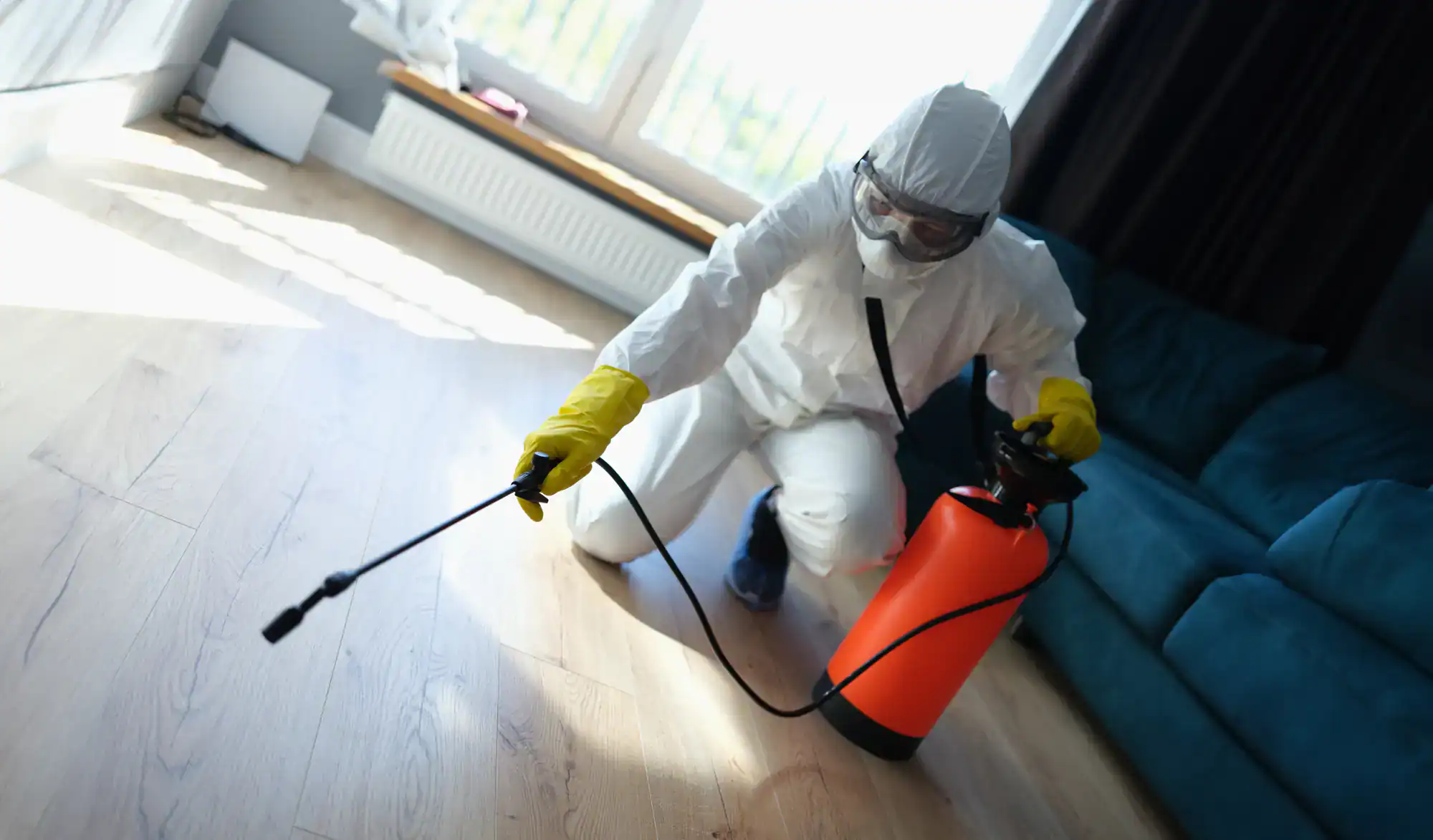
You stop seeing them dart across the kitchen at midnight. You stop wondering whether the unit above yours or the one next door is the real source. You stop second-guessing every creak in the wall. That’s what a proper cockroach treatment actually delivers not just fewer roaches, but the certainty that the problem has been addressed at the root.
In Tribeca, that root is almost never where you think it is. These buildings were warehouses before they were homes. The plumbing chases run vertically through multiple floors. The wall voids between the original cast-iron facade and the interior are deep. German cockroaches spread through those channels quietly, unit to unit, floor to floor, long before anyone sees a single one in their kitchen. A surface-level treatment doesn’t reach any of that.
Then there’s the waterbug situation the American cockroaches that migrate up through the sewer infrastructure and subway corridors beneath Tribeca, especially after heavy rain. Living this close to the Hudson River waterfront and above one of the densest networks of underground utility corridors in the city means that even a spotless apartment can get hit. Understanding that distinction German cockroach versus American cockroach, interior infestation versus external migration is what separates a treatment that works from one that buys you three weeks of relief.
Kingsway Exterminating Company is a family-owned business founded by Richard Kourbage Sr. and based in Brooklyn, a straight shot across the Brooklyn Bridge from Tribeca’s southern edge. Richard Kourbage Jr. joined in 1987, and we’ve been serving all five boroughs including Tribeca and the surrounding Manhattan neighborhoods ever since. That’s not a franchise model. That’s a family that built something real and has kept it running for over 50 years by actually delivering results.
Our team collectively brings more than 100 years of hands-on pest control experience. Every technician operates under NYS Department of Environmental Conservation certification, and every material we use on your property is NYS DEC registered not a hardware store product, not a shortcut. We hold a consistent A+ rating with the Better Business Bureau of New York State, are fully licensed, bonded, and insured, and have the commercial credentials to handle DOH compliance work for Tribeca’s restaurant and property management clients as well.
When you’re managing a luxury loft on Harrison Street or overseeing a multi-unit building near the Canal Street corridor, you need a pest control company that already understands the building. We do.
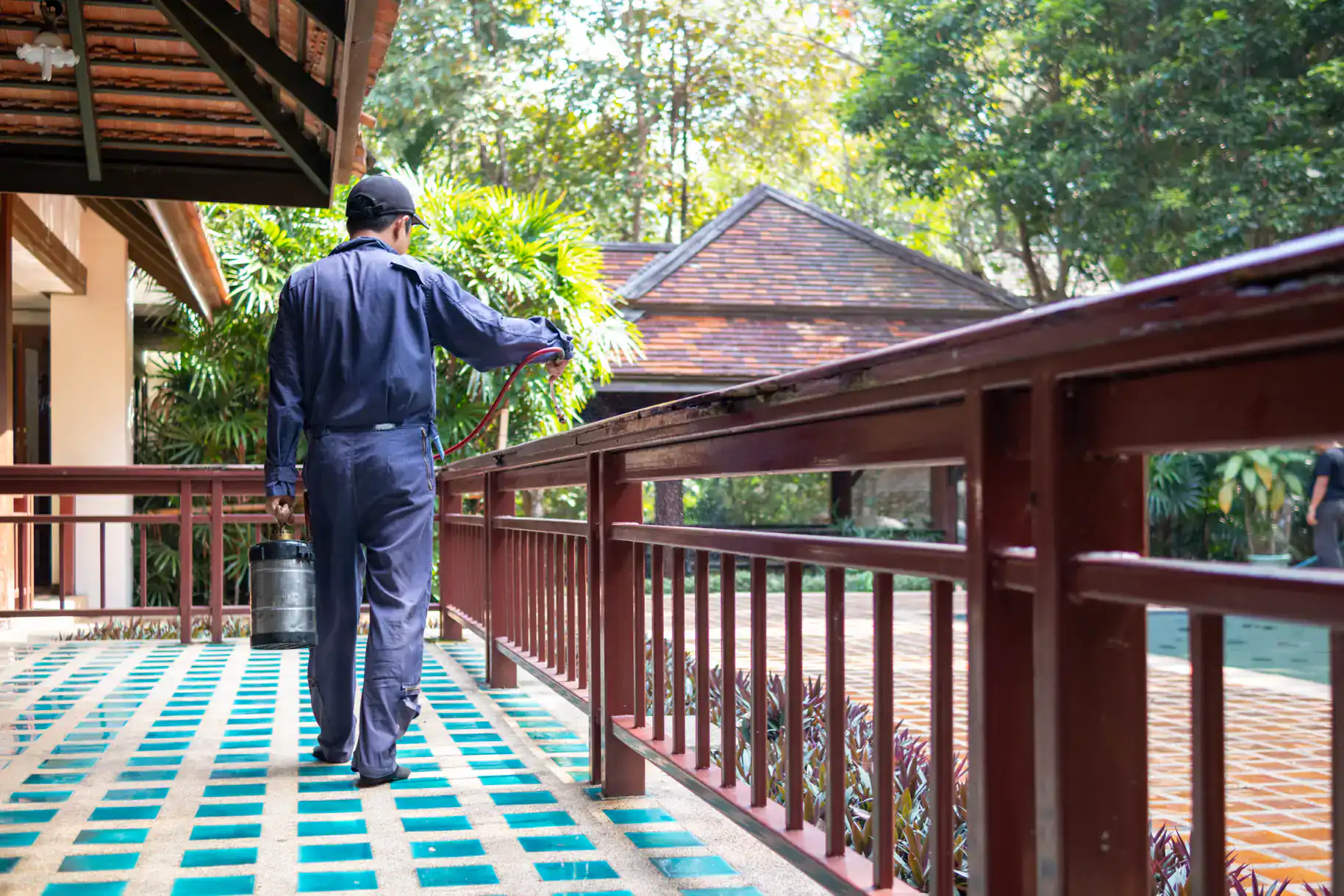
It starts with an inspection not a quick walk-through, but a real one. In Tribeca’s pre-war buildings, that means checking the kitchen appliances, the plumbing walls, the cabinet hinges, the utility penetrations, and the basement spaces if accessible. German cockroaches hide in tight, warm, humid spots close to food and water. American cockroaches come up from below. Identifying which species you’re dealing with and where they’re actually harboring determines everything about how the treatment is structured.
From there, the treatment is applied based on what the inspection reveals. For German cockroaches, that typically means targeted gel bait placed in the harborage zones, combined with an insect growth regulator (IGR) to interrupt the reproductive cycle. This approach is precise, low-disruption, and safe for occupied spaces which matters when you’re treating a high-end loft with children, pets, or premium finishes. For American cockroach pressure coming up through basement drains or utility penetrations, we focus the treatment on those entry points and the pathways leading from them.
In a multi-unit building and most of Tribeca’s residential stock is exactly that we can coordinate with property managers and building superintendents to address the infestation building-wide, not just unit by unit. A single-unit treatment in a shared building is a temporary fix at best. NYC Local Law 55 puts the legal obligation on landlords to maintain pest-free conditions, and our documentation supports that compliance process. Follow-up visits are scheduled based on the severity of the infestation and the building’s specific conditions because one visit is rarely the complete answer in a century-old structure.
Ready to get started?
Every cockroach pest control service we perform in Tribeca starts with species identification. It sounds basic, but it’s the step most quick-response operators skip and it’s the reason their treatments don’t hold. German cockroaches and American cockroaches require different protocols, different product placements, and different follow-up timelines. Getting that wrong from the start means you’re back to square one in a few weeks.
For residential clients whether you own a converted loft near Staple Street or rent in one of the larger multi-unit buildings along Hudson Street our service includes a full interior inspection, targeted bait and IGR application in identified harborage zones, treatment of entry points and utility penetrations where applicable, and a documented follow-up schedule. All materials are NYS DEC registered and applied by certified technicians. If you have children, pets, or specific concerns about the products being used in your space, those questions get answered before anything is applied not after.
For commercial clients, including the restaurants and food service operators along Tribeca’s dining corridors who face NYC Department of Health inspection pressure, we provide treatment documentation suitable for compliance purposes and can establish ongoing maintenance schedules to keep your kitchen pest-free between inspections. If you’ve already received a DOH cockroach citation, we know the remediation standard required and work directly toward it. Property managers overseeing multiple units can also discuss building-wide programs the most effective and cost-efficient approach for Tribeca’s predominantly rental building stock.
Cleanliness is not the issue here, and that’s important to understand. Cockroach infestations in Tribeca are driven primarily by the building’s structure, not by what’s happening inside your specific unit. The cast-iron warehouse buildings that define this neighborhood were converted to residential use without eliminating the deep wall voids, original plumbing chases, and basement utility connections that cockroaches use to move through a building. German cockroaches in particular spread through those shared channels between units and floors meaning the source of your infestation may be two floors away from where you’re seeing them.
Add to that the geographic reality: Tribeca sits above one of the densest concentrations of subway tunnels, sewer lines, and utility corridors in the city. American cockroaches migrate upward through those systems, especially after heavy rain events. The restaurant activity along the Chinatown corridor to the east generates cockroach pressure that moves into adjacent Tribeca residential buildings through shared infrastructure. None of that has anything to do with how clean your apartment is. What it means is that effective treatment has to address the building’s structural entry points and harborage zones not just the surfaces you can see.
Faster than most people expect particularly with German cockroaches, which are the most common species found in Tribeca apartments. A single pregnant female can produce hundreds of offspring over her lifetime, and German cockroaches reach reproductive maturity in as little as six weeks under favorable conditions. In a pre-war building with shared plumbing walls and interconnected utility spaces, a localized infestation in one unit can spread to adjacent units within weeks, often before anyone other than the original unit’s residents has seen a single roach.
This is why building-wide coordination matters so much in Tribeca’s residential stock. Treating one unit in isolation while the infestation continues to spread through the building’s shared infrastructure produces temporary results at best. Under NYC Local Law 55, landlords in buildings with three or more units have a legal obligation to address cockroach infestations so if you’re a tenant who has reported the issue to your building management and hasn’t seen action, that law is on your side. If you’re the property manager, getting ahead of it early is significantly less disruptive and less costly than dealing with a building-wide infestation that’s had months to establish itself.
They’re both cockroaches, but they’re different species with different behaviors and that distinction matters for how they get treated. German cockroaches are small (roughly half an inch), light brown, and almost always found indoors. They colonize warm, humid spaces close to food and water: behind refrigerators, inside cabinet hinges, along plumbing walls, inside appliance motors. They spread through shared walls and plumbing infrastructure, which is why they’re so common in Tribeca’s multi-unit loft buildings.
American cockroaches what New Yorkers call waterbugs are much larger (up to two inches), reddish-brown, and typically enter buildings from below. They live in sewer systems, basement utility spaces, and the underground infrastructure beneath the building. In Tribeca, that infrastructure is particularly dense: subway tunnels, utility corridors, and the sewer system all run beneath the neighborhood, and the proximity to the Hudson River adds ambient moisture that supports their populations. Waterbugs are most commonly seen after heavy rain events, when rising water pressure in the sewer system pushes them upward through floor drains and utility penetrations. The treatment approach for each is different which is why proper species identification at the start of any cockroach pest control service is not optional.
Yes when it’s done by a licensed professional using the right materials and methods. Every cockroach treatment we perform uses NYS Department of Environmental Conservation registered materials, applied by technicians who hold state certification. That’s a meaningful distinction from what you’d buy at a hardware store or what an unlicensed operator might use. The gel bait and IGR (insect growth regulator) approach used for German cockroach treatment is specifically designed to be placed in targeted harborage zones inside cabinet hinges, behind appliances, along plumbing walls rather than broadcast-sprayed across open surfaces. That keeps product contact limited to the areas where cockroaches actually live, not the areas where your kids and pets spend their time.
Before any treatment begins, your technician will walk through what’s being applied, where it’s going, and what precautions make sense for your specific household. If you have infants, pets with specific sensitivities, or concerns about particular products, those get addressed upfront. In a Tribeca loft where you’ve invested significantly in your living environment, you deserve to know exactly what’s going into your space and a professional operator should be able to answer those questions clearly and specifically, not vaguely.
In most cases, yes. NYC Local Law 55 the Healthy Homes Act, passed in 2018 requires building owners in properties with three or more units to keep dwellings free of indoor allergen hazards, and cockroach infestations are specifically covered under that requirement. If you’ve reported a cockroach problem to your landlord or building management and they haven’t addressed it within a reasonable timeframe, you have legal standing to escalate the complaint through NYC’s 311 system or the Housing Preservation and Development (HPD) department.
That said, the practical reality in Tribeca’s predominantly rental market is that property managers and building superintendents who take pest control seriously tend to respond faster when a licensed exterminator is already involved and can provide documentation. If your building management is unresponsive, having a professional inspection report that identifies the infestation and its likely source including whether it’s originating from shared building infrastructure rather than your unit specifically strengthens your position considerably. We work with both tenants and property managers across Manhattan’s pre-war building stock and can provide the documentation that supports compliance and accountability on both sides.
It’s a real and documented concern, particularly for buildings along the eastern edge of Tribeca near the Broadway and Canal Street corridors. Chinatown, which borders Tribeca to the east and shares the 10013 ZIP code, has one of the densest concentrations of food service establishments in New York City. That level of food service activity generates significant cockroach pressure, and cockroaches don’t respect neighborhood boundaries they move through shared sewer infrastructure, utility corridors, and subway passageways that connect the areas beneath both neighborhoods.
For Tribeca residents in buildings closer to that eastern boundary, the cross-neighborhood migration pressure is a structural reality, not a one-time event. The same is true for buildings adjacent to any of Tribeca’s own high-end restaurants, which face NYC Department of Health inspection pressure but may still have pest activity between inspection cycles. The most effective approach in these situations is sealing the entry points through which cockroaches are entering your building floor drains, utility penetrations, gaps around pipe penetrations in basement walls combined with targeted treatment of any active harborage inside. Our inspection process specifically identifies those structural vulnerabilities so the treatment addresses the source of the pressure, not just the visible evidence of it.
Useful Links
Other Services we provide in Tribeca