
Hear from Our Customers
You stop finding them behind the stove at midnight. You stop wondering if the spray you bought at the hardware store on Queens Boulevard is doing anything because you already know it isn’t. Real cockroach control in Woodside means the problem gets traced to where it actually starts, not just treated where it shows up.
That distinction matters more here than almost anywhere else in Queens. Woodside’s older apartment buildings the brick co-ops and post-war walk-ups that line the residential blocks north and south of Roosevelt Avenue have shared plumbing walls, steam pipe chases, and utility runs that cockroaches use like hallways. A treatment that only hits your unit leaves the source untouched. The roaches come back. They always do, until someone addresses the building the way it actually works.
For the restaurant owners and food service operators along Roosevelt Avenue and Queens Boulevard, the stakes are different but just as real. A cockroach sighting during a Department of Health inspection isn’t just embarrassing it’s a public letter grade downgrade and a fine. Getting ahead of that with professional roach control isn’t optional. It’s the cost of staying open.
Kingsway Exterminating Company has been doing this in Woodside and across New York City for over 50 years. Not in a general sense in the specific sense of working inside the exact kind of buildings Woodside is made of. Pre-war co-ops. Post-war brick apartment buildings. Ground-floor commercial spaces with residential units stacked above them. Steam-heated six-story walk-ups where the pipe chases between floors have never been properly sealed. These aren’t abstract building types to us. They’re Tuesday in Woodside.
The company was founded by Richard Kourbage Sr. and has stayed family-owned and operated ever since no franchise, no acquisition, no rebranding. Richard Kourbage Jr. joined in 1987, and the team we’ve built together brings over 100 years of collective pest control experience to every job. That’s not a number pulled from thin air. It’s what happens when you don’t churn through staff and you actually invest in the people doing the work.
We hold a consistent A+ rating with the Better Business Bureau of New York State, are fully licensed, bonded, and insured, and use only NYS Department of Environmental Conservation registered materials on every job. That’s the baseline standard and it’s one not every company operating in Woodside can honestly claim.
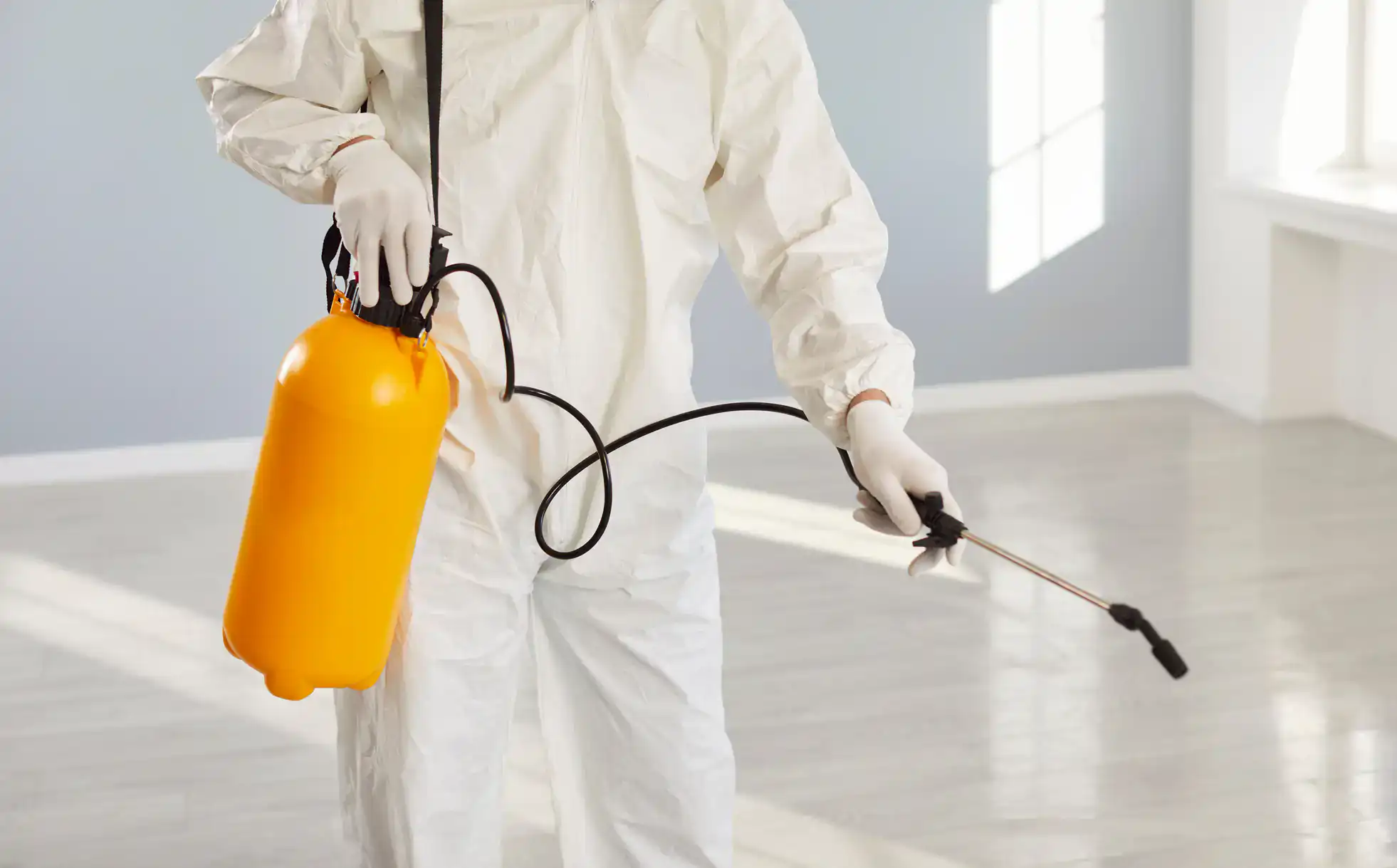
It starts with identification and that step matters more than most people realize. Woodside residents deal with two very different cockroach species, and treating the wrong one the wrong way is a waste of everyone’s time. German cockroaches the small, fast ones in your kitchen cabinets and behind the refrigerator require a completely different approach than American cockroaches, the large ones your neighbors call waterbugs that come up through basement drains and sewer lines, especially after heavy rain. A technician who skips the identification step is already behind.
Once the species and the source are confirmed, treatment gets built around the building not just the unit. In Woodside’s multi-unit residential stock, that means accounting for shared walls, pipe penetrations, and common areas like basement trash rooms that feed the problem from below. If there’s a ground-floor restaurant in the building, that factors in too. Cockroach eggs are resistant to most pesticides, which means one visit isn’t the end of it. Follow-up treatments, typically spaced two to four weeks apart, are how you catch the next generation before it becomes the next infestation.
After the treatment cycle is complete, we can set up an ongoing maintenance schedule monthly, every other month, or whatever the building actually needs to keep the pressure from building back up. For property managers dealing with tenant complaints or HPD notices, that documented maintenance history matters.
Ready to get started?
Cockroach control in Woodside isn’t one-size-fits-all, and we don’t treat it that way. Every job starts with a real assessment what species, where they’re coming from, and what’s making your specific unit or building vulnerable. From there, treatment is applied using only NYS DEC registered materials by certified technicians. That matters for families with kids, for pet owners, and especially for the healthcare workers who make up a significant portion of Woodside’s population and understand chemical exposure better than most.
For residential clients whether you’re in a co-op near Doughboy Park, a rental above a business on Northern Boulevard, or an apartment close to Woodside Houses the focus is on eliminating the infestation at its source and sealing the entry points that keep it coming back. For commercial clients on Roosevelt Avenue or Queens Boulevard, our work is built around DOH compliance, with the regulatory experience to back it up, including issuing Demolition Clearance Certificates to the NYC Department of Health.
Seniors in Woodside receive a 10% discount on services a straightforward acknowledgment of the longtime residents who’ve been part of this neighborhood since long before it became one of the most diverse communities in all of Queens. If you’re managing multiple units or an entire building, we offer ongoing service contracts that can be structured around your property’s specific needs and inspection schedule.
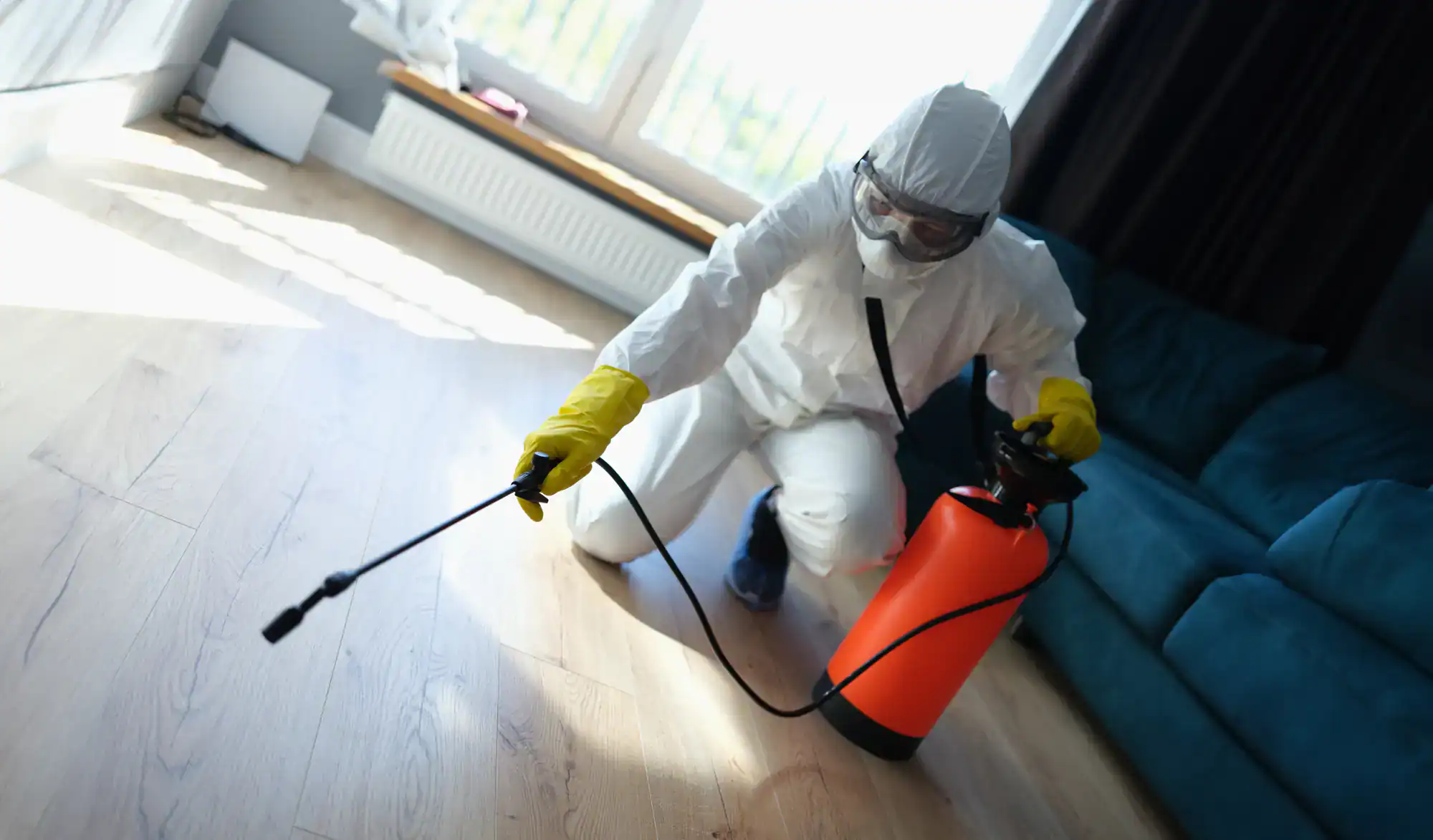
This is the most common frustration we hear, and the answer almost always comes down to the same thing: the treatment addressed where the cockroaches were seen, not where they’re coming from. In Woodside’s older apartment buildings especially the post-war brick stock that dominates the residential blocks between Roosevelt Avenue and Northern Boulevard cockroaches travel through shared plumbing walls, radiator pipe chases, and utility conduits between units. Treating one apartment while the source is in a neighboring unit, the basement trash room, or the restaurant below means the problem refills itself.
There’s also the egg issue. Cockroach egg cases, called ootheca, are resistant to most pesticides. A single treatment can eliminate the adults you’re seeing while leaving the next generation untouched. That’s why follow-up visits spaced two to four weeks apart are essential not optional. If your exterminator came once, sprayed, and left, that’s likely why you’re searching for answers again right now.
They’re both cockroaches, but they behave very differently and need to be treated differently. German cockroaches are the small, fast ones typically a half-inch to five-eighths of an inch long that show up in kitchen cabinets, behind appliances, and inside bathroom vanities. They breed rapidly in warm, humid conditions and are the most common species found in apartment buildings across Woodside and the rest of Queens.
Waterbugs are American cockroaches. They’re much larger up to two inches and they typically come up from below: sewer lines, basement drains, and utility conduits. In Woodside, the density of basement-level commercial kitchens along Roosevelt Avenue and the neighborhood’s older sewer infrastructure make waterbug migration a predictable seasonal problem, especially in spring after heavy rain and in summer when heat drives them upward. The treatment approach, the bait used, and the entry points targeted are different for each species. A technician who doesn’t identify the species before treating is guessing and guessing costs you time and money.
Yes, and in Woodside’s building stock, it happens constantly. Cockroaches don’t need much space to move between units a gap around a pipe, an unsealed electrical conduit, a crack along a shared wall. In the pre-war and post-war apartment buildings that make up most of Woodside’s residential inventory, those gaps are everywhere, and they’ve often been there for decades without anyone addressing them.
This is why treating just your unit often doesn’t work long-term. If the infestation source is in the unit next door, below you, or in the building’s shared basement infrastructure, the cockroaches will keep coming back no matter how clean your kitchen is. A building-level approach one that accounts for shared plumbing, common areas, and adjacent units is the only thing that actually breaks the cycle. If you’re a renter, your landlord is legally required under New York City’s Housing Maintenance Code to address cockroach infestations. A cockroach infestation is classified as a Class B hazardous violation, and landlords who don’t remediate within 30 days face escalating fines from the NYC Department of Housing Preservation and Development.
Preparation makes a real difference in how effective the treatment is. Before our technician arrives, clear out the areas under your kitchen and bathroom sinks, pull appliances away from the wall if you can, and remove everything from the lower shelves of kitchen cabinets. If you have pets, make arrangements to keep them out of the treated areas during and immediately after the visit your technician will give you a specific timeframe based on the materials being used.
In Woodside apartments, it’s also worth noting any spots where you’ve seen the most activity behind the refrigerator, under the stove, along the baseboard near plumbing walls because that information helps the technician prioritize and identify likely travel routes. If your building has a basement trash room or a shared compactor, mention that too. In a neighborhood where ground-floor restaurants and shared building infrastructure are common, that context helps us build a more accurate picture of where the pressure is coming from and how to address it at the source.
When it’s done by a licensed, certified exterminator using NYS DEC registered materials yes. The materials we use are reviewed and approved by the New York State Department of Environmental Conservation, which sets some of the strictest pesticide standards in the Northeast. That regulatory layer matters, especially in a neighborhood like Woodside where apartments are small, families share close quarters, and a significant portion of residents work in healthcare and understand chemical exposure risks firsthand.
Our technician will tell you exactly how long to stay out of treated areas before it’s safe to return typically a few hours, depending on what was applied and where. If you have specific concerns about a child with asthma or a pet with sensitivities, bring that up before the treatment starts. It’s worth knowing that cockroach allergens are a documented asthma trigger, and research shows that 23% to 60% of urban asthma sufferers are sensitive to them. Getting the infestation under control is itself a health intervention not just a comfort one.
Yes, and it’s a meaningful part of what we do. The restaurant corridor along Roosevelt Avenue from the Filipino bakeries and dining spots in Little Manila to the Korean, Latin American, and Irish establishments throughout the neighborhood operates under constant DOH scrutiny. A cockroach sighting during an unannounced inspection results in immediate point deductions, a potential B or C letter grade posted publicly, and follow-up visits that disrupt operations. For a small, independent restaurant, that’s not just an inconvenience. It can be a serious financial hit.
We work with commercial clients specifically around health code compliance. That includes knowing what inspectors look for, building a treatment and documentation protocol that holds up under scrutiny, and issuing Demolition Clearance Certificates to the NYC Department of Health when required. If your business has already received a violation or you want to get ahead of one, the starting point is a real assessment of your space kitchen layout, basement access, trash infrastructure, and any shared building areas not a generic spray schedule that looks good on paper but doesn’t address how your specific building actually works.
Useful Links
Other Services we provide in Woodside