A pest inspection isn't just for when things get bad. Here's what it actually involves, when you need one, and what to expect in NYC's toughest buildings.

You don’t always see the problem before it’s serious. A mouse drops into view once and disappears. You wake up with bites you can’t explain. You notice a faint sawdust trail near a baseboard and tell yourself it’s probably nothing. In New York City, it rarely is. The density, the aging infrastructure, the shared walls — they all work against you. A professional pest inspection gives you a clear picture of what’s actually happening in your home before a manageable situation becomes an expensive one. Here’s what that process looks like, what it covers, and what to ask before you book one.
A pest inspection isn’t a technician glancing around your kitchen for ten minutes. A real inspection is methodical. We start outside — checking the foundation, entry points, utility penetrations, and any signs of burrowing or nesting around the perimeter. Then we move inside, covering baseboards, wall voids, plumbing access points, crawl spaces, and anywhere pests are likely to travel or harbor.
The goal isn’t just to confirm you have a problem. It’s to identify the species, the extent of the activity, and the conditions making your property vulnerable. That last part — the conditions — is what separates a useful inspection from a surface-level look. Knowing you have carpenter ants is one thing. Understanding that they’re entering through a moisture-damaged beam in your basement wall is what actually leads to a fix.
There’s a version of pest control that skips the inspection entirely. A technician shows up, applies a general spray, and leaves. It might knock back visible activity for a few weeks. But without knowing what pest you’re dealing with, where it’s nesting, and how it got in, you’re not solving the problem — you’re just delaying it.
Treatment without inspection is guesswork. Different pests require fundamentally different approaches. The method used to address a subterranean termite infestation in a Brooklyn brownstone has nothing in common with how you’d handle a rodent entry problem in a Queens attached home or a cockroach population in a Manhattan pre-war building. Applying the wrong treatment wastes money and, in some cases, pushes pests deeper into the structure where they’re harder to reach.
A thorough inspection also creates documentation — a written record of what was found, where, and what was recommended. That matters enormously for real estate transactions, where buyers and sellers in Brooklyn, Manhattan, and Queens increasingly rely on inspection reports to negotiate, disclose, or resolve pest conditions before closing. It also matters for landlords who’ve received HPD violation notices and need to demonstrate that they’ve taken documented, professional action.
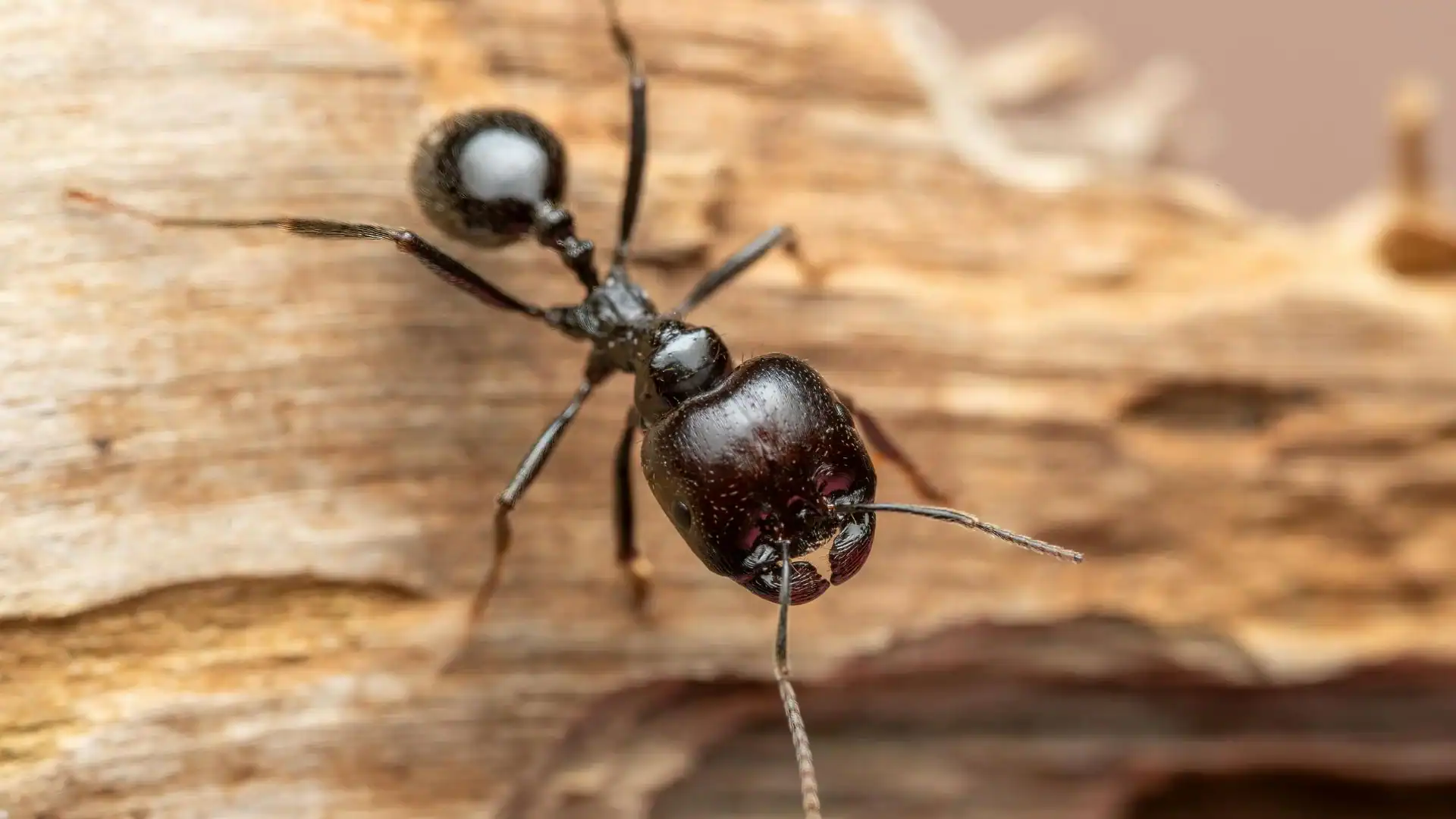
One of the most common and costly mistakes homeowners make is treating for the wrong pest. Winged carpenter ants are routinely mistaken for termite swarmers, especially in spring when both are active. The treatment protocols are completely different, and a misdiagnosis can mean months of ineffective treatment while the actual infestation continues to grow. Our trained inspectors identify the species first — and that identification drives every decision that follows.
When we inspect a property, we’re looking for evidence you might not even know to look for: mud tubes along foundation walls that indicate subterranean termite activity, grease marks along baseboards that suggest established rodent runways, cast skins and fecal spotting that point to bed bug harborage, or frass — the fine sawdust-like material — that carpenter ants leave behind as they tunnel through wood. These are the details that tell the real story of what’s happening inside your walls.
The honest answer is: more often than most people do. A lot of New Yorkers only call for an inspection after they’ve already seen something alarming. That’s understandable, but it usually means the infestation is further along than it needed to be.
There are some clear trigger points that should prompt an inspection without hesitation. If you’re buying or selling property in Brooklyn, Manhattan, or Queens, a pest inspection should happen before anything is signed. Termite damage, rodent activity, and wood-destroying insect infestations can affect structural integrity and property value — and they’re not always visible during a standard walkthrough. Real estate attorneys, co-op boards, and lenders increasingly expect pest inspection documentation as part of the transaction process.
Spring is a particularly important window. Subterranean termites release winged swarmers from late March through May, often near windows and light sources. If you’re seeing what look like winged insects emerging from your walls or foundation — especially in an older Brooklyn brownstone or a wood-frame home in Queens — that’s a situation that warrants immediate inspection, not a wait-and-see approach.
Fall is equally critical for a different reason. As temperatures drop, rodents begin actively seeking indoor shelter. Mice can squeeze through a gap roughly the width of a pencil — about six millimeters — which means the older building stock throughout Brooklyn, Queens, and Manhattan offers countless entry points. An inspection in September or October can identify those vulnerabilities before a rodent population establishes itself for the winter.
If you’re a landlord or property manager in any of the three boroughs, NYC’s Asthma-Free Housing Act — Local Law 55 of 2018 — requires annual inspections of residential units for indoor allergen hazards including mice, rats, and cockroaches. That’s not a suggestion. It’s a legal obligation, and professional inspection documentation is how you demonstrate compliance if HPD comes knocking.
Want live answers?
Connect with a Kingsway Exterminating expert for fast, friendly support.
Most people have the same questions before they book an inspection, and a lot of the answers they find online are either too vague to be useful or written by someone trying to sell them something. Here are the questions we hear most often, answered plainly.
Cost varies depending on the size of the property, the type of inspection, and what’s being assessed. A standard residential inspection for a single-family home or apartment will differ in scope — and price — from a full commercial inspection of a multi-unit building or food service facility. What you should expect, regardless of price, is a written assessment at the end. If a company can’t tell you what they found and where, in writing, that’s a problem.
Be cautious of any company that quotes you a firm price over the phone before seeing the property. That’s not an inspection — that’s a guess. We require a technician to actually walk the property, assess conditions, and identify what’s present. The quote follows the inspection, not the other way around.
For real estate transactions in Brooklyn, Manhattan, and Queens, pest inspection costs should be viewed in context. The cost of a professional inspection is a fraction of what it takes to remediate an untreated termite infestation, address significant rodent damage to insulation and wiring, or resolve an HPD violation that has become part of the public record. Buyers who skip the inspection to save a few hundred dollars sometimes discover serious pest conditions after closing — at which point the cost of treatment is entirely their responsibility.
If you’re a renter wondering whether you can request an inspection, the answer in New York City is yes. Under the Asthma-Free Housing Act, tenants can file complaints with HPD if a landlord fails to address pest conditions. That said, city response times through 311 can be slow. Calling us directly is almost always faster, and in buildings where shared walls mean your neighbor’s problem quickly becomes yours, speed matters.
We apply only NYS Department of Environmental Conservation registered materials — every product used in our inspections and treatments meets state regulatory requirements. That’s not a marketing claim; it’s a verifiable compliance standard that protects you, your family, and your property.
This is probably the most common question we hear, and the most important one to answer carefully. The honest answer is: it depends on the pest, and you shouldn’t assume either way without a professional assessment.
For some insects, a single sighting is genuinely low-stakes. A lone spider in your bathroom in October is almost certainly just looking for warmth — not a sign of an infestation. Spiders are largely solitary and don’t establish colonies the way ants or cockroaches do. One or two spiders in a Brooklyn or Queens apartment in the fall is not unusual and typically doesn’t warrant a call.
Bed bugs are the opposite end of the spectrum. One bed bug is never just one bed bug. Female bed bugs can lay up to 500 eggs in their lifetime, and a single hitchhiker on a piece of luggage or a secondhand piece of furniture can seed an infestation that spreads through an entire building. In Manhattan, where apartment turnover is high and residents travel frequently, bed bug exposure is a persistent risk. If you’ve found what you think might be a bed bug — or you’re waking up with unexplained bites in a line or cluster — an inspection should happen quickly, not after you’ve tried a few store-bought sprays.
Termites are another case where one sighting carries serious weight. Seeing winged swarmers near a window in spring is not an isolated event — it means a mature termite colony is nearby and actively reproducing. In Brooklyn’s brownstone neighborhoods and Queens’ older wood-frame housing stock, that’s a structural concern that warrants immediate professional evaluation.
Rodents fall somewhere in between. One mouse sighting in an attached Brooklyn home doesn’t necessarily mean a large infestation, but it does mean there’s an entry point somewhere — and where one mouse gets in, others follow. An inspection focused on identifying and sealing that entry point is the right response, not setting a single trap and hoping for the best.
The broader point is this: in New York City’s dense, connected building environment, what looks like a minor issue at the surface level is often the visible edge of something larger. A professional inspection tells you which situation you’re actually in — and that knowledge is worth more than any amount of guessing.
The through-line of everything above is simple: catching a pest problem early costs less, causes less damage, and is less disruptive than dealing with a full infestation. In a city where your walls are shared, your building is aging, and pests have been navigating the infrastructure longer than most residents have been alive, a professional inspection is one of the more practical investments you can make in your property.
Whether you’re a homeowner in Flatbush, a landlord in Astoria, or a renter in a pre-war walkup on the Upper West Side, the right first step is the same: get a real inspection from a licensed, experienced team before the problem defines your options for you.
We’ve been doing exactly that in Brooklyn, Manhattan, and Queens for over 40 years. If you’re ready to find out what’s actually going on in your home or building, we’re ready to take a look.
Summary:
Article details:
Share: