Pest control has come a long way from blanket spraying and hoping for the best. Here's what modern methods actually look like, and why they work better.
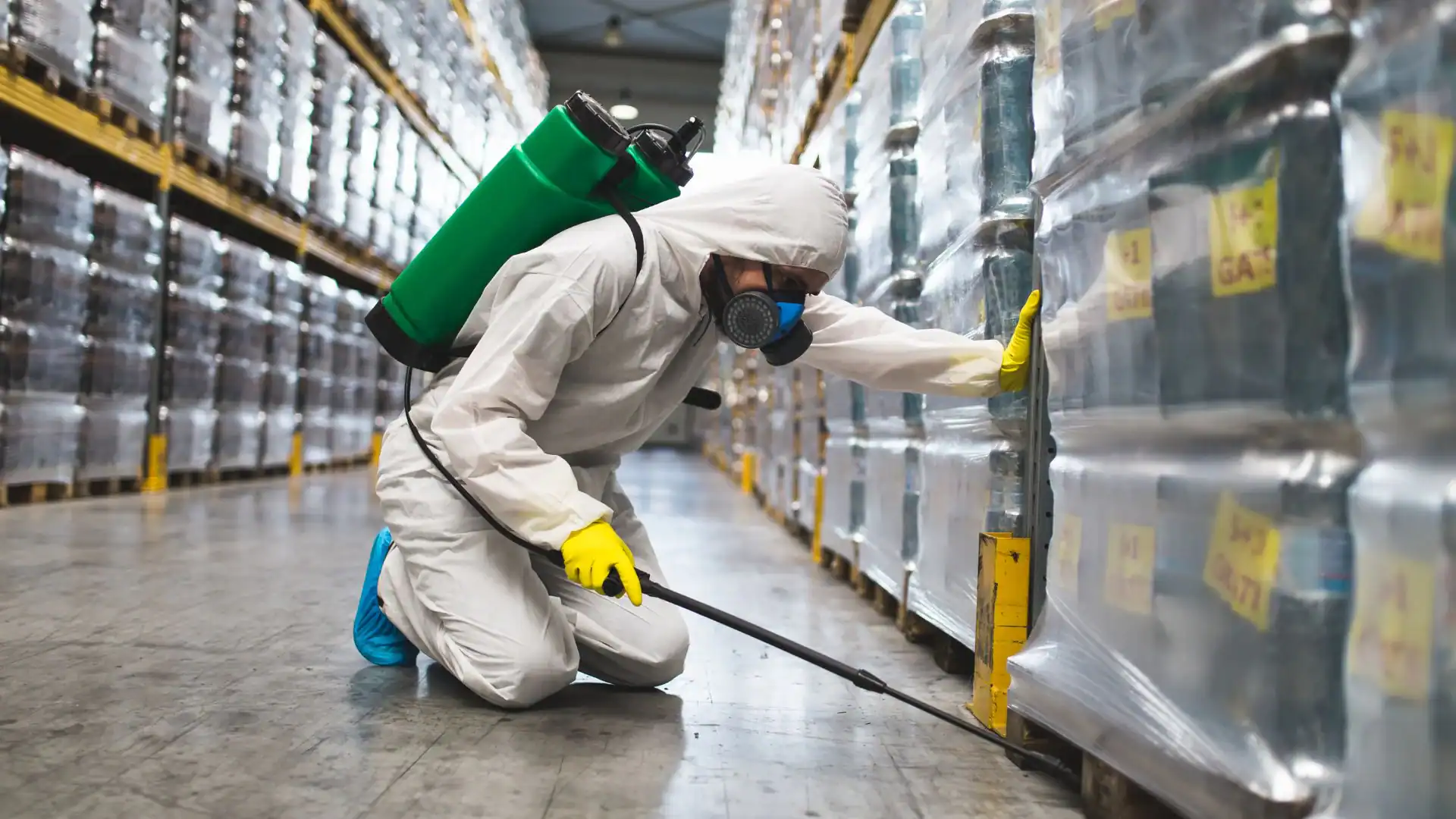
Pest control used to mean one thing: a technician shows up, sprays everything in sight, and you hope the problem goes away. Sometimes it did. Often it didn’t. And if you had kids, pets, or any concern about what was being applied in your home, you were mostly left to trust the label on the can.
That’s changed significantly. The pest control services available today, especially in a dense, regulated market like New York City, look very different from what most people picture. Safer materials, smarter detection, and methods that actually address the root of the problem rather than just the surface of it. Here’s what that looks like in practice, and why it matters for anyone dealing with pests in Brooklyn, Manhattan, or Queens.
“Eco-friendly” gets thrown around a lot in this industry, so it’s worth being specific about what it actually means. It’s not about avoiding all chemical treatment; it’s about using materials that are targeted, regulated, and safe for the people and animals living in the treated space.
In New York State, every material we apply must be registered with the NYS Department of Environmental Conservation. That’s not optional, it’s the law. What separates genuinely eco-conscious pest control from a marketing claim is if we’re using those DEC-registered materials thoughtfully, or just defaulting to broad-spectrum chemicals because they’re easier to apply.
Integrated Pest Management, or IPM, is the framework behind our modern eco-friendly pest control services. The idea is straightforward: before reaching for a chemical solution, we identify the pest accurately, understand why it’s there, and address the conditions that allowed it to establish. Treatment is the last step, not the first.
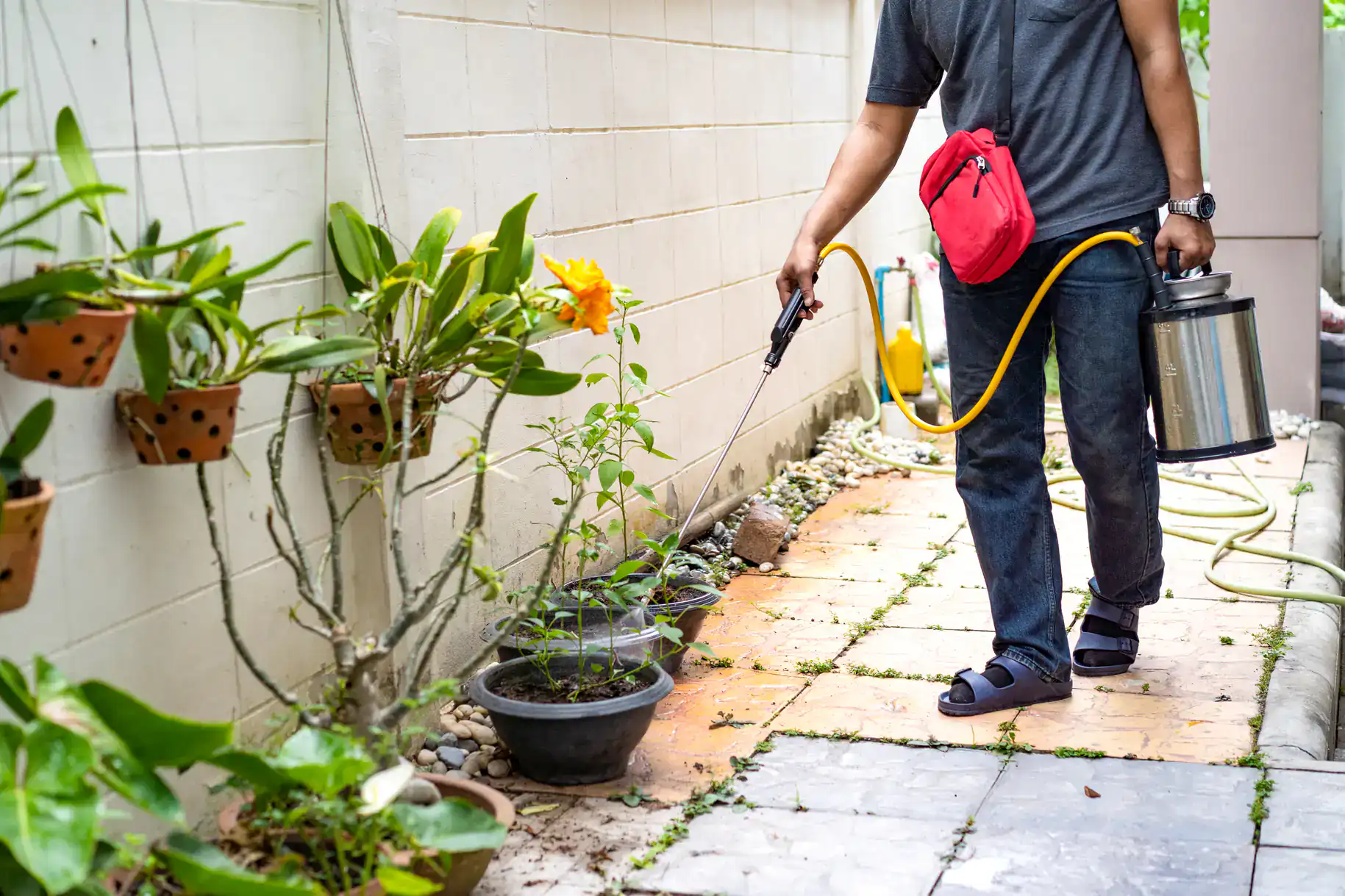
In practice, that means our technicians inspect thoroughly before doing anything else. They’re looking at entry points, harborage areas, moisture sources, and food access: the factors that made your space attractive to pests in the first place. That information shapes the treatment plan. It’s a more deliberate process than blanket spraying, and it tends to produce better long-term results because it addresses causes rather than symptoms.
Botanical pesticides fit naturally into this approach. Derived from plant sources rather than synthetic compounds, they’ve become a credible alternative for many common pest types, particularly in residential settings where children, pets, or individuals with respiratory sensitivities are present. They’re not a universal solution, but for a significant range of infestations, they’re effective and considerably safer than older chemical options.
This matters a lot in Brooklyn, Manhattan, and Queens specifically. Local Law 55 of 2018, the NYC Asthma-Free Housing Act, actually requires landlords in certain buildings to use IPM approaches rather than conventional pesticide application. If you own or manage a multi-unit building in Brooklyn or Queens, that’s not a preference, it’s a compliance requirement. And for residents in those buildings, it means the treatments happening in your home should meet a higher standard than what was common even ten years ago.
The shift toward botanical and IPM-based methods isn’t a fringe trend. It reflects where the industry is heading at a regulatory and scientific level, and we’ve built our entire approach around these standards.
Bed bug treatment is where modern pest control technology has made the most visible difference. For years, chemical treatment was the default, and it worked inconsistently, partly because bed bug populations have developed significant resistance to many common pesticides. Heat treatment changed that dynamic considerably.
The principle is simple: bed bugs cannot survive sustained exposure to high temperatures. Heat treatment raises the temperature of the affected space to a level that kills bed bugs at every life stage (eggs, nymphs, and adults) without leaving any chemical residue. For a Brooklyn apartment where a family will return the same day, that matters. For a Manhattan co-op where the building board has strict requirements about what can be applied in units, it matters even more.
Beyond heat, IoT-enabled monitoring devices are increasingly being used in commercial settings and high-risk residential buildings. These are smart traps and sensors that detect pest activity in real time and send alerts, allowing us to identify a developing problem before it becomes a full infestation. For a Queens apartment building with dozens of units, or a Flushing restaurant with a health inspection coming up, early detection is worth considerably more than reactive treatment.
Pheromone traps represent another meaningful advance. They use species-specific chemical signals to attract and capture target pests without affecting non-target insects or animals. They’re particularly useful for monitoring, such as confirming if a treatment worked, or detecting activity in areas where visual inspection is difficult.
None of this replaces the judgment of an experienced technician. Technology is a tool, not a substitute for knowing what you’re looking at. But the combination of smart monitoring, targeted treatments, and an inspection-first approach produces results that older methods simply couldn’t match, especially in the kind of dense, interconnected buildings that define most of Brooklyn, Manhattan, and Queens.
Want live answers?
Connect with a Kingsway Exterminating expert for fast, friendly support.
Pest control in New York City isn’t the same as pest control anywhere else. The density, the infrastructure, the age of the housing stock, and the regulatory environment all create a set of challenges that generic solutions don’t address well.
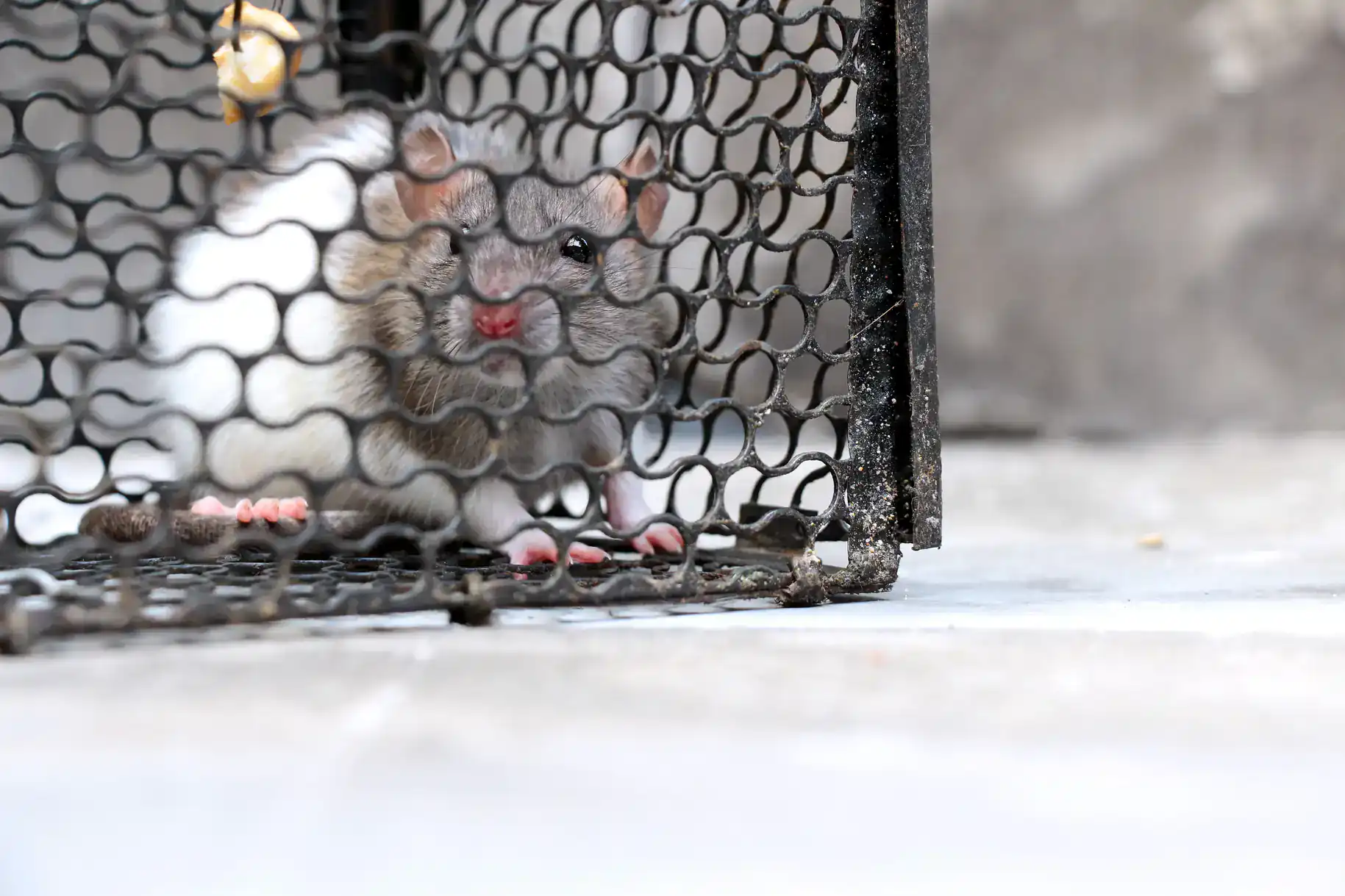
A mouse problem in a Marine Park row house involves different entry points and harborage conditions than the same problem in a Midtown Manhattan high-rise. A cockroach infestation in a Jackson Heights apartment building spreads through shared plumbing and wall voids in ways that treating a single unit will never resolve. Understanding those dynamics, and knowing how to work within NYC’s specific regulatory framework, is what separates a technician with real local experience from someone following a generic treatment protocol.
This is the part most people don’t fully appreciate until they’ve tried to handle a pest problem themselves and watched it come back. In a single-family home, treating the infestation in your space can actually resolve the problem. In a multi-unit building, which describes the majority of housing in Brooklyn, Queens, and Manhattan, it often doesn’t.
Pests don’t recognize unit boundaries. Cockroaches travel through shared wall voids, electrical conduits, and pipe chases. Mice follow plumbing runs and utility lines between floors. Bed bugs migrate through cracks in baseboards and gaps around outlets. When you treat your apartment, you’re addressing the population that’s currently visible in your space, but you’re not addressing the source, which is usually somewhere in the building’s shared infrastructure.
This is why building-wide coordination matters, and why we understand NYC’s multi-family housing dynamics in a way that makes a real difference. It’s also why we recommend maintenance programs (scheduled follow-up visits rather than a single treatment) as standard practice for serious pest management in this city. One visit can knock down a population. Ongoing monitoring is what keeps it from rebuilding.
For landlords and property managers, this has a compliance dimension too. NYC’s Department of Housing Preservation and Development gives tenants the right to file pest complaints, and the NYC Department of Health and Mental Hygiene conducts inspections with real consequences for violations. A health code citation for a Bushwick apartment building or a Flushing restaurant isn’t just inconvenient, it’s a legal and financial liability. Resolving it requires documentation, licensed treatment, and a follow-up process that satisfies the city’s requirements. That’s what we provide.
The subway system adds another layer. NYC’s underground infrastructure creates persistent rodent habitats that continuously re-seed surface-level infestations in buildings above. Rodent control in neighborhoods near major subway lines, which is most of Brooklyn, Queens, and Manhattan, requires an understanding of that dynamic and an approach that accounts for ongoing external pressure, not just the population currently inside the building.
Licensing is the starting point. In New York, any individual applying pesticides professionally must hold a Category 7A Commercial Pesticide Applicator certification from the NYS DEC. We’re also required to submit annual electronic reports of every pesticide application we perform, meaning licensed operators are accountable to the state for our work in a way that unlicensed ones simply aren’t. Before you hire anyone, it’s reasonable to ask for their license number and verify it.
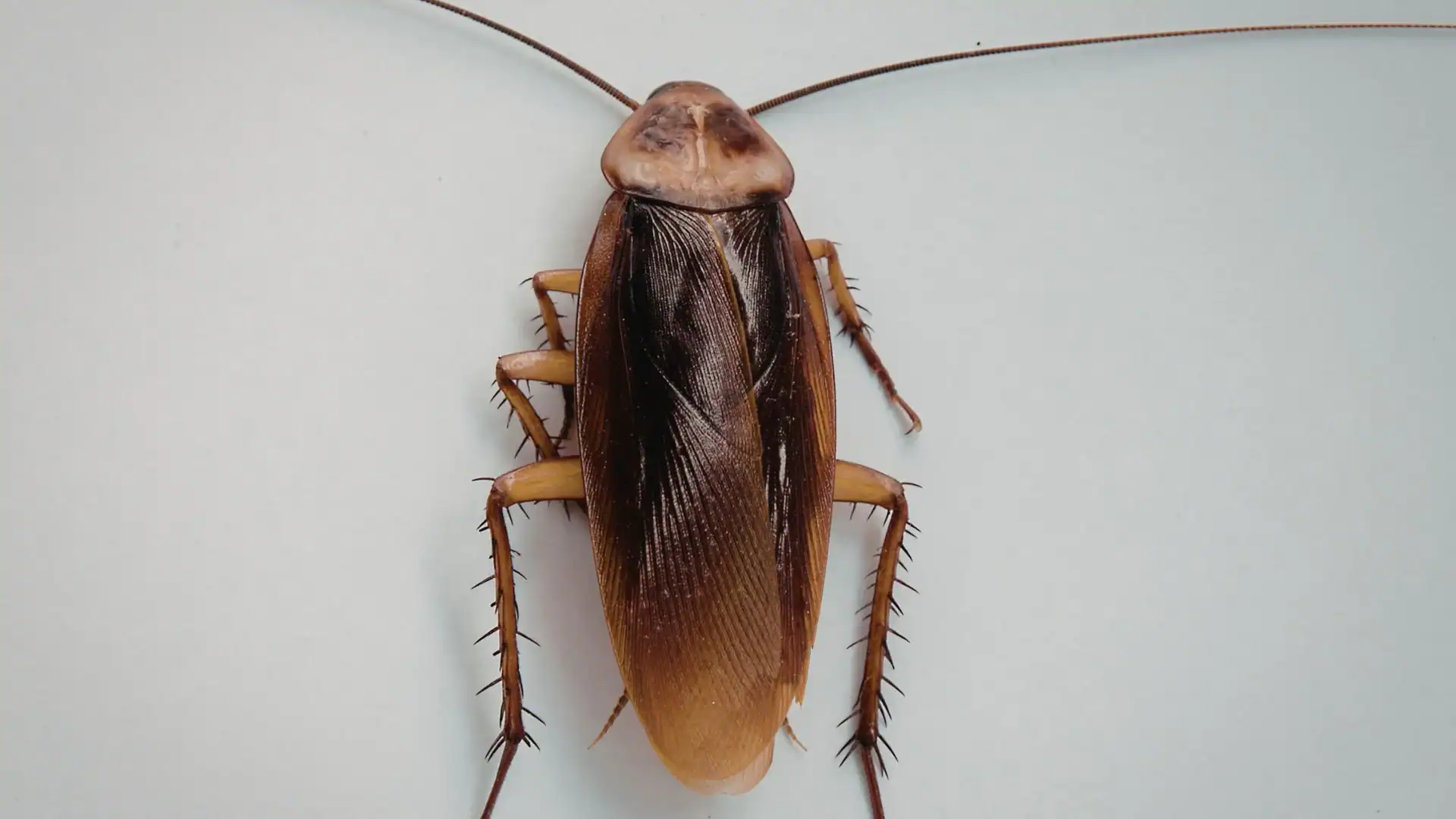
Beyond licensing, look for a company that inspects before it treats. This sounds obvious, but it’s not universal. Accurate pest identification matters enormously: German cockroaches require a different treatment approach than American cockroaches, and misidentifying bed bugs as carpet beetles leads to an entirely wrong treatment protocol. A company that skips the inspection and goes straight to application is telling you something about how they operate.
Ask about materials. “Eco-friendly” should come with specifics: are we using NYS DEC-registered materials? Do we offer IPM-based treatment plans? Are our methods appropriate for a home with children or pets? Vague reassurances aren’t enough; the specifics matter.
Experience with your specific pest type is worth asking about directly. Bed bug treatment, termite control, and wildlife removal each require different skills and certifications. A company that handles everything competently is valuable, but only if we can speak knowledgeably about the specific problem you’re dealing with, not just pest control in general. … Finally, consider what happens after the initial treatment. In Brooklyn, Manhattan, and Queens’ urban environment, a single visit is rarely the end of the story. A company that offers ongoing maintenance scheduling (weekly, monthly, or bi-monthly depending on the situation) understands the reality of pest management in a dense city. One that doesn’t may be setting you up for a repeat call in six weeks.
We’ve been operating in Brooklyn since 1976, hold an A+ BBB rating accredited since 1989, and our team brings over 100 years of combined experience. That track record represents real accountability to the neighborhoods we serve.
The core job of pest control hasn’t changed: eliminate the problem, keep it from coming back, and do it safely. What’s changed is how well we can actually deliver on all three of those things at once. Smarter detection, more targeted treatments, and a genuine understanding of how pests move through NYC’s specific housing stock have made a real difference in outcomes.
If you’re dealing with pests in Brooklyn, Queens, or Manhattan, the most important thing you can do is work with someone who knows this city: its buildings, its regulations, and the specific pest pressures that come with living here. Generic solutions don’t hold up in a place this dense and this complex.
We’ve been serving Brooklyn and the five boroughs since 1976. If you have questions about what modern pest control services look like for your specific situation, reach out, we’re here to give you a straight answer.
Summary:

Article details:
Share: