
Hear from Our Customers
You stop waking up checking yourself for bites. You stop dreading the conversation with your landlord or your neighbor. You stop wondering if what you’re seeing is what you think it is. That’s what a real treatment does it ends the cycle instead of just interrupting it.
In Fordham, that cycle is harder to break than in most places. The pre-war apartment buildings along the Grand Concourse and throughout Fordham Heights weren’t built with pest management in mind. Plaster walls, cast iron radiators, original baseboards, decades of layered renovation work these buildings give bed bugs more places to hide than almost any modern construction. A treatment that works here has to be thorough in a way that a generalist approach simply isn’t.
There’s also the building itself to think about. When you live in a five- or six-story walk-up with shared hallways, shared laundry, and shared wall voids, your neighbor’s untreated infestation becomes your problem again in a matter of weeks. Getting this right the first time with a certified specialist who understands how bed bugs travel through connected Bronx apartment buildings is the only version of this that actually sticks.
We’ve been serving all five boroughs of New York City for over 50 years. That includes Fordham the pre-war walk-ups near Fordham Road, the high-rises along the Grand Concourse, the dense residential corridors of Fordham Heights and Fordham Manor. This isn’t new territory. It’s home turf.
We’re family-owned and operated, founded by Richard Kourbage, with family members who joined the business over the years. Our collective staff brings more than 100 years of combined pest control experience. We hold a certified bedbug specialist designation not a general exterminator license with bed bugs listed somewhere on the menu, but a credential specific to this pest and the complexity it brings in dense urban housing.
We’ve maintained an A+ rating with the Better Business Bureau since May 5, 1989. That’s over 35 consecutive years of meeting the BBB’s standards for transparency, ethics, and customer resolution. In a market where companies come and go, that kind of track record means something.
It starts with a call answered 24 hours a day, 7 days a week. When you reach out, you’re talking to someone who can actually help, not a voicemail that gets returned two days later. Same-day inspections are available when the schedule allows, and a guaranteed appointment within 2 days is our standard. In a Fordham apartment building where bed bugs can migrate through wall voids to a neighboring unit overnight, that speed matters.
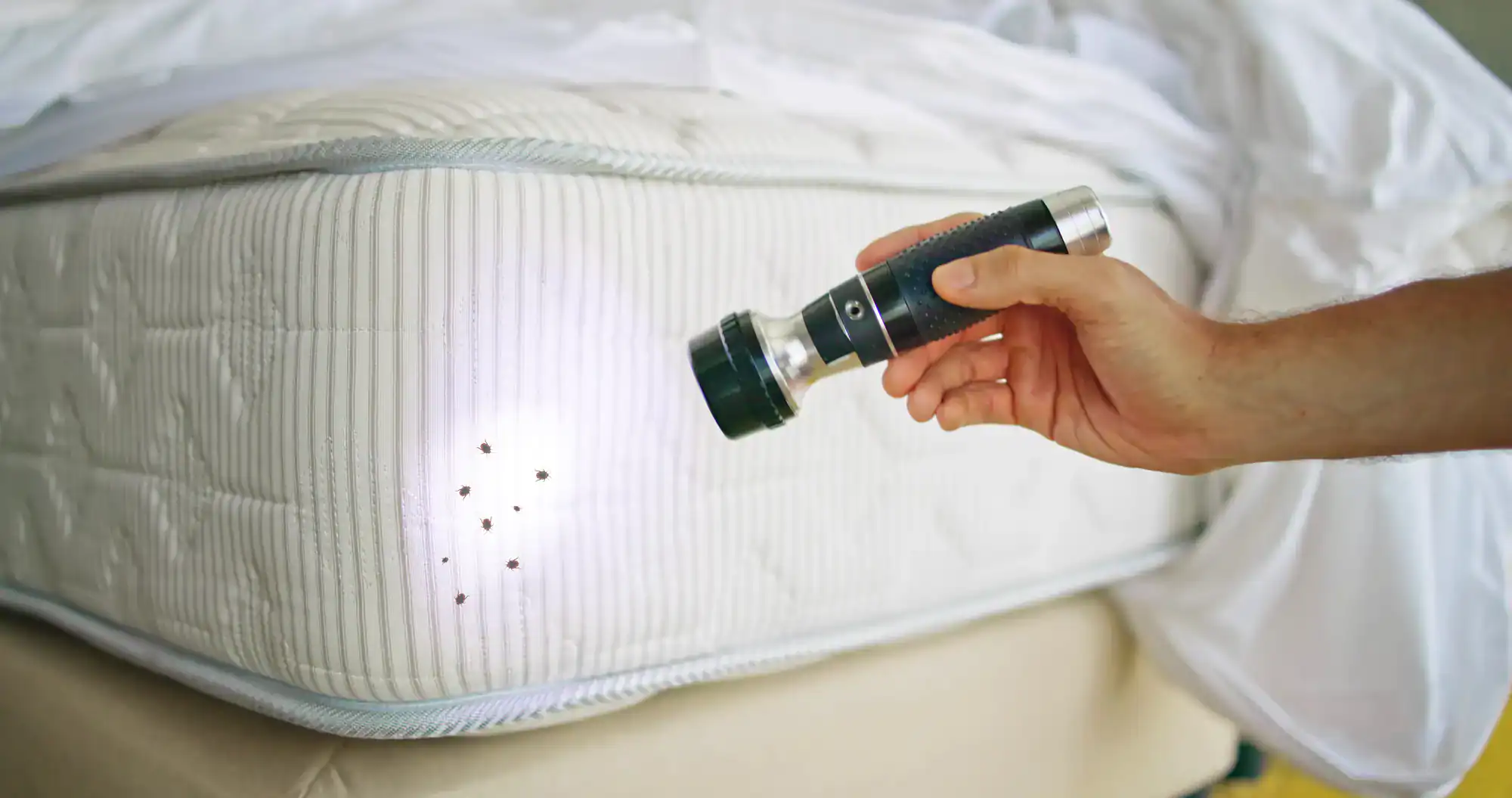
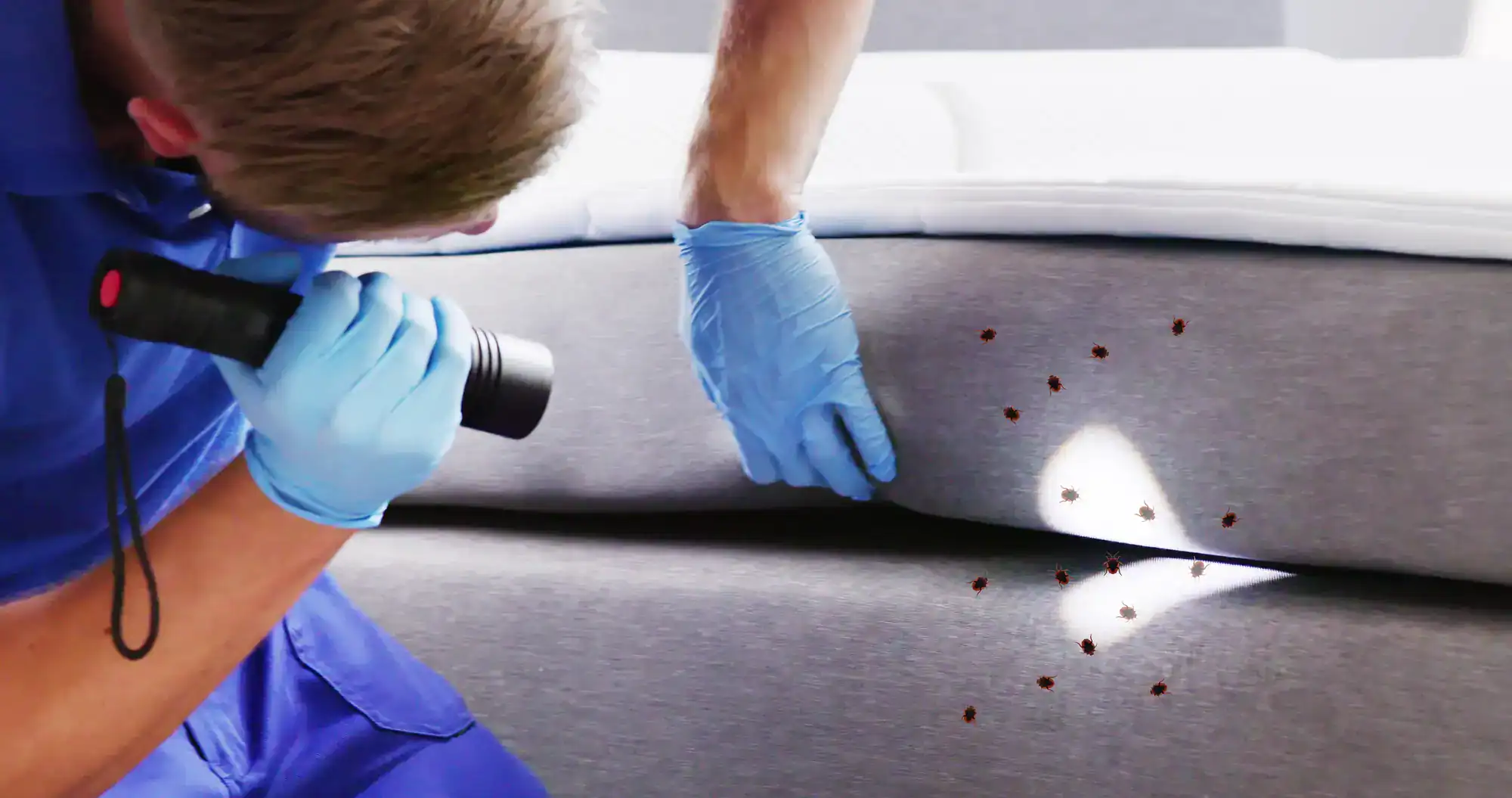
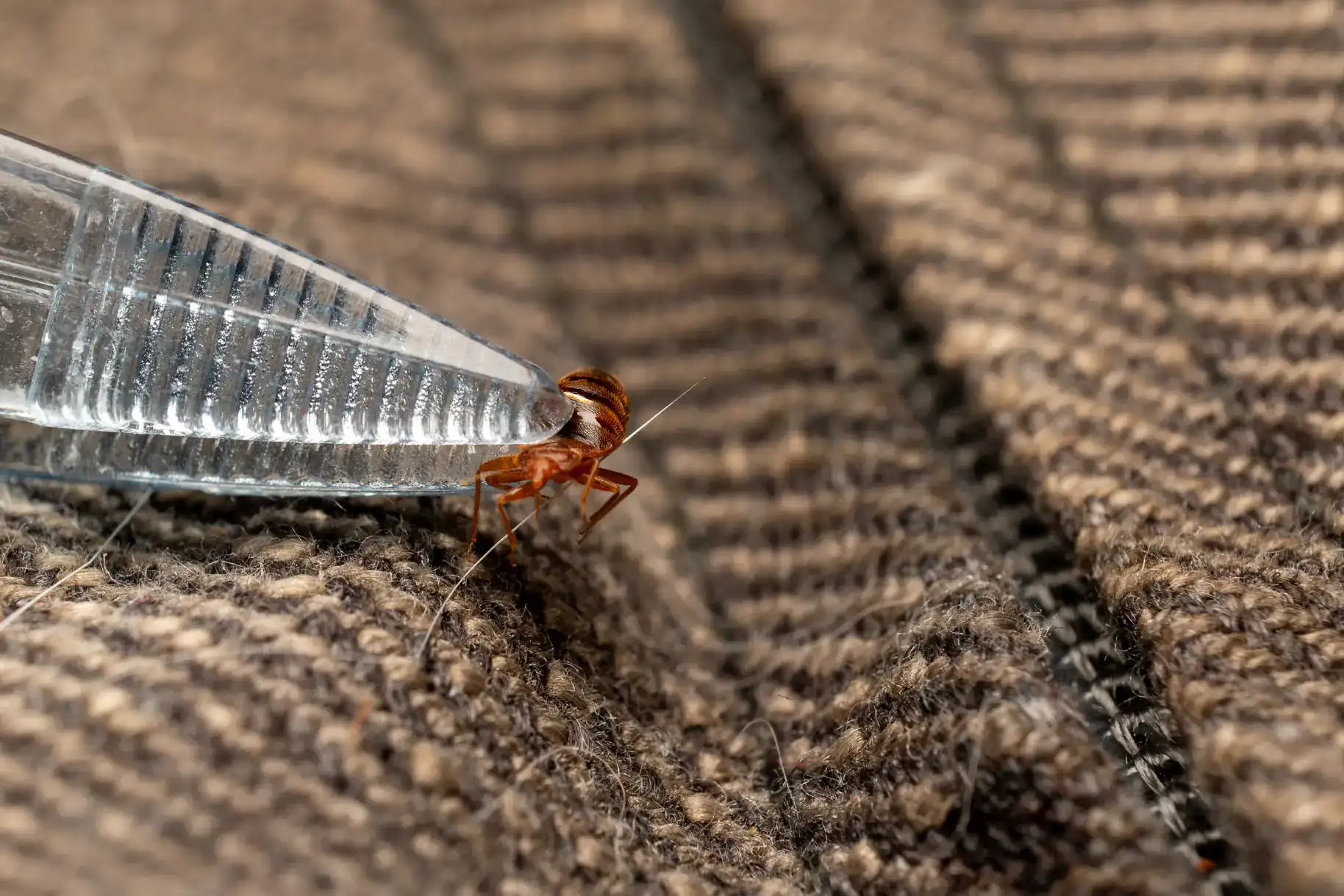
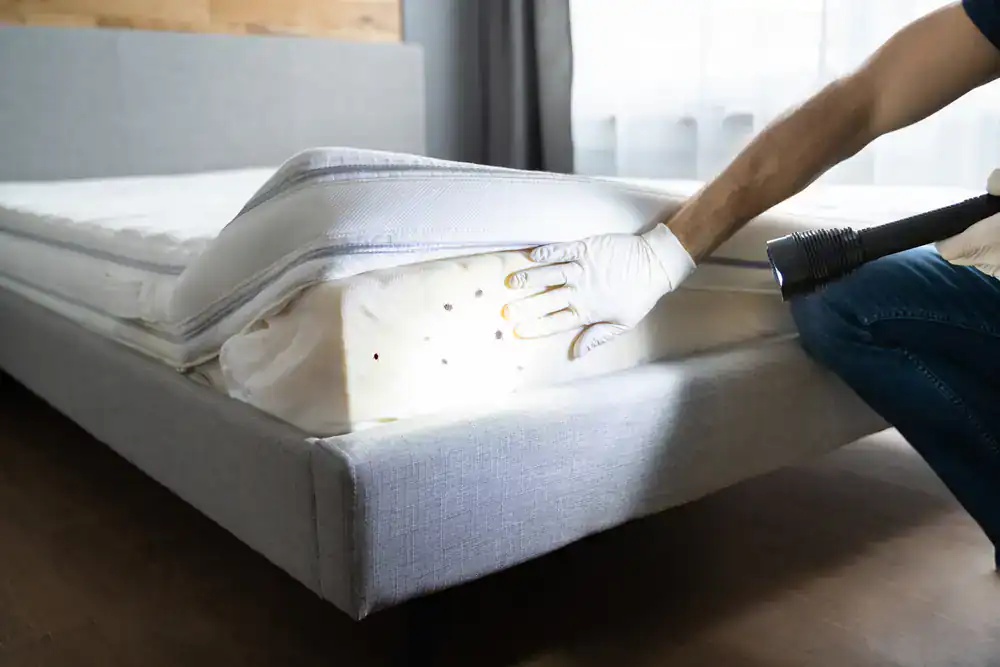
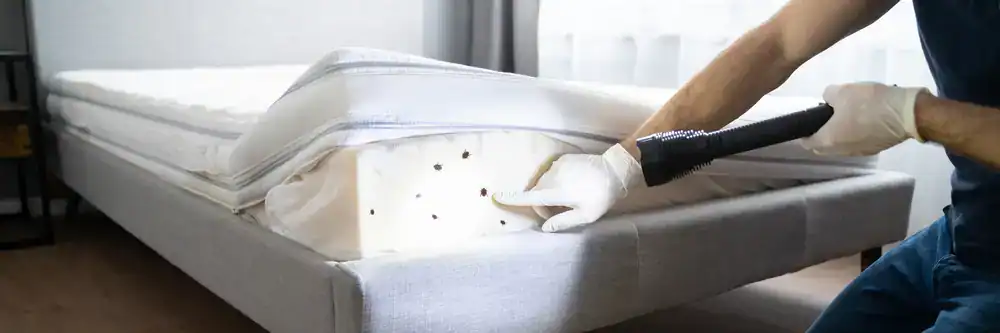
The inspection comes first. One of our certified specialists walks through your space looking for the actual signs not just visible bugs, but cast skins, fecal spotting, and the specific hiding patterns that pre-war Fordham apartment buildings tend to produce. Behind radiators, inside baseboard gaps, along the seams of older plaster walls the places a less experienced technician might skip. You get an honest assessment of what’s there and what it’s going to take to address it. No inflated scope, no manufactured urgency.
Treatment follows based on what the inspection reveals. We use environmentally friendly solutions that are safe for families and pets important in Fordham households where children are often present and apartments are small. Before treatment begins, you’ll receive clear preparation instructions so the process goes smoothly. Most infestations in multi-unit buildings require follow-up visits, and we plan for that from the start rather than surprising you with it later. If you’re a renter dealing with an unresponsive landlord, we can also document treatment for HPD compliance purposes something that comes up regularly in Fordham’s rental-heavy housing stock.
Ready to get started?
Bed bug treatment in Fordham isn’t a one-size-fits-all job. The housing stock here much of it built before 1939, heated by cast iron radiators, and connected by shared infrastructure across dozens of units creates treatment conditions that require genuine expertise. Our certified specialist designation exists precisely for this: understanding how bed bugs behave in the specific environments where Fordham residents actually live.
Every treatment we perform includes a thorough inspection before any product is applied. We use environmentally friendly treatment solutions appropriate for residential use in occupied apartments, with clear pre- and post-treatment guidance so you know what to do and when it’s safe to return to your normal routine. For buildings with multiple affected units a common reality in Fordham’s dense residential corridors we can coordinate with property owners and building managers to address the infestation at the building level, not just the unit level.
For landlords and property managers in Fordham, this matters in a specific legal sense. Under the NYC Housing Maintenance Code, property owners are responsible for extermination in multi-dwelling units. If HPD has issued a Notice of Violation, we can provide the documentation needed to resolve it. We’re fully licensed, bonded, and insured, meeting all NYS Department of Environmental Conservation certification requirements and NYC Department of Health and Mental Hygiene compliance standards. A free estimate is available before any work begins so you know what you’re looking at before you commit to anything.
Yes and in Fordham’s pre-war apartment buildings, this is one of the most common reasons treatments fail. Bed bugs can travel up to 100 feet in a single night, and they don’t need much space to move. Electrical conduits, pipe chases, gaps in shared walls, and even the spaces around radiator pipes give them a clear path from one unit to the next. In a five- or six-story walk-up along Fordham Heights or near the Grand Concourse, a single untreated unit can re-infest a treated neighboring unit within weeks.
This is why we approach multi-unit infestations differently than a single-family home. Our inspection accounts for adjacent units and shared infrastructure, not just the apartment where the complaint originated. If you’re a tenant, it’s also worth knowing that under the NYC Housing Maintenance Code, your landlord is legally responsible for addressing bed bug infestations in the building not just your individual unit. We can help document the scope of treatment if you need to escalate through 311 or HPD.
The honest answer is that it depends on the size of the space, the severity of the infestation, and how many units are involved. For a single apartment in Fordham, professional bed bug treatment typically ranges from $1,000 to $2,500. More severe infestations or multi-unit situations can run higher. What doesn’t change is the free estimate you’ll know what you’re paying before anyone starts work, with no surprises added on after the fact.
The more important cost to think about is the cost of waiting. Bed bugs reproduce quickly, and in a dense Fordham building where they can spread to neighboring units, a manageable infestation can become a building-wide problem in a matter of weeks. The price of treating a contained infestation early is almost always less than the price of treating a widespread one later. Our no-upsell approach means you’re getting an honest assessment of what’s actually needed not an inflated scope designed to increase the invoice.
This is one of the most common questions on initial calls, and it’s a fair one especially in Fordham, where apartments tend to be smaller and ventilation is limited. We use environmentally friendly treatment solutions appropriate for residential use in occupied homes. Before any treatment begins, you’ll receive specific preparation instructions that outline what needs to be done beforehand and how long to stay out of the treated space afterward.
The preparation step matters more than most people realize. Moving items away from walls, washing and bagging bedding, and following the pre-treatment checklist correctly makes the treatment more effective and the post-treatment environment safer. With approximately one in five Fordham residents being a child under 15, and many households being multigenerational, we take the family safety question seriously it’s part of the briefing on every job, not an afterthought.
Under the NYC Housing Maintenance Code, your landlord is legally required to address bed bug infestations in multiple dwelling units. That means if you report bed bugs and your landlord fails to act, you have a formal path to escalate. You can file a complaint through 311 or nyc.gov/311, and the NYC Department of Housing Preservation and Development can issue a Notice of Violation requiring the property owner to remediate.
If your landlord has been issued an HPD violation and needs documentation of professional treatment to resolve it, we can provide that. We’re familiar with the compliance process and have handled this in Fordham’s rental-heavy housing stock before. For tenants in NYCHA buildings specifically there are several in and around Fordham you can also report bed bugs through NYCHA’s maintenance system, though you have the right to hire a licensed exterminator independently as well. Knowing your rights before you call your landlord can make the conversation a lot more productive.
Most professional bed bug treatments require two to four visits over a three- to six-week period. The first treatment addresses the active infestation. Follow-up visits target any eggs that hatched after the initial application bed bug eggs are resistant to most treatments, so follow-through is essential. Skipping follow-ups is one of the most common reasons infestations come back.
In a Fordham apartment building, the follow-up schedule also accounts for the risk of re-introduction from neighboring units. If adjacent units haven’t been treated, re-infestation is a real possibility regardless of how thorough the initial treatment was. We plan for this from the start our treatment plan reflects the actual building situation, not just the one apartment. You’ll know going in how many visits are expected and what the timeline looks like, so there are no surprises mid-process.
Late August through early September is genuinely the highest-risk window in Fordham, and the university population is a big reason why. Every year, thousands of students move in and out of apartments and dormitories near Fordham University and Monroe College. Luggage from summer travel, secondhand furniture picked up from Craigslist or left curbside, shared housing transitions all of it creates a concentrated window for bed bug introduction that doesn’t exist in most other neighborhoods.
That said, bed bug pressure in Fordham doesn’t have a real off-season. The neighborhood’s density, the age of its building stock, and the documented presence of bed bugs in over 13% of local homes means the baseline risk stays elevated year-round. Summer travel among Fordham’s large immigrant community introduces additional exposure from hotels and transit accommodations. Winter tends to be when residents finally investigate bites they’ve been ignoring. If you’re seeing signs, the time to call isn’t based on the calendar it’s now.
Useful Links
Other Services we provide in Fordham