Hear from Our Customers
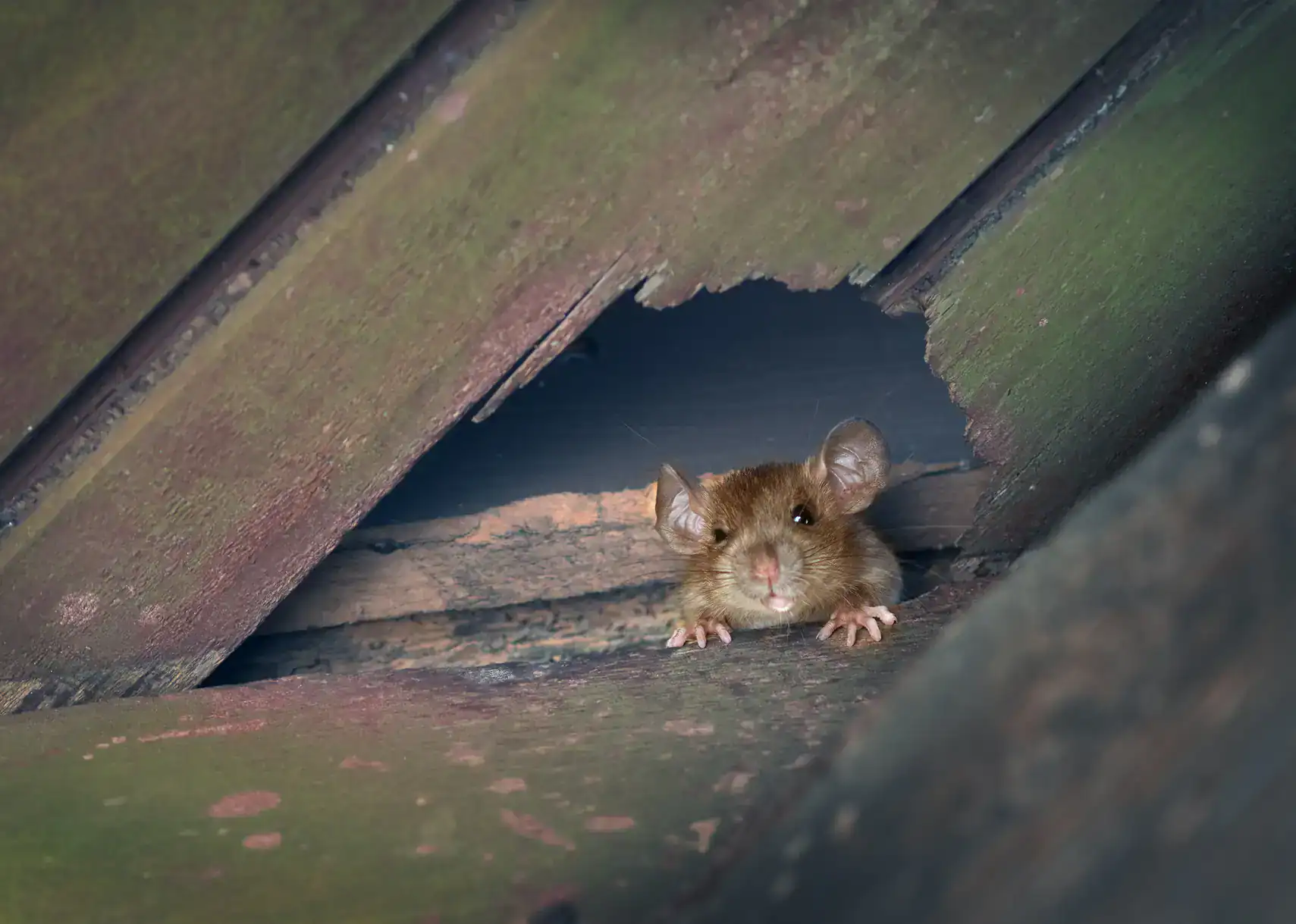
The difference between a real fix and a temporary one comes down to whether anyone looked at the full picture. In Fordham’s five- and six-story pre-war apartment buildings—most of them pushing 90 to 100 years old—rodents aren’t just in your unit. They’re moving through shared plumbing voids, utility chases, and wall cavities that connect your space to every other floor in the building. Treating one apartment without addressing those pathways is like mopping around a running faucet.
When rodent control is done right, you stop finding droppings in your kitchen cabinets. You stop hearing movement in the walls at 2 a.m. You stop worrying about what your kids are being exposed to. The CDC confirms rodents can spread more than 35 diseases—including salmonella and leptospirosis—and dried droppings alone can become airborne. That’s not a minor inconvenience. That’s a health issue that deserves a real response.
Fordham’s location adds layers that most generic pest control companies don’t account for. The commercial corridor along Fordham Road—over 650 retail establishments generating constant food waste—feeds rat populations that pressure every residential block within range. And with Bronx Park sitting right next door, you’re also dealing with Norway rats migrating out of those green spaces into surrounding buildings. The pressure here is coming from multiple directions. A thorough inspection, targeted treatment, and real exclusion work are what actually change the outcome.
We’ve been handling rodent problems in New York City since 1971. That’s not a tagline—it’s just how long our family has been doing this work. Richard Kourbage Sr. founded the company, and his sons Richard Jr. and Charles have been part of it since the late 1980s. When you call, you’re reaching people who have spent decades working inside the same pre-war Fordham apartment buildings that define this neighborhood—not a national franchise trying to apply a one-size-fits-all program to a community we don’t understand.
We hold an A+ rating with the Better Business Bureau, have been BBB-accredited since 1989, and apply only NYS Department of Environmental Conservation registered materials. Fully licensed, bonded, and insured. Our credentials are real, and they matter—especially in a market where unlicensed operators are a genuine risk to building owners navigating NYC’s escalating rodent violation enforcement.
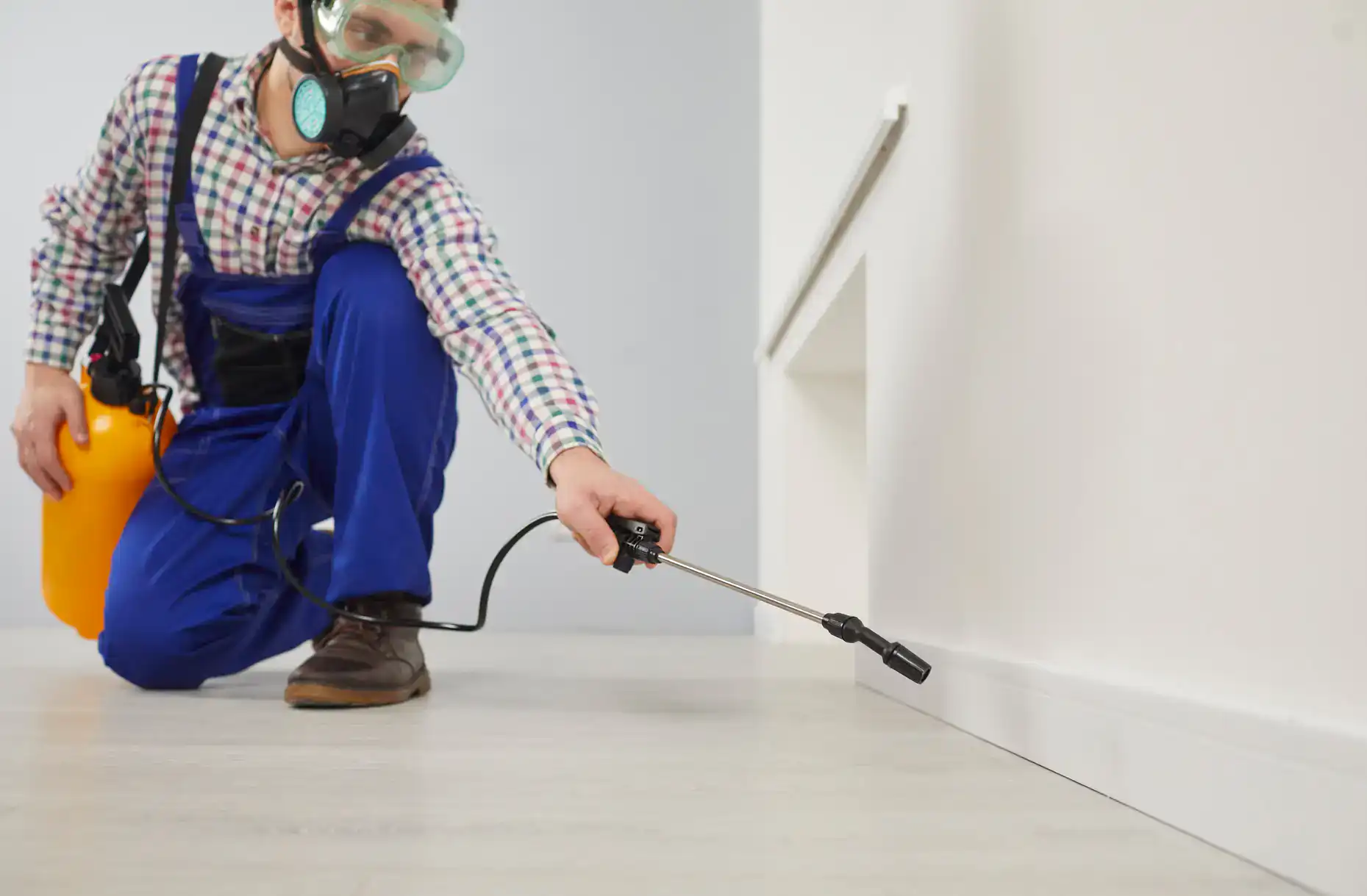
It starts with a thorough inspection—inside your unit, and as much of the building’s common areas, basement, and exterior as can be accessed. In Fordham’s aging rental stock, the entry points are rarely obvious. Rats can squeeze through a hole the size of a quarter. Mice need even less. A 90-year-old building has gaps around pipes, cracks in foundation walls, and settling around utility penetrations that create a roadmap rodents follow right in. The inspection is where that roadmap gets identified.
From there, treatment is targeted to where the activity actually is—not blanket-applied across the whole unit. We deploy bait stations, trapping, and NYS DEC-registered materials based on what the inspection reveals. This isn’t guesswork. Our approach is built around the specific conditions of your building, your floor, and your situation. New York City’s rodent violation enforcement has nearly doubled since 2022, and building owners especially need documentation that a compliant, active control program is in place—our process accounts for that.
The final piece is exclusion. Sealing the entry points that allowed rodents in is what separates a one-time fix from lasting results. In a neighborhood where Bronx Park, Fordham Road’s food corridor, and the subway infrastructure beneath the Grand Concourse all contribute to persistent rodent pressure, exclusion isn’t optional—it’s the whole point.
Ready to get started?
Rodent control in a Fordham apartment building is a different job than treating a single-family home in the suburbs. The shared walls, the connected plumbing chases, the basement that services twelve units above it—all of it means rodents have more ways to move, more places to hide, and more routes back in after an incomplete treatment. Our service is built around that reality.
Every engagement begins with a free phone consultation—no charge, no commitment, just a real conversation about what you’re dealing with. From there, a full inspection covers the interior and exterior of the affected space, identifying active signs, entry points, and harborage areas. We apply treatment using NYS DEC-registered materials in a targeted, safety-conscious manner—important in a neighborhood where families with young children make up a significant portion of residents in ZIP codes like 10453, 10457, 10458, and 10468. Exclusion work follows, sealing the structural gaps that let rodents in.
For building owners and property managers in Fordham dealing with HPD violations or NYC Health Code enforcement, we also provide the kind of documented, ongoing rodent control program that satisfies city inspection requirements. With fines reaching $2,000 per violation and annual summons rates nearly double what they were before 2022, having a licensed, accountable exterminator on record isn’t just smart—it’s protection.
This is one of the most common frustrations in Fordham’s multi-unit buildings, and the answer is almost always the same: the treatment addressed the mice in your unit, but not the pathways they’re using to get there. In pre-war apartment buildings—the kind that line most of Fordham’s residential blocks—rodents travel through shared plumbing voids, pipe chases, and wall cavities that connect your unit to adjacent apartments, the floor below, and the basement. If any of those pathways remain open, re-infestation is just a matter of time.
Effective rodent control in this type of building requires identifying and sealing the actual entry points, not just eliminating the current population. That’s exclusion work, and it’s the step most quick-fix treatments skip. A thorough inspection of your unit’s perimeter—where pipes enter walls, where the baseboard meets the floor, around utility penetrations—is where a lasting solution starts. Without it, you’re solving the same problem on a loop.
Under the NYC Housing Maintenance Code, yes—building owners are required to keep premises free of rodents and apply continuous eradication measures when an infestation exists. If you’ve reported the problem to your landlord and haven’t gotten a real response, you can file a complaint through 311. The NYC Department of Health and Mental Hygiene assigns an inspector within 24 to 48 hours of a complaint, and building owners face fines between $250 and $2,000 per violation.
That said, the enforcement process takes time, and rodents don’t wait. If you’re in a situation where the building isn’t acting and the problem is getting worse, calling a licensed exterminator directly is often the faster path to actually solving it. Some tenants in Fordham also use the documentation from a professional inspection to support their case with building management or the city. Either way, knowing your rights and having a professional assessment in hand puts you in a stronger position.
The short answer is: through gaps that most people would never notice. Rats can enter through a hole the size of a quarter. Mice need even less—roughly the size of a pencil eraser. In Fordham’s pre-war apartment buildings, which were constructed mostly in the 1920s and 1930s, decades of settling, aging pipes, and deteriorating foundation walls have created exactly those kinds of gaps. They appear around where pipes enter walls, at the base of exterior doors, along the roofline, and in basement walls where utilities enter the building.
Beyond the building’s structure itself, Fordham’s environment creates pressure from multiple directions. The commercial corridor along Fordham Road generates food waste that sustains large rat populations in surrounding blocks. Bronx Park—home to the Bronx Zoo and the New York Botanical Garden—sits adjacent to the neighborhood and serves as a harborage zone for Norway rats that migrate outward into residential areas. And the subway infrastructure beneath the Grand Concourse provides the kind of warm, food-rich underground environment where rat colonies thrive and expand into nearby buildings.
Rodent exclusion is the process of identifying and physically sealing the entry points rodents are using to get into a building. It’s not a chemical treatment—it’s structural work. Think caulking gaps around pipes, sealing cracks in foundation walls, installing door sweeps, and blocking off the small openings that rodents use as entry routes. It’s the piece that makes everything else last.
In Fordham’s housing stock, exclusion isn’t optional—it’s the difference between solving the problem and managing it indefinitely. If you’re in a five- or six-story pre-war building near the Grand Concourse or Jerome Avenue, there are almost certainly multiple entry points that have developed over decades of building age and settling. Treating the rodents without sealing those entry points means new rodents will follow the same paths in. Given the sustained pressure from Fordham Road’s food corridor, the park edge to the east, and the subway tunnels below, exclusion is what makes the treatment hold over time rather than just temporarily reducing the population.
Safety is a legitimate concern, and it’s one worth asking directly. We apply only NYS Department of Environmental Conservation registered pesticide materials—meaning every product we use has passed state regulatory review for safety and efficacy. Treatments are targeted and applied based on where rodent activity is actually confirmed, not blanket-sprayed throughout a living space. That targeted approach matters especially in apartments where children and family members share close quarters with treated areas.
It’s also worth understanding that the health risk of leaving a rodent infestation untreated is significant. The CDC confirms rodents can spread more than 35 diseases to humans. Dried rodent droppings can become airborne and cause respiratory exposure to hantavirus without any direct contact with a rodent. In Fordham apartments where rodents have been active in kitchen areas, wall cavities, or HVAC systems, the contamination risk from doing nothing is real. A licensed exterminator using registered materials in a controlled, targeted application is the safer path—not the riskier one.
For a single residential unit, professional rodent control typically runs in the range of $180 to $610 depending on the severity of the infestation and what’s involved. If exclusion work is needed—sealing entry points, which it almost always is in Fordham’s older buildings—that adds roughly $200 to $600 depending on the scope. For building owners or property managers dealing with a multi-unit situation, the cost scales with the size of the building and the extent of the infestation.
Before any of that, we offer a free phone consultation with no obligation. You can describe what you’re seeing, get a real read on what’s likely happening, and understand what a proper solution would involve—before spending anything. Given that NYC rodent violation fines can reach $2,000 per citation, and that repeated DIY attempts in Fordham’s apartment buildings rarely solve the underlying problem, professional service is typically the more cost-effective path once you account for the full picture. The free consultation is the right first step.
Useful Links
Other Services we provide in Fordham