
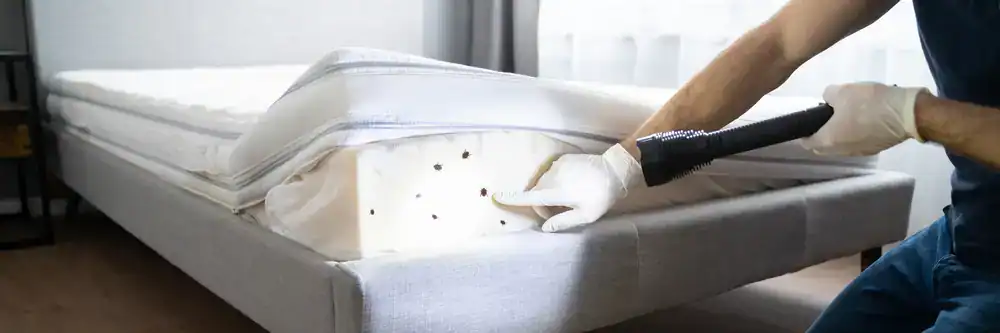
Hear from Our Customers
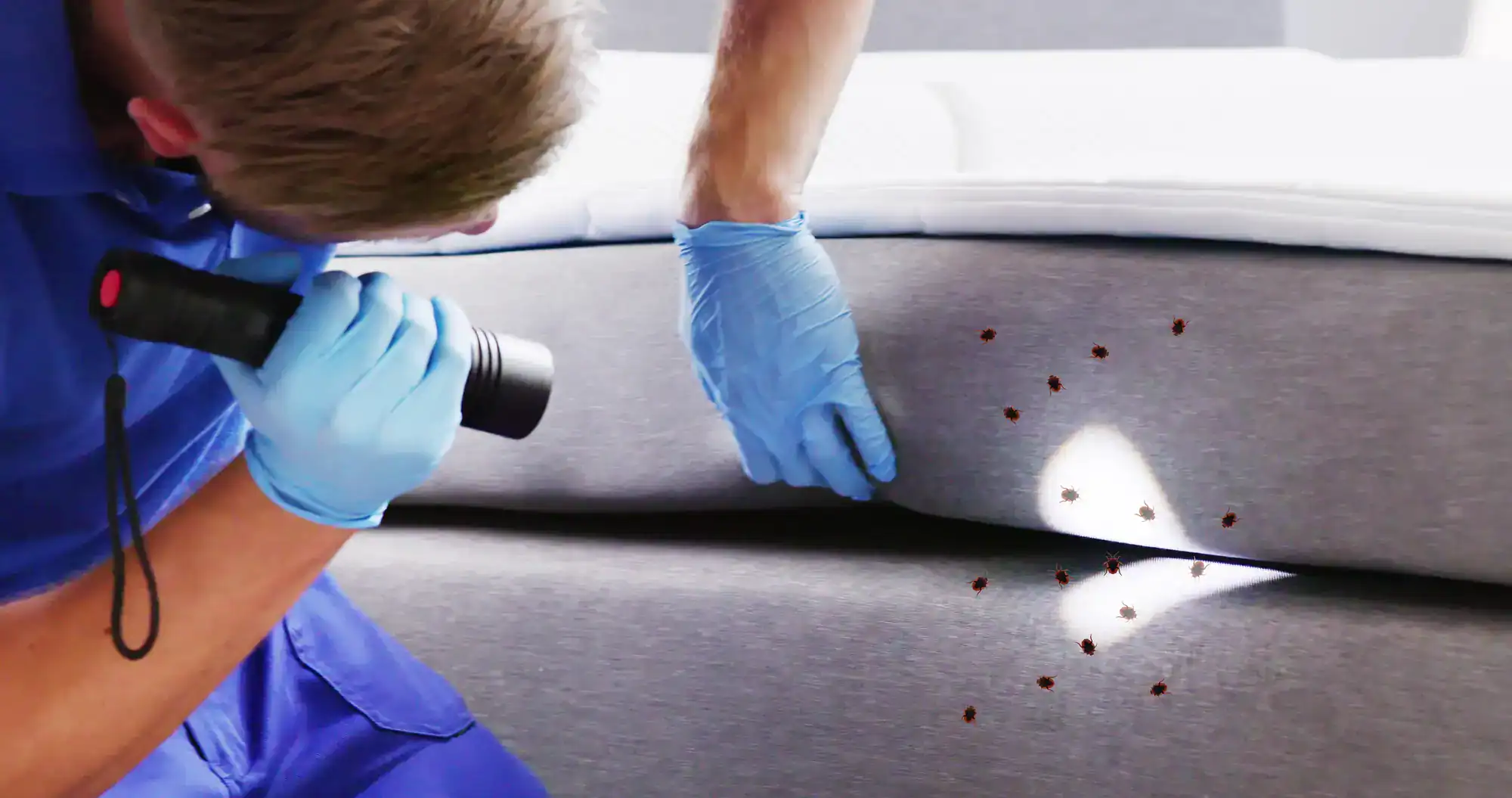
Bed bugs don’t care how clean your house is. They hitchhike in luggage, in clothing, on secondhand furniture. In Springfield Gardens, where international travel through JFK is a normal part of life and visiting family from abroad is common, the exposure risk is higher than most people realize. Pest control researchers have specifically identified this neighborhood as having above-average bed bug introduction rates because of airport proximity.
What matters now is getting it handled correctly. A proper bed bug treatment eliminates the infestation at its source not just the bugs you can see, but the eggs, the harborage points, and the hidden spots behind baseboards and inside furniture where they actually live. Done right, you’re not just solving today’s problem. You’re protecting a home you’ve invested in.
For the many Springfield Gardens homeowners who also rent out a unit in their duplex, this matters even more. An untreated infestation in one unit doesn’t stay there it migrates through shared walls and electrical conduits. Getting ahead of it quickly, with someone who knows multi-unit residential properties, is the difference between a manageable situation and a much more complicated one.
We’re a family-owned business based in Marine Park, Brooklyn about 8 miles from Springfield Gardens via the Belt Parkway. That proximity isn’t coincidental. Southeastern Queens, including Springfield Gardens, has been part of our service area for decades, and we know the housing stock, the neighborhood dynamics, and the specific pest pressures that come with living this close to JFK.
We’ve held a BBB A+ rating since 1989. Our certified bed bug specialist designation goes beyond a standard pest control license it’s the credential the EPA points to when recommending who to hire for bed bug work specifically. Our technicians collectively bring over 100 years of hands-on experience to every job.
When you call us, you’re not getting a franchise or a call center. You’re getting a company where our family name is tied to every outcome, and where a bad job isn’t something we can pass off to corporate. That accountability is built into how we work.
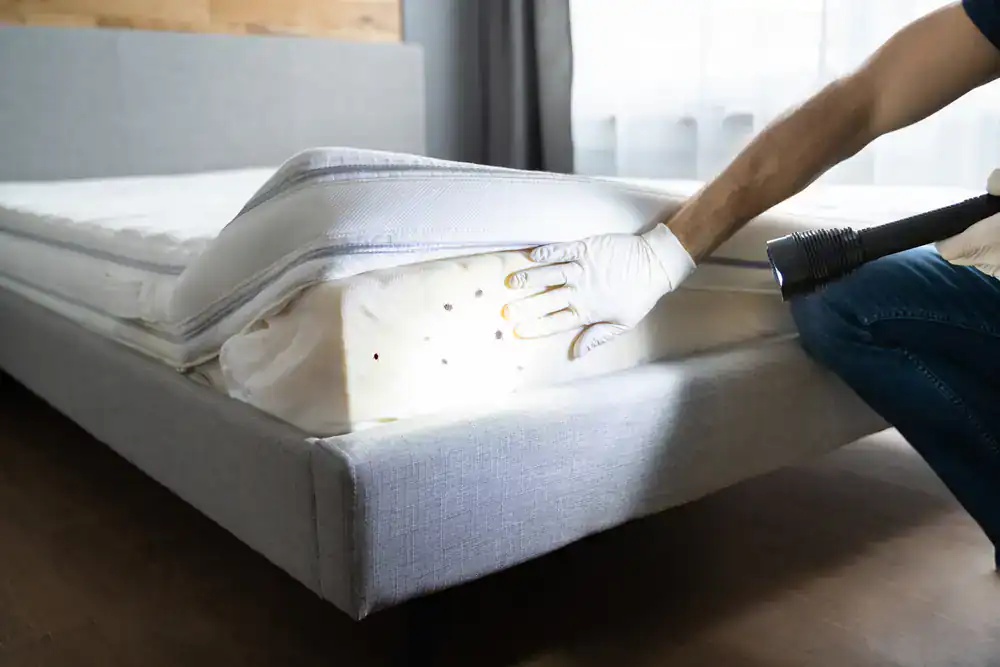
It starts with a thorough inspection. One of our certified specialists walks through your home, identifies where the infestation is concentrated, assesses how far it’s spread, and gives you an honest read on what treatment is actually required. No inflated assessments, no upselling just a clear picture of what you’re dealing with. If you’re in a two-family home, we factor in both units from the start, because treating one side while leaving the other unaddressed is how infestations come back.
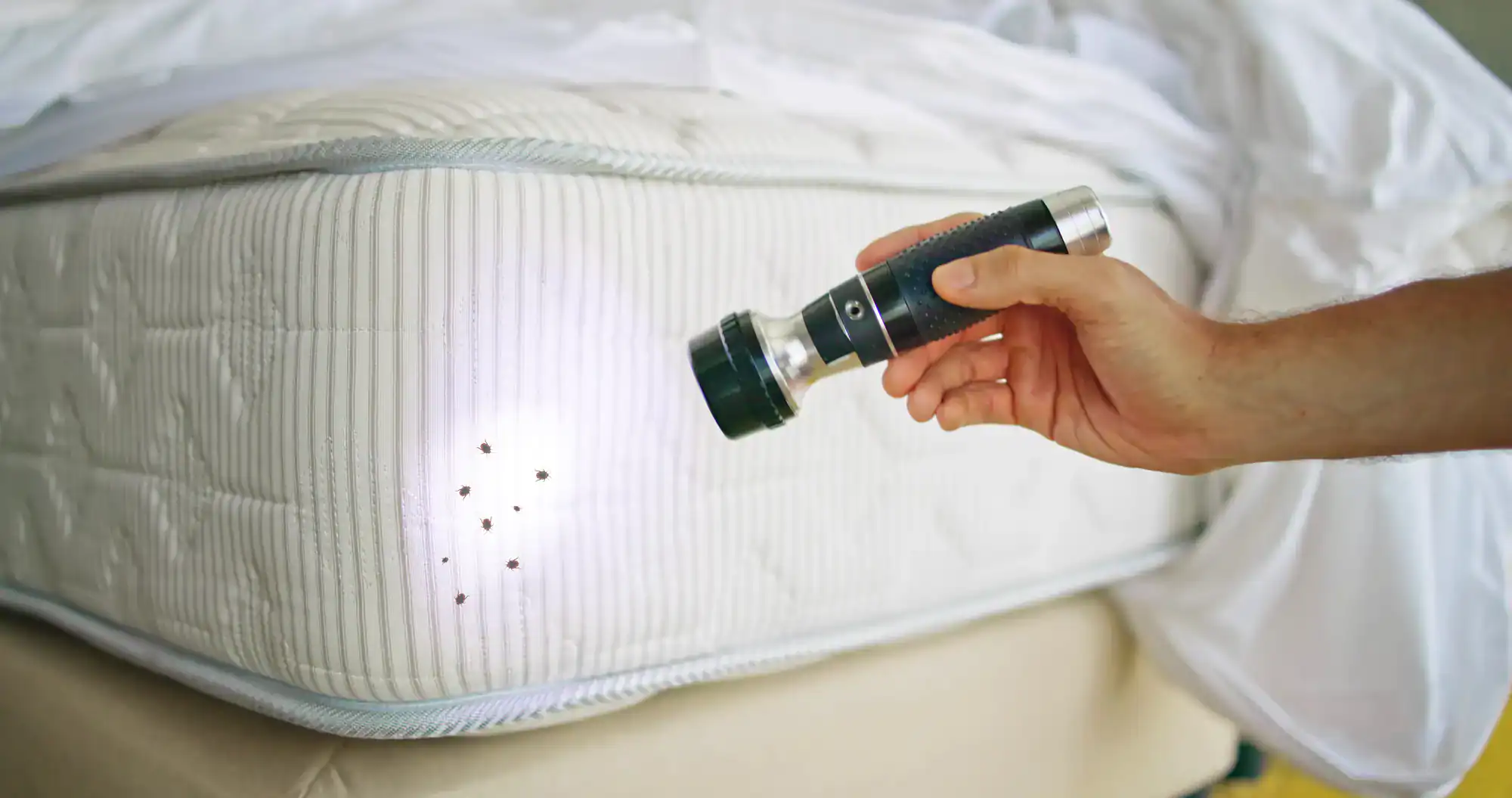
From there, treatment is applied with precision targeting harborage areas like mattress seams, box springs, baseboards, electrical outlets, and furniture joints where bed bugs actually hide and breed. In Springfield Gardens homes, where the typical brick colonial or duplex layout means shared wall cavities and tight floor plans, that thoroughness matters. Every application follows NYSDEC licensing standards, which are among the strictest in the state.
After treatment, you’ll get clear instructions on re-entry timing and what to watch for in the days that follow. We offer same-day inspections when available and guarantee an appointment within two days because waiting a week while an infestation spreads isn’t an option.
Ready to get started?
Our bed bug treatment covers the full scope of the problem inspection, treatment, and follow-up guidance. For Springfield Gardens homeowners, that means an assessment that accounts for the specific risks in this neighborhood: travel-related introductions, duplex and two-family home layouts, and the kind of recurring exposure that comes with living near JFK. We build the treatment plan around what your home actually needs, not a one-size-fits-all package.
We offer both chemical treatment and heat treatment options depending on the severity and layout of the infestation. Heat treatment is particularly effective for multi-room infestations where bugs have spread into furniture, walls, and flooring it reaches areas that chemical treatment alone can’t always penetrate. Our specialist will walk you through which approach fits your situation and why.
Because we’re fully licensed and insured under NYSDEC requirements, our treatment documentation is also valid for NYC Housing Maintenance Code compliance purposes. For Springfield Gardens duplex owners who have or are at risk of an HPD bed bug violation, that matters. You’re not just getting the infestation treated you’re getting the paperwork that shows the work was done by a qualified, licensed professional. If you need a clearance certificate for renovation or demolition work, we provide those too.
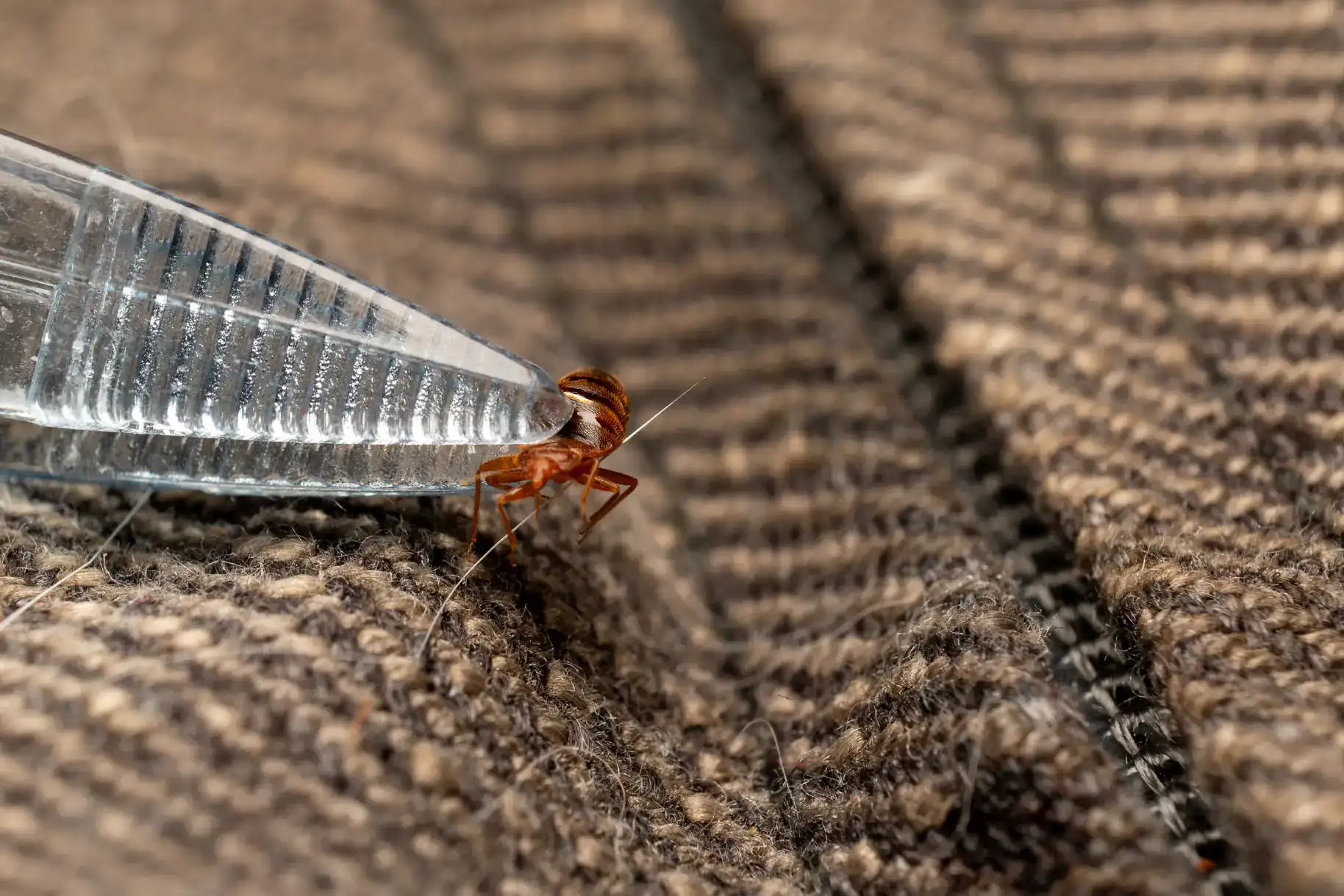
Yes, and it’s more common than most people think. Bed bugs are one of the most well-documented travel-related pests in the world, and airports including JFK are among the highest-risk environments for picking them up. They hide in airport seating, hotel rooms, and the luggage of other travelers. You don’t have to stay somewhere dirty. You just have to set your bag down in the wrong place.
For Springfield Gardens residents, this risk is ongoing, not occasional. Many households here travel internationally on a regular basis, and many also host family members arriving from abroad. Each trip is a potential introduction event. If you’ve recently traveled or had visitors, that’s often the most likely source and knowing that should take some of the weight off. Bed bugs are not a reflection of how clean your home is. They’re a travel pest, and this neighborhood has more exposure to that vector than most.
They can, and in Springfield Gardens’ two-family homes, it happens more often than homeowners expect. Bed bugs move through shared wall voids, electrical conduit runs, and plumbing chases the same pathways that connect one unit to another in a duplex. If the infestation is active and has had time to spread, treating only your unit while leaving the adjacent one uninspected is a setup for re-infestation within weeks.
Under NYC’s Housing Maintenance Code, if you own a multiple dwelling and a tenant files a 311 complaint, HPD will inspect and can issue a violation against your property if live bugs are confirmed. That violation becomes a public record and can affect your ability to rent, sell, or refinance. The right move is to have both units inspected at the same time and, if needed, treated together. We’ve handled this exact scenario in multi-unit residential properties across Queens and can coordinate the process for both sides of your home.
For most standard infestations caught early, two treatments spaced about two weeks apart is typical. The first treatment eliminates active bugs. The follow-up addresses any eggs that hatched after the initial application, since bed bug eggs are more resistant to chemical treatment than live insects. If the infestation is more advanced spread across multiple rooms or into wall voids additional treatments or a switch to heat treatment may be needed.
The honest answer is that it depends on how far the infestation has progressed before treatment starts. That’s one of the reasons speed matters so much. A small infestation treated quickly often resolves in two visits. One that’s been left for months is a different situation entirely. When our specialist does your initial inspection, we’ll give you a realistic assessment of what your specific situation requires not a worst-case estimate designed to justify a higher price.
In most cases, no. Throwing away a mattress is one of the most common misconceptions about bed bug treatment, and it’s usually unnecessary. Bed bugs can be effectively eliminated from mattresses through proper treatment either chemical application to harborage areas or heat treatment, which penetrates the mattress entirely. A mattress encasement installed after treatment adds an extra layer of protection and makes future monitoring easier.
Where disposal does make sense is if the mattress is severely infested, heavily damaged, or so old that it’s not worth treating. Our specialist will tell you honestly whether yours falls into that category. If disposal is recommended, NYC has specific rules about how to bag and label infested mattresses before putting them out for collection they must be sealed in plastic and labeled to prevent other people from picking them up. Our technician can walk you through that process so you’re handling it correctly under city guidelines.
For a standard infestation in a single-family home, professional bed bug treatment in the Queens area typically runs between $1,000 and $2,500. More severe infestations ones that have spread to multiple rooms or into wall voids can reach $4,000 to $6,000. Single-room treatments for a contained, early-stage infestation can come in lower, sometimes in the $300 to $500 range.
For Springfield Gardens homeowners with a two-family property, the cost calculation also needs to account for whether both units require treatment. Treating both sides of a duplex at once is almost always more cost-effective than treating one unit, having the infestation return from the other, and paying for a second round. We provide free estimates, and our assessments are honest you’ll know exactly what’s recommended and why before any work begins. There’s no pressure to agree to more than your situation actually calls for.
Heat treatment is worth it in specific situations, and for certain Springfield Gardens homes, it’s the better option. The core advantage of heat treatment is penetration it reaches inside walls, deep into furniture, and into areas that chemical treatment can’t always access effectively. For a brick colonial or duplex with multiple affected rooms and potential spread into wall cavities, heat treatment eliminates the infestation in a single visit rather than requiring multiple chemical applications over several weeks.
The tradeoff is cost. Heat treatment typically runs higher than chemical treatment upfront. But for a severe or widespread infestation, the total cost of multiple chemical treatments plus the time, the preparation, and the disruption to your household can close that gap quickly. Chemical treatment remains effective for early-stage or contained infestations and is a proven approach when applied correctly by a licensed specialist. Our technician will assess your home and give you a straight answer on which method fits your situation, your layout, and your budget not just the one that costs more.
Useful Links