
Hear from Our Customers
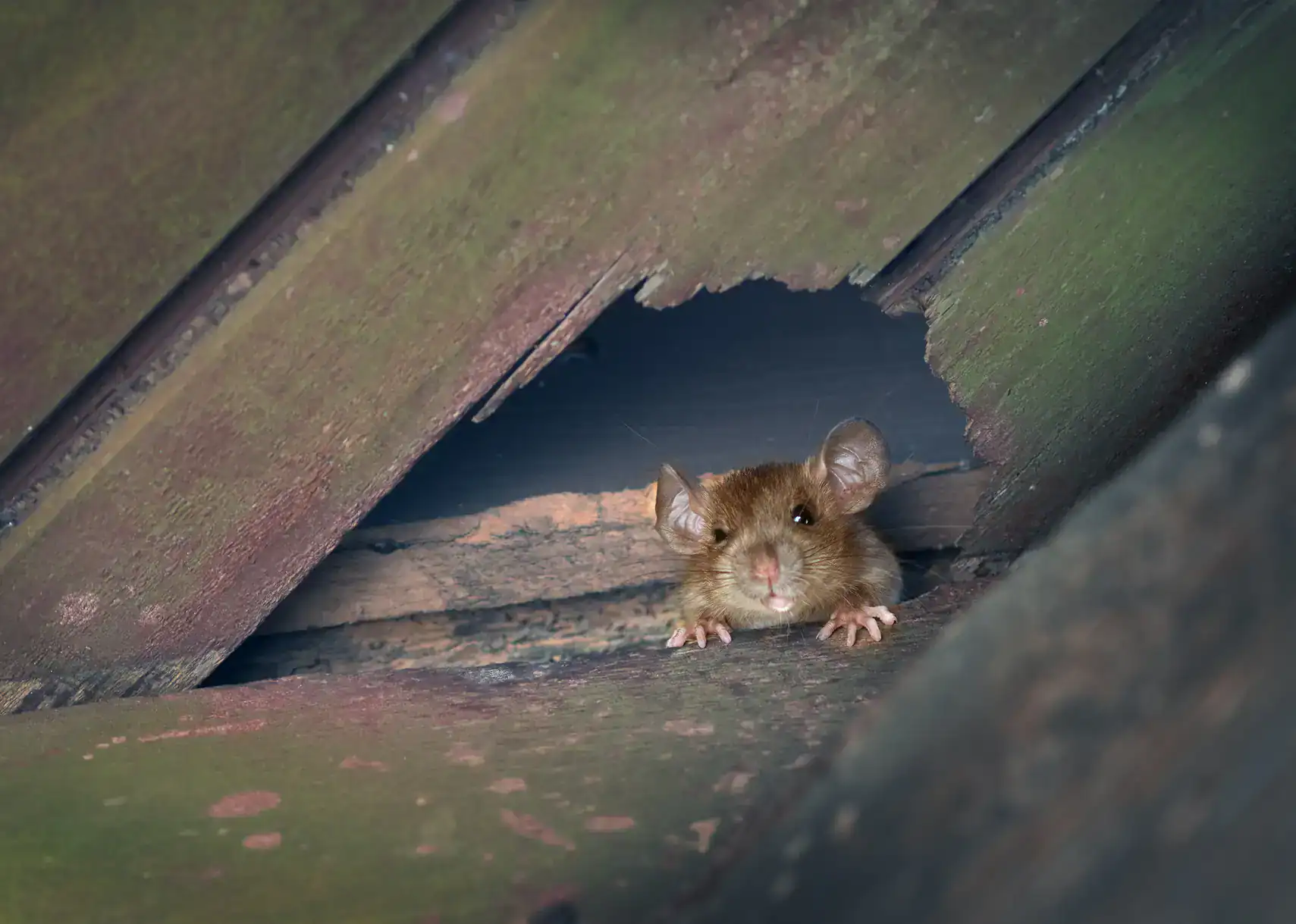
The detached homes, finished basements, and attached garages that make Springfield Gardens a great place to live also make it easier for rodents to get comfortable. A gap around a utility line, a crack near the foundation, a space under the garage door that’s all it takes. And once they’re in, they don’t leave on their own.
The $1.7 billion sewer infrastructure project underway across southeastern Queens is doing something most residents don’t realize: it’s destroying underground burrow networks that have existed for years. Those displaced rodents have to go somewhere, and the detached homes along the construction corridors are the obvious next stop. That’s not a theory it’s a pattern we’ve seen play out across New York City every time large-scale underground work begins.
Then there’s the geography. Springfield Park, Brookville Park, and Idlewild Park’s saltwater marshes are natural rodent habitat, and when temperatures drop in the fall, the pressure on adjacent residential blocks increases significantly. A home valued near $656,000 deserves more than a snap trap from the hardware store. Professional rodent pest control in Springfield Gardens means addressing the source, not just the symptoms.
We were founded in 1976 in Marine Park, Brooklyn one of the closest major pest control operations to Springfield Gardens. That’s not a coincidence. Marine Park and southeastern Queens share the same housing stock, the same flooding challenges, and the same seasonal rodent patterns. When our technician walks through a Springfield Gardens home, they already understand the environment before they open the door.
Richard Kourbage Sr. built this company from the ground up, and his sons Richard Jr. and Charles have run it since the late 1980s. That family ownership means accountability our name is on every job. We hold an A+ rating with the Better Business Bureau, have been BBB accredited since 1989, and apply only NYS Department of Environmental Conservation registered materials on every service call.
New York attorneys and real estate brokers refer clients to us specifically. That kind of professional trust doesn’t come from advertising it comes from decades of showing up and solving the problem correctly.
It starts with a phone call and that call is free. You describe what you’re seeing, and a knowledgeable person walks you through what it likely means. No voicemail, no callback queue. We’re available around the clock, and appointments are guaranteed within 48 hours.
When our technician arrives, the first thing they do is a thorough inspection interior and exterior. In Springfield Gardens, that means checking the specific vulnerabilities that come with the neighborhood’s housing stock: foundation edges near drainage areas, utility penetrations in older basements, gaps around garage doors, side passages between homes, and any areas where recent flooding may have compromised the foundation seal. Rats can enter through a hole the size of a quarter. Mice need only the width of a pencil eraser. The inspection finds what you can’t see.
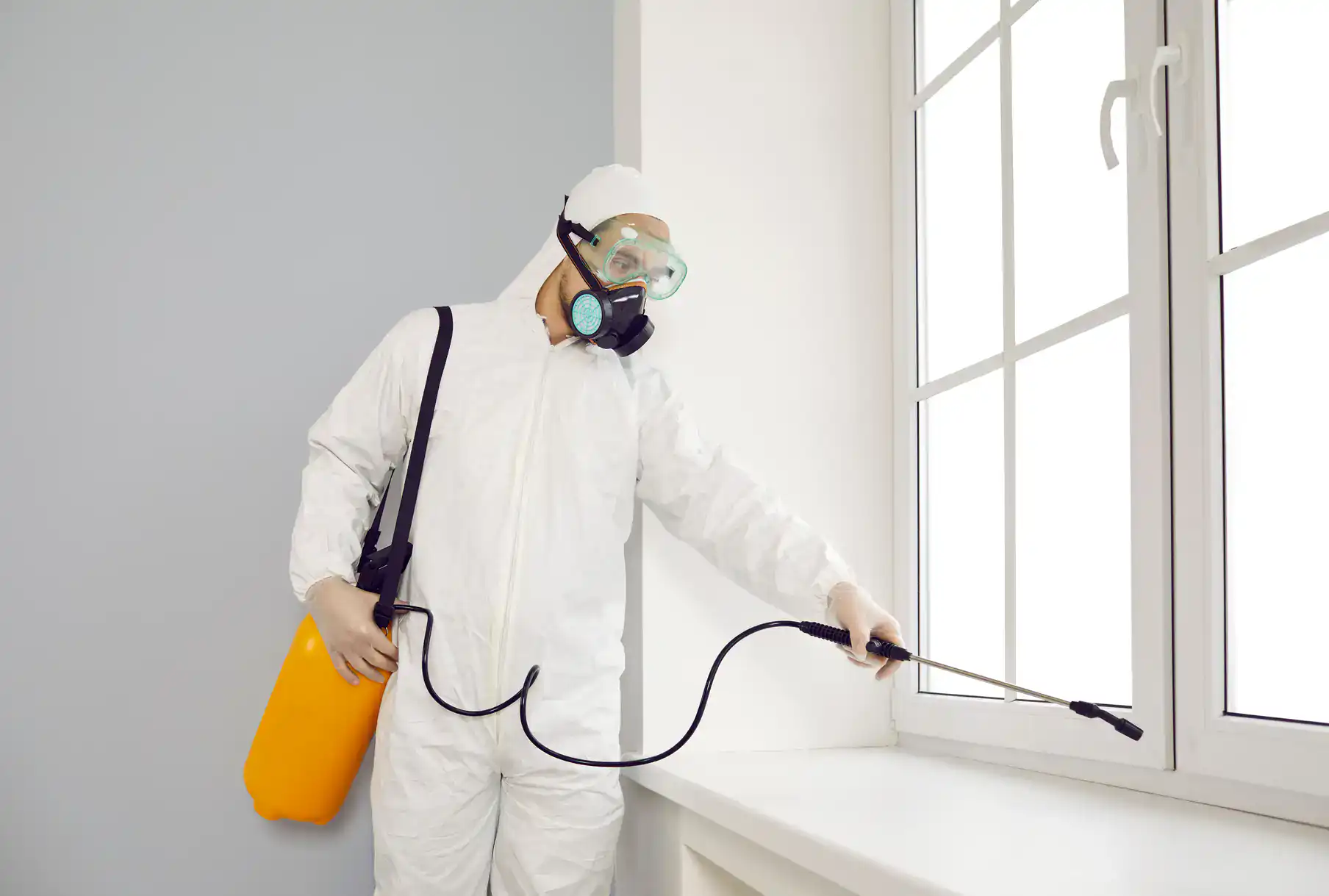
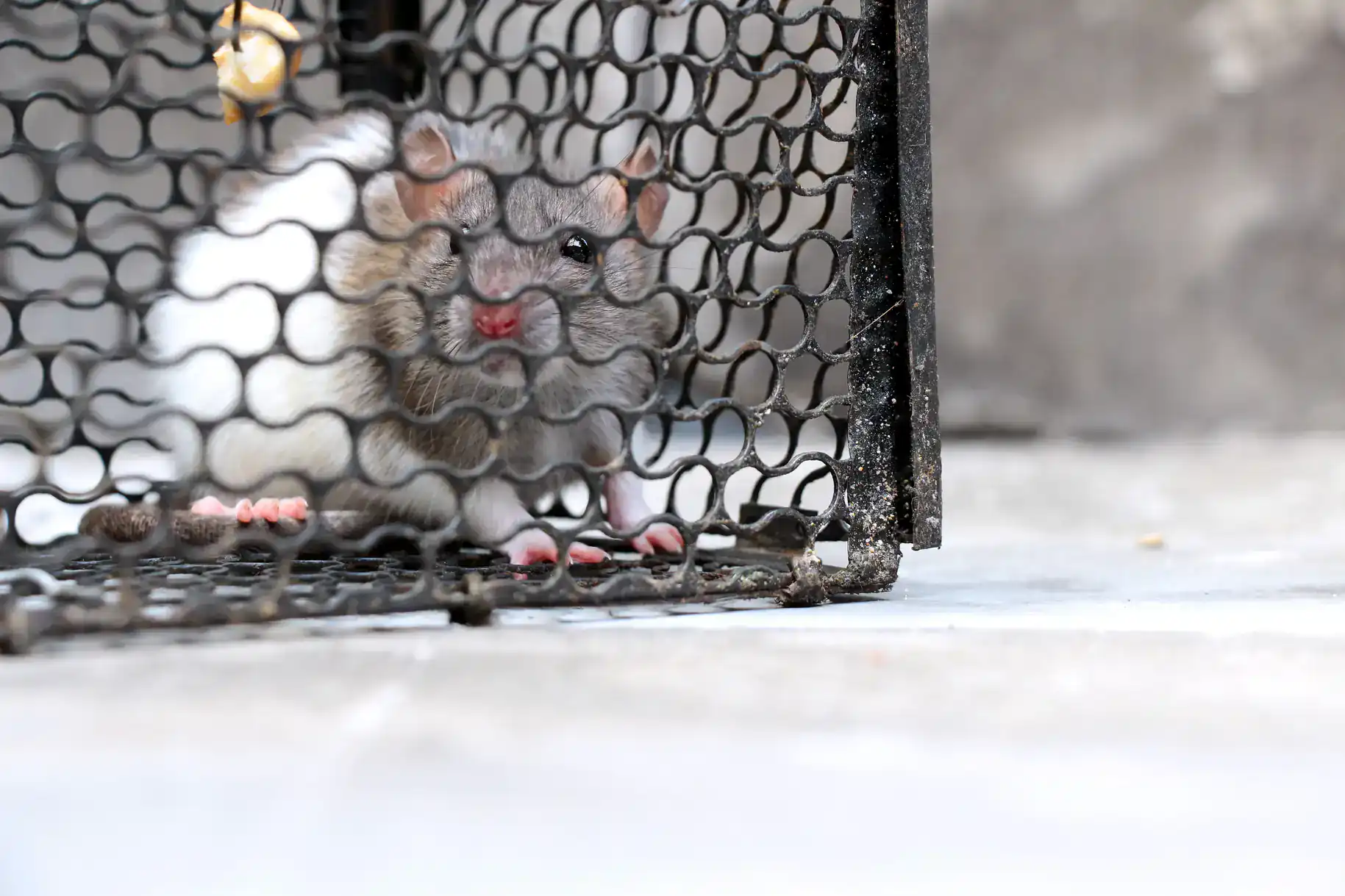
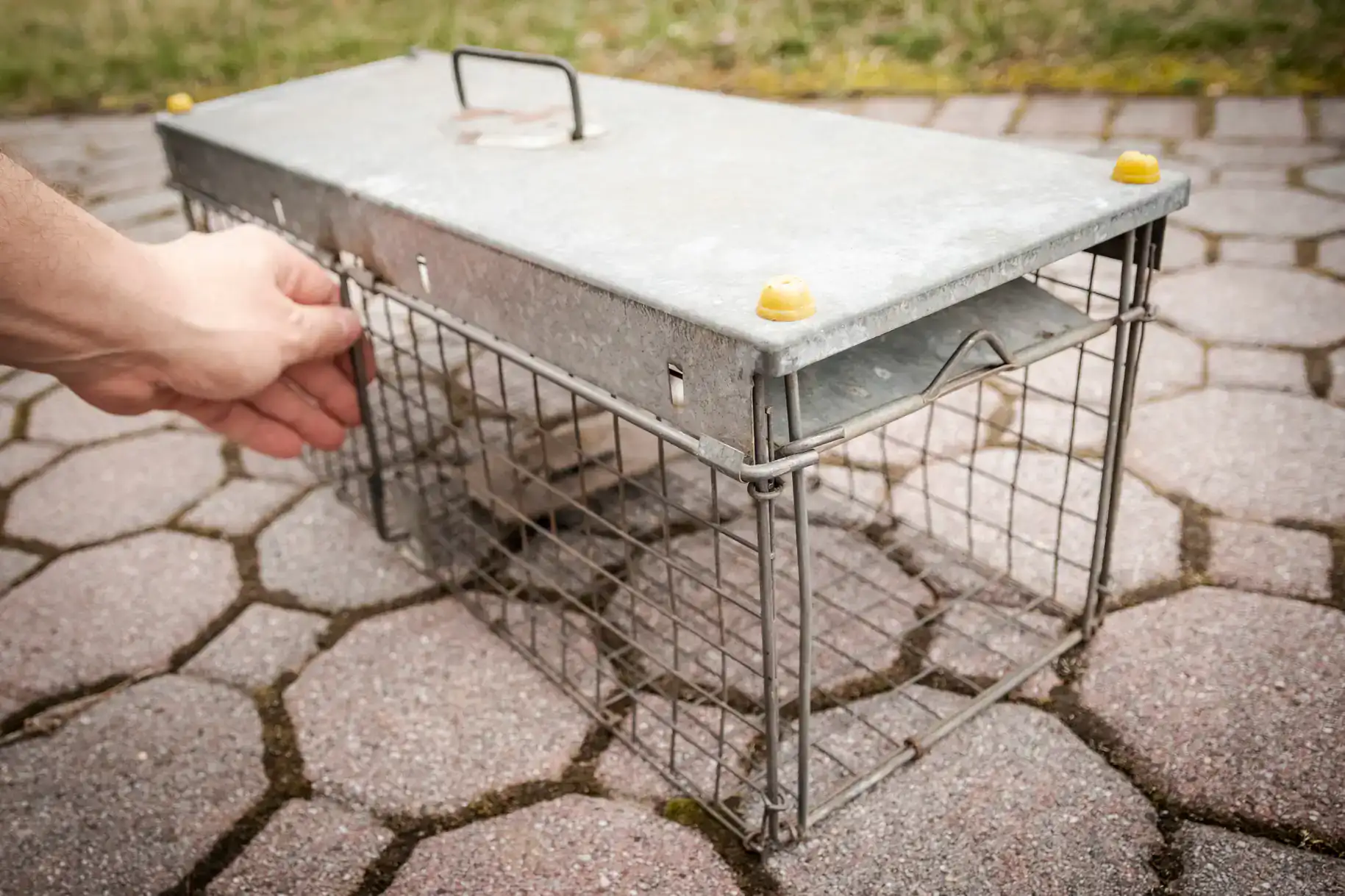
From there, we build a treatment plan around your specific property not a generic package. Tamper-resistant bait stations, targeted trapping, and exclusion recommendations are all part of the process. If your home sits near one of the active sewer construction corridors or backs up to parkland, that context shapes the plan. Follow-up visits confirm the infestation is resolved, not just reduced. That’s what rodent control services in Springfield Gardens actually need to look like.
Ready to get started?
Rodent control in Springfield Gardens isn’t one-size-fits-all. The mid-century detached colonials and brick bungalows throughout this neighborhood come with basements, driveways, sheds, and side yards all of which create entry points and nesting opportunities that high-rise apartments simply don’t have. Our residential rodent control service is designed around that reality.
Every service includes a full inspection of the interior and exterior, species identification (Norway rats and house mice behave differently and require different approaches), targeted treatment using NYS DEC registered materials, and placement of tamper-resistant bait stations where appropriate. Exclusion recommendations sealing the gaps that let rodents in are included in every assessment, because eliminating the current infestation without addressing entry points just means waiting for the next one.
For homes near Brookville Park, along the Belt Parkway corridor, or on blocks adjacent to active sewer construction on Farmers Boulevard or Guy R. Brewer Boulevard, we also address the ongoing external pressure that makes Springfield Gardens different from a typical Queens neighborhood. JFK Airport sits at the southern boundary of this community, and the food waste and underground infrastructure associated with a major international airport creates persistent rodent pressure that doesn’t stop after a single treatment. We build that reality into every plan.
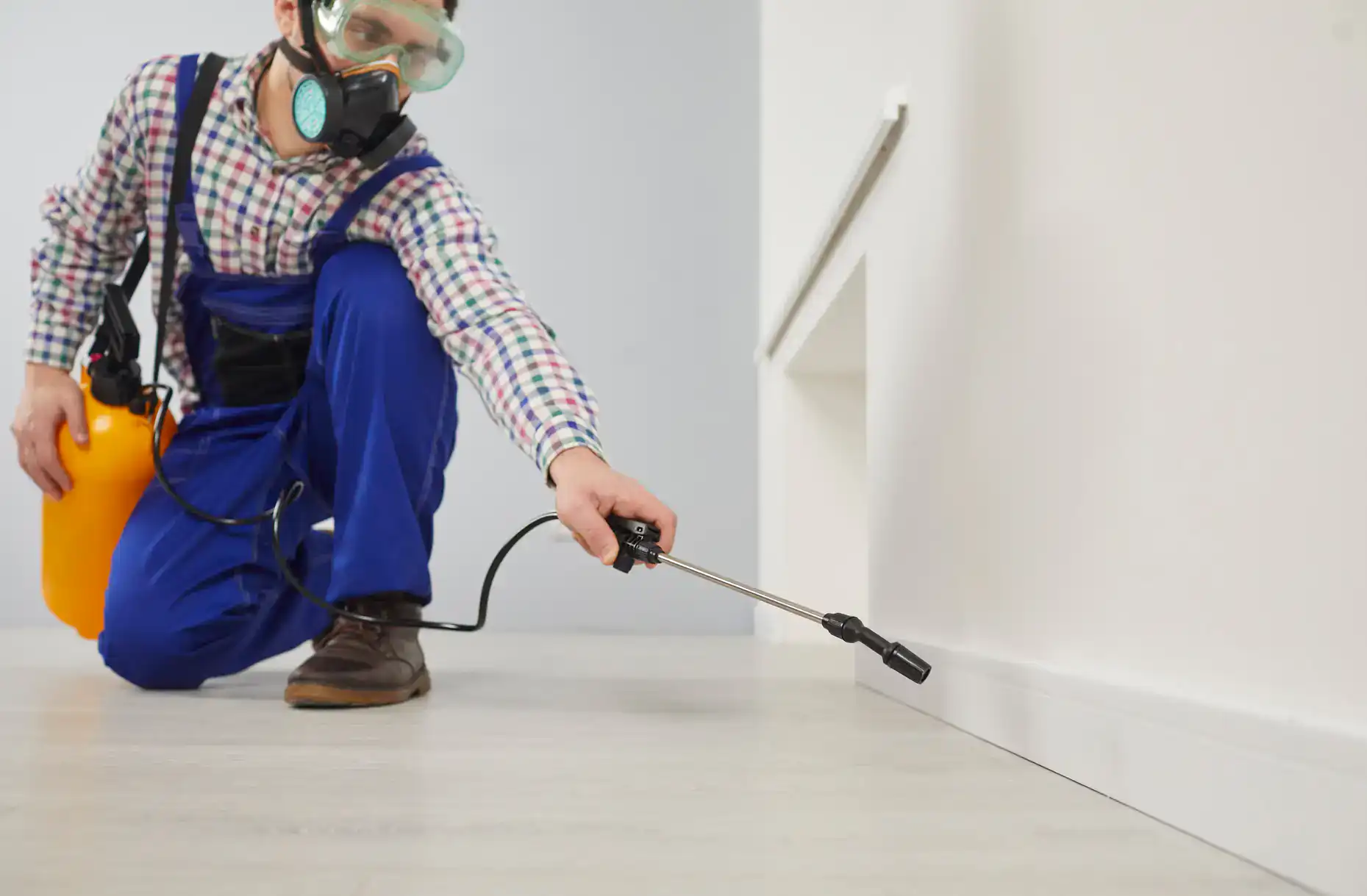
The most likely explanation is construction displacement. The $1.7 billion sewer infrastructure project currently underway across southeastern Queens with trunk sewer work on Farmers Boulevard, Springfield Boulevard, and Guy R. Brewer Boulevard is excavating underground corridors that rodents have used as established burrow networks for years. When those burrows are destroyed, the displaced populations move fast, and the nearest residential properties become their new target.
This isn’t a Springfield Gardens-specific theory it’s a well-documented pattern that occurs whenever large-scale underground construction disrupts rodent habitat in dense urban areas. If you’ve noticed a sudden surge in activity without any obvious change to your own property, the construction timeline in your area is the most likely cause. The right response is a professional inspection to identify how they’re entering your home and exclusion work to close those access points before the population grows further.
Yes and in Springfield Gardens specifically, this connection is worth taking seriously. The neighborhood has a documented history of chronic basement and roadway flooding due to stormwater infrastructure that hasn’t kept pace with the area’s drainage needs. The same compromised foundation areas, unsealed utility penetrations, and drainage gaps that let water in during a heavy rain event are often the exact same entry points rodents use.
Beyond entry points, flooding events displace rodents from low-lying areas the wetland edges of Idlewild Park, the drainage channels near Brookville Park, and the marshy ground near Springfield Lake all push rodent populations toward drier residential structures when water levels rise. If your basement has flooded in the past year, a rodent inspection should include a close look at every area where water entered, because those gaps are almost certainly large enough for mice and potentially large enough for rats as well.
Detached homes have more exterior exposure than apartments or row houses, which means more potential entry points. In Springfield Gardens, the most common access routes are utility line penetrations in the basement where gas, electric, water, and cable lines enter the home these are rarely fully sealed, and even a small gap around a pipe is enough. Garage doors are another major vulnerability, especially older models where the bottom seal has worn down or the concrete slab has cracked at the threshold.
Side passages between homes, foundation cracks near drainage areas, and gaps around HVAC equipment on the exterior are also frequent entry points in this neighborhood’s housing stock. Mature trees adjacent to rooflines can give roof rats access to attics and upper floors, which is less common but worth inspecting if you’re hearing activity above the ceiling. A thorough exterior inspection covers all of these areas and identifying them is the first step toward keeping rodents out for good.
It does, and it’s a factor that most pest control companies operating outside southeastern Queens don’t account for. JFK Airport generates significant volumes of food waste through its restaurants, catering operations, terminal services, and cargo handling. That food supply, combined with the airport’s extensive underground infrastructure tunnels, service corridors, drainage systems sustains a large rodent population in and around the airport campus.
The airport’s perimeter connects directly to Springfield Gardens’ southern boundary via South and North Conduit Avenue. Residents living in proximity to the airport’s perimeter experience rodent pressure that originates from an external source no individual property treatment can fully eliminate. This is one of the reasons ongoing maintenance rather than a single one-time treatment is often the more realistic long-term approach for homes in southern Springfield Gardens. We build that context into the treatment plan rather than ignoring it.
Rodent removal refers to eliminating the rodents currently inside or around your home through trapping, bait stations, and targeted treatment. Rodent exclusion is the process of sealing the entry points that allowed them in, so the problem doesn’t repeat itself after the current infestation is resolved.
Both are necessary. Removal without exclusion is a temporary fix new rodents will find the same entry points the previous ones used, especially in a neighborhood like Springfield Gardens where external pressure from nearby parks, wetlands, and construction activity is ongoing. Exclusion without removal leaves an active infestation in place. A complete rodent control service addresses both: eliminate what’s there, then close the door. We include exclusion recommendations in every inspection, and our technician will walk you through what needs to be sealed and why so you understand the full picture before any work begins.
For many homes, a single thorough treatment combined with solid exclusion work is enough to resolve the infestation and keep it from returning. But Springfield Gardens has a combination of environmental factors that make ongoing monitoring a smarter approach for some properties particularly those near Brookville Park, along the Belt Parkway corridor, adjacent to active sewer construction zones, or close to the JFK Airport perimeter.
When external rodent pressure is persistent meaning the source of the problem isn’t something that goes away after one treatment a maintenance relationship gives you consistent monitoring, early detection of new activity, and the ability to respond before a minor issue becomes a serious infestation. We’ll give you an honest assessment after the initial inspection: if a one-time service is the right call for your property, that’s what we’ll recommend. If the conditions around your home suggest ongoing pressure, we’ll explain why and what a maintenance plan would actually involve.
Useful Links