
Hear from Our Customers
You stop waking up checking your arms. You stop second-guessing the couch, the bed frame, the corner of the room you’ve been avoiding. That’s what real bed bug removal in Whitestone looks like not just a treatment visit, but the confidence that comes after it.
A lot of Whitestone’s housing stock was built in the 1940s and 50s. Original hardwood floors, aging baseboards, plaster walls these homes have more places for bed bugs to hide than a modern apartment ever would. That’s just the reality of older construction in this neighborhood. A thorough bed bug inspection in a Whitestone home takes experience with exactly this type of building, not a checklist designed for a new-build condo.
And if you’re in a multi-unit community LeHavre on the Water, Clearview Gardens, or any of the co-op buildings in the area the stakes are even higher. Bed bugs move between units through shared walls, electrical conduits, and plumbing chases. Getting ahead of it quickly, with someone who understands multi-unit treatment protocols, is what keeps a single-room problem from becoming a building-wide one.
We’ve been treating homes across New York City since the 1980s, with deep roots in Whitestone and the surrounding neighborhoods. That’s over 50 years of real field experience not a franchise license and a training manual, but decades of actual work in the type of Queens homes, co-ops, and multi-unit buildings that define Whitestone and its surrounding areas.
We’re BBB A+ accredited, fully licensed under NYSDEC requirements, bonded, insured, and certified specifically as a bed bug specialist. That last part matters more than most people realize. Bed bug control is not the same as general pest control. The inspection approach, the treatment method, the follow-up protocol it all requires a different level of training. That’s what you get here.
Whitestone is a tight-knit community. Word travels. We’ve built our reputation in Queens on honest assessments, no upselling, and work that holds up the kind of reputation that only comes from doing the job right for a very long time.
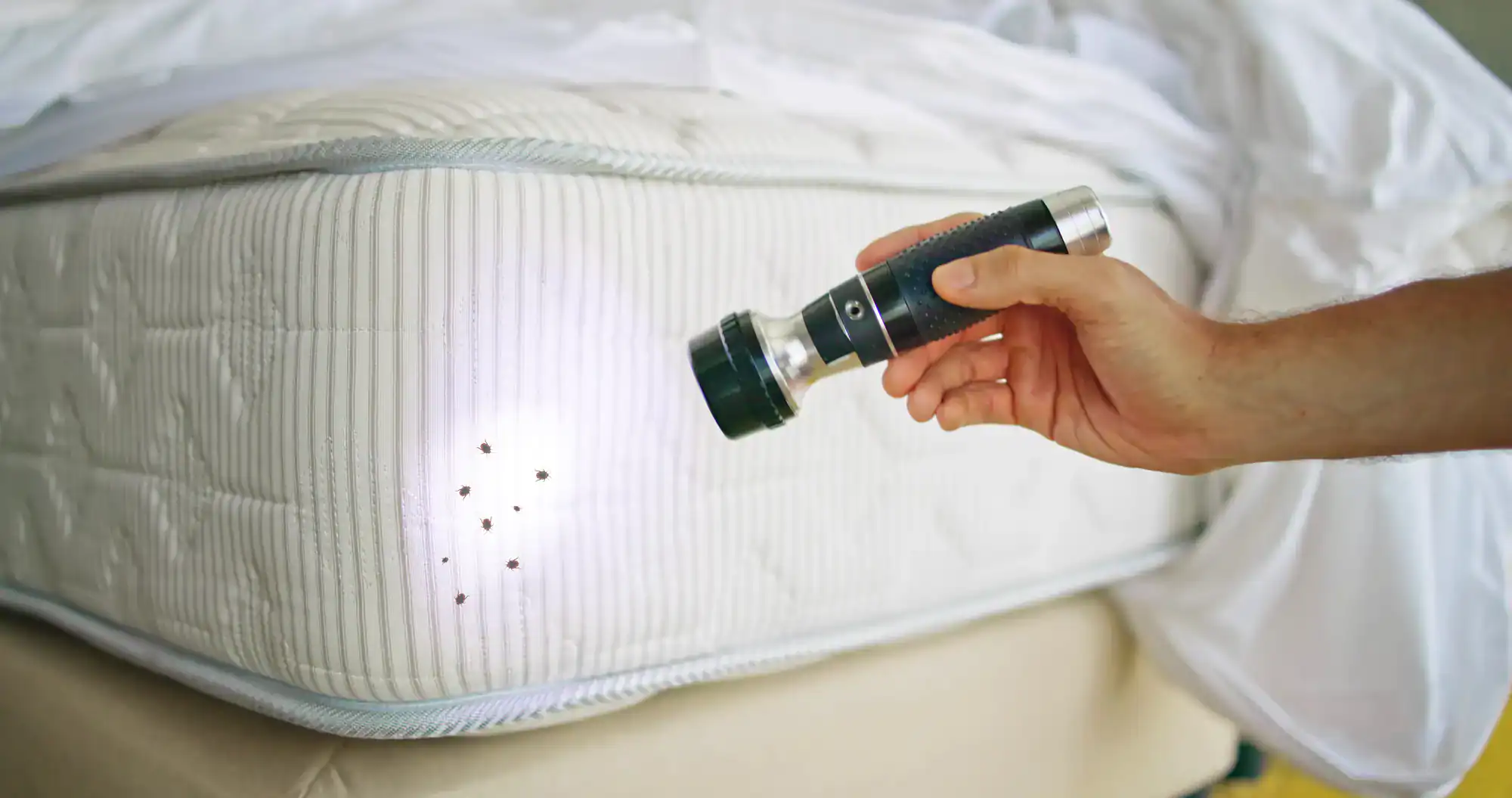
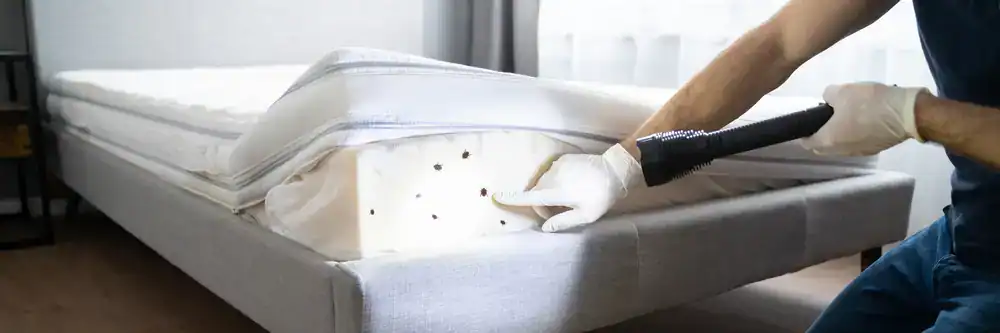
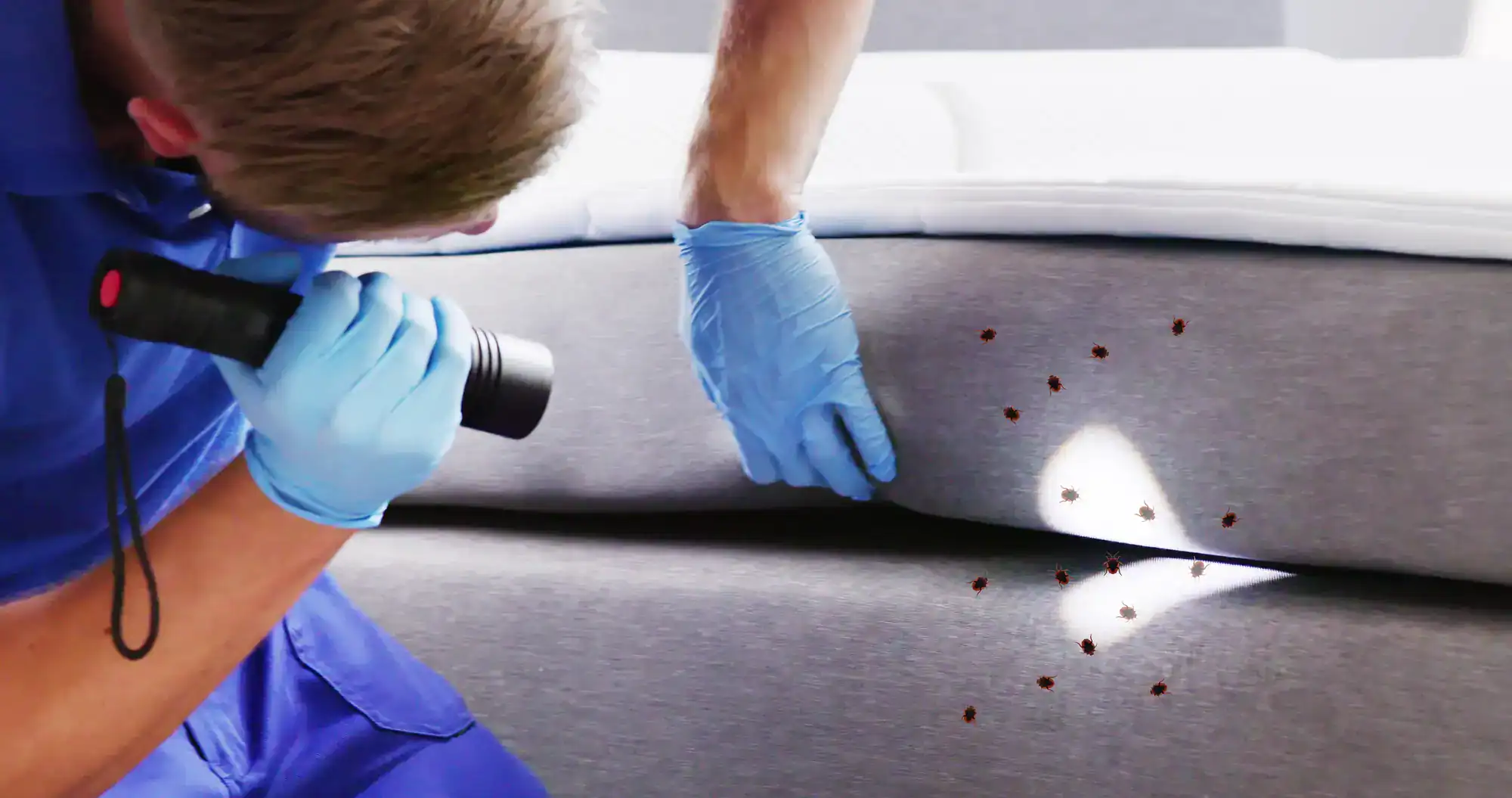
It starts with a call and someone actually answers, any time of day or night. From there, a certified inspector comes to your Whitestone home, often the same day, and always within two days guaranteed. The inspection is thorough, not rushed. In a home built in the 1950s or earlier, that means going beyond the mattress and box spring baseboards, hardwood floor gaps, wall voids, upholstered furniture, and anywhere else bed bugs are known to harbor in older construction.
Once the inspection is complete, you get a clear picture of what you’re dealing with and what treatment makes sense for your specific situation. We use environmentally friendly treatment options, which matters in a neighborhood like Whitestone where multigenerational households are common and a lot of residents are thinking about the safety of elderly family members, grandchildren, and pets. You’ll receive specific preparation instructions before the treatment and clear re-entry guidance after no vague timelines, no guessing.
For multi-unit buildings, the process includes adjacent unit evaluation in line with NYC HPD guidelines, and we can provide the documentation and clearance certificates that building managers in communities like LeHavre or Clearview Gardens are required to maintain. Most infestations require two to four visits over a three-to-six-week period, and that timeline is explained upfront so you know what to plan for.
Ready to get started?
Bed bug treatment in Whitestone isn’t a single visit and a handshake. It’s a process, and the right process depends on your specific home, your building type, and how advanced the infestation is. We provide a free estimate so you know what you’re dealing with and what it will cost before any work begins. No pressure, no inflated scope, no upselling once the technician is in the door.
For single-family homes the majority of Whitestone’s housing stock treatment focuses on the full structural environment: sleeping areas, furniture, flooring, walls, and any adjacent spaces where bed bugs are known to travel. For residents in larger communities like LeHavre on the Water or Clearview Gardens, the protocol expands to include neighboring units and common area risk assessment, consistent with what NYC HPD requires for buildings with multiple residential units.
We also provide DOH clearance certificates when required a specific, practical need for Whitestone building managers dealing with health code complaints or co-op board requirements. Every treatment uses environmentally friendly solutions that are safe for the people and pets living in your home. And because bed bug infestations in older Whitestone homes can be more complex than they appear on the surface, follow-up visits are built into the plan from the start not added on later as an extra charge.
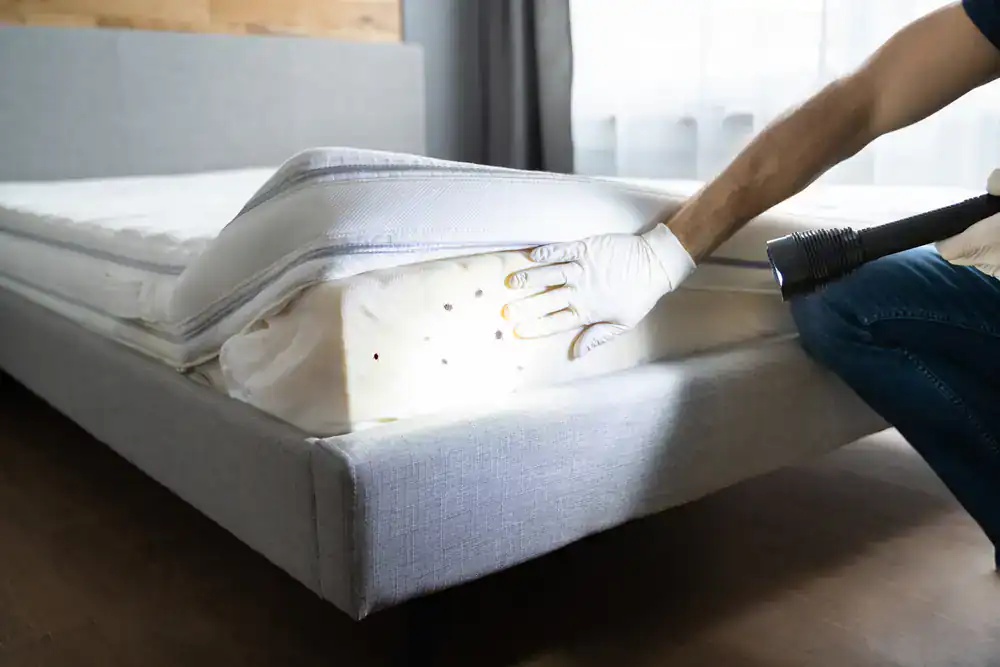
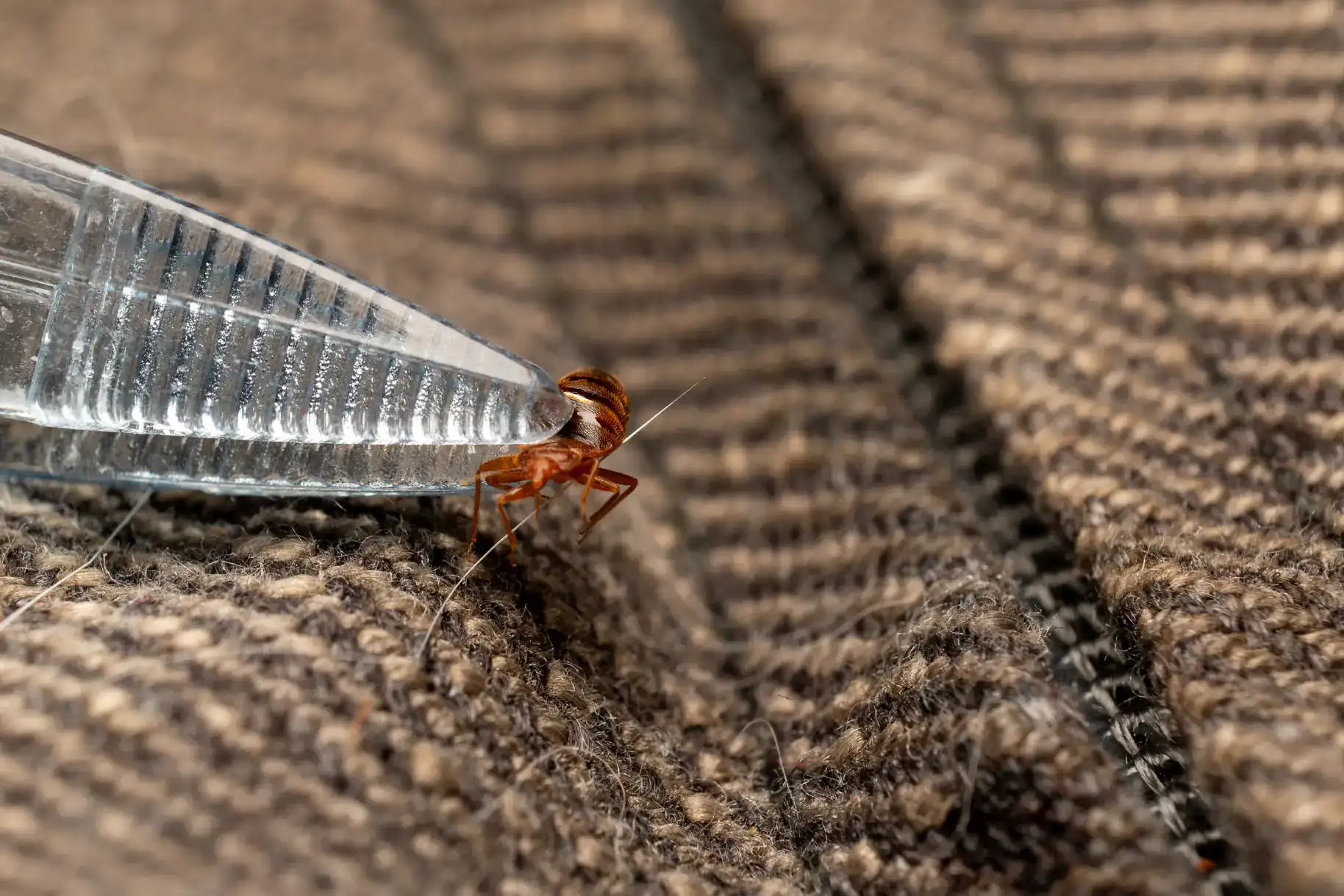
The most common signs are small rust-colored stains on your sheets or mattress, tiny dark spots along baseboards or behind headboards, and bites that appear in a line or cluster usually on exposed skin. You might also notice a faint, musty odor in a heavily infested room. That said, bed bugs are genuinely good at staying hidden, especially in older homes.
In Whitestone, where a lot of homes were built in the 1940s and 50s, the structural complexity works in the bugs’ favor. Original hardwood floors with gaps, aging plaster walls, and older furniture with more seams and crevices give them more places to hide than a modern apartment would. If you’re seeing any of the signs above or you’ve recently traveled and started noticing unexplained bites a professional bed bug inspection is the fastest way to get a clear answer. We offer free estimates and same-day inspections, so you’re not sitting on uncertainty for a week waiting for an appointment.
The honest answer is that it depends on the size of your home, how advanced the infestation is, and how many rooms are affected. For a standard single-room or early-stage infestation, professional treatment typically runs in the range of $300 to $500 for an initial visit. For a full home with a moderate infestation, most cases fall between $1,000 and $2,500. Severe infestations in larger homes can reach $4,000 to $6,000 but that’s the high end, and most Whitestone cases don’t get there if they’re caught and treated early.
What matters most is not finding the cheapest option it’s finding one that works the first time. Bed bugs reproduce fast, and a treatment that doesn’t address the full scope of the infestation just means you’re paying again in a few weeks. We provide a free estimate before any work begins, so you know exactly what you’re looking at before you commit to anything.
Yes and it happens faster than most people expect. Bed bugs don’t need a wide-open path to move between units. They travel through shared wall voids, electrical outlets, plumbing chases, and even the gaps around pipes and conduit. In a dense residential community like LeHavre on the Water which has over 1,000 units or Clearview Gardens, a single untreated infestation can spread to neighboring units within weeks.
Under NYC Housing Maintenance Code, landlords and building owners are legally required to address bed bug infestations and maintain pest-free living conditions. For buildings with 10 or more residential units, NYC HPD also requires annual Bed Bug Reporting. When we treat a unit in a multi-unit building, the inspection protocol includes evaluating adjacent units above, below, and on either side consistent with what HPD guidelines recommend. If you’re a building manager or co-op board member in Whitestone dealing with a complaint, we can provide the clearance certificates and documentation you’re required to maintain.
In most cases, no. Throwing away furniture is rarely necessary and often counterproductive moving infested pieces through your home and out to the curb can actually spread bed bugs to other rooms or, in a multi-unit building, to neighboring units. Professional treatment is specifically designed to eliminate bed bugs in place, including inside furniture, without requiring you to discard items that may have significant value.
There are situations where a heavily infested mattress or box spring is beyond reasonable treatment and a professional will tell you honestly if that’s the case. But that’s the exception, not the rule. In Whitestone, where many homeowners have furniture that’s been in the family for years, the goal is always to treat and preserve where possible. If disposal is genuinely necessary, your technician will walk you through how to do it safely so you’re not creating a bigger problem in the process.
Most professional bed bug treatments require two to four visits over a three-to-six-week period. This isn’t padding the job it’s how bed bug biology works. Eggs are resistant to most treatments, which means a follow-up visit is needed after the eggs hatch to eliminate the next generation before they can reproduce. Skipping follow-up visits is one of the most common reasons infestations come back.
The exact number of visits depends on the severity of the infestation, the size of your home, and how well the preparation steps are followed before each treatment. We lay out the full expected timeline during the initial inspection so you’re not surprised by additional visits later. In older Whitestone homes where structural complexity can mean more harborage sites being thorough from the start is what makes the difference between a problem that’s solved and one that keeps coming back.
This is one of the most common questions from Whitestone residents, and it’s a fair one. The neighborhood has a significant population of residents over 65, and many households include pets and visiting grandchildren. We use environmentally friendly treatment solutions that are specifically selected with household safety in mind. Before treatment begins, you’ll receive clear preparation instructions what to cover, what to move, and where to be during the process. After treatment, you’ll get specific re-entry guidance so there’s no guesswork about when it’s safe to return to treated areas.
If anyone in your household has respiratory sensitivities, allergies, or specific health concerns, bring that up when you call. The treatment approach can be adjusted based on the people and animals living in your home. We’ve been treating homes in Queens for over 50 years, and that includes households with elderly residents, infants, and pets it’s not an unusual situation, and it’s handled with the same care every time.
Useful Links
Other Services we provide in Whitestone