Hear from Our Customers
You stop finding them in the kitchen at midnight. You stop worrying about what your kids are crawling near on the floor. You stop buying sprays that work for a week and then don’t. That’s what a real cockroach treatment does it removes the problem instead of temporarily pushing it out of sight.
In East Flatbush, the conditions that drive cockroach infestations are structural, not personal. The NYC Department of Health’s own data rates this neighborhood as performing worse than most in the city for homes with cockroaches. That’s not a reflection of how clean your home is. It’s a reflection of aging plumbing, shared walls between attached rowhouses, and building infrastructure that was built decades before modern pest barriers existed. The roaches in your kitchen aren’t coming from your habits they’re coming through your walls, your pipes, and your drains.
Getting rid of them for good means addressing those entry points, not just the adults you can see. Cockroach eggs are resistant to most over-the-counter treatments, which is why DIY sprays seem to work and then don’t. A properly executed treatment one that accounts for the specific building type you’re in and the specific species you’re dealing with is the difference between a week of relief and an actual resolution.
We’ve been operating out of Brooklyn since the early 1980s headquartered on Flatbush Avenue in Marine Park, which puts us on the same road that runs along the western edge of East Flatbush. This isn’t a national chain routing your call to a regional office. We’re a family-owned company that has been treating Brooklyn homes and apartment buildings for over four decades, and we know the specific challenges East Flatbush residents face.
Richard Kourbage Sr. founded the company, and his son Richard Jr. joined in 1987. Our team collectively brings over 100 years of combined pest control experience to every job which means when a technician walks into a Farragut rowhouse or a Remsen Village two-family, they’re not guessing. We’ve treated buildings exactly like yours, in neighborhoods exactly like this one.
We hold an A+ rating with the Better Business Bureau of New York State, are fully licensed and insured, and apply only NYS Department of Environmental Conservation registered materials. That matters when you have kids in the home and need to know that what’s being applied is regulated and safe.
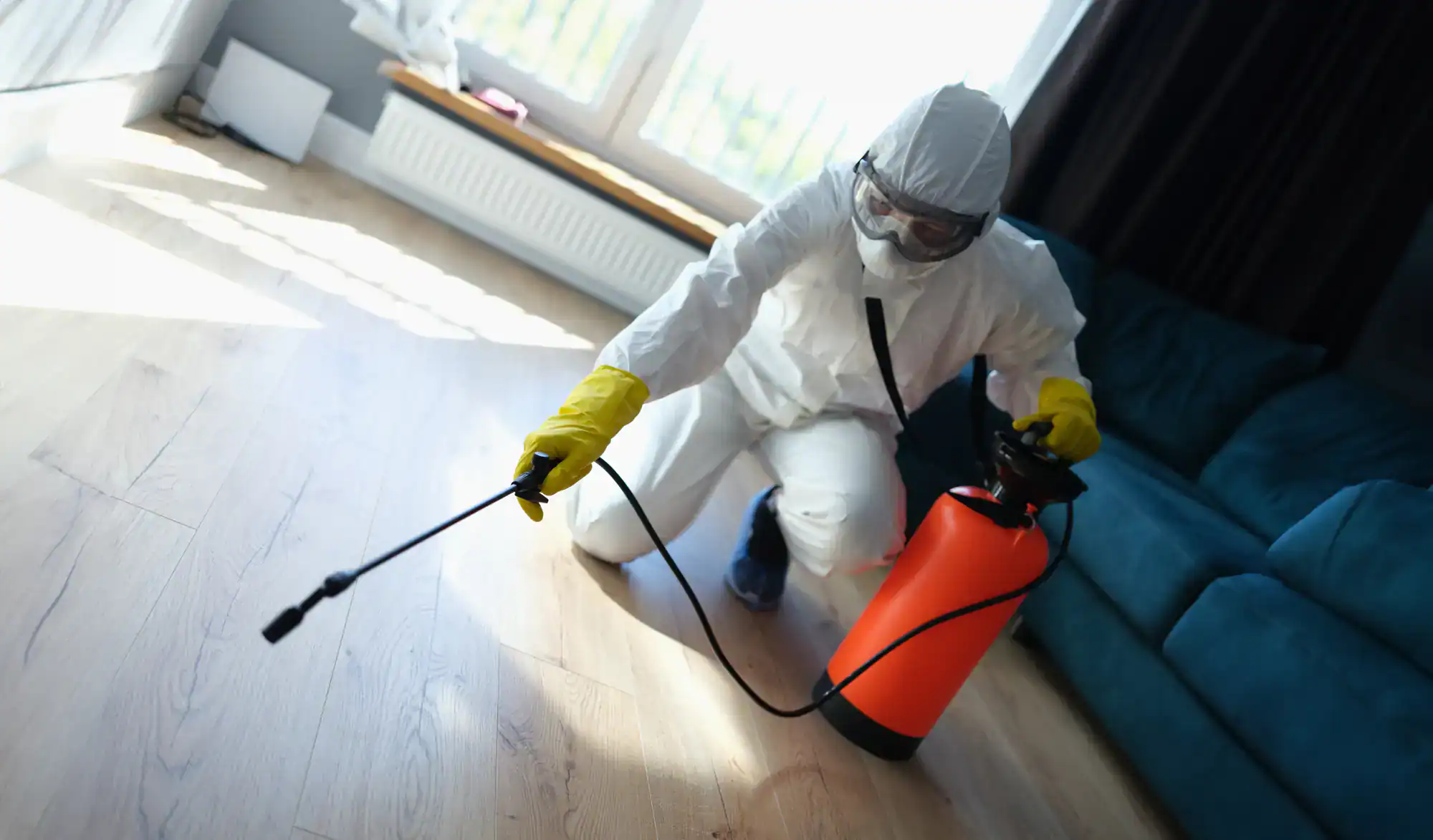
It starts with an inspection not a quick walk-through, but a real assessment of where the infestation is coming from. In East Flatbush’s attached housing stock, that means looking at more than your unit. We check shared wall voids, plumbing penetrations, floor drains, and basement access points. We also identify which species you’re dealing with, because German cockroaches the small, fast ones in your kitchen cabinets require a different treatment approach than American cockroaches, the large ones locals call waterbugs that come up through aging drain and sewer lines.
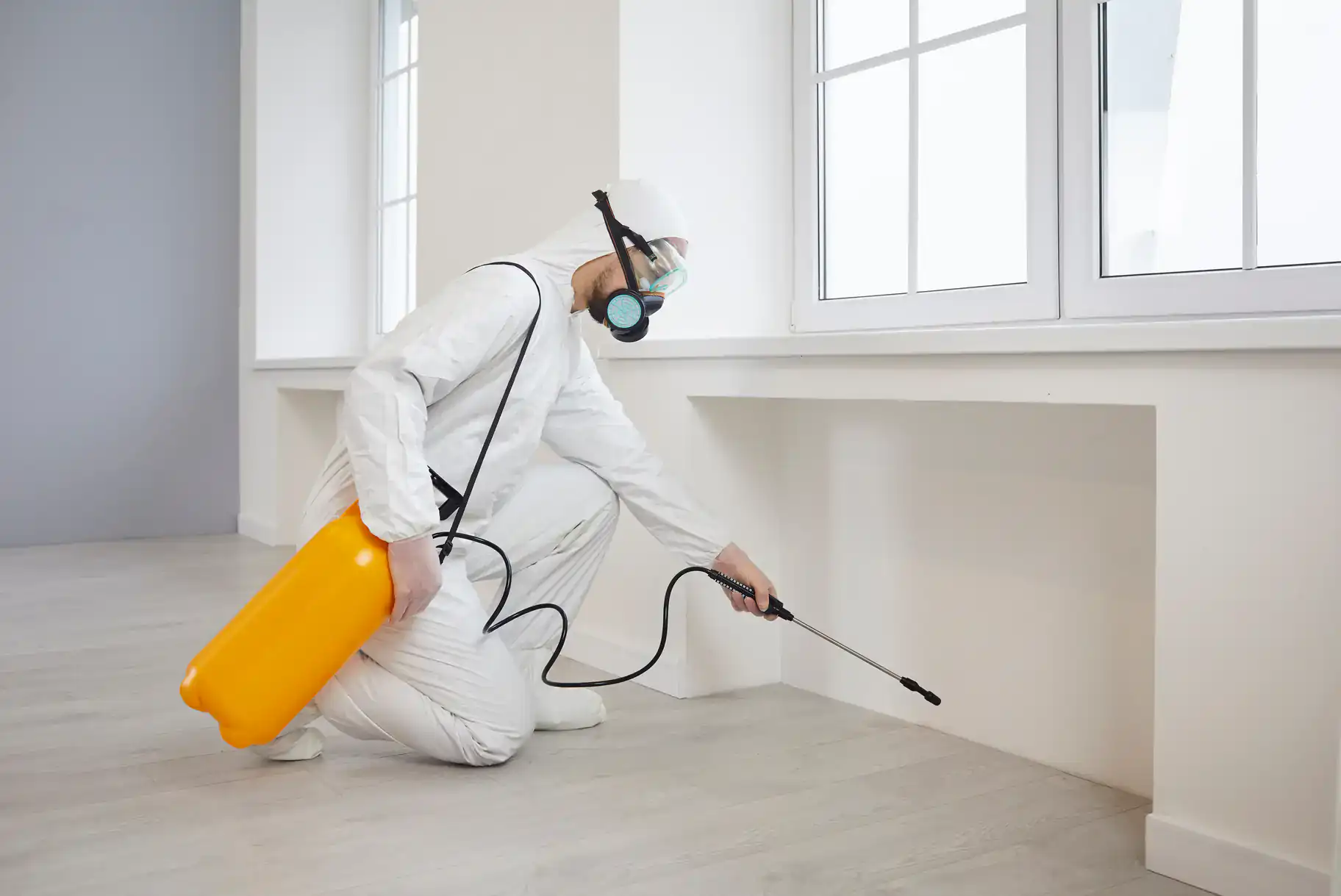
Once the inspection is done, we target treatment based on what was actually found. That might include gel baits placed in harborage areas, insect growth regulators to interrupt the reproductive cycle, and crack-and-crevice applications in the specific zones where activity is concentrated. Our goal is to eliminate the population at the source, not just knock down the adults that are visible. Because cockroach eggs are resistant to most pesticide applications, we schedule follow-up treatments at intervals that catch newly hatched nymphs before they can reproduce.
After treatment, you’ll know what was done, where it was applied, and what to expect in the days that follow. If you’re a property owner dealing with an HPD violation or a building manager working toward Local Law 55 IPM compliance, we can provide the documentation you need. The process is straightforward, and you won’t be left wondering what happened or what comes next.
Ready to get started?
Cockroach pest control in East Flatbush isn’t a one-size situation. The Erasmus section has pre-war rowhouses with original plumbing. Farragut has attached two- and three-family homes where an infestation in one unit is almost always an infestation in two. Remsen Village has a mix of detached homes and small apartment buildings where waterbug entry through basement drains is common, especially after heavy rain. Our treatment approach shifts based on the building, the species, and the severity and that’s exactly how we approach every job.
For residential customers whether you’re a renter in a multi-family building or the owner of an attached home our service includes a full inspection, targeted treatment using NYS DEC registered materials, and a follow-up schedule designed to address the full life cycle of the infestation, not just the adults. If your landlord is dragging their feet on an HPD cockroach violation, you have options, and we can work directly with tenants as well as property owners.
For property managers and building owners particularly those managing larger complexes in the Community District 17 area we offer ongoing maintenance schedules (monthly, bi-monthly, or quarterly) that keep cockroach pressure under control year-round. In a neighborhood where heated buildings sustain active infestations through every season, a one-time treatment is rarely sufficient on its own. Consistent, documented service is what keeps buildings clean and keeps violations off the record.
The most common reason is that the source of the infestation wasn’t addressed only the visible population was. In East Flatbush’s attached rowhouses and multi-family buildings, cockroaches travel through shared wall voids, plumbing chases, and utility penetrations between units. If your neighbor has an active infestation and the structural pathways between your units haven’t been treated or sealed, cockroaches will keep migrating back into your space regardless of what you apply inside your own apartment.
The other factor is eggs. Cockroach egg cases called ootheca are resistant to most pesticide sprays, including professional-grade products. That’s why a single treatment rarely ends an infestation permanently. A proper treatment plan accounts for the reproductive cycle and includes follow-up applications timed to eliminate newly hatched nymphs before they reach breeding age. If you’ve been treated once and the problem came back within a few weeks, the treatment plan wasn’t built around the full life cycle. That’s the gap our approach is designed to close.
They’re actually the same insect just different species with different behaviors, and the treatment for each is different. The small, fast cockroaches you find in your kitchen cabinets and behind the stove are almost always German cockroaches. They reproduce rapidly, stay close to food and moisture sources, and spread quickly through multi-unit buildings. The large ones that appear in your bathroom or come up through floor drains especially after heavy rain are American cockroaches, which Brooklyn residents have called waterbugs for generations.
American cockroaches migrate up through aging sewer and drain infrastructure, which is especially common in East Flatbush given the age of the neighborhood’s plumbing stock. They’re not a sign of a dirty home they’re a sign of an older building with drain entry points that haven’t been properly sealed. German cockroaches, on the other hand, spread through harborage areas and require bait-based treatments that target the colony. Treating one species the way you’d treat the other doesn’t work, which is why identifying what you’re actually dealing with is the first step in any effective cockroach control plan.
Yes when applied correctly by a licensed technician using regulated materials. We apply only products registered with the New York State Department of Environmental Conservation. These materials go through a regulatory review process before they’re approved for residential use, and they’re applied in targeted areas inside wall voids, along baseboards, in cabinet interiors not broadcast-sprayed throughout living spaces. You’ll be given specific preparation and re-entry instructions before the job, and our technician will walk you through what was applied and where.
It’s also worth putting the risk in perspective. Cockroach allergens the shed skin, droppings, and body fragments that accumulate in an active infestation are a documented trigger for childhood asthma and respiratory issues. Studies have found that between 23% and 60% of urban asthma sufferers are sensitive to cockroach allergens, and East Flatbush has significant asthma burden among children consistent with this pattern. The health risk of leaving an active infestation untreated in a home with young children is real and ongoing. A properly executed professional treatment, using regulated materials applied by a certified technician, addresses that risk it doesn’t add to it.
Yes. Under New York City’s Housing Maintenance Code, a cockroach infestation is classified as a Class C violation the most serious category, defined as immediately hazardous. Landlords are legally required to address it, and they’re required to do so using Integrated Pest Management practices under NYC Local Law 55, also known as the Asthma-Free Housing Act. That law prohibits landlords from simply spraying and calling it done they’re required to identify and address the conditions that are allowing the infestation to persist.
If your landlord isn’t responding, you can file a complaint through 311 or directly with NYC’s Housing Preservation and Development (HPD), which will trigger an inspection and, if the violation is confirmed, a formal notice of violation against the property owner. Tenants in East Flatbush have successfully used this process to compel action and local media has covered situations at buildings in the neighborhood where tenants organized around exactly these issues. If you’re in a situation where you’re not willing to wait for your landlord to act, we can also work directly with tenants. You shouldn’t have to live with an active infestation while a landlord stalls.
It depends on the severity of the infestation, the species involved, and the building type but in a realistic, multi-unit building scenario in a neighborhood like East Flatbush, you should expect the process to take two to three treatment cycles before the population is fully under control. The first treatment knocks down the active adult population and begins disrupting the reproductive cycle. The second and third treatments spaced two to four weeks apart target newly hatched nymphs that weren’t eliminated in the first round.
In attached buildings where cockroaches are migrating from adjacent units or entering through shared plumbing, the timeline can extend if the source isn’t addressed structurally. That’s why the inspection phase matters so much understanding where the pressure is coming from shapes how the treatment plan is built and how long it takes to work. For buildings with persistent, ongoing pressure (which is common in East Flatbush’s older housing stock), a maintenance schedule rather than a one-time treatment is often the more effective and cost-efficient approach over time.
We offer a 10% discount for senior residents. East Flatbush has a significant population of long-term homeowners and renters people who have lived in the same Farragut rowhouse or Remsen Village home for decades and many of them are older adults on fixed incomes managing properties they’ve invested their lives in. The discount reflects the reality of who lives in this neighborhood and what pest control costs mean in that context.
Beyond the senior discount, our pricing is structured to be competitive for the Brooklyn market without cutting corners on materials or follow-up. If you’re a property owner managing a multi-family building and looking at ongoing maintenance service, the cost of a consistent monthly or bi-monthly schedule is almost always less than the cost of an HPD violation, a DOH inspection failure, or the compounding expense of an infestation that spreads from one unit to three. The value of getting it handled correctly the first time with follow-up built in is real, and it’s something we’ve been delivering to Brooklyn homeowners and property managers for over 40 years.
Useful Links
Other Services we provide in East Flatbush