Hear from Our Customers
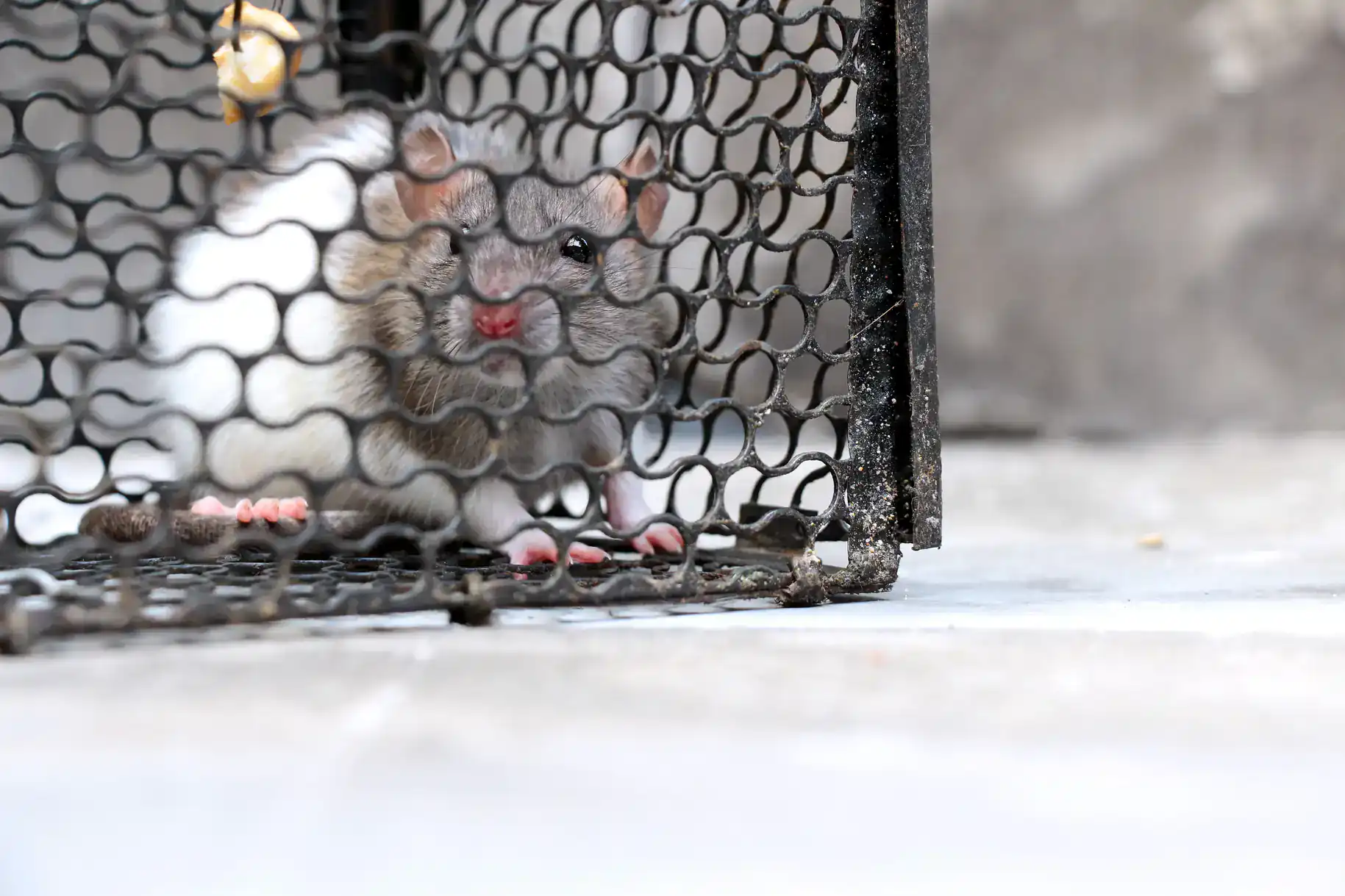
No more lying awake listening to scratching behind the walls. No more finding droppings behind the stove or under the sink. When rodent activity stops really stops your home feels like yours again. That matters, especially in a multi-generational household where a grandparent or young child is sharing the same space.
East Flatbush’s housing stock works against you in ways most people don’t realize until it’s too late. The brick rowhouses along Schenectady Avenue and Remsen Avenue were built nearly a century ago. Decades of settling, pipe replacements, and aging mortar joints have created entry points that are invisible to the untrained eye. Rats need a hole the size of a quarter. Mice need even less. Sealing those gaps not just trapping what’s already inside is what actually ends the cycle.
The attached and semi-detached building typology here creates another layer of complexity. If the unit next door or the building behind yours hasn’t been addressed, you can treat your home thoroughly and still be dealing with the same problem six weeks later. A real solution accounts for that. It looks at your specific building, your specific block, and closes the door on re-entry not just the rodents that are already there.
We’ve been operating out of Marine Park since 1976 that’s Flatbush Avenue, a few miles south of East Flatbush. Richard Kourbage Sr. built Kingsway Exterminating from the ground up, and his sons Richard Jr. and Charles have been running it alongside him since the late 1980s. Three people. One family. Over five decades of Brooklyn homes.
That proximity matters more than it sounds. Our technicians know the prewar rowhouses of Rugby, the large apartment buildings in Farragut, the dense residential blocks off Church Avenue because we’ve been working in them for years. When we walk into your East Flatbush home, we’re not guessing at what we’ll find.
We hold an A+ rating with the Better Business Bureau of New York State and have maintained BBB accreditation since 1989. Fully licensed, bonded, and insured. All materials are registered with the NYS Department of Environmental Conservation. These aren’t just credentials they’re the baseline you should demand from anyone you let into your home.
It starts with a free phone consultation. You describe what you’re seeing scratching in the walls, droppings in the kitchen, an actual sighting and we walk you through what’s likely happening and what addressing it will involve. No charge, no pressure. Just a clear picture of what you’re dealing with and a detailed quote before anyone shows up.
When our technician arrives, the first thing we do is a thorough inspection. In East Flatbush, that means checking the basement, foundation walls, pipe penetrations, utility lines, and any deteriorating mortar joints in the brick exterior all the spots that are easy to miss in a 100-year-old rowhouse. If there’s construction activity nearby on your block (and in this neighborhood, there often is), we’ll factor that in too. East Flatbush leads New York City in work-without-permit violations, and displaced rodent colonies from construction sites don’t disappear they move into the nearest available shelter.
Treatment combines population reduction with exclusion work: addressing the rodents already inside while sealing the entry points that allowed them in. After the work is done, we’ll provide a clear explanation of what was found, what was done, and what to watch for going forward. If you’re a landlord dealing with a tenant complaint or an HPD notice, we provide written documentation that holds up.
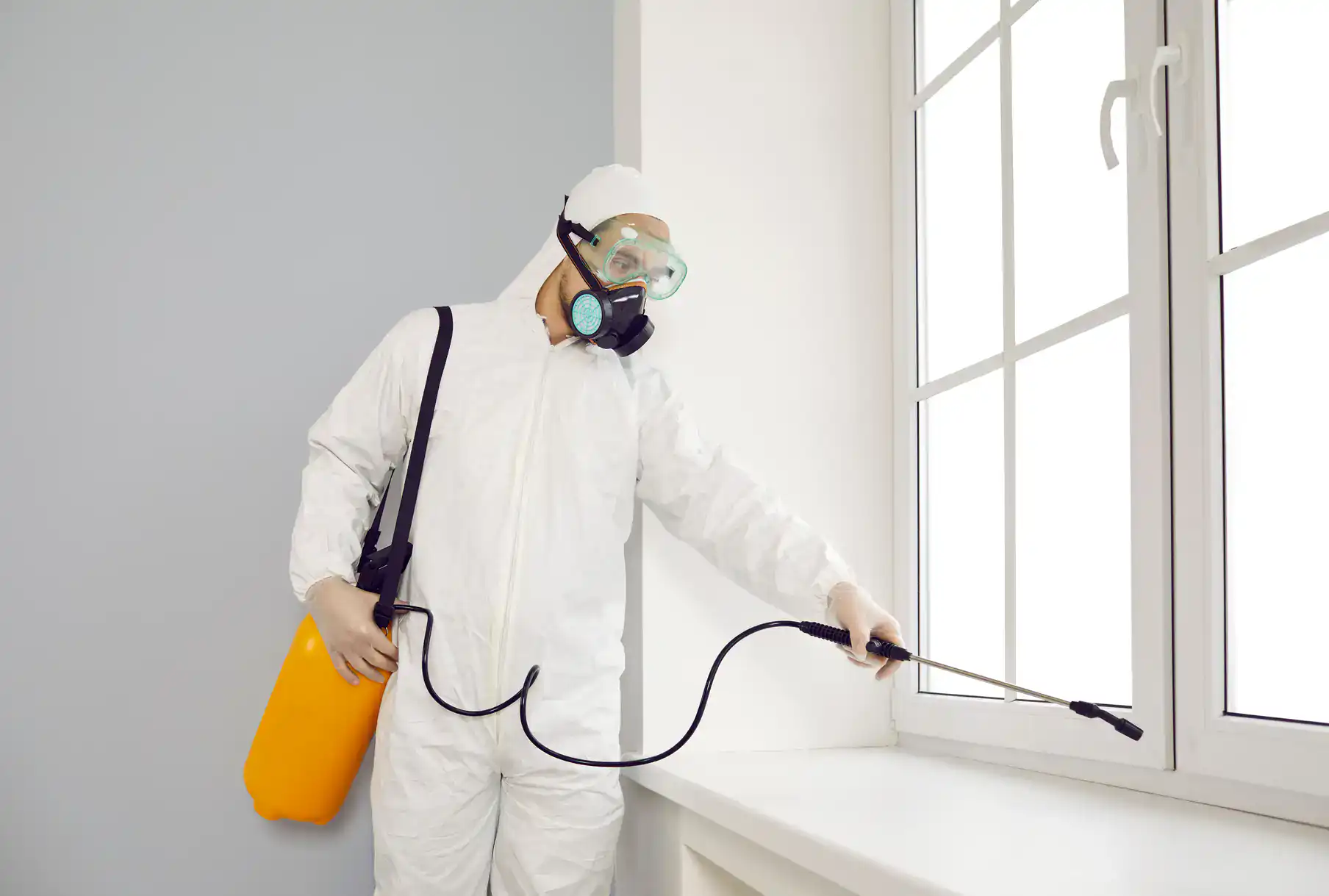
Ready to get started?
Rodent control in East Flatbush isn’t a one-size situation. The Farragut section, with Flatbush Gardens’ 59 buildings and over 12,000 residents, presents a completely different challenge than a two-family home in Rugby or a storefront on Utica Avenue. Our approach is built around what’s actually in front of us not a preset checklist.
For residential homes, our work covers inspection, targeted treatment, and exclusion finding and sealing the specific entry points in your building so re-entry is cut off. For multi-family property owners and landlords, we also provide the written service documentation you need to demonstrate compliance under NYC Local Law 55 of 2018, which requires buildings with three or more apartments to be kept free of pests. If you’ve received an HPD notice or a Department of Health violation, that paperwork matters.
For food-service businesses on Church Avenue or Utica Avenue Caribbean restaurants, bakeries, grocery stores rodent control is also a compliance issue. NYC Department of Health inspections can pull an operating permit for active rodent conditions. We provide the licensed, documented service and the records that keep you covered. Whether it’s a residential rowhouse, a rental building, or a commercial space, our approach is the same: find the source, treat it properly, close the entry points, and document everything.
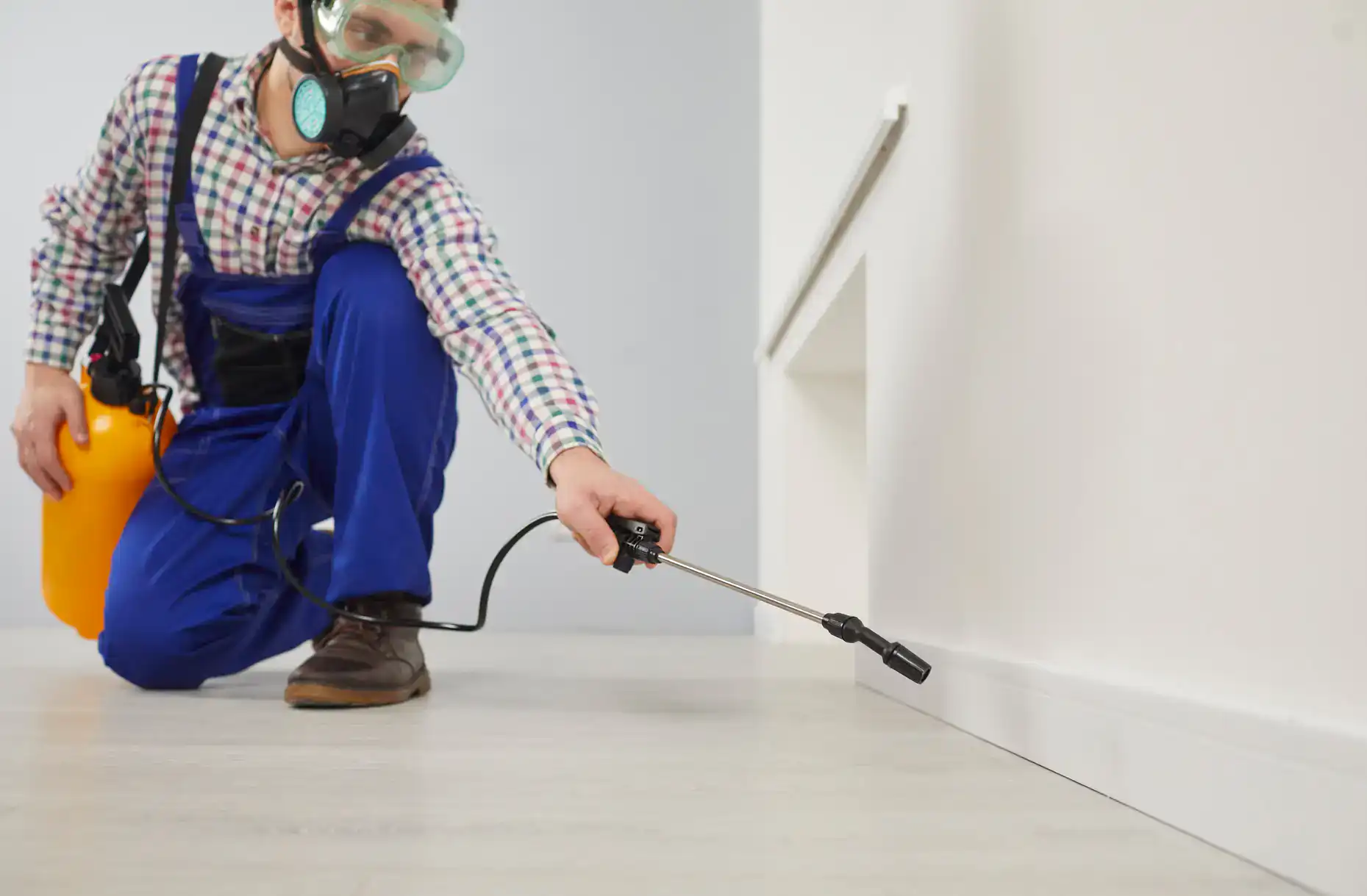
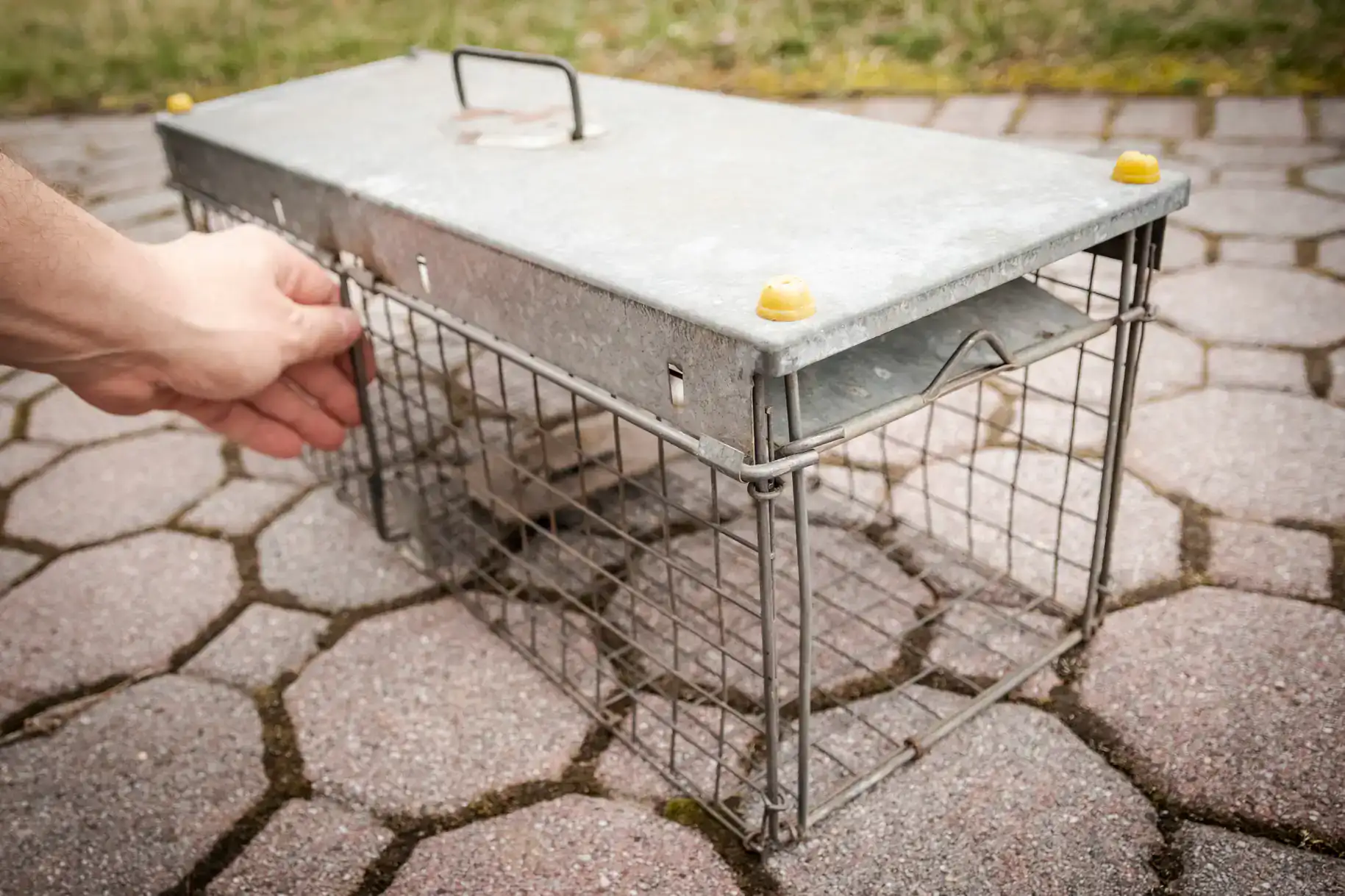
Traps catch the rodents already inside they don’t stop new ones from coming in. In East Flatbush, where most homes are attached or semi-detached brick rowhouses built between 1910 and 1940, rodents are moving through shared wall cavities, connected basements, and deteriorating foundation joints that most homeowners never see. If your neighbor’s unit or the building next door hasn’t been addressed, you can empty every trap you set and still be back to square one within weeks.
The real fix is exclusion identifying and sealing the specific entry points in your building so the access is cut off at the source. That requires a professional inspection that looks at pipe penetrations, utility conduit, basement windows, and the mortar joints in your exterior brick walls. It’s not glamorous work, but it’s what actually ends the cycle. Traps are a short-term measure. Exclusion is the solution.
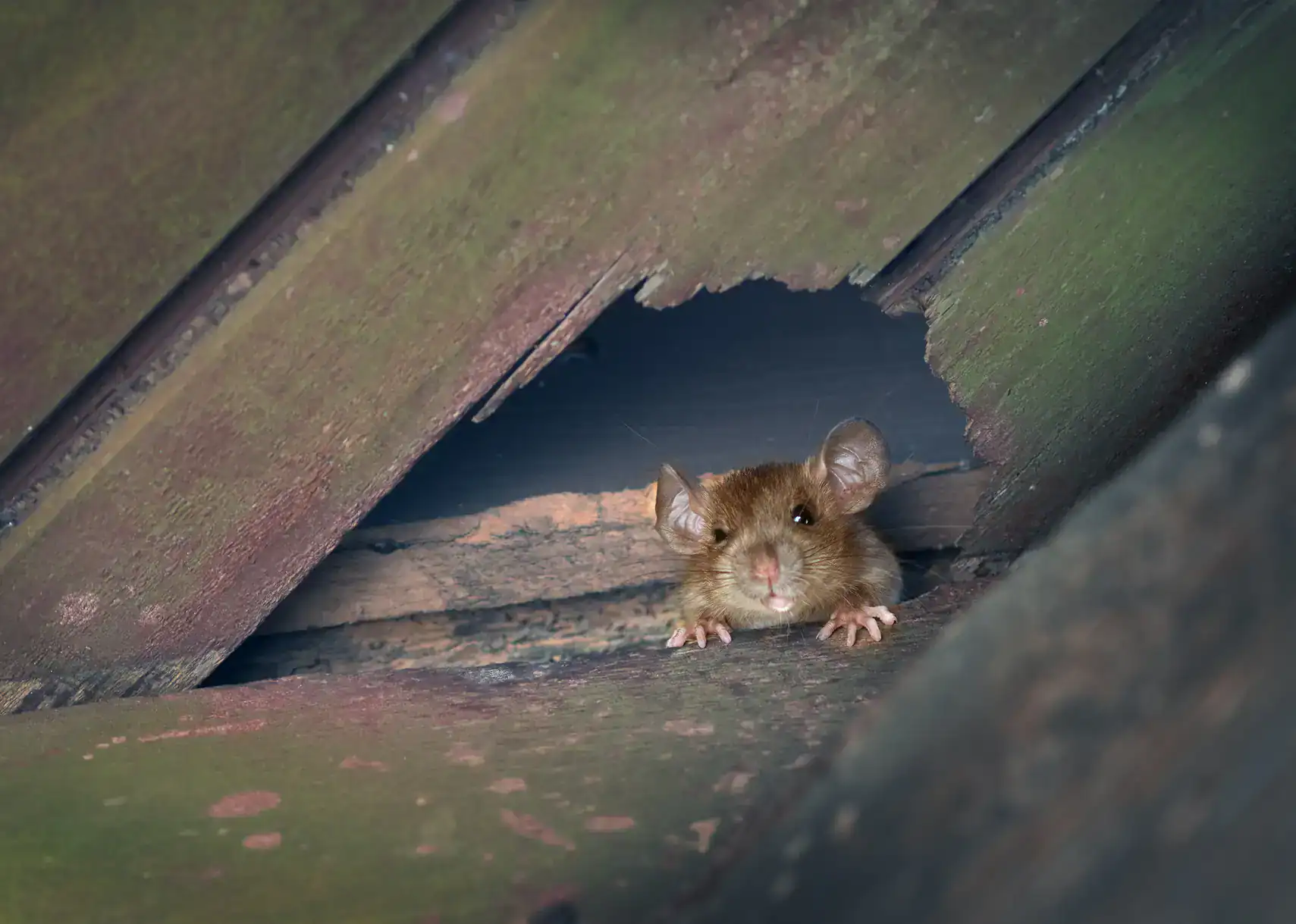
Norway rats the most common species in Brooklyn can enter through a hole the size of a quarter. In a rowhouse that’s 80 to 100 years old, those openings exist in more places than most homeowners realize: gaps around water pipes, cracks in the foundation, deteriorating mortar between exterior bricks, spaces around gas lines, and the joints where the building meets the sidewalk. Age creates opportunity, and East Flatbush has a lot of aging housing stock.
What you can do on your own is limited. Hardware store steel wool and caulk can address obvious gaps, but a thorough exclusion requires knowing exactly where to look and that knowledge comes from experience with this specific type of building. A professional inspection will map out every viable entry point and seal them with materials that rodents can’t chew through. That’s the difference between managing the problem and ending it.
Yes and the data backs it up. Rodents are present in approximately 36.5% of East Flatbush homes, which is roughly 40% higher than the Brooklyn borough average and about 60% higher than the NYC citywide average. That’s not a reflection of how residents maintain their homes. It’s a result of the neighborhood’s specific conditions: dense attached housing, a century-old building stock with countless entry points, proximity to active food-service corridors on Church Avenue and Utica Avenue, and ongoing construction activity that displaces established rodent colonies into adjacent residential buildings.
Understanding that context matters because it changes how you approach the problem. This isn’t a situation where cleaning up the kitchen more carefully will solve it. The pressure is coming from outside from the commercial food corridor a block over, from construction crews breaking ground nearby, from shared walls connecting your building to the next. Professional rodent control in East Flatbush has to account for that external pressure, not just what’s already inside your home.
Under NYC Local Law 55 of 2018, landlords who own buildings with three or more apartments are legally required to keep those apartments free of pests. If your landlord isn’t acting on a rodent complaint, you have real recourse. You can file a 311 complaint, which triggers a NYC Department of Health inspection. If violations are found, the landlord faces civil penalties and a mandatory correction order. You can also file directly with the NYC Department of Housing Preservation and Development.
This exact scenario has played out in East Flatbush tenants at 201 Linden Boulevard organized specifically to address a rat infestation after their landlord failed to respond. The process works, but it moves faster when you have documentation. We provide written inspection reports and service records that can support a 311 complaint, an HPD filing, or a legal proceeding. We’ve also worked with New York attorneys for decades and understand how to document pest conditions in a way that holds up when it needs to.
Fall is the peak season October and November specifically. As temperatures drop, Norway rats and house mice actively seek warmth indoors, and rodent activity and complaints increase by roughly 25% during winter months. In East Flatbush, where attached rowhouses create interconnected wall cavities and shared basement spaces, one entry point can give rodents access to an entire block’s worth of interior space. By the time you hear the scratching, the population inside is often larger than people expect.
Spring is the second major surge. Overwintering rodent populations become active and reproductive as temperatures rise in March and April, and NYC sees a documented spike in 311 rodent complaints every spring with Brooklyn consistently among the highest-complaint boroughs. If you’re noticing activity now, waiting until it gets worse is rarely the right call. The populations grow quickly: a female mouse can produce up to 10 litters per year, with each litter reaching reproductive maturity in about two months.
Most homeowners in the NYC metro area spend between $180 and $610 for professional rodent pest control. If exclusion work is included sealing entry points in the foundation, around pipes, and along exterior walls that can add another $200 to $600 depending on the scope of what needs to be sealed. In a prewar East Flatbush rowhouse with a century of settling and multiple utility penetrations, exclusion is often where the real value is, because it’s what prevents the problem from coming back.
Our free phone consultation exists specifically so you know what you’re looking at before committing to anything. You describe the situation, we give you a clear picture of what’s involved and a detailed quote no charge, no obligation. For homeowners in a working-class neighborhood where every dollar counts, that transparency matters. And when you factor in the cost of repeated hardware store trap purchases, the potential for rodent-chewed wiring (a documented cause of up to 25% of house fires nationally), and the health risks of an untreated infestation, professional service is the more economical choice over time not a luxury.
Useful Links