Hear from Our Customers
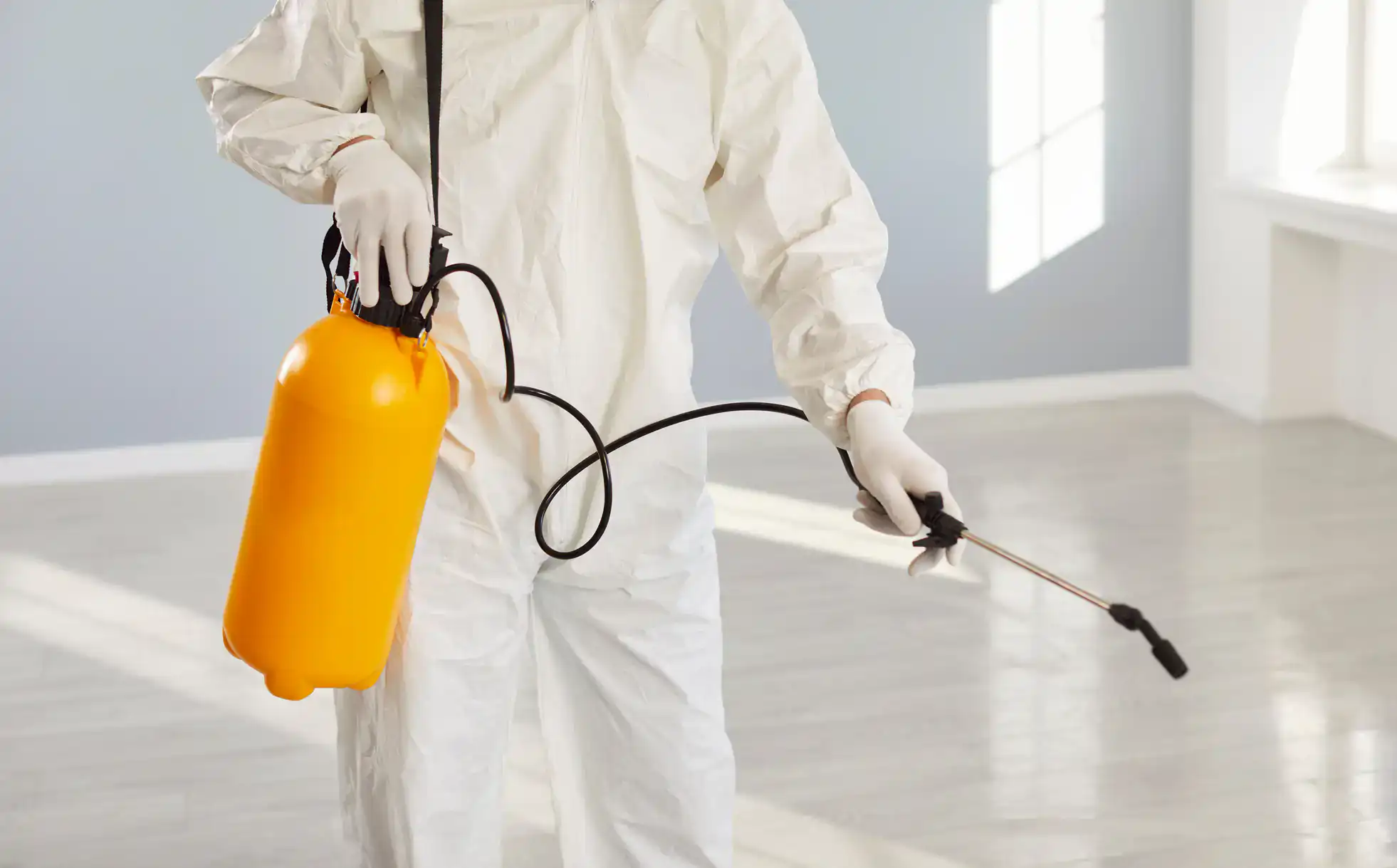
You stop dreading the kitchen at night. You stop second-guessing whether that movement in the corner was real. You stop buying products that work for a week and then stop. That’s what effective cockroach pest control in Lefferts Gardens actually looks like not just fewer sightings, but the problem resolved at its source.
Most buildings in this neighborhood were built before 1940. That means aging cast-iron plumbing, settled foundations, and decades of accumulated gaps inside walls that no store-bought treatment was ever designed to reach. German cockroaches nest inside appliances and behind cabinet walls. American cockroaches the ones locals call waterbugs migrate up through floor drains from the sewer infrastructure running beneath Flatbush Avenue and Empire Boulevard, especially after heavy rain. These aren’t random occurrences. They’re structural realities of Lefferts Gardens.
What changes after professional cockroach removal treatment isn’t just the absence of insects. It’s the confidence that the harborage sites the actual places they’re living and breeding have been addressed. For families in Lefferts Gardens with kids in the home, it also means not having to choose between a cockroach problem and worrying about what’s being sprayed around your household. We use only NYS DEC Registered Materials, applied by certified technicians who know the difference between treating a symptom and treating a building.
Kingsway Exterminating Company is a family-owned business headquartered at 2216 Flatbush Avenue in Marine Park, Brooklyn the same Flatbush Avenue corridor that runs directly through the heart of Prospect Lefferts Gardens. Founded by Richard Kourbage Sr. and joined by Richard Kourbage Jr. in 1987, we’ve been operating continuously for over four decades. That’s not a marketing number. That’s four decades of Brooklyn buildings, Brooklyn tenants, and Brooklyn pest problems including the pre-war apartment stock that defines neighborhoods like Lefferts Gardens.
Our team collectively brings over 100 years of combined pest control experience, holds an A+ rating with the Better Business Bureau of New York State, and operates fully licensed, bonded, and insured under NYS DEC certification. When you call us, you’re reaching a Brooklyn company that has been doing this work since before most of Lefferts Gardens’ current residents moved in and that institutional knowledge is exactly what older buildings in this neighborhood require.
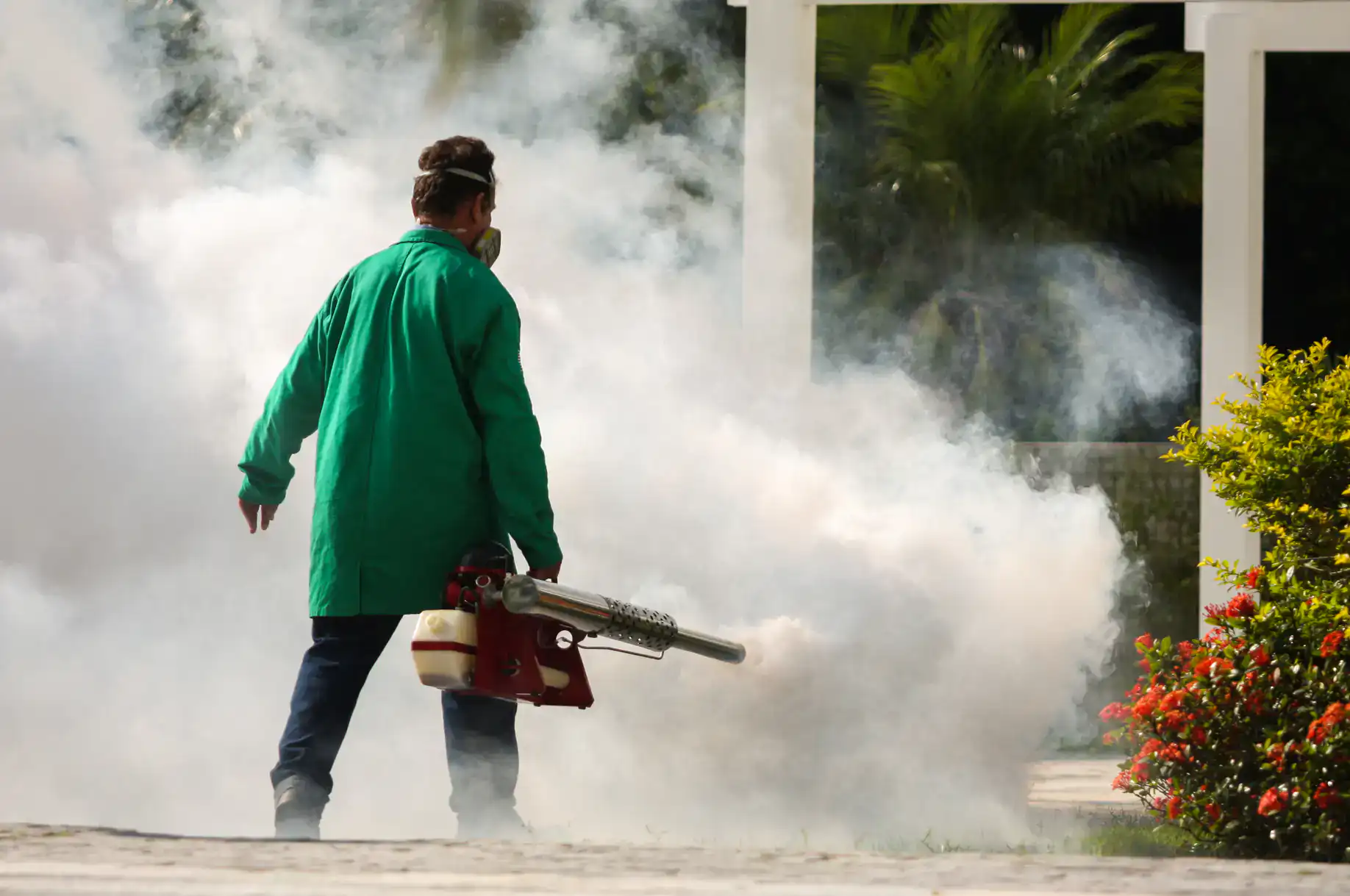
It starts with a real inspection, not a quick walk-through. In Lefferts Gardens’ pre-war buildings, the harborage sites aren’t always obvious they’re inside wall voids, behind plumbing pipe penetrations, underneath appliances that have been in the same spot for decades, and in basement utility spaces that connect directly to sewer infrastructure. The inspection identifies the species present, the entry points, and the extent of the infestation before any treatment begins. That distinction matters, because German cockroaches and American cockroaches require different treatment approaches entirely.
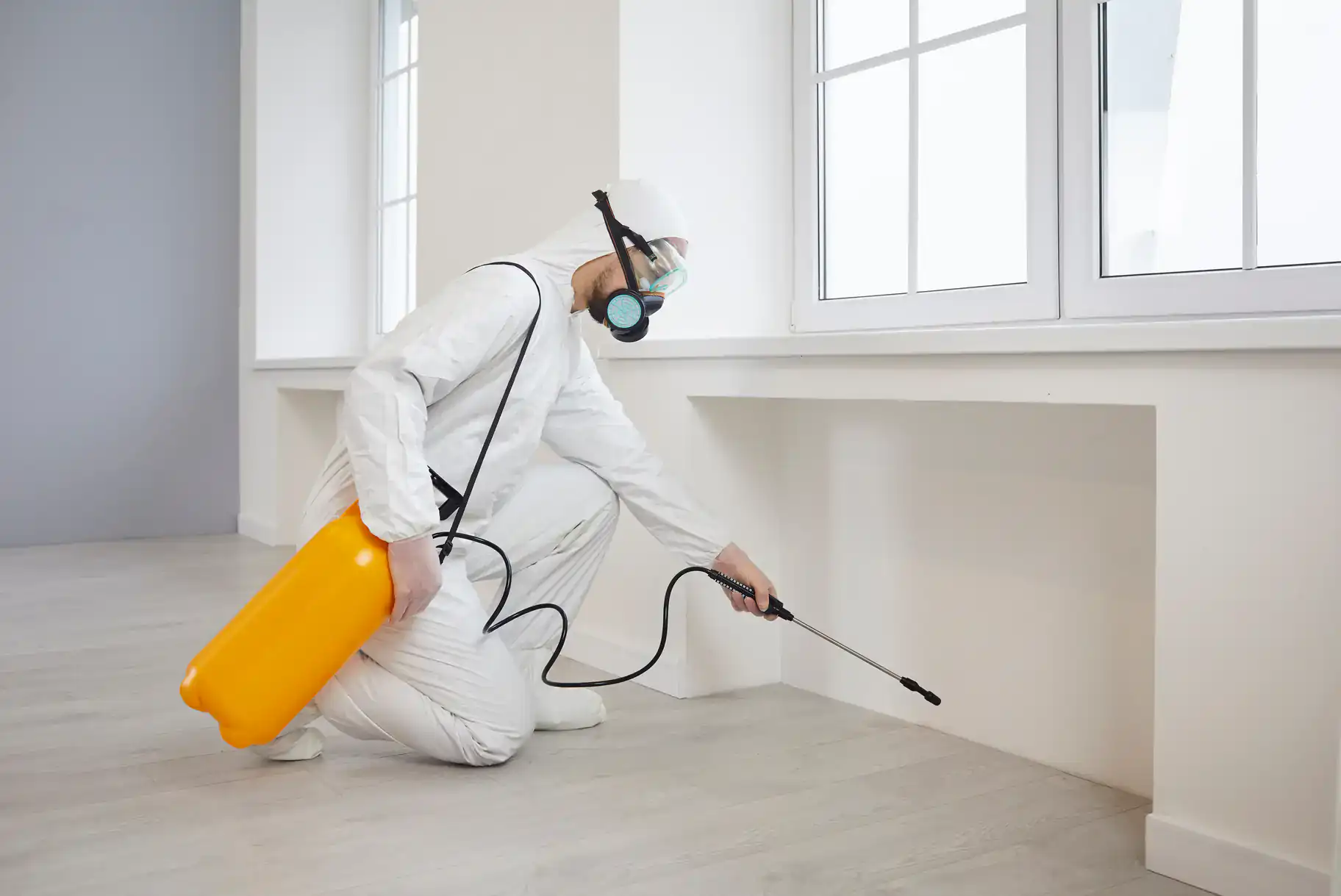
Treatment follows the inspection, targeting harborage sites directly using professional-grade gel baits, crack-and-crevice applications, and residual treatments placed where cockroaches actually travel not broadcast sprayed across surfaces where they don’t. In multi-unit buildings, which make up the majority of Lefferts Gardens’ housing stock, this approach is especially important. Treating one apartment without addressing shared plumbing chases and wall penetrations only relocates the problem. Our process accounts for the building-level reality, not just the individual unit.
After the initial treatment, follow-up visits address newly hatched nymphs that emerge in the weeks after the first service a step that most one-visit treatments skip and the reason infestations seem to “come back.” For buildings with ongoing pressure from commercial activity along Flatbush Avenue or persistent sewer migration from the Prospect Park drainage system, we offer ongoing maintenance schedules monthly or every other month to keep the problem from reestablishing.
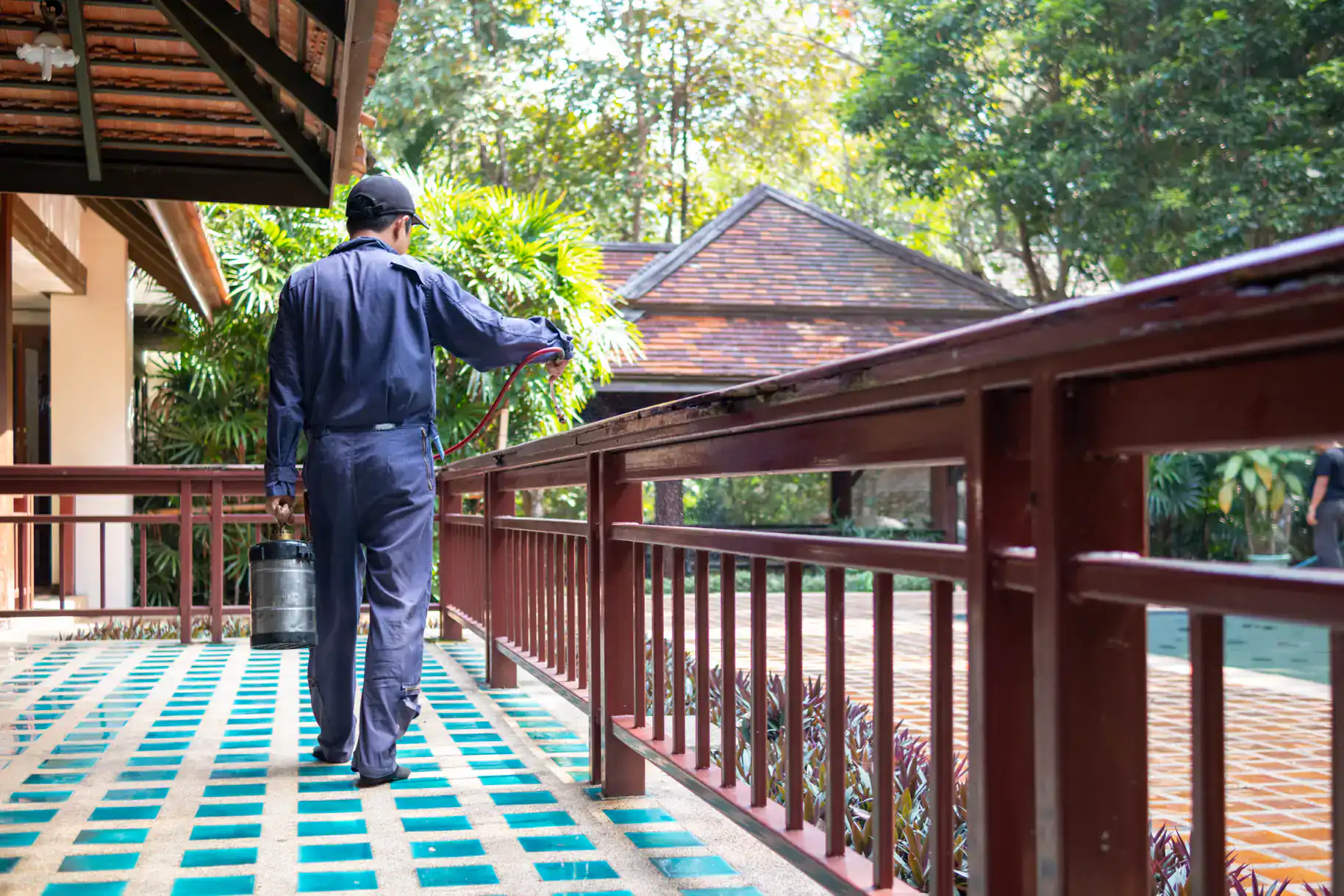
Ready to get started?
Cockroach pest control in Lefferts Gardens isn’t a single-visit fix not in buildings of this age, with this level of shared infrastructure. What we provide is a complete treatment process: species identification, targeted harborage treatment, entry point sealing recommendations, and scheduled follow-up visits that address the full lifecycle of the infestation, not just the adults you can see.
For residential clients whether you’re a renter in one of Lefferts Gardens’ six-story walk-ups or a property owner managing multiple units we work with your specific building configuration. Under NYC Housing Maintenance Code, cockroach infestations are classified as a Class C immediately hazardous violation, meaning your landlord is legally required to respond within 24 hours of a complaint. If that response hasn’t come, or if it has and the problem persists, we can step in directly. We provide treatment documentation that’s useful for HPD compliance purposes, which matters for both tenants seeking resolution and landlords trying to close out violations.
For commercial clients along Flatbush Avenue restaurants, grocery stores, and food-service businesses subject to NYC Department of Health inspections our cockroach control services are designed to meet DOH standards and prevent the kind of inspection findings that result in point deductions, re-inspections, or closure orders. We offer a 10% discount for senior residents, reflecting our long-standing commitment to the communities including Lefferts Gardens’ established Caribbean-American and African-American families that have made Brooklyn home for generations.
The most common reason is that the source of the infestation was never actually treated only the visible population was reduced. In Lefferts Gardens’ pre-war apartment buildings, cockroaches aren’t just living in your unit. They’re traveling through shared plumbing chases, gaps around pipe penetrations in shared walls, and basement utility spaces that connect multiple units to the same sewer infrastructure. When one apartment is treated without addressing those pathways, the population relocates temporarily and then reestablishes.
Store-bought sprays make this worse, not better. German cockroaches in NYC have developed documented resistance to the synthetic pyrethroid ingredients in most over-the-counter products. Spraying them scatters the colony rather than eliminating it, which can actually spread the infestation to areas of your apartment or your neighbors’ apartments that weren’t previously affected. Professional treatment using gel baits and crack-and-crevice applications targets the harborage sites directly and works with cockroach behavior rather than against it. That’s why the results last.
This is one of the most common questions we receive, and it’s a completely reasonable one especially in a neighborhood like Lefferts Gardens where a significant portion of households include young children. The short answer is yes, when applied correctly by a certified technician, the treatments are safe for residential use.
We use only New York State Department of Environmental Conservation Registered Materials substances that have been tested and regulated for use in occupied residential settings. The application method matters as much as the product itself. Professional gel baits are placed in targeted locations inside cabinets, behind appliances, and along baseboards not broadcast-sprayed across counters or floors where children and pets have direct contact. Our certified technicians know where to apply treatments and where not to, which is a meaningful difference from a store-bought can used without guidance. If you have specific concerns about a particular product or your household’s circumstances, ask when you call we can walk you through exactly what will be used before any treatment begins.
They’re two completely different species, and they require different treatment approaches. German cockroaches are small, fast, and light brown typically about half an inch long. They’re the ones infesting kitchen cabinets, the inside of appliances, and the spaces behind refrigerators and stoves. They reproduce quickly, completing a generation in as little as 60 days in warm conditions, which is why an infestation can escalate fast in a heated Brooklyn apartment.
American cockroaches which most New Yorkers call waterbugs are much larger, reddish-brown, and primarily sewer-dwelling. In Lefferts Gardens specifically, buildings along Ocean Avenue and Empire Boulevard near Prospect Park’s drainage infrastructure are particularly prone to waterbug migration through floor drains and basement pipes, especially after heavy rain events when sewer pressure pushes them upward. Treating a waterbug problem the same way you’d treat a German cockroach infestation won’t work. A proper inspection identifies which species you’re dealing with or whether both are present and the treatment is built around that, not around a generic protocol.
Building-contracted exterminators in NYC are often working under cost and time constraints that limit the effectiveness of what they can do. A single spray treatment applied to visible surfaces in one apartment, without addressing the harborage sites, shared plumbing penetrations, or neighboring units, is unlikely to produce lasting results particularly in a pre-war building where the structural conditions that support cockroach infestation are built into the walls, floors, and foundation.
Under NYC Housing Maintenance Code, a cockroach infestation is a Class C immediately hazardous violation. Your landlord is legally required to respond within 24 hours of a complaint filed through NYC 311, and that response must be effective not just documented. If the problem persists after a landlord-arranged treatment, you have the right to pursue further action through HPD. You also have the option of hiring an independent exterminator directly, which gives you more control over the quality and thoroughness of the treatment. We provide documentation of all services performed, which is useful if you’re maintaining a record of the infestation and the landlord’s response for legal or housing court purposes.
You’ll typically see a significant reduction in cockroach activity within the first one to two weeks after treatment. However, complete elimination especially in a pre-war building with established harborage sites usually requires more than one visit. The reason is the cockroach lifecycle: egg cases, called oothecae, are not affected by most treatment products. Nymphs that hatch from those egg cases after the initial treatment will be exposed to residual bait and treated surfaces, but a follow-up visit ensures those newly hatched populations are addressed before they can reproduce.
In Lefferts Gardens’ multi-unit buildings, the timeline can also be affected by what’s happening in adjacent units and shared spaces. If neighboring apartments have untreated infestations, reinfestation pressure from shared walls and plumbing chases is a real factor. Our follow-up schedule accounts for this the goal isn’t just to clear your unit on day one, but to break the cycle over the full treatment period so the infestation doesn’t reestablish. Ongoing maintenance visits, available monthly or every other month, are recommended for buildings with persistent pressure from commercial activity along Flatbush Avenue or sewer migration from the area’s aging underground infrastructure.
We offer a 10% discount for senior residents. In a neighborhood like Lefferts Gardens where many long-term Caribbean-American and African-American families have lived in the same buildings for decades, often on fixed incomes that discount reflects something real about how we view our relationship with the communities we serve. It’s not a promotional add-on. It’s a recognition that the people who have been part of this neighborhood the longest deserve straightforward access to professional pest control without being priced out of a service they genuinely need.
Beyond the senior discount, our pricing reflects the reality that professional cockroach control in an older Brooklyn building is a process, not a one-time event. The cost of a proper treatment inspection, targeted application, and follow-up visits is almost always less than the cumulative cost of repeated failed DIY attempts, and far less than the health consequences of a sustained infestation in a home with children. Cockroach allergens are a documented trigger for asthma, which affects a significant portion of Brooklyn’s pediatric population. Getting the problem resolved correctly the first time is the most cost-effective path forward. Call us to get a straightforward quote based on your specific building and situation.
Useful Links
Other Services we provide in Lefferts Gardens