
Hear from Our Customers
You stop second-guessing the kitchen at night. You stop dreading what you’ll find under the stove. You stop wondering whether your neighbor’s problem is about to become yours again. That’s what real cockroach control in Ozone Park looks like not just fewer roaches for a few weeks, but a treated home that stays treated.
Here’s something worth knowing: cockroaches in Ozone Park aren’t a sign of a dirty house. The neighborhood’s 1920s brick rowhouses and semi-detached two-family homes were built with shared walls, connected plumbing stacks, and basement utility spaces that run between units. That construction makes it structurally easy for cockroaches to move from one home to the next regardless of how clean either one is. The problem isn’t your habits it’s the building.
What you actually get from a proper treatment is a home where the harborage sites are addressed, not just the visible insects. That means the wall voids, the pipe penetrations, the basement entry points the places cockroaches actually live, not just the places you’ve seen them. When those areas are treated correctly, the infestation stops cycling back. And in a neighborhood where your walls are your neighbor’s walls, that difference matters more than it would almost anywhere else in Queens.
We were founded in Brooklyn over 50 years ago and have been working across the Brooklyn-Queens corridor ever since. Richard Kourbage Sr. built this company from the ground up, and Richard Kourbage Jr. joined in 1987. We’re still family-owned, still locally operated, and the people doing the work have a combined 100-plus years of hands-on pest control experience between them.
That matters in a neighborhood like Ozone Park. The rowhouses along Liberty Avenue and the blocks off Rockaway Boulevard aren’t a new challenge for our team they’re the kind of housing stock we’ve been treating for decades. The shared walls, the aging pipe runs, the basement access points that connect units none of that is a surprise to a technician who’s been doing this work in southwestern Queens for years.
We hold an A+ rating with the Better Business Bureau of New York State, are fully licensed through the NYS Department of Environmental Conservation, and are bonded and insured. When you call, you’re reaching a real company with a real address, a real name on the door, and 50+ years of accountability behind it.
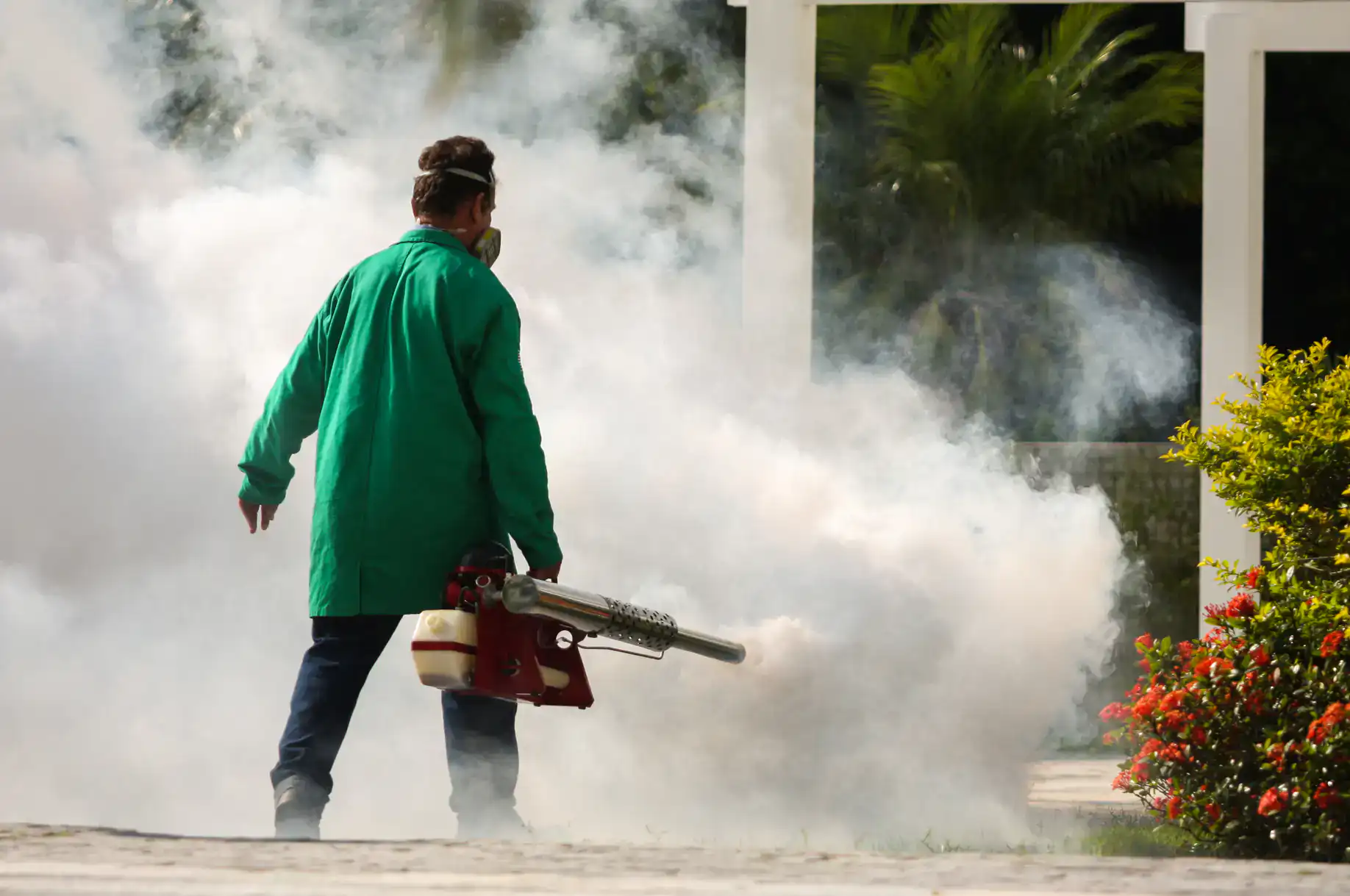
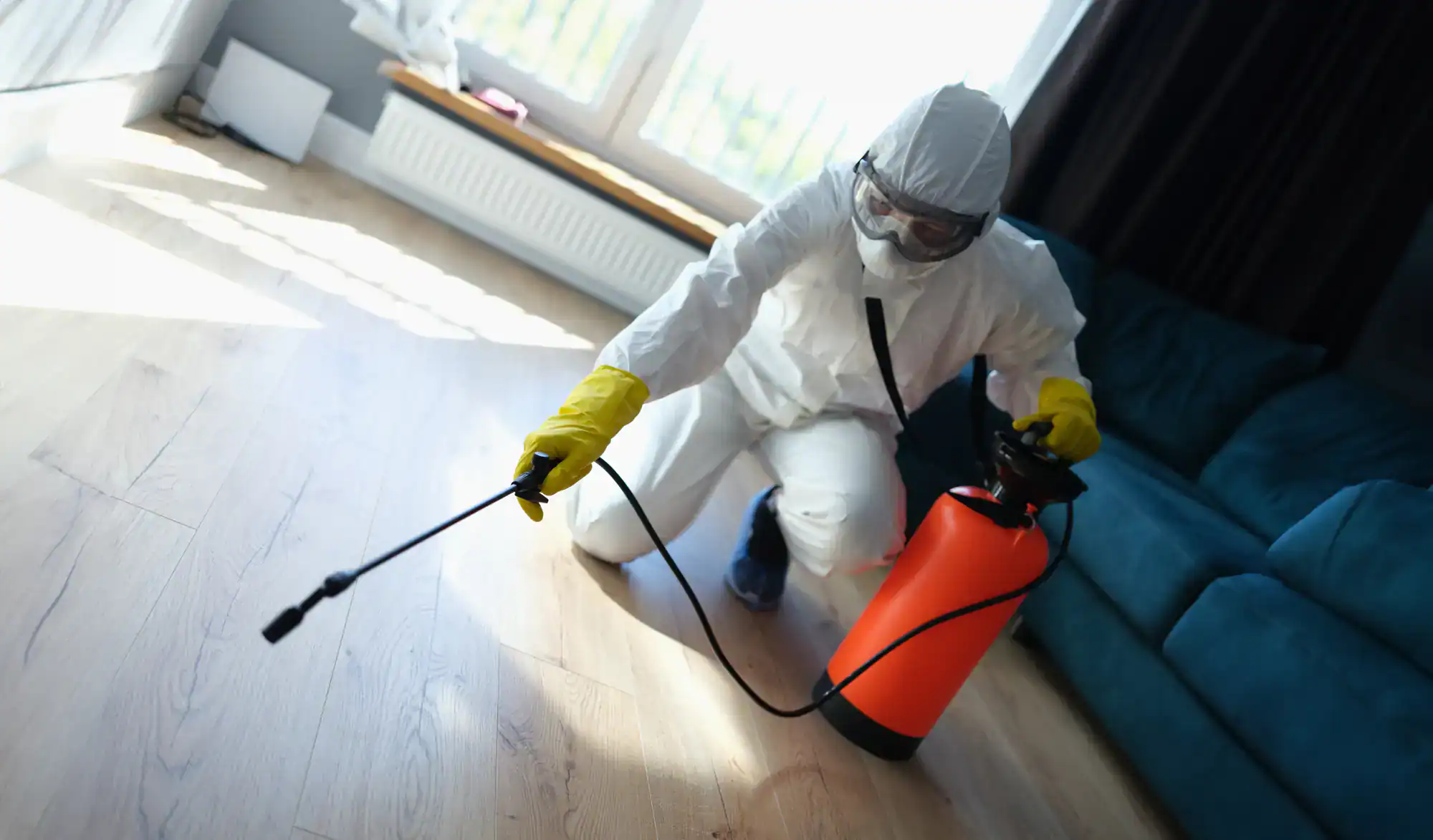
It starts with an inspection not a quick walk-through, but a real look at the areas that actually matter: the kitchen, the bathrooms, the basement, the utility penetrations, and anywhere plumbing or wiring passes through shared walls. In Ozone Park’s semi-detached homes, that inspection includes identifying whether the infestation has a likely entry point from an adjacent unit, because treating one side of a duplex without understanding the other side is how cockroaches come back in three weeks.
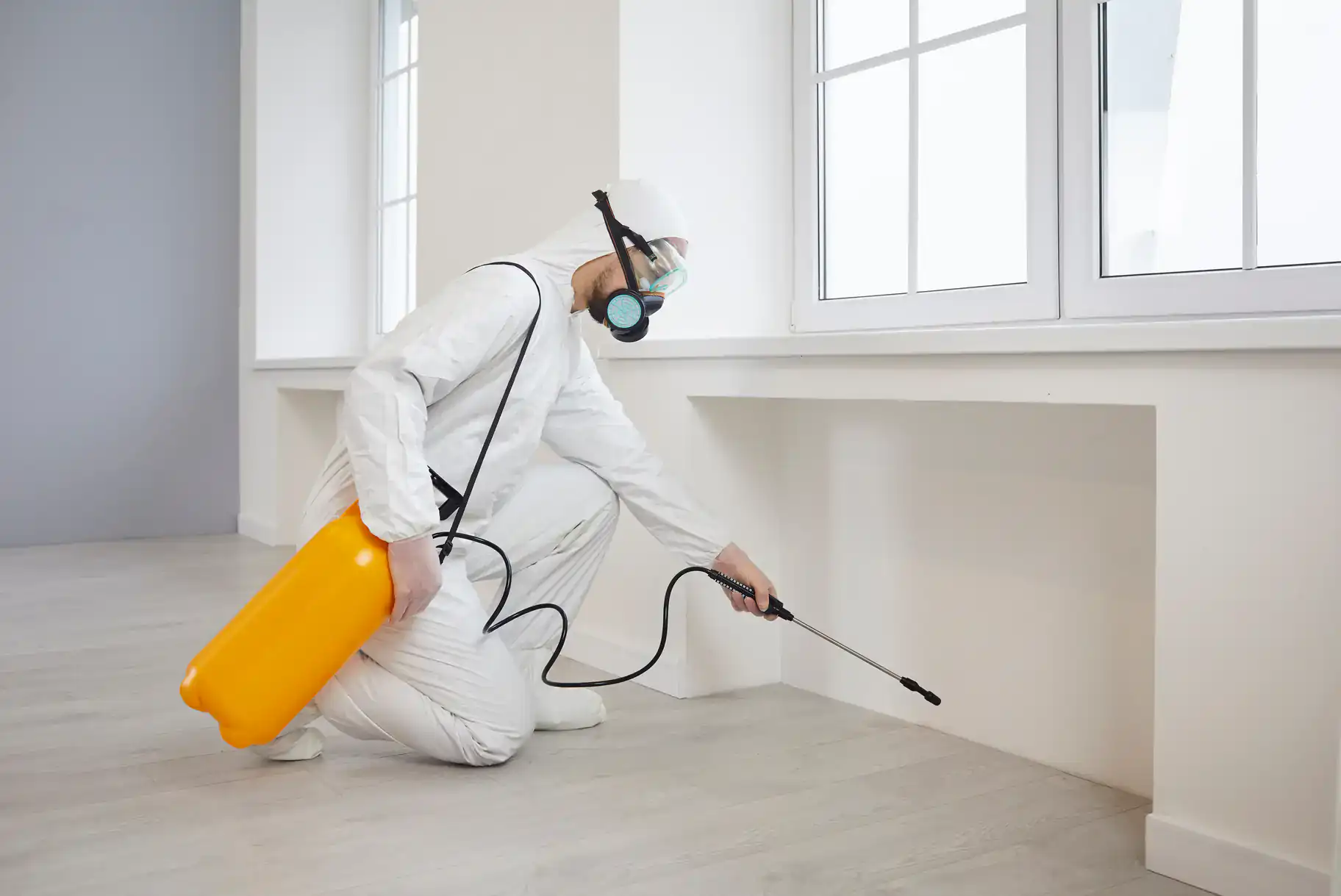
From there, the treatment plan is built around what’s actually there. For German cockroaches the small ones in kitchens and bathrooms that typically means professional-grade gel bait placed at harborage sites, combined with an insect growth regulator that disrupts the breeding cycle. This is a fundamentally different approach than store-bought sprays, which scatter colonies into wall voids and don’t address reproduction. For American cockroaches coming up through floor drains or sump pumps what most Ozone Park residents call waterbugs the treatment targets entry points and applies appropriate materials to those specific pathways.
After the treatment, you’ll get a clear picture of what was done, what to expect in the days following, and what follow-up looks like if needed. Every material we use is registered with the NYS Department of Environmental Conservation and applied by a certified technician which matters when you have kids, elderly family members, or pets in the home.
Ready to get started?
Every cockroach treatment we perform in Ozone Park is built around the specific conditions of your home not a generic package applied the same way to every building on the block. That said, there are consistent elements every job includes. You get a thorough inspection of all likely harborage areas, a species-specific treatment plan, application of NYS DEC Registered Materials by a licensed technician, and a clear explanation of what was done and what to watch for afterward.
For residential clients in Ozone Park’s rowhouses and two-family homes, that treatment almost always addresses the basement level and any utility penetrations through shared walls because those are the structural vulnerabilities that keep infestations cycling in this specific type of housing. If you’re a landlord managing a multi-unit property, we can coordinate treatment across units and provide documentation that meets NYC Housing Maintenance Code requirements, which matters if you’ve received an HPD complaint or are trying to get ahead of one.
For commercial clients on Liberty Avenue or Rockaway Boulevard restaurants, bodegas, food service businesses the stakes are different. A cockroach sighting during a NYC Department of Health inspection can mean a grade drop, a closure order, or worse. We work with commercial clients who need fast, thorough remediation and understand exactly what the DOH wants to see before they sign off. If you’ve received a violation, the time between that notice and your next inspection is short. Call sooner rather than later.
This is probably the most common question we hear, and the answer has nothing to do with your cleaning habits. Ozone Park’s housing stock predominantly 1920s brick rowhouses and semi-detached two-family homes was built with shared party walls, connected plumbing stacks, and basement utility spaces that link neighboring units. Cockroaches, particularly German cockroaches, travel freely through wall voids, pipe penetrations, and any gap in the building envelope. If your neighbor has an untreated infestation, the shared wall between your homes is essentially an open door.
The other factor is that these buildings are old. Aging mortar joints, decades-old pipe runs, and utility conduits that were installed long before modern pest-proofing standards create dozens of entry and harborage points that simply don’t exist in newer construction. A clean home in a 1920s rowhouse is still a structurally vulnerable home. The solution isn’t to clean more it’s to treat the harborage sites and entry points that are built into the architecture itself.
They’re two completely different species that require different treatment approaches. German cockroaches are the small ones typically found in kitchens and bathrooms, living inside cabinets, behind appliances, and inside wall voids near heat and moisture. They breed rapidly and are the most common cockroach infestation in Ozone Park’s residential homes. American cockroaches what most people in Queens call waterbugs are much larger, and they typically come from the sewer system. They migrate up through floor drains, sump pumps, and utility penetrations, especially after heavy rain.
In Ozone Park, the waterbug problem is particularly common in basement-level homes and units along the lower-lying blocks near North Conduit Avenue, where drainage infrastructure connects to the Jamaica Bay watershed. Treating a waterbug problem the same way you’d treat a German cockroach infestation doesn’t work the entry points, harborage sites, and appropriate materials are different. A proper inspection identifies which species you’re dealing with and treats accordingly. Applying the wrong approach wastes time and money and leaves the problem unsolved.
There are two reasons, and both are worth understanding before you spend more money on products that won’t solve the problem. First, German cockroaches in New York City’s urban housing stock have developed significant resistance to the synthetic pyrethroid sprays sold in most hardware stores. These populations have been exposed to those chemicals for decades, and the colonies that survive have passed that resistance on. Spraying a resistant colony with a pyrethroid doesn’t kill it it scatters it deeper into wall voids and neighboring units.
Second, aerosol sprays and roach bombs only reach surfaces you can see. The cockroaches aren’t living on your counter they’re living inside the wall cavity behind your stove, under the kick plate of your cabinets, and in the gap where your plumbing stack passes through the floor. Professional gel bait and insect growth regulators work on a different mechanism entirely: the bait is placed at the harborage sites, cockroaches consume it and carry it back to the colony, and the IGR disrupts the breeding cycle at the source. That’s why professional treatment works when store-bought products don’t.
Yes and this is a question worth asking directly, because Ozone Park households frequently include multiple generations under one roof. The materials we use are registered with the New York State Department of Environmental Conservation and applied by DEC-certified technicians who are trained in exactly where to place them and where to keep them away from. That’s not a marketing claim it’s a regulatory standard that every licensed pest control operator in New York State is required to meet.
Gel bait applications, which are the primary treatment method for German cockroach infestations, are placed in targeted harborage sites inside cabinet hinges, behind appliances, along pipe penetrations not broadcast across surfaces where children or elderly family members would come into contact with them. Our technician will walk you through what was applied, where it was placed, and any precautions relevant to your specific household before they leave. If you have specific concerns about a family member’s health condition or sensitivities, raise them before the appointment so the treatment plan can account for them.
This is one of the most Ozone Park-specific problems there is, and it’s more common than most people realize. In a semi-detached or attached rowhouse, the shared party wall between your unit and your neighbor’s is rarely airtight. Pipe penetrations, electrical conduit runs, and gaps in aging mortar all create pathways that cockroaches travel freely. If your neighbor has an untreated infestation, you can treat your side thoroughly and still see cockroaches re-entering within weeks.
The practical answer depends on your situation. If you own your home, the most effective long-term solution is to treat your unit, seal the accessible entry points along the shared wall, and if your neighbor is willing coordinate treatment on both sides simultaneously. If you’re a renter, your landlord has a legal obligation under the NYC Housing Maintenance Code to maintain pest-free conditions. A 311 complaint can trigger an HPD inspection, which creates real pressure on a landlord to act. We can treat your unit, document the work, and provide the kind of clear treatment record that’s useful if you need to escalate with your landlord or building management.
Yes we offer a 10% discount for senior residents. In a neighborhood like Ozone Park, where a significant share of homeowners are long-tenured residents who have lived in their rowhouses for decades, that discount reflects something straightforward: the people who’ve been here the longest often have the oldest homes, and older homes in this neighborhood carry more structural vulnerability to cockroach infestation than almost anything else in the borough. It’s a practical acknowledgment of who lives here and what they’re dealing with.
Beyond the discount, senior clients often have specific concerns about chemical safety particularly if they’re managing health conditions or living with family members who are. Our technicians are trained to work through those concerns directly, explain exactly what’s being applied and where, and adjust the approach when a household has specific needs. If you’re a senior homeowner in Ozone Park or an adult child making this call on behalf of a parent, those conversations are part of the job, not an afterthought.
Useful Links
Other Services we provide in Ozone Park