
Hear from Our Customers
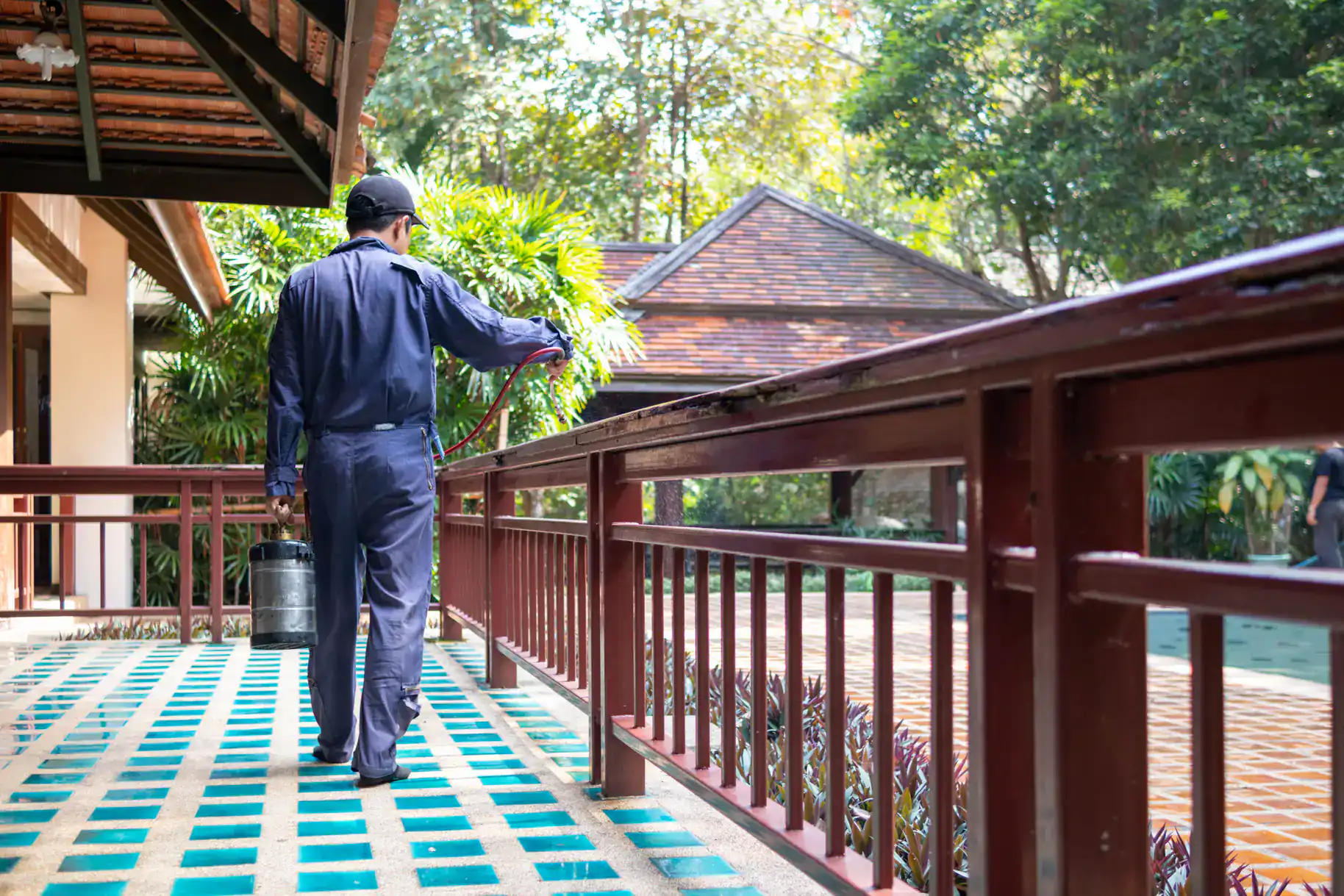
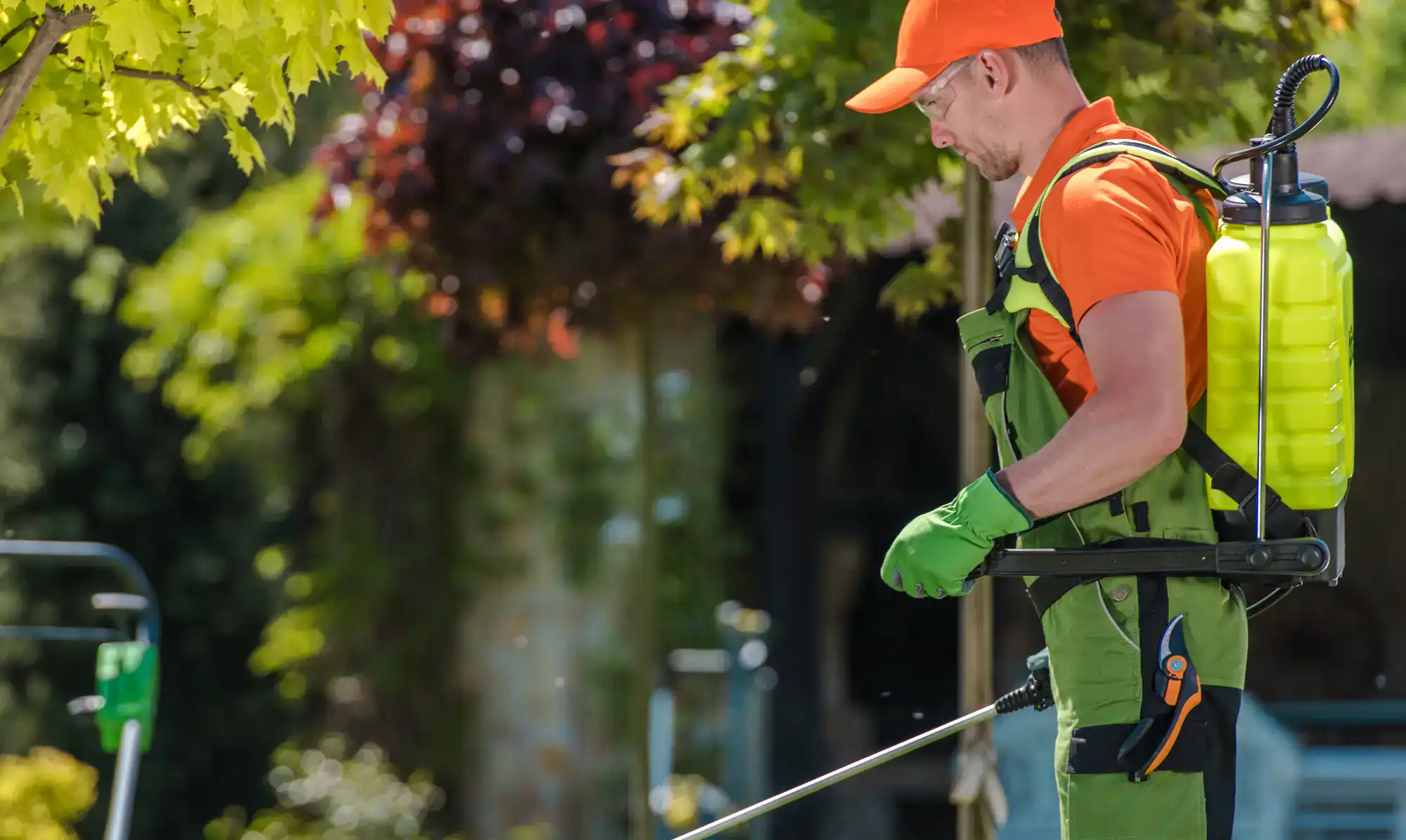
Most people call an exterminator after they’ve already tried something else. A store-bought spray, a different company, maybe waiting it out. And when that doesn’t work, the frustration isn’t just about the pest it’s about wasted time and money and a problem that’s still there. That’s the cycle we break.
When you get a real inspection and a treatment that targets the actual source, things change quickly. No more checking the basement before you go downstairs. No more finding something in the kitchen and wondering how bad it really is. The problem gets handled, and it stays handled.
Bayside’s suburban character creates pest pressures that interior Queens neighborhoods simply don’t see at the same level. The proximity to Little Neck Bay and Alley Pond Park means mosquito and tick pressure is real especially for homes near the Greenway or backing up to mature trees. The older postwar wood-frame construction throughout Bayside makes termite and carpenter ant activity a genuine concern, not a remote possibility. Getting ahead of those issues or resolving them when they show up is what protects the home you’ve worked hard to own.
We were founded in 1971 the same era when Bayside’s postwar residential character was taking full shape along streets like Bell Boulevard and Northern Boulevard. We’ve been treating Bayside and Queens homes ever since, which means we understand the specific housing stock, the seasonal patterns, and the pest behavior that comes with this part of northeastern Queens.
We’re NYSDEC-licensed and fully insured, and we’re a family-owned business not a franchise, not a national roll-up. That means when something goes wrong or a treatment needs a follow-up, you’re not getting a ticket number. You’re getting a real answer from people who have their name on every job we do.
Bayside homeowners hold their properties to a high standard. So do we. Whether you’re in Bayside Hills, Bay Terrace, or closer to Oakland Gardens, we know this neighborhood, and we show up ready to work.

It starts with a free inspection no charge, no obligation. A licensed technician comes to your home, takes a real look at what’s happening, and gives you an honest picture of what you’re dealing with. Not a sales pitch. Not a worst-case scenario designed to upsell you. Just a clear assessment of the actual problem and what it takes to fix it.
From there, we put together a treatment plan based on what we found. That could mean a targeted interior treatment for a rodent issue, a termite inspection with a WDI report if you’re buying or selling a home, a bed bug heat treatment, or a seasonal outdoor program for mosquitoes and ticks depending on what your property actually needs. In Bayside, fall is a critical window for rodent intrusion into basements and garages, and spring brings termite swarm season for the neighborhood’s older wood-frame homes. Timing matters, and we factor that in.
After the treatment, we don’t disappear. If something comes back, we come back. That follow-through is part of the job, not an extra.

Ready to get started?
We handle the full range of residential pest control general pest control, rodent and mouse control, bed bug treatment (both heat and chemical), termite inspections, WDI reports for real estate closings, mosquito barrier spraying, tick treatment programs, stinging insect removal, flea and mite treatment, wildlife removal, and commercial pest control for businesses along the Bell Boulevard corridor and beyond.
The WDI inspection service deserves a specific mention here, because it’s something Bayside homeowners deal with more than they might expect. With median home values near $648,000 and active real estate turnover throughout the neighborhood, FHA, VA, and most conventional lenders require a wood-destroying insect clearance certificate before closing on a wood-frame property. We’re licensed to issue those reports and can work within the tight timelines that real estate transactions demand.
For homes near Alley Pond Park or Little Neck Bay, our seasonal mosquito and tick programs are worth considering before the warmer months hit. These aren’t add-ons they’re genuinely relevant to any Bayside property with outdoor space, a backyard, or park-adjacent exposure. All treatments use EPA-registered materials, and every approach starts with the least-invasive method that will actually solve the problem.

If you’re selling a home in Bayside and the buyer is financing the purchase with an FHA, VA, or most conventional mortgage loans, yes a wood-destroying insect inspection report is typically required before the loan can close. Lenders use it to confirm that the property doesn’t have active termite damage or other wood-destroying insect activity that could affect the structure’s integrity and therefore the value of the collateral they’re lending against.
In Bayside specifically, this matters because the neighborhood’s housing stock is dominated by postwar single-family homes brick colonials, Cape Cods, and detached ranches built primarily between the 1940s and 1960s. At that age, wood components like sill plates, floor joists, and subfloor framing are at real risk of wood-destroying insect activity, even if there are no visible signs from the outside. We’re licensed to perform these inspections and issue the required WDI report, and we can typically turn it around on the timeline your closing requires.
Yes, and it’s worth taking seriously. Alley Pond Park is over 655 acres and one of the most ecologically diverse parks in Queens woodland, freshwater wetland, salt marsh, upland meadow. That variety of habitat is ideal for deer ticks, which are the primary carrier of Lyme disease in New York. Properties in Bayside that back up to the park’s edges, sit along the Alley Pond Greenway, or are near any of the green corridors in the northeastern part of the neighborhood face genuine tick exposure, especially from late spring through early fall.
The risk isn’t limited to people who walk in the park. Ticks travel on wildlife deer, squirrels, raccoons that move through residential areas regularly. If you have a yard, a garden, or kids and pets who spend time outdoors, a professional tick barrier treatment applied along your property’s perimeter can significantly reduce that exposure. We typically recommend starting in late April or early May before tick activity peaks, and reapplying through the season depending on conditions.
It’s a genuinely common question, and the two are easy to confuse because both can cause structural damage and both show up in similar places near wood, moisture, or the foundation. The clearest visual difference is in the insect itself: termites have straight antennae, a thick waist, and wings of equal length. Carpenter ants have elbowed antennae, a pinched waist, and wings of unequal length. But most homeowners aren’t getting close enough to tell the difference, and by the time you’re seeing them, the problem has usually been developing for a while.
In Bayside’s older wood-frame homes, both are worth taking seriously. Carpenter ants are drawn to wood that’s already been softened by moisture think aging sill plates, areas near a leaky gutter, or wood in contact with soil. Termites can be more aggressive and harder to detect early. Mud tubes along the foundation, hollow-sounding wood, or a swarm in spring are the most common warning signs. A free inspection from a licensed technician is the fastest way to get a definitive answer and understand what you’re actually dealing with before any treatment decisions are made.
There isn’t one single answer, because different pests peak at different times and Bayside’s suburban environment means the seasonal calendar matters more here than in denser, more interior parts of Queens. That said, there are a few windows that are particularly important for homeowners in this neighborhood.
Spring, roughly March through May, is termite swarm season and the point when ant colonies become active. It’s the right time for a termite inspection if you haven’t had one recently. Summer is peak season for mosquitoes and ticks, especially for properties near Little Neck Bay or Alley Pond Park getting a barrier treatment in place before June makes a real difference. Early fall, September through October, is when rodents start looking for warm shelter, and Bayside’s single-family homes with attached garages and basement access points are exactly what they’re looking for. Scheduling a rodent inspection or exclusion work before temperatures drop is a smart move. Year-round, bed bugs don’t follow a season they follow people so that concern doesn’t have an off-peak window.
It depends on the type of treatment. A standard general pest control visit treating for cockroaches, ants, or similar interior pests typically takes between 30 minutes and an hour and usually doesn’t require you to leave the home during or after. We use EPA-registered materials and apply them in targeted areas rather than blanket-spraying, which keeps any exposure minimal and lets you stay comfortable in your space.
Bed bug heat treatment is a different situation. That process requires you to be out of the home for several hours typically six to eight while the temperature is raised throughout the treated space to a level that eliminates bed bugs at every life stage. Chemical bed bug treatments may require a shorter absence but do require some prep work beforehand. We walk you through all of that before the appointment so there are no surprises. For outdoor treatments like mosquito barrier spraying, you simply need to keep people and pets off the treated areas until they’ve dried, which is usually about 30 to 45 minutes.
The most honest answer is this: we’ve been doing this in the New York City metro area since 1971. That’s more than 50 years of treating homes in Bayside and Queens including the specific postwar housing stock, the seasonal pest patterns, and the neighborhood-level conditions that define this area. That depth of experience isn’t something a newer company or a national chain deploying a template can replicate.
We’re also family-owned, which means accountability is built into how we operate. There’s no corporate layer between you and the people responsible for the work. If a treatment doesn’t hold, we come back that’s not a policy we debate, it’s how we’ve kept customers in Bayside for decades. We’re NYSDEC-licensed, fully insured, and we offer a free inspection with no obligation, so you can get a real professional assessment before you spend a dollar. In a neighborhood like Bayside, where homeowners take their properties seriously and hold service providers to a high standard, that combination of tenure, accountability, and transparency is what actually matters.
Useful Links
Other Services we provide in Bayside