Hear from Our Customers
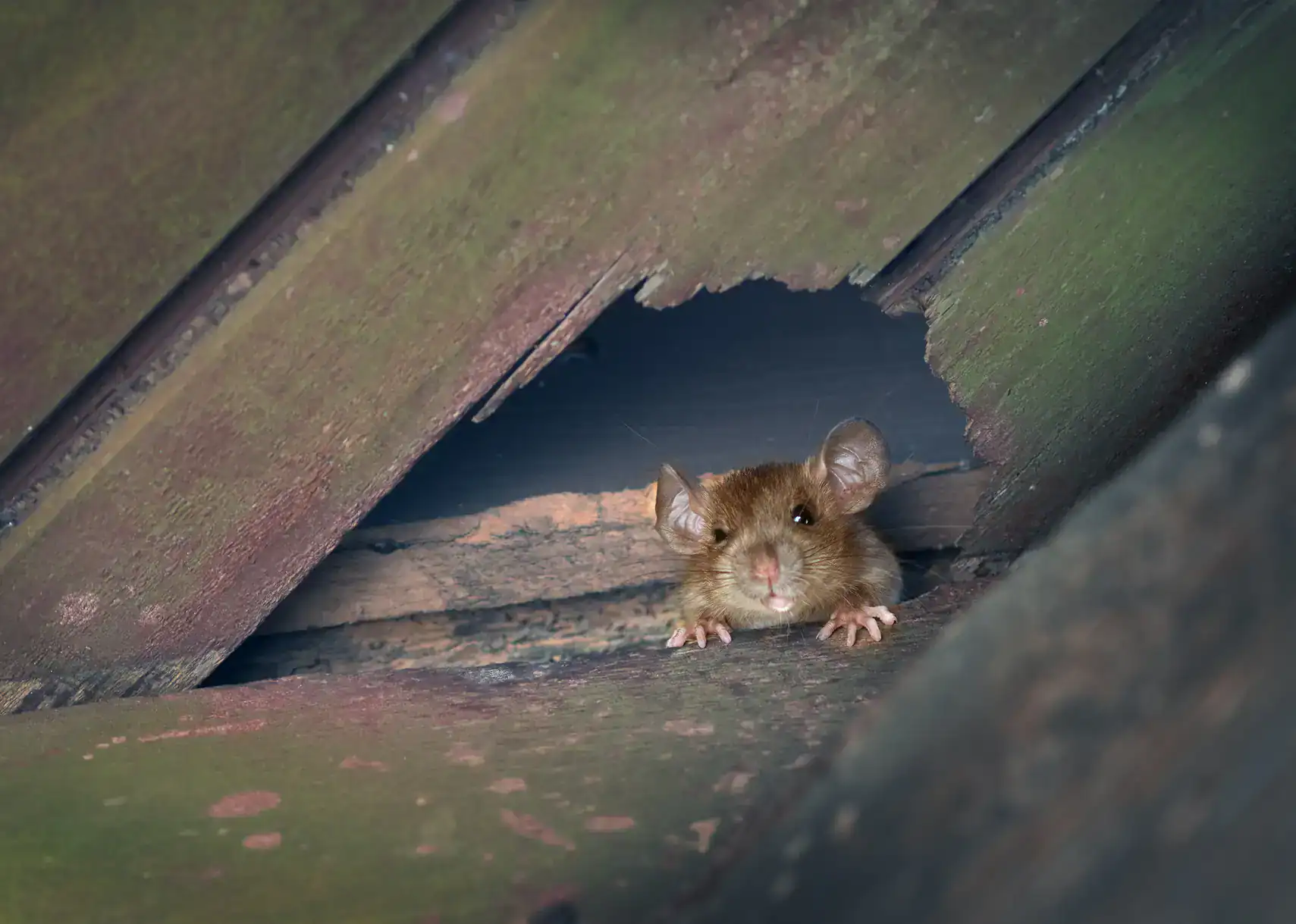
Most rodent problems in Bensonhurst don’t get solved they get temporarily interrupted. A snap trap catches one mouse. A bait station slows things down. But if nobody has found and sealed the gaps in your foundation, your basement wall, or the utility penetrations that have been patched and re-patched for the last 80 years, something else will find its way in before the season changes. That’s the cycle most homeowners here know all too well.
When rodent control is done right, the scratching in the walls stops. The droppings stop appearing behind the stove. You stop waking up at 2 AM wondering what that sound was. For a household with kids and grandparents under the same roof which describes a lot of homes on these blocks that’s not a small thing. The health risks rodents carry are real: the CDC links rats and mice to more than 35 diseases, including salmonella and leptospirosis, spread not just through contact but through dried droppings that become airborne dust in the spaces where your family lives.
Bensonhurst’s attached row houses create a specific challenge that most DIY approaches can’t touch. When your home shares a wall with the building next door, sealing your unit alone isn’t enough. Rodents move through connected basements and party walls freely. A real solution accounts for that not just what’s happening inside your four walls, but how pressure is entering from the outside and from adjacent structures.
We’ve been operating out of Brooklyn since 1976. That’s not a marketing number it means the Kourbage family has been inspecting and treating the same types of pre-war buildings, the same basement configurations, and the same attached brick row houses that line the streets of Bensonhurst for over half a century. Richard Sr. built the business. His sons Richard Jr. and Charles have been part of it since the late 1980s. This is not a franchise with rotating technicians it’s a family that has built its reputation one job at a time.
We hold an A+ rating with the Better Business Bureau and have maintained BBB accreditation since 1989. Every material we apply is registered with the New York State Department of Environmental Conservation which matters in a household where you’re not the only one breathing the air. Attorneys and real estate brokers across Brooklyn refer clients to us specifically because the work holds up. From Marine Park to Bensonhurst, the borough is home territory and that local knowledge shows up in every inspection.
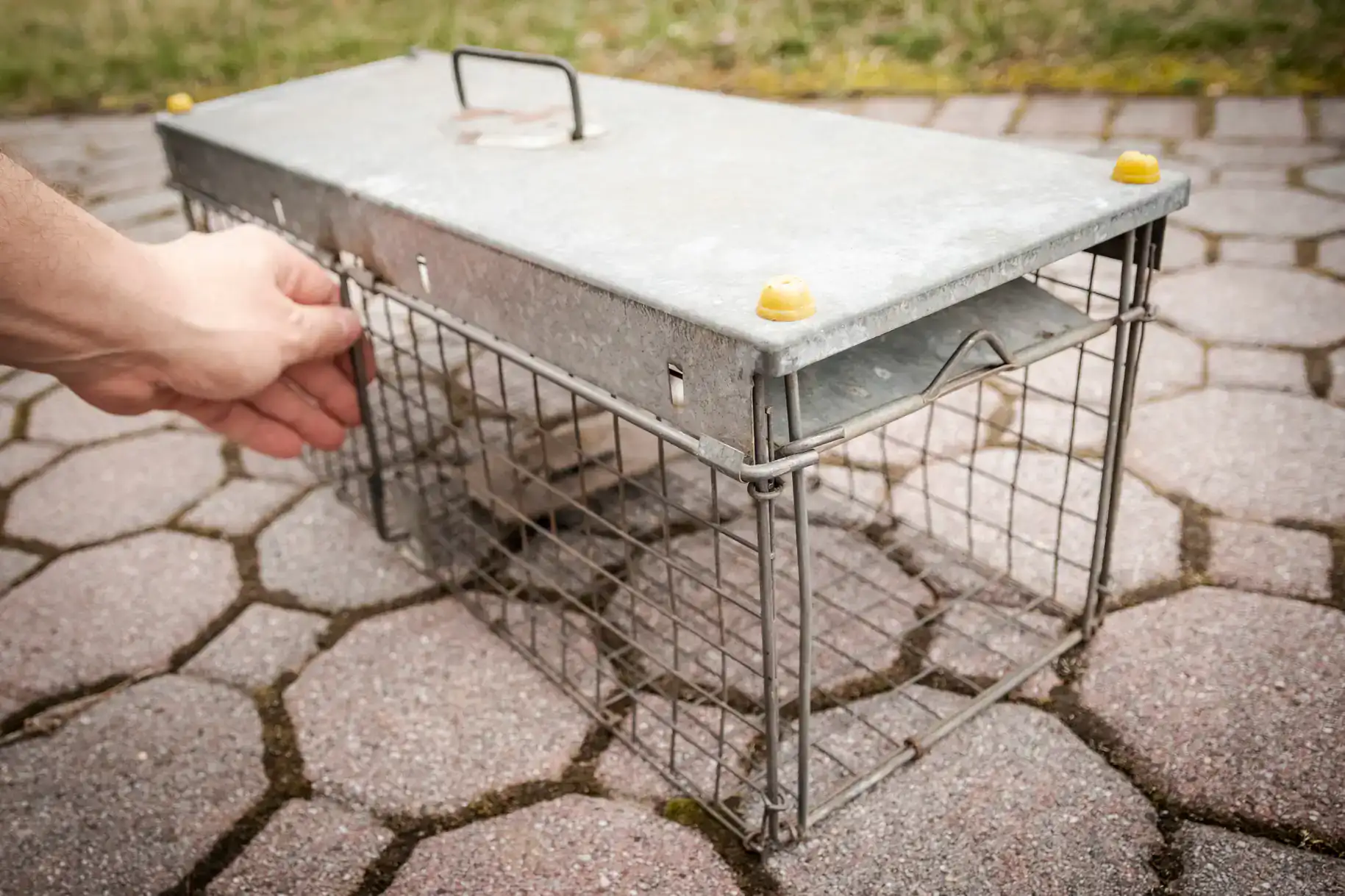
It starts with a call free, no obligation, no pressure. You describe what you’re seeing: droppings, sounds, gnaw marks, a sighting. That conversation alone usually tells an experienced technician a lot about what species is involved, where they’re likely nesting, and what the entry points probably look like in a building of your age and type. For a pre-war row house in Bensonhurst, there are patterns we’ve seen hundreds of times.
The on-site inspection comes next. A technician walks the property interior and exterior looking at foundation gaps, utility penetrations, basement access points, and any structural conditions that are giving rodents a way in or a place to stay. This step is what separates a real solution from a temporary one. In Bensonhurst specifically, construction activity in the neighborhood including recent development along 86th Street has been displacing established rat colonies into surrounding residential buildings. If rodents showed up at your door suddenly after nearby construction started, that’s a known pattern, and the inspection accounts for it.
From there, treatment is designed around what was actually found: exclusion work to close entry points, targeted baiting or trapping where appropriate, and a clear plan for follow-up. New York City’s Health Code holds property owners responsible for maintaining pest-free conditions our approach is built to meet that standard and keep it met, not just pass a single inspection.
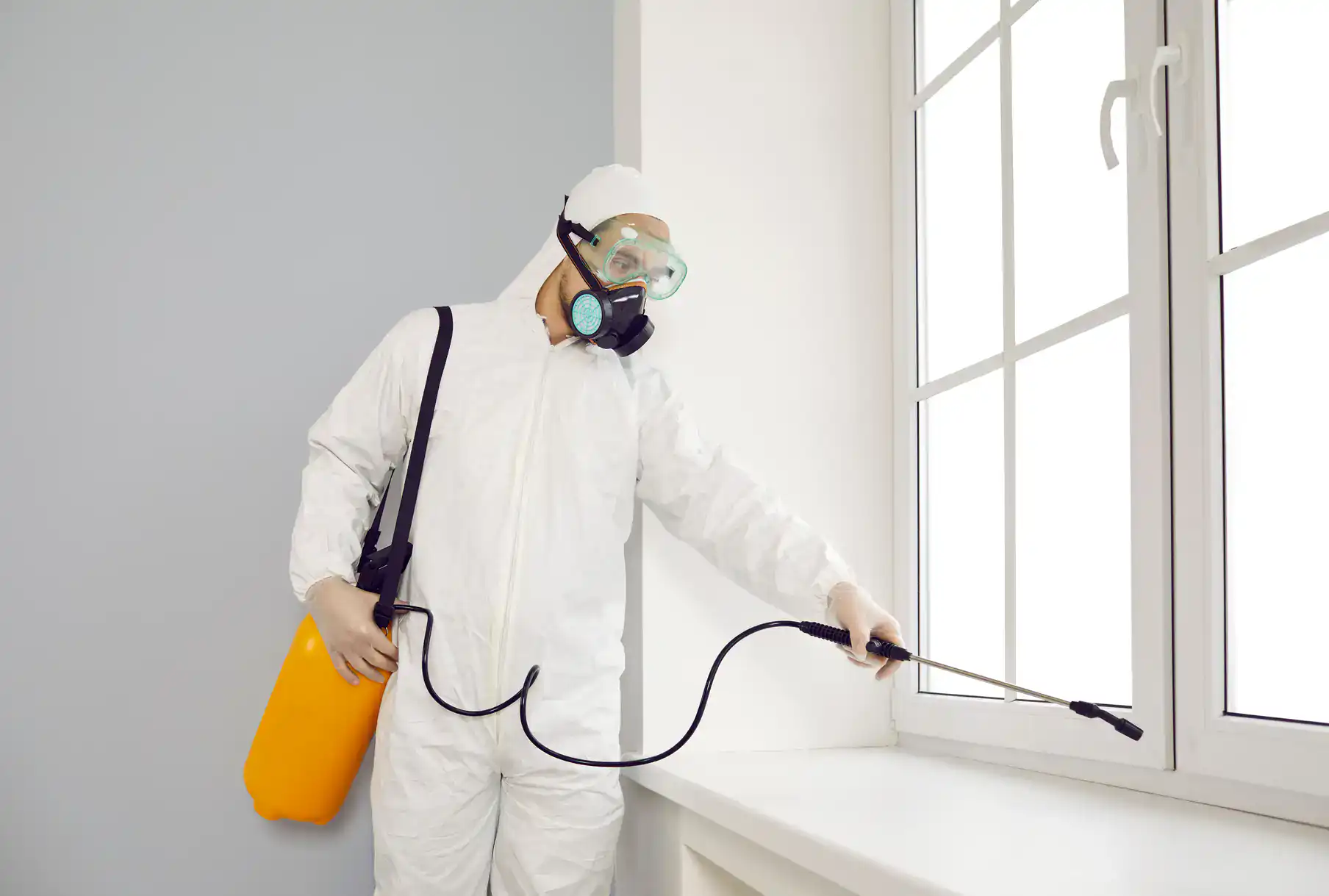
Ready to get started?
Rodent control in Bensonhurst isn’t a one-size situation. A ground-floor apartment in a pre-war building near 18th Avenue has different pressure points than a semi-detached home closer to Dyker Heights. The restaurants, bakeries, and food shops along 18th Avenue and 86th Street create sustained rodent activity that feeds into the surrounding residential blocks and residents closest to those corridors feel it most. Our service is built around what’s actually happening at your property, not a standard package applied the same way regardless of context.
For residential properties, that means a full interior and exterior inspection, identification of active entry points, exclusion work to seal them, and a treatment plan using only NYS DEC-registered materials applied safely in a home where multiple generations may be living. For multi-family buildings and property managers in the neighborhood, we also handle the compliance side: NYC’s Health Code requires building owners to keep properties free of pests, and failure to comply after a 311 complaint can result in escalating fines. Having a licensed, documented pest control provider on record matters.
Both residential and commercial rodent control services are available throughout Bensonhurst and the surrounding areas including Bath Beach, Gravesend, and Borough Park. Every service includes a free estimate upfront so you know what you’re looking at before any work begins.
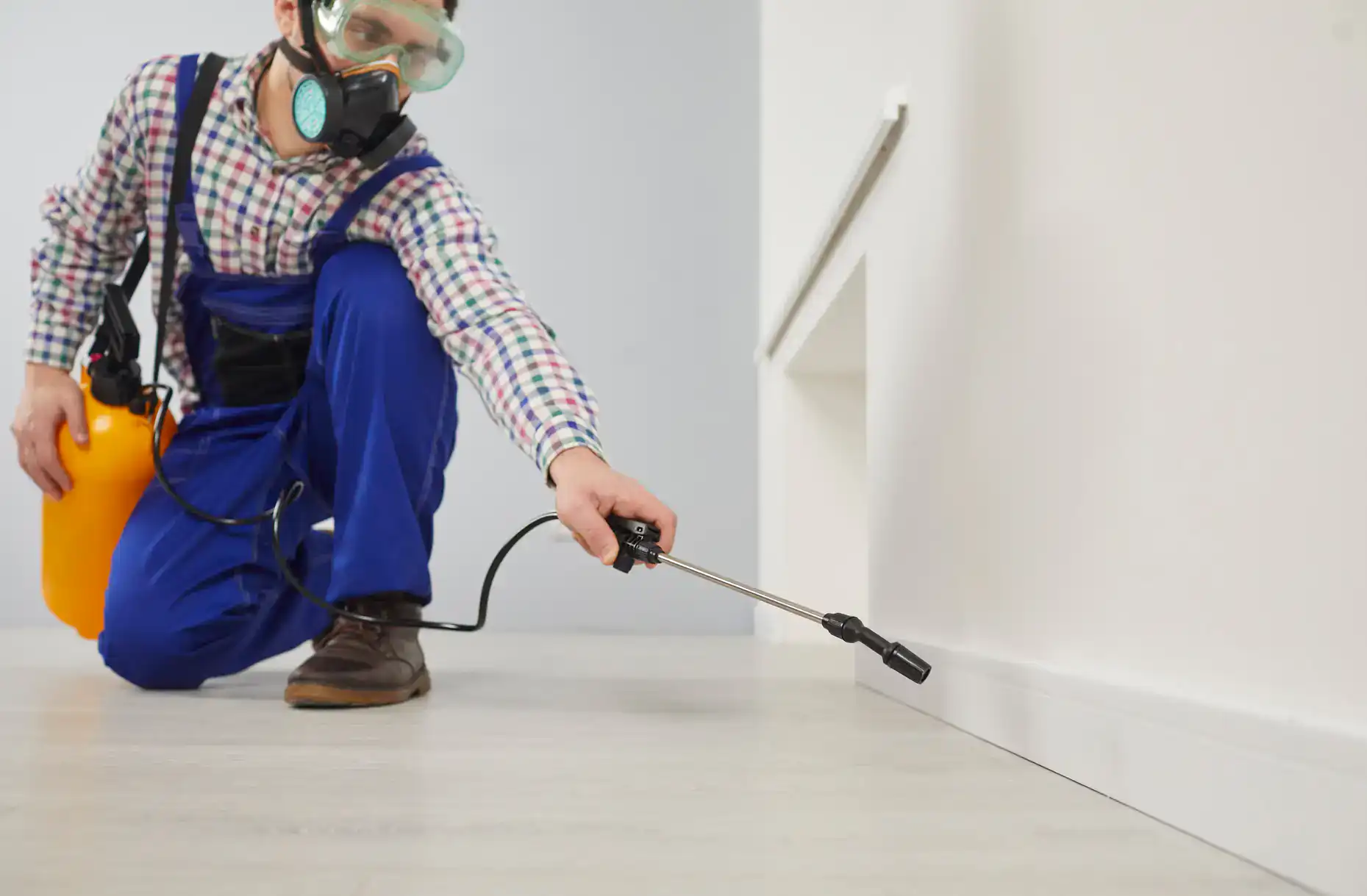
This is the most common frustration we hear from homeowners in attached row houses throughout Bensonhurst, and the answer is almost always the same: the entry points were never found and closed. Traps and bait can reduce the population you’re currently dealing with, but if there are gaps in your foundation, open spaces around heating pipes, or deteriorated mortar joints in an 80-year-old brick wall, new rodents will find their way in. A Norway rat needs a hole the size of a quarter. A mouse needs a hole the size of a pencil eraser. In a pre-war Bensonhurst building, those gaps exist in places most homeowners would never think to look.
The other factor is the attached housing itself. Your row house shares a foundation and party walls with the buildings on either side. Even if your unit is reasonably well-sealed, rodents can move through connected basement spaces from a neighboring property. A real solution has to account for that pressure which is why a thorough exterior inspection matters just as much as what’s happening inside.
Yes, and it’s one of the most underappreciated reasons why rodent problems in Bensonhurst are so persistent. Norway rats and house mice both move through wall voids, basement connections, and gaps around shared utility lines with ease. In a block of attached row houses, a colony that originates in one building can spread to several adjacent properties within a relatively short period. Rats travel 100 to 150 feet from their nest daily in search of food and water in a densely packed neighborhood, that range covers multiple homes.
This is exactly why treating only your own unit often produces short-term results at best. If the source of pressure is coming from next door or from a burrow under the shared foundation, you’ll keep seeing activity no matter how many traps you set. A proper inspection looks at the full picture where rodents are entering the building envelope, what’s attracting them, and what structural conditions are allowing them to move between connected structures.
It does, and it’s well-documented. When excavation or demolition disturbs established rodent burrows, the displaced colony doesn’t disappear it relocates. The nearest available shelter, warmth, and food source is usually the basement or crawl space of an adjacent residential building. If you’ve noticed a sudden increase in rodent activity around the same time construction started on your block or nearby including the ongoing development along 86th Street in Bensonhurst that timing is almost certainly not a coincidence.
The good news is that displacement-driven infestations are treatable, but they do require a more thorough response than a typical maintenance situation. The displaced population is often larger and more desperate than an established colony that’s been quietly living in one location. Getting a professional inspection done quickly before the rodents have time to establish new nesting sites inside your home makes a significant difference in how much work is involved and how fast the problem resolves.
The CDC identifies more than 35 diseases that rodents can spread to humans and several of them are relevant in a dense urban environment like Bensonhurst. Salmonella can be spread through food or surfaces contaminated with rodent droppings. Leptospirosis is transmitted through contact with water or soil contaminated by rat urine not uncommon in basement environments. Rat-bite fever is transmitted through bites or scratches. Hantavirus, while less common in the Northeast, is spread through contact with or inhalation of dried rodent droppings and urine.
That last point is worth emphasizing. You don’t need to see or touch a rodent to be exposed. Dried droppings in a basement, wall void, or storage area can become airborne dust when disturbed which is why cleaning up after a rodent infestation without proper precautions carries real risk. For a multigenerational household grandparents with respiratory vulnerabilities, young children who play on the floor this isn’t abstract. Professional removal and sanitation handles contaminated materials safely, reducing the exposure risk that a DIY cleanup can inadvertently create.
Multi-family buildings in Bensonhurst present a different set of challenges than single-family row houses, and our approach reflects that. In a multi-unit building, rodents typically enter through the basement or ground-floor level and then move through wall voids and utility chases to upper floors. Treating individual units without addressing the building-wide entry points and travel pathways produces inconsistent results one tenant’s unit improves while another’s worsens.
For property owners and building managers, there’s also a compliance dimension. New York City’s Health Code requires building owners not tenants to maintain pest-free conditions. A 311 rodent complaint can trigger a DOHMH inspection, and repeated failures result in escalating fines. Having a licensed, documented pest control provider conducting regular service is the most straightforward way to stay ahead of that exposure. We work with building owners throughout Brooklyn on exactly this kind of ongoing compliance-focused rodent control.
Hardware store traps and over-the-counter bait stations can catch individual rodents. What they can’t do is find the gaps in your foundation, seal the space around your heating pipes, or identify the burrow under your back steps that’s been there since the building was constructed in 1938. In a neighborhood like Bensonhurst where the housing stock is predominantly pre-war, the buildings are attached, and the commercial strips on 18th Avenue and 86th Street sustain a year-round rodent population in the area surface-level DIY approaches tend to treat the symptom without touching the cause.
Most homeowners who call us have already tried the hardware store route. That’s not a criticism it’s the logical first step. But when the problem keeps coming back, it’s usually because the entry points are still open and the conditions that made the property attractive to rodents in the first place haven’t changed. A professional inspection identifies both of those things. The free estimate process means you can find out exactly what’s involved and what it costs before you commit to anything which makes the decision a straightforward one once you’ve had the conversation.
Useful Links