Hear from Our Customers
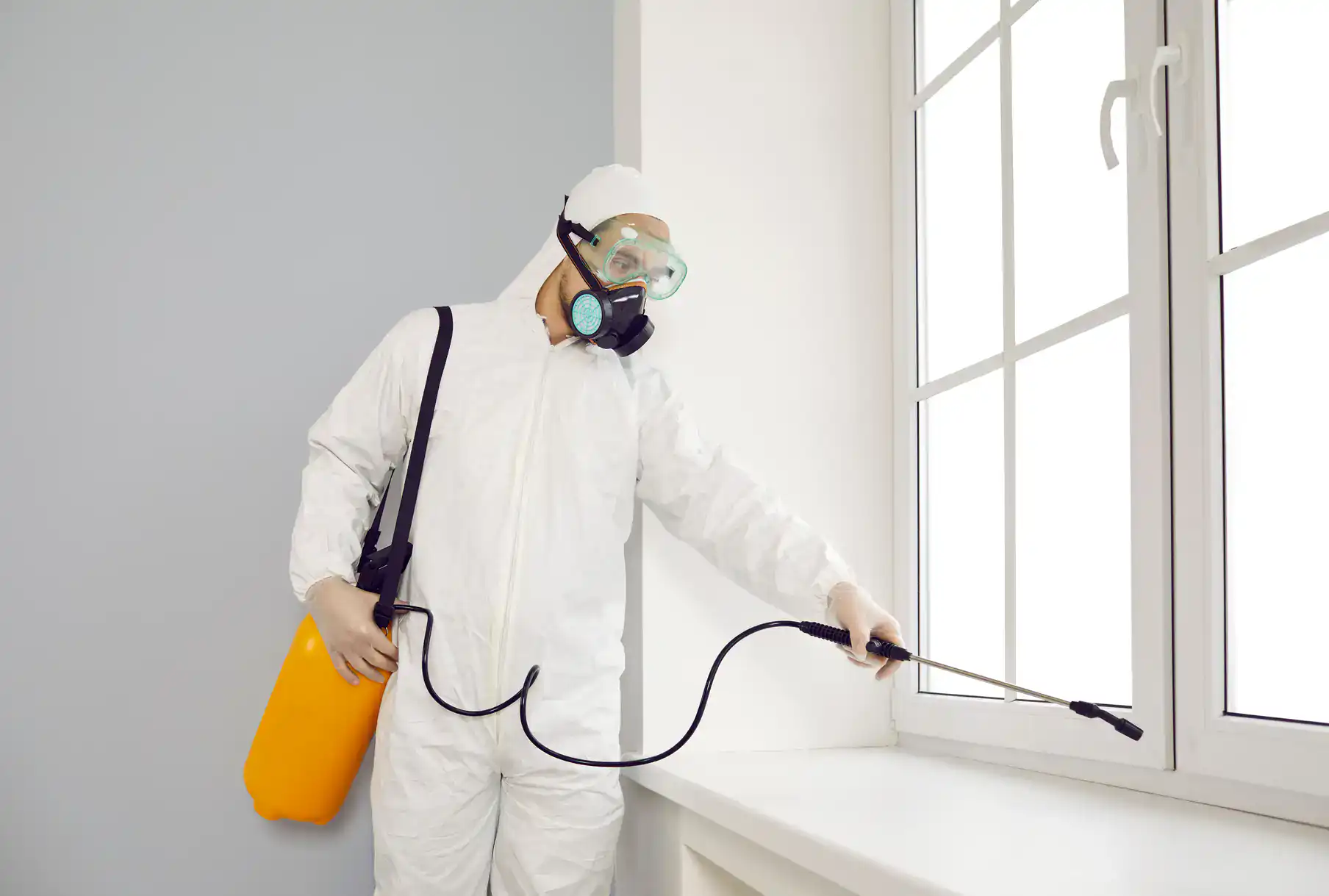
You stop second-guessing every sound in the walls. You stop finding droppings in the kitchen and wondering how far it’s spread. That shift from constant low-grade stress to actually feeling at ease in your own home is what a real rodent removal service delivers when it’s done right.
Bushwick’s housing stock makes this harder than most people expect. The pre-war tenements, aging brick walk-ups, and converted lofts throughout the neighborhood weren’t built with pest exclusion in mind. Gaps around utility pipes, deteriorating mortar, cracked foundations rats need a hole the size of a quarter. Mice need even less. In buildings like these, the entry points aren’t always obvious, and traps alone don’t address them. That’s why the outcome you’re actually buying isn’t just fewer rodents it’s a treated and sealed environment that doesn’t keep inviting them back.
For renters in Bushwick’s multi-unit buildings, there’s another layer to this. When a rodent infestation is professionally documented and treated, you have something concrete a service record, a written assessment that holds weight if you need to escalate with your landlord, file a 311 complaint, or involve an attorney. That kind of paper trail matters in a neighborhood where nearly 40% of residences report daily rodent sightings and landlord-tenant disputes over pest conditions are common.
We were founded in Brooklyn in 1971 by Richard Kourbage Sr. His sons Richard Jr. and Charles joined the business in 1987 and 1989, and we’ve been family-owned and operated ever since. That’s over 50 years of solving rodent problems in Bushwick and across Brooklyn from the dense, pre-war residential corridors of Bushwick and Wyckoff Heights to Ocean Hill and Marine Park’s detached homes.
We hold an A+ rating with the Better Business Bureau and have maintained BBB accreditation since 1989. We’re fully licensed, bonded, and insured, and we apply only New York State Department of Environmental Conservation registered pesticide materials which matters in Bushwick’s Rat Mitigation Zone where city inspectors are actively looking for compliance failures. We’re also well known among New York attorneys who refer clients dealing with exactly the kind of landlord-tenant rodent disputes that are common throughout Bushwick’s rental market.
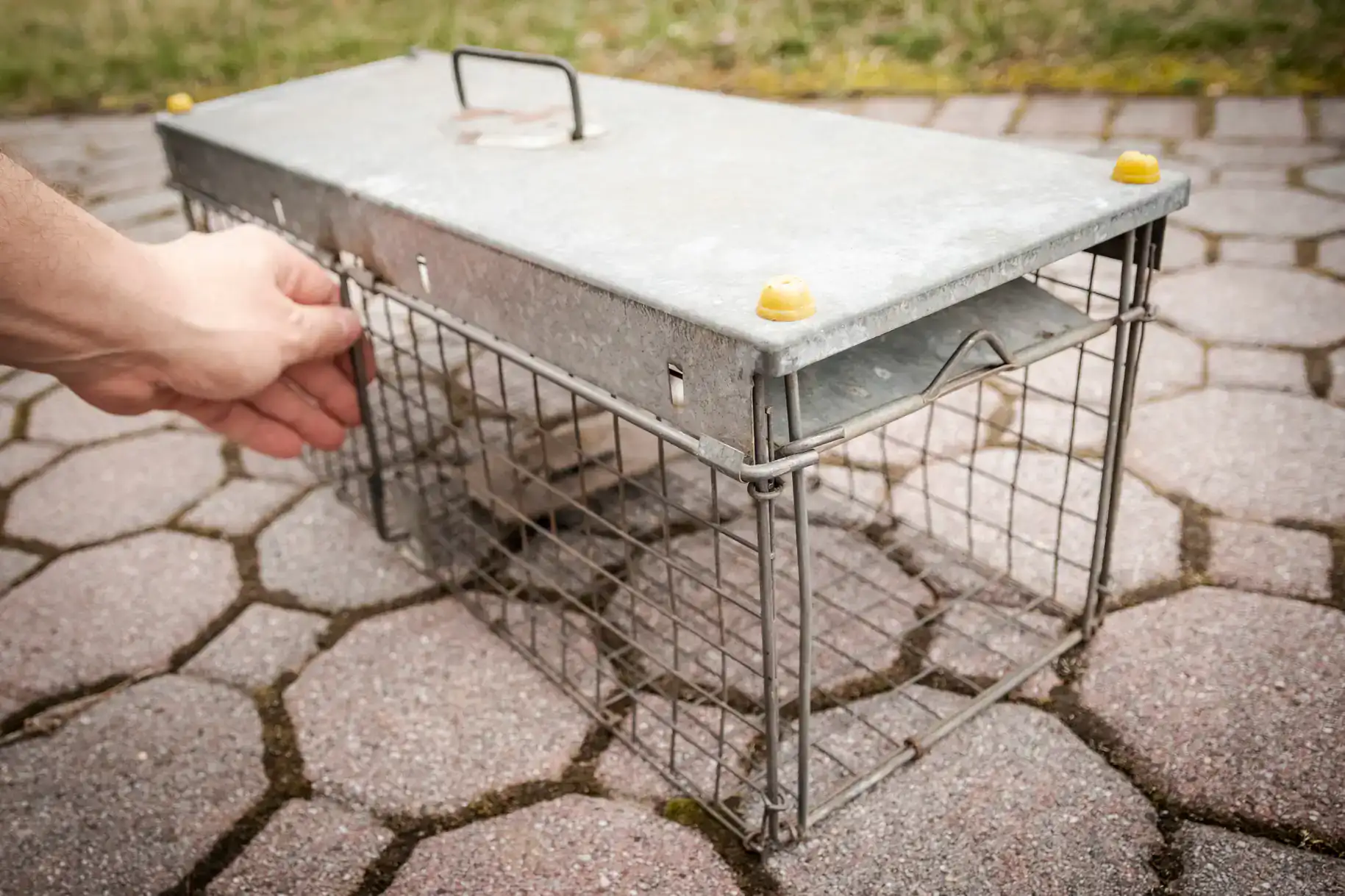
It starts with a thorough inspection interior and exterior. In Bushwick’s older building stock, that means checking basements, utility chases, foundation gaps, and the areas around pipes and conduit where rodents typically enter. The goal isn’t just to find where they are now. It’s to find every condition that’s allowing them to get in and stay in. Skipping that step is why DIY treatments keep failing.
From there, we put a targeted treatment plan in place based on what the inspection actually shows. That might include bait stations, tamper-resistant traps, and exclusion work to seal confirmed entry points. In a building where rodents are moving between units which is common in Bushwick’s connected multi-family structures treatment needs to account for that spread, not just the unit where you’re seeing activity. Because Bushwick is an active construction zone in many areas, with ongoing development along Flushing Avenue and throughout the neighborhood displacing established rodent colonies, your plan also accounts for the ongoing external pressure, not just what’s inside today.
After treatment, you’ll know exactly what we did, where we did it, and what to watch for. If follow-up is needed, that’s part of the conversation not a surprise. The process is straightforward, and you won’t be left wondering what happened or whether it worked.
Ready to get started?
Rodent control in Bushwick isn’t a one-size situation. The combination of pre-war tenement construction, active development displacing colonies along Flushing Avenue, and one of the highest rat-complaint densities in New York City creates a service environment that requires real local knowledge not a technician reading off a checklist.
We provide the full scope of rodent control services: inspection, treatment, exclusion, and documentation. For residential renters in Bushwick’s walk-ups and loft conversions, that documentation piece is particularly important. If your landlord has been slow to act, a professional service report from a licensed, BBB-accredited company carries real weight in housing court and in 311 enforcement proceedings. Under the NYC Housing Maintenance Code, landlords are legally required to keep properties free of rodents and in the Bed-Stuy/Bushwick Rat Mitigation Zone, city inspectors are actively enforcing that.
For property owners and building managers, we also handle commercial and multi-unit properties throughout Brooklyn’s Community District 4. Whether you’re managing a single building near Maria Hernandez Park or a larger portfolio across Bushwick’s ZIP codes 11206, 11207, 11221, 11237 we build the service around what your specific property actually needs. Every treatment uses only NYS DEC-registered materials, which protects your tenants, your compliance standing, and your liability exposure all at once.
Bushwick isn’t just dealing with typical urban rodent pressure it’s been formally designated by the NYC Department of Health and Mental Hygiene as part of the city’s Rat Mitigation Zone, one of only four such zones in all of New York City. That designation exists because Bushwick has documented, sustained, high-level rat activity that requires active multiagency response. Between 2010 and 2012, Bushwick recorded the highest number of rat complaint calls to 311 of any neighborhood in the entire city.
Several factors drive this. The aging pre-war housing stock throughout Bushwick provides easy entry through deteriorating foundations, cracked mortar, and gaps around utility lines. The density of restaurants and bars particularly along the Morgan Avenue and Bogart Street corridor generates the food waste that sustains large rat colonies. And the ongoing construction activity along Flushing Avenue continuously displaces established rodent populations into surrounding residential buildings. This isn’t a problem that fixes itself. It requires a professional approach that addresses both the active infestation and the structural conditions enabling it.
Traps catch individual rodents. They don’t address why rodents are getting in, where they’re nesting, or how many you’re actually dealing with. In Bushwick’s pre-war walk-ups and tenement buildings, rodents move through wall voids, shared basements, and utility chases meaning the activity you’re seeing in your unit is often just the visible part of a larger colony spread across the building. Setting a few snap traps near the stove doesn’t reach any of that.
The other issue is that rodents Norway rats in particular, which dominate Bushwick’s ground-level and sewer environment are neophobic. They’re cautious around new objects in their environment, including traps. Placement, bait selection, and timing all matter. But more importantly, without sealing the entry points that are letting them in, you’re managing a symptom while the underlying problem continues. A professional inspection identifies those entry points, confirms the species and scale of the infestation, and puts a treatment plan in place that actually addresses the root cause not just the rodent you caught last Tuesday.
Under the NYC Housing Maintenance Code, your landlord is legally required to maintain your unit and building free of pests, including rodents. That’s not optional, and it’s actively enforced especially in the Bed-Stuy/Bushwick Rat Mitigation Zone, where the NYC Department of Health and Mental Hygiene conducts proactive inspections and can issue violations and fines for non-compliant properties.
Your first step is to report the condition to 311, which triggers a Health Department inspection. Having a professional inspection and written service report from a licensed pest control company like ours significantly strengthens your position. It documents the infestation, its severity, and the conditions enabling it in a format that holds up in housing court and in attorney consultations. We’re well known among New York attorneys who handle exactly these situations. If you’re a Bushwick renter dealing with a landlord who isn’t responding, a professional inspection gives you something concrete to work with not just your word against theirs.
Yes, it changes the treatment approach meaningfully. Norway rats the dominant species in Bushwick’s sewer system and ground-level environment are large, burrowing rodents that typically enter buildings through basement gaps, foundation cracks, and sewer connections. They tend to stay low and are more likely to be found in basements, crawl spaces, and ground-floor areas. House mice, by contrast, are smaller, more agile climbers that can access upper floors through wall voids and gaps around pipes, and they reproduce much faster a single female can produce six to ten litters in her lifetime, with the first litter arriving at just two months of age.
The signs are different too. Rat droppings are larger (about the size of a raisin), and you may notice grease marks along baseboards where their bodies repeatedly contact the surface. Mouse droppings are smaller and more scattered. Gnaw marks, nesting material, and the sounds you’re hearing scratching vs. heavier movement all help narrow it down. A proper inspection confirms which species you’re dealing with, which determines where bait stations are placed, what exclusion work is needed, and how the treatment is structured.
Both, honestly. Rodent activity in Bushwick increases noticeably in the fall and winter rodents seek warmth as temperatures drop, and in a neighborhood full of connected pre-war buildings with shared walls and aging infrastructure, a single colony looking for heat can spread across multiple units quickly. Rodent-related service calls typically spike around 25% in winter months citywide, and Bushwick’s dense multi-unit building stock amplifies that pattern.
That said, Bushwick has year-round rodent pressure that most neighborhoods don’t. The combination of a dense restaurant and bar scene generating food waste in every season, ongoing construction displacing colonies throughout the year, and a sewer and utility infrastructure that’s never fully sealed means there’s no true off-season here. Milder winters in recent years have also reduced the seasonal die-off that used to naturally thin rodent populations, meaning larger colonies are entering each new breeding cycle.
For a standard residential treatment in New York City, professional rodent control typically runs in the range of $180 to $610 depending on the size of the property, the severity of the infestation, and whether exclusion work is included. Multi-unit buildings and commercial properties will generally be higher. We offer free phone consultations and estimates, so you’ll know what you’re looking at before committing to anything.
The DIY comparison is worth thinking through honestly. Hardware-store traps and bait cost money too and most Bushwick residents dealing with a real infestation have already spent that money before calling a professional. The difference is that a professional treatment addresses entry points, nesting sites, and the full scope of the infestation in a way that over-the-counter products can’t. In a neighborhood where nearly 40% of residences report daily rodent sightings, the cost of not solving it ongoing property damage, health risks from droppings and contamination, potential city violations for property owners, and the compounding cost of repeated DIY attempts adds up quickly. One professional treatment that actually works is almost always less expensive than months of treatments that don’t.
Useful Links
Other Services we provide in Bushwick