
Hear from Our Customers
The moment you stop hearing scratching in the walls or finding droppings near the baseboards, something shifts. You stop second-guessing every noise at night. You stop wondering what’s getting into the pantry. That’s what professional rodent control actually delivers not just a dead mouse in a trap, but a home you feel confident in again.
Fresh Meadows has a specific set of conditions that make rodent pressure harder to ignore than in most Queens neighborhoods. The housing stock here is predominantly mid-century homes and apartment buildings built in the 1940s and 1950s that have had decades to develop the foundation cracks, worn utility seals, and warped garage frames that rodents exploit. A rat needs a hole the size of a quarter. A mouse needs something no bigger than a pencil eraser. In a 70-year-old Fresh Meadows home, those entry points aren’t hypothetical.
Then there’s the park. Cunningham Park’s 358 acres of ground cover, drainage areas, and organic debris give rodents everything they need until fall arrives, vegetation thins out, and they start migrating toward the warmth of the homes and apartment buildings along the park’s edge. If your property sits anywhere near the eastern side of Fresh Meadows, that seasonal pressure is real and predictable. Treating the interior without addressing what’s drawing them in from outside is how rodent problems keep coming back.
Kingsway Exterminating Company was founded in 1971 by Richard Kourbage Sr. His sons Richard Jr. and Charles joined the business in the late 1980s and have been running it ever since. That’s not a franchise model. There’s no regional director between you and the people responsible for the quality of your service. When the job is done, the Kourbage name is on it.
We hold an A+ rating with the Better Business Bureau accredited since 1989 and apply only NYS Department of Environmental Conservation registered materials on every job. That’s the legal standard for pest control in New York, and it’s the baseline we’ve met for over five decades across Queens, Brooklyn, and the five boroughs.
Fresh Meadows isn’t just a service area on a map. We’ve been working in the neighborhoods of northeastern Queens long enough to know what aging co-ops near Utopia Parkway look like on the inside, what the basement corridors of large apartment complexes do to a rodent problem, and why homes bordering Cunningham Park face a different kind of seasonal pressure than properties further west. That kind of familiarity doesn’t come from a training manual.
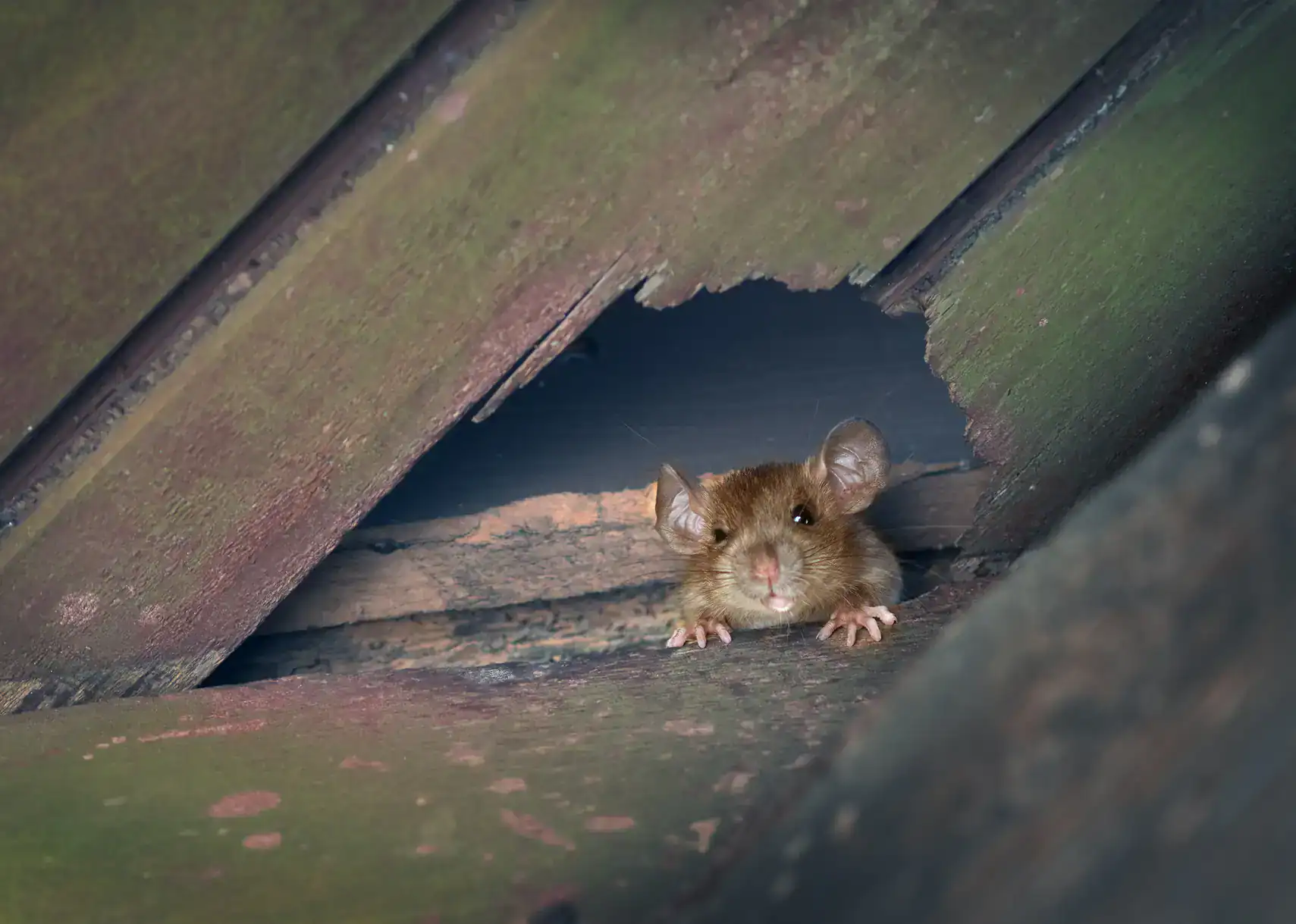
It starts with a thorough inspection interior and exterior. Before anything gets treated, one of our technicians walks the property to identify active rodent signs, map every realistic entry point, and understand what’s driving the problem. In Fresh Meadows, that often means paying close attention to basement penetrations around utility lines, foundation cracks common in homes built in the 1940s and 1950s, garage door frames that have shifted over decades, and any ground-level gaps along the building’s perimeter. If your property is near the Cunningham Park corridor, the inspection also accounts for migration pathways from the park’s edge.
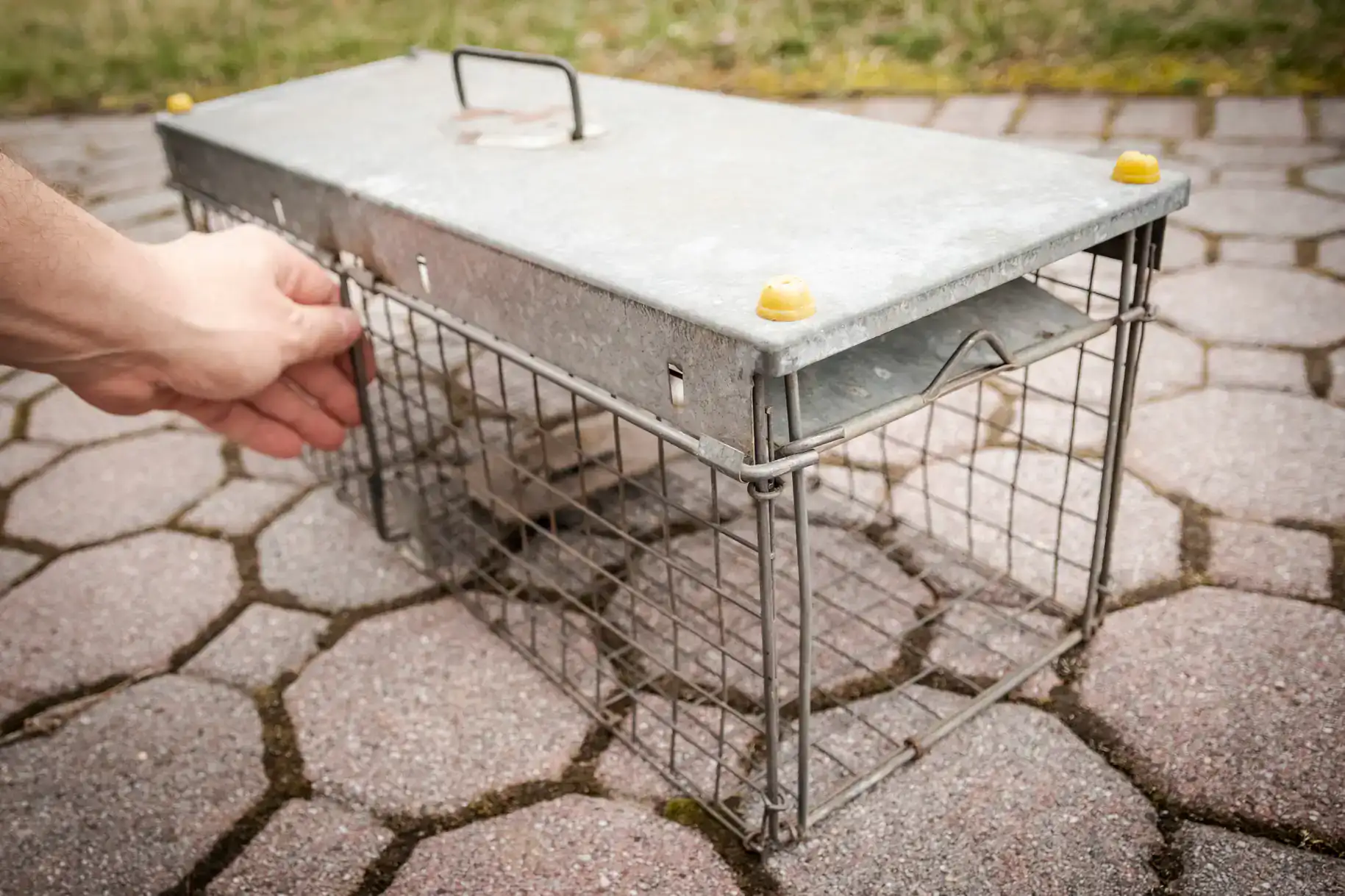
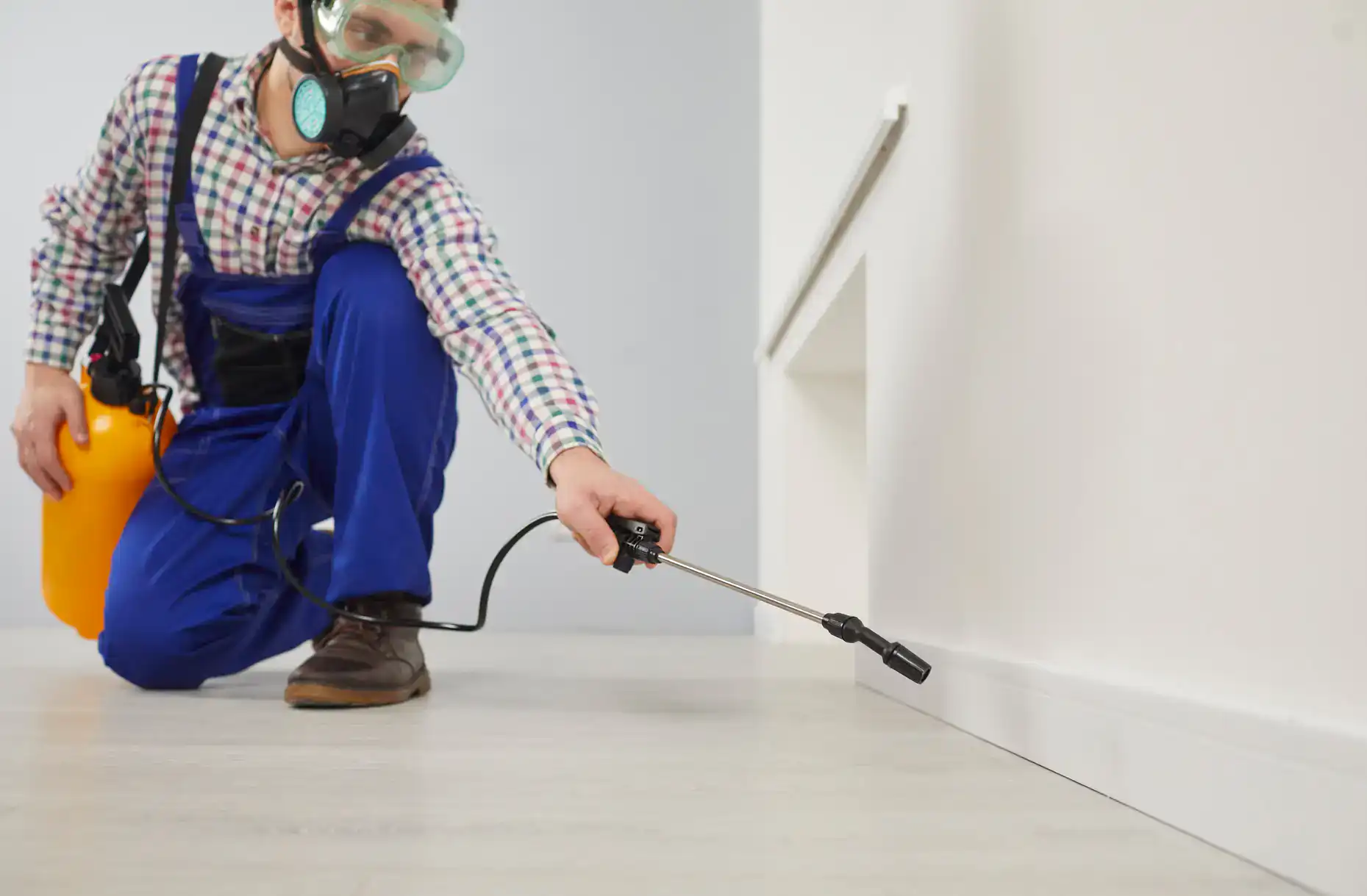
Once the picture is clear, treatment is targeted not blanket. Depending on what’s found, that may include tamper-resistant bait stations, snap traps placed in the right locations, and direct treatment of active harborage areas. What gets used, and where, is determined by what the inspection actually shows not a one-size approach applied to every home on the block.
Exclusion work comes next, and it’s the step that separates a one-time fix from a lasting one. We seal identified entry points with professional-grade materials not foam that a rodent can chew through in a week. For homeowners in the Fresh Meadows Apartments complex or in multi-unit buildings with shared walls and basement corridors, this step is especially important, because rodents in a connected building can simply move around a treatment that doesn’t address the structure itself. After the work is done, you’ll know what was found, what was done, and what to watch for going forward.
Ready to get started?
Rodent control in Fresh Meadows isn’t a single visit with a trap and a follow-up call. The conditions here aging housing stock, a large multi-unit residential complex, park-adjacent green corridors, and active development activity that displaces rodent populations into surrounding homes mean that effective service has to account for what’s happening both inside and outside your property.
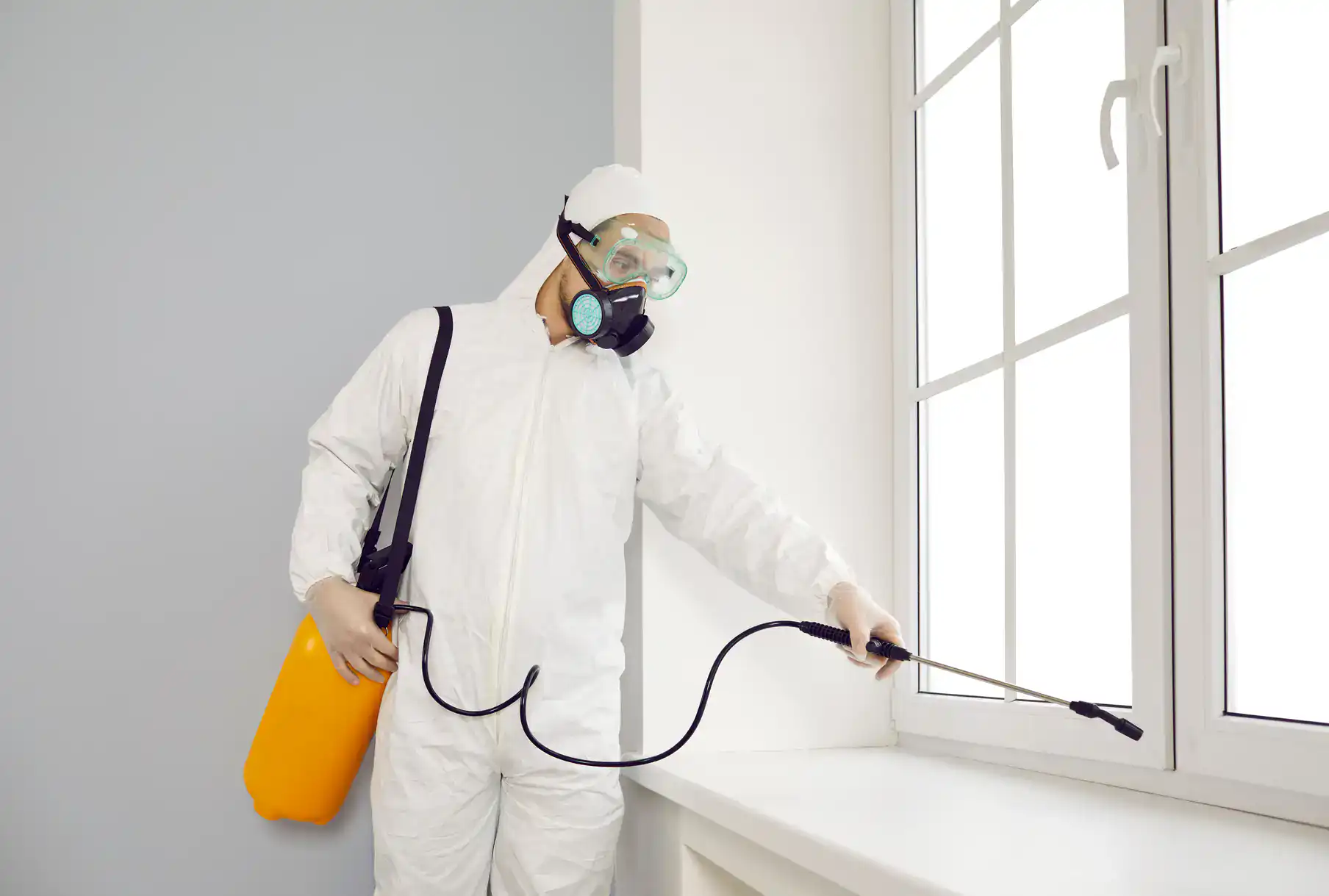
Every service starts with a free phone consultation. There’s no charge to talk through what you’re seeing and get a clear read on what the next step looks like. From there, one of our licensed technicians handles the full inspection, treatment, and exclusion work described above. We’re fully licensed, bonded, and insured, and every material we use on your property is NYS DEC registered which matters if you have children, pets, or any concern about what’s being applied in your home.
For residents of the Fresh Meadows Apartments or any multi-unit building in the area, it’s worth knowing that we handle commercial and multi-unit properties in addition to single-family homes. A rodent problem in a building with shared walls and interconnected basement systems usually can’t be resolved at the unit level alone and that’s a conversation worth having before you spend money on a solution that only addresses part of the problem. Same-day service is available in many cases, and an appointment is guaranteed within 48 hours.
Cunningham Park’s 358 acres provide rodents with everything they need food, water, ground cover, and nesting habitat. The problem is that parks don’t have hard boundaries for wildlife. As temperatures drop in fall and early winter, the vegetation that shelters park-dwelling rodents thins out, and those animals start moving toward the warmth and food sources of adjacent residential properties. Homes and apartment buildings along the eastern edge of Fresh Meadows sit directly in that migration path.
This is a predictable, seasonal pattern not a random event. It means that properties near the park face a recurring wave of rodent pressure every fall, and treating an active infestation without sealing the exterior entry points that make your home a target will likely result in the same problem returning the following year. A proper inspection accounts for how rodents are getting in from the outside, not just where they’re showing up inside.
The most common signs are droppings small, dark, and typically found near food sources, along baseboards, or in cabinet corners. You might also notice gnaw marks on wood, plastic, or food packaging, or find shredded material in drawers, closets, or behind appliances where rodents build nests. Scratching or scurrying sounds inside walls, especially at night, are another reliable indicator.
In Fresh Meadows specifically, homeowners in older single-family homes often first notice activity in the basement or garage areas where foundation cracks and utility penetrations give rodents easy access before they move further into the living space. Residents of the Fresh Meadows Apartments complex sometimes notice signs in lower-floor units or storage areas first, since rodents in multi-unit buildings tend to travel through shared basement corridors and wall cavities. If you’re seeing any of these signs, the infestation is likely more established than a single rodent and it’s worth getting a professional assessment before it grows.
Yes and it’s one of the more overlooked drivers of sudden rodent activity in residential areas. When excavation, demolition, or site preparation disturbs existing burrow systems, the rodents living in those areas don’t disappear. They relocate, and the nearest warm, food-accessible structures become their next target. Fresh Meadows is currently at the center of a development controversy involving a proposed expansion of roughly 2,000 units in the existing complex. Any active construction phase in the neighborhood creates exactly this kind of displacement pressure.
If you’ve noticed a sudden uptick in rodent activity and your home hasn’t changed, nearby construction is a legitimate contributing factor. The response isn’t just to treat the interior it’s to identify and seal the entry points that make your property accessible to a displaced population looking for a new home. That’s the exclusion step, and it’s especially important when the pressure is coming from outside rather than from an established interior infestation.
Most of the entry points in a Fresh Meadows home built in the 1940s or 1950s aren’t obvious from a casual walk-through. Foundation walls develop cracks over decades of settling. The seals around gas lines, water pipes, and electrical conduits dry out and crack. Garage door frames warp with temperature cycles. Basement window frames shift. Any of these gaps even small ones are enough. Rats can enter through a hole the size of a quarter. Mice need nothing larger than a pencil eraser.
Stopping them means finding those gaps and closing them with materials that actually hold. That means metal mesh, steel wool packed into voids, and caulk or concrete for larger gaps not foam sealant, which rodents can chew through quickly. The inspection step exists specifically to map these entry points before any treatment begins, because sealing them is what turns a short-term fix into a lasting one. In homes where the exterior hasn’t been assessed in years, the number of entry points found is often surprising.
Under New York City’s Housing Maintenance Code, landlords are legally required to maintain residential properties free of pest infestations, including rodents. If you’re a tenant in a Fresh Meadows apartment including within the Fresh Meadows Apartments complex and you’ve reported a rodent problem to your building management without a satisfactory response, you have the right to file a complaint with the NYC Department of Housing Preservation and Development (HPD). The city takes these complaints seriously, and building owners can face violations and fines for failure to address documented infestations.
That said, the practical reality in a large multi-unit building is that individual unit treatment is often insufficient. Rodents in a building with shared walls, interconnected basement systems, and aging utility infrastructure can simply move around a treatment that doesn’t address the building’s structure. If your landlord is responding but the problem keeps recurring, the issue is likely a building-wide exclusion problem not just a unit-level one. We work with both tenants and property managers on multi-unit rodent situations in Fresh Meadows, and a free phone consultation can help clarify what’s actually going on and what a real solution looks like.
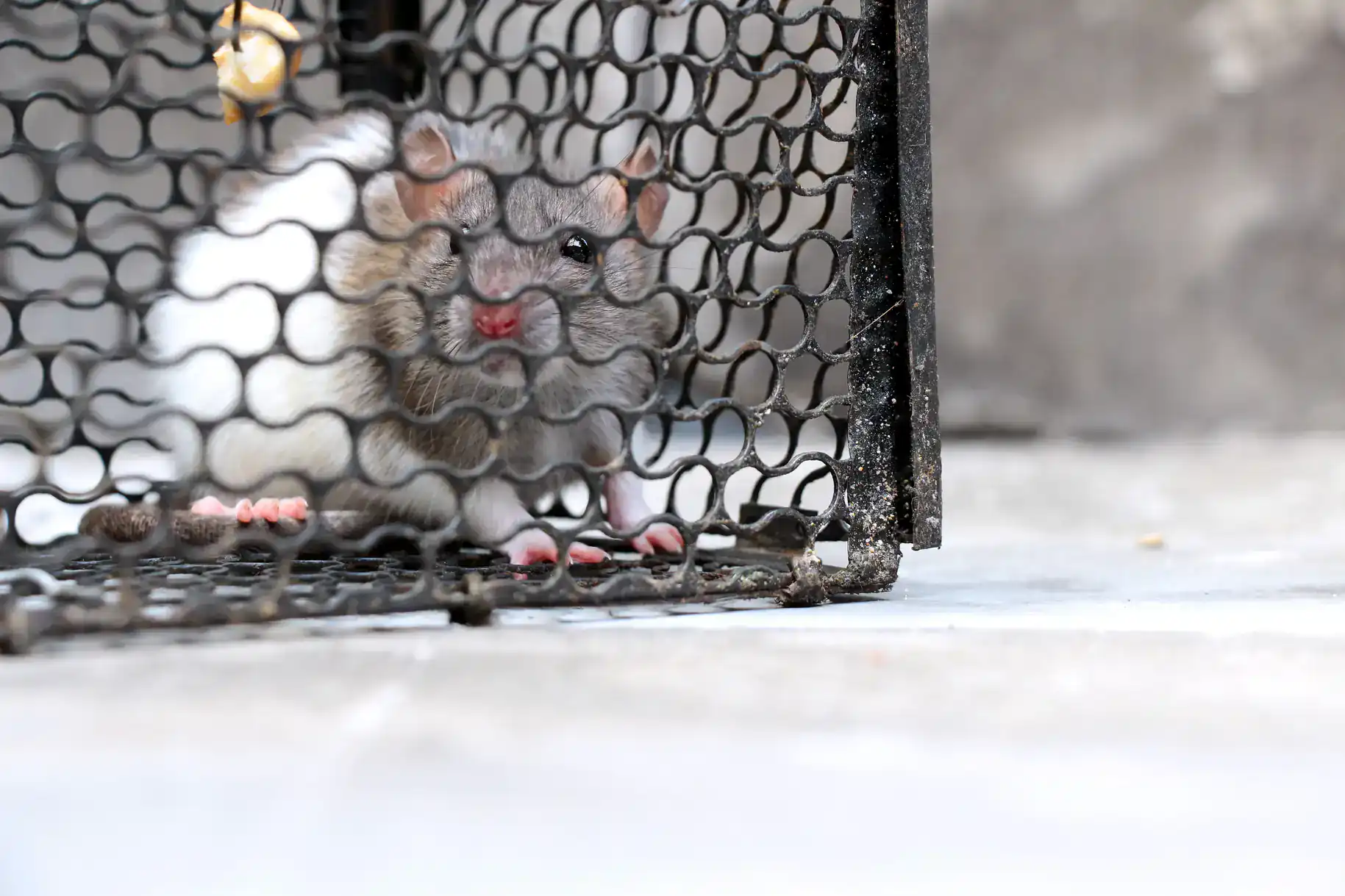
Hardware store traps and bait products can catch individual rodents. What they can’t do is tell you where the rodents are coming from, how many there are, or why your home is accessible to them in the first place. In Fresh Meadows where homes are older, park pressure is seasonal, and the nearby apartment complex creates ongoing population density a trap in the kitchen is treating a symptom, not the problem.
The other factor worth knowing: rodents reproduce fast. A female house mouse can start producing litters at just two months old, with five to six young per litter and up to ten litters in her lifetime. A small infestation can become a serious one in weeks. By the time a homeowner decides that the hardware store approach isn’t working, the problem is usually larger and more entrenched than it was at the start. Professional rodent control addresses the source the entry points, the harborage conditions, and the population not just the individual animals that happen to wander into a trap. That’s the difference between solving it once and solving it repeatedly.
Useful Links