Hear from Our Customers
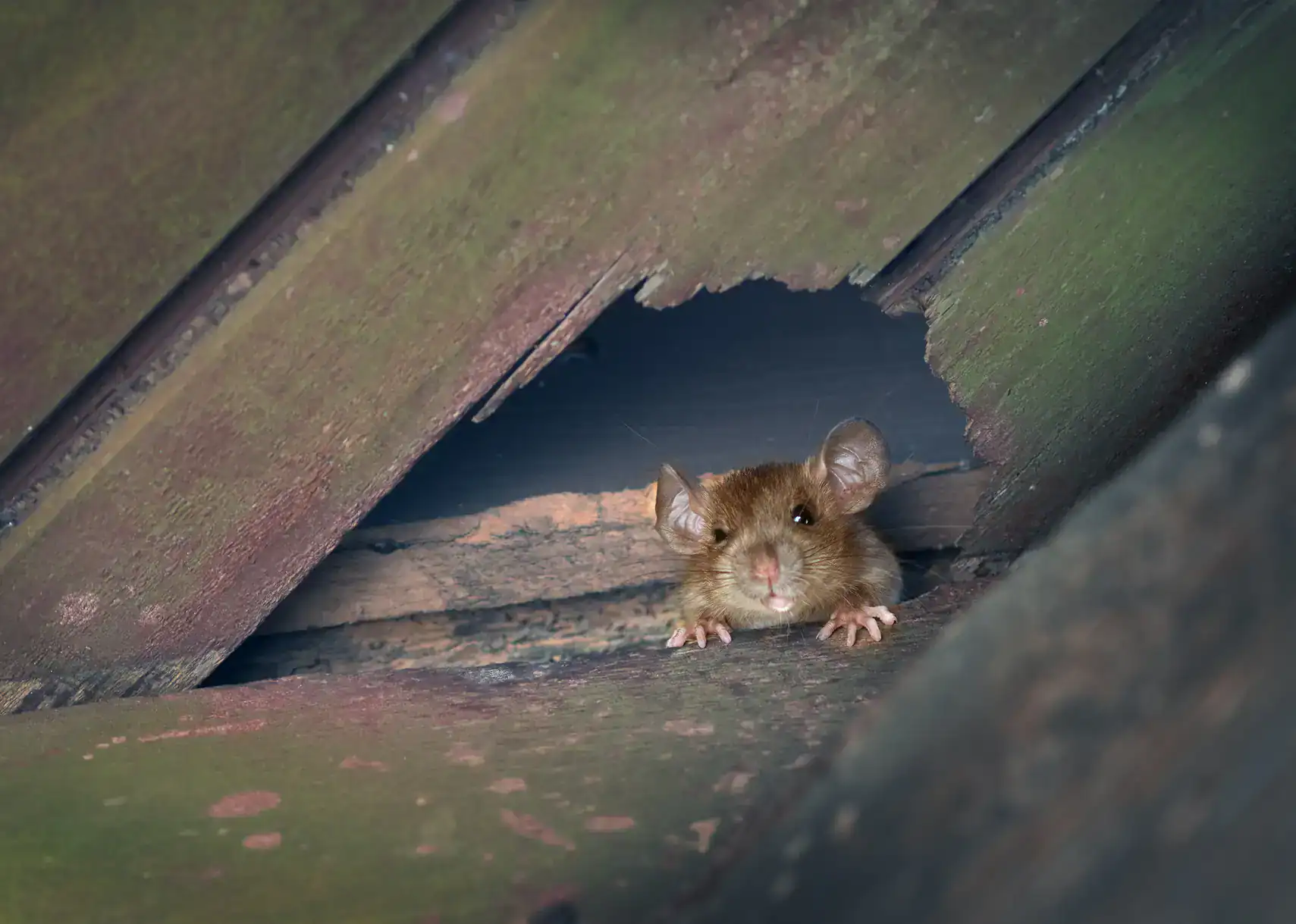
No more lying awake at 2 a.m. listening to something scratch inside your walls. No more finding droppings behind the stove or wondering if the gnaw marks on that cabinet are new. When rodent control is done right, the silence is noticeable and so is the peace of mind.
In Long Island City, the rodent pressure is real and it’s layered. The construction boom that’s reshaped this neighborhood over the past fifteen years has done more than add luxury towers and new restaurants along Jackson Avenue it’s displaced established rat colonies from dozens of excavation sites, pushing them into the nearest available shelter. That shelter is often your building. Getting rid of the rodents inside is only part of the job. Understanding where they’re coming from and sealing the paths they’re using to get in is what keeps them out.
If you’re in an older row house in Dutch Kills, a converted loft near Silvercup Studios, or a mid-rise rental anywhere in the neighborhood, the structural vulnerabilities are different from building to building. A solid rodent control plan accounts for that it’s not a one-size-fits-all spray and leave. It’s an inspection, a treatment, and a plan that fits your actual building and your actual situation.
We’ve been doing this work in New York City since 1971. That’s not a marketing number it’s the reality of a second-generation family business that Richard Kourbage Sr. built from the ground up, and that his sons Richard Jr. and Charles have been running alongside him since the late 1980s. When you call Kingsway, you’re talking to people who have spent decades treating buildings in every borough, in every condition.
Long Island City sits one subway stop from Midtown Manhattan, but the pest control challenges here are closer to what you’d find in a dense Brooklyn industrial neighborhood than in a typical residential Queens block. Newtown Creek a federal Superfund site runs along the southern edge of the neighborhood, and Norway rats breed near waterways. That’s not a detail a national chain is going to know or care about. It’s the kind of thing that only matters to a company that actually works in this city and understands the specific vulnerabilities of Long Island City’s building stock.
We are fully licensed, bonded, and insured, hold an A+ rating with the Better Business Bureau accredited since 1989 and apply only NYS DEC-registered materials on every job.
It starts with a free phone consultation. You describe what you’re seeing droppings, sounds, gnaw marks, a live sighting and a Kingsway technician will help you understand what you’re likely dealing with before anyone sets foot in your building. No charge, no obligation. Just a straight conversation with someone who’s handled this before.
From there, a technician comes to your property for a full inspection. In Long Island City, that means looking at the specific vulnerabilities of your building type whether that’s deteriorating mortar joints in an older row house, utility chases in a converted loft, or basement-level entry points in a building near one of the neighborhood’s active construction corridors. The inspection is what separates a real solution from a temporary one. If the entry points stay open, the treatment is just buying time.
Once the inspection is done, you get a clear estimate before any work begins. The treatment itself is targeted baiting, trapping, and exclusion work applied based on what the inspection actually found, not a generic protocol. After the job, we walk you through what was done and what, if anything, needs to be monitored going forward. Given the ongoing construction activity throughout Long Island City, that follow-up conversation matters.
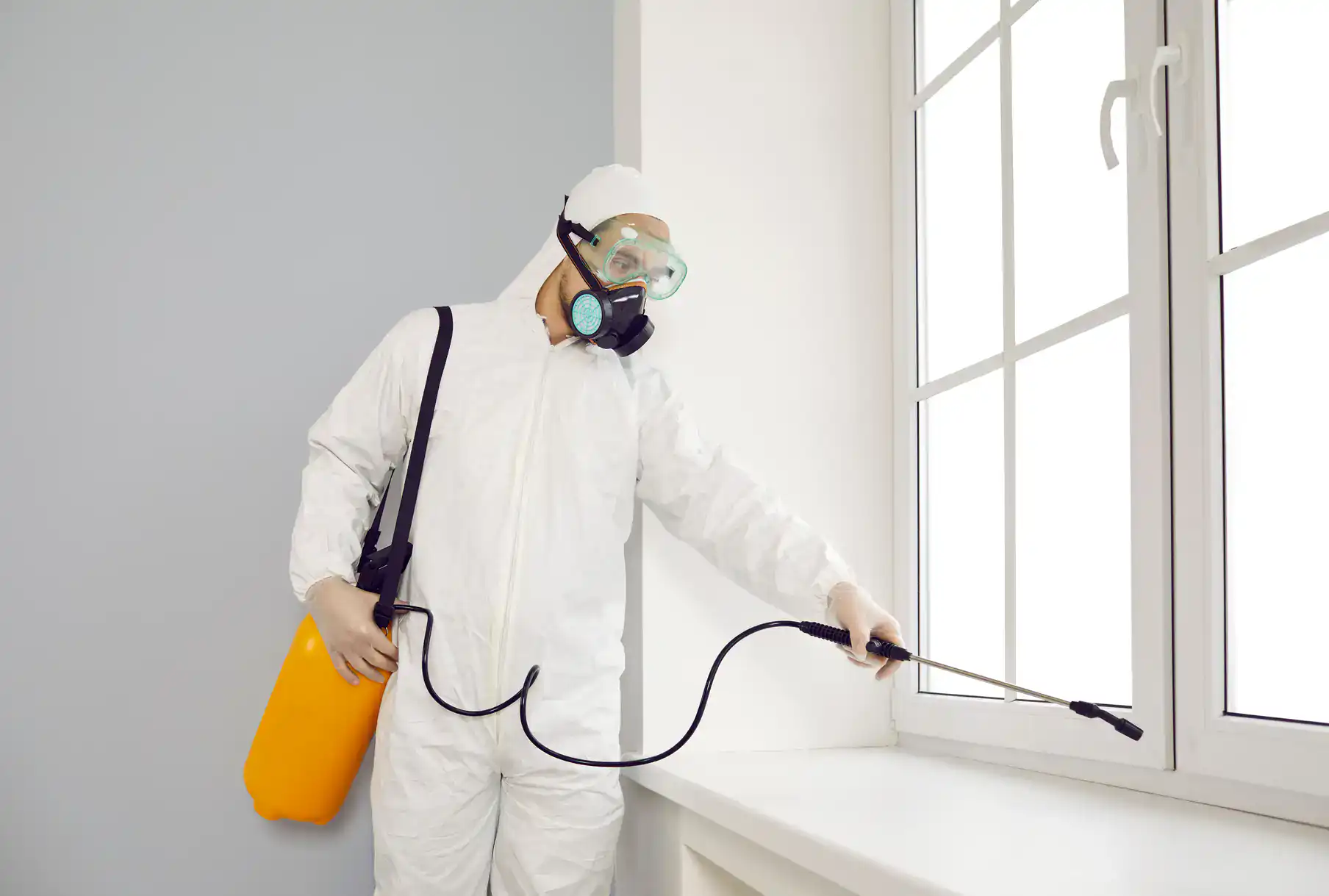
Ready to get started?
Rodent control in Long Island City isn’t a single visit with a box of traps. The service we provide covers the full scope inspection, treatment, and exclusion because in a neighborhood with this much construction activity, subway infrastructure, and aging building stock, addressing only one layer of the problem leaves the others wide open.
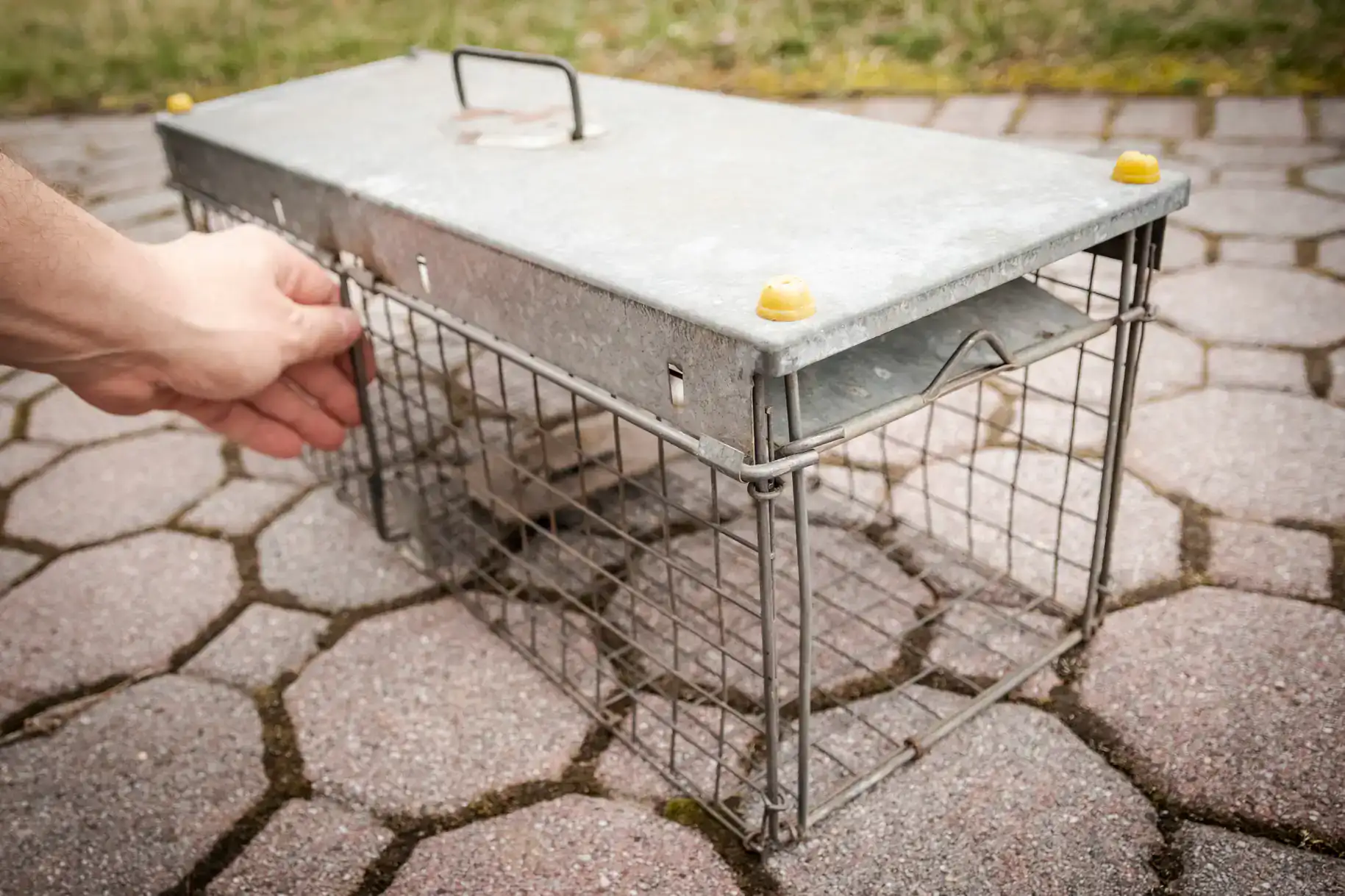
The inspection covers the full perimeter of your property, including basement walls, utility penetrations, floor drains, and any areas where construction-related ground disturbance may have created new entry points. Treatment includes both bait stations and mechanical trapping, placed based on what the inspection reveals not a standard setup that ignores your building’s actual layout. Exclusion work, which means physically sealing the entry points rodents are using, is the step that most DIY attempts skip entirely, and it’s often the most important one. If you’re in one of Long Island City’s older attached homes or a building near the Queensbridge area, the exclusion work alone can make a significant difference in whether the problem comes back.
We also work with property managers and building owners throughout Queens County who need documented, compliant remediation to satisfy NYC Health Code requirements or resolve DOHMH violations. The work is performed by licensed applicators using only NYS DEC-registered materials, which matters both for safety and for regulatory compliance.
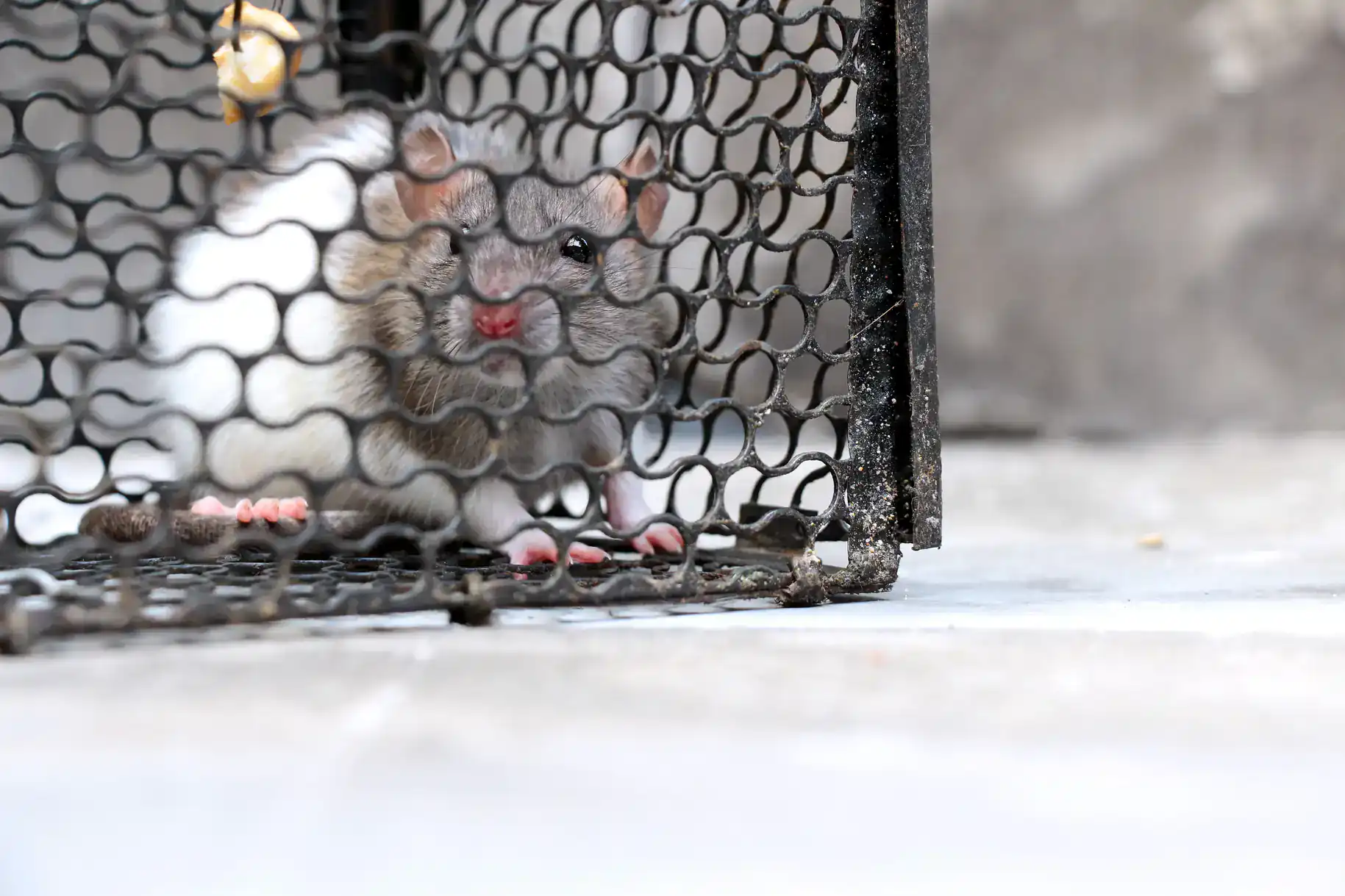
The most common reason rodent activity spikes in Long Island City is nearby construction. Every time a development project breaks ground excavating a foundation, demolishing an old structure, running new underground utilities it disturbs established rat colonies that have been living in the soil and infrastructure of that site for years. Those rats don’t disappear. They migrate, and the nearest occupied building is usually where they end up.
Long Island City has been one of the most active construction zones in the country for over a decade, which means this isn’t a seasonal problem it’s a near-constant pressure. If you’ve noticed a sudden increase in rodent activity, the first thing worth checking is whether there’s been new construction or demolition within a few blocks of your building. That context changes the treatment approach, because sealing entry points becomes just as important as eliminating the rodents already inside.
It does matter, and the signs are usually pretty clear once you know what to look for. Rat droppings are roughly the size of a raisin dark, capsule-shaped, and often found along walls or near food sources. Mouse droppings are much smaller, almost like grains of rice. Rats also tend to leave grease marks along baseboards and walls from their fur, and you’ll often hear heavier movement in walls or ceilings at night. Mice are quieter and faster, and their activity tends to be more scattered.
In Long Island City specifically, Norway rats the large, burrowing species that dominates New York City are the more common issue in ground-floor units, basements, and buildings near Newtown Creek or the waterfront. Mice are more common in upper-floor apartments and older row houses. The treatment approach differs: rats require heavier bait stations and more aggressive exclusion work, while mice infestations often respond well to a combination of trapping and targeted sealing of small entry points. A proper inspection will confirm which you’re dealing with.
Yes, and it happens more often in older urban buildings than most people realize. Norway rats are strong swimmers and can navigate sewer lines with relative ease. In New York City, where the sewer infrastructure in many neighborhoods dates back decades, there are gaps, cracks, and deteriorated pipe connections that give rats access to building plumbing systems. Buildings near combined sewer overflow infrastructure which is common along the Long Island City waterfront and near Newtown Creek face a higher baseline risk.
Floor drains in basements and utility rooms are the most common entry point through plumbing. Toilets are less common but not unheard of, particularly in ground-floor units. If you’ve seen a rat emerge from a drain or noticed unexplained activity near floor-level plumbing, that’s worth flagging during an inspection. A technician can assess whether your building’s drain infrastructure is contributing to the problem and recommend the appropriate exclusion measures to address it.
It depends on the severity of the infestation and, honestly, on what’s happening in the immediate environment around your building. For a relatively contained problem a small number of rodents that have entered recently a single treatment combined with proper exclusion work can resolve things effectively. But in a neighborhood like Long Island City, where construction displacement and subway infrastructure create ongoing external pressure, a single visit sometimes isn’t the end of the story.
If the entry points aren’t fully sealed, or if the source of the infestation is an active construction site nearby, rodents will continue to find their way in even after a successful treatment. That’s not a failure of the treatment it’s a reflection of the environment. We’ll be straightforward with you about what to expect after the job is done. If follow-up visits are likely to be needed based on what the inspection reveals, you’ll know that before the work begins, not after.
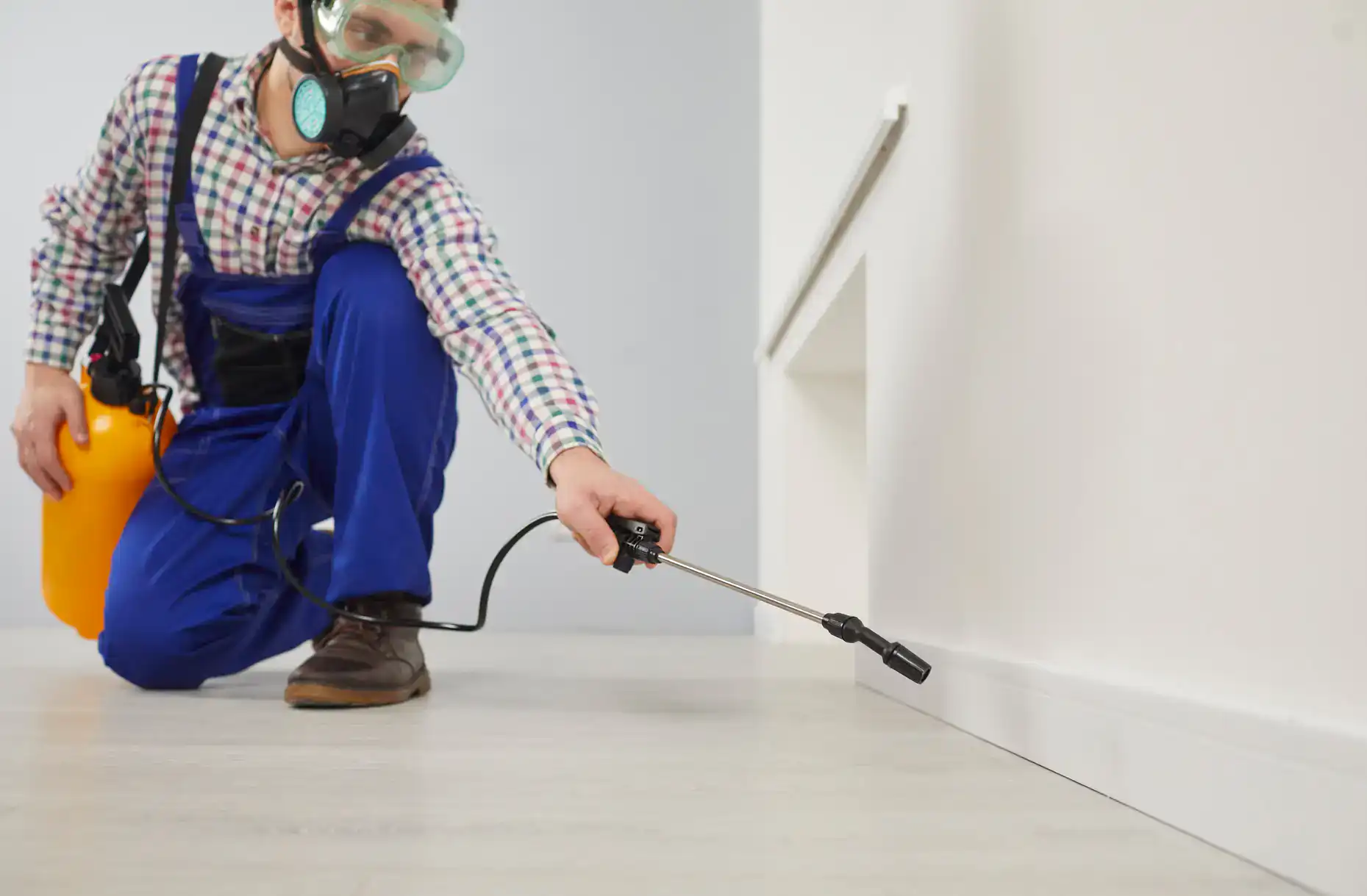
This is one of the most common questions we get, and it’s a fair one especially in Long Island City, where a lot of residents are living in apartments where the treatment area and the living area are essentially the same space. We apply only New York State Department of Environmental Conservation registered pesticide materials, applied by licensed technicians in targeted amounts. These aren’t hardware store products applied in bulk they’re professional-grade materials used in controlled placements based on what the inspection found.
Bait stations, for example, are tamper-resistant and placed in areas that are inaccessible to children and pets. Technicians will walk you through any precautions that apply to your specific treatment before we begin, including whether you need to keep pets or children out of certain areas during or immediately after application. If you have specific concerns about a particular product or application method, ask we’ll give you a straight answer, not a scripted reassurance.
The honest answer is that it varies based on the size of the infestation, the type of building, and how much exclusion work is needed. For a standard residential rodent treatment, most homeowners and renters in the Long Island City area can expect to spend somewhere in the range of $180 to $400 for the initial treatment. If exclusion work physically sealing entry points is needed, that typically adds $200 to $600 depending on the scope. Larger infestations or multi-unit buildings will run higher.
What’s worth knowing is that we offer a free phone consultation and a free estimate before any work begins. You won’t be quoted one number and handed a bill for another. In a neighborhood where building types range from brand-new glass towers in Hunters Point to century-old row houses in Dutch Kills, the cost of the job is genuinely specific to your property and the estimate will reflect that. Call, describe what you’re seeing, and get a real number before you decide anything.
Useful Links