Hear from Our Customers
When termites are dealt with properly, you stop losing ground. The damage stops. The anxiety stops. And if you’re in the middle of a sale or refinance which happens constantly in Long Island City’s active market you get the clean WDO report your lender or co-op board is asking for, on a timeline that doesn’t blow your closing date.
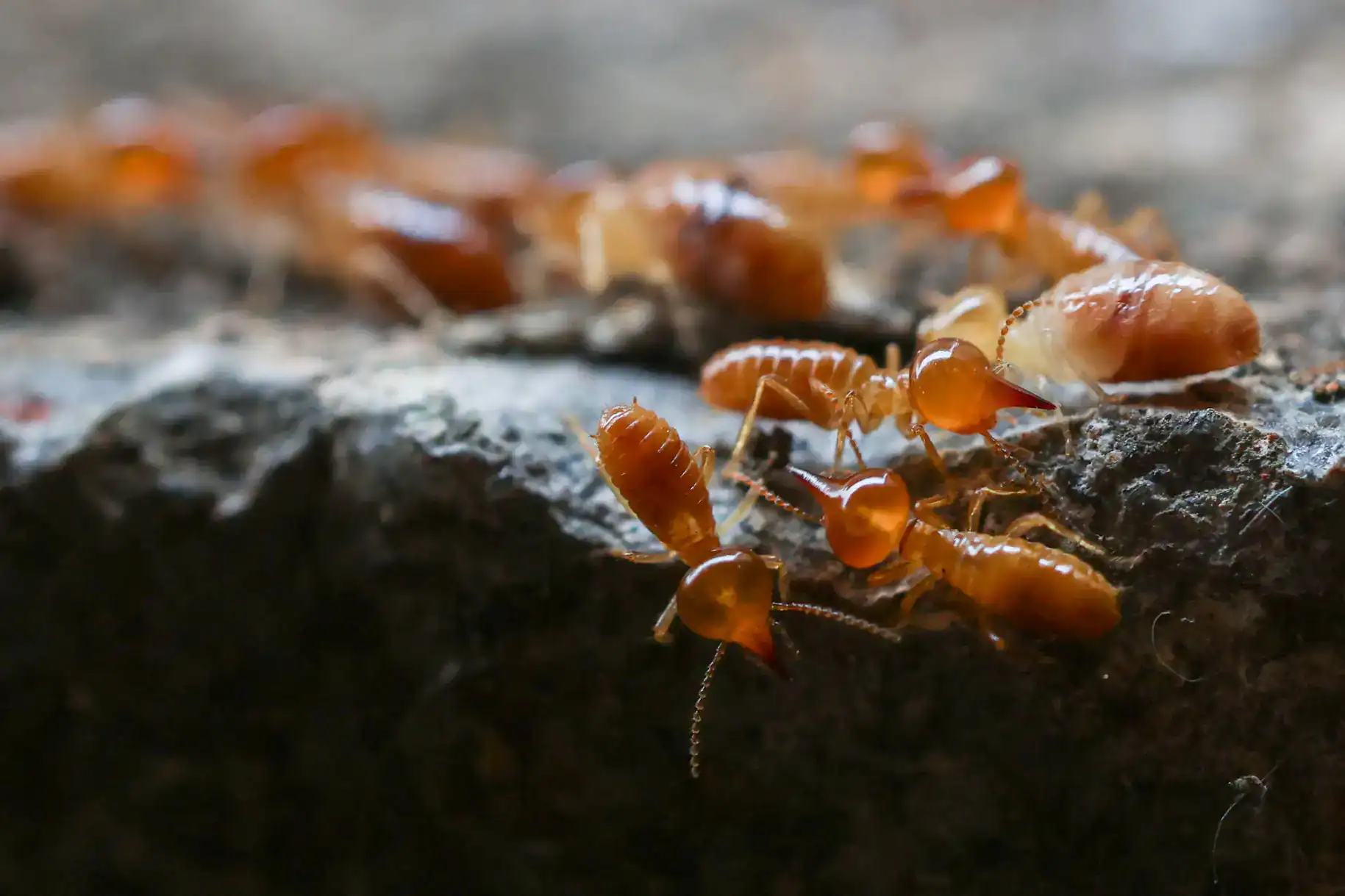
Long Island City has a specific problem that a lot of generic pest control companies underestimate. The soil moisture here is high. Between the East River waterfront, the old Dutch Kills creek bed running under parts of the neighborhood, and proximity to Newtown Creek, the ground in Long Island City stays wet in ways that subterranean termites love. That’s just what the geography does, and it’s why termite colonies here can grow undetected for years before a homeowner ever notices a thing.
The older building stock in the Hunters Point Historic District makes this worse. Pre-war rowhouses with aging sill plates, wood-to-soil contact at the foundation, and decades of deferred plumbing repairs create exactly the kind of entry points termites exploit. Once we’ve done a proper inspection and treatment, those vulnerabilities are documented, addressed, and no longer a silent liability sitting inside your walls.
We were founded in 1971 by Richard Kourbage Sr. and have been run by his sons Richard Jr. and Charles ever since. That’s over 50 years of continuous operation in New York City, with more than 100 years of combined staff experience across our team. We’re not a franchise. Nobody’s rotating in a technician from a call center. When you call Kingsway, you’re reaching a family that has personally handled pest control across every borough including the full range of property types you find throughout Long Island City, from the pre-war rowhouses near Court Square to the converted lofts in Dutch Kills.
Charles Kourbage personally responds to customer reviews. Richard Jr. has been on job sites directly. The accountability here is real, and it’s been real since before most of our competitors existed. We’ve been BBB accredited since 1989. We offer free estimates and same-day inspections are frequently available.
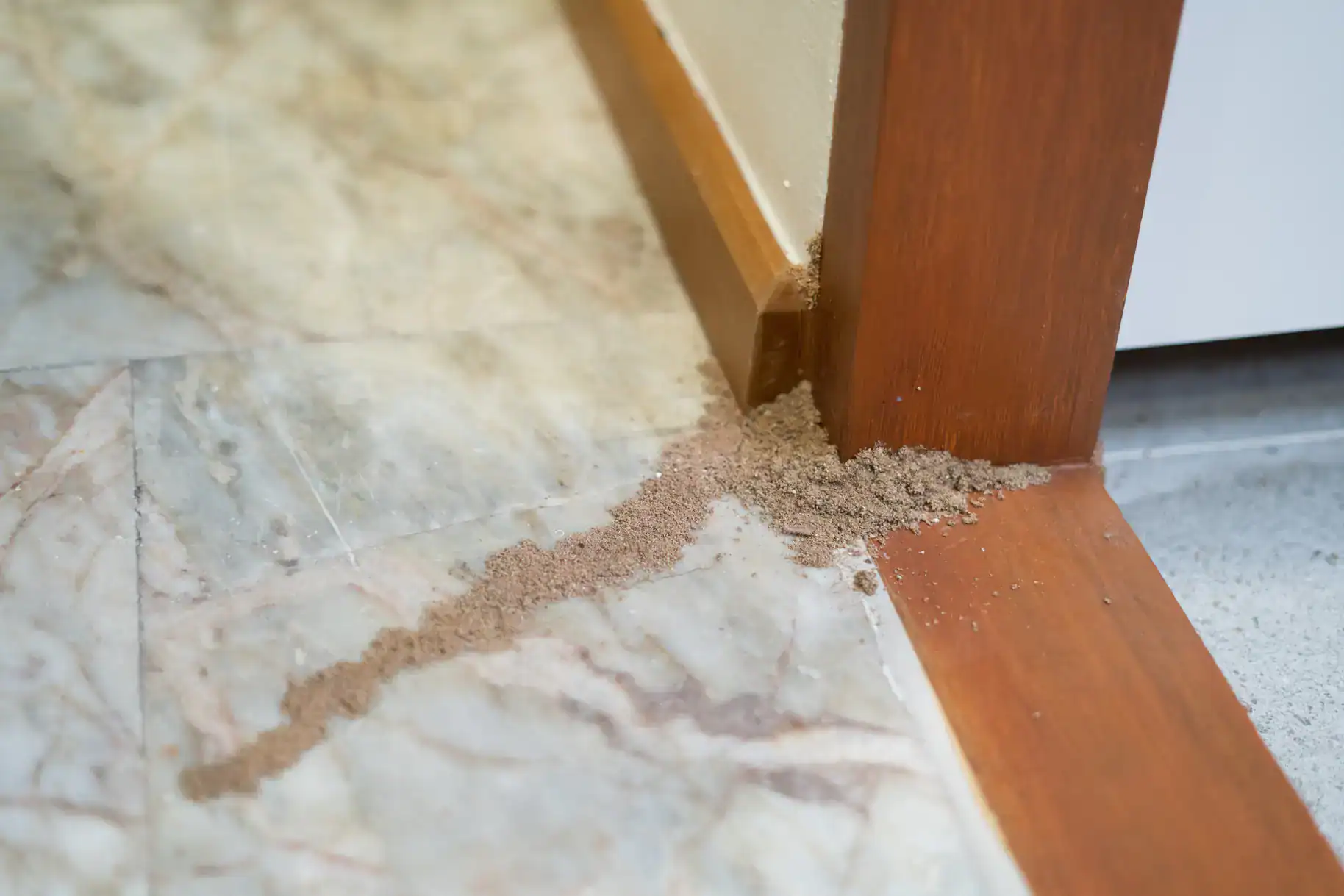
It starts with an inspection. One of our technicians comes to your property in Long Island City whether that’s a Hunters Point rowhouse, a multi-unit rental near Queensboro Plaza, or a commercial space in Dutch Kills and does a thorough walkthrough. We’re looking at foundation points, wood-to-soil contact, moisture conditions, mud tubes, hollow-sounding wood, and any evidence of swarmers. Nothing gets assumed. Everything gets checked.
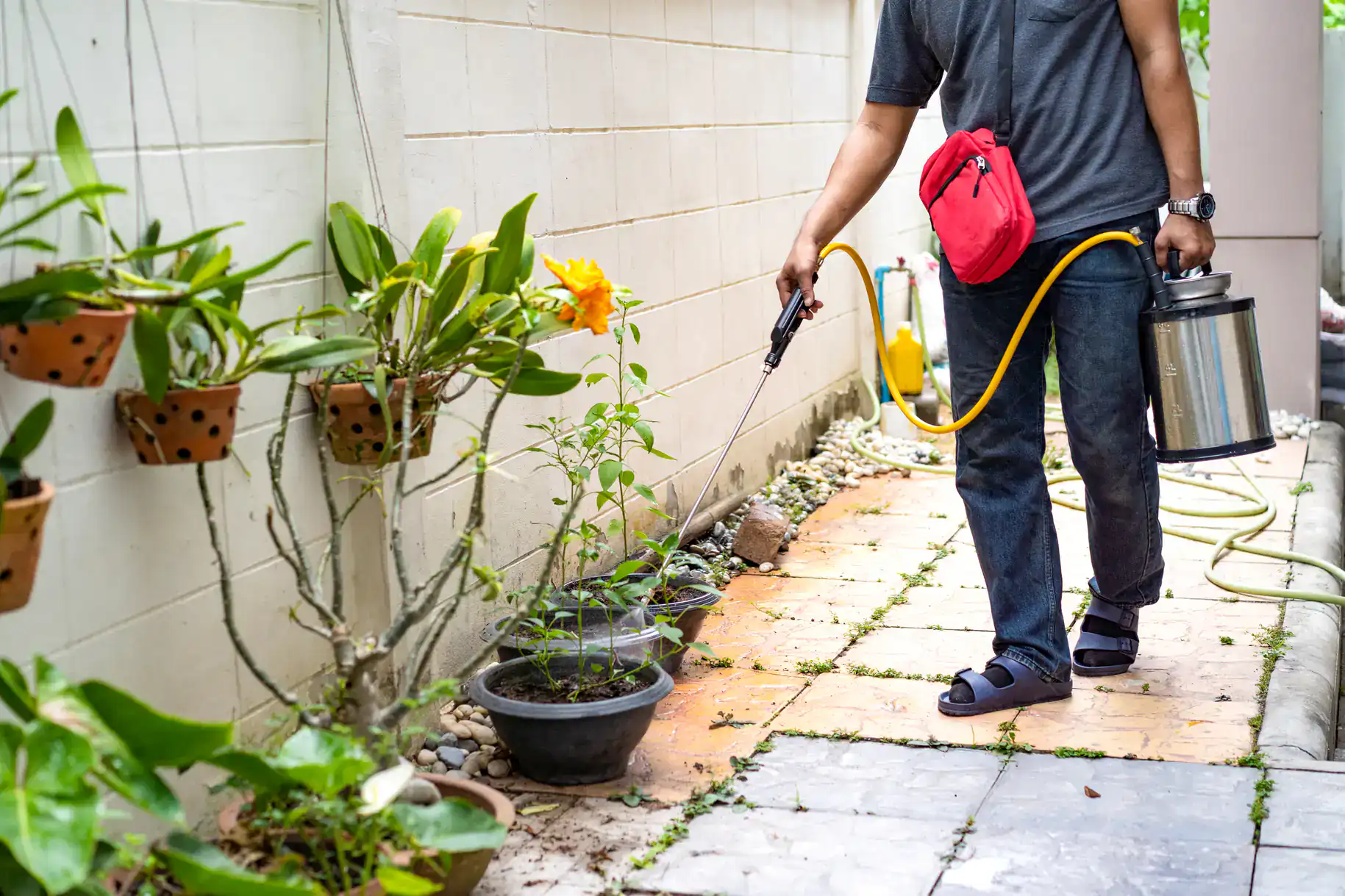
From there, you get a clear picture of what’s happening and what needs to happen next. If termites are confirmed, we build the treatment plan around your specific property not a one-size template. We use liquid barrier treatments and termite baiting systems depending on the infestation, the structure, and what makes sense for your building. All materials are registered with the New York State Department of Environmental Conservation, which matters in a dense residential environment like Long Island City where neighboring units and shared walls are a real consideration.
If you need a WDO (Wood Destroying Organism) report for a real estate transaction common in Long Island City’s high-volume property market we handle that as part of the process. Once treatment is complete, you’ll have documentation of everything done, which your lender, co-op board, or buyer’s agent can work with directly.
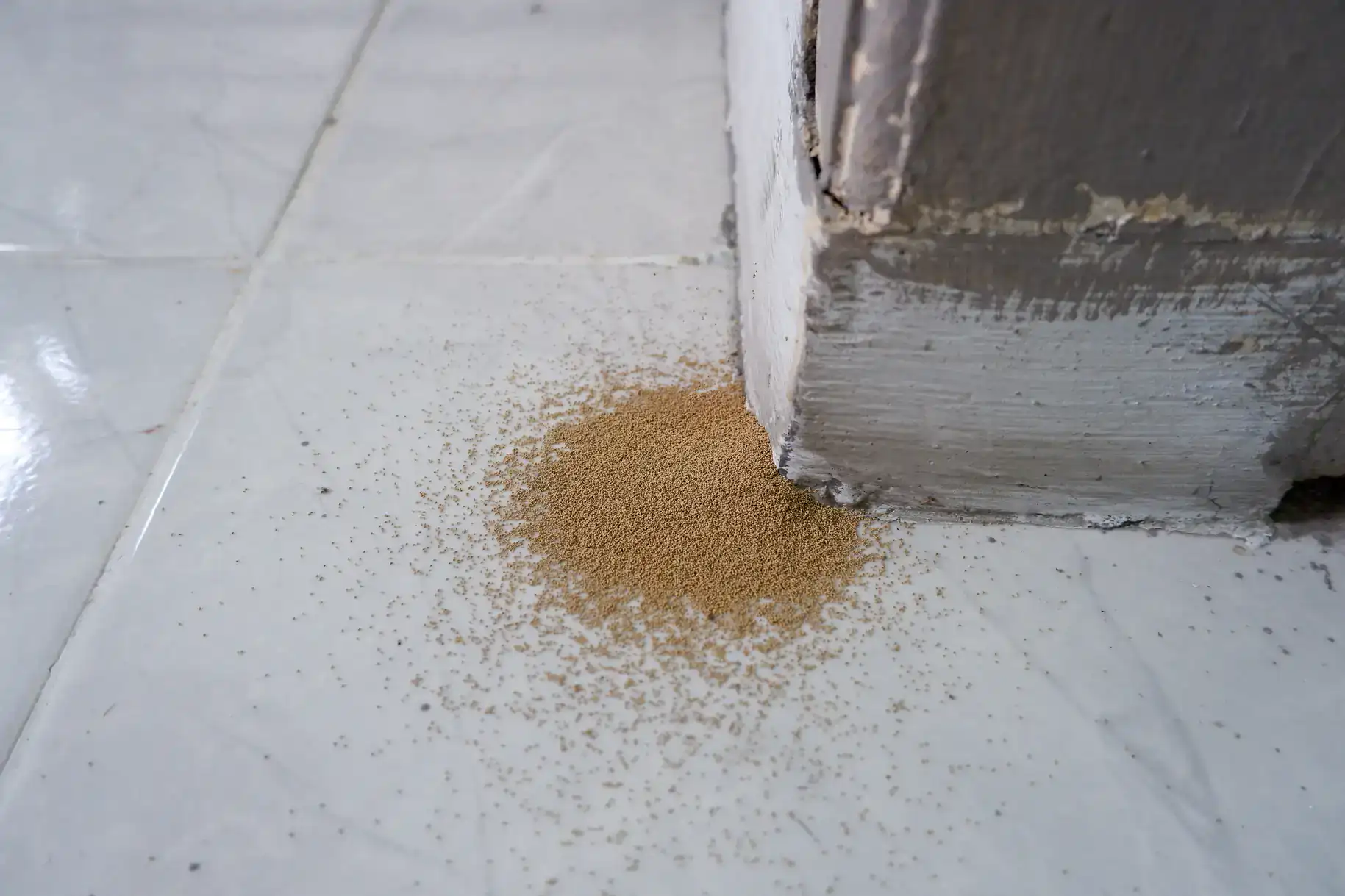
Ready to get started?
Termite control in Long Island City isn’t the same job it is in a uniform suburban neighborhood. The property types here span over 150 years of construction history and our approach reflects that. For older rowhouses and pre-war buildings in Hunters Point, our inspection pays close attention to foundation sill plates, basement framing, and any areas where wood meets soil or moisture. For converted industrial buildings in Dutch Kills, where former factory infrastructure often includes heavy timber framing and irregular foundation conditions, the assessment goes deeper into structural access points that standard inspections miss.
We handle residential and commercial termite control across Long Island City, including multi-family buildings, mixed-use properties, and commercial spaces. If your property has received a NYC Department of Health pest-related citation, we’re equipped to address that directly a specific capability that matters in Long Island City’s dense commercial corridors where DOH inspections are routine. We offer subterranean termite control, termite baiting systems, liquid barrier treatments, and WDO inspections for property transactions.
Every treatment uses only NYS DEC-registered materials, applied by our certified technicians. That’s not a footnote it’s the standard we’ve held for over five decades, and it’s the right standard for a neighborhood as densely occupied as Long Island City.
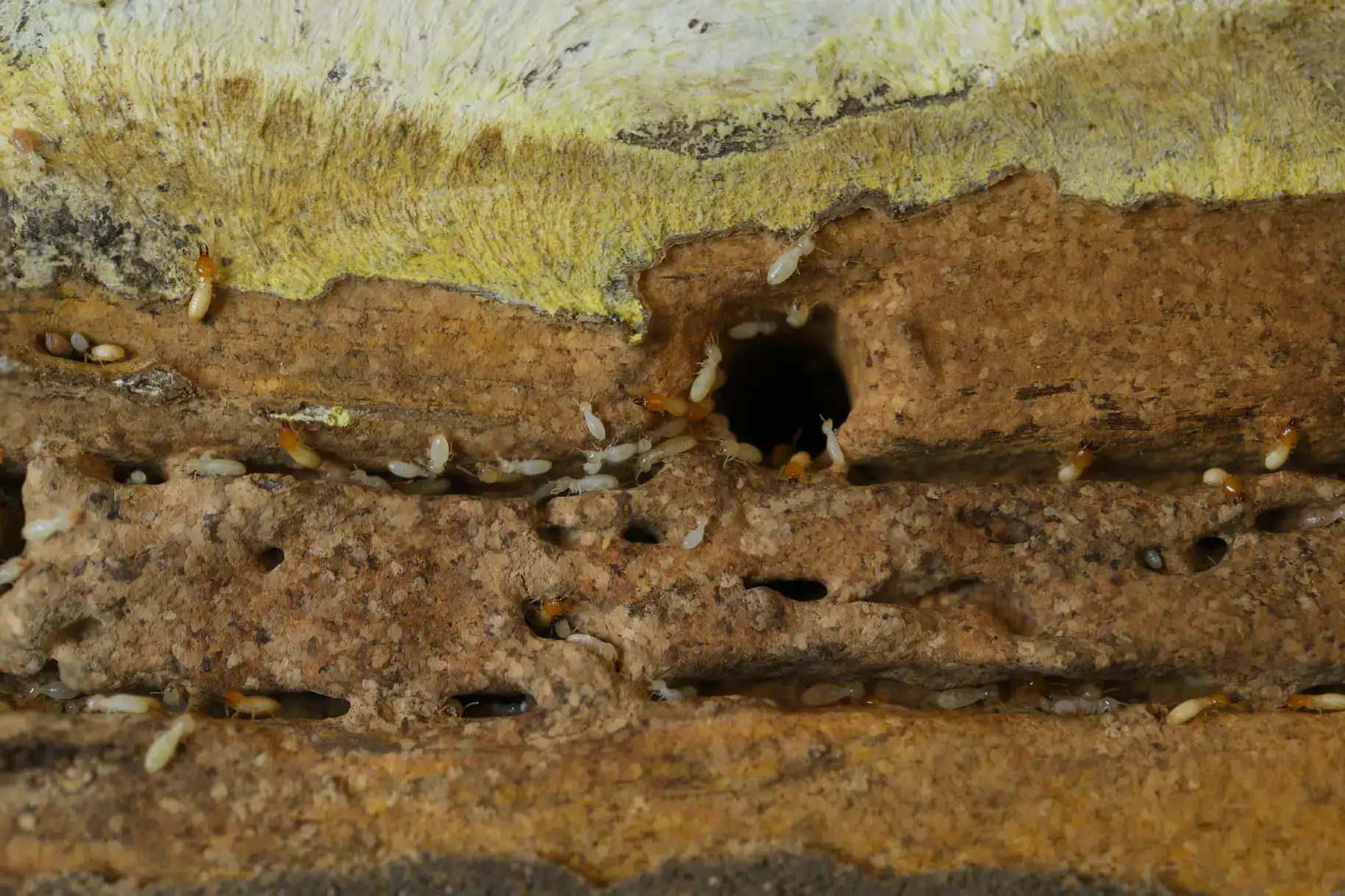
The honest answer is that most people don’t know until the infestation is well established and that’s not because they weren’t paying attention. Subterranean termites in Long Island City work from the ground up, staying hidden inside walls, beneath floors, and within structural framing for years before anything visible appears. By the time you notice hollow-sounding wood, mud tubes along your foundation, or a swarm of winged termites near a window in early spring, the colony has typically been active for a long time.
The most reliable way to know is a professional inspection. Our trained technicians know exactly where to look foundation sill plates, basement framing, areas with any wood-to-soil contact, and spots where moisture has been an issue. In older Hunters Point rowhouses especially, aging plumbing and decades of settling create the kind of hidden moisture pockets that termites gravitate toward. If you’ve seen anything unusual soft spots in flooring, tiny wings near windowsills in spring, or faint mud trails near your foundation don’t wait. Call and get it looked at.
The cost depends on the size of the property, the severity of the infestation, and the type of treatment required. For a typical Long Island City rowhouse or townhome, termite treatment generally runs somewhere between $1,500 and $5,000. Larger multi-unit buildings or commercial properties in Long Island City will be priced differently based on square footage and access complexity.
What matters more than the upfront number is what you’re comparing it to. The average cost of termite damage repair in the U.S. is around $3,000 and structural repairs to joists, beams, or sill plates can reach $10,000 or more. In Long Island City’s real estate market, where property values are among the highest in Queens, undetected termite damage also creates a liability that can reduce a property’s value by roughly 20 percent. Most homeowner insurance policies don’t cover termite damage at all, which means every dollar of repair comes directly out of your pocket. The inspection and treatment cost isn’t the expensive option ignoring it is. We offer free estimates so you know exactly what you’re looking at before committing to anything.
This is one of the most common questions we get from Long Island City residents, and for good reason. Long Island City is a densely occupied neighborhood rowhouses with shared walls, multi-unit rentals, converted lofts with adjacent units. The concern about treatment materials affecting neighboring spaces is completely legitimate.
We use only materials registered with the New York State Department of Environmental Conservation. That registration process exists specifically to ensure that products are evaluated for safety before they’re approved for use in residential and commercial settings. The application methods are also targeted meaning the treatment goes where the termites are, not broadcast throughout a space indiscriminately. For multi-family buildings, our technician will walk through the scope of work with you before starting so you understand exactly what’s being applied, where, and what the re-entry timeline looks like. If you have young children, pets, or specific health concerns, raise them upfront we’ll factor that into the approach.
Termite swarm season in Long Island City typically peaks between March and May, usually triggered by the first warm, rainy days of spring. That’s when reproductive termites the winged ones emerge from an established colony to start new ones. If you see a cluster of small winged insects near a window, a door frame, or along your baseboard, don’t assume they’re flying ants. Swarmers are a sign that a mature colony is already present somewhere in or around your structure.
Long Island City’s urban heat island effect surrounded by concrete, glass, and asphalt on all sides means temperatures here can run slightly warmer than in more park-adjacent neighborhoods, which can extend the active termite season at both ends. If you see swarmers, collect a few in a sealed bag if you can, and call for an inspection immediately. The swarmers themselves don’t cause the damage the workers feeding inside your walls do. But swarmers are the clearest visible signal that something is already happening, and the faster you respond, the less structural damage you’re dealing with.
It’s a fair question, especially given how much new residential construction has gone up in Long Island City over the last decade. The short answer is yes new buildings are not immune, though the risk profile is different from a pre-war rowhouse.
Modern construction still uses wood in framing, flooring systems, interior finishes, and structural elements. If there’s soil disturbance during construction which is unavoidable in a neighborhood as actively developed as Long Island City that activity can displace existing termite colonies and push them toward adjacent structures. Renovation and buildout work in newer buildings also frequently uncovers pre-existing infestations in the soil or in remnant wood from prior structures on the same site. For condo owners in newer Long Island City buildings, the more common entry point for termite concerns is a WDO inspection tied to a purchase or refinance. If you’re buying a unit and your lender is asking for one, we can handle that inspection and deliver the report on a timeline that works with your closing schedule.
Yes and this is one of the more frequent requests we get from Long Island City specifically. Long Island City’s real estate market moves fast, with a high volume of condo sales, co-op transfers, and investment property transactions happening throughout the year. FHA and VA mortgage approvals require a WDO (Wood Destroying Organism) inspection report, and many conventional lenders and co-op boards request them as well.
We’re licensed to perform these inspections and provide the written reports that lenders and property managers require. Because same-day inspections are frequently available and appointments are guaranteed within two business days, the turnaround is fast enough to work within most closing timelines which in Long Island City’s competitive market is often a non-negotiable. If the inspection turns up evidence of termites or other wood-destroying organisms, you’ll have a clear treatment plan in hand before the deal falls apart, giving you options rather than surprises. We offer free estimates, and the process is straightforward from the first call.
Useful Links