
Hear from Our Customers
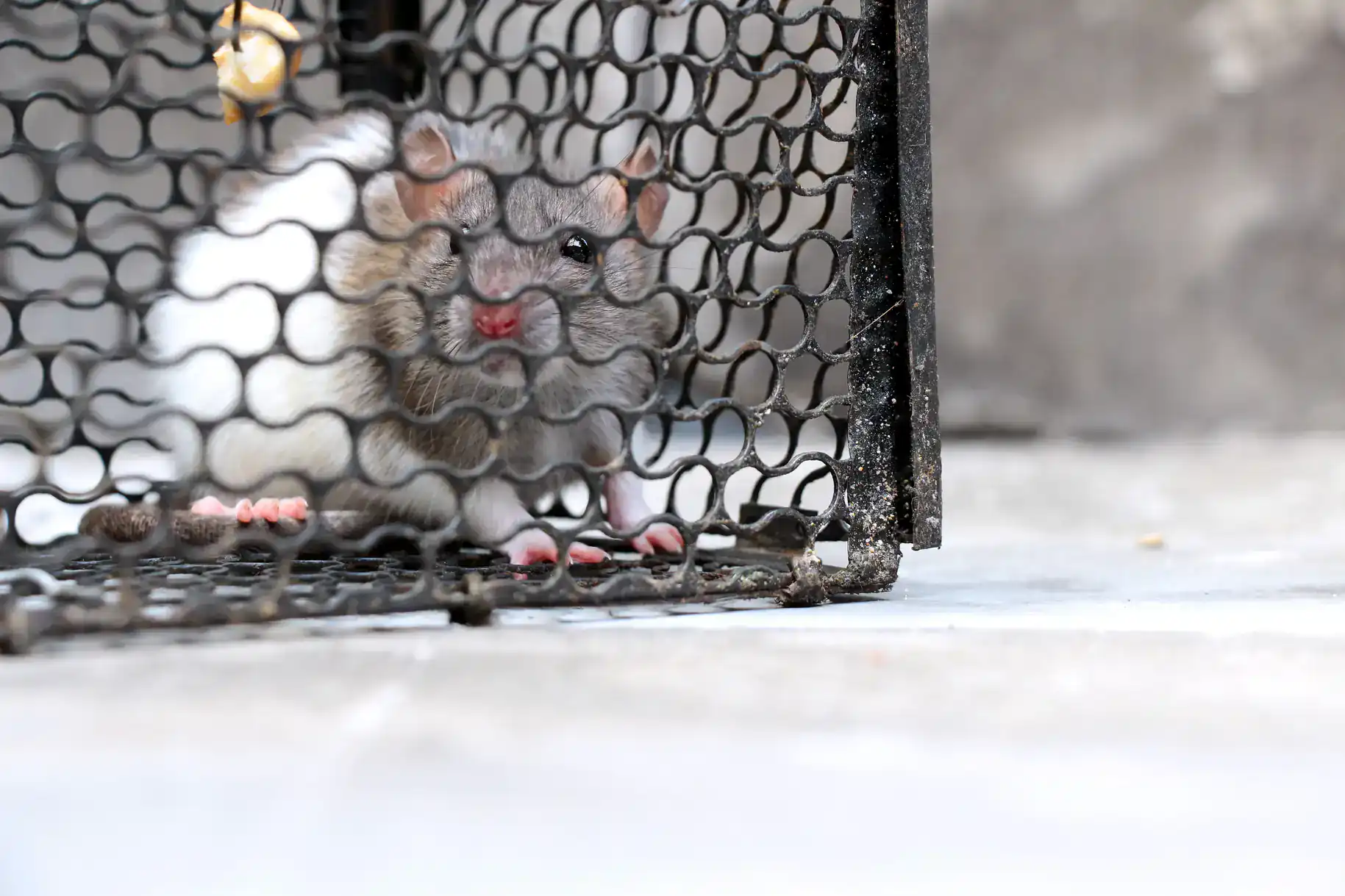
The scratching stops. The droppings disappear. You stop checking behind the refrigerator every morning. That’s what rodent removal in Rego Park actually looks like when it’s done right not a trap tossed in a corner, but a real inspection that finds where they’re getting in and shuts it down.
Rego Park’s housing stock is part of the challenge. Many of the mid-rise and high-rise co-op buildings along Queens Boulevard were built in the 1940s and 1950s. Decades of settling, aging pipe chases, and worn building envelopes mean there are entry points that have never been sealed. Rats can squeeze through a hole the size of a quarter. Mice need even less. In a building that old, those gaps are everywhere and no amount of snap traps fixes that.
The Queens Center Mall sits right at the edge of Rego Park, and that matters. The food courts, loading docks, and commercial garbage from that corridor create a sustained food source that keeps rodent populations fed and active year-round. Norway rats travel up to 150 feet from their nesting sites daily. The residential streets of Rego Park are well within that range. A real rodent pest control plan here accounts for that external pressure not just what’s already inside your unit.
We were founded in 1976 by Richard Kourbage Sr. His sons Richard Jr. and Charles joined the business in 1987 and 1989 respectively, and they’re still running it today. That’s not a detail for a brochure it means when something goes wrong, there’s a real person accountable for fixing it. No franchise. No call center. No rotating technicians who’ve never seen your building before.
We hold an A+ rating with the Better Business Bureau of New York State, accredited since 1989. New York attorneys and real estate brokers refer clients to us including clients navigating Rego Park co-op transactions where a pest issue can hold up a sale. That kind of professional referral doesn’t happen by accident.
Rego Park’s Community Board 6 area, which includes Forest Hills, has over 115,000 residents. It’s a dense, established neighborhood with a tight community network. We’ve been serving buildings in this part of Queens long enough to understand exactly what drives rodent pressure here and what actually solves it.
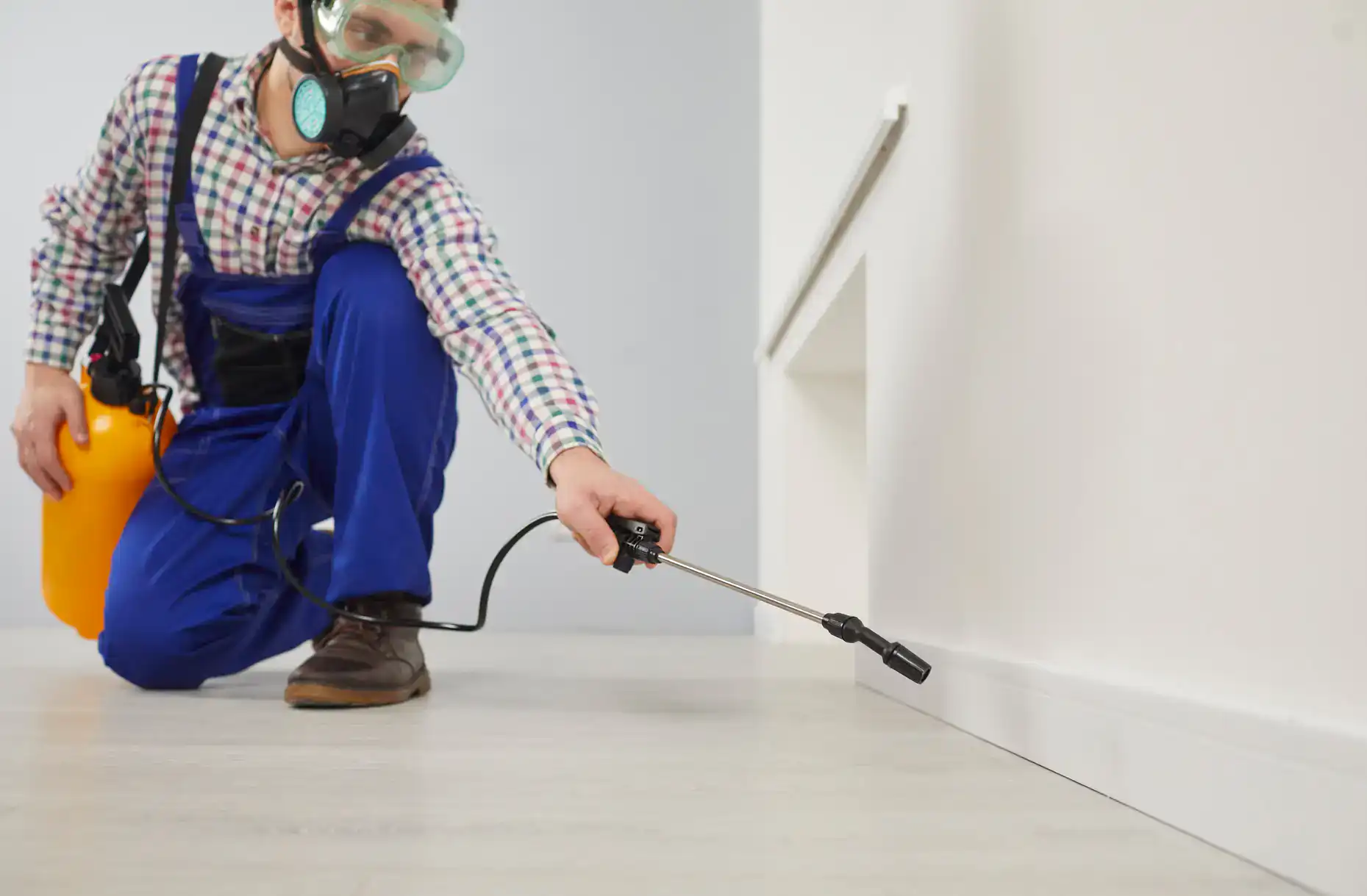
It starts with a thorough inspection interior and exterior. In Rego Park’s older apartment and co-op buildings, that means looking beyond your unit. Our technicians check basements, utility corridors, garbage rooms, pipe chases, and exterior foundation gaps. These are the areas where rodent activity typically originates in this type of building stock, and skipping them means treating symptoms instead of the source.
From there, we identify the species Norway rat, roof rat, or house mouse because the behavior, entry points, and treatment approach differ between them. Norway rats, the dominant species in NYC, burrow and tend to enter through ground-level gaps and basement infrastructure. House mice are more opportunistic and can be active on upper floors through wall voids and utility penetrations. Treatment is customized based on what’s actually there, not a one-size approach.
All materials we apply are registered with the New York State Department of Environmental Conservation. That’s not optional in Rego Park NYC Health Code requires licensed professionals for multi-unit residential and commercial buildings, and unlicensed treatment in a co-op building can create real regulatory exposure for building owners. After treatment, we set monitoring stations and schedule follow-up visits, because a single service call doesn’t account for the ongoing rodent pressure that comes with living next to one of the busiest commercial corridors in Queens.
Ready to get started?
Most rodent control content online is written for suburban homeowners with a detached house and a crawl space. That’s not Rego Park. Here, you’re likely in a co-op or rental apartment where the rodent problem crosses unit lines, travels through shared infrastructure, and requires coordination between residents and building management. Our rodent control services are built for exactly that reality.
Every service we provide includes a full inspection of both the unit and relevant common areas, species identification, targeted treatment using NYS DEC-registered materials, exclusion work to seal confirmed entry points, and a monitoring plan with scheduled follow-up. If you’re a co-op board member or building manager, we can work directly with building management to address the problem at the building level not just patch one unit while the colony continues moving through the walls.
For buildings along Queens Boulevard or near the 63rd Drive corridor, where mixed-use construction puts residential floors directly above food service operations, our inspection process specifically accounts for ground-floor commercial activity as a rodent entry and food source driver. The IND Queens Boulevard Line runs beneath Rego Park, and buildings close to the subway corridor get particular attention to sub-basement and foundation entry points. This isn’t a generic rodent infestation checklist it’s a process built around what’s actually happening in Rego Park.
This is one of the most common questions Rego Park residents ask, and the answer depends on where the problem is originating. In a co-op building, the board and management are generally responsible for pest control in common areas basements, hallways, garbage rooms, utility corridors, and the building’s exterior envelope. Individual shareholders are typically responsible for conditions within their own units. The complication is that in most rodent situations, the two aren’t cleanly separated. Rodents traveling through a shared pipe chase or basement don’t respect unit boundaries.
If you’re seeing activity in your unit but believe it’s entering from common areas or building infrastructure, document it and notify building management in writing. Under the NYC Health Code, building owners are legally required to maintain pest-free properties this isn’t a courtesy, it’s a code obligation. If management isn’t responding, you can file a complaint with the NYC Department of Health or HPD. We can work with both individual residents and building management, and can provide documentation of findings that supports your case if you need it.
The signs are different enough that it’s worth knowing which you’re dealing with, because the treatment approach isn’t the same. Rat droppings are larger roughly the size of a raisin and are often found near walls, behind appliances, or along baseboards. You may hear heavier movement in walls or ceilings, especially at night, since Norway rats (the dominant species in NYC) are primarily nocturnal. Gnaw marks on food packaging, structural materials, or even wiring are also a strong indicator.
Mouse droppings are much smaller, resembling dark grains of rice, and tend to appear in higher volumes because mice are more active and less cautious than rats. You might also notice nesting material shredded paper, insulation, or fabric tucked behind appliances or inside cabinets. In Rego Park’s older co-op buildings, mice frequently travel through wall voids between floors, so activity on upper floors doesn’t mean the entry point is on your level. A professional inspection is the only reliable way to confirm species, trace the entry pathway, and build a treatment plan that actually addresses the source.
Yes, and it’s worth taking seriously. The CDC documents more than 35 diseases that rodents can spread to humans not just through direct contact, but through droppings, urine, and saliva that contaminate surfaces and air. Hantavirus, leptospirosis, salmonella, and rat-bite fever are among the documented risks. In a dense apartment building, rodent droppings accumulate in wall voids, behind appliances, and in basement areas spaces that residents don’t regularly clean or even access. That contamination doesn’t disappear when the rodents are gone.
Rego Park’s Community Board 6 area has an average life expectancy of 85.4 years higher than the NYC median which reflects a community that genuinely prioritizes health. If you have children, elderly family members, or anyone immunocompromised in your household, the health risk from an active rodent infestation isn’t abstract. Proper remediation includes not just removing the rodents but safely addressing contaminated areas. Our technicians are trained to handle this correctly, using NYS DEC-registered materials in a way that minimizes ongoing exposure risk to your household during and after treatment.
Recurring rodent problems in Rego Park almost always come down to one of two things: entry points that were never sealed, or an external pressure source that keeps pushing new rodents toward the building. A treatment that only addresses the rodents already inside without exclusion work to close the gaps they used to get in is a temporary fix. New rodents will follow the same pathways within weeks.
The external pressure piece is particularly relevant in this neighborhood. The commercial corridor along Queens Boulevard and 63rd Drive, combined with the Queens Center Mall directly adjacent to Rego Park, creates a sustained food source that supports large rodent populations year-round. Norway rats from that corridor actively forage into surrounding residential streets. On top of that, the IND Queens Boulevard Line runs beneath Rego Park, and subway infrastructure is a well-documented rodent habitat. Buildings near the subway corridor can face entry pressure from below, through drainage connections and foundation gaps. A rodent control plan that doesn’t account for these ongoing pressures will keep producing the same result. Our follow-up monitoring is specifically designed to catch re-entry before it becomes a re-infestation.
Yes. Under the NYC Health Code, commercial properties and multi-unit residential buildings are required to use a licensed pest management professional for rodent control self-treatment is not a legal option in these settings. This applies to the vast majority of housing in Rego Park, which is dominated by co-op and rental apartment buildings rather than single-family homes. Building owners who fail to address a documented rodent infestation can face violations and fines from the NYC Department of Health or HPD.
There’s also a newer layer to this: as of April 2023, NYC law requires applicants for certain construction work permits to certify that a licensed exterminator treated the premises for rodent extermination before work begins. Given the ongoing construction and infrastructure activity along the Long Island Expressway corridor which forms Rego Park’s northern border this requirement is directly relevant to properties near active work zones. When construction displaces established rodent colonies along the LIE, those populations migrate south into Rego Park’s residential streets. We are fully licensed, bonded, and insured, and apply only NYS DEC-registered materials meeting every requirement for multi-unit residential and commercial service in Queens.
Late September through February is consistently the peak period for rodent activity in Rego Park and throughout Queens. As temperatures drop and January lows in this part of NYC regularly fall into the mid-to-upper 20s Norway rats and house mice that have been living in outdoor burrows, storm drain systems, and the subway infrastructure beneath Queens Boulevard begin moving toward warmer indoor environments. Rodent activity can increase by roughly 25% during winter months compared to the warmer seasons.
That said, spring and summer aren’t quiet. Rodent populations build through the warmer breeding season a female house mouse can produce six to ten litters in her lifetime, with first litters arriving as early as two months of age which means the fall surge is driven by a population that’s been growing all summer. The commercial activity along Queens Boulevard and the 63rd Drive corridor doesn’t slow down seasonally either, so the food source pressure that draws rodents toward Rego Park’s residential blocks is year-round. If you’re noticing activity now, regardless of the season, it’s worth having it looked at before the population grows or spreads further through the building.
Useful Links
Other Services we provide in Rego Park