Hear from Our Customers
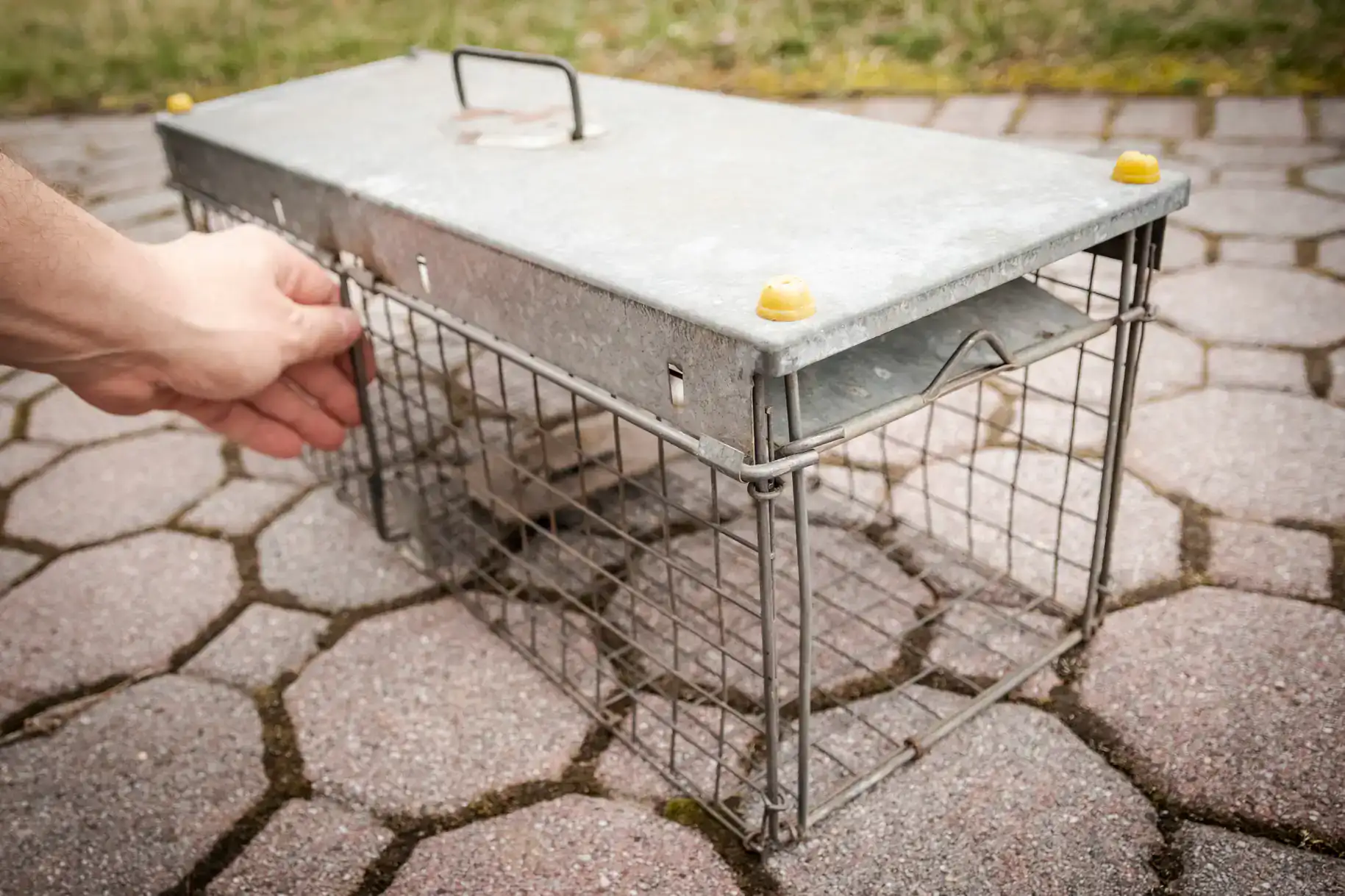
You stop finding droppings behind the stove. You stop hearing scratching inside the walls at night. You stop wondering whether the gap behind the baseboard is where they’re getting in because we actually found it, sealed it, and made sure it stays that way. That’s what a real rodent control service looks like when it’s done right.
In Sheepshead Bay specifically, the challenge isn’t just getting rid of what’s already inside. The seafood restaurants and fish markets along Emmons Avenue generate a steady food source that keeps rodent pressure high year-round. Eliminating the rodents in your home without addressing the conditions that keep drawing them back is a short-term fix at best. The treatment has to account for what’s happening outside your walls, not just inside them.
The neighborhood’s older building stock brick row houses, converted bungalows, semi-attached homes built anywhere from the 1920s to the 1960s gives rodents plenty of ways in. Decades of settling, pipe replacements, and utility work leave gaps that are easy to miss on a quick walk-through. A thorough inspection finds what a hardware-store fix doesn’t. And when those entry points are sealed properly, you’re not just solving today’s problem you’re cutting off the route for the next one.
We were founded in 1976 by Richard Kourbage Sr. and have been run by his sons Richard Jr. and Charles since the late 1980s. Our headquarters is at 2216 Flatbush Avenue in Marine Park the neighborhood directly next to Sheepshead Bay. This isn’t a national chain routing calls through a distant office. We’re a family business that has been working the same southern Brooklyn streets for over five decades, and we know Sheepshead Bay’s specific conditions the bay, the restaurant corridor, the older housing stock, the dense semi-attached blocks because we’ve been covering this area firsthand.
We hold an A+ rating with the Better Business Bureau and have been BBB-accredited since 1989. We apply only NYS DEC-registered pesticide materials and are licensed, bonded, and insured trusted by New York attorneys and real estate professionals who deal with pest documentation regularly.
It starts with a free phone consultation. You describe what you’re seeing droppings, sounds, sightings, whatever it is and a knowledgeable team member helps you understand what you’re likely dealing with before anyone shows up or any money changes hands. From there, we schedule an appointment, typically within 48 hours and often the same day.
On-site, our inspection covers both the interior and the exterior of the property. In Sheepshead Bay’s older row houses and apartment buildings, that means checking foundation gaps, pipe penetrations, utility entry points, and basement conditions the areas where moisture from the bay tends to concentrate and where rodents find the easiest access. The inspection isn’t a formality. It’s the step that determines whether the treatment actually works long-term or just temporarily reduces the population inside.
We apply treatment using only NYS DEC-registered materials, handled by our certified applicators. For commercial properties along Emmons Avenue or Avenue U where the NYC Health Code requires documented pest control contracts under Section 81.23 our licensing status means the service counts toward compliance. After treatment, we seal the entry points identified during inspection. That’s the part most operators skip. It’s also the part that makes the difference between a one-time call and a recurring problem.
Ready to get started?
Rodent control in Sheepshead Bay isn’t a one-size situation. A ground-floor apartment one block off Emmons Avenue has different vulnerabilities than a semi-attached row house on East 15th Street or a co-op unit in a mid-century building near Kings Highway. The service we deliver is built around what’s actually found during the inspection not a preset package applied the same way regardless of the property.
For residential properties, that typically means a full interior and exterior inspection, targeted bait and trap placement, and exclusion work on identified entry points. For commercial accounts restaurants, fish markets, food service businesses along the Emmons Avenue corridor we include the documentation required under NYC Health Code Section 81.23, with records of our DEC license number, services performed, and contract dates kept on file and available for inspectors. This isn’t a box to check. It’s a legal requirement, and failing an inspection because your exterminator wasn’t properly licensed is an avoidable problem.
For renters dealing with landlord inaction a documented issue in this neighborhood, including cases at buildings on Emmons Avenue that accumulated hundreds of HPD violations our service records can support a formal complaint or legal proceeding. If you’re in that situation, that documentation matters more than most people realize until they need it.
The short answer is food supply. The seafood restaurants, fish markets, and waterfront eateries along Emmons Avenue produce a continuous stream of food waste fish scraps, shellfish remains, restaurant garbage that sustains a large, active rodent population year-round. Unlike neighborhoods where rodent pressure is primarily driven by residential trash, Sheepshead Bay has a commercial food-waste driver that doesn’t shut off seasonally. The restaurants operate in January the same as they do in July.
What that means practically is that rodents eliminated from your home will be replaced by new ones moving in from the surrounding area unless the entry points are sealed. Extermination alone traps, bait, poison reduces the population temporarily. Exclusion work is what keeps the population out after treatment. In a neighborhood with this level of sustained external pressure, skipping that step isn’t a cost savings. It’s a reason you’ll be calling again in three months.
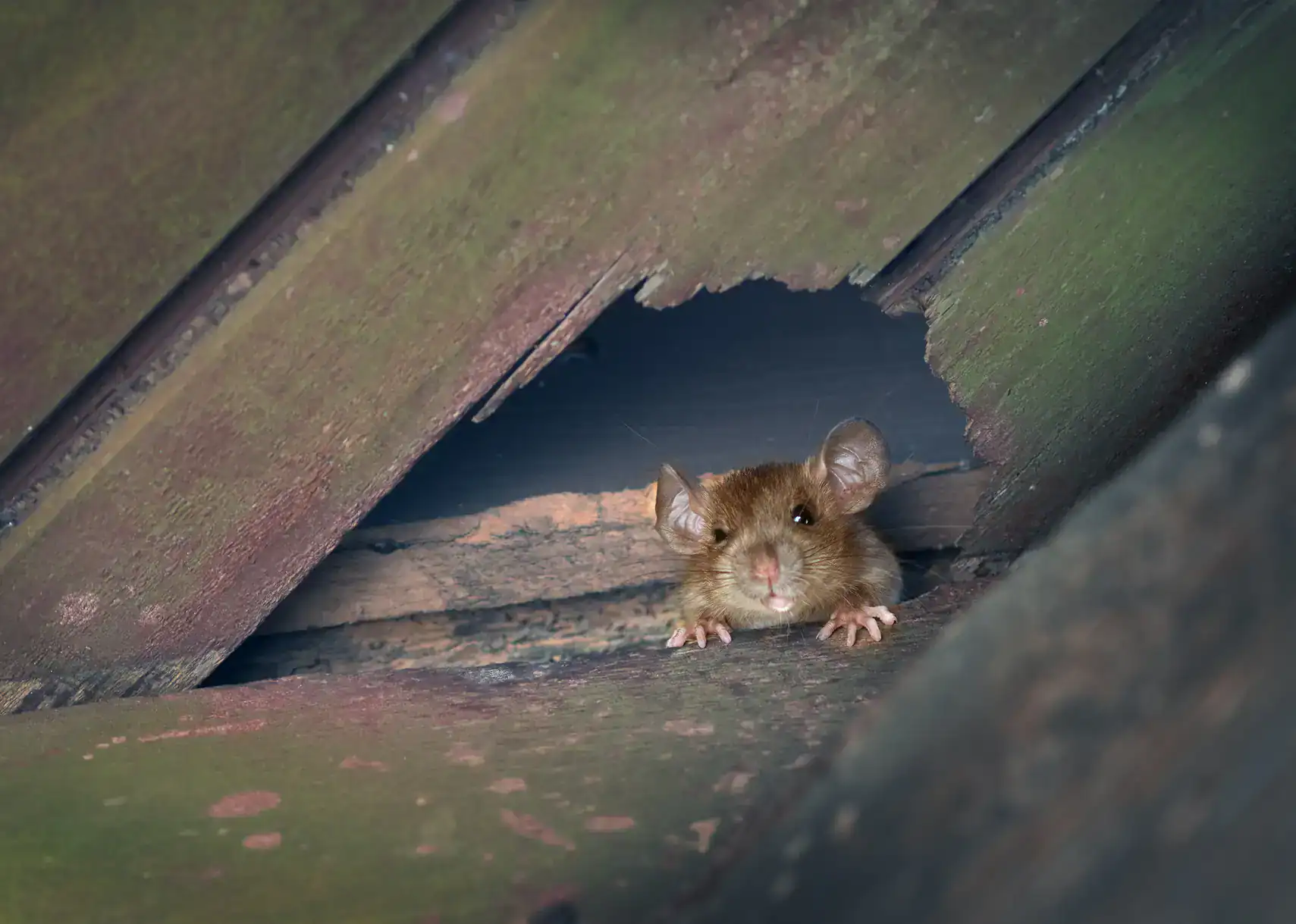
Rats can enter through a gap the size of a quarter. Mice need only a hole the size of a pencil eraser. In Sheepshead Bay’s older residential stock much of it built between the 1920s and the 1960s those gaps are everywhere, and most of them aren’t visible from inside the unit. Foundation settling, decades of pipe replacements, utility upgrades, and repeated modifications to the building envelope all create openings that accumulate over time.
The most common entry points in this area’s building stock are around pipe penetrations in basement walls, gaps where utility lines enter the foundation, deteriorated door sweeps and threshold seals, and cracks in mortar joints on older brick facades. Semi-attached homes are particularly vulnerable because rodents can move through shared wall cavities between units. A professional inspection goes through all of these systematically not just the areas where you’ve already seen activity, but the areas where activity is likely to originate.
Yes, and it’s one of the more overlooked factors in this neighborhood. Sheepshead Bay sits adjacent to a tidal inlet that opens into Jamaica Bay and the Atlantic. That proximity creates persistently elevated humidity especially in basement units, crawl spaces, and ground-floor spaces in older buildings. Rodents, particularly Norway rats, actively seek warm, damp environments for nesting and burrowing. The moisture conditions that the bay creates in Sheepshead Bay’s lower-level spaces are close to ideal for them.
This is why basement apartments and ground-floor units in this neighborhood tend to see higher rodent activity than upper floors, and why the problem tends to be worse in the fall and winter when rodents are actively seeking warmth indoors. A thorough inspection in Sheepshead Bay accounts for moisture-related vulnerabilities specifically drainage conditions around the foundation, damp areas in crawl spaces, and pipe penetrations where humidity concentrates. Ignoring those conditions and just treating the visible infestation leaves the underlying attraction in place.
It’s one of the most common triggers for a sudden infestation, and Sheepshead Bay has seen significant construction activity over 2,100 new housing units added from 2010 to 2024, with development continuing. When excavation or demolition disrupts an established rodent colony, the displaced population doesn’t disappear. It moves typically into the nearest available structure with food access and shelter. If that happens to be your building, you’ll often see a rapid increase in activity that seems to come out of nowhere.
The key difference between construction-driven displacement and a standard infestation is that the entry pressure is higher and more concentrated in a short window. Rodents are actively seeking new harborage rather than gradually expanding a colony. That means the exclusion component of treatment is especially important sealing entry points quickly and thoroughly, before the displaced population has time to establish itself inside the structure. If you’ve noticed a sudden change in rodent activity that coincides with nearby construction, that’s not a coincidence, and it should be treated accordingly.
Under the NYC Housing Maintenance Code, landlords are legally required to maintain buildings free of pests. Tenants have the right to a pest-free dwelling, and a landlord who fails to address a documented infestation can face HPD violations. This isn’t theoretical buildings at 3205 and 3191 Emmons Avenue in Sheepshead Bay accumulated hundreds of HPD violations related to rodent and pest conditions, ultimately resulting in a $2.1 million city enforcement settlement against the management company.
If your landlord has been unresponsive, the most important thing you can do is document everything: written requests, dates, responses or lack of them, photos of droppings or damage, and records of any professional pest control services you’ve arranged independently. We provide service documentation that can be used in an HPD complaint or legal proceeding records that include what was found, what was treated, and what exclusion work was performed. That paper trail is what turns a frustrating situation into an actionable one. If you’re a renter dealing with this in Sheepshead Bay, you have more options than it may feel like right now.
It does change the approach, and the signs are usually clear enough to distinguish them before an inspection. Rat droppings are roughly the size and shape of a raisin dark, blunt-ended, and typically found along walls or in corners where rats travel. Mouse droppings are much smaller, pointed at both ends, and often scattered more broadly. Rats tend to leave grease marks along baseboards and walls from repeated contact with their fur. Mice are more likely to be heard in wall voids and ceiling spaces, especially at night.
In Sheepshead Bay, Norway rats are the dominant species the large, burrowing rats that are common throughout Brooklyn and are particularly active in areas near food sources and water. House mice are also common, especially in older residential buildings where small gaps in the structure give them easy access. The treatment approach differs because rats and mice behave differently: rats are neophobic (cautious of new objects in their environment) and require a different placement strategy for bait and traps than mice, which are more exploratory. An inspection that correctly identifies the species and the extent of the activity is what makes the treatment effective rather than just active.
Useful Links