
Hear from Our Customers

In most of Chinatown’s tenement buildings, the pest you see isn’t the whole problem. Cockroaches moving through a shared wall void, mice coming up through a basement utility chase, bed bugs spreading unit to unit through gaps in the plumbing runs these aren’t isolated incidents. They’re building-wide infrastructure problems, and treating one apartment without addressing how they’re getting in means the problem comes back. Every time.
When the source gets identified and treated properly, the difference is noticeable fast. You stop finding droppings on the kitchen counter. You stop hearing movement in the walls at night. You stop waking up with bites you can’t explain. That’s what a real inspection and a real treatment plan actually produce not just a temporary quiet period before it starts again.
Chinatown is one of four neighborhoods in New York City officially designated as a Rat Mitigation Zone by the NYC Department of Health. That designation exists because the conditions here over 300 commercial kitchens operating within two square miles, open-air seafood and produce markets along Mott Street and Canal Street, and a housing stock that in many buildings hasn’t been structurally updated in a century create sustained, year-round pest pressure that doesn’t follow a seasonal off-switch. Getting ahead of it, and staying ahead of it, is the only approach that actually works in this neighborhood.
We’ve been operating continuously since 1976, and that’s not a talking point it’s the reason our technicians know what to do when they walk into a five-story walk-up off East Broadway and find a rodent problem that three other companies already tried to fix. Pre-war tenement construction, shared basement access, connected utility chases we’ve worked in Chinatown’s buildings for decades. We know where pests travel and why they keep coming back.
We’re a family-owned business, which means when something isn’t right, there’s a real person accountable for fixing it. No rotating technicians, no corporate ticket system, no runaround. The same level of care goes into a single apartment on Doyers Street as it does into a full commercial account on Canal Street.
We carry NYSDEC registration, certified bed bug specialist credentials, and full licensing required by New York State including the specific certification that NYC’s HPD requires when ordering landlords to bring in a professional for pest remediation. That matters in a neighborhood where regulatory compliance isn’t optional.
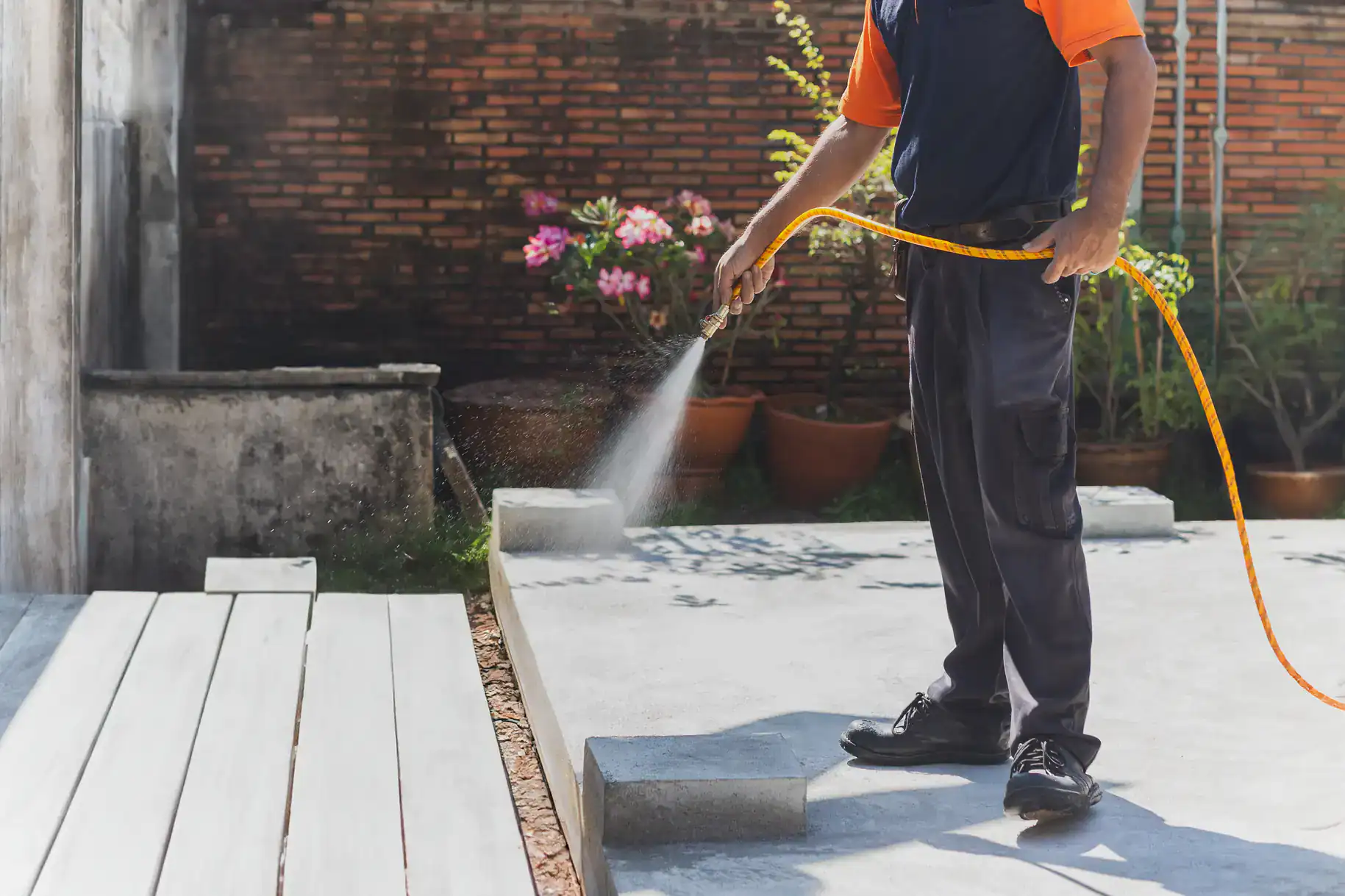
It starts with a free inspection. Before anything is recommended or scheduled, a licensed technician walks your space and assesses what’s actually happening what pest, what severity, how they’re getting in, and where the activity is concentrated. In Chinatown’s tenement buildings, that inspection often covers more than just your unit. Entry points in shared basements, gaps in common-area plumbing, and ground-floor conditions that push pests upward through the building all factor into what we find and what we recommend.
From there, you get a clear, plain-language explanation of what the treatment involves what materials are being applied, where, and why. If there are children or elderly family members in the household, we factor that in. EPA-registered materials and Integrated Pest Management principles guide every treatment, which is also the methodology required under NYC’s Local Law 55 for residential pest remediation. You’ll know what to expect before, during, and after including re-entry timing and any preparation needed on your end.
For restaurant owners and building managers, we provide written service reports and treatment documentation at every visit. If you’re managing compliance with the NYC Health Department or responding to an HPD notice, that paperwork matters and we make sure it’s complete and accurate every time.
Ready to get started?
We handle the full range of pest issues common to Chinatown’s residential and commercial environments. Rodent control, cockroach elimination, bed bug treatment including both heat and chemical options termite inspection, and general pest management for ants, flies, and other seasonal invaders. For commercial accounts, including the restaurant corridor along Canal Street and Mott Street, we work around your operating schedule and provide the documentation your health inspection file requires.
Bed bug treatment gets its own attention here because the stakes in a multi-unit building are different. Under NYC law, if a bed bug infestation is confirmed in one unit, landlords are required to inspect all adjacent units above and below, and to retain a NYSDEC-certified professional to handle remediation. That’s not a suggestion it’s a legal mandate. We meet that certification standard, and we handle the process from inspection through treatment through follow-up, with written records at every step.
For building owners in Chinatown’s Rat Mitigation Zone, proactive rodent control isn’t just practical it’s protective. Properties in the RMZ face enhanced city inspections, and documented pest conditions can trigger violations with real financial consequences. A consistent, licensed pest control relationship is the most direct way to stay ahead of that exposure. We serve residential tenants, landlords, property managers, and commercial operators throughout Chinatown and the surrounding Lower Manhattan area.
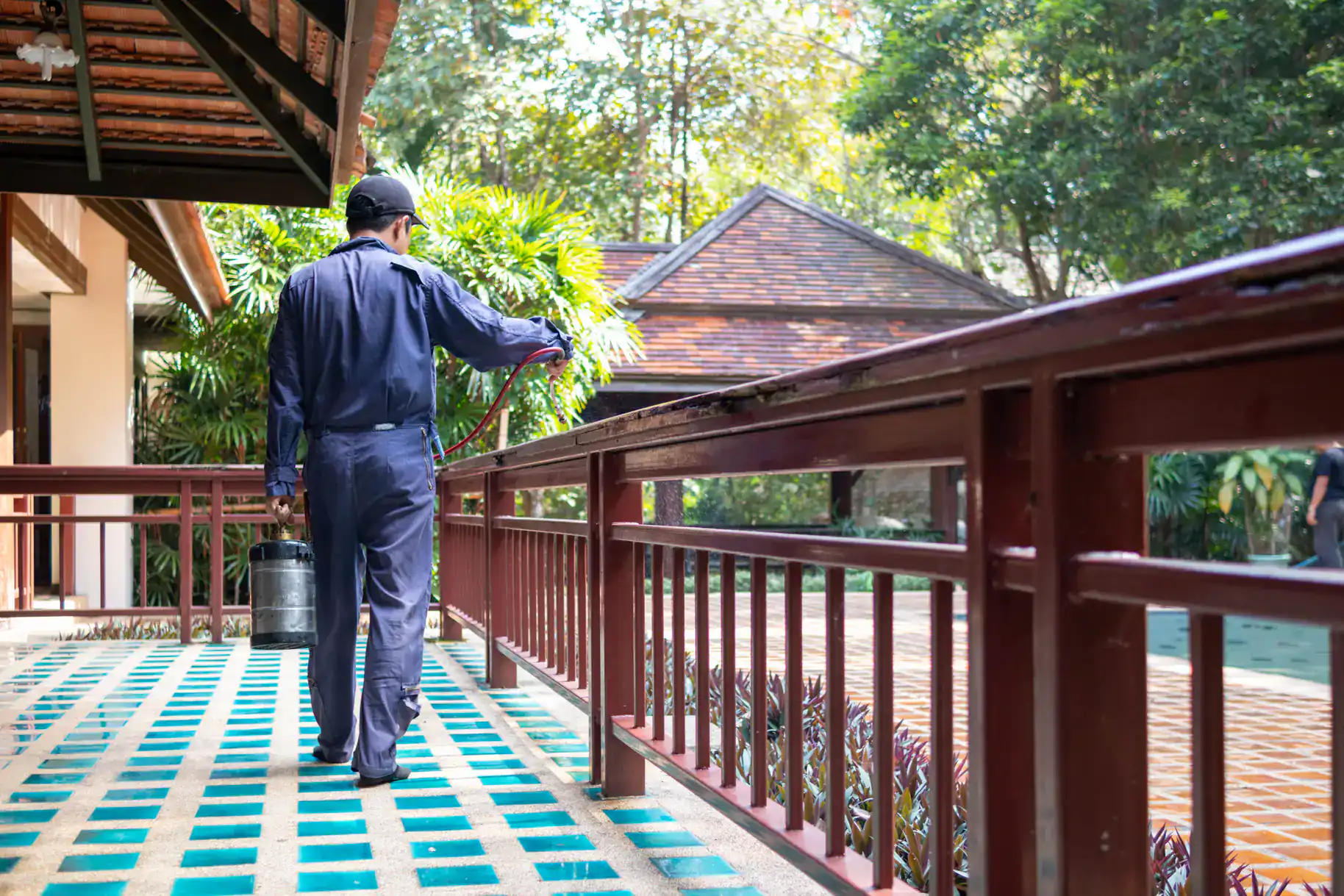
This is one of the most common frustrations we hear, and the answer almost always comes down to the same issue: the treatment addressed the visible infestation but not the pathway. In Chinatown’s tenement buildings, cockroaches aren’t just living in your apartment they’re moving through shared wall voids, utility chases, and gaps in plumbing runs that connect your unit to the rest of the building. If those entry points aren’t identified and addressed, a new population will move back in after the treated one is eliminated.
A proper treatment in this type of building starts with a thorough inspection that maps where the activity is coming from and how they’re traveling. That often means looking at shared basement access, ground-floor conditions near the building’s food-adjacent commercial spaces, and common-area infrastructure. Once the source and the pathway are both addressed, the results hold. If you’ve had multiple treatments that haven’t lasted, that’s the piece that’s been missing.
Under New York City’s Housing Maintenance Code, landlords are required to keep their buildings free of pests and to take corrective action when infestations are found. NYC’s Local Law 55, passed in 2018, goes further it requires landlords of residential buildings to inspect units annually for pest conditions including mice, cockroaches, and rats, and to use Integrated Pest Management methods to address any infestations found. So yes, in most cases, the legal responsibility sits with the landlord.
That said, the practical reality in many of Chinatown’s rent-stabilized buildings is that tenants wait a long time for landlord response or get a treatment that doesn’t address the root cause. If you’ve already reported the problem to your landlord and haven’t seen results, you can file a complaint with NYC’s Housing Preservation and Development (HPD), which can issue violations and require documented professional remediation. Some tenants also choose to bring in their own exterminator and pursue reimbursement. Either way, you have options and knowing the law gives you leverage.
The first thing to do is confirm it’s actually bed bugs not every bite or small insect is a bed bug, and misidentifying the pest leads to wasted treatments. If you’ve found what you believe are bed bugs, a licensed professional can confirm the identification quickly during an inspection. From there, the process moves fast because in a multi-unit building, bed bugs spread between units through shared walls, electrical outlets, and plumbing gaps and the longer you wait, the more units get involved.
Under NYC law, once a bed bug infestation is confirmed, landlords are required to inspect all units adjacent to, above, and below the affected apartment, as well as all common areas. They must also retain a pest management professional certified by the New York State Department of Environmental Conservation to handle the remediation that’s a legal requirement, not a recommendation. We hold that NYSDEC certification. We also work discreetly, which matters in Chinatown’s close-knit building communities where privacy during a sensitive situation is something residents genuinely care about.
It’s a fair concern, especially in the smaller tenement apartments common throughout Chinatown where 400 to 600 square feet might house multiple family members, including children and elderly relatives. The short answer is yes when applied correctly by a licensed professional using EPA-registered materials and Integrated Pest Management principles, the treatments are safe for residential use. But “applied correctly” is doing a lot of work in that sentence, and it’s worth understanding what that actually means.
IPM-based treatment means using the least toxic effective option for the specific pest and situation, applied in targeted locations rather than broadcast across the entire living space. Before any treatment, your technician will walk you through exactly what’s being applied, where, and why along with clear instructions for preparation and how long to stay out of treated areas. If there are specific health concerns in your household, mention them upfront. A licensed professional adjusts the approach based on who’s in the home. This is also the methodology required by NYC’s Local Law 55 for residential pest remediation, so it’s not just best practice it’s the legal standard.
Early fall September through November is consistently the most active period for rodent intrusion in Chinatown. As temperatures drop, rats and mice move aggressively toward indoor warmth, and in a neighborhood with Chinatown’s combination of aging tenement buildings, shared basement infrastructure, and ground-floor food commerce, the conditions for intrusion are about as favorable as they get. The open-air markets along Canal Street and Mott Street, the loading docks behind the restaurant corridor, and the food waste generated by over 300 commercial kitchens in a two-square-mile area all sustain large outdoor rodent populations that push inward when the weather shifts.
That said, Chinatown’s status as an NYC Rat Mitigation Zone means rodent pressure here doesn’t really have an off-season. The city designated this zone based on documented, sustained high levels of rat activity not just a seasonal spike. If you’re a building owner or property manager, fall is the time to make sure your exclusion work is done and your service relationship is current. Waiting until you see a rat inside is waiting too long.
Licensing is the baseline any pest control company operating legally in New York must be registered with the New York State Department of Environmental Conservation (NYSDEC). You can verify a company’s registration through the DEC’s online database before you book. Beyond licensing, what separates companies in a neighborhood like Chinatown is whether they actually understand the specific conditions here: the tenement building stock, the commercial kitchen density, the Rat Mitigation Zone designation, and the regulatory requirements that apply to landlords and restaurant owners under NYC law.
A company that treats Chinatown like any other Manhattan neighborhood applying a standardized protocol without accounting for shared building infrastructure, ground-floor food activity, or the building-wide nature of most pest problems here will produce results that don’t last. Ask any exterminator you’re considering whether they’ve worked in pre-war tenement buildings, whether they provide written service documentation, and whether their approach addresses entry points and pathways not just the visible infestation. Those questions will tell you quickly whether you’re talking to someone who knows what they’re doing or someone running through a checklist.
Useful Links
Other Services we provide in Chinatown