
Hear from Our Customers
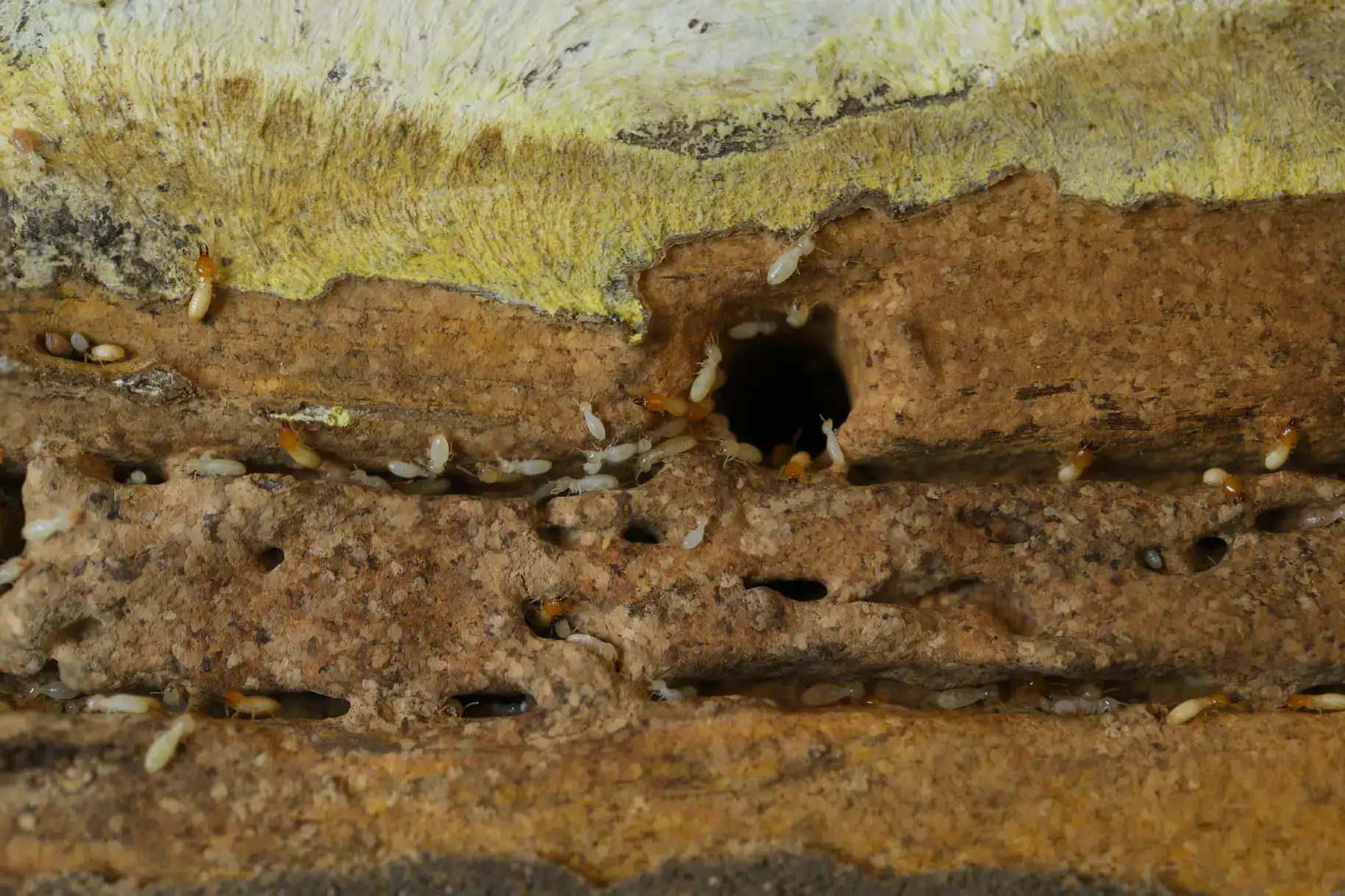
The thing about termites in Chinatown is that by the time you notice something a hollow-sounding floor, a door that suddenly doesn’t close right, a faint trail of wings near a window the colony has usually been active for years. Eastern Subterranean Termites feed around the clock. They don’t take weekends off. And in a building where wood-framed walls sit behind a brick facade and share structure with the unit next door, the damage doesn’t stay contained to one apartment for long.
Getting the infestation treated means more than just stopping the immediate problem. It means the floor joists stop weakening. It means your neighbor’s wall isn’t the next target. For building owners managing a mixed-use tenement on Mott Street or East Broadway, it means you’re not handing a structural liability to the next tenant or the next buyer.
Chinatown’s buildings are also dense with food businesses restaurants, fish markets, produce vendors on the ground floor, residential units above. That combination of moisture, organic material, and aged wood creates compounded pest pressure that generic treatment approaches don’t fully address. The right termite treatment here accounts for the full building environment, not just the unit where you first spotted the sign.
We were founded in 1971 by Richard Kourbage Sr. His sons Richard Jr. and Charles joined the business in the late 1980s and have been running operations ever since. That’s three generations of the same family, in the same business, serving the same five boroughs including Lower Manhattan, where Chinatown sits at the foot of the Manhattan Bridge.
When you call Kingsway, you’re not reaching a call center. You’re reaching people who have worked in pre-war tenements, commercial kitchens, and mixed-use buildings across New York City for decades. Our team carries more than 100 years of combined pest control experience, earned specifically in the kind of dense, complex urban environments that define neighborhoods like Chinatown.
We hold BBB accreditation dating back to 1989 and use only NYS DEC-registered materials on every job. That matters when you’re treating a building where families live above restaurant kitchens and food storage areas. You need to know exactly what’s going into your walls and so do we.
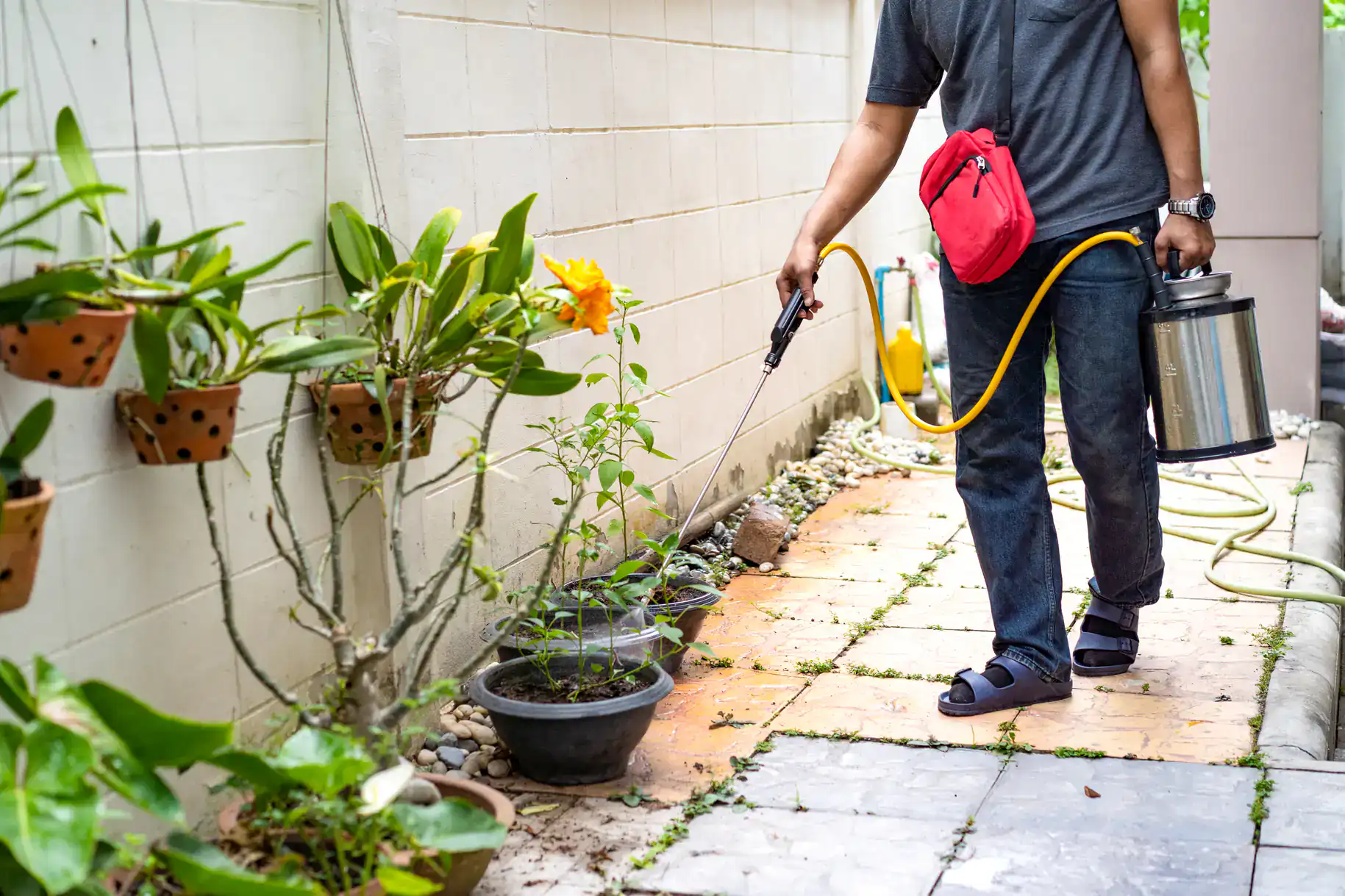
It starts with an inspection. A licensed Kingsway technician comes to the property, assesses the full scope of what’s happening not just the spot where you noticed something, but the basement, the foundation access points, the wall voids, and any areas where wood meets soil or moisture. In Chinatown’s tenement buildings, that means looking at shared walls, party structures, and ground-floor commercial spaces, because that’s where Eastern Subterranean Termite colonies typically establish and travel from.
Once the inspection is complete, you get a clear picture of what you’re dealing with and what treatment makes sense. For active infestations in multi-unit buildings, we typically use termite baiting systems not because they’re the easiest option, but because they work at the colony level. Termites carry the treatment back to the underground nest, which eliminates the source rather than just what’s visible. In a shared-wall building, surface-only treatment leaves the colony intact and the neighboring units still at risk.
For real estate transactions and Chinatown’s condo and mixed-use market is active, with properties moving between $750,000 and $2.5 million we also provide WDO (Wood Destroying Organism) inspection reports with the credentialed documentation that lenders and attorneys require. If you’re buying or selling and need that report fast, we guarantee an appointment within two business days, with same-day inspections frequently available.
Ready to get started?
Our termite control service covers the full range of what Chinatown property owners and residents actually need. That includes termite identification and inspection, termite baiting systems, liquid barrier treatments, direct wood treatment, and WDO inspections for property transactions. We also treat carpenter ants and powder post beetles the full spectrum of wood-destroying organisms so you’re not calling three different companies for three different problems in the same building.
One service that carries particular weight in Chinatown is NYC Department of Health health code violation resolution. The neighborhood has hundreds of restaurants and food businesses, and a DOH pest-related citation can shut a restaurant down fast. We understand the specific documentation, treatment protocols, and follow-up verification that the NYC DOHMH requires to close out a violation not just the treatment itself, but the paper trail that gets your business back in compliance.
All work is performed by NYS DEC-certified technicians using only registered, approved materials. For a neighborhood where children live in the apartments above commercial kitchens and food prep areas, that’s not a footnote it’s the baseline. We’re available 24 hours a day, seven days a week, because a termite discovery mid-renovation or ahead of a DOH inspection doesn’t wait for Monday morning.
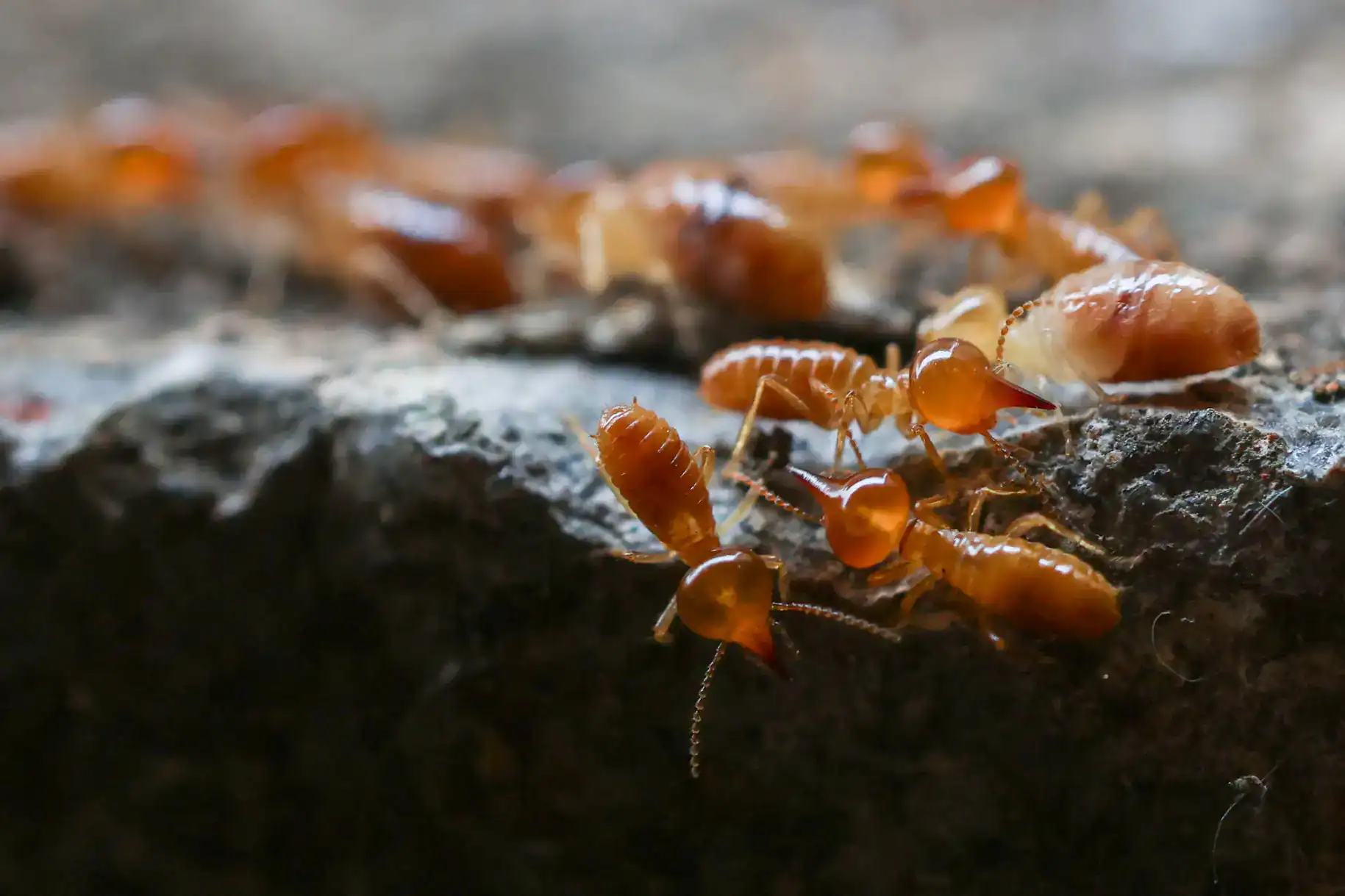
Yes and this is one of the most important things to understand about termite infestations in Chinatown’s tenement buildings specifically. Eastern Subterranean Termites nest underground and travel through soil and wood to reach food sources inside structures. In a multi-unit tenement with shared floor joists, party walls, and a common basement or foundation, a colony established beneath one unit can move laterally through the building’s structural wood over time.
This is why treating a single apartment without assessing the full building is rarely sufficient. If the colony source is in the basement or sub-foundation soil which is common in Chinatown’s older buildings and only one unit gets treated, the colony remains intact and continues feeding. A building-wide inspection that identifies the scope of the infestation is the right starting point, followed by a treatment plan that targets the colony at its source rather than just the visible activity in one location.
In New York City, termite treatment in a rental property is legally the landlord’s responsibility. Termites are considered a structural pest issue, and under NYC housing maintenance code, landlords are required to maintain buildings free of pest infestations. If you’re a tenant in a Chinatown apartment and you’ve noticed signs of termites hollow-sounding floors, mud tubes along the basement walls, or swarmers emerging near windows in the spring you should document what you’re seeing and notify your landlord or building manager in writing.
That said, tenants often make the initial call to a pest control company, especially when a landlord is slow to respond. We can inspect the property, document the findings, and provide the kind of written report that supports a tenant’s request for remediation. If you’re a building owner or property manager in Chinatown receiving tenant complaints about termites, getting a professional inspection on record quickly protects you from liability and keeps you ahead of any potential NYC DOH involvement.
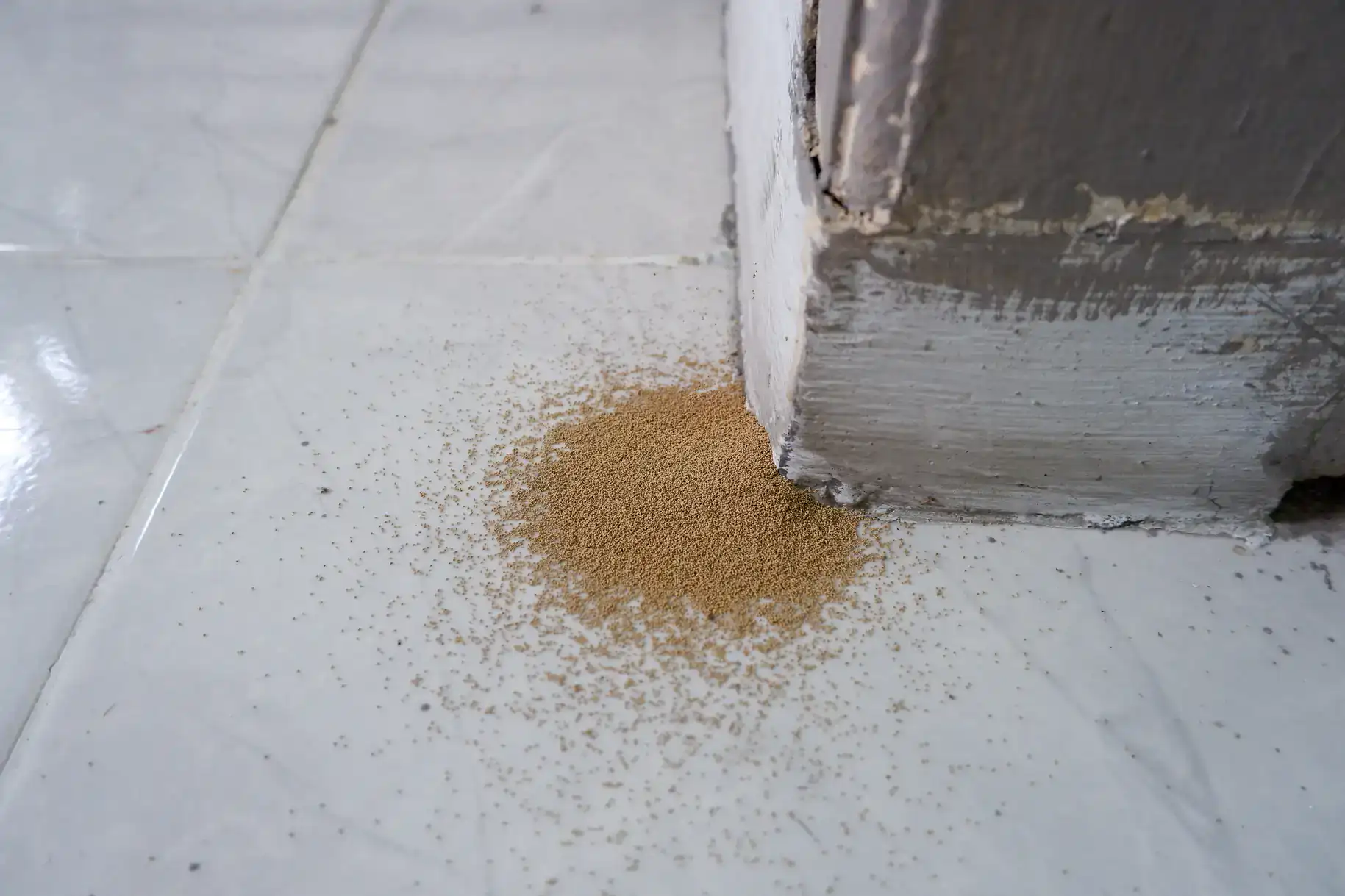
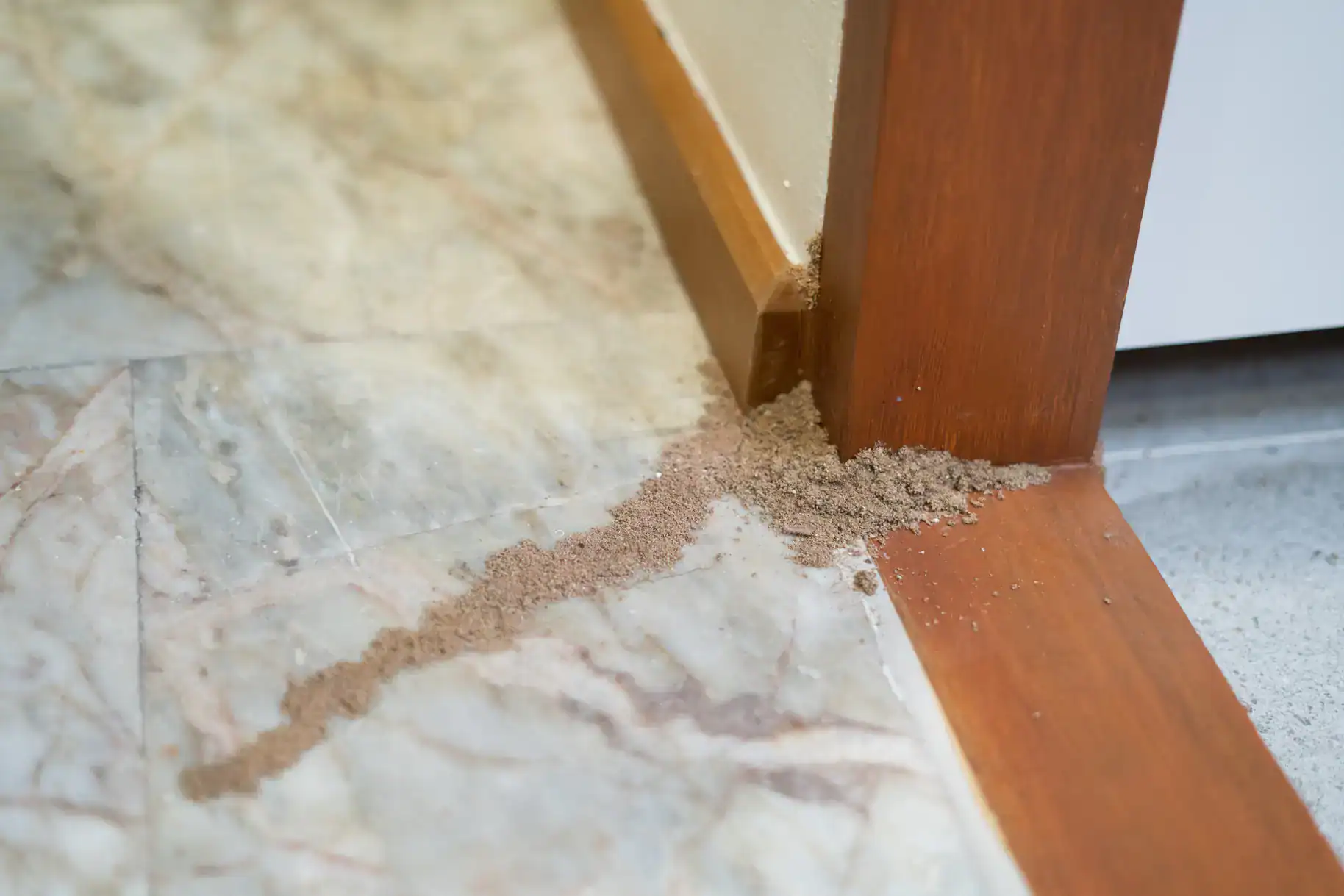
The most common signs in pre-war buildings like the tenements throughout Chinatown are mud tubes, damaged or hollow-sounding wood, discarded wings, and frass which is the fine, sawdust-like material termites leave behind as they feed. Mud tubes are pencil-thin tunnels made of soil and wood particles that Eastern Subterranean Termites build along foundation walls, basement ceilings, and floor joists to travel between their underground colony and the wood they’re feeding on. If you see these along your basement walls or around a crawl space, that’s a strong indicator of active subterranean termite activity.
In Chinatown specifically, termite swarmers are often the first visible sign that residents notice particularly in the spring, between March and May, when warm days following rain trigger reproductive termites to emerge. Because Chinatown’s buildings have limited outdoor space, swarmers frequently appear indoors, near windows or in wall voids, rather than outside. If you see small, winged insects emerging from floors or walls in the spring and you’re not sure what they are, get an inspection before assuming it’s something else. By the time swarmers appear, the colony is typically well established.
If you’re financing the purchase with an FHA or VA loan, a Wood Destroying Organism (WDO) inspection report is required before the lender will approve the loan on a property with potential termite risk. Even if you’re paying cash or using conventional financing, a termite inspection is a smart part of due diligence especially when you’re buying a pre-war tenement, a mixed-use building, or any structure with a basement in a neighborhood like Chinatown, where the building stock is predominantly 80 to 120 years old.
Termite damage is not covered by most homeowner or commercial property insurance policies. If you close on a Chinatown property without an inspection and discover an active infestation after the fact, the cost of treatment plus structural repairs comes entirely out of pocket. Repair costs for termite-damaged structural elements beams, joists, load-bearing supports can range from $2,000 to well over $10,000 depending on the extent of the damage. A pre-purchase inspection from us gives you a credentialed WDO report, a clear picture of what you’re buying, and the documentation your attorney or lender needs to move the transaction forward.
It depends on the treatment method and the size of the property. For a single unit where the infestation is localized and access is straightforward, a liquid barrier or direct wood treatment can often be completed in a few hours. For a multi-unit tenement building which is the most common property type in Chinatown a full inspection followed by bait station installation typically takes longer and may require access to the basement, foundation areas, and multiple units, which means coordinating with tenants and building management.
Termite baiting systems, which we use for colony-level elimination, are not a one-day fix in the sense that the bait needs time to work through the colony. Stations are installed, monitored, and replenished as needed until colony activity stops. This is a more thorough approach than surface-only treatment, and it’s the right approach for a building where the colony source is underground and multiple units share structural wood. We’ll give you a realistic timeline during the inspection, based on what we actually find not a generic estimate designed to close the sale.
Termites are genuinely common in Chinatown, and the neighborhood’s building stock is a significant reason why. The housing in Chinatown is overwhelmingly composed of tenement buildings, many of which are over 100 years old. These structures have wood-framed interiors behind brick facades, aging foundations with small gaps and cracks, and in many cases ground-floor commercial food businesses that generate moisture and organic material. That combination is exactly what Eastern Subterranean Termites, the dominant species in New York City, are drawn to.
The most active period for visible termite activity in Chinatown is early spring typically March through May when termite swarmers emerge after warm, rainy days. But the colony is feeding year-round, 24 hours a day, regardless of season. Summer’s heat and humidity, combined with the moisture generated by Chinatown’s dense restaurant activity, sustain high termite activity through the warmer months. Fall is also a busy period for termite inspections in the neighborhood because of real estate transaction activity buyers and sellers moving on Chinatown condos and mixed-use buildings before year-end. If you haven’t had a termite inspection in the last few years and your building is more than a few decades old, it’s worth scheduling one regardless of what time of year it is.
Useful Links
Other Services we provide in Chinatown