
Hear from Our Customers
You stop finding them behind the stove at midnight. You stop wondering if the treatment worked or if they’re just hiding deeper in the wall. That shift from constant vigilance to actual peace of mind is what professional cockroach pest control in Chinatown, NY is supposed to deliver. Not a temporary knockdown. A real resolution.
The problem in most Chinatown buildings isn’t one apartment. It’s the building. Pre-war tenements along Mott, Bayard, and East Broadway were built with shared plumbing chases and wall cavities that cockroaches move through freely floor to floor, unit to unit. A restaurant on the ground floor generates the heat, moisture, and food waste that sustains a colony. That colony doesn’t stay in the kitchen. It migrates upward through exactly the kind of gaps that century-old construction leaves behind. Treating one unit without addressing that pathway is why the problem keeps coming back.
What changes after a properly executed cockroach removal in Chinatown is that the source gets addressed, not just the symptoms. You get a treatment plan built around your actual building the species present, the entry points, the adjacent pressure from below. That’s what lasting cockroach control looks like here.
We’ve been operating in New York City since the mid-1980s founded by Richard Kourbage Sr., joined by Richard Kourbage Jr. in 1987, and still family-owned today. That’s more than four decades of working in the exact building stock that defines Chinatown: pre-war tenements, mixed-use commercial-residential blocks, and multi-unit buildings where pest problems travel through shared infrastructure.
We hold an A+ rating with the Better Business Bureau of New York State, are fully licensed under the NYS Department of Environmental Conservation, and are fully insured and bonded. These aren’t just credentials they’re the baseline for doing this work legally and safely in occupied residential and commercial spaces. In a neighborhood like Chinatown where unlicensed operators and illegal pesticide products like “Chinese Chalk” still circulate, that distinction matters.
Our team brings over 100 years of collective field experience across all five boroughs. We’ve worked in buildings from the Financial District to the Lower East Side, and we understand what cockroach infestation looks like in Chinatown specifically not as a generic urban problem, but as a structural one rooted in this neighborhood’s buildings, its ground-floor food economy, and its subway infrastructure.
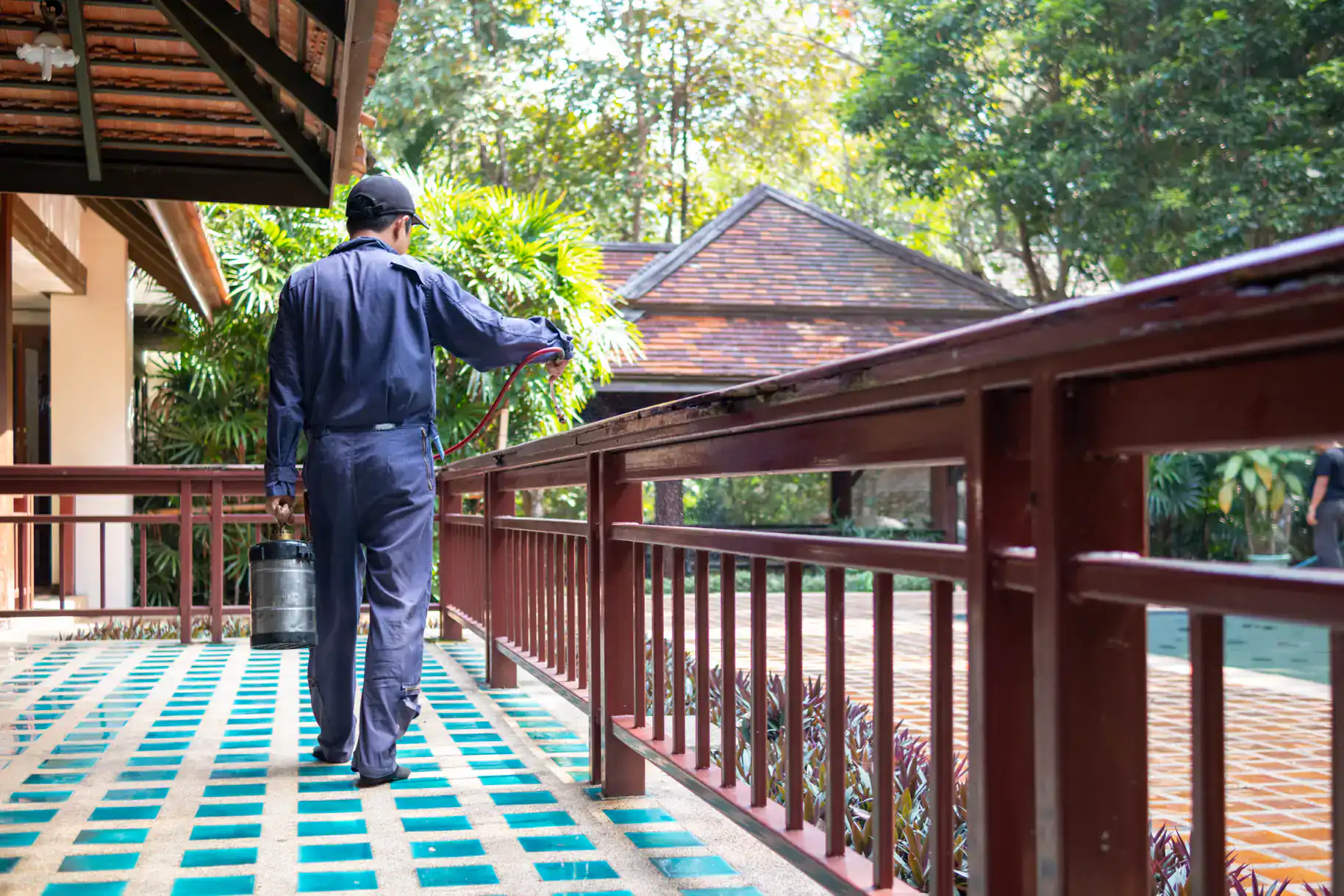
It starts with an inspection not a quick walk-through, but a real assessment of where the infestation is coming from, what species are present, and what’s allowing them to move through the building. In Chinatown, that means looking at more than your kitchen. We check the plumbing penetrations, the utility voids, the basement access points, and when relevant whether the pressure is originating from a ground-floor commercial tenant below.
Species identification shapes everything that comes next. German cockroaches, which are the most common in Chinatown apartment kitchens, are treated with targeted gel bait and insect growth regulators (IGRs) not aerosol sprays, which scatter colonies into the walls and make the problem worse. American cockroaches and Oriental cockroaches, which migrate from Chinatown’s sewer lines and the subway infrastructure running directly beneath Canal Street and the Bowery, require a different approach focused on entry points, drain connections, and basement-level exclusion work.
After the initial treatment, you’ll get a clear picture of what we did, what materials we applied, and what the follow-up schedule looks like. For Chinatown’s building stock where re-entry pressure from adjacent units or the floor below is a real, ongoing factor a one-time visit is often the beginning, not the end. We offer maintenance schedules built around your building’s specific risk level, because in this neighborhood, ongoing monitoring is what actually keeps the problem from coming back.
Ready to get started?
Cockroach pest control in Chinatown, NY has to account for things that don’t apply in a single-family home or a modern high-rise. The building age, the ground-floor commercial activity, the density of subway infrastructure beneath the streets all of it shapes how an infestation develops and what it takes to resolve it. Our approach is built around those realities.
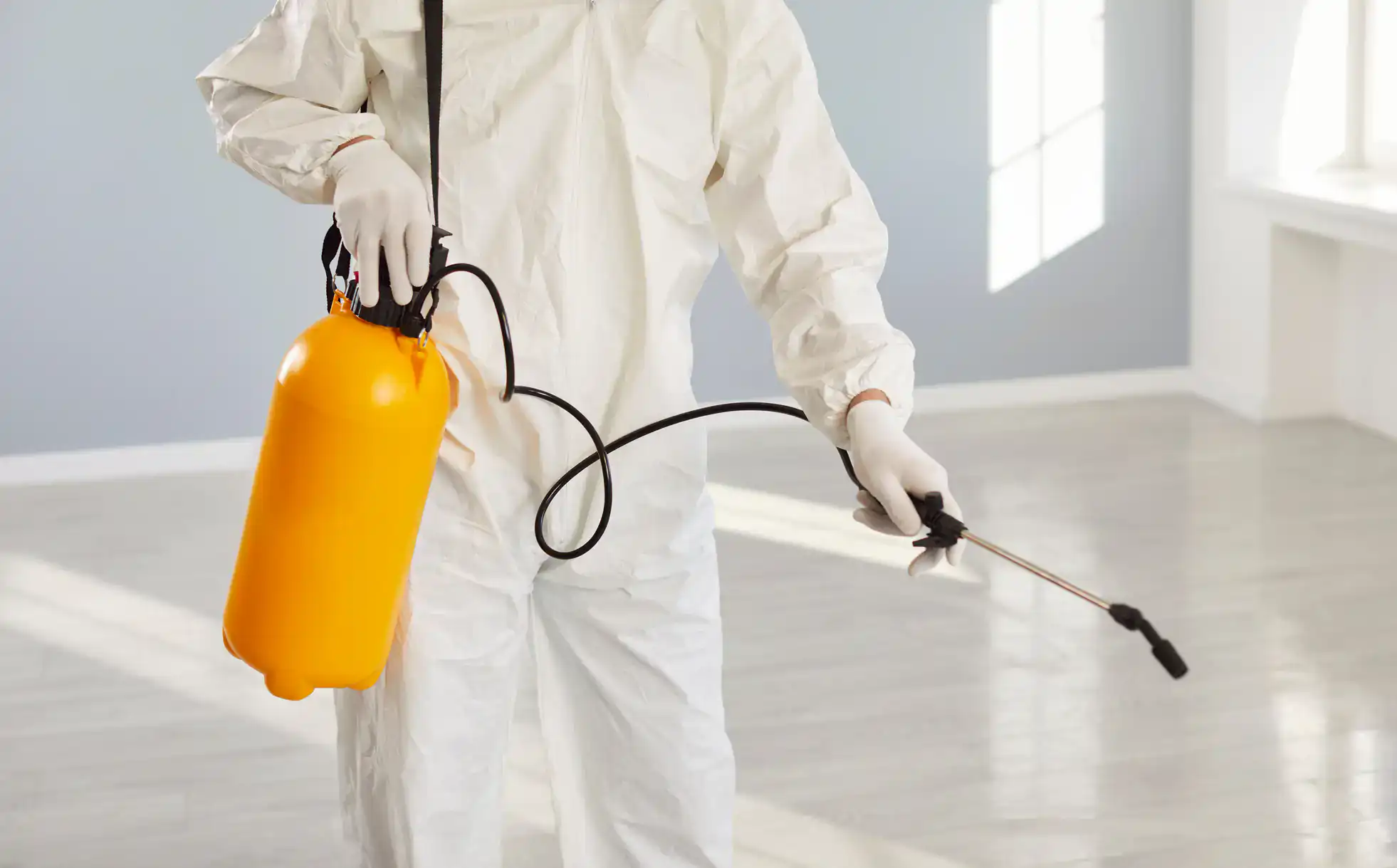
Every treatment we perform uses NYS DEC-registered materials applied by certified technicians. That matters in Chinatown specifically, where the NYC Department of Health has explicitly warned residents against using unregulated pesticide products sold locally products that are not only ineffective against established German cockroach colonies but potentially dangerous in occupied homes. What we apply is legal, regulated, and targeted. No foggers, no broadcast sprays, no guesswork.
For residential tenants dealing with a landlord who hasn’t acted on an HPD violation, we can document the treatment for compliance purposes. For restaurant owners in Chinatown’s food-dense corridor where the Community Board covering this neighborhood recorded the highest restaurant closure rate from health inspections in all of Manhattan in 2023 our commercial pest control experience includes DOHMH compliance work, treatment scheduling around operating hours, and the documentation you need to demonstrate remediation to an inspector. Whether it’s a single apartment on Pell Street or a multi-unit building off Canal, the treatment is built around what’s actually happening in your space.
This is the most common frustration in Chinatown’s building stock, and the answer almost always comes back to the same thing: the infestation wasn’t treated at the building level only at the unit level. In pre-war tenements, which make up a significant portion of Chinatown’s residential housing along streets like Mott, Bayard, and Doyers, cockroaches move through shared plumbing chases, wall voids, and utility corridors that connect every unit in the building. Treating your apartment while the colony is still active two floors below or in the restaurant kitchen on the ground floor means re-infestation is almost guaranteed within weeks.
The other factor is cockroach eggs. German cockroach egg cases (ootheca) are resistant to most pesticide applications, which means newly hatched nymphs can re-establish a population even after an effective initial treatment. That’s why follow-up visits and an ongoing maintenance schedule aren’t upsells they’re the part of the process that actually makes the treatment hold. If your current or previous exterminator only came once and called it done, that’s likely the gap.
Yes and in Chinatown’s mixed-use buildings, this is one of the most common infestation pathways we see. A ground-floor restaurant generates exactly the conditions cockroaches need: consistent warmth, moisture, food waste, and grease buildup in the kitchen. When that restaurant operates in a pre-war building with original plumbing and shared wall construction, the cockroach colony established there has direct access to the residential floors above through pipe chases, electrical conduit openings, and gaps in the masonry that have developed over decades.
This doesn’t mean your apartment is dirty or that you’ve done anything wrong. It means the building has a structural infestation that needs to be addressed at the source. We work with both residential tenants and commercial property managers, which means we can assess the full picture including what’s happening on the ground floor and build a treatment plan that addresses the actual origin of the problem, not just where you’re seeing it.
Three species show up regularly in Chinatown, and each one requires a different treatment approach. German cockroaches are the most common in residential kitchens and bathrooms they’re small, fast, and highly reproductive, and they’ve developed significant resistance to many common over-the-counter sprays. If you’re seeing small cockroaches near your stove, refrigerator, or under the sink, that’s almost certainly what you’re dealing with.
American cockroaches commonly called waterbugs in New York are larger and typically originate from sewer lines, basement drain connections, and the building’s lower levels. They tend to appear after heavy rain events, which stress Chinatown’s drainage infrastructure and push cockroaches upward into building interiors. Oriental cockroaches are the third species, and their presence in Chinatown is directly connected to the ten subway lines running through underground infrastructure beneath the neighborhood’s streets they migrate from those tunnel systems into basement-level building spaces through utility penetrations and foundation gaps. Correctly identifying which species you have is the first step, because the treatment that works for German cockroaches is not the same as what addresses an Oriental cockroach entry problem.
Under New York City’s Housing Maintenance Code, yes landlords are legally required to keep all apartments and common areas free from pests, including cockroaches. This is not optional, and it applies regardless of which unit the infestation originated in. If you’ve reported a cockroach problem to your landlord and they haven’t acted, you have the right to file a complaint through NYC 311 or with the Department of Housing Preservation and Development (HPD). An HPD inspection that documents an active infestation results in a violation that the landlord is legally obligated to remediate.
Where it gets complicated in Chinatown’s older buildings is that landlords sometimes hire the cheapest available option, which often means a single spray treatment that doesn’t address the building-level infestation pathway. If you’re a tenant who’s been through that cycle, we can work directly with you or your building’s management to implement a treatment plan that actually meets the standard the code requires and document it properly for compliance purposes.
The first thing to understand is that a DOHMH cockroach violation is a critical citation it carries significant point penalties and, if unresolved, can result in a closure order. The Community Board covering Chinatown, the Lower East Side, and the East Village recorded the highest restaurant closure rate from health inspections in all of Manhattan in 2023, so this is not a rare situation in this neighborhood. The pressure is real, and the timeline for remediation matters.
What you need is a licensed commercial pest control provider who understands what inspectors are looking for and can provide the documentation that demonstrates remediation. We have experience working with restaurant clients specifically on DOHMH compliance including treatment scheduling that works around your operating hours, targeted application in commercial kitchen environments, and written treatment records that you can present at a follow-up inspection. Speed matters here, and so does doing it right the first time. A treatment that doesn’t hold up to re-inspection costs you more than the initial violation.
Yes we offer a 10% senior discount on cockroach pest control services. Chinatown has a significant elderly population, including many long-term residents and immigrant families who have lived in the neighborhood for decades. For seniors on fixed incomes living in older buildings where cockroach problems are often a recurring, building-level issue rather than something they caused, the cost of professional treatment can feel like a barrier. This discount is a straightforward way to make licensed, DEC-certified treatment more accessible to that part of the community.
If you’re a senior resident dealing with a cockroach infestation in your Chinatown apartment or a family member calling on behalf of an elderly relative just mention it when you call. The discount applies to the initial treatment, and we can walk you through what the process looks like, what materials we’ll use, and what to expect in terms of safety around the home before and after the visit.
Useful Links
Other Services we provide in Chinatown