Hear from Our Customers
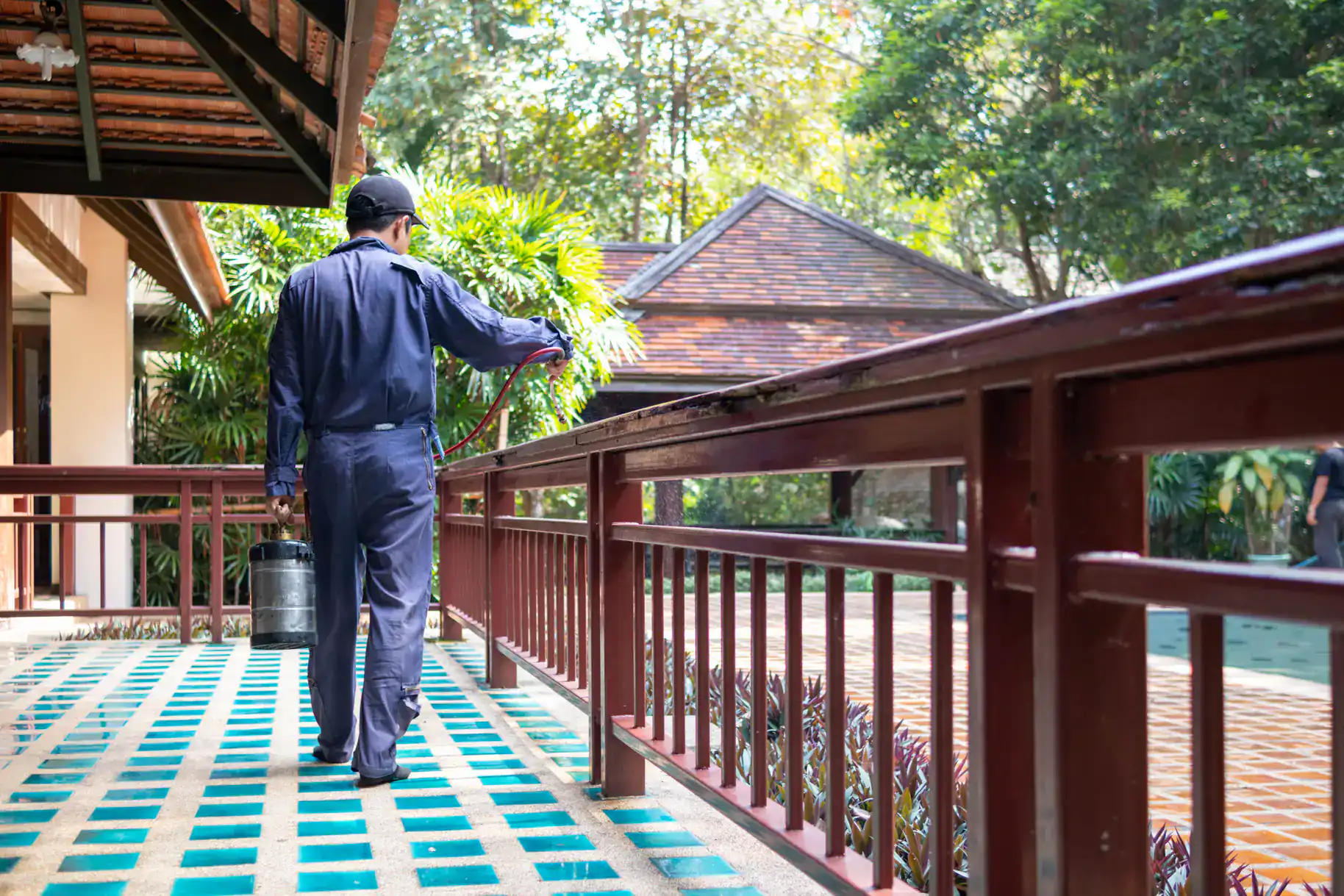
You stop second-guessing every sound behind the wall. You stop checking the kitchen cabinets before you open them. That shift from constant low-level dread to just living in your home is what a real pest control solution actually delivers. Not a spray visit that buys you two weeks.
Long Island City’s housing stock makes this harder than most places. You might be in a pre-war rowhouse in the Hunters Point Historic District with aging foundation gaps, a converted warehouse loft in Dutch Kills with open structural voids, or a new high-rise near Queens Plaza where construction defects haven’t been fully sealed yet. Each building type has different entry points, different harborage conditions, and different treatment needs. A technician who treats them all the same is going to miss things.
Then there’s the waterfront factor. The East River corridor and Newtown Creek to the south create year-round rodent pressure that inland Queens neighborhoods simply don’t deal with at the same level. Flooding events push underground colonies into occupied buildings. That’s not a seasonal problem it’s a structural one. Solving it means addressing the environmental conditions driving the pressure, not just what’s visible inside your unit.
We were founded in 1971. At that point, most of Long Island City was still industrial the towers at Hunters Point South didn’t exist, the loft conversions in Dutch Kills hadn’t happened, and the Queensbridge Houses were already the largest public housing complex in North America. We’ve been serving Long Island City through every phase of that evolution, and we know this neighborhood at a level that a franchise operator or a recently launched local company simply can’t replicate.
We’re New York State DEC-licensed, family-owned, and we’ve built our reputation on one thing: actually resolving the problem. Not suppressing it temporarily. Not sending someone out with a spray bottle and a clipboard. When you call us, a licensed technician assesses your specific situation your building type, your pest pressure, your entry points and builds a treatment plan around what’s actually happening. That’s how we’ve stayed in business for over 50 years in one of the most competitive pest control markets in the country.

It starts with a free inspection. A licensed technician comes to your home or building in Long Island City, assesses the situation, and tells you exactly what we found what pest, how severe, where it’s coming from, and what it’s going to take to resolve it. No pressure. No obligation. You’ll know what you’re dealing with before you spend a dollar.
If you decide to move forward, treatment is built around your specific building and pest type. In Long Island City, that means accounting for factors other neighborhoods don’t have: active construction displacement nearby, waterfront rodent corridors along the East River and Newtown Creek, aging wood-frame structures in the Hunters Point district that require different sealing approaches than a new tower, and the shared-wall dynamics of large residential buildings where a problem in one unit can spread quickly. We don’t apply the same protocol to every job we adjust based on what we find.
After treatment, we walk you through what to expect, what to watch for, and when to call back if something isn’t right. For ongoing pest pressure situations which are common in Long Island City given the sustained construction environment we can set up a monitoring and maintenance schedule that keeps the problem from coming back rather than just knocking it down once.

Ready to get started?
We handle the full range of pest problems that Long Island City residents actually deal with: rodents, cockroaches, bed bugs, termites, ants, wasps, mosquitoes, fleas, mites, and wildlife. If you’re in a real estate transaction buying or selling in Long Island City’s active market we also provide WDI (Wood-Destroying Insect) inspection reports and mortgage clearance certificates, which FHA, VA, and many conventional lenders require before closing. Only a licensed pest control professional can issue those in New York State.
For renters in Long Island City and a significant portion of Long Island City residents are renters it’s worth knowing that under NYC’s Housing Maintenance Code, cockroach infestations are classified as Class C immediately hazardous violations. Your landlord is legally required to respond within 24 hours of a complaint. Rat and mouse problems are reportable to 311 and subject to HPD enforcement. We work with residents, building owners, and property managers, and we provide the written service documentation that supports HPD complaints when a landlord isn’t meeting their obligations.
Bed bugs deserve a specific mention because they’re the most common and most anxiety-producing pest complaint in New York City, and Long Island City’s high-density rental environment and transient population make it one of the higher-risk neighborhoods in the five boroughs. Our technicians are certified bed bug specialists with the capability to perform both heat treatment and chemical treatment depending on your situation not just a general pest company that also handles bed bugs on the side.

The short answer is construction. Long Island City has added more new apartments than virtually any other neighborhood in New York City over the past decade, and active construction is a well-documented driver of rodent displacement. Every time a site is excavated or a building is demolished, established rat and mouse colonies are disturbed and forced to migrate into the nearest occupied structure. In a neighborhood where construction is happening on multiple blocks simultaneously near Queens Plaza, along the Hunters Point waterfront, throughout Dutch Kills that displacement effect is compounded and essentially continuous.
On top of that, Long Island City’s proximity to the East River and Newtown Creek creates waterfront rodent corridors that don’t exist in inland Queens neighborhoods. Flooding events, even minor ones, push underground colonies into buildings. The Sunnyside Yards rail complex on Long Island City’s eastern edge is a known rodent habitat. These aren’t temporary conditions they’re structural features of the neighborhood that create year-round elevated pest pressure. Addressing them properly means sealing entry points, eliminating harborage, and treating the environmental factors driving the pressure, not just what’s visible inside your unit.
This is one of the most common situations we hear about from Long Island City renters. Building management companies often use low-cost vendors who do a spray visit, check a box, and move on. If the underlying entry points aren’t sealed and the harborage conditions aren’t addressed, the problem comes back sometimes within days. That’s not a pest control treatment, it’s a temporary suppression.
Under NYC’s Housing Maintenance Code, your landlord has a legal obligation to actually resolve pest infestations, not just respond to them. Cockroach infestations are Class C immediately hazardous violations requiring a landlord response within 24 hours of an HPD complaint. If the problem persists after treatment, you have the right to file again. We can come in independently, assess what was missed, and provide written documentation of what we find which is useful if you’re building a case through HPD or negotiating with your landlord. You don’t have to just accept a revolving door of ineffective visits.
Termites are a real concern in Long Island City, particularly in the older wood-frame structures of the Hunters Point Historic District and in pre-war buildings throughout the neighborhood. The most common signs are small piles of what looks like sawdust near wood structures, hollow-sounding wood when you tap it, discarded wings near windowsills or doorframes in the spring, and mud tubes along foundation walls or basement surfaces. Subterranean termites the most common species in the New York area build these mud tubes to travel between soil and wood.
The tricky part is that termite damage often develops slowly and out of sight, inside wall voids and structural beams, before it becomes obvious. By the time you notice visible damage, the colony may have been active for a year or more. Spring is the primary swarm season in the NYC area, which is when winged termites emerge and are most visible but a professional inspection can identify signs of activity at any time of year. If you’re buying or selling a home in Long Island City, a WDI inspection report from a licensed professional is often required by lenders and is the most reliable way to know what you’re dealing with before a transaction closes.
This is the question we hear most often from Long Island City families, and it deserves a straight answer rather than a vague reassurance. We use EPA-registered pesticides applied by NYSDEC-licensed technicians according to label directions. Those label directions exist specifically to protect people and animals they specify application rates, target surfaces, and re-entry timelines that are based on safety testing. When we tell you to stay out of a treated area for a certain period, that’s not a formality. It’s the protocol.
We also follow Integrated Pest Management principles, which means we use the least toxic effective treatment for each specific situation. Not every pest problem requires heavy chemical application many treatments involve targeted gel baits, mechanical exclusion, and monitoring tools that have minimal exposure risk for residents. Before any treatment, we’ll walk you through exactly what products are being used, where they’re being applied, and what preparation you need to do. If you have specific concerns about a product or application method, ask us. We’d rather take five minutes to answer your questions than have you feel uncertain about what happened in your home.
For most situations in Long Island City, we can schedule a visit within 24 hours, and in many cases same-day. We answer calls around the clock if you find evidence of a rat at 10pm on a Sunday or wake up to a bed bug discovery on a holiday morning, you’re not leaving a voicemail and waiting for a callback the next business day. Someone picks up.
Long Island City’s location actually works in your favor here. We’re Brooklyn-based, and Long Island City is directly accessible via the Pulaski Bridge connecting Hunters Point to Greenpoint, and via the Queens-Midtown Tunnel from our service area. We’re not dispatching from a regional call center three counties away we’re a neighbor in a practical sense. For pest emergencies that make it impossible to sleep or use your kitchen rodent sightings, wasp nests, bed bug discoveries fast response is part of what makes the difference between a manageable problem and a situation that spirals. We take that seriously.
If you’re financing the purchase with an FHA or VA loan, a WDI inspection report is required before closing it’s not optional. Many conventional lenders require it as well, and even in cash transactions, buyers and their attorneys routinely request one as part of due diligence. The report documents whether a licensed inspector found evidence of wood-destroying insects termites, carpenter ants, carpenter bees, or wood-boring beetles and it can only be issued by a licensed pest control professional in New York State.
In Long Island City specifically, this matters more than in some other markets. The neighborhood’s older housing stock particularly the pre-war rowhouses in the Hunters Point Historic District and the converted industrial buildings throughout Dutch Kills has the kind of aging wood structure and moisture conditions that make termite and carpenter ant activity more likely. A WDI inspection before closing gives you a clear picture of what you’re buying. If there’s active activity or prior damage, you know about it before you sign. We provide WDI inspections and mortgage clearance certificates for Long Island City transactions on a timeline that works for your closing date reach out early so we can schedule around your contract deadlines.
Useful Links
Other Services we provide in Long Island City