
Hear from Our Customers
When you find bed bugs in a Cobble Hill brownstone, the problem is rarely just your unit. These buildings were constructed as attached rowhouses with shared party walls, aged plaster, and structural gaps that have been accumulating for over a century. Bed bugs use those pathways. A surface-level treatment that doesn’t account for that reality isn’t a solution it’s a delay.
What changes after a proper bed bug removal in Cobble Hill is simple: you stop second-guessing every itch, you stop checking the mattress seams before bed, and you stop wondering whether your neighbor’s unit is the real source. A thorough inspection and treatment addresses the infestation where it actually lives not just where it’s visible.
If you’re in a co-op or a converted brownstone rental, there’s also the compliance side to think about. NYC Local Law 69 requires building owners to document and report bed bug activity to HPD. Getting ahead of that with a certified inspection and a clear treatment record protects you, your tenants, and your building’s standing before a 311 complaint does it for you.
We’ve been operating out of Brooklyn since before most of Cobble Hill’s current residents moved in. Founded by Richard Kourbage and BBB-accredited since 1989, we’re a family-owned operation with over 50 years of experience in the borough and more than 100 years of collective expertise across our team.
That matters here specifically. The brownstones along Clinton Street, Henry Street, and the landmarked blocks between Atlantic Avenue and Degraw Street are not standard construction. They require a specialist who knows where bed bugs actually hide in pre-war Brooklyn buildings not someone applying a national franchise protocol to a 160-year-old rowhouse.
We hold an A+ BBB rating, all required NYSDEC licensing, and issue NYC Department of Health clearance certificates for landlords and co-op boards navigating HPD compliance. Our phones are answered 24 hours a day, 7 days a week. There’s no upsell, no pressure, and no guessing. Just an honest assessment of what your home actually needs.
It starts with a call answered any time of day or night where you describe what you’re seeing and where. From there, we schedule an inspection, often same-day, and guaranteed within two days. For a Cobble Hill building where bed bugs can move between units through shared walls and plumbing chases, that speed isn’t just convenient it’s how you stop a single-unit problem from becoming a building-wide one.
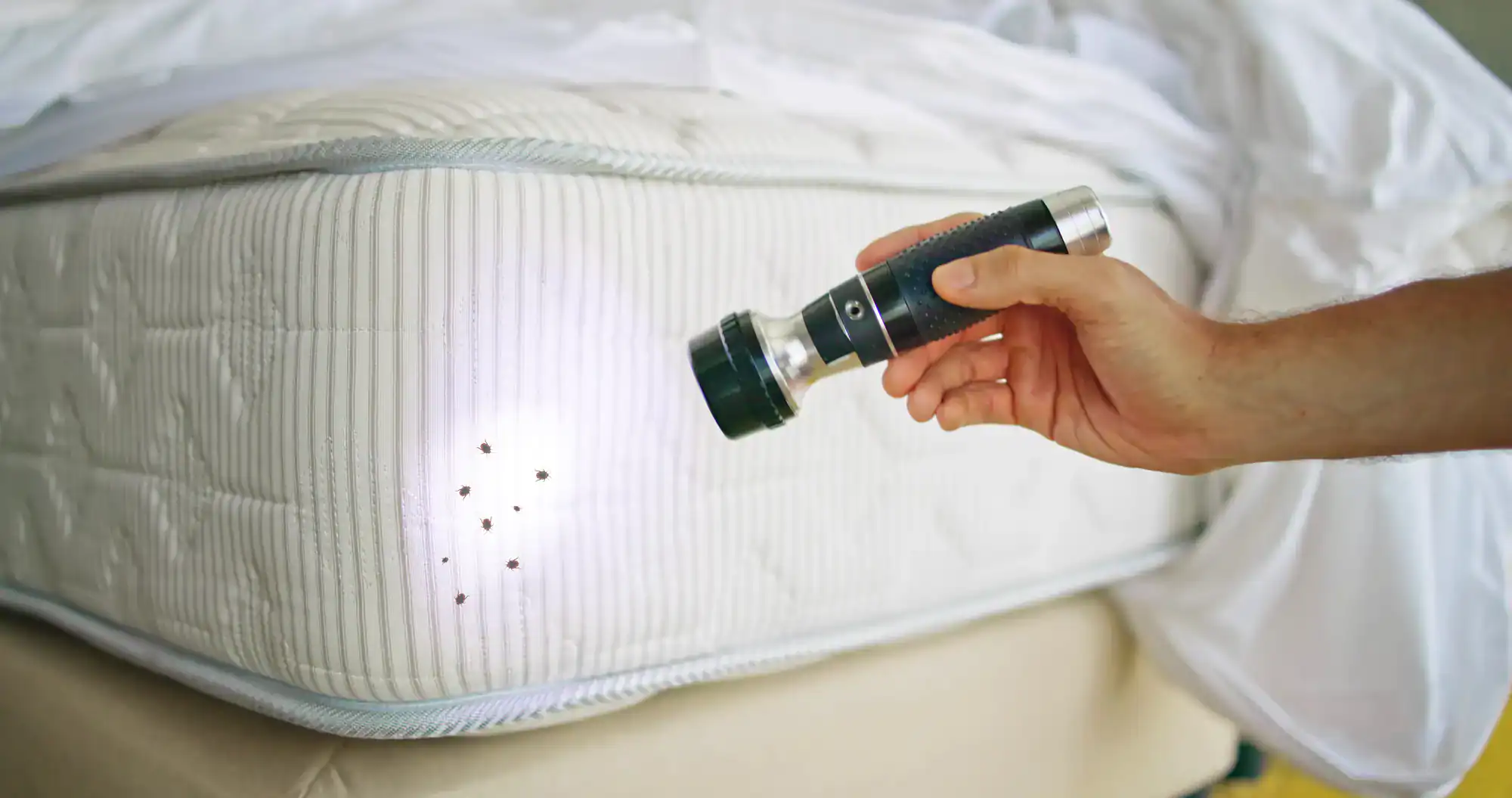
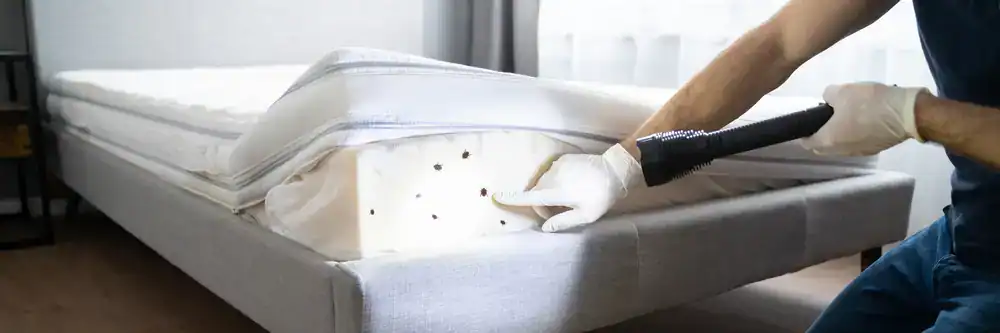
Our inspection is thorough. In a historic brownstone, that means going beyond the mattress and box spring. It means checking behind original wainscoting, along baseboards, inside wall voids near cast-iron radiators, and anywhere else the building’s age and construction have created harborage space that a less experienced technician would walk right past. You get an honest assessment of what’s there and what treatment is actually required nothing inflated, nothing added on.
Treatment is applied with the specific conditions of your unit in mind whether that’s an environmentally friendly approach for a family with young children attending PS 29, a chemical treatment for a more severe infestation, or a documented process that satisfies your co-op board’s HPD reporting obligations under Local Law 69. After treatment, we walk you through what to expect in the days that follow, including any necessary follow-up visits to confirm the infestation is fully resolved.
Ready to get started?
Every job starts with a free estimate no obligation, no commitment required before you know what you’re dealing with. Our inspection covers the full scope of the affected area, including the structural features specific to Cobble Hill’s landmarked brownstone stock that most operators overlook. If you’re a landlord or co-op board member, we also handle the documentation side: NYC Department of Health clearance certificates, HPD compliance records, and support for resolving health code violations that may already be on file.
Our treatment options include chemical applications, environmentally friendly solutions designed to be safe for families and pets, and follow-up visits built into the process not charged as add-ons after the fact. For Cobble Hill residents with children and animals in the home, the prep guidelines are explained clearly before any treatment begins, including how long the space needs to be vacated and what to do with bedding, clothing, and furniture. There are no surprises on arrival day.
For building owners and property managers dealing with the HPD reporting requirements that come with NYC Local Law 69, we provide the documentation you need to stay compliant. Whether you’re managing a single converted brownstone or a multi-unit co-op between Court Street and the BQE, the process is the same: honest assessment, targeted treatment, and a clear record that protects your property and your tenants.
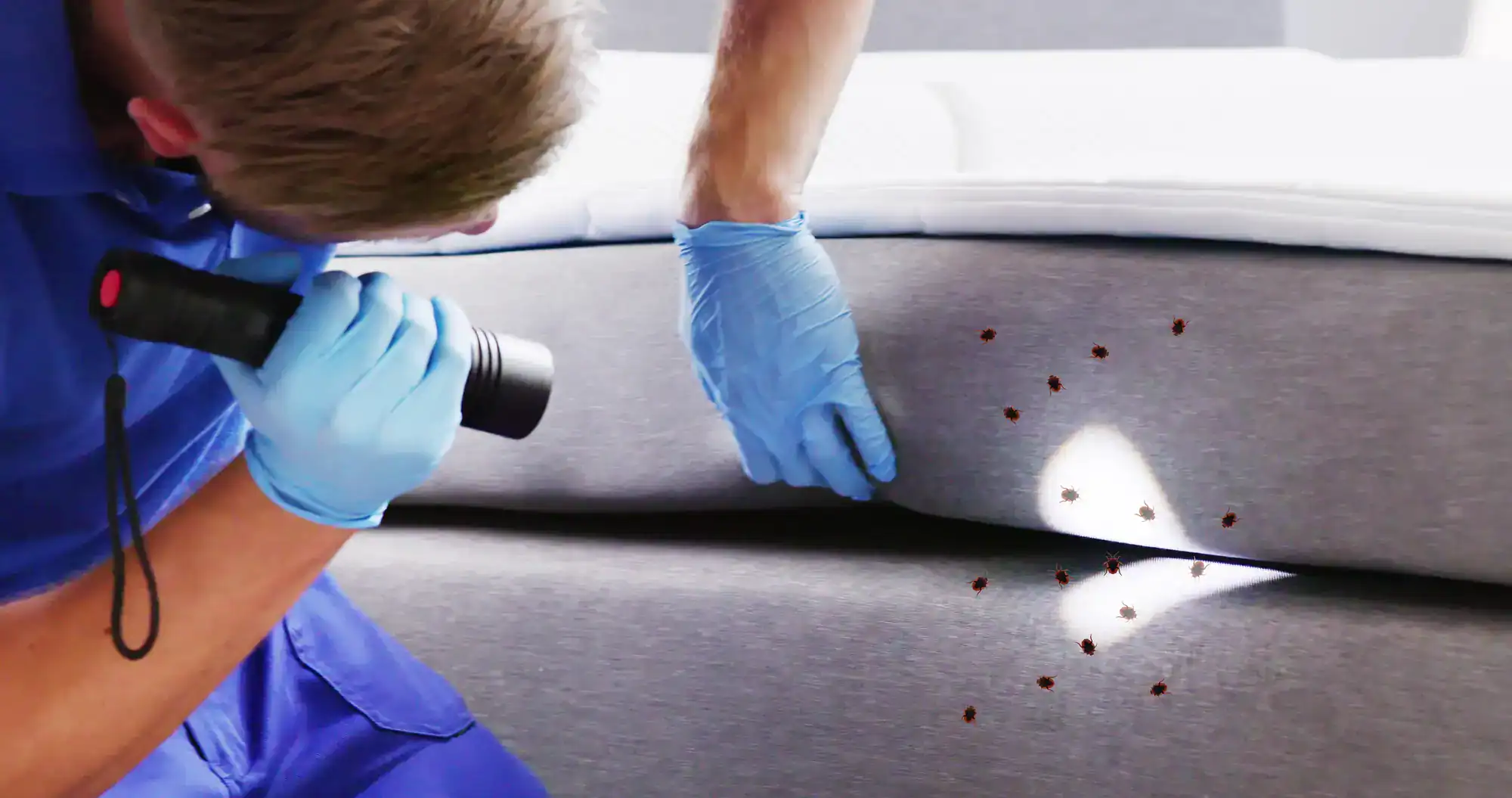
Yes and it’s one of the most common scenarios in Cobble Hill specifically. The neighborhood’s attached rowhouses share party walls, and many brownstones have been converted into two, three, or four apartments over the decades. Bed bugs travel through wall voids, along plumbing chases, and through electrical conduit pathways that connect units. A single infestation on the second floor can reach the third floor within weeks if it isn’t addressed.
This is exactly why speed matters when you find bed bugs in a shared building. A prompt inspection that evaluates the full building not just the reported unit is the only way to understand the actual scope of the problem. Our certified bed bug inspections in Cobble Hill are designed to account for this, including checking adjacent units and common areas when building access allows. Getting ahead of it early is always less disruptive and less expensive than waiting to see if it spreads.
NYC Local Law 69 of 2017 requires all owners of multiple dwelling buildings which includes most of Cobble Hill’s brownstone conversions and co-op buildings to file an annual Bed Bug Infestation History Report with the NYC Department of Housing Preservation and Development (HPD). They’re also required to disclose bed bug history to prospective tenants at the time of lease signing, covering the prior 12 months for both the specific unit and the building overall.
Failure to file results in HPD violations and fines. If a tenant files a 311 complaint about bed bugs and the building owner hasn’t documented a response, that creates an official HPD record that affects the building’s registration. We handle the treatment side and the documentation side including NYC Department of Health clearance certificates so landlords and co-op boards in Cobble Hill have a complete paper trail that satisfies HPD requirements, not just a verbal confirmation that the job was done.
Yes, when done correctly and the preparation before treatment is what makes the difference. We use environmentally friendly treatment options specifically designed for homes where children and pets live. Before any treatment begins, you’ll receive clear guidelines on how to prepare the space: how long to vacate, what to do with bedding and clothing, how to handle food and pet items, and what the space will look and smell like when you return.
For Cobble Hill families many of whom have young children at PS 29 and pets in apartments that weren’t originally designed for them knowing exactly what’s being applied and why is a reasonable expectation. We walk through the treatment approach before our technician starts, so there are no surprises. If you have specific health concerns or sensitivities in your household, that conversation happens upfront, and the treatment plan is adjusted accordingly.
The timeline depends on the size of the infestation and the complexity of the unit, but for a typical Cobble Hill brownstone apartment, the initial treatment visit generally takes two to four hours. Historic buildings take longer than modern apartments because there are more areas to treat properly baseboards, wall voids, built-ins, radiator gaps, and aged plaster surfaces all require careful attention that a quick spray-and-go approach skips entirely.
After the initial treatment, a follow-up visit is typically scheduled within two to three weeks to confirm the infestation has been eliminated and address any residual activity. Bed bug eggs are resistant to many treatments, which is why a single visit is rarely the full answer and why any company that promises a one-visit solution without a follow-up plan should be questioned. We build follow-up into the process from the start, so you know what the full treatment looks like before you commit.
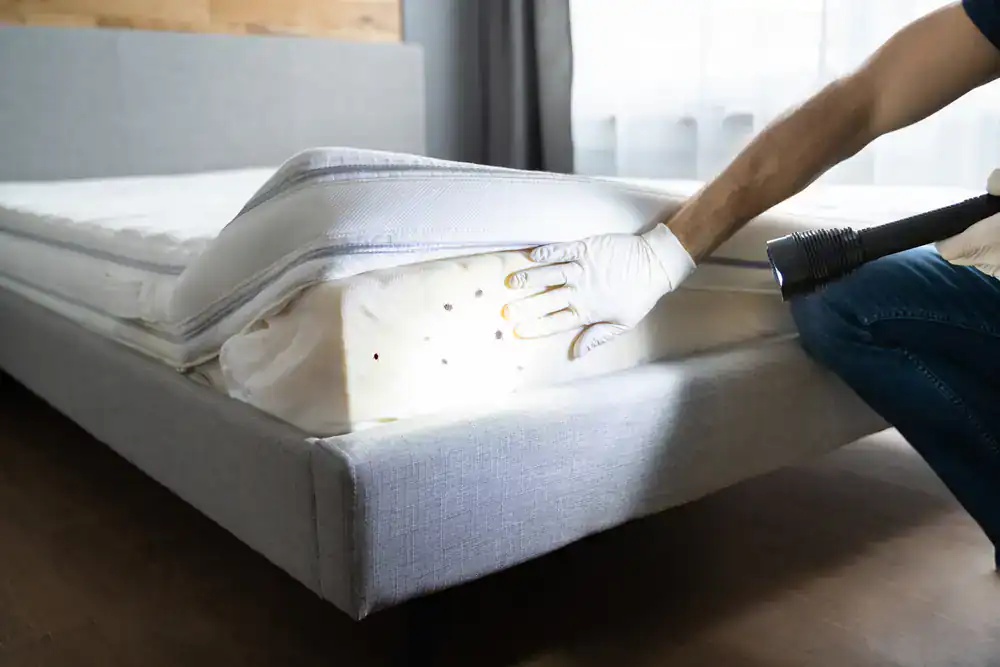
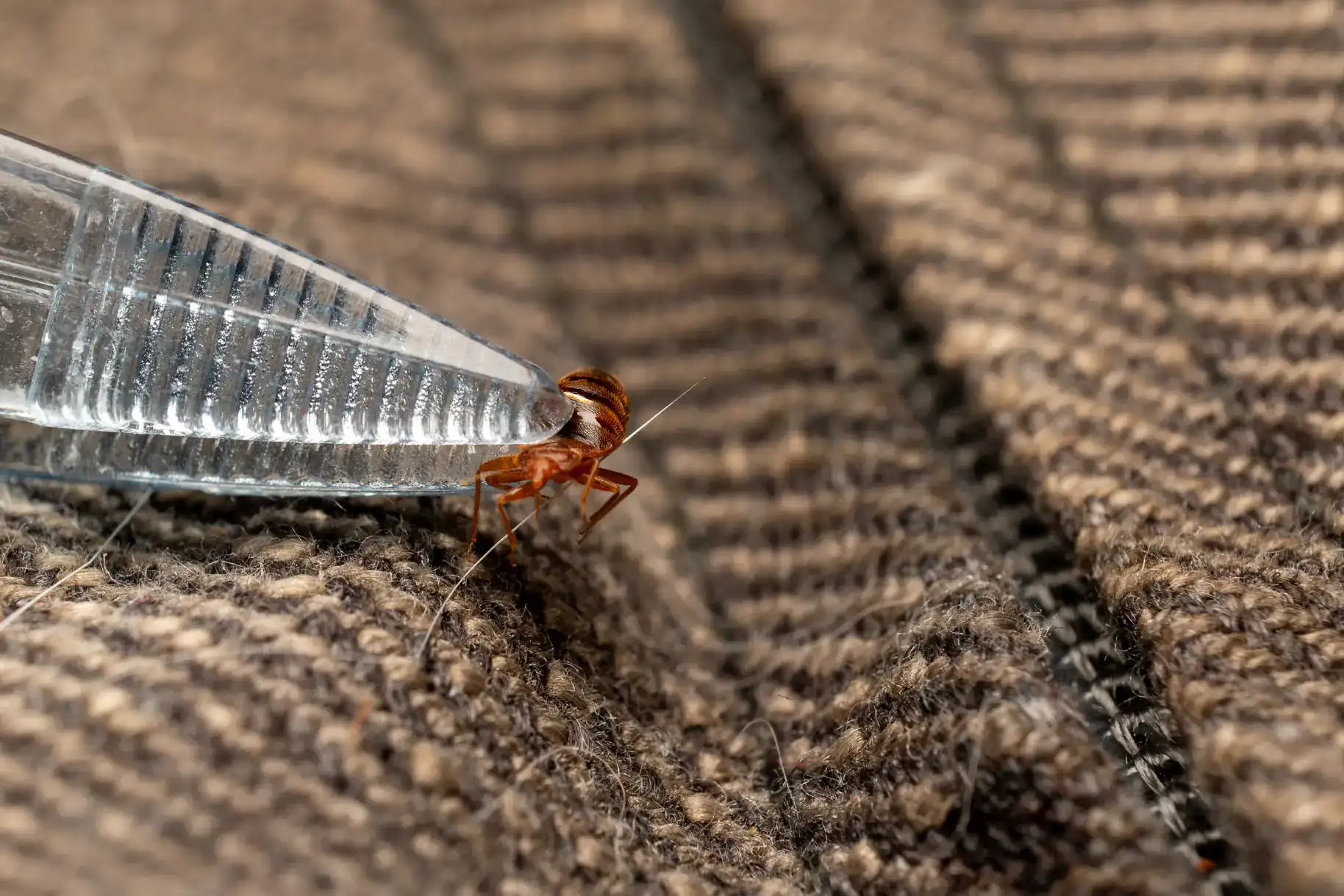
The most reliable signs are small rust-colored stains on mattress seams or bedding (from crushed bugs or their excrement), tiny white eggs or shed skins along mattress edges and box spring folds, and actual live bugs which are flat, oval, and about the size of an apple seed. Bites alone aren’t a reliable indicator because reactions vary widely between people, and some people show no reaction at all.
In Cobble Hill’s older buildings, it’s also worth checking less obvious spots: behind picture frames, inside nightstand drawers, along the tack strips under area rugs, and in the seams of upholstered furniture. If you’re seeing signs but aren’t sure what you’re looking at, a professional inspection is the fastest way to get a definitive answer. We offer free estimates and can often get to a Cobble Hill address same-day so you’re not spending weeks wondering while the situation potentially gets worse.
We offer a senior discount for eligible customers, which is relevant in Cobble Hill given the number of long-term residents who have owned their homes or co-op units for decades and are now on fixed incomes. Free estimates are available for all jobs there’s no charge to find out what you’re dealing with before you decide to move forward.
For building owners and property managers handling multiple units which is a common situation in Cobble Hill’s brownstone and co-op stock it’s worth having that initial conversation about the full scope of the building during the estimate call. Our approach is to give you an accurate picture of what’s needed and what it will cost, without inflating the scope to justify a higher price. What you’re quoted reflects what your building actually requires. That’s been the consistent experience in customer reviews across Google, Yelp, and Angi, and it’s the standard we hold ourselves to on every job.
Useful Links
Other Services we provide in Cobble Hill