Hear from Our Customers
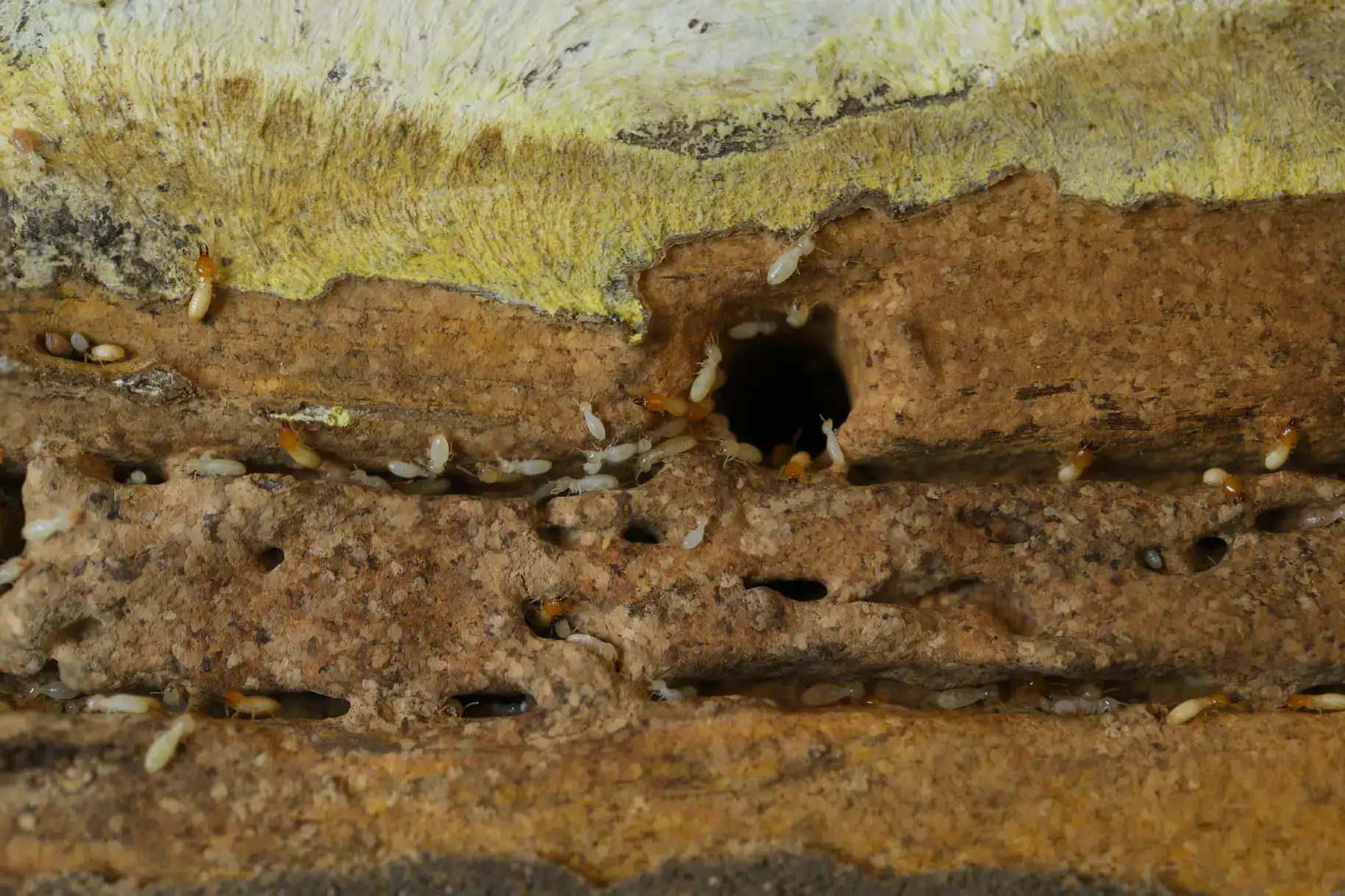
Cobble Hill brownstones are some of the most architecturally intact 19th-century buildings in all of Brooklyn. That’s exactly what makes them valuable and exactly what makes them a target. The original wooden sill plates, floor joists, and subfloor framing that sit at or near the foundation line in these row houses are the same structural elements that Eastern Subterranean Termites feed on. And because these colonies live underground, you won’t see them coming.
By the time most homeowners in Cobble Hill notice something swarmers in the spring, a soft spot in the floor, hollow-sounding wood during a renovation the colony has typically been feeding for three to five years. At that stage, you’re not just dealing with an exterminator bill. You’re looking at structural repairs that can run anywhere from $2,000 to $10,000 or more, none of which your homeowner’s insurance will cover. In a neighborhood where the median brownstone sells for well over $2.5 million, that’s not a risk worth sitting on.
The good news is that a professional termite inspection catches what you can’t see on your own. Early detection means treatment is simpler, faster, and far less disruptive to the historic fabric of your home. Whether you’re a longtime owner, in the middle of a renovation, or preparing to buy or sell on one of Cobble Hill’s landmarked blocks, knowing what’s in your walls is the first step toward protecting what’s in them.
We were founded in Brooklyn in 1976 by a family that still runs us today. Richard Kourbage Sr. built the company from the ground up, and his sons Richard Jr. and Charles have been running operations since the late 1980s. That’s not a talking point. That’s three generations of hands-on work in the same borough, treating the same building types that line every block of Cobble Hill’s historic district.
Our team brings more than 100 years of combined staff experience to every job more than any local competitor serving this neighborhood can claim. When a Kingsway technician walks into a garden-level apartment on Clinton Street or inspects the foundation beneath a high stoop on Verandah Place, they’re not guessing. They’ve seen this construction before, many times over. Every material we apply is registered with the NYS Department of Environmental Conservation, and we’ve maintained BBB accreditation since 1989. That kind of track record doesn’t come from a franchise. It comes from showing up, doing the work right, and staying accountable to the people who live here in Cobble Hill.
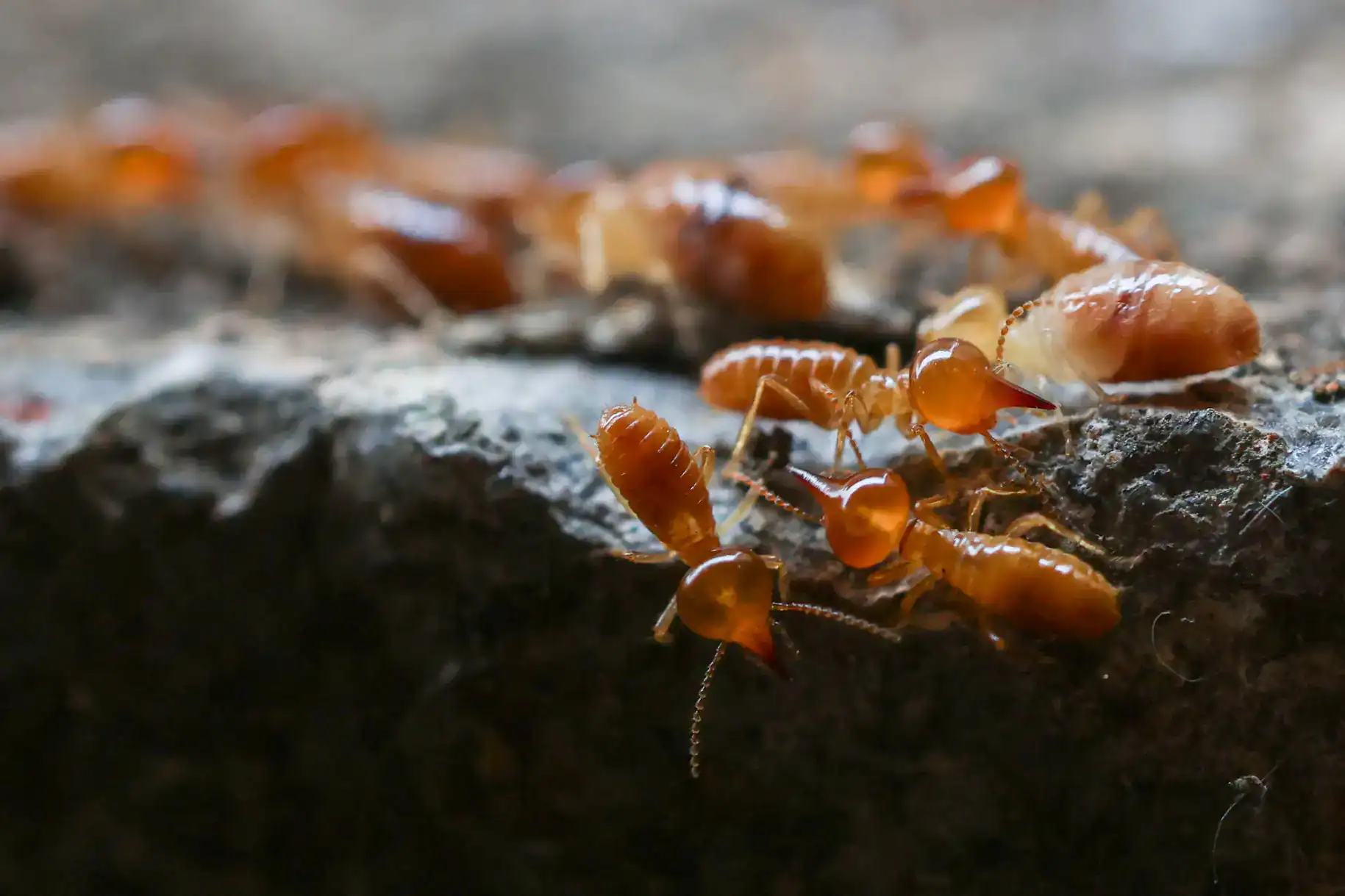
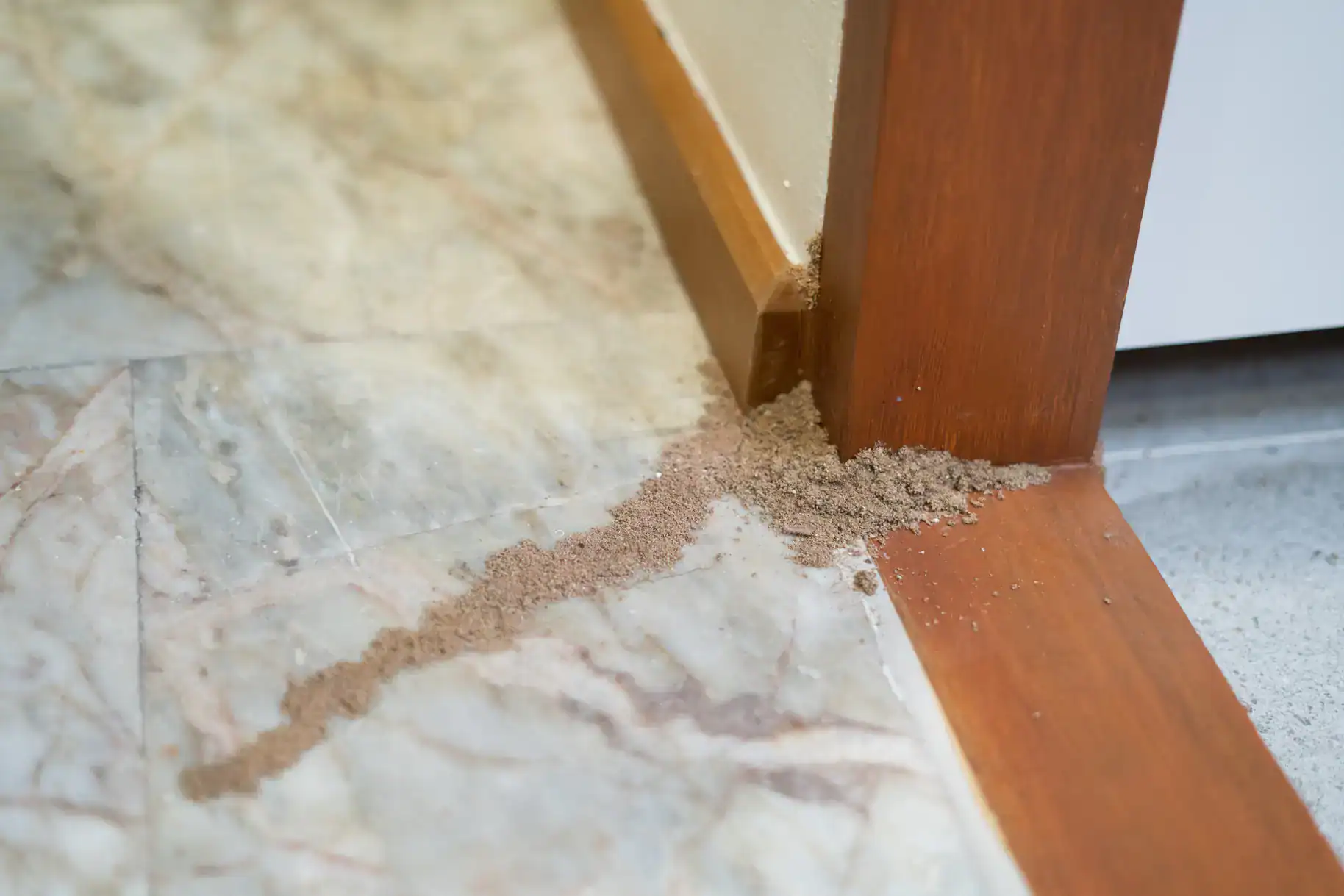
It starts with an inspection. A licensed Kingsway technician comes to your property often same day, always within two business days and does a thorough walkthrough of the areas termites actually target: the foundation perimeter, basement or cellar framing, sill plates, floor joists, any soil-adjacent wood, and the spaces beneath stoops that are common in Cobble Hill’s row house architecture. If there’s evidence of termite activity mud tubes, damaged wood, shed wings, live insects you’ll know exactly what was found and where.
From there, treatment is matched to what the inspection actually reveals. For active infestations, that typically means a liquid barrier treatment applied along the interior foundation, a termite baiting system installed around the building’s perimeter, or a combination of both. Baiting systems are particularly effective in Cobble Hill’s attached row house environment, where colonies can migrate through shared foundation walls from one building to the next the bait reaches the colony underground and eliminates it at the source, not just the termites you can see.
One thing worth knowing if you own a landmarked property in Cobble Hill’s Historic District: interior treatment methods liquid barriers applied inside the foundation, perimeter bait stations installed in the soil do not require Landmarks Preservation Commission review. Any structural repair work that affects your building’s exterior is a separate matter and may require LPC approval, but the treatment itself won’t put you in conflict with the designation. Our technicians understand this distinction and can walk you through it before work begins.
Ready to get started?
We handle the full range of termite-related services from initial inspection and identification through full subterranean termite eradication, termite baiting systems, and liquid barrier treatments. For Cobble Hill homeowners dealing with related wood-destroying organisms, we also treat carpenter ants and powder post beetles, which are common in pre-war Brooklyn buildings and often found alongside termite activity.
If you’re in the middle of a real estate transaction buying or selling a brownstone in Cobble Hill, refinancing, or going through a co-op board review we provide Wood Destroying Organism (WDO) inspection reports produced by NYS DEC certified technicians. These are the reports that FHA, VA, and conventional lenders require before closing, and they’re increasingly requested by buyers’ attorneys on high-value Brooklyn transactions. Getting that report from a licensed, accountable local company not a national chain with rotating technicians matters when a deal is on the line.
We also handle NYC Department of Health pest-related code violations, which is relevant for any Cobble Hill property owner managing rental units or multi-family brownstone floors. If you’ve received a DOH citation, we know exactly what documentation and treatment standards are required to resolve it. You get a licensed technician, NYS DEC registered materials, written documentation, and a company that answers the phone at any hour not a call center that routes you to whoever’s available.
Yes and the reason comes down to how these buildings were constructed. Cobble Hill’s brownstones and row houses were built primarily between the 1840s and 1860s, using continuous wooden sill plates that rest directly on masonry foundations. That construction method creates the exact conditions subterranean termites look for: wood that’s close to or in contact with soil, often in dark, humid spaces beneath stoops or in garden-level areas where moisture collects. Nearly 45% of homes in Cobble Hill were built before 1940, and many have original structural framing that has never been replaced.
The neighborhood’s position along the Brooklyn–Queens Expressway also plays a role on the western blocks near Hicks Street. The BQE trench retains moisture and affects drainage patterns in the adjacent soil and moisture-saturated soil near a foundation is a known accelerant of subterranean termite activity. If your property is on the western side of Cobble Hill, that’s worth factoring into your inspection schedule. Annual inspections are the standard recommendation for buildings with this profile.
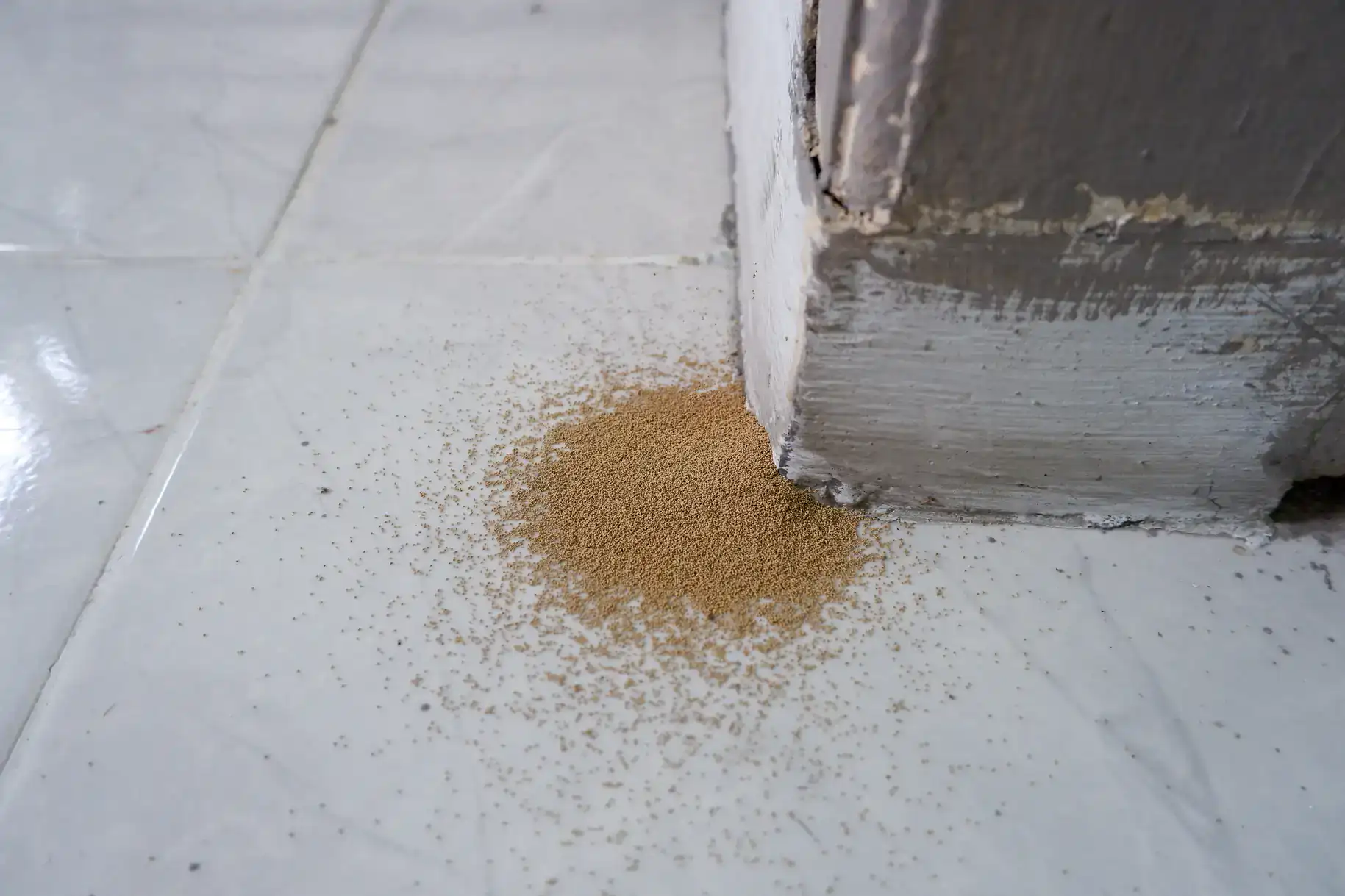
The most common signs fall into a few categories. Mud tubes pencil-thin tunnels made of soil and wood particles along foundation walls, basement pipes, or support beams are a direct indicator of subterranean termite activity. Hollow-sounding wood when you tap floor joists, sill plates, or structural framing is another. During spring, typically March through May in New York, you may see swarmers winged termites emerging from a mature colony to establish new ones. Finding shed wings near windowsills, baseboards, or entry points is a sign a swarm has already happened inside your building.
What makes termites particularly difficult in Cobble Hill is that much of the most vulnerable framing the sill plates and floor joists closest to the foundation is hidden behind finished walls and floors. Homeowners often don’t discover damage until a renovation opens a wall or a floor starts to feel soft underfoot. By that point, the colony has typically been feeding for years. A professional inspection accesses the areas you can’t see and gives you an honest picture of what’s actually going on.
It depends on the financing. FHA and VA loans require a Wood Destroying Organism (WDO) inspection report before closing that’s a non-negotiable lender requirement. Many conventional lenders are also now requesting them, particularly on older properties, and buyers’ attorneys on high-value Brooklyn transactions increasingly include WDO inspections as a standard due diligence item. Given that Cobble Hill brownstones regularly transact at $2.5 million and above, it’s rare for a buyer’s legal team to skip it.
Even if your specific transaction doesn’t require one, a WDO report is worth having. It documents the condition of the property at the time of sale and protects both parties. If termite damage is discovered after closing and no inspection was done, the dispute over who knew what becomes significantly more complicated. We produce WDO reports through NYS DEC certified technicians, with the documentation format that lenders and attorneys recognize and accept. If you’re on a closing timeline, call early same-day inspections are often available.
They can, and in attached row house environments like Cobble Hill, it’s one of the more common ways infestations develop. Eastern Subterranean Termites live underground and travel through the soil, which means a colony established beneath one building can extend its foraging territory through shared soil and along continuous foundation walls into adjacent structures. In a neighborhood where every building is attached and the foundations run in an unbroken line down the block, there’s no natural barrier stopping them.
This is one of the reasons baiting systems are particularly well-suited for Cobble Hill properties. Rather than just treating the wood inside your building, bait stations are installed in the soil around your perimeter and intercept termites underground before they reach your framing. Worker termites carry the bait back to the colony, which eliminates it at the source. That matters not just for your building, but for preventing the colony from simply shifting its activity to the building next door. If you’ve had a neighbor deal with termites recently, that’s a strong reason to schedule an inspection sooner rather than later.
For the treatment itself, the historic district designation doesn’t restrict your options. The methods we use to eliminate subterranean termites liquid barrier applications along interior foundation walls, perimeter bait stations installed in the soil, direct wood injection are all interior or below-grade work that doesn’t affect the exterior of your building. The Landmarks Preservation Commission reviews exterior alterations, not interior pest control treatments, so a standard termite treatment won’t put you in conflict with your LPC obligations.
Where the historic district becomes relevant is in the repair work that sometimes follows a termite inspection. If termite damage requires structural repairs that affect your building’s exterior replacing deteriorated masonry, repairing a stoop, or altering any visible exterior element that work will require LPC review and approval before it begins. The distinction matters because the timeline for LPC review can affect how quickly you move from treatment to repair. Our technicians understand this dynamic and can explain clearly what falls under LPC jurisdiction and what doesn’t, so you’re not caught off guard after the inspection.
For a typical Cobble Hill brownstone or row house, professional termite treatment generally runs between $1,500 and $5,000 depending on the size of the structure, the extent of the infestation, and the treatment method used. A liquid barrier treatment on a standard three-story brownstone tends to fall in the lower-to-mid range of that window. A baiting system installation which is often the better long-term choice for attached row houses may be priced similarly or slightly higher depending on the number of stations required for the perimeter.
What most homeowners in Cobble Hill find when they do the math is that treatment cost is a relatively small number compared to what’s at stake. Structural repairs from termite damage can run $2,000 to $10,000 or more, homeowner’s insurance doesn’t cover it, and a documented termite history can affect your property’s value at resale. On a brownstone worth $2.5 million or more, the cost of an annual inspection and proactive treatment is a straightforward investment in protecting the asset. We offer free inspections there’s no cost to finding out where you stand, and no obligation attached to the estimate.
Useful Links
Other Services we provide in Cobble Hill