
Hear from Our Customers
You stop checking the mattress before bed. You stop waking up wondering if that itch means something. You stop putting off having people over because you’re not sure the problem is gone. That’s what a proper bed bug removal in Glendale, NY actually looks like not just a spray visit, but a real resolution.
Glendale’s housing stock complicates this more than most people realize. A lot of the homes here especially through Middle and Lower Glendale into the Liberty Park and Evergreen sections were built in the late 1800s and early 1900s. Wood-frame construction, original plaster walls, settled baseboards, and decades of accumulated gaps give bed bugs an almost unlimited number of places to hide. A single treatment visit rarely reaches all of them. That’s not a sales pitch it’s just the reality of treating a 100-year-old attached rowhouse versus a modern apartment.
The other thing that changes when the problem is actually solved is the spread stops. In Glendale’s semi-detached and attached homes, bed bugs don’t stay in one unit. They move through shared walls, plumbing chases, and electrical conduits into neighboring units. When treatment is thorough and complete, you’re not just protecting your home you’re protecting the people next door.
We’ve been operating across Brooklyn and Queens for over 40 years. That’s not a number for a brochure it means our technicians have treated every type of building you’ll find in this borough, including the Kreischer brick rowhouses and wood-frame two-families that define Glendale, Ridgewood, and Middle Village. We know what these buildings look like on the inside, and we know where bed bugs hide in them.
We’re BBB A+ accredited continuously, since May 5, 1989. Our staff collectively brings over 100 years of pest control experience to the work. We also hold a certified bedbug specialist designation, which matters because bed bug treatment is genuinely different from general pest control. It requires specific training, specific methods, and specific knowledge of how infestations behave in attached, older housing stock exactly what you’ll find throughout Queens Community District 5 and in Glendale specifically.
We answer phones 24 hours a day, 7 days a week. No voicemail, no callback queue. If you find something at 11pm on a Sunday, someone picks up.
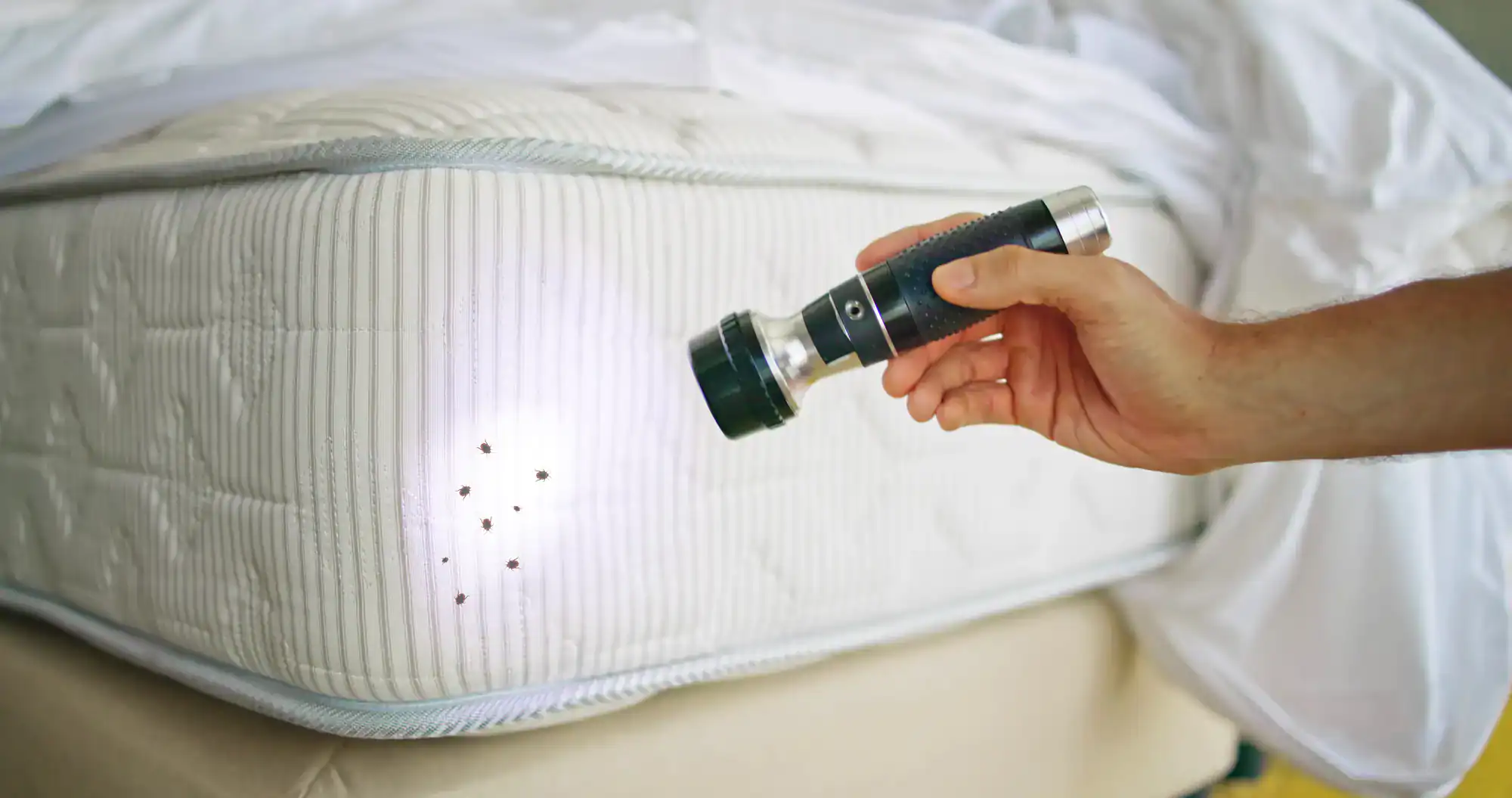
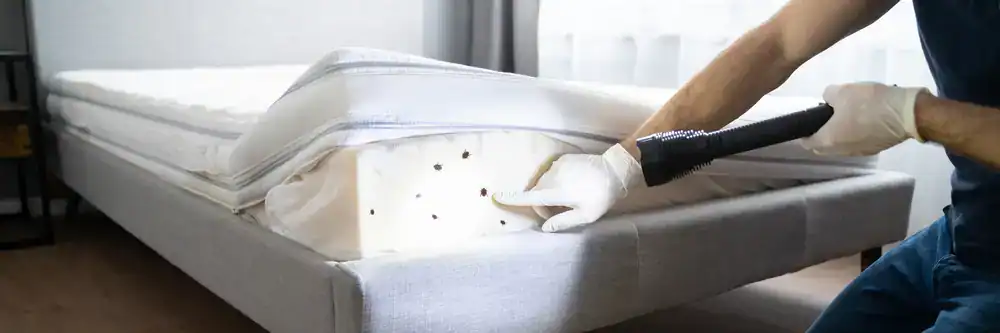
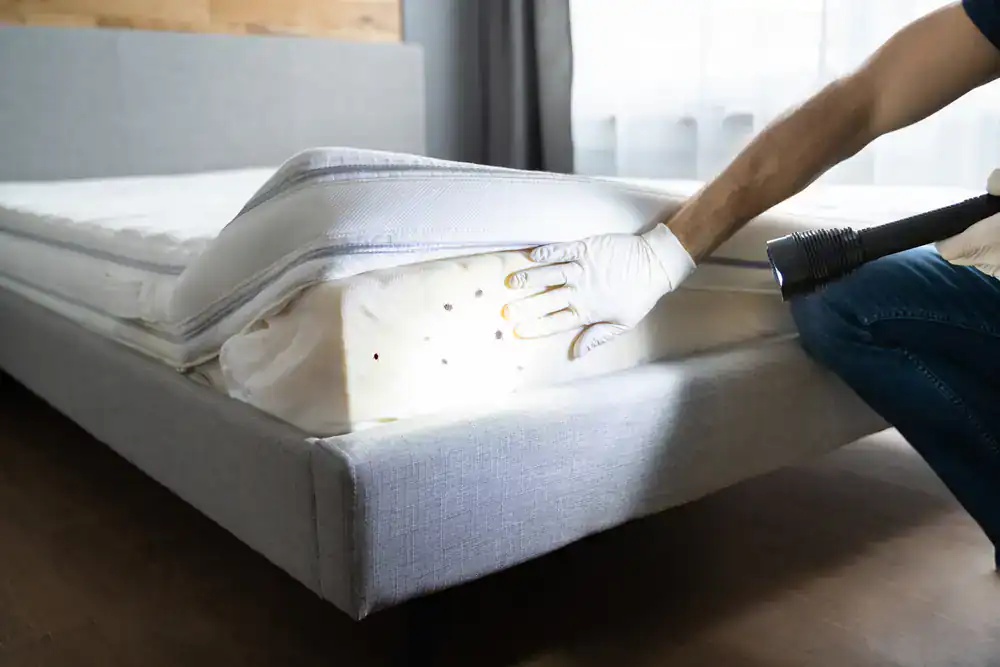
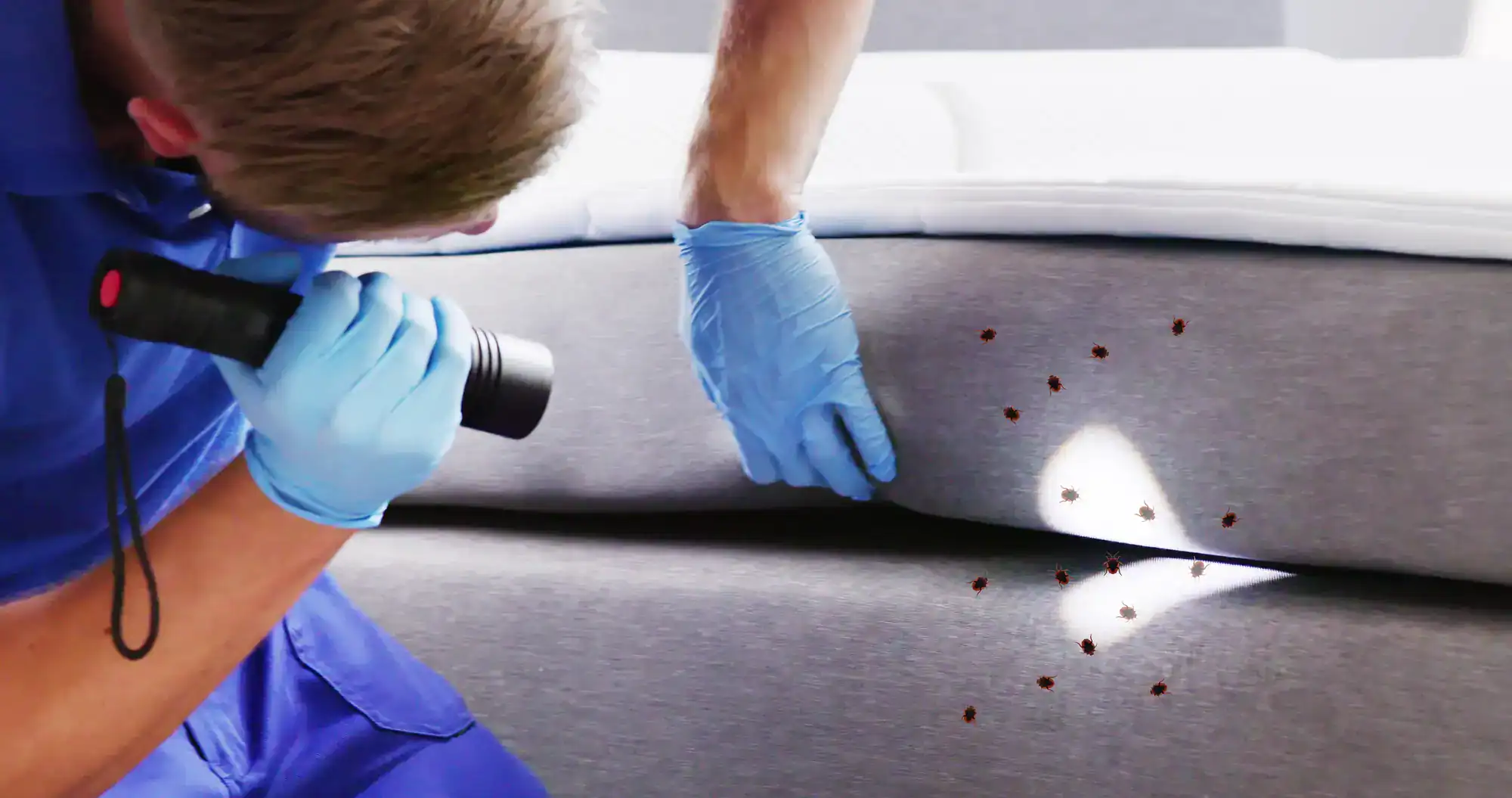
It starts with a thorough bed bug inspection in Glendale, NY not a five-minute walkthrough, but a real assessment of your home. Our technician checks the obvious places: mattresses, box springs, bed frames, headboards. But in a Glendale home with original plaster walls and wood lath framing, we go further baseboards, window frames, electrical outlets, floor joints, and any furniture with upholstered seams. The goal is to find every harborage site before treatment begins, because what you miss on inspection shows up again six weeks later.
From there, we build a treatment plan around what was actually found not a standard package applied to every job the same way. Most infestations in older attached homes require multiple visits, typically two to four treatments over a three-to-six week period. That’s the professional standard, and it’s what the EPA recommends. Anyone telling you one visit handles it in a home like this is either misinformed or not being straight with you.
After treatment, you’ll get clear preparation and post-treatment instructions so you know what to do before our technician arrives and what to expect after. If you’re a landlord in a multi-unit building, we can also help you navigate NYC’s Annual Bed Bug Reporting requirements with HPD and the documentation needed to stay compliant under New York’s updated tenant notification law.
Ready to get started?
Our bed bug control in Glendale, NY is delivered using environmentally friendly, family-safe treatment methods which matters in a neighborhood where nearly 70% of households are families and a significant portion have children and pets at home. Before any work begins, you’ll know exactly what’s being used, how it works, and what precautions to take. There are no surprises.
Treatment is adapted to the realities of Glendale’s housing. In the older semi-detached and attached rowhouses throughout the neighborhood particularly in Lower Glendale’s three national historic districts, where structural remediation isn’t always an option professional chemical treatment is often the only viable long-term solution. Our technicians are trained specifically in bed bug heat treatment and chemical application methods suited to these older structures, reaching harborage sites in walls and framing that surface-level treatments miss entirely.
For property owners and landlords managing multi-unit buildings in Glendale, we’re also familiar with NYC HPD compliance requirements, including the Annual Bed Bug Report that must be filed each December and the 2024 amendment to New York Real Property Law § 235-j, which requires written tenant notification within 24 hours of a known infestation. Working with a licensed, bonded, and insured exterminator isn’t just good practice here it’s legal protection. We offer free estimates, and appointments are guaranteed within two days, with same-day inspections often possible.
Yes and in Glendale’s attached and semi-detached housing stock, this is one of the most common ways infestations grow. Bed bugs can travel up to 100 feet per night, and they don’t need much space to move between units. In the older rowhouses and two-family homes that make up much of Middle and Lower Glendale, shared walls, plumbing chases, and electrical conduits give bed bugs direct pathways from one unit to the next.
This is why treating only your unit while a neighbor’s goes untreated often leads to re-infestation within weeks. A professional exterminator familiar with this type of housing will assess the full scope of the situation and advise on whether adjacent units need to be inspected as well. It’s not about upselling additional treatments. It’s about understanding how bed bugs actually behave in connected buildings, which is something our technicians have dealt with throughout Queens for over 40 years.
Most professional bed bug treatments in the NYC area run between $1,000 and $2,500 for a standard infestation, with more severe cases reaching $4,000 or higher depending on the size of the home and the extent of the spread. In Glendale specifically, the age and construction type of the home can affect the scope of treatment older wood-frame and plaster-wall buildings often require more thorough inspection and multiple treatment visits to fully resolve the infestation, which affects the overall cost.
What you should expect going in: most infestations require two to four treatment visits over a three-to-six week period. A single visit is rarely enough in an older attached home, and any company quoting you a one-visit solution for a confirmed infestation in a Glendale rowhouse should be asked to explain how they’re accounting for the harborage conditions in that type of building. We offer free estimates, so you can get a clear picture of what you’re actually dealing with before committing to anything.
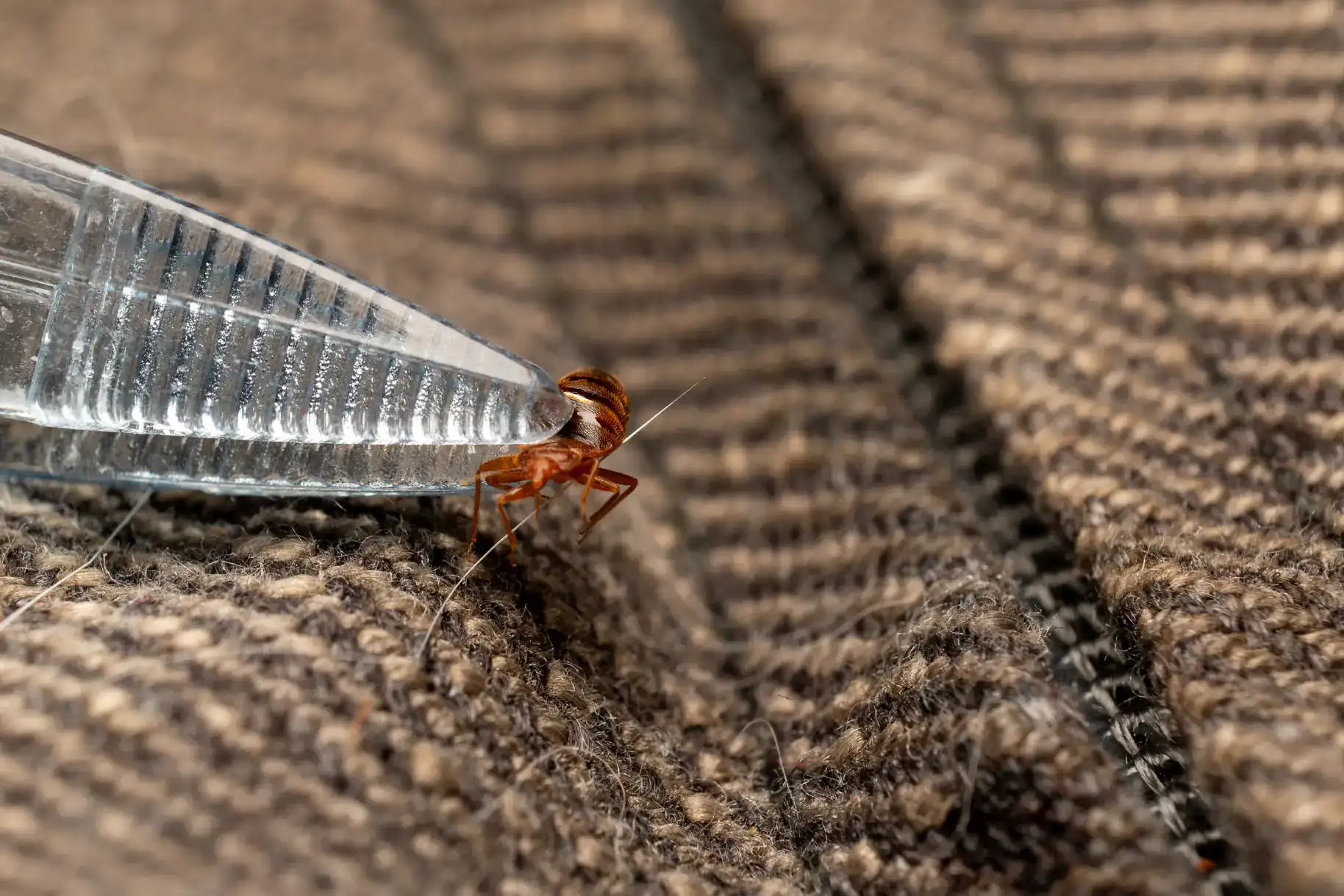
The most reliable signs are physical evidence, not just bites. Bites alone can be misleading they look similar to mosquito bites, flea bites, or even a skin reaction to detergent. What you’re looking for is a combination of signs: small rust-colored stains on your sheets or mattress (from crushed bugs or their droppings), tiny dark spots along mattress seams or baseboards (fecal matter), shed exoskeletons, or if the infestation is more advanced a faint musty odor in the room.
In Glendale’s older homes, bed bugs often establish themselves in places that aren’t immediately visible: inside the joints of wooden bed frames, behind baseboards that have pulled slightly away from original plaster walls, inside electrical outlet boxes, or deep in upholstered furniture seams. If you’re seeing bites and suspect something but can’t confirm it visually, a professional inspection is the most reliable next step. We offer same-day inspections when available, and our technicians know exactly where to look in the type of housing stock common throughout Glendale and the surrounding Queens neighborhoods.
In New York City, landlords of multiple dwellings are legally responsible for maintaining the building free of pests, including bed bugs. If you’re renting in a Glendale building with three or more units, your landlord is required to address a bed bug infestation once they’re made aware of it. You should notify your landlord in writing text or email works, but written notice creates a record. If they don’t act, you can file a complaint through 311 or directly with NYC HPD, which will trigger an inspection.
Under the 2024 amendment to New York Real Property Law § 235-j, landlords are now also required to notify all tenants in the building in writing within 24 hours of learning about a confirmed infestation. This is a relatively new requirement, and not every landlord is aware of it yet. If you’re a tenant and you’re not getting a response, documenting your outreach and filing with HPD is your clearest path to resolution. If you’re the landlord, acting quickly with a licensed exterminator and proper documentation is both the legal and practical right move.
This is the first question most Glendale families ask, and it’s the right one. We use environmentally friendly treatment methods specifically because the people living in these homes including children and pets need to be protected throughout the process. Before treatment begins, you’ll receive clear preparation instructions: what to move, what to cover, where pets should be during the visit, and how long before the treated areas are safe to re-enter. Nothing is left vague.
The preparation steps matter as much as the treatment itself. In Glendale homes with young children, our technician will walk you through exactly what the products are, how they work, and what the re-entry timeline looks like so you’re not guessing. If you have specific concerns about sensitivities or allergies in your household, raise them before the visit our technicians can adjust the approach accordingly. The goal is to eliminate the infestation without creating a new problem for the people who live there.
Most bed bug infestations in Glendale require two to four professional treatment visits over a three-to-six week period. That’s the standard the EPA recommends, and it reflects how bed bug biology actually works eggs are resistant to most treatments, so follow-up visits are necessary to catch the next generation before they reach reproductive maturity. A single treatment visit may reduce the population significantly, but it rarely eliminates the infestation entirely.
In Glendale’s older housing stock particularly in the attached rowhouses and two-family homes throughout Middle and Lower Glendale the number of harborage sites in aged wood framing, original plaster walls, and settled baseboards means that follow-up visits are especially important. Our technician will assess progress at each visit and adjust the approach based on what’s still present. The total number of visits depends on the severity of the infestation and how the home responds to treatment but going in with realistic expectations means you won’t be caught off guard, and you won’t stop treatment too early and end up starting over.
Useful Links
Other Services we provide in Glendale