
Hear from Our Customers
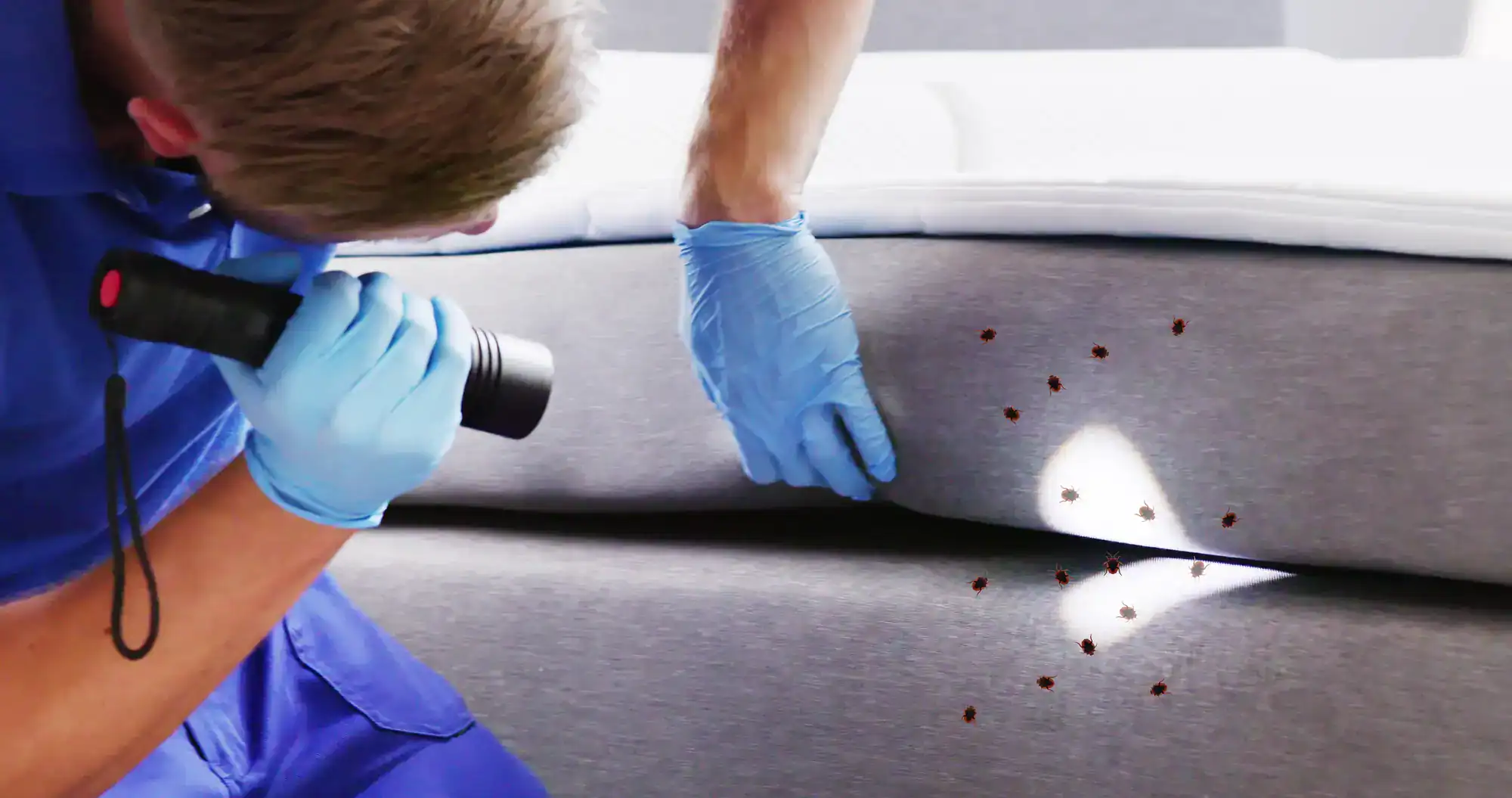
Finding bed bugs in your apartment is one of those moments where everything shifts. You’re not just dealing with an insect you’re dealing with the anxiety of not knowing how far it’s spread, whether your neighbors are affected, and whether your landlord is actually going to do anything about it. That mental weight is real, and it doesn’t go away until the problem is actually resolved.
In Lefferts Gardens, that resolution looks different than it does in newer construction. Most of the housing stock here was built before World War II. The walls have gaps. The plumbing chases connect units. A bed bug infestation in one apartment isn’t just your problem it can move through a building the same way a rumor does. Effective treatment here means understanding how these old buildings are built and addressing the full picture, not just the room where you first noticed bites.
When the job is done right, you’re not just bug-free you’re confident. You know what was treated, why it was treated that way, and what to watch for going forward. For renters in Lefferts Gardens who are already dealing with rent burden and limited options, that clarity matters as much as the treatment itself.
We’ve been working in Brooklyn since before most of the pest control companies currently advertising in Lefferts Gardens even existed. Founded by Richard Kourbage and based on Flatbush Avenue in Marine Park the same Flatbush Avenue that runs along the western edge of Lefferts Gardens we’ve spent more than four decades treating the exact type of housing that defines this neighborhood: prewar brownstones, multi-family walkups, and century-old apartment buildings with all the structural complexity that comes with them.
Our team carries more than 100 years of combined pest control experience, holds certified bedbug specialist status, and has maintained a BBB A+ rating since 1989. That’s not a recent achievement it’s a 35-year track record of doing the job honestly and doing it right.
We’re a family-owned operation with named leadership and personal accountability. When something needs to be made right, there’s a specific person whose reputation is on the line not a call center, not a franchise. That distinction matters in a neighborhood like Lefferts Gardens, where word travels fast and community trust is earned, not assumed.
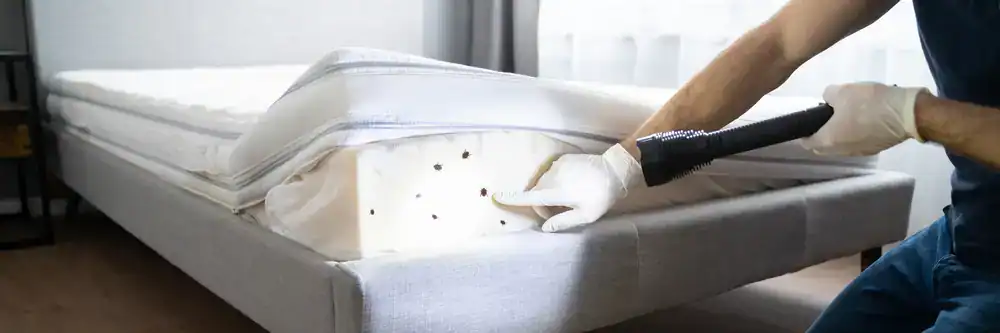
It starts with a call and unlike a lot of companies, we answer 24 hours a day, seven days a week. No voicemail, no callback window. If you’re pulling back your sheets at midnight and finding what you hoped you wouldn’t find, you can reach a real person right then. An inspection is typically scheduled the same day or within two days, because waiting isn’t a reasonable option when bed bugs are involved.
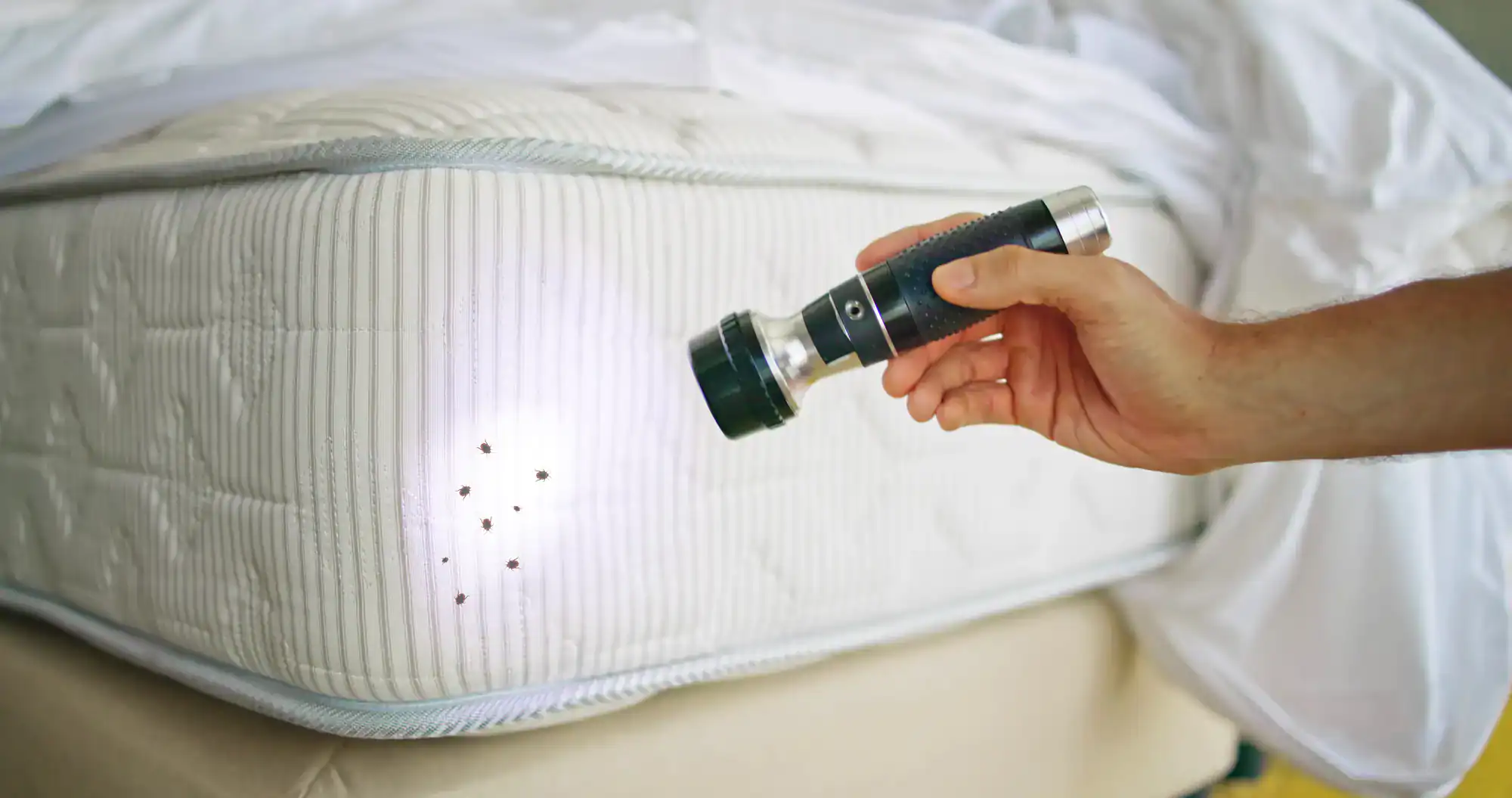
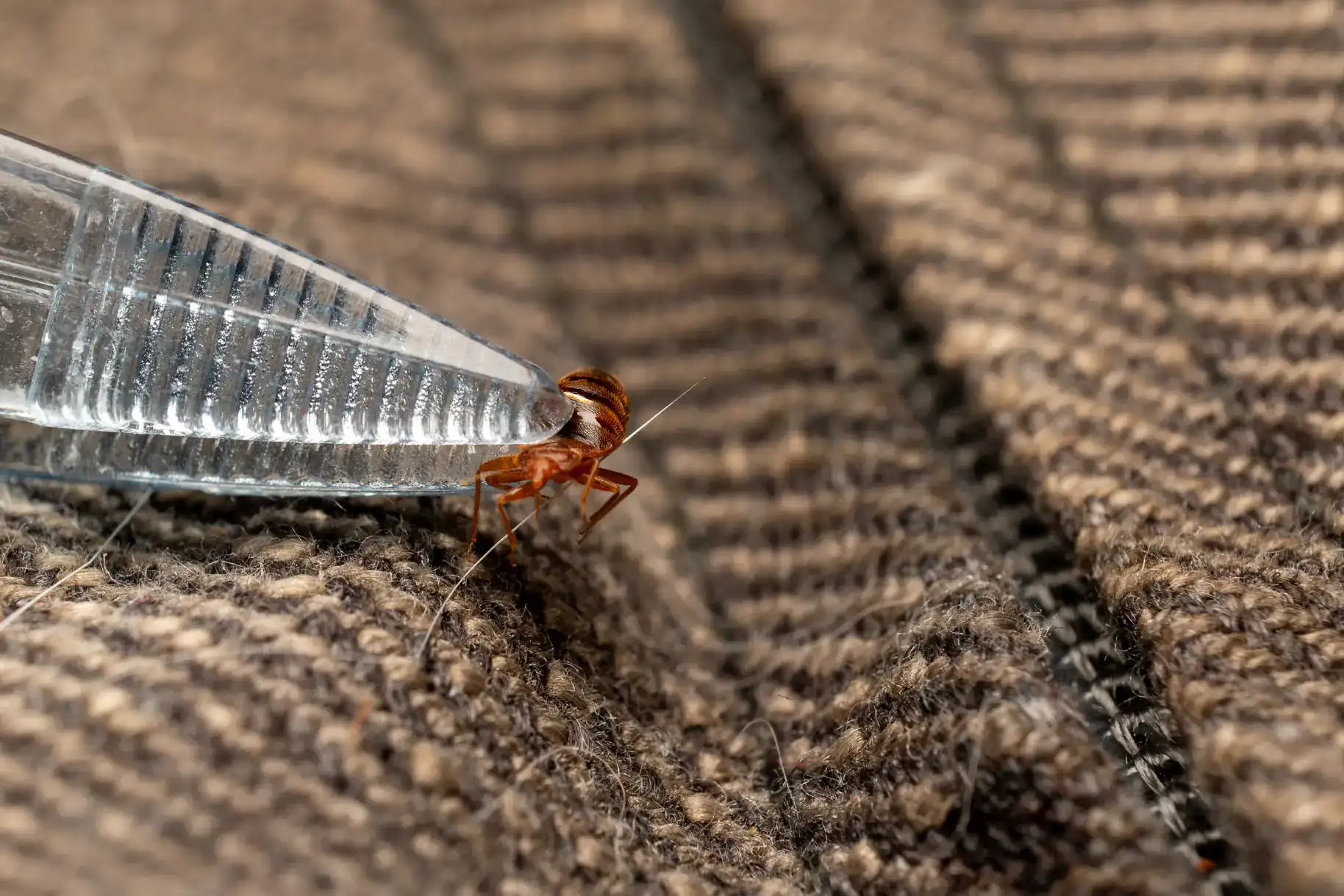
The inspection itself is thorough. In a Lefferts Gardens apartment, that means looking beyond the mattress checking wall voids, baseboards, electrical outlets, furniture joints, and any structural gaps that are common in buildings of this age. The goal is to understand the full scope before any treatment begins, because an incomplete assessment leads to incomplete results. If you’re in a multi-unit building, our technician will also advise on what building-wide coordination looks like and what your rights are as a tenant under NYC’s Housing Maintenance Code.
Treatment is then tailored to what was actually found not a default package applied to every job. We use environmentally friendly solutions that are safe for families and pets, and our team will walk you through exactly how to prepare your space beforehand and what to expect in the days following treatment. If your building owner has received an HPD notice of violation, we can assist with that process and issue a NYC Department of Health clearance certificate when the work is complete.
Ready to get started?
Bed bug control in Lefferts Gardens requires a different level of attention than a standard suburban job. The Lefferts Manor Historic District alone contains 677 contributing buildings, most of them constructed between 1895 and 1935. These structures have aged wall cavities, shared infrastructure, and the kind of building-to-building connectivity that allows infestations to travel in ways that newer construction simply doesn’t allow. Every treatment we perform accounts for that reality.
Our service includes a detailed inspection, a treatment plan specific to your unit and building type, and environmentally responsible application methods that are safe for children and pets a real concern in a family-dense neighborhood where many residents have young kids at home. We don’t upsell. If your situation requires a single treatment, that’s what you’ll be told. If it requires more, you’ll understand exactly why before any work begins. Free estimates mean you know the cost before you commit to anything.
For landlords and property managers in Lefferts Gardens, we also provide support for NYC Local Law 69 compliance including the annual HPD bed bug reporting requirement that applies to virtually every multi-dwelling building in the neighborhood. Whether you’re a tenant trying to get your landlord to act or a building owner trying to stay ahead of an HPD violation, we understand the regulatory environment and can help you navigate it without the runaround.
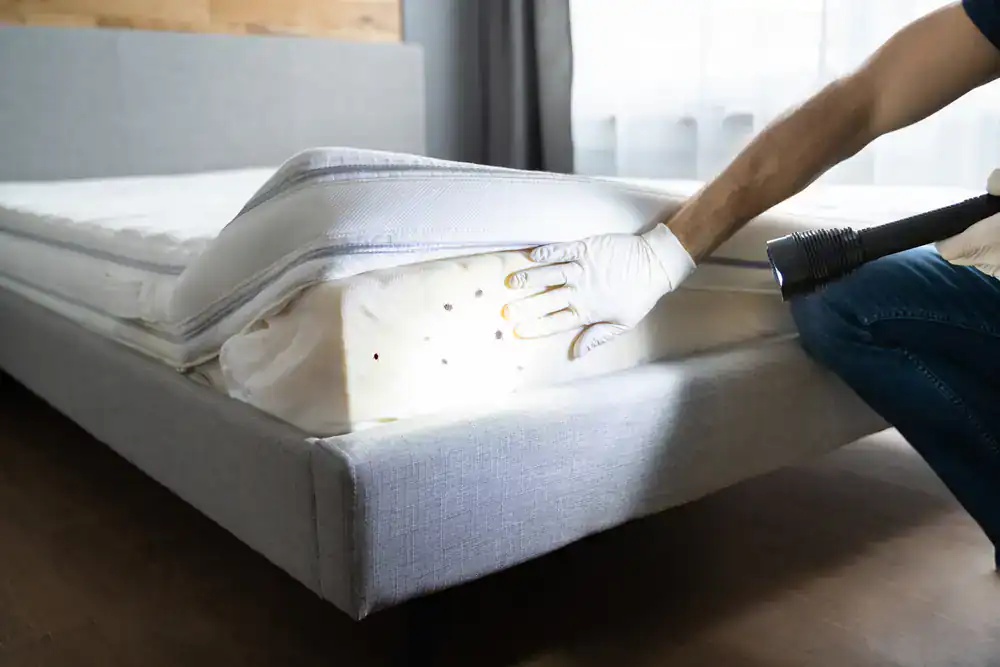
Under the NYC Housing Maintenance Code, landlords are legally responsible for eradicating pest infestations including bed bugs in rental apartments. That applies directly to the majority of residents in Lefferts Gardens, where most people rent rather than own. If you’ve discovered bed bugs in your unit, your first step is to notify your landlord in writing and keep a copy of that communication.
If your landlord doesn’t respond or refuses to act, you can file a complaint through 311 or directly with NYC’s Housing Preservation and Development agency. An HPD inspector may visit the building, and if bed bugs are confirmed, the owner can be issued a Notice of Violation with a legal deadline to remediate. New York State law also requires landlords to provide incoming tenants with a Bed Bug Disclosure Form covering infestation history from the prior year. Knowing these rights before you make a call can save you significant time and money.
Yes and this is one of the most important things to understand about bed bug infestations in Lefferts Gardens specifically. The neighborhood’s housing stock is dominated by prewar multi-family buildings where the walls, floors, and ceilings share infrastructure: plumbing chases, electrical conduits, and structural gaps that have widened over decades. Bed bugs are small enough to travel through these pathways, which means an infestation in one unit is a genuine risk for units above, below, and beside it.
This is why a thorough inspection matters so much in buildings of this age and type. Treating only the visible infestation without assessing the surrounding units and structural pathways often leads to re-infestation within weeks. A qualified bed bug specialist will evaluate the full scope not just the room where bites were first noticed and advise on whether building-wide coordination with your landlord or property manager is warranted. In Lefferts Gardens’ older buildings, that kind of comprehensive approach isn’t optional. It’s what actually works.
Preparation makes a significant difference in how effective treatment turns out to be, and the specific steps depend on the treatment method being used. Generally speaking, you’ll need to wash and bag clothing and bedding, clear access to baseboards and furniture, and remove clutter from floors and closets. Our technician will give you a detailed prep checklist specific to your situation before the appointment.
In older Lefferts Gardens apartments, preparation often involves moving furniture away from walls to give our technician access to baseboards and wall voids areas that are especially important in prewar construction where structural gaps are common. If you have children or pets, you’ll want to arrange for them to be out of the unit during treatment and for a period of time afterward, depending on the products used. We use environmentally friendly solutions, but our team will be specific about re-entry timing so you’re not guessing. The goal is to make the treatment as effective as possible on the first visit thorough prep on your end makes that significantly more likely.
The honest answer is that it depends on the severity of the infestation and the type of building you’re in. A single-unit treatment in a straightforward situation may be resolved in one or two visits. A more established infestation or one in a multi-unit Lefferts Gardens building where bugs have traveled between units may require a more involved approach and follow-up visits to confirm the infestation has been fully eliminated.
What you should expect from any reputable bed bug exterminator is a clear explanation of the treatment plan before work begins, including how many visits are anticipated and why. You should not be given a vague answer and billed for additional visits that weren’t discussed upfront. We assess your specific situation, develop a plan based on that assessment, and explain it to you before anything starts. If your building has an active HPD violation related to bed bugs, there may also be documentation requirements that affect the timeline, and we can walk you through what that process looks like from start to finish.
Heat treatment where a unit is brought to a sustained high temperature that kills bed bugs at all life stages is one of the most effective methods available, particularly for severe infestations or situations where chemical sensitivity is a concern. It’s especially useful in older buildings where bugs have penetrated deep into wall voids and structural gaps that are harder to reach with conventional treatment methods.
That said, heat treatment isn’t always the right call for every situation, and in Lefferts Gardens’ prewar apartment buildings, the structural characteristics of the unit matter. Some older buildings have limitations around heat retention or access that affect how practical a full heat treatment is. The right answer for your specific apartment depends on the inspection findings, the severity of the infestation, and the building’s construction. A certified bed bug specialist will assess all of these factors and give you an honest recommendation not a default upsell to the most expensive option on the menu.
The most common sources are travel and secondhand furniture two things that are particularly relevant in Lefferts Gardens. The neighborhood has a large Caribbean-American community with strong family ties to the islands, and hotel stays during visits to Jamaica, Trinidad, Barbados, and other destinations are one of the leading ways bed bugs enter homes. They hitchhike in luggage, clothing, and personal items, often without any visible sign until an infestation is already underway back home.
Secondhand furniture is the other major vector, and it’s a common choice in a rent-burdened neighborhood where residents are looking for ways to stretch their budgets. A bed frame or upholstered couch picked up from the curb or a secondhand shop can carry an infestation that isn’t visible to the naked eye. The neighborhood’s ongoing residential turnover new residents moving in from other parts of Brooklyn and Manhattan also increases the chances of bugs being introduced through shared moving equipment, storage units, or furniture from previous apartments. Understanding how bed bugs got in is useful context, but it doesn’t change what needs to happen next: a professional inspection and a treatment plan built for your specific situation.
Useful Links