
Hear from Our Customers
When bed bugs are in your home, you stop sleeping right. You start checking everything the seams of your mattress, the baseboards, the couch cushions. That kind of stress doesn’t go away on its own, and it doesn’t go away with a single spray from someone who’s never dealt with a building like yours.
Red Hook’s housing is unlike most of Brooklyn. Older converted loft spaces and warehouse buildings along Coffey Street and Pioneer Street have exposed brick, original framing, and the kinds of gaps that give bed bugs places to hide that a basic treatment will completely miss. The Red Hook Houses add another layer when your neighbors’ units haven’t been treated, the problem keeps coming back through shared walls and conduit runs no matter what happens in your apartment.
Real bed bug removal means treating the whole picture. We inspect every harborage point, not just what’s visible, and follow through until the infestation is actually gone. That’s what changes how you sleep at night knowing the job was done right, not just done fast.
We’ve been operating out of Brooklyn for over 40 years since before Red Hook was a destination, before IKEA opened on the waterfront, before the lofts filled up, before the cruise terminal brought regional foot traffic through the neighborhood every spring. That’s four decades of working in this borough’s specific buildings, with this borough’s specific pest pressure.
We’re family-owned and BBB A+ accredited since 1989. The technicians who show up are certified bed bug specialists not general pest control operators who added bed bugs to a service menu. And when you call, a real person picks up. Twenty-four hours a day, seven days a week.
We serve all five boroughs, and Red Hook is part of our core territory. If you’ve dealt with NYCHA’s contractor falling short, or a cheap operator who came once and disappeared, this is a different experience.
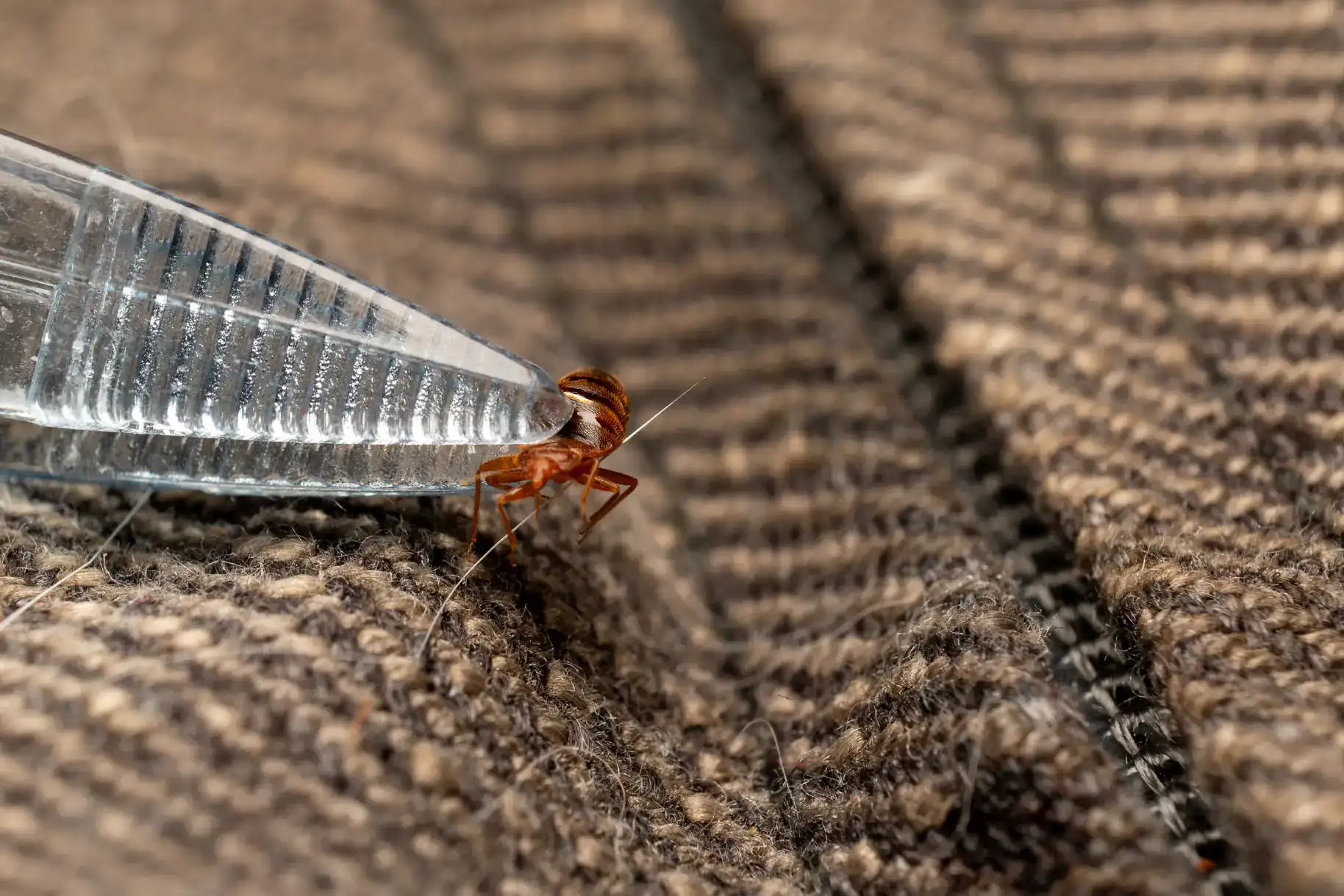
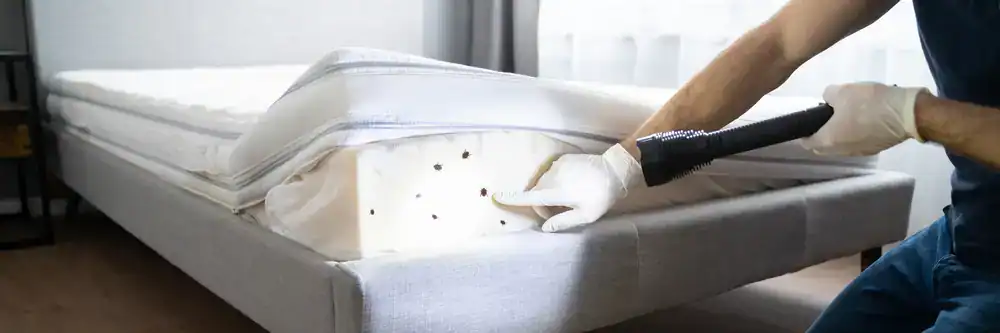
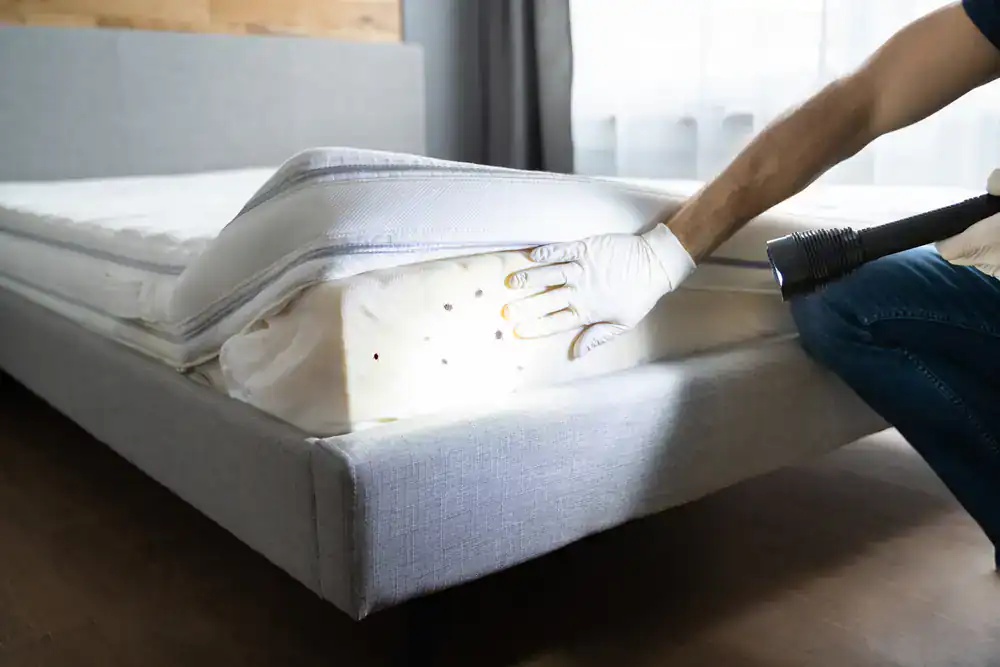
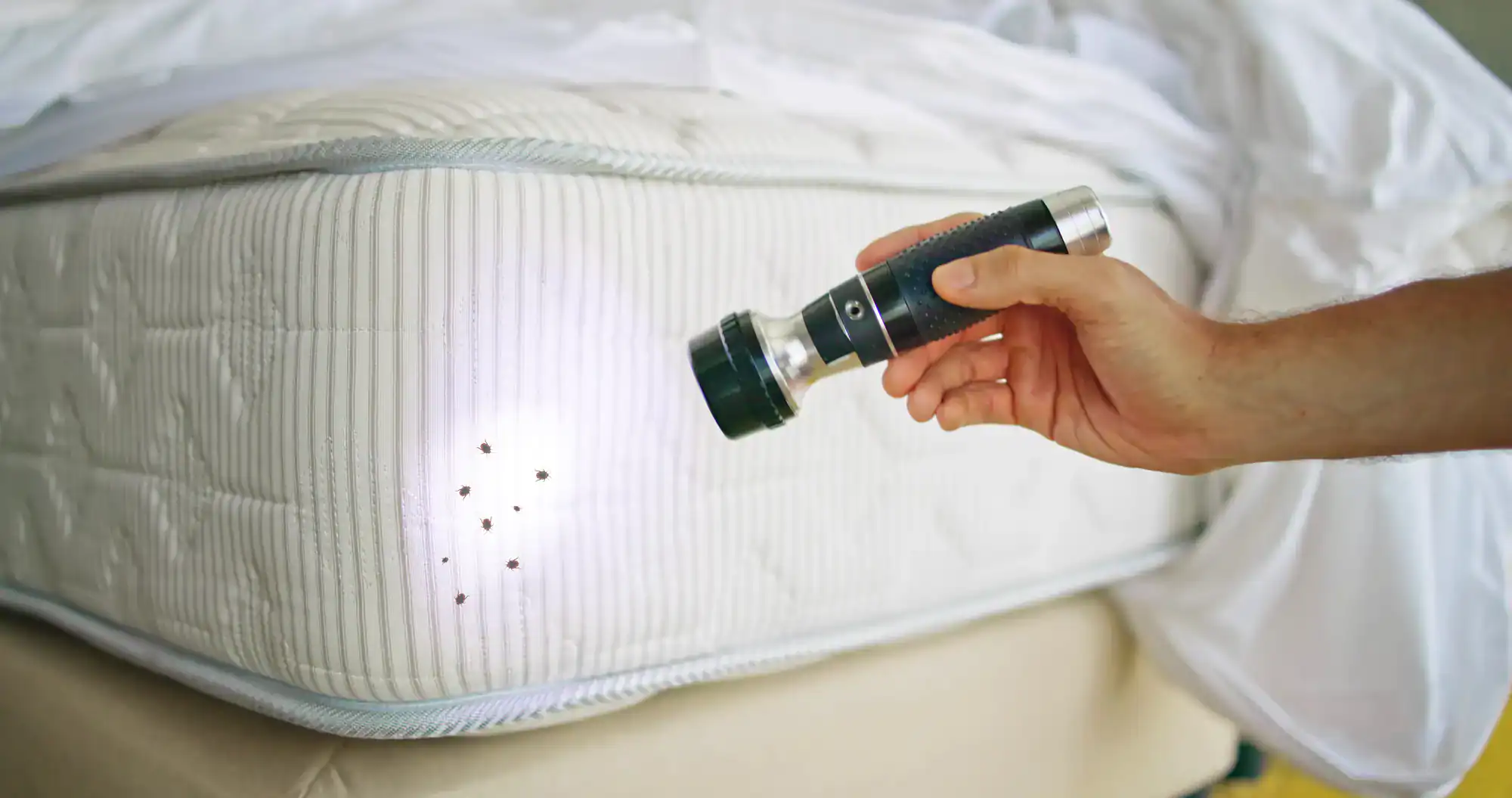
It starts with a thorough inspection. Not a five-minute walkthrough a real assessment of your space, including the areas bed bugs actually use: wall voids, baseboards, electrical outlets, furniture joints, and anywhere else they can harbor between feedings. In Red Hook’s older building stock, that inspection goes deeper than it would in a newer apartment, because the harborage opportunities are more complex.
From there, we build a treatment plan around what’s actually in your home. We use environmentally friendly methods that are safe for your family and pets something that matters especially in a neighborhood where residents have long been cautious about chemical exposure. You’ll know exactly what’s being applied, how to prepare beforehand, and what to expect after each visit.
Most infestations require more than one treatment. Eggs that survive the first application will hatch, and follow-up visits address those before the cycle restarts. Under New York City’s Housing Maintenance Code, landlords are required to hire only NYSDEC-licensed pest management professionals for bed bug treatment we meet that requirement and can support both tenants and property owners with documentation, violation resolution, and NYC Department of Health clearance certificates when needed.
Ready to get started?
Every job starts with a free estimate. You’re not committing to anything before you know what you’re dealing with and what it’s going to cost. Same-day inspections are available in many cases, and we guarantee an appointment within two days of your call which matters when you’re dealing with something that spreads the longer it sits.
Treatment is handled by certified bed bug specialists, not generalists. That distinction is meaningful in Red Hook, where the building types range from pre-war multi-family rentals to converted industrial lofts to NYCHA high-rises each with its own set of harborage challenges. We adapt our approach to your specific space, not pull it from a standard template. We also have experience coordinating with landlords and building management on multi-unit situations, which is directly relevant for anyone living in a building where neighboring units haven’t been treated.
Senior discounts are available, and our no-upsell approach is something verified customers have called out specifically in reviews. If your situation requires two visits, we won’t sell you six. If one room is the problem, we won’t tell you the whole apartment needs treatment. That kind of honest assessment is our standard, not the exception.
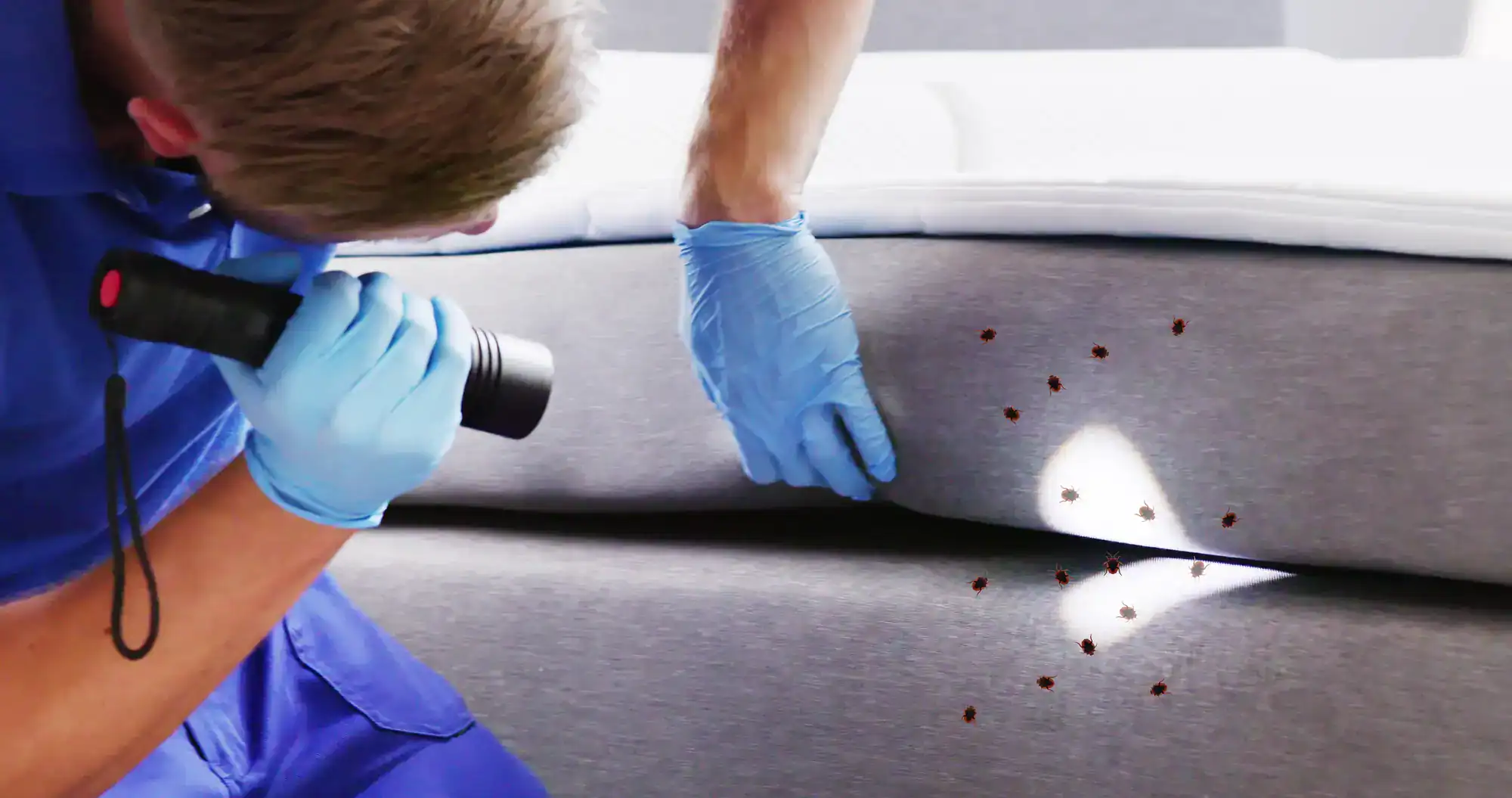
Bed bugs move through shared walls, electrical conduit runs, plumbing chases, and even through gaps around baseboards and door frames. In Red Hook’s older multi-family buildings and in the Red Hook Houses specifically, this kind of unit-to-unit travel is one of the main reasons infestations keep coming back after a single treatment. You treat your apartment, but if the adjacent units haven’t been addressed, bugs migrate back through the same pathways within weeks.
This is why NYC’s Housing Maintenance Code requires landlords to inspect all adjacent units above, below, and on both sides when a bed bug infestation is confirmed, not just the reported apartment. If your landlord isn’t following through on that, you have grounds to escalate through NYC HPD. A licensed exterminator can document the infestation and support that process. We have experience working with both tenants and property managers on exactly these kinds of multi-unit situations in Red Hook.
Most bed bug infestations require two to four professional treatments spread over three to six weeks. The reason it takes multiple visits isn’t that the first treatment failed it’s that bed bug eggs are resistant to most pesticides. The eggs that survive the initial treatment will hatch, and a follow-up visit addresses that next generation before the cycle restarts.
The number of visits depends on the severity of the infestation, the size of the space, and how complex the harborage situation is. In Red Hook’s converted warehouse lofts and older rental buildings, where irregular layouts and original construction create more hiding spots, the inspection process is more thorough and the treatment may need to be more comprehensive than in a standard apartment. We’ll lay out a realistic timeline and visit count clearly after the initial inspection not after you’ve already paid for the first treatment.
Yes, when it’s done by a licensed professional using the right products and application methods. We use environmentally friendly treatments and will walk you through exactly what’s being applied, what to keep out of treated areas and for how long, and how to prepare your home before the technician arrives.
This is a question that comes up frequently in Red Hook, and understandably so. The neighborhood has a documented history of environmental concerns lead paint issues in the Red Hook Houses were among the most significant of any NYCHA property in the city between 2013 and 2015. Residents here are not being overly cautious when they ask about chemical safety. They’re being smart. A certified specialist will give you a straight answer about what’s going in your home, not a vague reassurance. If you have specific concerns about a product or application method, ask directly and expect a direct answer.
Under New York City’s Housing Maintenance Code, your landlord is legally required to keep your unit free of bed bugs and must hire only a NYSDEC-licensed pest management professional to treat the infestation. If your landlord is ignoring the problem, delaying treatment, or using an unlicensed operator, you have options.
You can file a complaint with NYC HPD, which can result in a housing code violation and Housing Court proceedings known as an HP Action. Having documentation from a licensed exterminator confirming the presence of bed bugs and the scope of the infestation strengthens your case significantly. We can provide that documentation, and we can also issue NYC Department of Health clearance certificates once treatment is complete. For NYCHA residents in the Red Hook Houses who have not gotten adequate responses through NYCHA’s own contractor, private professional treatment is an option, and having a licensed specialist’s report on record gives you a paper trail if you need to escalate.
The honest answer is that it depends on the size of the space, the severity of the infestation, and how many treatment visits are needed. For most residential situations, professional bed bug treatment runs between $1,000 and $2,500. Severe infestations particularly in larger spaces or buildings where the infestation has spread across multiple areas can reach $4,000 to $6,000.
The most important thing to know before you get a quote is that a free estimate from a certified specialist is worth more than a cheap quote from a generalist. A specialist will assess the actual scope of the problem and tell you what it will realistically take to resolve it. That prevents the situation where you pay for a low-cost treatment that doesn’t work, then pay again for someone else to fix it. We offer free estimates with no obligation, and our no-upsell approach means the recommendation you get reflects what your situation actually requires not the highest-margin package.
It does, in a few specific ways. Hurricane Sandy in 2012 caused significant structural damage throughout Red Hook, and many buildings including units in the Red Hook Houses, which sit in flood zone 1 sustained damage to walls, insulation, and building materials that took years to fully remediate. Compromised building materials create more harborage opportunities for bed bugs, and ongoing repair and renovation work can displace bugs from treated areas into adjacent units.
The Brooklyn Cruise Terminal also brings seasonal visitor traffic to the Red Hook waterfront from spring through fall. Hotel stays and cruise ship travel are among the most common ways bed bugs get introduced into a home they hitch rides in luggage and clothing. Residents near the waterfront or who work in the hospitality and tourism corridor have higher exposure to that introduction risk than people in more transit-isolated parts of the city. It doesn’t mean infestation is inevitable, but it does mean knowing the signs early and acting quickly matters more here than in neighborhoods without that seasonal traffic pattern.
Useful Links
Other Services we provide in Red Hook