
Hear from Our Customers
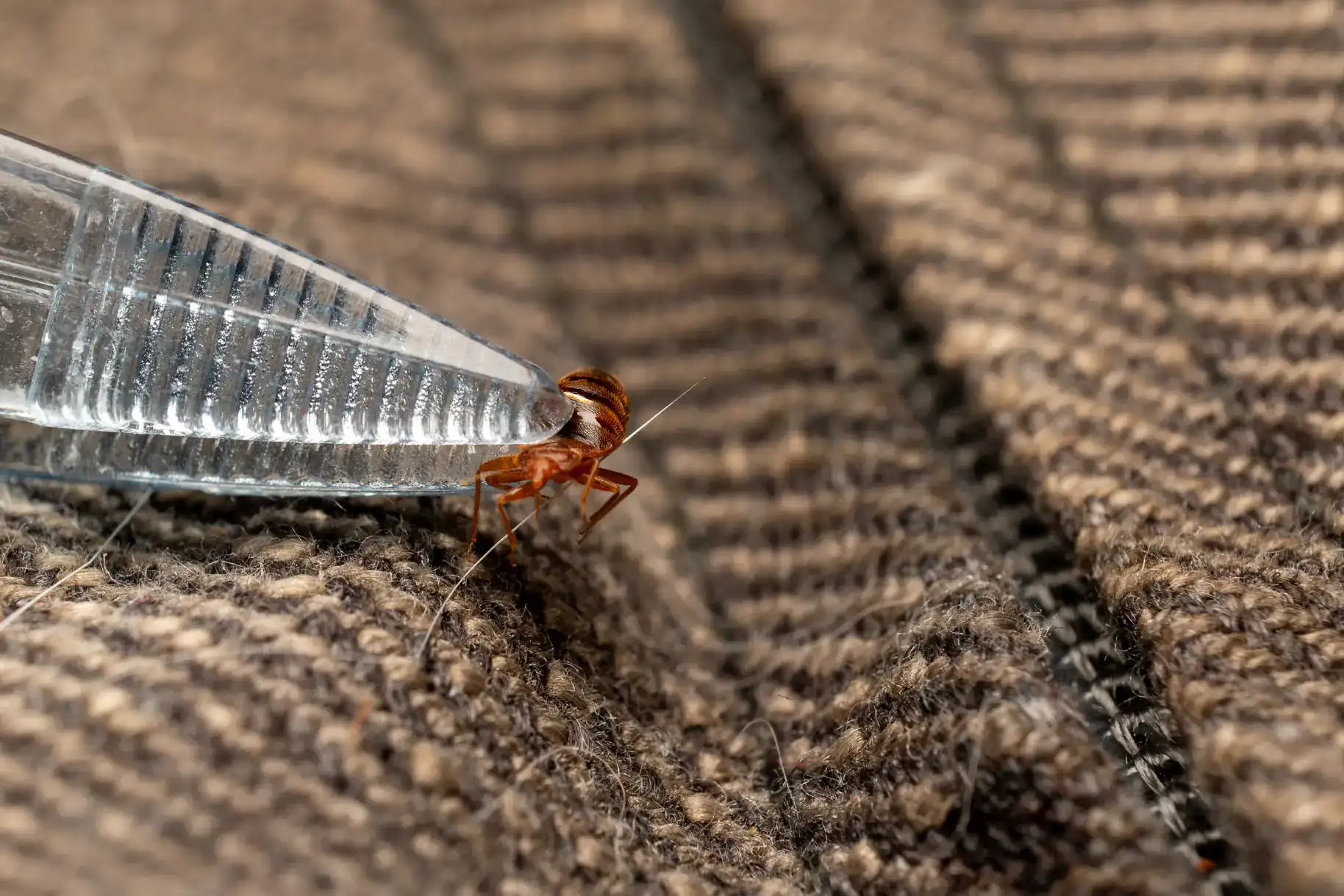
Finding bed bugs in your Upper East Side apartment isn’t just uncomfortable it’s disruptive in ways that go beyond the bites. You’re thinking about your kids, your dog, your co-op board, and whether the neighbor down the hall is going to find out. The goal isn’t just to get rid of the bugs. It’s to get back to normal without making the situation bigger than it already is.
The Upper East Side’s pre-war co-ops and post-war high-rise buildings create real challenges when it comes to bed bug control. These buildings have thick plaster walls, shared plumbing chases, and stacked units meaning one untreated infestation on the fourth floor can quietly work its way to the fifth and sixth. A proper bed bug removal plan here isn’t just about treating your unit. It’s about understanding how these buildings are built and where bugs actually travel.
Once treatment is complete, the difference is tangible. No more waking up anxious, no more bagging every item in your closet, no more wondering if the problem is getting worse. You get a clear timeline, a follow-up plan, and the documentation your building management or co-op board may require handled professionally from the first inspection to the final visit.
Kingsway Exterminating Company is a family-owned, BBB A+-rated pest control business that has been operating in New York City for over 40 years with more than 100 years of collective staff experience across our team. We are fully licensed by the New York State Department of Environmental Conservation, bonded, and insured, and hold a certified bed bug specialist designation that goes beyond the baseline state license.
From Lenox Hill to Carnegie Hill to the Yorkville blocks along Second and Third Avenues, we’ve worked in virtually every building type the Upper East Side has. Pre-war co-ops with managing agents who need advance notice. Doorman high-rises where discretion isn’t optional. Historic brownstones where the walls are thick and the layout is anything but standard. That kind of experience doesn’t come from a training manual it comes from decades of showing up and doing the work in these specific buildings.
Our phones are answered 24 hours a day, seven days a week. An appointment is guaranteed within two days, and same-day inspections are often available. We provide free estimates with no upselling and a no-pressure approach that lets you make the right call for your home.
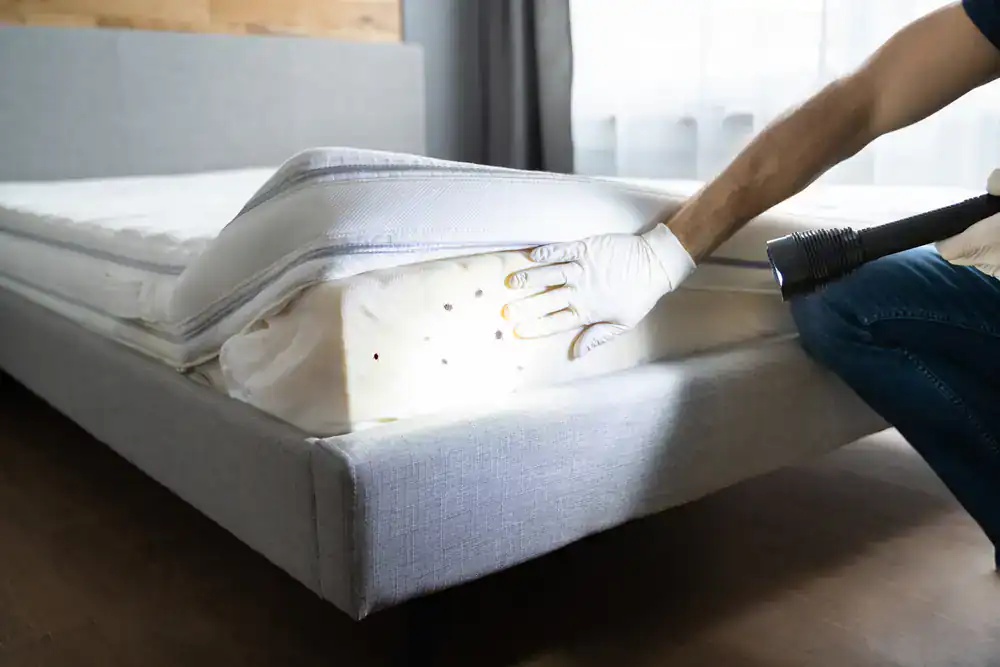
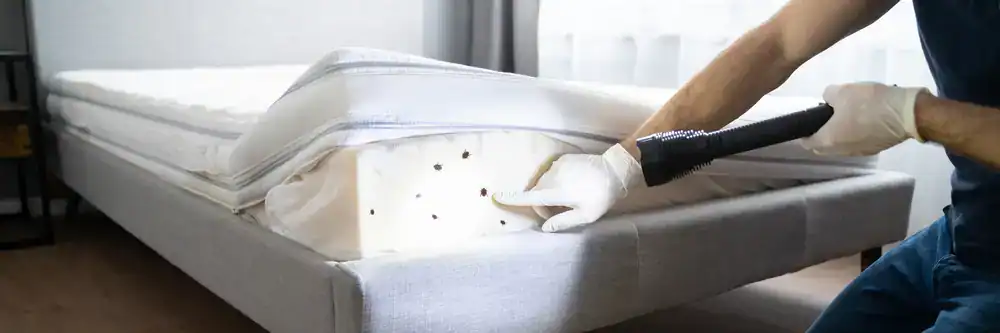
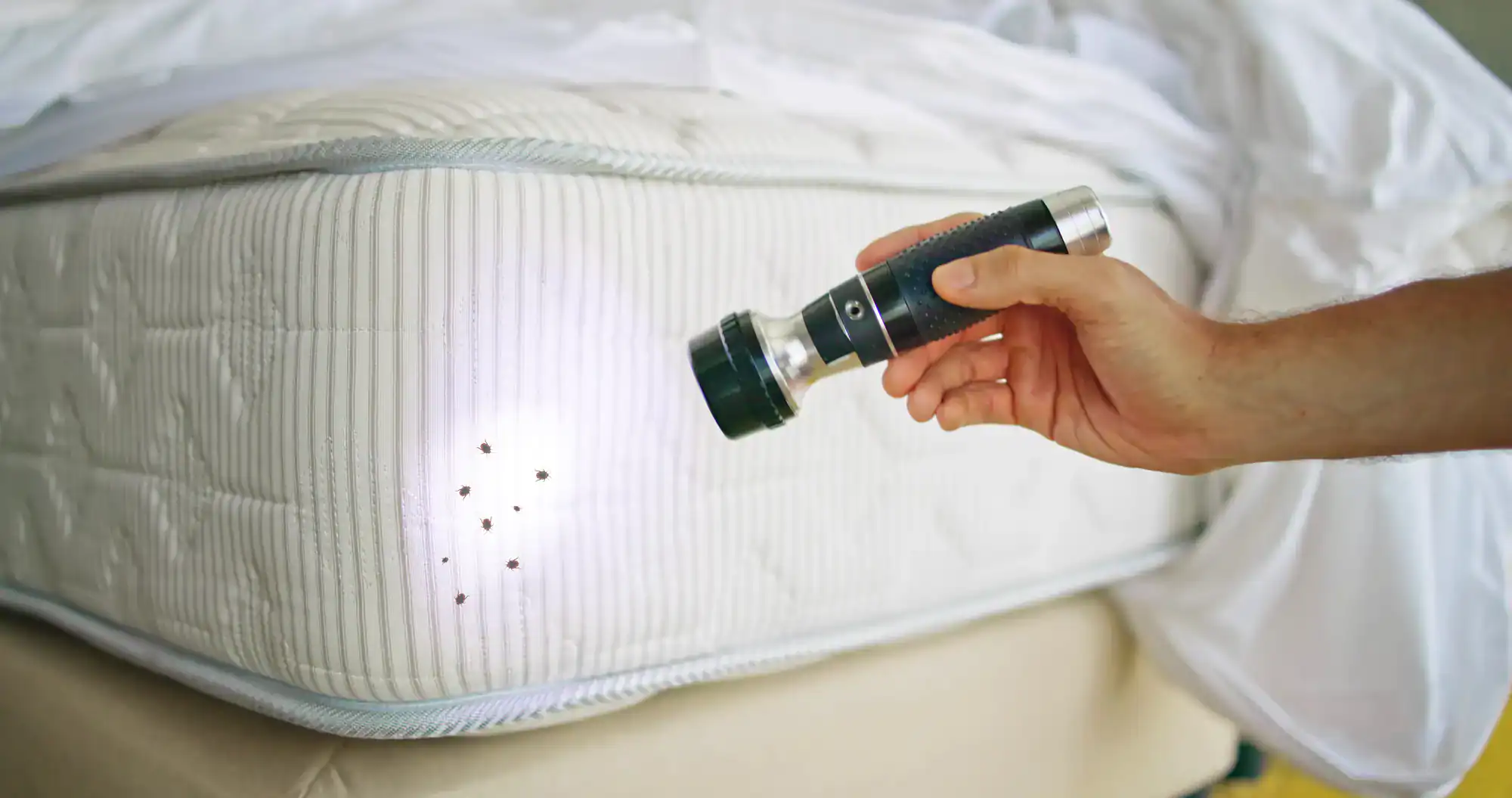
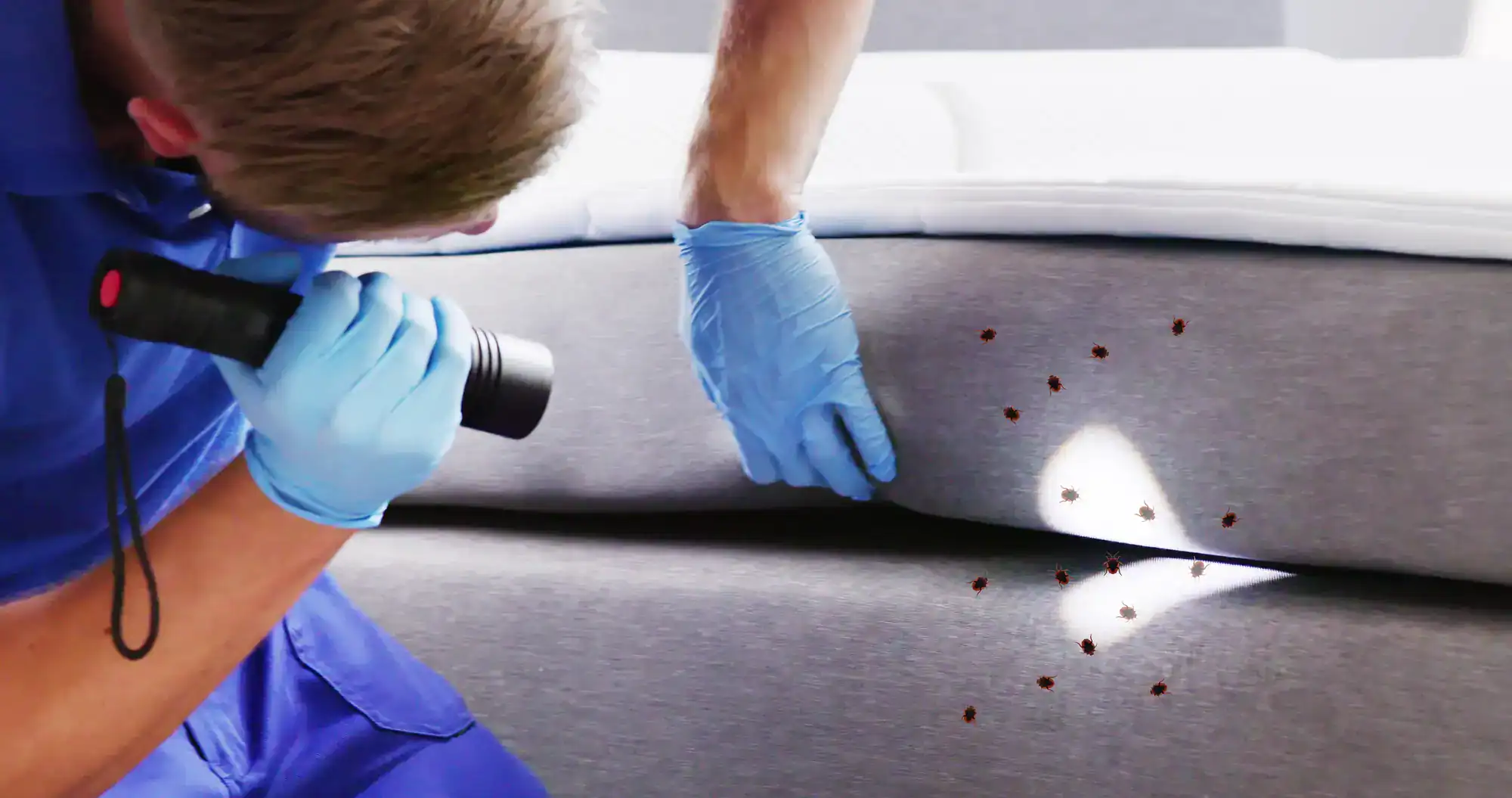
It starts with a thorough bed bug inspection of your unit. One of our certified specialists walks through the space, checks the areas bugs actually hide mattress seams, box springs, baseboards, upholstered furniture, electrical outlets, and wall voids and gives you an honest assessment of what’s there and how far it’s spread. No inflated scope, no pressure. Just a clear picture of the situation.
From there, we build a treatment plan around your specific unit and building. In Upper East Side buildings, that often means coordinating with your building management or managing agent for access, confirming whether adjacent units need to be inspected, and scheduling treatment in a way that works within your building’s protocols. Under New York State law, only NYSDEC-licensed pest control professionals can legally treat apartments for bed bugs so having that documentation in order matters, especially in co-op buildings where the board may require it on record.
Treatment typically involves a combination of methods heat, chemical residual, or both depending on the size of the infestation and the layout of your space. Most infestations require two to four visits over three to six weeks. Each follow-up is scheduled in advance, and you’ll know exactly what’s expected of you between visits to make the treatment as effective as possible. The process is straightforward, and you’re never left wondering what comes next.
Ready to get started?
Bed bug treatment on the Upper East Side isn’t a one-size-fits-all job. The building stock here from the pre-war co-ops along Fifth and Park Avenues to the post-war high-rises throughout Lenox Hill and the walkups in Yorkville each requires a different approach. Our certified bed bug specialists assess the layout, the severity, and the building type before recommending a treatment method, so you’re not paying for something your situation doesn’t need.
Heat treatment is one of the most effective options available. It penetrates wall voids, mattress seams, and furniture killing bed bugs at every life stage, including eggs, in a single treatment session. For a one-bedroom Manhattan apartment, heat treatment typically runs six to eight hours. Chemical residual treatment is often used alongside or after heat to provide ongoing protection once the immediate infestation is cleared. Together, these methods form the integrated approach that professionals consider the gold standard for bed bug control in dense urban housing.
Every service includes a detailed inspection, a written treatment plan, and scheduled follow-up visits. If your co-op board or managing agent requires documentation of licensed treatment which is common in Upper East Side buildings that paperwork is part of what you receive. Treatment is safe for children and pets when preparation guidelines are followed, and those guidelines are explained clearly before any work begins. You’ll know what to move, what to bag, and when it’s safe to be back in your space.
In a co-op or condo building which covers a significant portion of Upper East Side housing individual unit owners are generally responsible for pest control within their own apartments, while the building’s management is responsible for common areas like hallways, laundry rooms, and mechanical spaces. This means if bed bugs are found in your unit, the cost and coordination of treatment typically falls on you, not the building.
That said, if you’re a renter rather than an owner, New York City’s Warranty of Habitability law requires your landlord to maintain a livable space and a bed bug infestation is considered a breach of that warranty. Your landlord is legally obligated to address it. If they don’t, you have the right to file a complaint with HPD, which classifies bed bugs as a Class B hazardous violation that must be resolved within 30 days. Either way, treatment must be performed by a pest control professional licensed by the New York State Department of Environmental Conservation unlicensed treatment doesn’t satisfy the legal requirement.
Bed bugs don’t need much space to move. In a multi-unit building the kind that makes up most of the Upper East Side’s housing stock they can travel through wall voids, shared plumbing chases, electrical conduits, and even the gaps around baseboards and door frames. A single untreated infestation on one floor can quietly migrate to adjacent and stacked units over weeks, especially in pre-war buildings where the walls and infrastructure are older and less sealed.
This is one of the reasons why catching an infestation early and treating it thoroughly matters so much in dense residential buildings. A treatment plan that only addresses the visible infestation in one unit without considering how far it may have already spread is likely to fail. A proper bed bug inspection should assess whether adjacent units are also affected and in many cases, coordinating with building management to inspect neighboring apartments is part of a responsible treatment approach. The sooner it’s addressed, the smaller the footprint.
Professional bed bug treatment in the Upper East Side typically ranges from $1,000 to $2,500 for a standard apartment, depending on the size of the unit, the severity of the infestation, and the treatment method used. More severe cases or situations where multiple rooms or adjacent units are involved can run higher, sometimes reaching $4,000 or more. Heat treatment for a one-bedroom Manhattan apartment generally runs on the higher end of the range due to the equipment and time involved, typically six to eight hours of active treatment.
The most important thing to understand is that cost should follow scope not the other way around. A reputable exterminator will inspect the situation first and give you a clear estimate before any work begins. Be cautious of any company that quotes a number before they’ve seen your apartment, or that dramatically escalates the scope after arriving. We provide free estimates with no obligation, so you know exactly what treatment will involve before you make any decisions.
Yes when performed by a certified specialist who understands the building, heat treatment is safe and highly effective in pre-war apartments. The process involves raising the temperature throughout the treated space to a level that kills bed bugs at every life stage, including eggs, which chemical treatments alone can’t always reach. For pre-war units with original hardwood floors, plaster walls, and older architectural details, a knowledgeable technician will assess the space beforehand and identify anything that needs to be removed or protected things like candles, aerosol cans, certain electronics, or heat-sensitive artwork.
Pre-war buildings on the Upper East Side present a specific set of variables: thicker walls, older infrastructure, and layouts that can make heat distribution more complex than in newer construction. That’s why experience with Manhattan’s building stock matters. A technician who has worked in these buildings before knows what to look for and how to adapt the approach. You’ll receive a preparation checklist before the treatment date so nothing is left to chance, and the process is explained clearly so you know what to expect from start to finish.
New York City makes this information publicly available. Under Local Law 69 of 2017, landlords of multiple dwellings are required to disclose bed bug infestation history to new tenants at lease signing or renewal. You can also search the NYC Housing Preservation and Development (HPD) database online using your building’s address to see whether any bed bug violations have been filed. HPD classifies bed bugs as a Class B hazardous violation, and any open or resolved violations are part of the public record.
If you’re already living in the building and want to understand the broader picture, the NYC Department of Housing Preservation and Development also requires building owners with three or more residential units to file an annual Bed Bug Report. These reports are on file and searchable. Worth noting: a 2024 investigation found that at least 46 NYC buildings received HPD violations for bed bugs despite their owners reporting the properties as bug-free so self-reported building status and actual complaint history don’t always match. Checking the HPD database directly gives you a more accurate picture than asking the landlord.
There are a few things you can do to prepare and they actually make a real difference in how effective the treatment is. Start by reducing clutter in the areas being treated, particularly around the bed, nightstands, and upholstered furniture. Bag and seal clothing and bedding from the affected room, and wash and dry them on high heat before putting them back. Don’t move furniture or belongings from the infested room to other parts of the apartment that’s one of the most common ways people accidentally spread bed bugs to areas that weren’t originally affected.
What you should avoid doing is attempting to treat the infestation yourself with over-the-counter sprays or foggers before the professional arrives. Most consumer-grade products don’t penetrate the hiding spots where bed bugs actually live, and some can cause bugs to scatter deeper into wall voids or neighboring rooms, making the infestation harder to treat. In New York State, only NYSDEC-licensed professionals are legally permitted to treat apartments for bed bugs anyway so DIY attempts don’t satisfy any legal or building management requirements. When you call us, you’ll receive specific preparation instructions tailored to your unit and treatment method before the appointment, so you’re set up for the best possible outcome from the first visit.
Useful Links