
Hear from Our Customers
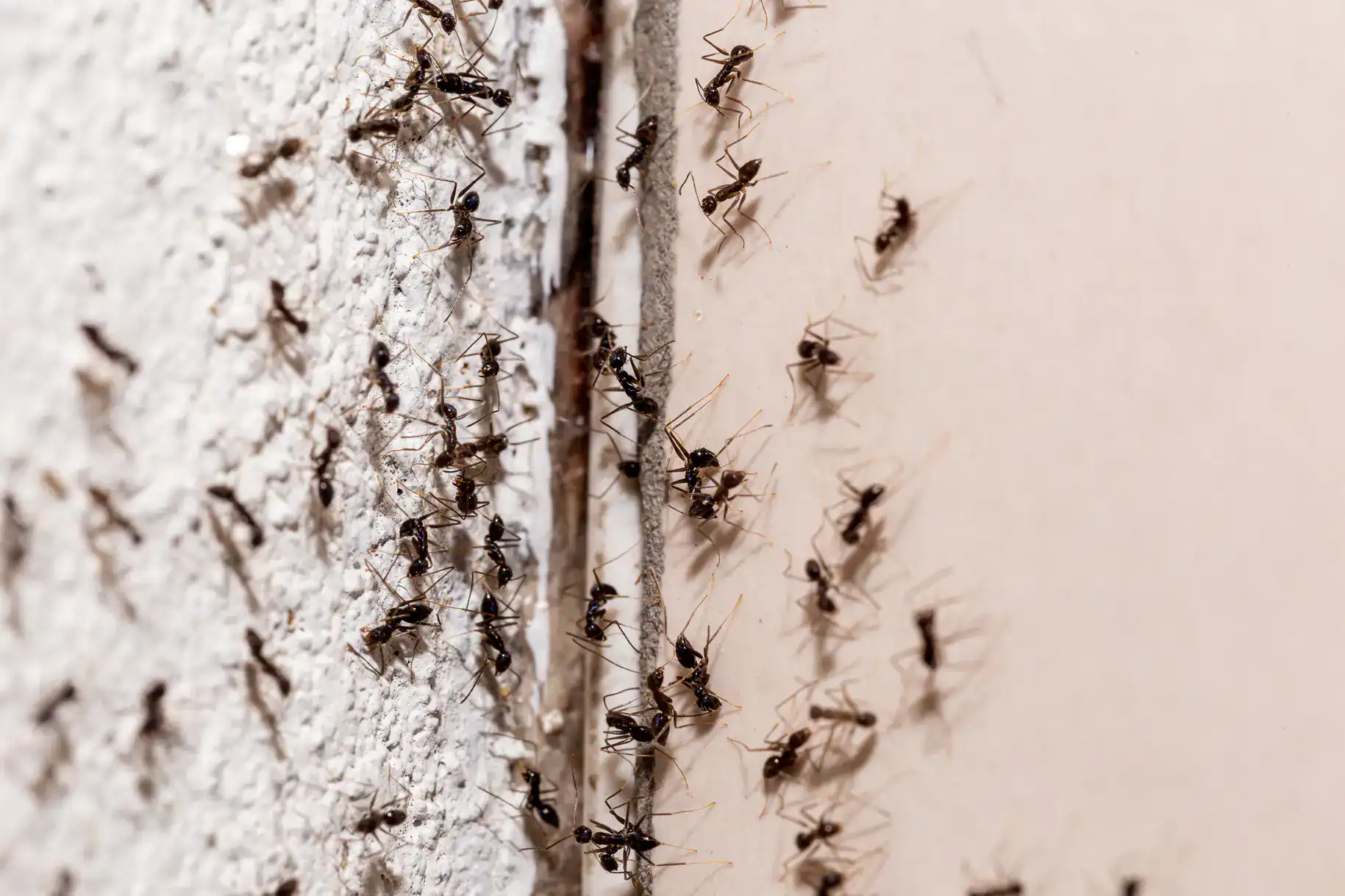
Most people who call us have already tried something else. A spray from the hardware store, maybe a one-time treatment from another company. The ants come back in a week. That’s not bad luck it’s what happens when you treat the foragers you can see and leave the colony untouched. The colony is the problem. The ants on your counter are just the evidence.
Cobble Hill’s brownstones and row houses were built between the 1840s and 1880s. That means 140 to 180 years of settling cracks, aging wood, and moisture-softened framing exactly what carpenter ants look for when they’re choosing a place to nest. Add in Cobble Hill’s proximity to the Gowanus Canal watershed, where heavy rain events push subsurface moisture into building foundations, and you have conditions that make ant pressure here more persistent than in newer construction neighborhoods. A treatment approach that doesn’t account for that isn’t going to hold.
When the infestation is actually resolved, your kitchen is yours again. No trails along the baseboard, no frass near the window sills, no rustling in the walls at night. For a home you’ve invested this much in in a neighborhood where original woodwork isn’t just cosmetic, it’s protected that outcome is worth doing right the first time.
We’ve been serving Brooklyn and Queens for over 40 years. The company is family-owned, founded by Richard Kourbage, and headquartered right here in Brooklyn at 2216 Flatbush Avenue. This isn’t a national franchise routing calls through a regional dispatch center it’s a Brooklyn business that has been treating Brooklyn’s building stock, including the brownstones and row houses of Cobble Hill, Carroll Gardens, and Brooklyn Heights, since before most of those blocks were landmarked.
Every technician is licensed through the New York State Department of Environmental Conservation. We are fully bonded and insured, and use only NYS DEC-registered materials which matters when you’re working in an occupied historic residence with original finishes, young children, and pets in the picture. Our A+ rating with the Better Business Bureau of New York State has been maintained consistently, not earned once and forgotten.
When you call, a real person answers 24 hours a day, seven days a week. And estimates are always free.
It starts with a thorough inspection. In a Cobble Hill brownstone, that means looking at the places ants actually exploit basement-level wood framing, window sills, the gaps around utility penetrations, shared wall voids between attached units. Old Brooklyn row houses share party walls, and an ant colony doesn’t need to cross an exterior threshold to spread from one unit to the next. The inspection accounts for that.
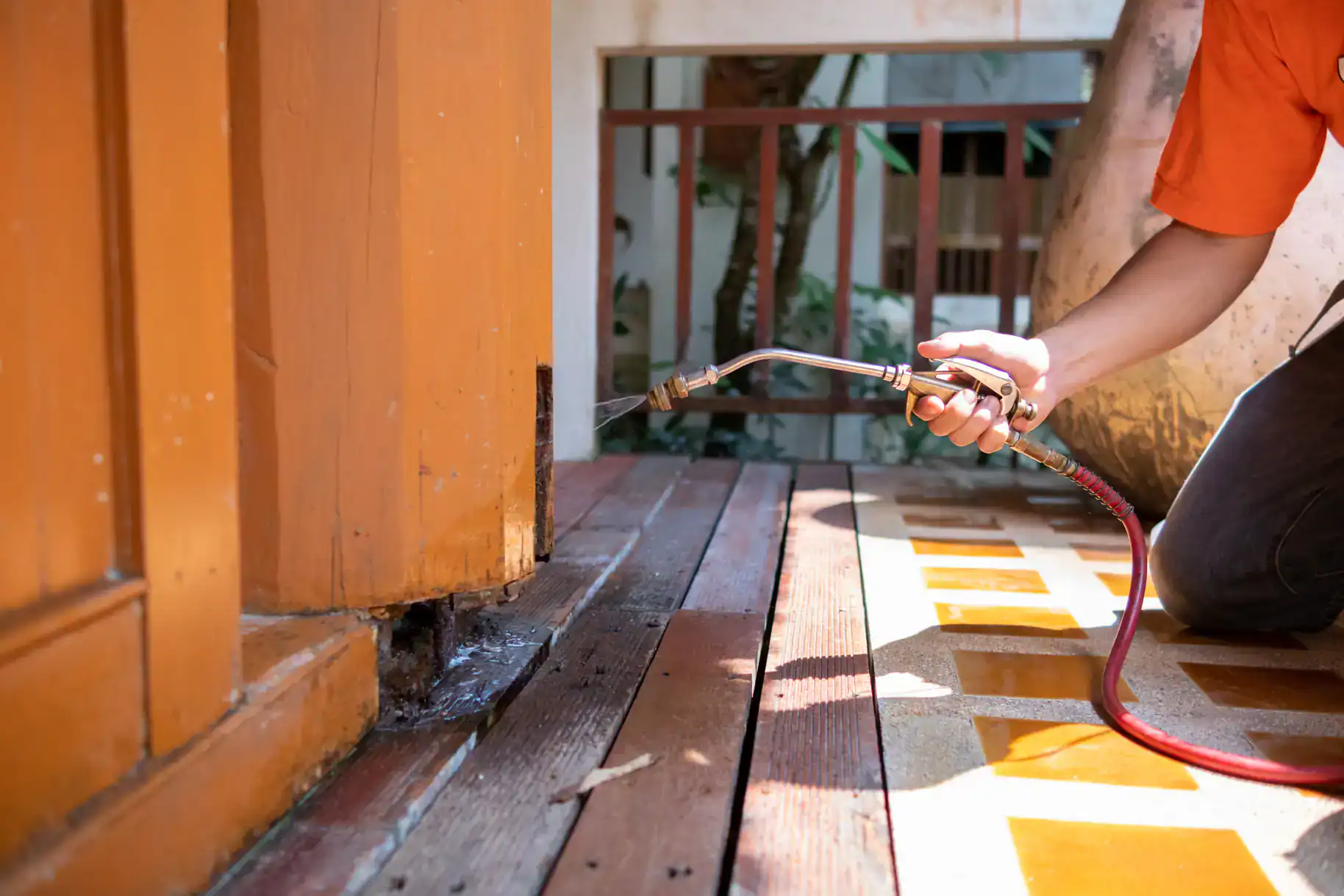
From there, we perform an initial cleanout applying materials both inside and outside the structure. The goal isn’t to knock down the ants you can see. It’s to get those foragers to carry the treatment back into the nest and share it with the colony. That’s how you eliminate the source. Because Cobble Hill infestations often involve multiple satellite colonies especially in buildings with rear gardens, mature street trees, and foundation-level moisture the initial cleanout is followed by scheduled follow-up visits, typically weekly or every other week, to re-apply materials and monitor activity.
Once the infestation is resolved, we put a maintenance schedule in place to prevent it from coming back. That might be monthly, every other month, or quarterly depending on your building and the level of ongoing pressure. Spring is the highest-risk season here as temperatures climb, colonies that have overwintered in wall voids become active fast. Getting ahead of it before April is always smarter than reacting in June.
Ready to get started?
Our ant control services in Cobble Hill cover the full picture: interior treatment, exterior perimeter application, follow-up visits, and a maintenance plan once the active infestation is cleared. Every material we use is registered with the New York State Department of Environmental Conservation state-regulated, professionally applied, and appropriate for occupied historic residences. If you’re in a co-op or condo, we understand New York City’s neighbor notification requirements for pesticide application in multi-unit buildings and work within those guidelines.
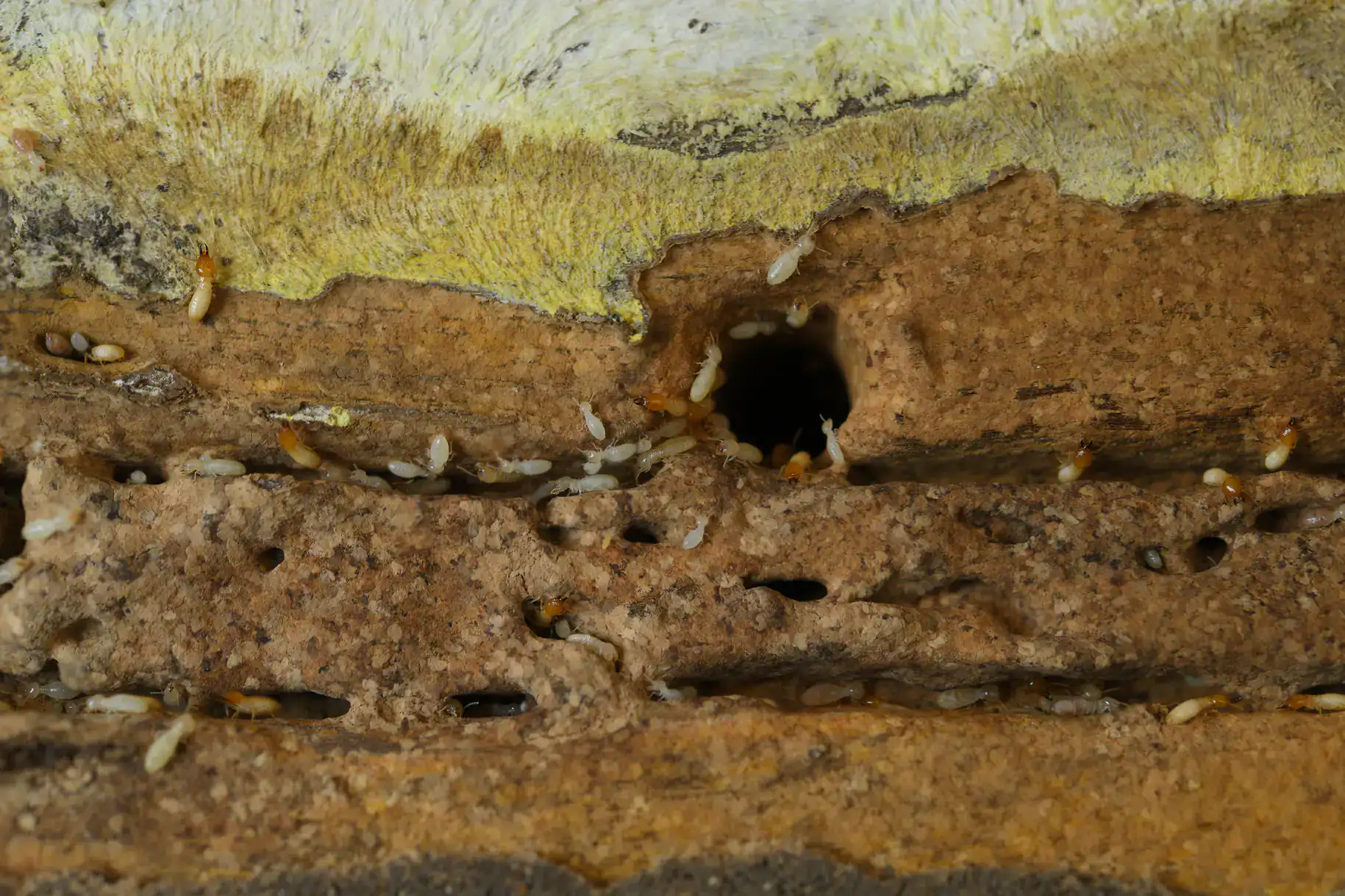
Carpenter ant treatment gets particular attention here. In Cobble Hill’s 19th-century building stock, carpenter ants don’t just nest in wall voids they excavate original wood framing, wood floors, and wood cornices that in many cases are protected under the Cobble Hill Historic District designation. That kind of damage isn’t just expensive to fix it can require landmark-compliant restoration work. Catching it early and eliminating the colony completely is the only way to avoid that outcome.
For homes with rear gardens one of the most coveted features on blocks like Warren Street, Baltic Street, and Kane Street we address garden-level colonies that forage into the building through basement windows and foundation gaps. Pavement ant colonies along the BQE corridor and under sidewalk hardscape are also addressed as part of the exterior perimeter application. The scope of treatment is matched to what your specific building and property actually need.
The short answer is that the colony was never fully eliminated. Carpenter ants don’t eat wood they nest in it, particularly in wood that has absorbed moisture over time. In a Cobble Hill brownstone built in the 1860s or 1870s, there are decades of moisture exposure in the wood around basement windows, sills, and wall framing. When you spray the foragers you can see, you’re removing maybe five percent of the colony. The rest of it the queen, the eggs, the satellite nests is still active inside the wall or under the floor.
Cobble Hill’s proximity to the Gowanus Canal watershed compounds this. Heavy rain events push subsurface moisture into foundation-level wood, which carpenter ants actively seek out for nesting. Until the colony itself is eliminated through a treatment process that uses the foragers as carriers back into the nest, the infestation will keep cycling. That’s why our approach involves multiple visits not because one treatment isn’t enough effort, but because that’s genuinely how colony elimination works in a building this old.
Yes, and in Cobble Hill this is one of the most common reasons an infestation persists even after treatment. The row houses and brownstones on blocks like Clinton Street, Henry Street, and Hicks Street share continuous party walls the masonry walls between attached units. Ant colonies establish themselves in the shared wall void, under shared basement flooring, or in a shared rear garden, and they move laterally without ever needing to cross an exterior wall.
This means that treating your unit alone may not be enough if the colony’s core is on the other side of the party wall. It also means that if your neighbor has an untreated infestation, your unit is at ongoing risk regardless of what you’ve done on your side. Our inspection process looks at the full structural picture not just what’s visible inside your unit and the treatment approach accounts for how infestations actually move through attached Brooklyn row house construction. If the situation calls for a conversation with your building or your neighbor, we can walk you through what that looks like.
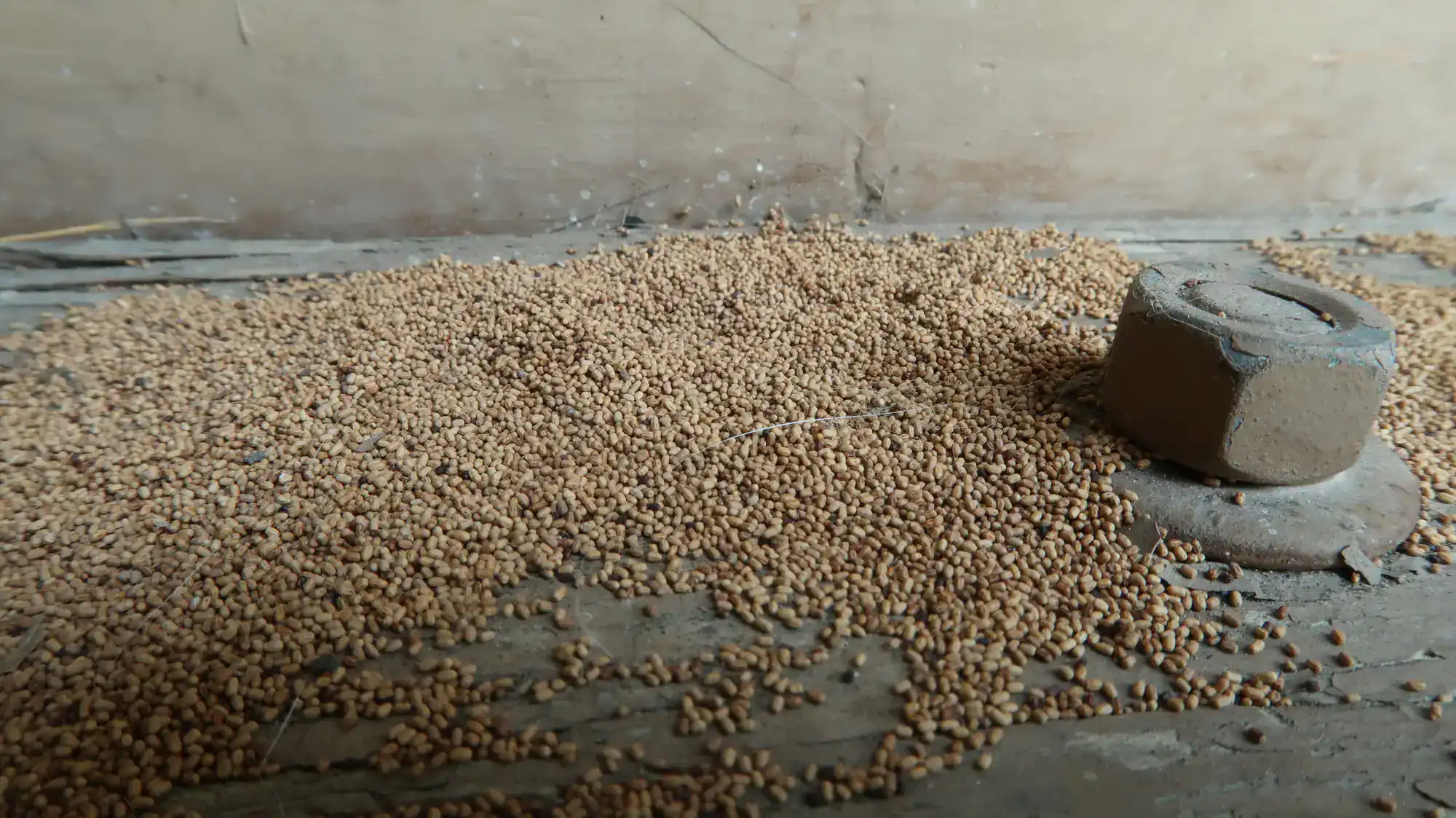
The most reliable indicator of carpenter ants is what’s called frass a fine, sawdust-like material that looks like it’s been pushed out of a small opening in wood. If you’re seeing small piles of this near baseboards, window frames, or along the floor where it meets the wall, carpenter ants are the likely culprit. You might also hear a faint rustling or crackling sound inside walls, particularly at night. Carpenter ants are also larger than the pavement ants or odorous house ants that are common in Brooklyn typically a quarter-inch to half-inch in length, and often dark brown or black.
In Cobble Hill specifically, carpenter ants are a higher-stakes concern than in newer neighborhoods because of the building stock. The original wood in a landmarked 1870s brownstone floors, framing, window surrounds, cornices is irreplaceable in the practical sense and often protected under the Cobble Hill Historic District designation. Repairing carpenter ant damage in that context isn’t a simple carpentry job. If you’re seeing any of the signs above, it’s worth having a professional inspection rather than waiting to see how it develops.
When applied correctly by a licensed professional, yes. We use only New York State Department of Environmental Conservation-registered materials products that are state-regulated and approved for use in occupied residential settings, including homes with children and pets. The key word is “correctly.” How a material is applied, where it’s placed, and at what concentration matters as much as what the product is. That’s the difference between a licensed, insured professional and a store-bought spray applied without training.
Before and after every treatment, our technicians walk you through what was applied, where it was placed, and how long you should allow before re-entering treated areas. For households with young children or pets that spend time on the floor, that guidance is specific not a generic “wait 30 minutes” instruction. In a Cobble Hill co-op or condo where you may also have obligations to neighboring units, working with a fully licensed and insured operator isn’t just a comfort measure it’s the responsible choice and, in some buildings, a board requirement.
Spring is the peak season typically April through June. As temperatures rise, carpenter ant colonies that have been overwintering in wall voids and under flooring become active and start expanding. Pavement ant colonies emerge from under sidewalks and foundation slabs. The rear gardens and street tree canopy that define Cobble Hill’s residential blocks become active foraging zones, and the ants start moving toward the nearest food and moisture source which is usually your kitchen or basement.
There’s also a secondary spike in the fall, usually September and October, as ants consolidate for overwintering. This is often when residents first notice signs of a carpenter ant infestation they didn’t know they had the rustling in walls, the frass near a baseboard. Heavy rain events can trigger activity spikes at any time of year, because flooding displaces ground-level colonies and drives them into the nearest dry structure. Given Cobble Hill’s position near the Gowanus Canal watershed, that’s a real and recurring pattern here. Scheduling a perimeter treatment in early spring before the colonies are fully active is consistently more effective than reacting to an infestation that’s already established.
We offer a 10% discount for senior customers. Cobble Hill has a segment of long-tenured homeowners residents who have owned their brownstones for decades, well before the neighborhood’s current price point made it one of Brooklyn’s most expensive places to live. For those homeowners, the cost of professional ant control is real, and the discount is a straightforward acknowledgment of that. It applies to ant control services and doesn’t require negotiation or a special code just let the team know when you call.
Beyond the senior discount, estimates are always free. For a neighborhood where residents are making careful decisions about who they allow into landmarked homes, being able to understand the scope and cost of a job before any work begins is a basic expectation. We meet it. There’s no pressure, no vague quote that changes on arrival, and no obligation attached to the estimate. If you want to know what ant control in Cobble Hill will actually cost for your specific building and situation, a call is the fastest way to find out and someone will answer, regardless of what time you call.
Useful Links
Other Services we provide in Cobble Hill