
Hear from Our Customers
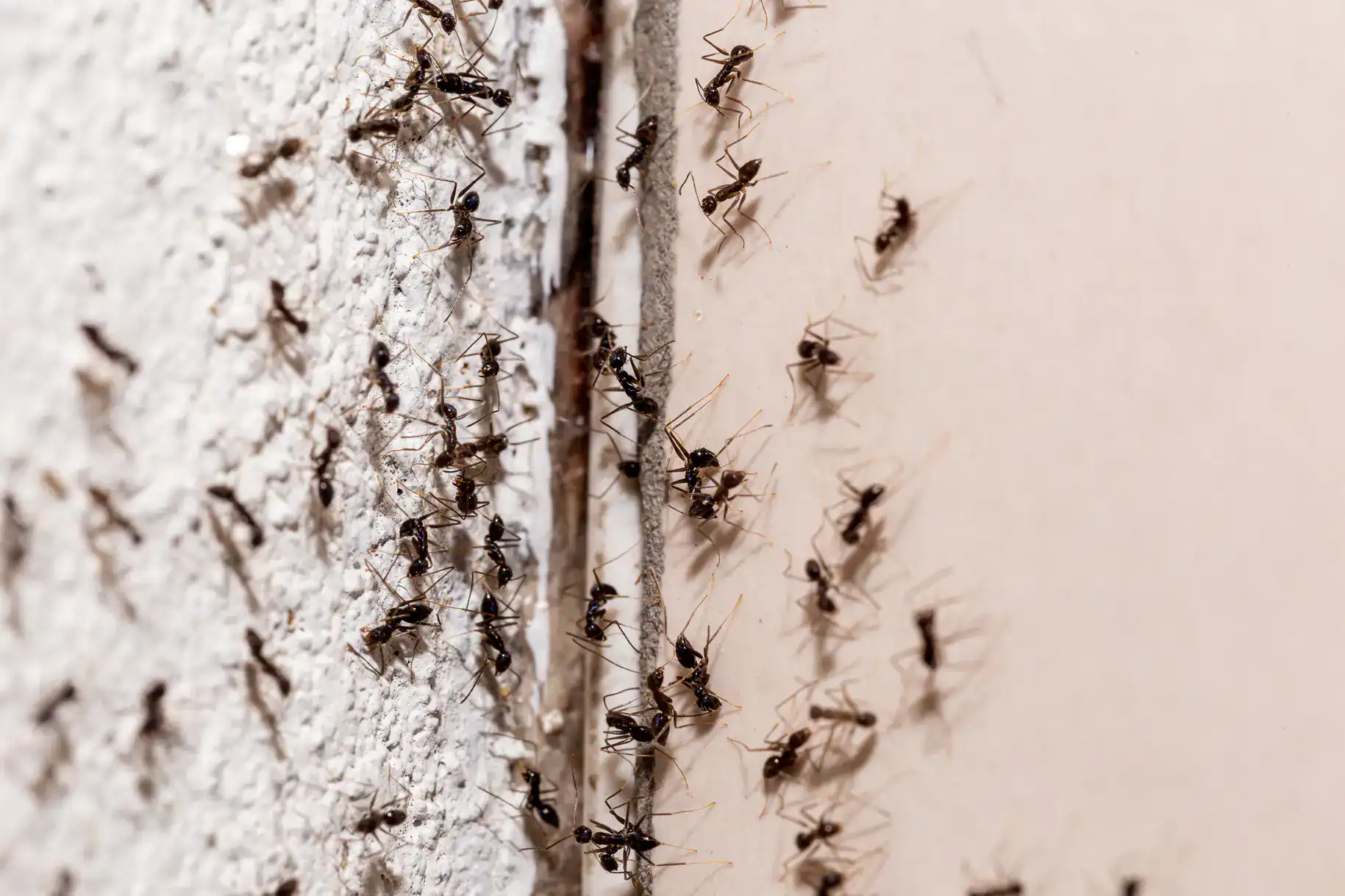
The ants on your kitchen counter aren’t the problem. They’re the symptom. The colony whether it’s nesting in a moisture-softened door frame, traveling through a shared plumbing chase, or moving in from the landscaped grounds of the private park two blocks away is the problem. Until that’s addressed, you’ll keep wiping down the same surface and seeing the same trail the next morning.
In Gramercy Park’s 19th-century building stock, ant infestations rarely stay contained to one unit. Odorous house ants travel freely through the gaps in shared walls, electrical conduits, and aging plumbing penetrations that connect your apartment to the rest of the building. Treating your unit alone without addressing the building perimeter and entry points is a short-term fix at best. What actually works is a treatment approach that targets both the interior and exterior simultaneously so the materials reach the colony, not just the foragers you can see.
After professional ant control treatment, you get your kitchen back. You stop second-guessing every surface before a dinner party. You stop wondering whether the building super is ever going to follow up. And if you’re managing a co-op or rental property in Gramercy Park, you have documentation from a licensed, NYS DEC-compliant exterminator which is exactly what HPD requires if a violation notice comes through.
We’ve been treating pest infestations across New York City for over 40 years. Founded by Richard Kourbage, Kingsway Exterminating Company is a family-owned operation not a national chain with rotating technicians and a call center three states away. Every job is handled by experienced, licensed professionals who know the specific challenges of Manhattan’s building stock, from Gramercy Park’s landmarked brownstones along East 20th Street to the large pre-war co-ops surrounding the private park.
We hold an A+ rating with the Better Business Bureau of New York State and are fully licensed, bonded, and insured under NYS Department of Environmental Conservation regulations. That matters in a neighborhood like Gramercy Park where 67% of residents are renters and co-op boards and building managers need documentation from a compliant, licensed exterminator not just a receipt from someone with a spray can. We offer free estimates, 24/7 phone answering, and a 10% senior discount as part of how we’ve kept clients across Manhattan’s Community District 6 coming back for decades.
It starts with a free estimate. When you call any time, day or night you reach a real person who can schedule a visit and answer your questions before anyone sets foot in your apartment. No voicemail, no automated system, no waiting until Monday.
When our technician arrives, the first thing we do is identify the ant species. This step isn’t optional it’s critical. In Gramercy Park’s multi-unit buildings, pharaoh ants are a documented risk, and using store-bought chemicals on a pharaoh ant colony causes it to bud, splitting into multiple new colonies, each with its own queen. What was one infestation becomes five. Correct species identification determines the entire treatment approach, and it’s one of the clearest reasons why a professional visit pays for itself immediately.
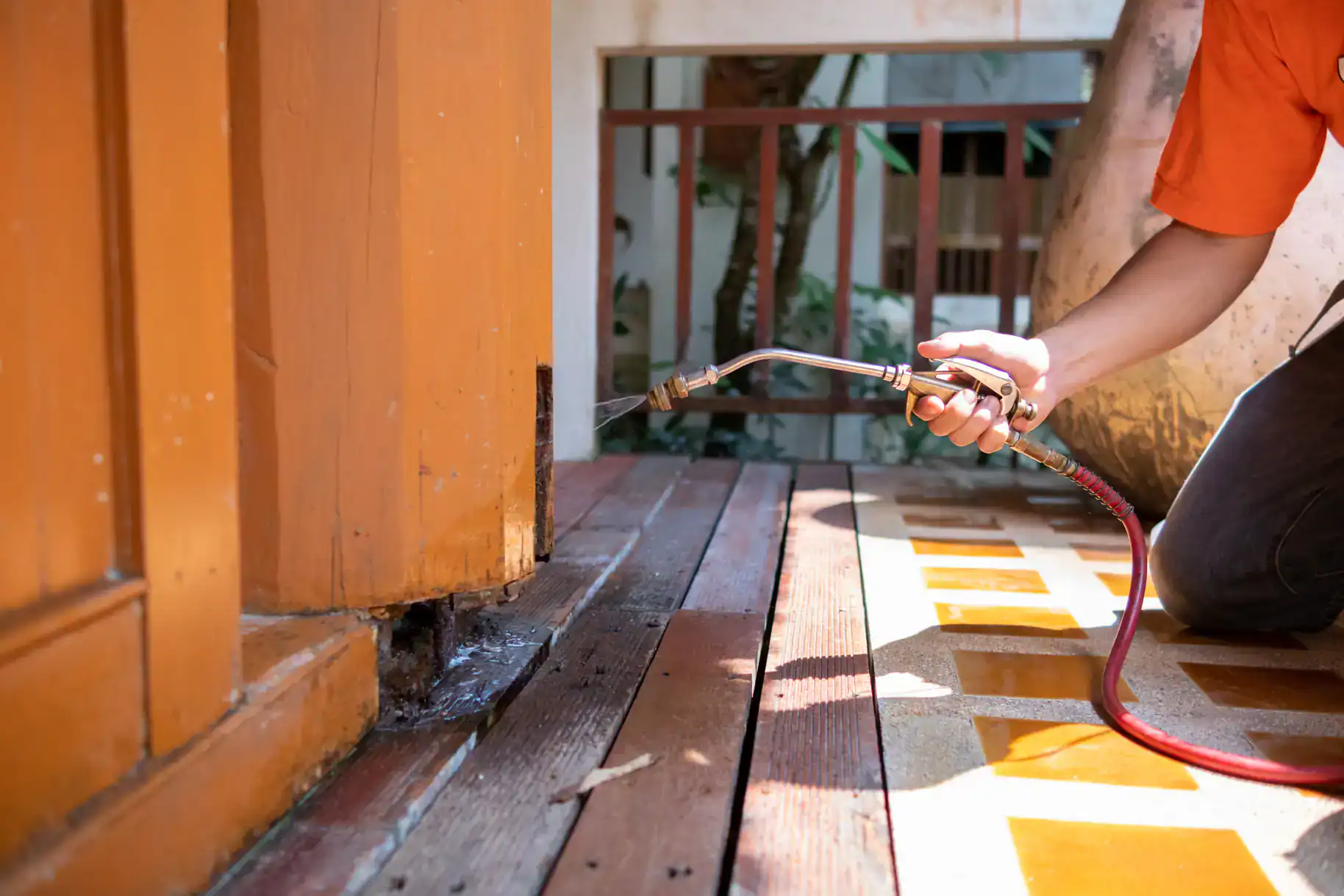
Our treatment covers both the interior of your unit and the exterior perimeter of the building entry points, foundation gaps, and any exterior conditions contributing to ant activity. We use only NYS DEC-registered materials, applied by licensed technicians who know exactly where and how much to use. After treatment, you’ll be advised on re-entry timing and what to expect in the days following. For established infestations especially in buildings with aging wall voids or shared infrastructure we schedule follow-up visits on a weekly, bi-weekly, or monthly basis to monitor activity and ensure the colony doesn’t rebound. Our goal isn’t a single visit. It’s a result that holds.
Ready to get started?
Ant control in a Gramercy Park co-op or apartment building is a different job than treating a single-family home in the suburbs. The building stock here much of it constructed between 1844 and the 1920s, and legally protected as part of the Gramercy Park Historic District comes with century-old wood framing, original plumbing chases, and structural gaps that have been accumulating for generations. Carpenter ants, odorous house ants, and pavement ants are the three species most active in this environment, and each requires a different treatment strategy.
Carpenter ants are a structural concern in any pre-war brownstone. They don’t just forage they tunnel through softened wood in sills, floor joists, and door frames. In a building where original wood has been exposed to decades of moisture from aging pipes and roof seepage, carpenter ant activity is worth taking seriously and treating promptly. Odorous house ants are the most frequent kitchen invader in Manhattan apartments small, dark brown, and capable of moving entire colonies through a building’s shared infrastructure. Pavement ants enter through foundation cracks and sidewalk gaps, which are abundant in the dense urban streetscape surrounding the park and along Irving Place.
Our ant control services in Gramercy Park include interior treatment of the affected unit, exterior perimeter treatment of the building, species-specific material selection using NYS DEC-registered products, and a scheduled maintenance program for ongoing protection. If you’re a landlord responding to an HPD notice, or a co-op board fulfilling your legal obligation under New York City’s Housing Maintenance Code, our licensing and compliance documentation covers what the city requires.
Store-bought sprays kill the foragers you can see the ants on your counter or along your baseboard. But they don’t reach the colony, which may be nesting inside a wall void, traveling through a shared plumbing penetration, or originating from a neighboring unit or the building’s foundation. In a pre-war apartment building like those throughout Gramercy Park, there are dozens of pathways ants can use to re-enter a treated space, and surface sprays don’t address any of them.
Professional treatment works differently. The materials we apply are carried by worker ants back to the colony, where they’re shared with other members including the queen. This transfer effect targets the source of the infestation, not just the visible trail. In multi-unit buildings like those throughout Gramercy Park, treatment also covers the building’s exterior perimeter and entry points, which is the only way to interrupt the cycle long-term. If ants keep coming back after you’ve sprayed, the spray isn’t the solution finding where they’re actually coming from is.
Yes, and the difference matters significantly depending on what’s in your building. The three most common species in Gramercy Park and the surrounding Manhattan Community District 6 area are carpenter ants, odorous house ants, and pavement ants and each responds to different treatment approaches. Carpenter ants require targeting the moisture-damaged wood where they nest, not just the trails you see. Odorous house ants form large, decentralized colonies that can span multiple units in a shared building. Pavement ants typically enter through foundation and sidewalk cracks at ground level.
The species that requires the most caution is the pharaoh ant a small, light-tan ant common in Manhattan apartment buildings. If you use store-bought sprays or household chemicals on a pharaoh ant colony, the colony splits into multiple new colonies through a process called budding. Each new colony has its own queen and its own foraging range, which means the infestation spreads rather than shrinks. In a building where units share walls and infrastructure, that can become a building-wide problem fast. Correct species identification before any treatment begins is non-negotiable, and it’s one of the first things our technicians do on every visit.
Under New York City’s Housing Maintenance Code, building owners are required to keep premises free of pests and to apply continuous eradication measures when an infestation is present. The Department of Housing Preservation and Development enforces this, and landlords who fail to act can be inspected, cited, and fined. For renters who make up roughly 67% of Gramercy Park’s occupied housing units this means your landlord is legally obligated to address an ant infestation when notified. If they don’t, a 311 complaint can trigger an HPD inspection and a formal notice with a remediation deadline.
For co-op shareholders and condo owners, the responsibility split depends on where the infestation originates. Common areas, building infrastructure, and the exterior perimeter are typically the building’s responsibility. Individual units are often the shareholder’s or owner’s responsibility. In practice, the most effective approach is coordinated treating the affected unit and the building’s shared systems at the same time. When pesticides are used to correct an HPD violation, New York law requires they be applied by a licensed professional exterminator. Our NYS DEC licensing satisfies that requirement and provides the documentation your building management or co-op board may need.
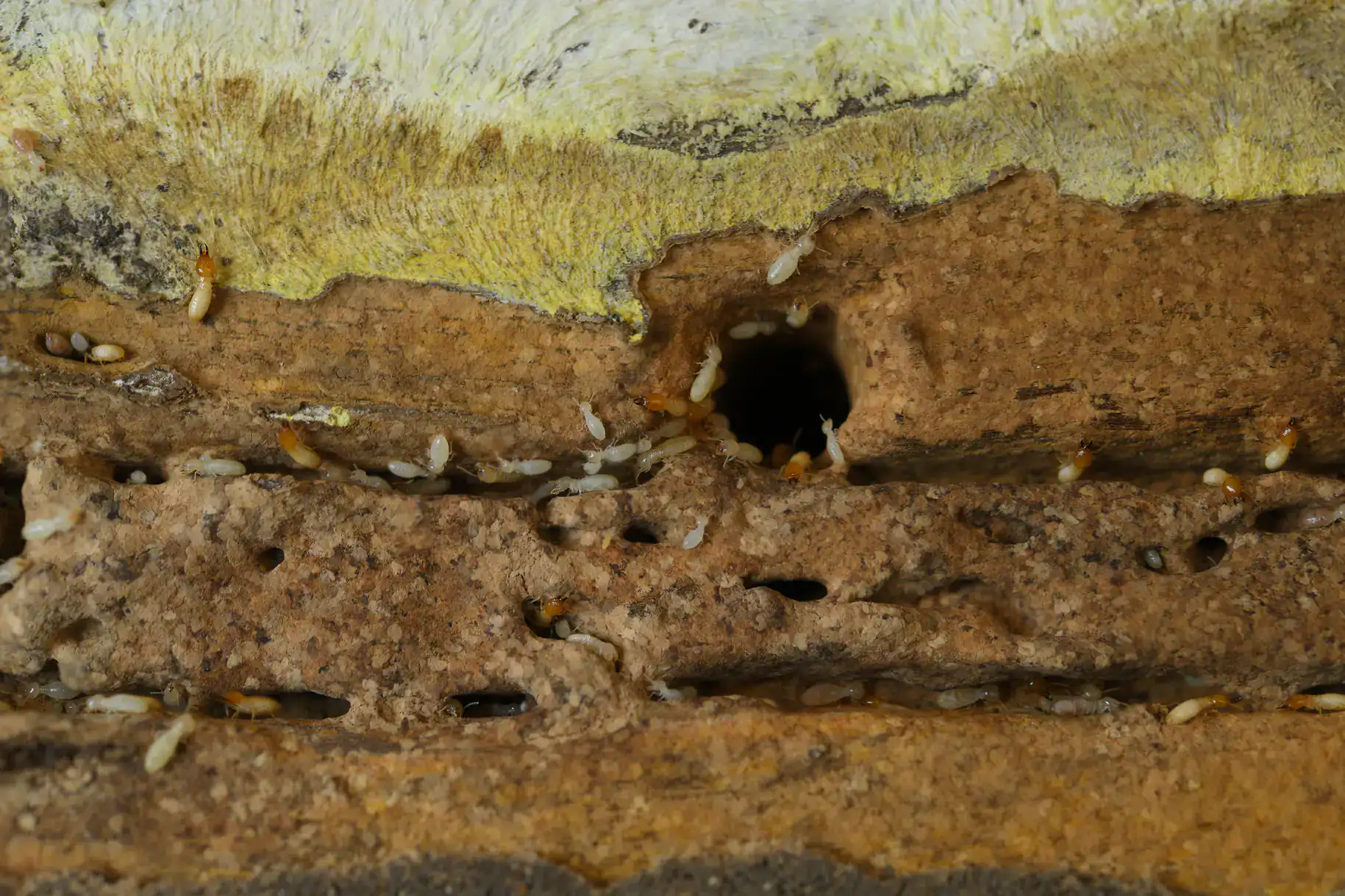
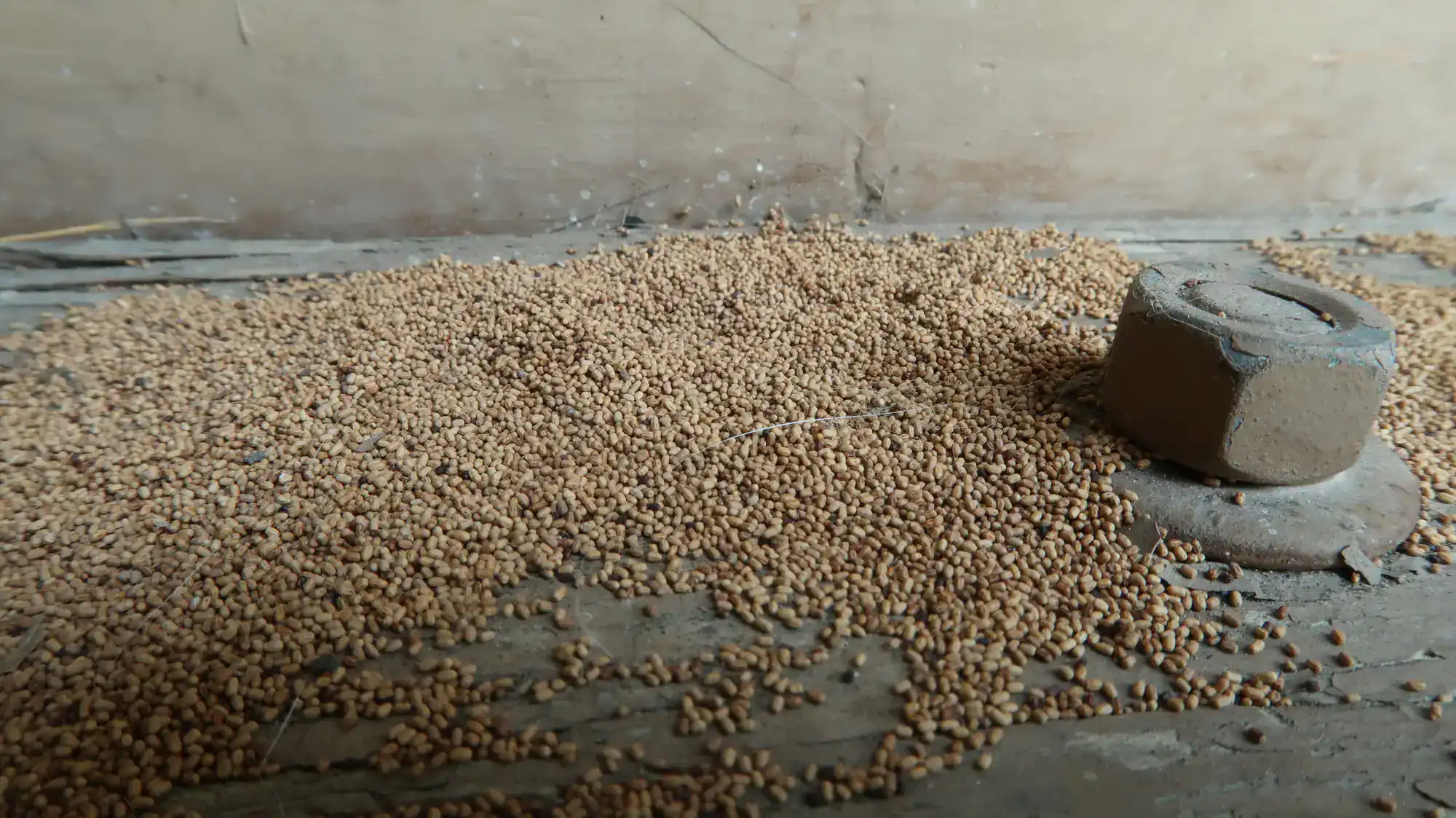
They can, and in older buildings they’re worth taking seriously rather than treating as a minor nuisance. Carpenter ants don’t eat wood the way termites do they excavate it to build their nests. They prefer wood that’s already been softened by moisture, which makes the aging wood framing in Gramercy Park’s 19th-century brownstones and pre-war apartment buildings a particularly attractive target. Sills, door frames, floor joists, and roof eaves that have been exposed to decades of pipe leaks, roof seepage, or basement moisture are exactly the conditions carpenter ants look for.
The Gramercy Park Historic District designation means most of these buildings are legally protected and architecturally irreplaceable. Structural damage from an untreated carpenter ant infestation in a landmarked building isn’t just a pest problem it’s a preservation problem. Early treatment, before the colony has had time to expand its galleries through structural wood, is significantly less disruptive and less costly than addressing the damage after the fact. If you’re seeing large, black ants especially near windows, door frames, or anywhere there’s been a moisture issue it’s worth getting a professional assessment sooner rather than later.
Ant activity in Gramercy Park peaks in spring and summer, typically from April through August, when colonies that have overwintered become active and begin foraging. The mature trees and landscaped grounds of the private park support large overwintering colonies that emerge as temperatures rise each year. Carpenter ant swarms winged reproductives looking to establish new colonies are most common in May and June, and they’re frequently seen entering buildings through rooflines and upper-floor windows of the neighborhood’s taller pre-war structures.
That said, Manhattan’s heated apartment buildings maintain temperatures warm enough to sustain active ant colonies through the winter, which means interior infestations particularly carpenter ants established in wall voids don’t necessarily go dormant just because it’s cold outside. Heavy rainfall, which is common in New York City through summer and fall, also drives ground-nesting colonies out of flooded nests and into buildings. Ground-floor units and basement-level spaces in Gramercy Park brownstones are particularly susceptible to post-rain ant surges. Preventive maintenance scheduled visits on a monthly or bi-monthly basis is the most reliable way to stay ahead of seasonal pressure rather than responding to an active infestation after it’s already established.
Yes we offer a 10% senior discount on ant control services. Gramercy Park has a significant population of long-term residents, including retirees who have lived in rent-stabilized apartments and co-ops in the neighborhood for decades. For residents on fixed incomes who are dealing with a recurring ant problem in an older building where the conditions that attract ants don’t disappear between treatments ongoing professional pest control can start to feel like a significant expense. The senior discount is a straightforward way to make that ongoing protection more accessible.
If you’re a senior resident in Gramercy Park or a family member calling on behalf of an older relative, just mention it when you call. Our phones are answered 24 hours a day, seven days a week, and a free estimate is always the starting point so you know what you’re looking at before any commitment is made. There are no hidden fees and no pressure to sign up for a service plan before you’re ready. The goal is to give you accurate information and let you decide from there.
Useful Links