
Hear from Our Customers
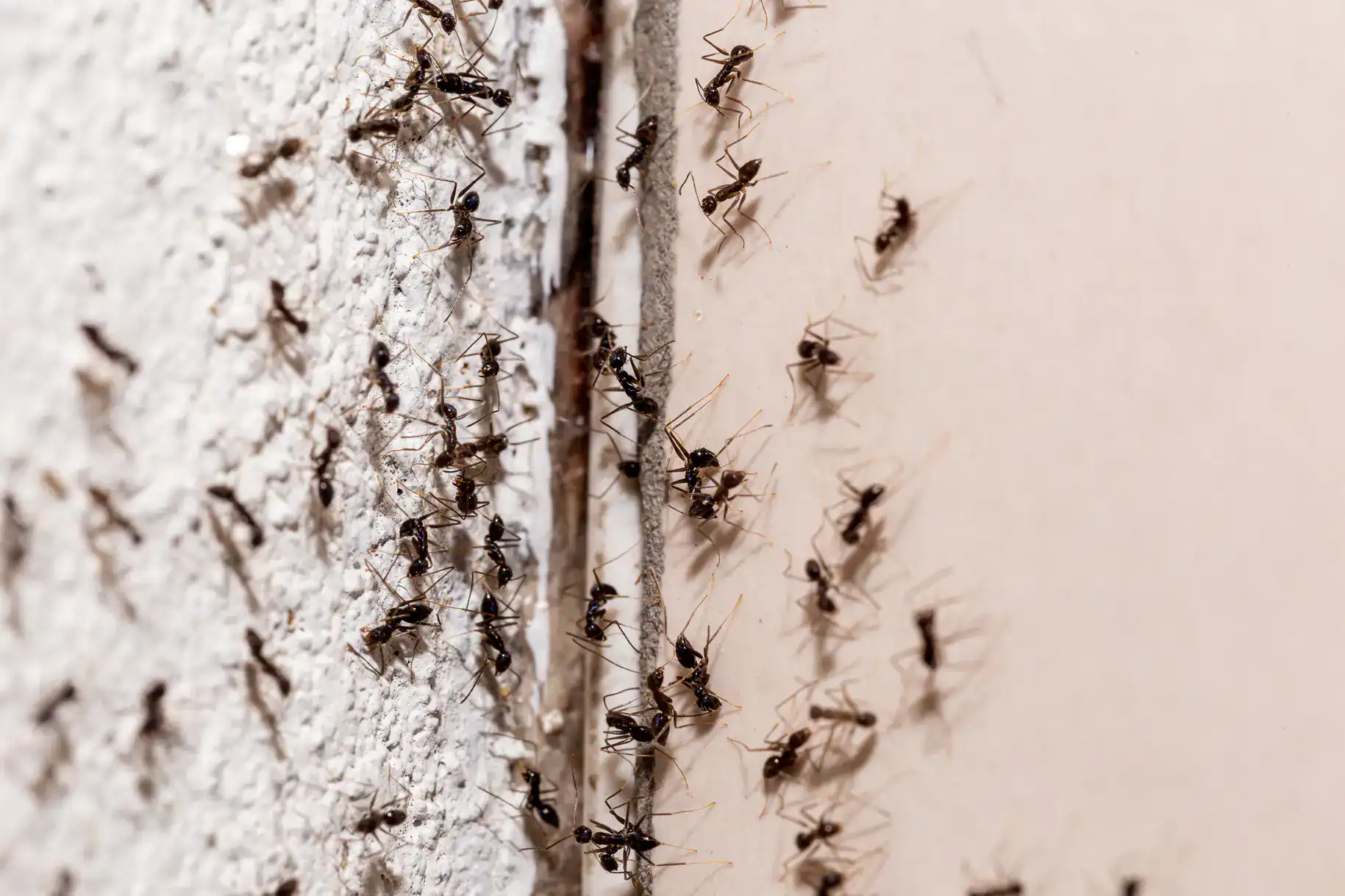
The ants you see moving across your kitchen floor are foragers scouts sent out by a colony that could be thousands strong, nested somewhere in your walls, under your foundation slab, or inside moisture-damaged wood you can’t easily access. Spraying them buys you a day or two. It doesn’t touch the source.
Little Neck’s housing stock makes this especially relevant. A significant portion of homes here were built before 1940 Tudor colonials, brick ranches, older frame houses with decades of accumulated moisture in the framing, window sills, and basement structures. That aging wood is exactly what carpenter ants look for. Add in the proximity to Udalls Cove Preserve and the wooded ravine along Gabler’s Creek near Little Neck Station, and you have a natural environment that feeds ant pressure into residential streets season after season.
When we handle your ant infestation in Little Neck, the goal isn’t to suppress what’s visible. It’s to get into the colony, eliminate it at the source, and keep it from re-establishing. That means your kitchen stays clear, your wood framing stays intact, and you stop spending spring and summer managing a problem that never actually gets resolved.
Kingsway Exterminating is a family-owned company that has been serving Little Neck, the five boroughs, and Long Island for over 40 years. That’s not a tagline it’s the reason we understand what’s happening inside a pre-war Tudor on Little Neck Parkway in a way a national franchise branch simply doesn’t.
We hold an A+ rating with the Better Business Bureau of New York State, and we’re fully licensed, bonded, and insured. Every material we apply is registered with the NYS Department of Environmental Conservation which matters when your property backs up to a protected natural area like Udalls Cove or sits near the Alley Pond watershed. We don’t cut corners on compliance, and we don’t send out technicians who aren’t trained to handle the specific ant species common to northeastern Queens.
We answer the phone 24 hours a day, 7 days a week. If you find ants on a Sunday night, you reach a real person not a voicemail.
The first visit starts with a thorough inspection. In Little Neck homes particularly those built before 1960 that means checking the basement, crawl space, attic framing, and any exterior wood elements that show signs of moisture exposure. Carpenter ants don’t always make themselves obvious. We look where they nest, not just where you’ve seen them.
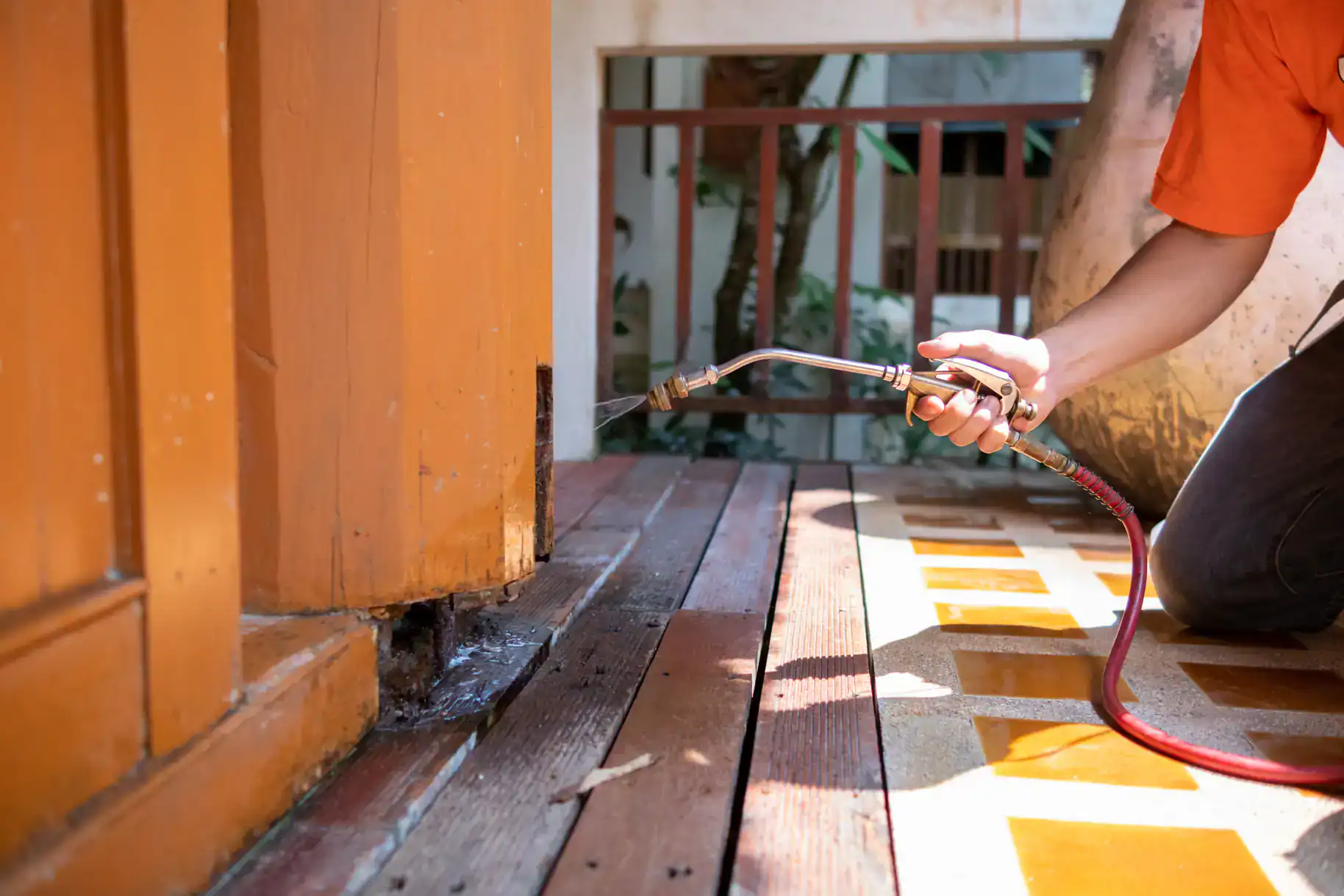
From there, we apply materials designed to work the way ant colonies actually function. Forager ants pick up the treatment and carry it back to the nest, sharing it with the colony including the queen. This is how you end an infestation rather than temporarily reduce it. We treat both the interior and the exterior perimeter, because in a neighborhood like Little Neck, where mature trees overhang rooflines and wooded areas border residential streets, the entry points are often outside your foundation, not inside your walls.
After the initial cleanout, we schedule follow-up visits weekly, every other week, or monthly, depending on what your property needs. Ant colonies don’t disappear after one treatment, and we don’t pretend they do. We stay on it until the activity stops, then work with you on a maintenance schedule that keeps it that way through every season.
Ready to get started?
We handle the full range of ant species found in Little Neck homes carpenter ants, pavement ants, odorous house ants, and pharaoh ants each behave differently and require different treatment approaches. A technician who can’t tell a carpenter ant from a pavement ant is going to apply the wrong solution. We identify the species first, then treat accordingly.
For carpenter ant exterminator service in Little Neck, that means a focused inspection of the structural areas most at risk in older Queens homes unfinished basements, attic framing, exterior wood trim, and any area with a history of moisture. For pavement ants, which commonly enter through foundation cracks and the gaps in older concrete construction, treatment targets the exterior perimeter and entry points around the foundation. Every service includes both interior and exterior application, and all materials used are NYS DEC-registered a requirement that matters for properties near Udalls Cove Preserve or the Alley Pond Park boundary, where pesticide application near wetlands is subject to state environmental guidelines.
Follow-up scheduling is built into how we work, not offered as an upsell. We also offer a 10% senior discount relevant in a neighborhood where the median age is 50 and a significant portion of residents are retired or have lived in their homes for decades. Free estimates are available before any work begins. No pressure, no mystery pricing.
Little Neck’s location creates a specific set of conditions that drive spring ant activity harder than most neighborhoods in Queens. The neighborhood borders Udalls Cove Preserve to the north and sits adjacent to Alley Pond Park to the southwest both are large, wooded, moisture-rich environments that support active ant colonies year-round. When temperatures rise in April and May, those colonies expand and send foragers out in search of food and water. Your home is often the closest, warmest option.
The other factor is the housing stock itself. Homes built in the 1920s through 1950s which make up a significant portion of Little Neck’s residential properties have had decades to accumulate the moisture conditions that carpenter ants specifically seek out. Aging window frames, older foundation sealants, and wood framing with any history of water exposure are all attractive nesting sites. The ants aren’t finding you by accident. They’re responding to conditions your home has developed over time, and those conditions don’t change on their own.
Carpenter ants are larger typically black or dark red and black, and noticeably bigger than the small pavement ants or odorous house ants you might see trailing along a baseboard. But the more important difference is what they do. Pavement ants and odorous house ants are nuisance pests they’re after your food. Carpenter ants are after your structure. They excavate wood to build their nests, and in the older homes that define Little Neck’s residential streets, that means they’re potentially tunneling through framing members, window sills, or basement joists that have been softened by decades of moisture exposure.
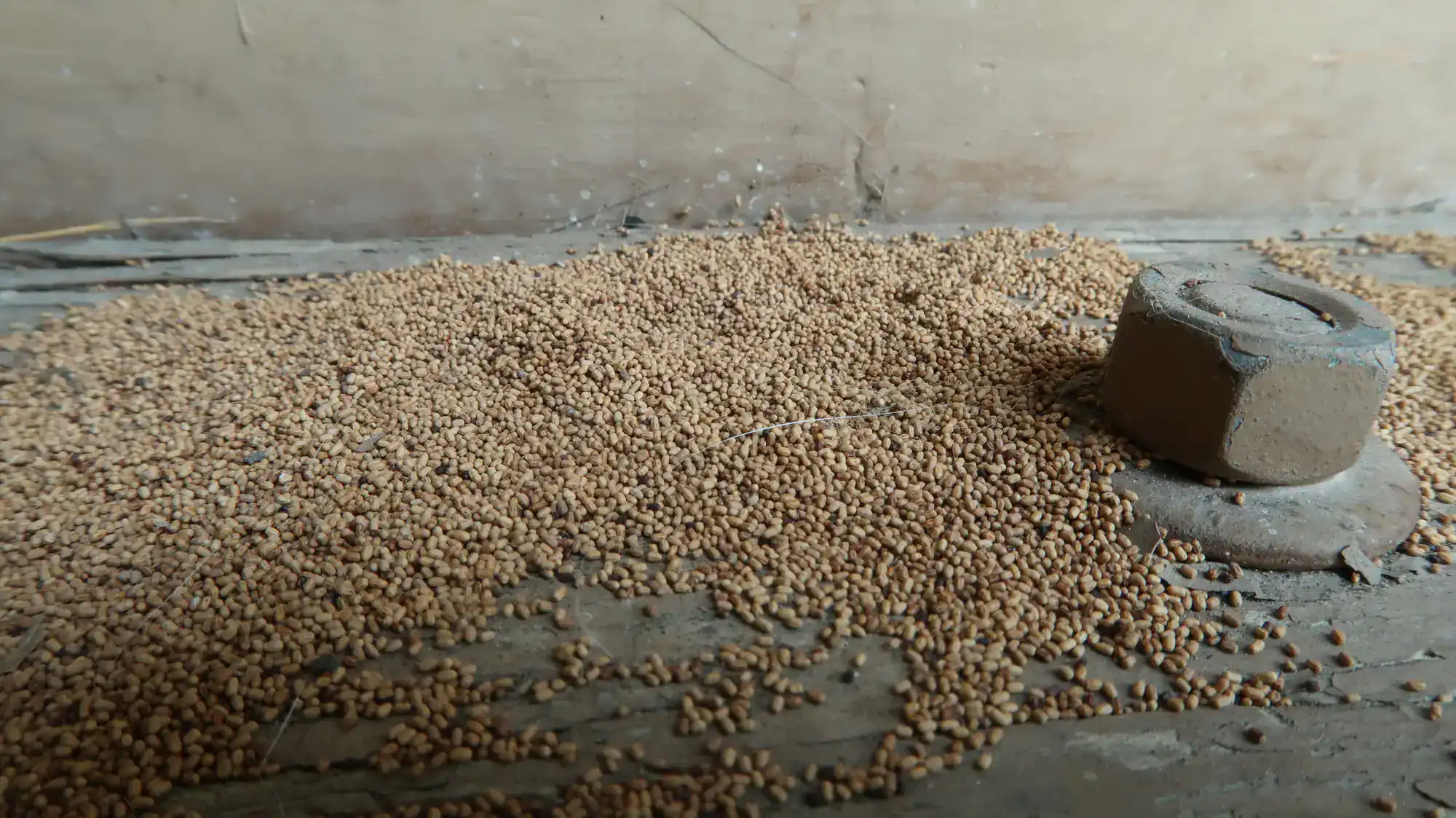
You won’t always see the damage directly. Carpenter ants are often active inside wall voids and structural cavities where you’d never look. Signs to watch for include small piles of sawdust-like material called frass near baseboards or window frames, faint rustling sounds inside walls at night, and winged ants emerging indoors in late spring which typically signals an established colony nearby. If you’re seeing any of these in a Little Neck home, it’s worth having a professional take a look before the damage progresses.
There’s no honest single-visit answer to this question, and any company that guarantees otherwise isn’t being straight with you. Ant colonies are complex, often multi-satellite systems. The initial cleanout treatment is designed to get material into the colony and begin eliminating it at the source but depending on the size of the infestation, the number of satellite nests, and the conditions of your specific property, it can take several follow-up visits before activity fully stops.
For homes in Little Neck particularly those near the wooded edges of Udalls Cove or on streets with heavy tree canopy re-infestation pressure from the surrounding environment is a real factor. Even after the interior colony is eliminated, new foragers from outdoor populations can attempt to establish themselves if exterior conditions aren’t maintained. That’s why we build follow-up scheduling into every ant control service from the start. We typically recommend visits every one to two weeks initially, then monthly maintenance once the infestation is resolved, to keep your home protected through the full ant season and into fall.
The materials we use are registered with the New York State Department of Environmental Conservation, which sets specific standards for safety, efficacy, and environmental impact. That registration isn’t a formality it means the products have been reviewed and approved for use in residential settings. We apply them in a targeted way, focusing on the areas where ants are active rather than blanketing your home indiscriminately.
After treatment, we’ll walk you through any specific precautions for your household typically involving staying out of treated areas for a short period while materials dry. For homes with young children or pets, we take the time to explain exactly what was applied, where, and what to expect. Little Neck families with yards and outdoor spaces should also know that our exterior perimeter treatments are applied with the same care, particularly for properties near Udalls Cove Preserve or the Alley Pond watershed, where we’re mindful of the environmental regulations governing pesticide use near protected natural areas.
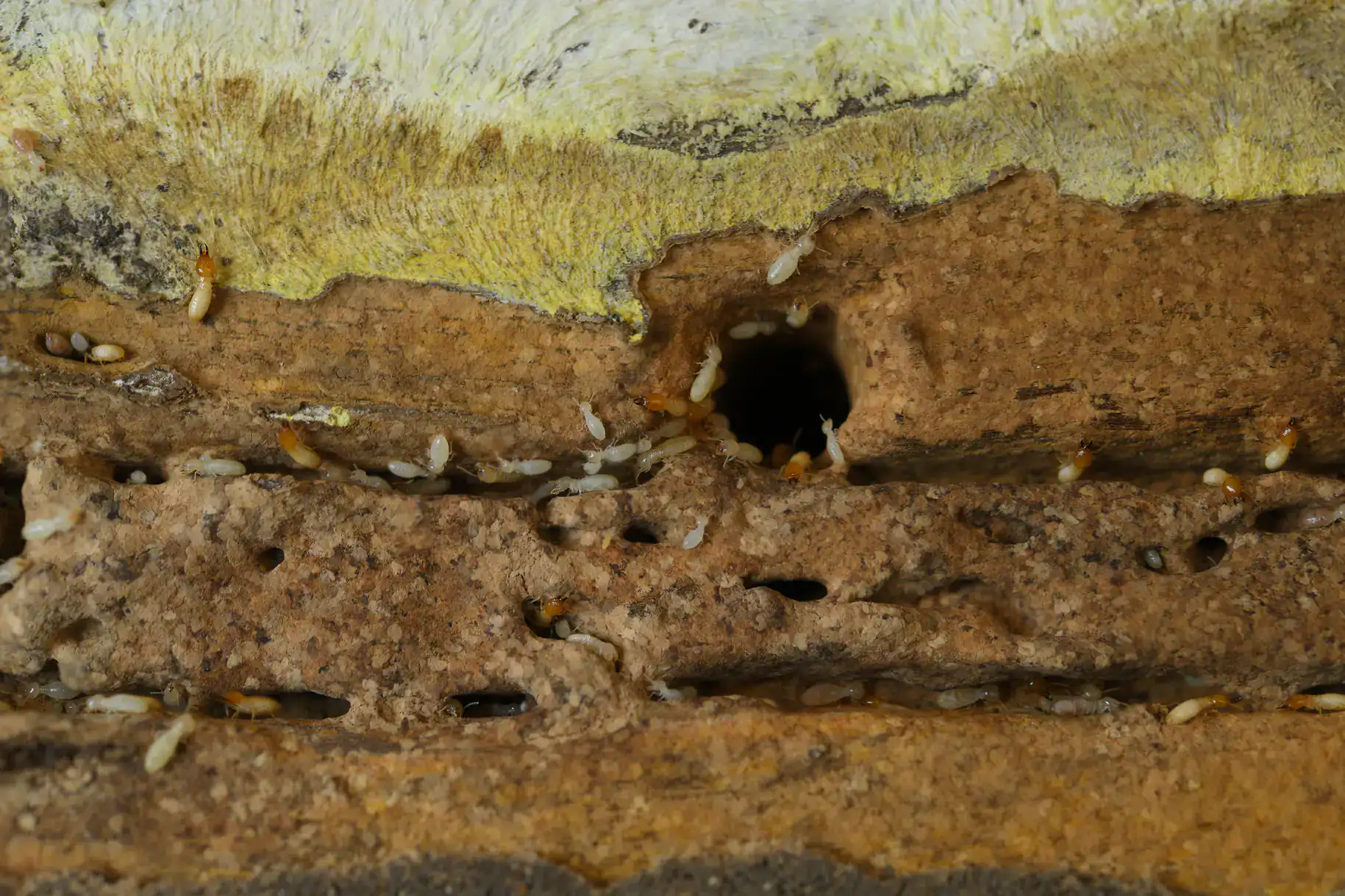
For most ant species pavement ants, odorous house ants, pharaoh ants the answer is nuisance. They’re frustrating and unsanitary, especially in kitchens, but they don’t damage your home’s structure. Carpenter ants are a different situation entirely. They don’t eat wood the way termites do, but they excavate it to build their nests, and a large, established carpenter ant colony can cause significant structural damage over time particularly in wood that’s already been softened by moisture.
In Little Neck, where a meaningful portion of the housing stock is 70 to 100 years old, this is a real concern. A home on Albemarle Avenue or in Little Neck Hills that’s been sitting on the same foundation since the 1930s has had decades to develop the moisture conditions carpenter ants prefer. For a home valued at over $500,000 which is close to the neighborhood average the cost of ignoring a carpenter ant infestation is potentially far greater than the cost of treating it early. If you’re seeing large black ants inside your home in spring or summer, don’t wait to find out how deep the problem goes.
Yes we offer a 10% senior discount, and it’s straightforward to apply. Little Neck has a median age of 50, and a large share of the neighborhood’s homeowners are retired or have lived in their homes for decades. Many of them have dealt with recurring ant problems for years trying different sprays, calling different companies, and watching the same infestation come back every spring. The discount reflects the reality that long-term homeowners in this neighborhood are exactly the kind of customers we’ve been serving for 40 years.
If you qualify, just mention it when you call. There’s no complicated process. We also provide free estimates before any work begins, so you’ll know exactly what the service costs with the discount applied before a technician sets foot in your home. For residents who want to reach us outside of business hours, we answer the phone 24 hours a day, 7 days a week. You don’t have to wait until Monday morning to get a question answered or an appointment on the calendar.
Useful Links