Hear from Our Customers
Most people who call us have already tried something. A spray from the hardware store. A roach bomb. Maybe a bait station from the internet. And the cockroaches came back because those products don’t reach the places cockroaches actually live. In Little Neck’s mid-century housing stock, where homes were built between 1940 and 1969, the real problem is structural. Aging pipe penetrations, cracked foundation seals, utility chases that run from your basement to your kitchen these are the entry points and harborage sites that a can of spray will never touch.
What changes after a proper cockroach treatment isn’t just that you stop seeing them. It’s that you stop wondering if they’ll come back. You stop checking the cabinet under the sink before you open it. You stop feeling like your clean, well-maintained home has a secret you’re embarrassed about. That’s the actual outcome not just pest control, but peace of mind in a home you’ve worked hard to keep.
Little Neck’s proximity to Little Neck Bay and the Udalls Cove tidal wetlands also means American cockroaches the large ones people call waterbugs are a recurring seasonal issue, especially after heavy rain pushes them out of the sewer and drainage infrastructure. That’s a local pest dynamic that a generic treatment plan won’t account for. An approach built around your specific home and your neighborhood’s conditions will actually work.
We’ve been a family-owned operation since the beginning. Founded by Richard Kourbage Sr. and expanded when Richard Kourbage Jr. joined in 1987, we were built on the ground in New York City not assembled from a franchise playbook. Headquartered in Marine Park, Brooklyn, we’ve served Queens and Long Island for over 40 years, which means Little Neck sitting right at the Queens–Nassau County line is squarely in our wheelhouse.
Our team collectively brings over 100 years of hands-on pest control experience. That’s not a marketing number it’s the difference between a technician who’s treated hundreds of older Queens homes and one who’s working off a training manual. We’re fully licensed, bonded, and insured, hold an A+ rating with the Better Business Bureau of New York State, and apply only New York State DEC Registered Materials on every job. If you’re a senior homeowner in Little Neck, we also offer a 10% discount because we serve our community, we don’t just work in it.

It starts with an inspection a real one, not a five-minute walkthrough. In Little Neck’s older single-family homes, that means looking at the places most people don’t think about: the wall voids behind kitchen cabinets, the utility penetrations in the basement, the floor drains and crawl spaces that American cockroaches use as entry points when the drainage infrastructure gets overwhelmed after a heavy rain. The inspection isn’t just about finding cockroaches it’s about understanding how they’re getting in and where they’re living inside your home’s structure.
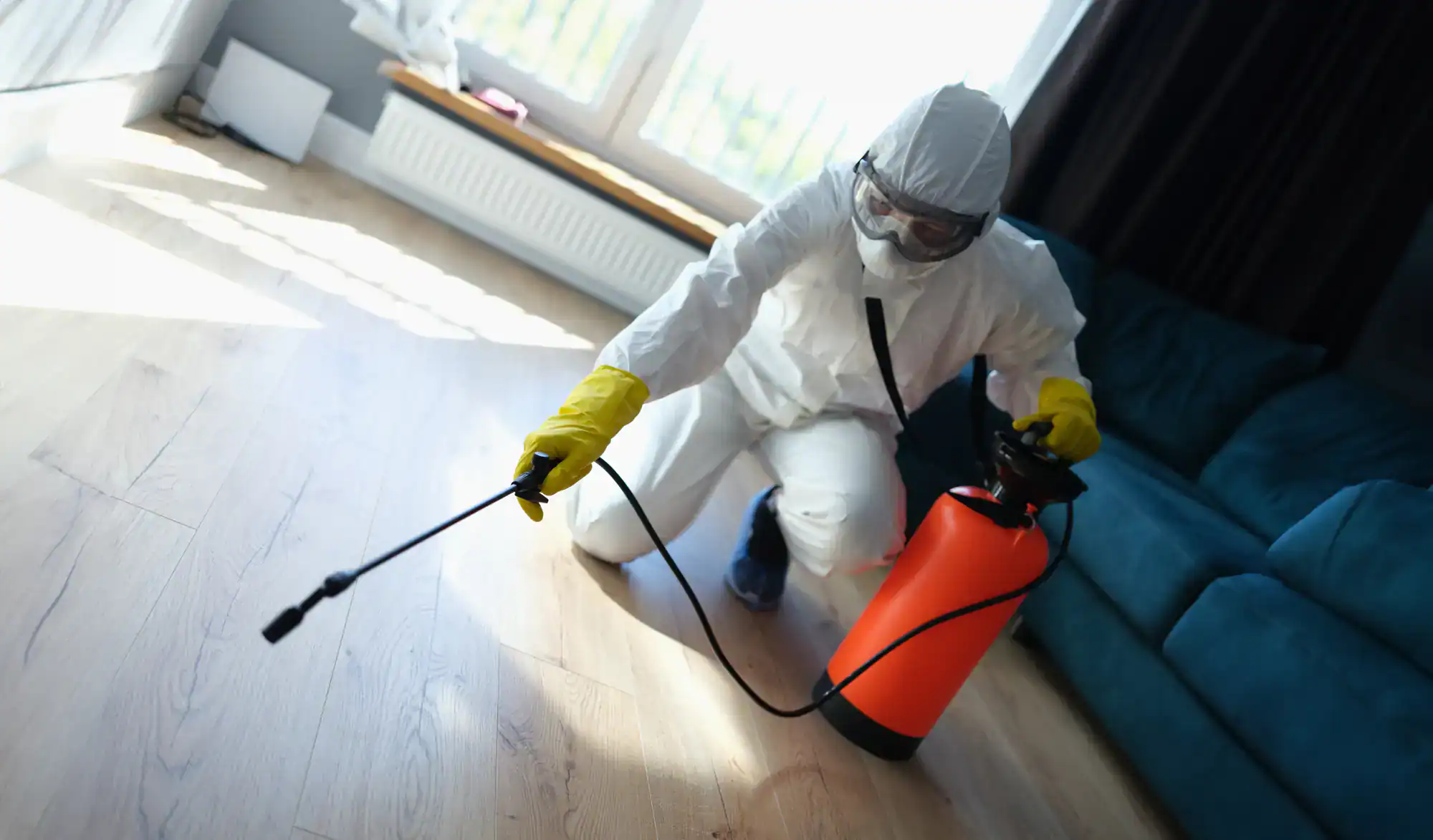
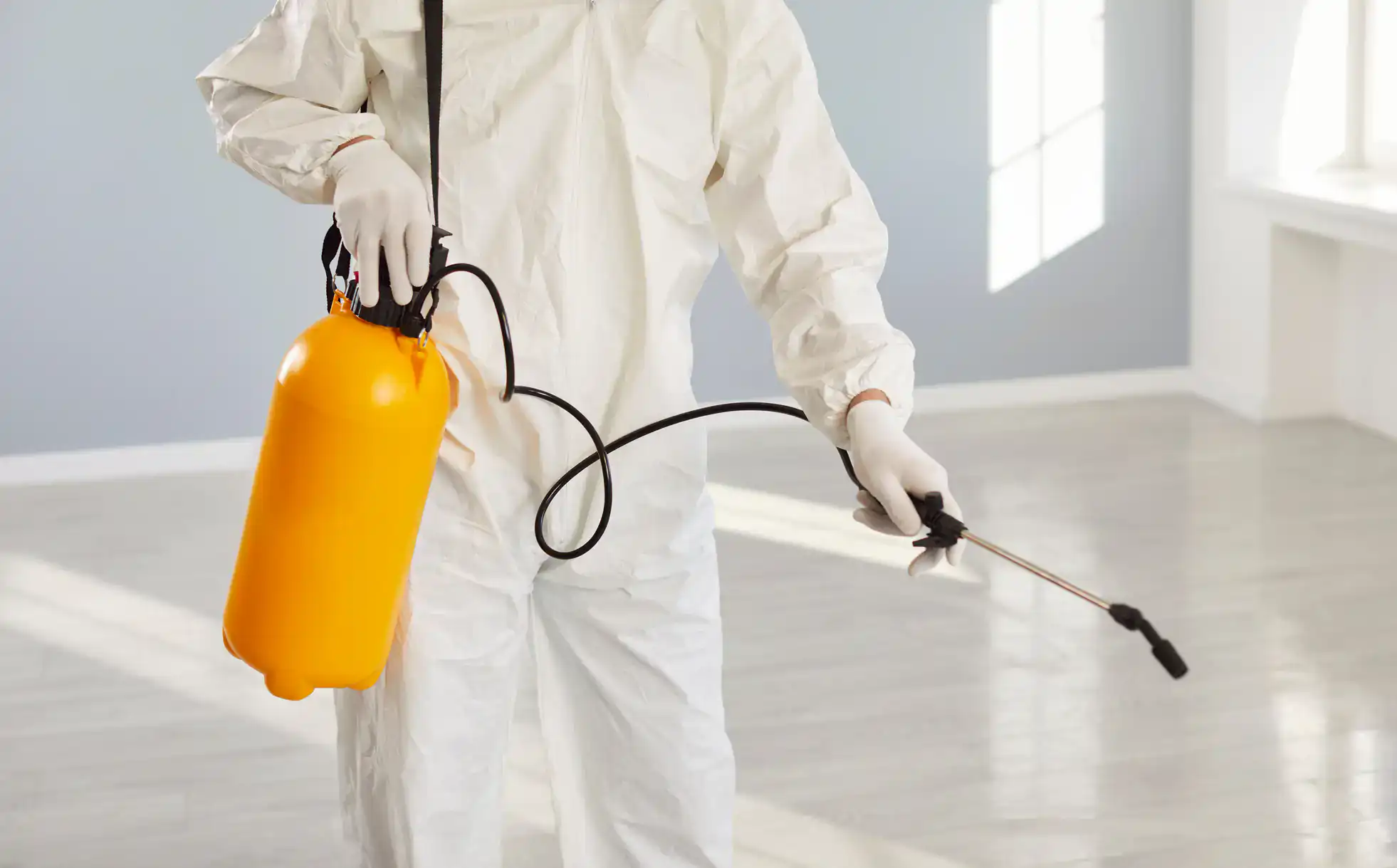
From there, the treatment is targeted to what we actually found. German cockroaches in your kitchen require a completely different approach than waterbugs coming up through a basement drain near the bay. We use only NYS DEC Registered Materials, applied by certified technicians so you don’t have to wonder whether the products being used in your home are safe for your family or your pets.
Treatment isn’t a one-and-done event. Follow-up visits are timed to catch newly hatched nymphs that survive the initial treatment because cockroach egg cases aren’t always affected by the first application, and skipping that step is why so many treatments fail. From there, you can move into a maintenance schedule monthly, every other month, or quarterly depending on your home’s specific needs and history. That ongoing structure is what keeps a treated home from becoming a re-infested one.
Ready to get started?
Every cockroach job in Little Neck starts with a thorough inspection that accounts for the specific vulnerabilities of your home not a checklist built for a generic apartment. The older housing stock throughout the neighborhood, particularly in the residential streets between Northern Boulevard and Little Neck Bay, tends to have infrastructure characteristics that create multiple cockroach entry vectors. That inspection informs everything that follows.
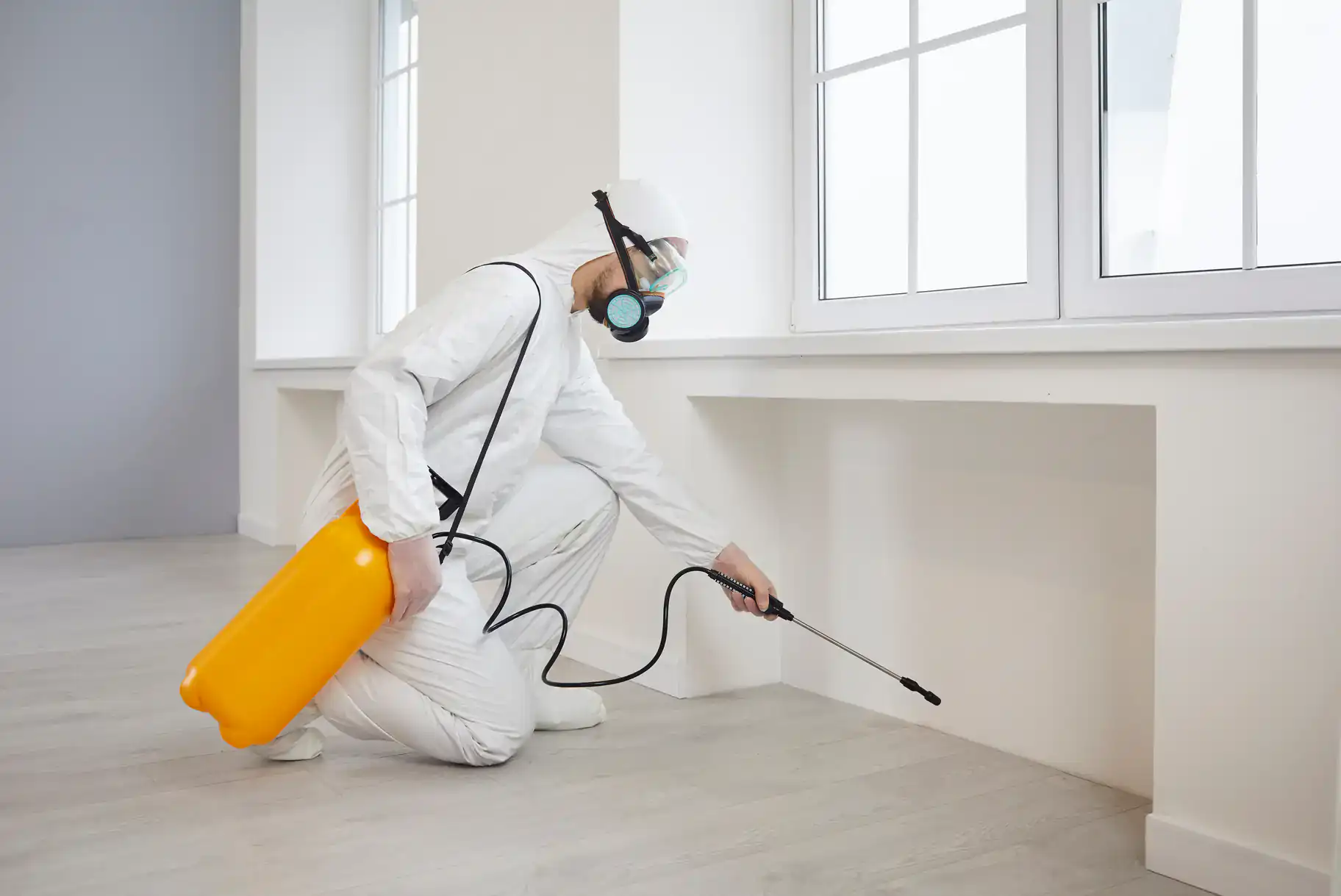
Treatment covers the active infestation and the structural conditions sustaining it. Depending on what we find, that can include targeted gel bait applications in kitchen and bathroom harborage zones, crack-and-crevice treatment along baseboards and pipe penetrations, and residual material application in basement and utility areas where American cockroaches are most active. All materials we use are registered with the New York State Department of Environmental Conservation a requirement for all licensed pest control operators in Queens under NYC and NYS regulations, and a standard we hold on every job.
For Little Neck homeowners dealing with recurring waterbug activity near the bay or in older basement spaces, we can also assess and recommend exclusion measures sealing pipe penetrations, addressing floor drain vulnerabilities, and identifying the structural gaps that keep the problem cycling back. If you’re a commercial property owner or restaurant operator on Northern Boulevard and you’ve received a NYC Health Department inspection citation, we can provide the professional documentation that demonstrates active pest management to DOHMH inspectors. Maintenance plans are available in weekly, monthly, and every-other-month schedules to keep your home or business protected long-term.
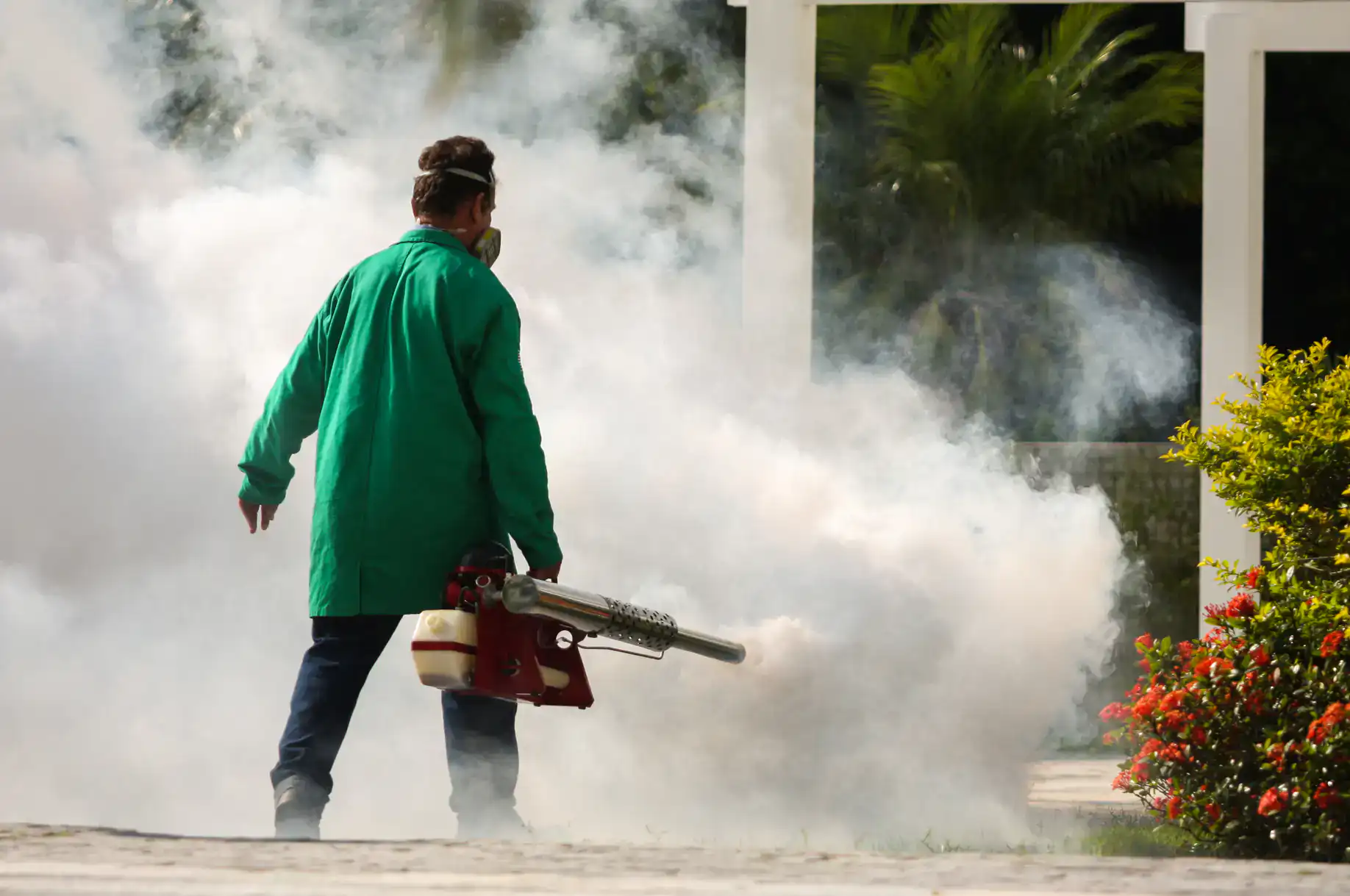
The most common reason cockroach treatments fail especially in Little Neck’s older homes is that the treatment addressed the visible infestation without reaching the harborage sites where cockroaches actually breed and hide. In homes built between 1940 and 1969, which describes most of the residential stock in Little Neck, the wall cavities behind kitchen appliances, the utility chases running between floors, and the aging pipe penetrations in basements provide exactly the kind of dark, warm, undisturbed space that cockroaches need to maintain a population even after a surface-level treatment.
The other factor is egg cases. Cockroach egg capsules called oothecae aren’t always affected by a single treatment application. If follow-up visits aren’t timed correctly to catch newly hatched nymphs, the population rebuilds from the eggs that survived. A properly structured treatment plan accounts for this cycle, which is why the follow-up visit isn’t optional it’s the part that actually finishes the job.
They’re both cockroaches, but they behave very differently and require different treatment approaches. German cockroaches are small about half an inch tan to light brown, and almost always found in kitchens and bathrooms. They breed rapidly indoors and are the species most associated with cabinet infestations, appliance harborage, and the kind of infestation that spreads through shared walls in multi-unit buildings. They’re also the species that has developed significant resistance to the pyrethroid-based sprays sold in hardware stores, which is why DIY treatments rarely eliminate them.
American cockroaches the ones most New Yorkers call waterbugs are much larger, reddish-brown, and typically enter homes from the outside or from below: through floor drains, sewer connections, and foundation gaps. In Little Neck specifically, the proximity to Little Neck Bay, Udalls Cove, and the tidal drainage infrastructure along the neighborhood’s northern edge means waterbug activity spikes after heavy rain events, when rising water pressure in the sewer system forces them upward into residential structures. Treating a waterbug problem with a German cockroach protocol or vice versa wastes time and money. Identifying the species correctly at the start is what makes the treatment work.
Yes when it’s done by a licensed professional using regulated materials. Every product we apply is registered with the New York State Department of Environmental Conservation, which means it’s been reviewed, tested, and approved for residential use under New York State law. The concern about pesticide safety is completely legitimate, and it’s one of the first things homeowners ask especially in a family-oriented community like Little Neck where a lot of households include young children and elderly residents.
The way professional cockroach treatment differs from DIY sprays is also relevant here. Gel bait applications and crack-and-crevice treatments the methods we use in most residential cockroach jobs are applied in targeted locations that are largely inaccessible to children and pets: inside cabinet voids, along baseboards, behind appliances, in utility spaces. The exposure profile is dramatically lower than broadcast spraying an entire room with an over-the-counter product. Our technician can walk you through exactly what’s being used and where before any treatment begins.
Cost varies depending on the size of your home, the severity of the infestation, and whether you’re dealing with a localized kitchen problem or a more widespread issue that includes basement and utility areas. For a single-family home in Little Neck which is the dominant housing type in the neighborhood a standard cockroach treatment typically runs in the range of a few hundred dollars for an initial service, with follow-up visits and ongoing maintenance plans available at additional cost depending on the schedule you choose.
What’s worth understanding is that the cheapest option and the most effective option are rarely the same thing with cockroach infestations. A one-time spray that doesn’t address harborage sites or schedule follow-up visits will often result in a recurring problem which costs more over time than a properly structured treatment from the start. If you’re a senior homeowner in Little Neck, we offer a 10% senior discount, which is worth asking about when you call. The best way to get an accurate number for your specific situation is a direct conversation about your home’s layout and what you’ve been dealing with.
Yes, and it’s one of the most frustrating aspects of cockroach infestations in any shared or attached structure. In multi-unit buildings including the apartment buildings and mixed-use structures along Northern Boulevard cockroaches travel through shared wall voids, plumbing chases, and utility infrastructure. One unit can be treated thoroughly while a neighboring unit remains untreated, and the population simply migrates back through the shared infrastructure. This is why building-wide treatment, or at minimum coordinated treatment of adjacent units, is significantly more effective than treating a single apartment in isolation.
Even in Little Neck’s predominantly single-family areas, cockroaches particularly American cockroaches can move between properties through underground drainage connections, shared sewer laterals, and exterior harborage sites like mulch beds, compost areas, and wood piles. If your neighbor has an untreated infestation, that’s a real source of ongoing pressure on your property. The most durable solution combines professional treatment of your home with exclusion measures that reduce the structural entry points cockroaches use to get in from outside or from adjacent structures.
Yes we offer a 10% discount for senior residents, and it’s worth mentioning when you call. Little Neck has one of the older demographic profiles of any neighborhood in Queens, with more than a quarter of residents aged 65 or older. A lot of those residents are long-established homeowners who have maintained their properties for decades people who take real pride in their homes and aren’t looking for a quick fix that falls apart in six weeks.
The discount reflects something straightforward about how we operate: we’ve been serving New York City neighborhoods for over 40 years, and the communities we work in aren’t just service territories to us. Offering a senior discount in a neighborhood like Little Neck, where so many residents are on fixed incomes while managing the upkeep of older homes, is consistent with how a family-owned business that’s been around this long tends to think about the people it serves. Ask about it when you schedule it applies to the initial service and can carry through to ongoing maintenance plans as well.
Useful Links
Other Services we provide in Little Neck