
Hear from Our Customers
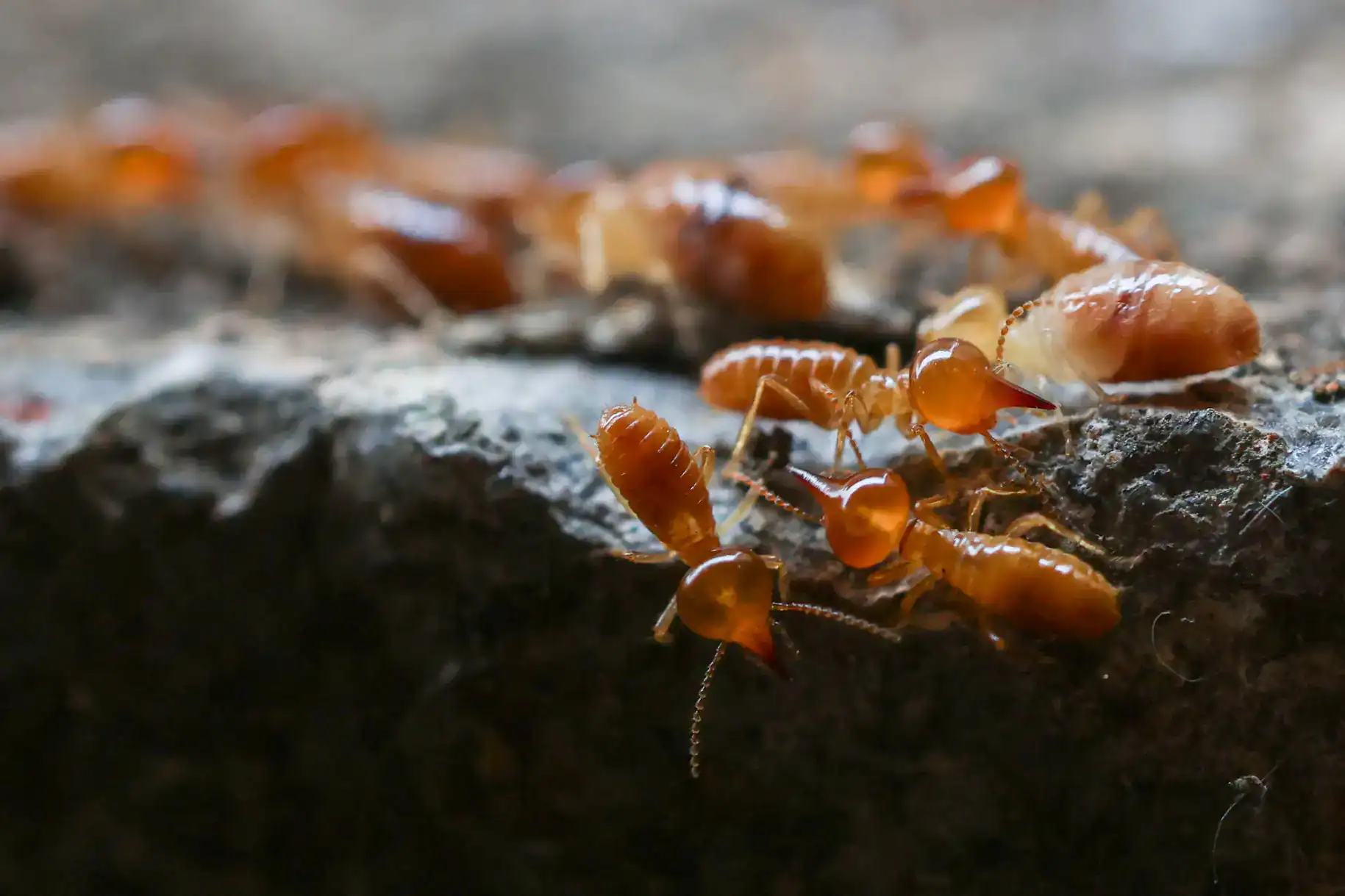
Most Bayside homeowners don’t find termites termites find them. By the time you notice a hollow floor joist, a warped door frame, or a cluster of swarmers on your window sill in April, the colony has often been feeding underground for years. That’s just how subterranean termites work. They’re quiet, they’re patient, and they don’t stop.
What changes after a proper termite treatment is simple: the feeding stops. The colony is eliminated or cut off from your structure, the damage stops accumulating, and you have documentation showing the problem was addressed which matters enormously if you ever sell your home in a market where Bayside properties routinely trade at or above $800,000.
The pre-war Colonials and Tudor Revival homes that define Bayside Hills and much of central Bayside were built between the late 1920s and early 1950s. That wood framing has been in place for nearly a century. It’s irreplaceable in many cases original hardwood floors, built-in cabinetry, period millwork. Stopping a termite infestation in a home like that isn’t just pest control. It’s protecting something that can’t be rebuilt the same way twice.
We’ve been operating in Bayside and throughout New York City since 1971 founded by Richard Kourbage Sr. and now run by his sons Richard Jr. and Charles. That’s not a franchise. There’s no corporate layer between you and the people doing the work. When something goes wrong, or when you have a question at 7 a.m. on a Monday after spotting swarmers near your foundation, you’re reaching the same family that’s been handling this in Bayside for over five decades.
Our team carries more than 100 years of combined pest control experience people who have seen termite activity in every housing type northeastern Queens has to offer, from the brick Tudors of Bayside Hills to the condominium structures in Bay Terrace. Every material we apply is registered with the New York State Department of Environmental Conservation. Every job is backed by the kind of accountability that only comes from a business where the owners’ name is on every invoice.
It starts with a thorough inspection of your property foundation perimeter, basement or crawl space, sill plates, floor joists, any wood-to-soil contact points, and areas where moisture tends to accumulate. In Bayside, that last part matters more than people expect. The neighborhood’s proximity to Little Neck Bay, combined with the mature landscaping and foundation plantings common on residential lots along streets like 48th Avenue and Bell Boulevard, creates soil conditions that subterranean termites actively seek out. Our inspection accounts for all of it.
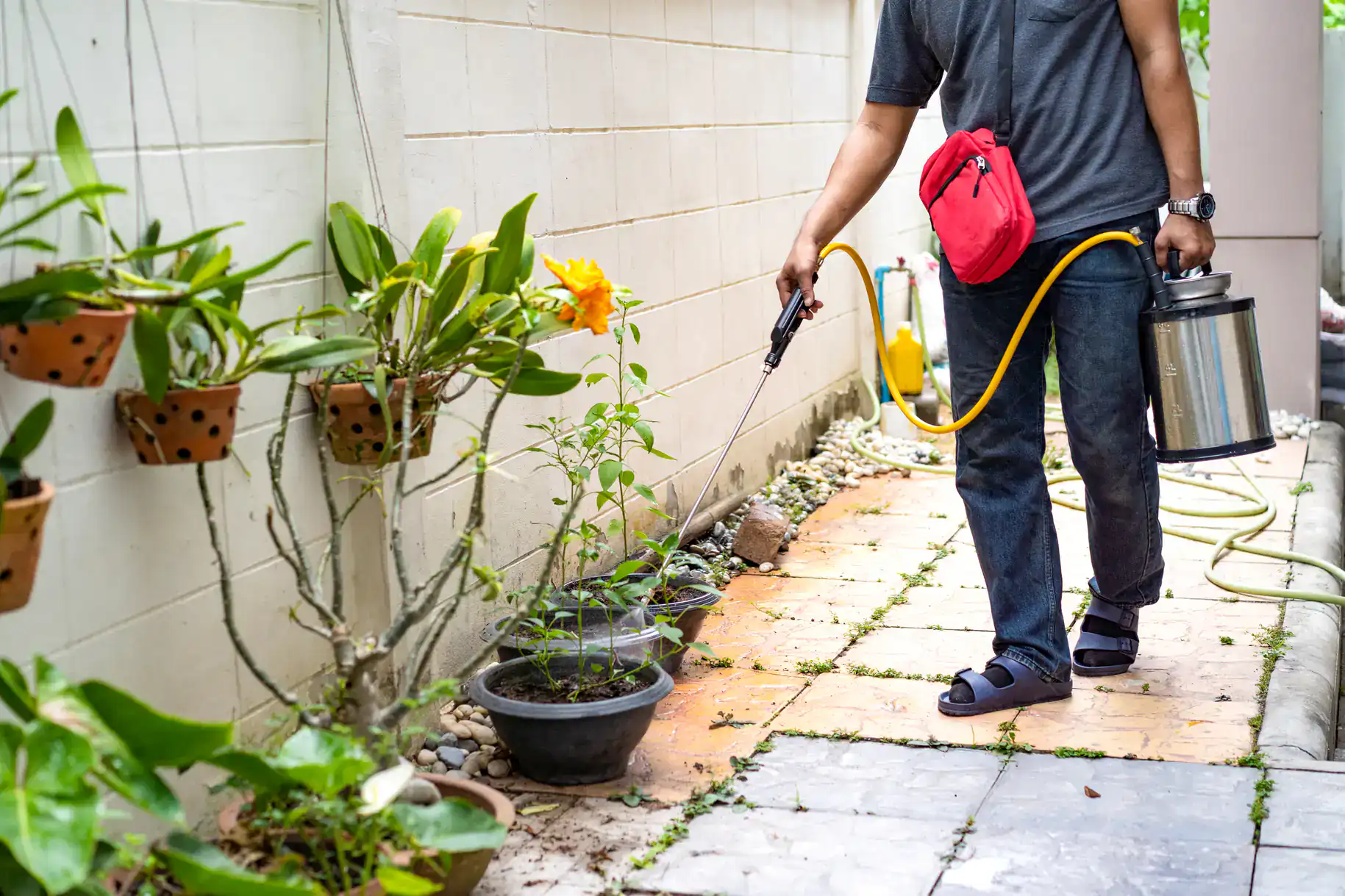
If we find termite activity or evidence of prior infestation, you’ll get a clear explanation of what was discovered, where it is, and what treatment looks like before anything is scheduled. We apply only NYS DEC-registered materials, and we choose our treatment approach based on what your specific structure actually needs, not a one-size formula. For most Bayside homes, that means liquid termiticide treatment along the foundation, targeted bait station placement, or a combination of both depending on the extent and location of activity.
After treatment, you receive documentation of the work we’ve completed. If you’re in the middle of a real estate transaction which happens constantly in a market as active as Bayside that paperwork is exactly what lenders and buyers need to move forward. Spring swarm season runs roughly March through May in NYC, but we recommend scheduling termite inspections year-round, especially in homes with heated basements where colonies stay active through winter.
Ready to get started?
A termite inspection from us isn’t a walk-through with a flashlight. It’s a structured assessment of every area where the Eastern Subterranean Termite the dominant species throughout Queens County is known to establish entry points and feeding zones. That includes foundation cracks, expansion joints, utility penetrations, and any wood that sits close to grade. In Bayside’s older housing stock, those entry points are often numerous and not always obvious without trained eyes.
We select treatment based on what our inspection actually finds. Liquid termiticide applications create a treated zone in the soil around your foundation that termites can’t cross. Bait station systems work over time to eliminate the colony at the source. For homes in Bayside Hills or Bay Terrace where construction details make certain treatment methods more practical than others, we adjust our approach accordingly not defaulting to whatever’s easiest to apply.
For homeowners dealing with a WDO (Wood Destroying Organism) report flagged during a property sale, we provide the professional documentation that satisfies FHA and VA lender requirements. Given that Bayside real estate transactions regularly involve properties valued well above $700,000, having that paperwork handled correctly and promptly isn’t a minor detail it’s what keeps closings on schedule. We have appointments available within two business days, and same-day inspections are frequently possible when timing is critical.
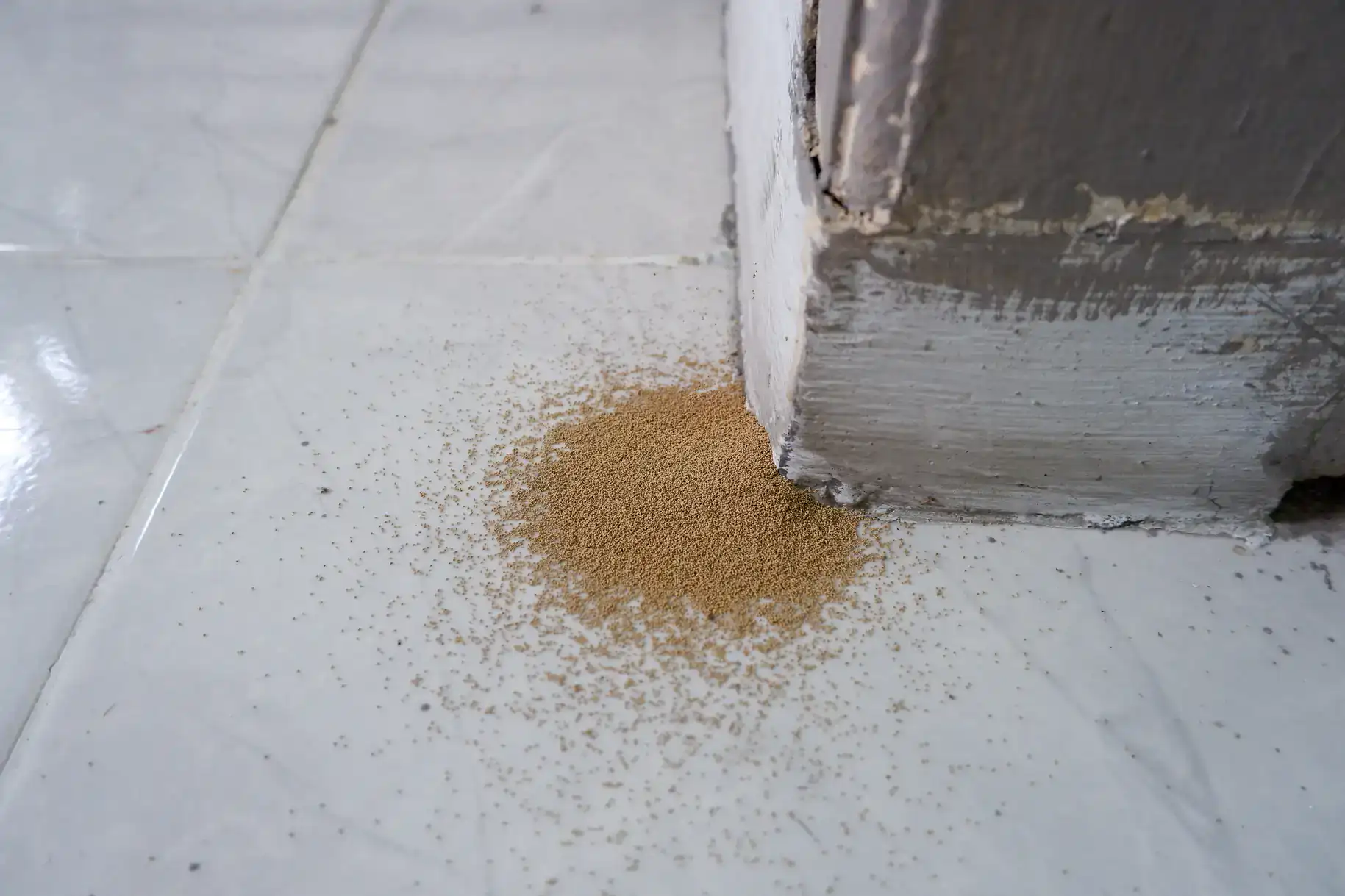
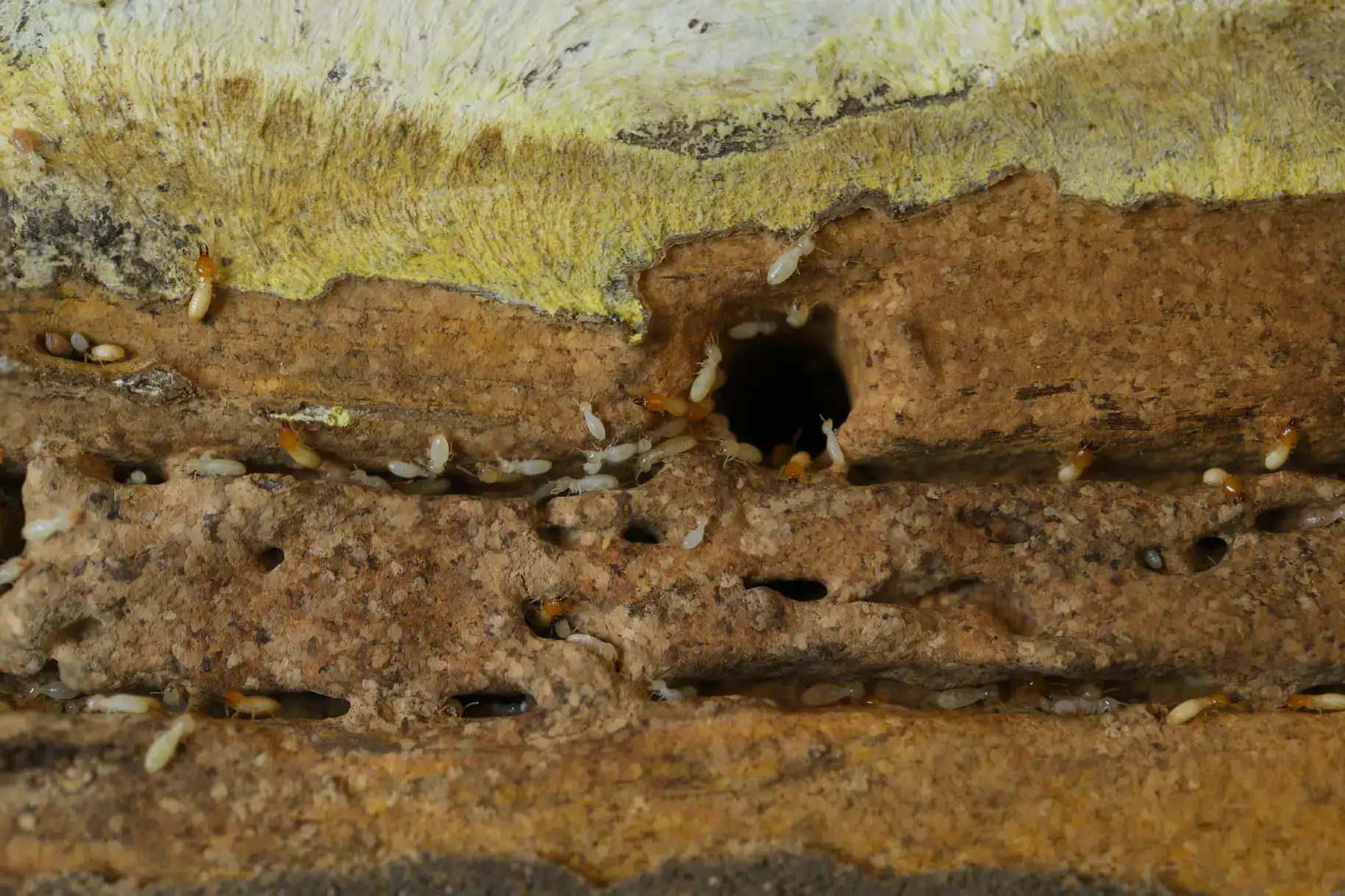
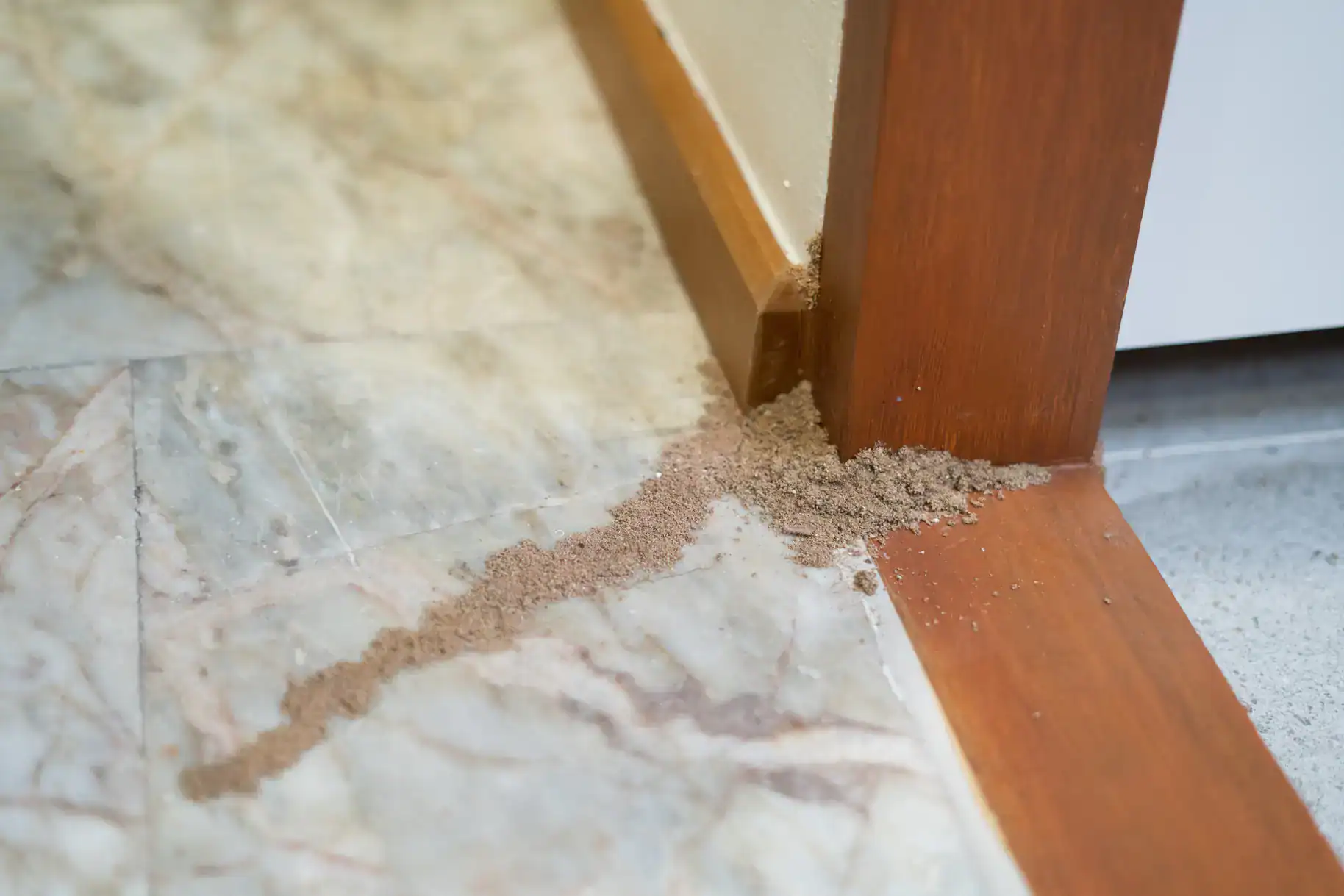
The honest answer is that you often don’t not without an inspection. Eastern Subterranean Termites feed inside wood and travel through mud tubes built along foundation walls and basement structures. By the time visible signs appear, like hollow-sounding floors, small piles of what looks like sawdust, or discarded wings near a window sill in spring, the colony has typically been active for several years.
In Bayside specifically, the combination of older wood-frame construction and moist soil conditions near Little Neck Bay creates an environment where subterranean termite colonies can establish and grow without producing obvious surface signs for a long time. The most reliable way to know is a professional inspection by a licensed technician who knows what to look for in the specific construction types common to this neighborhood not a quick visual pass, but a methodical check of every vulnerable area in your home.
Termite treatment cost in the NYC area generally ranges from around $400 for a targeted spot treatment on a smaller affected area to $2,500 or more for full liquid termiticide treatment on a larger single-family home. For a detached Colonial or Tudor in Bayside the kind of home with a full basement, a perimeter foundation, and potentially multiple access points a comprehensive treatment typically falls somewhere between $1,200 and $2,500 depending on the size of the structure and the extent of the infestation.
That range can feel like a wide spread until you consider the alternative. Termite damage is not covered by most standard homeowner’s insurance policies in New York it’s classified as a preventable maintenance issue. The average repair cost after an established infestation is around $3,000, and structural repairs in older homes with original framing can reach $10,000 or more. In a neighborhood where homes are worth $800,000 and the wood framing inside them is sometimes 90 years old, a few thousand dollars in treatment is a straightforward decision.
Bayside is sometimes perceived as having lower pest pressure than denser parts of New York City, and there’s some truth to that in general. But subterranean termites are a different category of concern. They don’t follow population density they follow wood, moisture, and soil conditions. Bayside has all three in abundance: aging wood-frame housing stock, landscaped residential lots with mulch and foundation plantings, and proximity to the tidal water and moist soils around Little Neck Bay.
The Eastern Subterranean Termite is active throughout Queens County, and northeastern Queens including Bayside, Douglaston, and Little Neck is not exempt. In fact, the perception that Bayside is “clean” can work against homeowners, because it reduces vigilance. A home that hasn’t been inspected in five or ten years in a neighborhood like Bayside Hills, where most of the housing was built between 1927 and 1935, is worth having looked at regardless of whether you’ve seen any obvious signs.
If the buyer is using an FHA or VA loan, a WDO (Wood Destroying Organism) inspection report is typically required before the lender will approve the mortgage. Even in conventional transactions, buyers’ attorneys in New York routinely request termite inspection documentation as part of due diligence, especially on older single-family homes. In Bayside’s real estate market where the median home value is around $800,000 and transactions involve significant financial stakes on both sides skipping this step is rarely something a serious buyer or their lender will allow.
Beyond the transaction requirement, having a clean termite inspection report in hand before you list is simply smart preparation. It removes a potential negotiating point for buyers, prevents last-minute delays when a WDO issue surfaces at closing, and gives you documentation you can present with confidence. If an issue is found, addressing it before listing is almost always less disruptive and less costly than negotiating a price reduction or treatment credit under closing deadline pressure.
Termite swarm season in the New York City area typically runs from late March through May. Warm days following spring rain are the trigger that’s when winged reproductive termites, called alates, emerge from established colonies to start new ones. In Bayside, swarms are most often noticed on window sills, near foundation plantings, or in basements. They’re frequently mistaken for flying ants, which is a dangerous misidentification because it delays treatment.
That said, termites don’t stop feeding when swarm season ends. Subterranean termites feed 24 hours a day, year-round, and in Bayside homes with heated basements or crawl spaces, colonies remain active through winter. The practical answer is that there’s no bad time to schedule a termite inspection but if you’ve never had one done on your home, or if it’s been more than a few years, early spring before swarm season peaks is the most strategic window. It’s when new activity is easiest to detect and when treatment can be completed before the warmest, most active feeding months of summer.
The Eastern Subterranean Termite is the only termite species you’re realistically dealing with in Bayside and throughout New York City. Drywood termites, which don’t require soil contact and are a major concern in warmer coastal climates, are not an established problem in northeastern Queens. Subterranean termites, by contrast, nest underground and require consistent contact with moist soil to survive which is exactly why Bayside’s geography and housing stock make them a relevant threat.
What makes subterranean termites particularly difficult to catch early is their behavior. They enter structures through the soil, traveling up through foundation cracks, gaps around utility pipes, and wood that sits in direct contact with the ground. They build mud tubes pencil-width tunnels made of soil and debris to travel between the soil and the wood they’re feeding on. These tubes are one of the most reliable signs of active infestation, but they’re often located in basement corners, along foundation walls, or behind stored items where homeowners don’t regularly look. A professional inspection covers all of those areas systematically, which is why it’s the only reliable way to confirm whether subterranean termite activity is present in your home.
Useful Links
Other Services we provide in Bayside