Hear from Our Customers
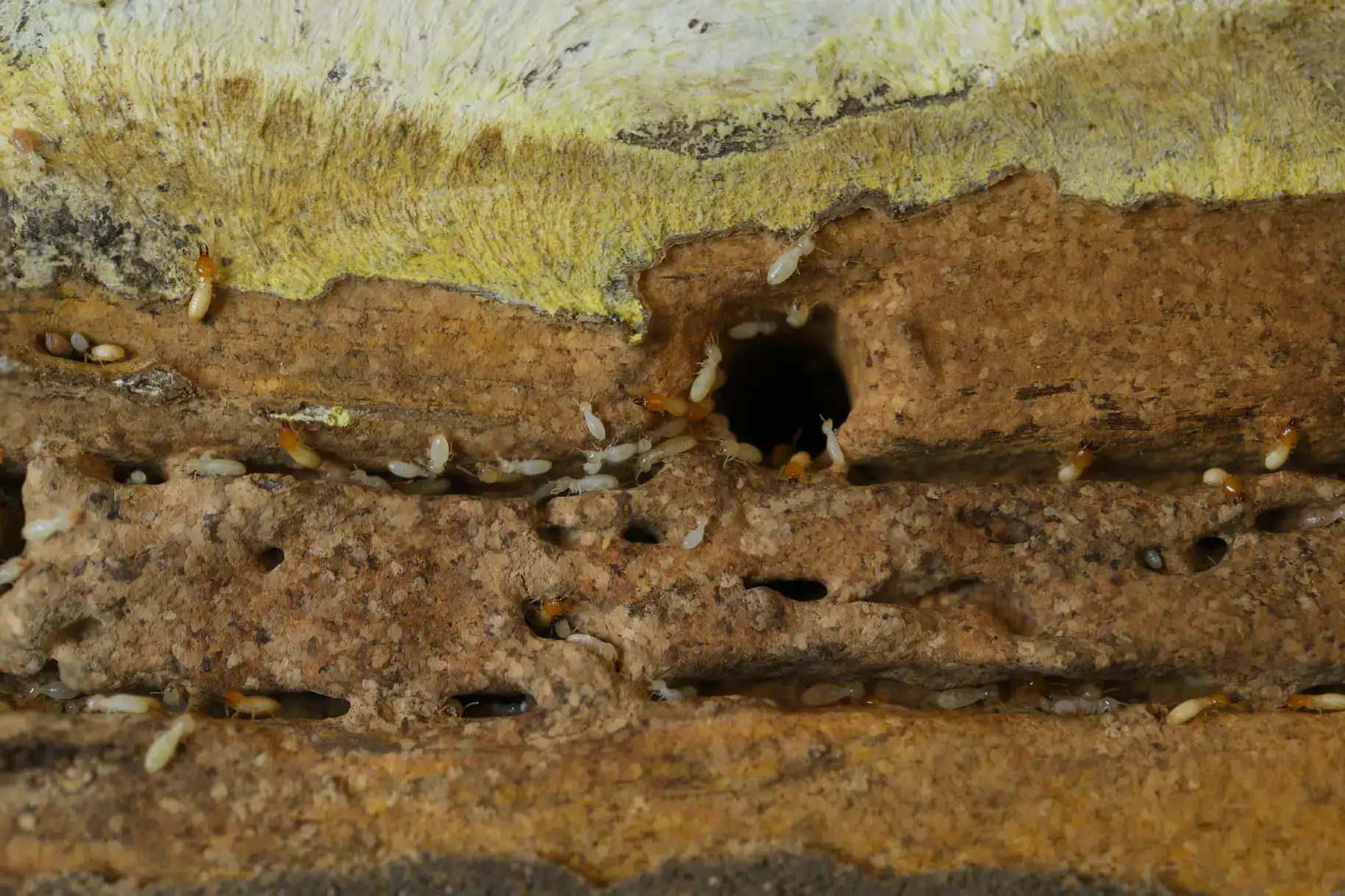
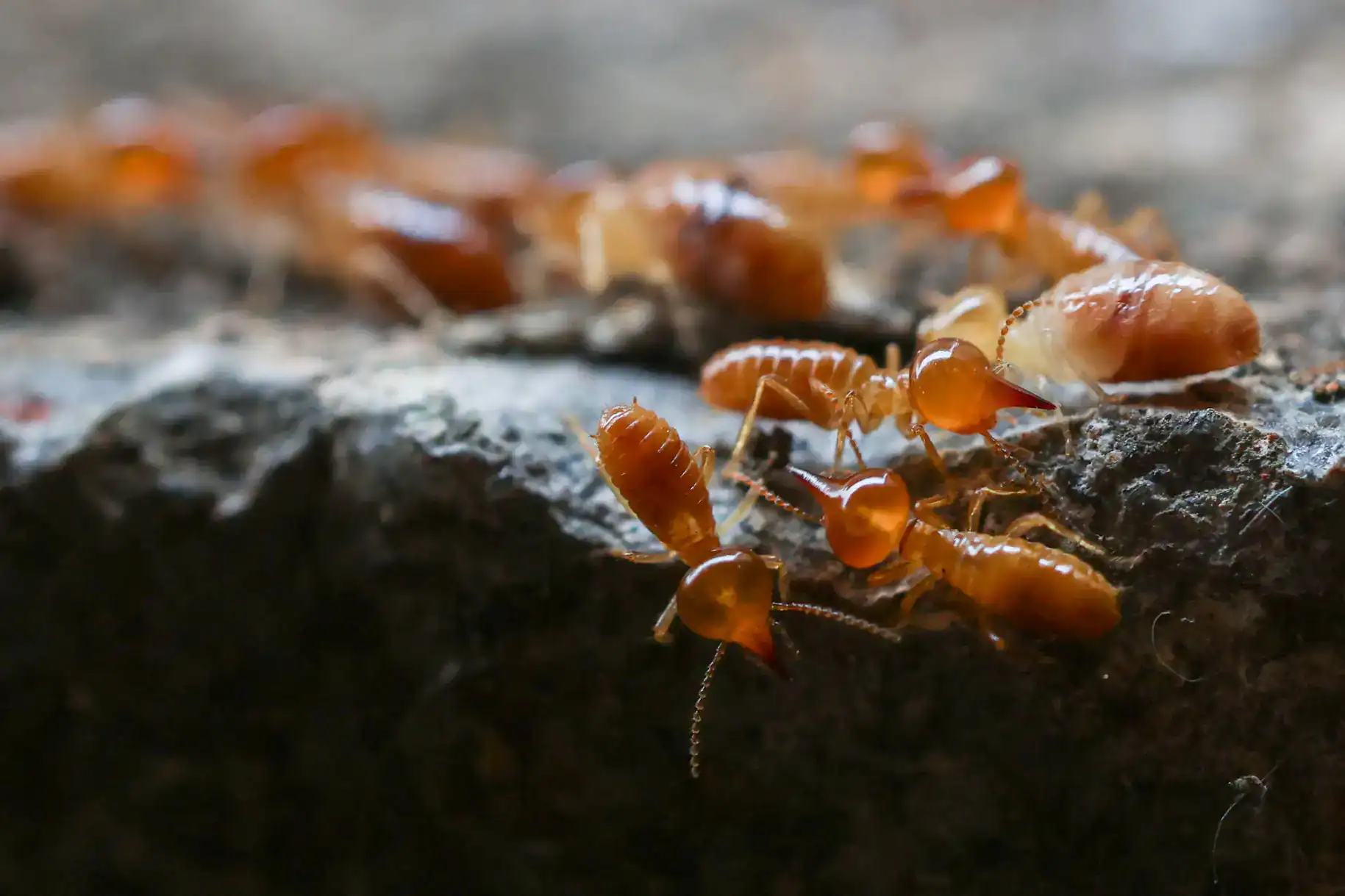
Most East Flatbush homeowners don’t find out they have termites until they’re already dealing with the damage. A hollow-sounding floor joist, bubbling paint near a basement wall, or a handful of winged insects near a window frame in April those are the signs that a colony has been quietly feeding on your home’s structural wood for years, possibly longer. By that point, you’re not just dealing with an infestation. You’re dealing with a repair bill.
The homes throughout Farragut, Wingate, and Remsen Village were built largely between the 1920s and 1940s, before pressure-treated lumber was standard. The original wood sill plates, floor joists, and basement framing in these structures have never been treated with termiticide and East Flatbush’s flat terrain, combined with documented drainage challenges along streets like East 98th Street and Remsen Avenue, keeps the surrounding soil moist year-round. That’s exactly the environment Eastern Subterranean Termites thrive in.
Getting ahead of it means a professional inspection, a clear treatment plan, and follow-through that actually eliminates the colony not just the visible insects. When that’s done right, you protect the structure, the property value, and the investment your family has built in this neighborhood.
We’ve operated out of Brooklyn since 1971 headquartered on Flatbush Avenue, less than three miles from the heart of East Flatbush. This isn’t a national chain routing your call to a regional dispatch center. We’re a family business, founded by Richard Kourbage Sr. and now run by his sons Richard Jr. and Charles, with our name and reputation tied to every job we take on in Kings County.
Our staff collectively brings over 100 years of combined pest control experience to the work. That matters in a neighborhood like East Flatbush, where the housing stock is old, the building types are specific, and a termite infestation in a semi-detached home on a shared foundation can affect more than just your unit. We hold an A+ BBB rating accredited since 1989 and apply only NYS DEC-registered materials on every job.
If you’ve received an NYC Department of Health pest-related violation on a rental property in East Flatbush, we handle that too. Treatment, documentation, and compliance support not just an exterminator who shows up and leaves.
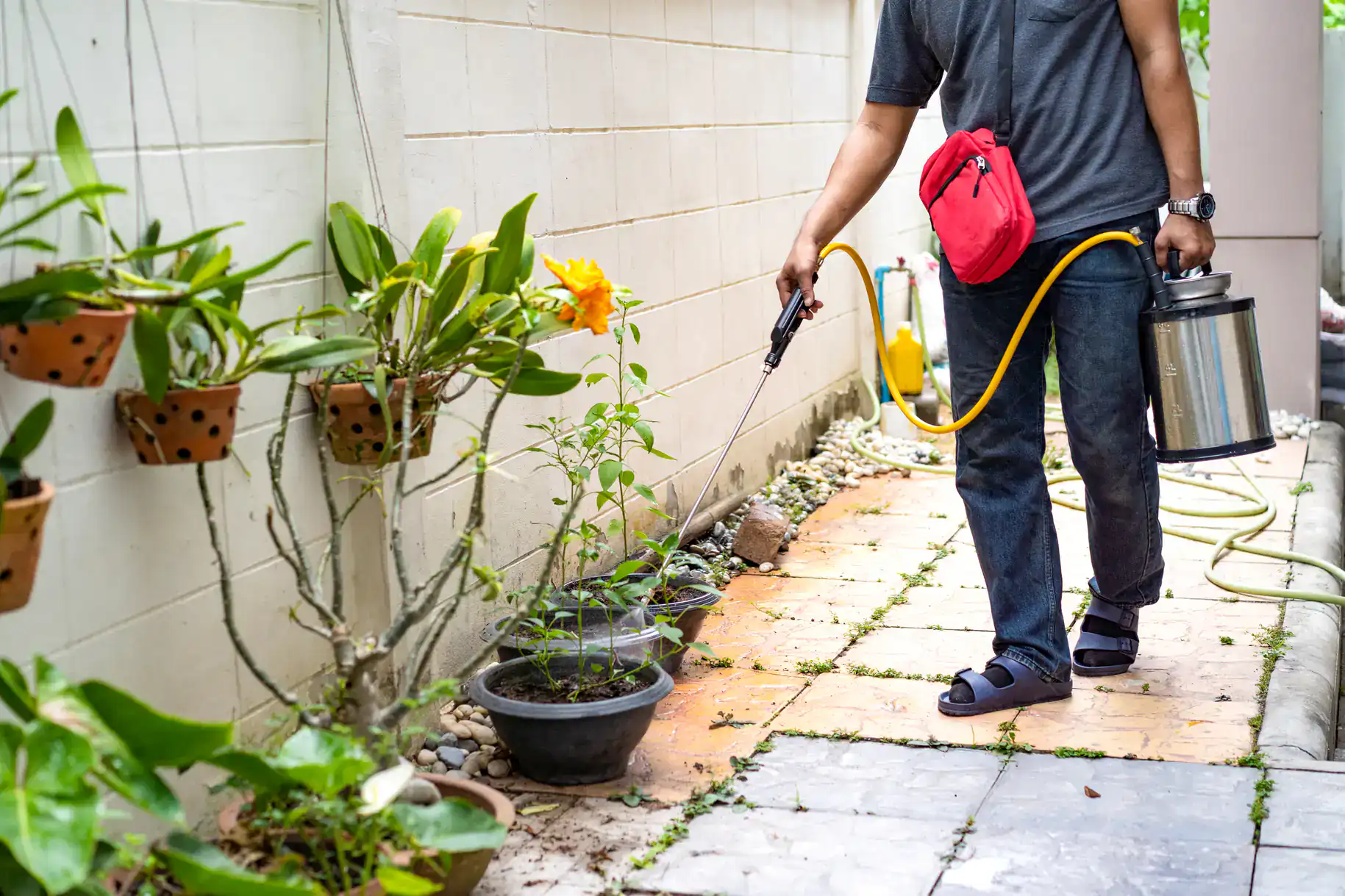
It starts with an inspection. One of our technicians walks the property basement, crawl spaces, foundation perimeter, window frames, and any areas where wood contacts soil or concrete. In East Flatbush’s row houses and semi-detached homes, that means paying close attention to shared foundation walls, basement framing, and stoops where wood-to-soil contact is common. The goal is to confirm whether you’re dealing with an active infestation, identify where the colony is likely entering, and assess the extent of any existing damage.
From there, the treatment plan depends on what we find. For active subterranean termite infestations, we use liquid barrier treatment, termite baiting systems, or direct wood treatment sometimes a combination, depending on the structure. The baiting system is particularly effective in East Flatbush’s attached and semi-detached housing, because it targets the underground colony directly rather than just creating a surface-level barrier. That matters when your home shares a foundation or party wall with a neighbor.
After treatment, you receive documentation of what we did which is especially important if you’re managing a rental property, resolving an NYC DOH violation, or preparing for a real estate transaction. We also provide WDO inspection reports for property sales and purchases, which FHA and VA lenders require before approving financing on a home with any history of wood-destroying organism activity.
Ready to get started?
Termite control in East Flatbush isn’t a one-size-fits-all service. The wooden frame houses in Wingate have different vulnerabilities than the brick row houses in Farragut or the aging two-family homes throughout Rugby and Remsen Village. Our approach accounts for that. Whether the job calls for a liquid termiticide barrier along the foundation, a baiting system installed around the perimeter, or direct wood treatment targeting specific structural members, the method is matched to the building not defaulted to whatever’s easiest.
For homeowners, that means a treatment plan built around your specific structure, your basement layout, and the soil conditions around your foundation. For landlords managing multi-family buildings or properties in a complex like Flatbush Gardens, it means a program that can be documented, repeated, and used to satisfy NYC Housing Maintenance Code requirements. We handle both residential and commercial properties across East Flatbush and the broader Kings County area.
Every service includes a written estimate before work begins, NYS DEC-compliant materials applied by certified technicians, and a treatment report you can keep on file. Inspections are available with appointments guaranteed within two business days and same-day inspections are frequently available when timing is critical.
Termites are more common in East Flatbush than most homeowners realize, and the neighborhood’s housing stock is a big reason why. The majority of homes in Farragut, Wingate, and Remsen Village were built between the 1920s and 1940s decades before pressure-treated lumber became standard practice. That original wood framing has never been treated with termiticide, and it’s been aging in place through nearly a century of Brooklyn winters and wet springs.
Add to that East Flatbush’s drainage challenges. The neighborhood’s flat terrain retains soil moisture, and the NYC DEP completed a $42.3 million drainage infrastructure project in the area as recently as April 2025 specifically to address chronic flooding on streets like Remsen Avenue and East 98th Street. Persistently moist soil around foundations is one of the primary conditions that attracts Eastern Subterranean Termites the dominant species in New York City. If your home is in East Flatbush and hasn’t been inspected, the honest answer is that the risk is real and worth taking seriously.
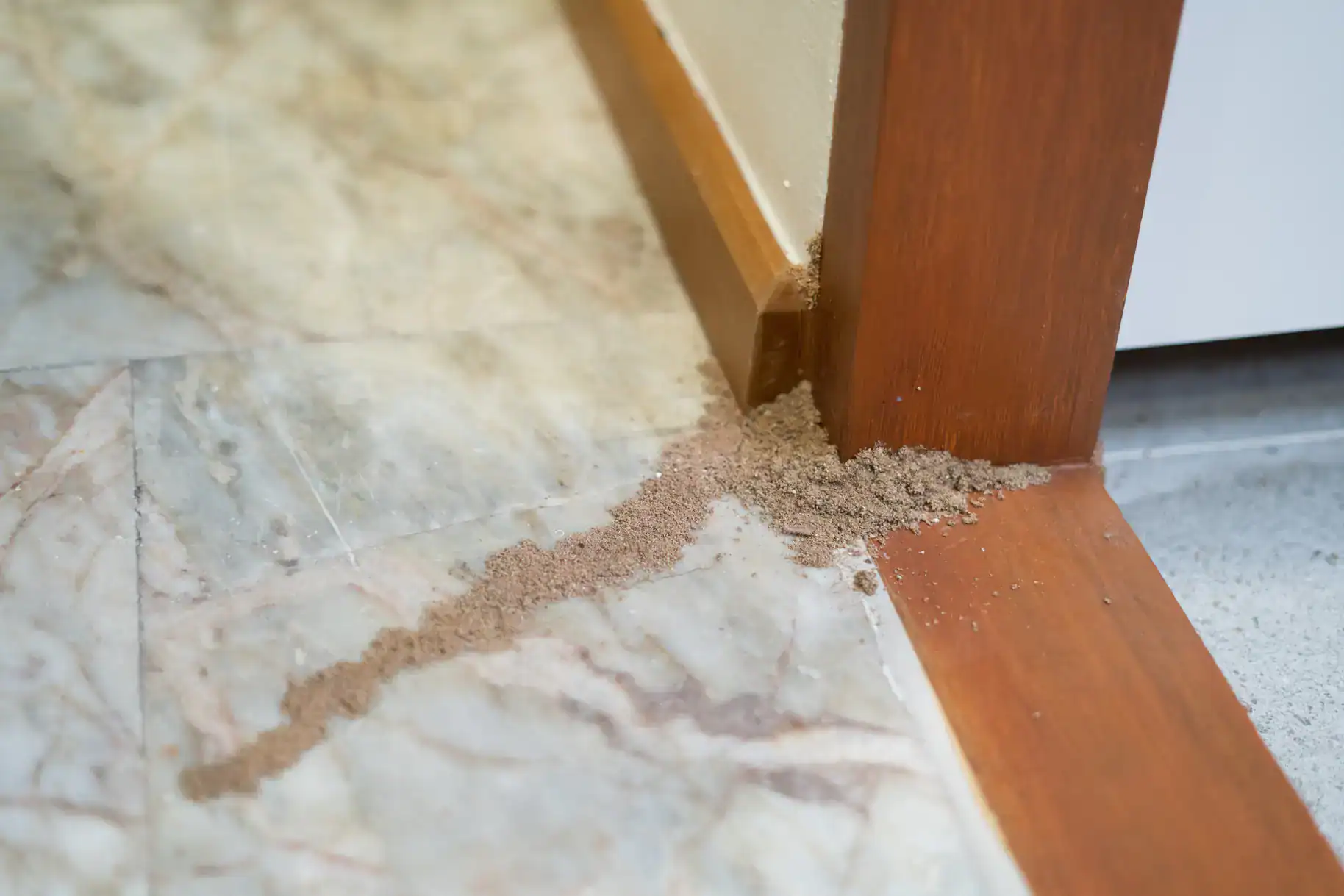
The most common early signs are easy to miss or misattribute to something else. You might notice thin mud tubes about the width of a pencil running along your basement walls or foundation. You might tap on a floor joist and hear a hollow sound where there used to be solid wood. Paint near a window frame or along a baseboard might start bubbling without any obvious moisture source. These are all signs that Eastern Subterranean Termites have been feeding on the structural wood inside your walls.
In East Flatbush’s semi-detached and attached row houses, the damage often starts in the basement or crawl space and works upward through the framing before it’s ever visible from inside the living areas. By the time a homeowner notices something wrong, the colony has usually been active for several years. The other common discovery point is renovation work homeowners in this neighborhood frequently uncover termite damage when they’re opening up walls or replacing flooring in homes that are 80 to 100 years old. If you find it during a renovation, stop work in that area and get an inspection before continuing.
Yes and this is one of the more specific risks that comes with East Flatbush’s dominant housing type. In semi-detached and attached row houses, homes share party walls, connected basement structures, and common foundation elements. Eastern Subterranean Termites nest underground and travel through soil, so a colony established beneath one property can migrate laterally to adjacent structures through shared soil and wood contact points without ever being visible above ground.
This is why treatment method matters. A surface-level repellent treatment might push the colony away from one entry point, but it doesn’t eliminate the underground colony itself. Our termite baiting system works differently it targets the colony at its source, so the termites carry the bait back to the nest and the colony is eliminated rather than redirected. For homeowners in attached housing, that’s not just better for your property. It’s better for the whole block.
Termite treatment in East Flatbush generally runs between $800 and $3,000, depending on the size of the property, the extent of the infestation, and the treatment method used. A liquid barrier treatment on a standard two-family row house will typically fall in the lower to mid range. A baiting system installation, which involves placing bait stations around the perimeter of the property and monitoring them over time, may run higher depending on the number of stations required and the size of the lot.
What’s worth keeping in perspective is the alternative cost. The average termite repair bill runs around $3,000 for moderate structural damage, and significant damage to floor joists, sill plates, or load-bearing framing can reach $10,000 or more. None of that is covered by standard homeowner’s insurance. With median home sale prices in East Flatbush now sitting between $733,000 and $804,000, the cost of professional treatment is a fraction of what untreated termite damage can do to your property’s value and structural integrity. We provide a written estimate before any work begins no surprises.
This is one of the most common points of confusion for homeowners, and it costs people real time. Every spring in Brooklyn typically from late March through May Eastern Subterranean Termite colonies send out reproductive swarmers: winged termites that emerge indoors from walls, window frames, and basement cracks to mate and establish new colonies. They look a lot like flying ants, and many East Flatbush homeowners dismiss them as just that, especially if they only see a few.
The physical difference comes down to three things. Termites have straight antennae, wings of equal length, and a straight waist. Flying ants have elbowed antennae, wings of unequal length, and a pinched waist. But the more important point is what the swarmers mean: if you’re seeing them inside your home, the colony has already been established and actively feeding likely for five years or more. The swarmers are not the beginning of the problem. They’re a signal that the problem is well underway. Call for an inspection the same day you see them, not a week later.
If the buyer is using FHA or VA financing which is common in East Flatbush given the neighborhood’s working-class and first-time buyer demographic a WDO (Wood Destroying Organism) inspection report is required by the lender before the loan can be approved. Even in conventional transactions, buyers and their agents increasingly request one, particularly when the home is older. In a neighborhood where most of the housing stock dates to the 1920s and 1940s, that request is becoming standard rather than exceptional.
Beyond the transaction itself, a clean termite inspection report protects your negotiating position. If a buyer’s home inspector flags potential termite activity and you don’t have documentation of a recent inspection or treatment, you’re looking at price reductions, repair credits, or a deal that falls apart entirely. With East Flatbush home values where they are right now, that’s a significant financial exposure. We provide WDO inspection reports for real estate transactions throughout Kings County with written documentation that meets lender requirements and gives buyers and sellers a clear picture of the property’s condition before closing.
Useful Links