
Hear from Our Customers
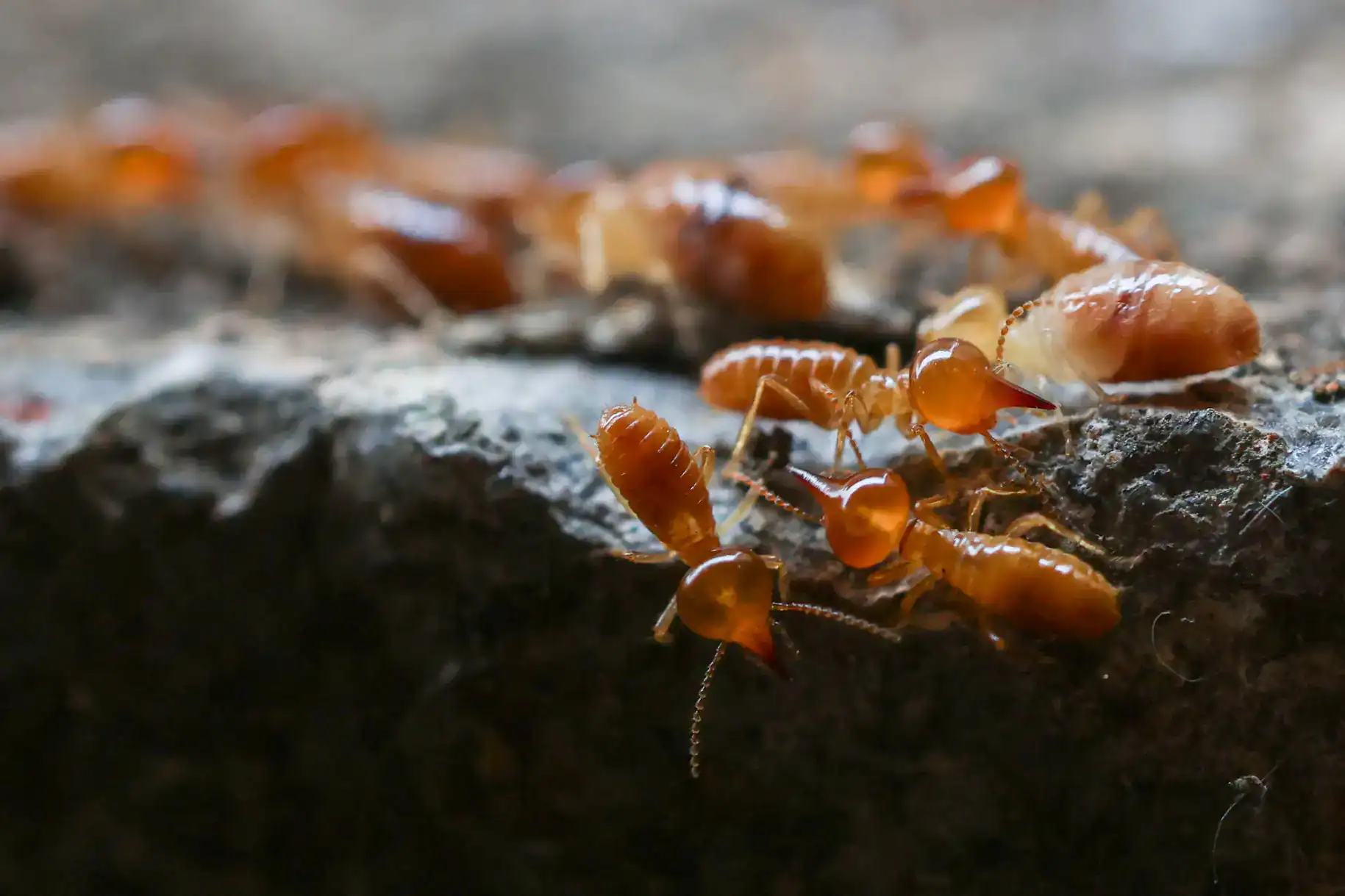
Most Forest Hills homeowners don’t find out they have termites until something goes wrong a soft floor during a renovation, a real estate inspection that flags structural damage, or swarmers showing up near a basement window in April. By then, the colony has usually been active for years. That’s how termites work. They’re quiet, they’re consistent, and they don’t stop.
What changes after a proper termite treatment isn’t just the absence of bugs. It’s the confidence that comes with knowing your home whether it’s a 1920s Tudor in Forest Hills Gardens or a detached single-family on the Cord Meyer side is structurally sound. For properties in Forest Hills, where homes routinely sell for $1.5 million and up, that confidence has real financial weight behind it.
Forest Hills sits right along the southern edge of Forest Park, a 538-acre urban forest that creates exactly the kind of soil moisture and organic material that Eastern Subterranean Termite colonies thrive in. Those colonies don’t stay in the park. They forage outward through the soil, following moisture gradients toward the wood-rich foundations of homes on the blocks directly adjacent. If your property backs up to parkland or has mature trees on the lot, you’re not being paranoid you’re being realistic. Getting ahead of this is always cheaper than dealing with the aftermath.
We’ve been in business since 1971 founded by Richard Kourbage Sr. and now run by his sons Richard Jr. and Charles. That’s more than 50 years of treating homes across Forest Hills, Queens, Brooklyn, and the five boroughs, including the kind of pre-war wood-framed properties that define Forest Hills Gardens. Our staff carries over 100 years of combined pest control experience, which matters when you’re dealing with a century-old Forest Hills home that has its own quirks, its own moisture history, and its own vulnerabilities.
This isn’t a franchise. There’s no rotating cast of technicians answering to a call center. When you call Kingsway, you’re dealing with a family whose name is on the door and who have been BBB accredited since 1989. That’s 35+ years of third-party accountability before most of the competitors in your search results even existed. For Forest Hills homeowners who take their property seriously, that track record isn’t a footnote. It’s the whole point.
It starts with a call and we answer 24 hours a day, seven days a week. If you’ve spotted swarmers near a window, found mud tubes along a foundation wall, or just received a termite flag on a pre-sale inspection, you don’t have to wait until Monday morning. We guarantee appointments within two business days, and same-day inspections are frequently available for Forest Hills residents.
When one of our technicians arrives, they’re not doing a quick walk-through with a flashlight. They’re looking at the full picture: foundation entry points, basement and crawl space conditions, wood-to-soil contact, moisture patterns in the structure, and any visible evidence of Eastern Subterranean Termite activity. In Forest Hills, that means paying close attention to original hardwood floors, timber framing, and the wood detailing common in Tudor Revival homes materials that have been absorbing moisture for a hundred years and are exactly what termites target.
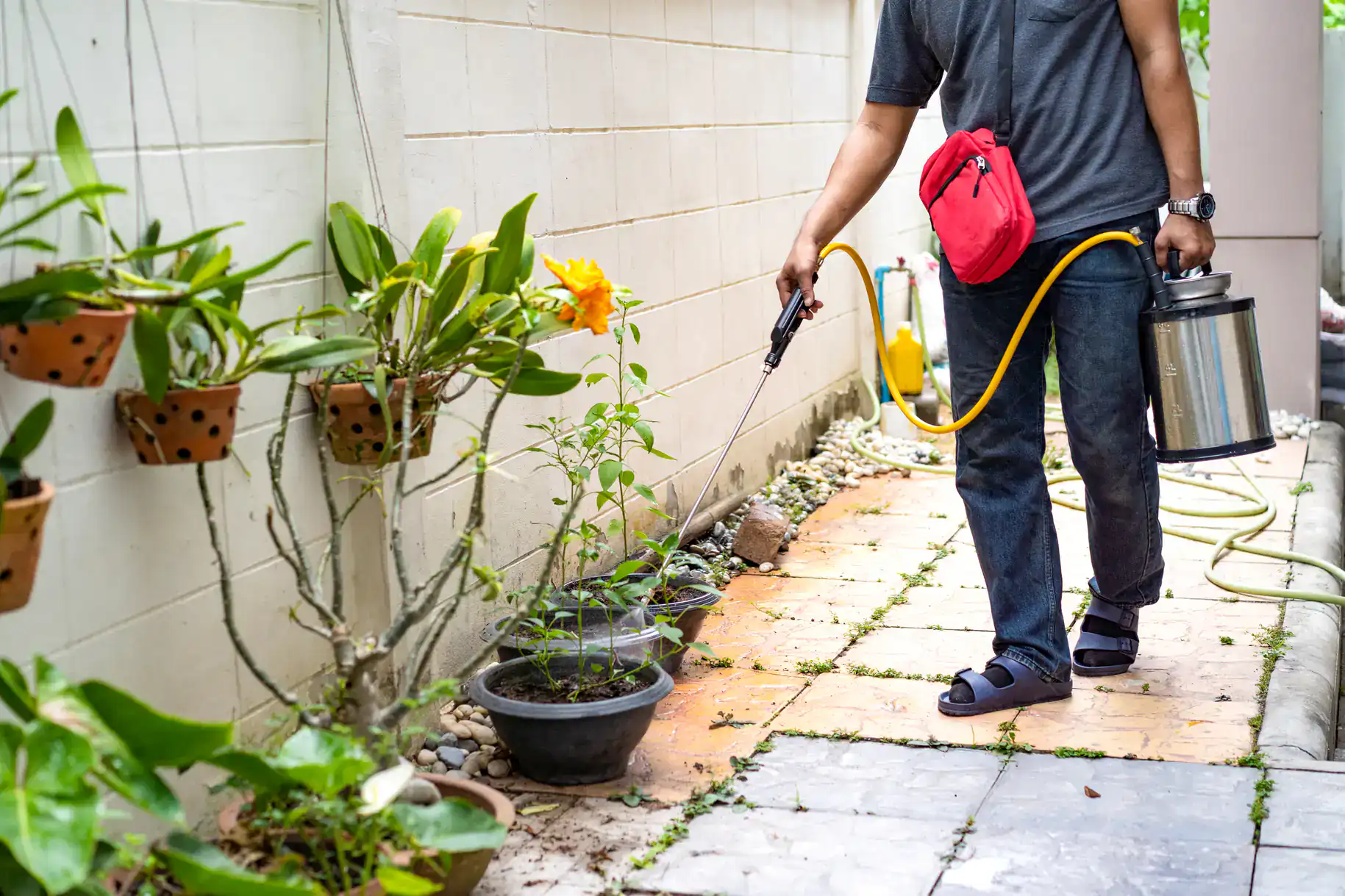
From there, the treatment plan is built around what’s actually happening in your home not a one-size-fits-all package. We apply only NYS Department of Environmental Conservation registered materials, which is both a legal requirement and a meaningful protection for your family, your pets, and the architectural character of your property. If bait stations are the right call particularly for homes near Forest Park where underground colonies can be extensive that’s what we recommend. If a liquid soil treatment is more appropriate for your foundation type, that’s the conversation you’ll have. The process is transparent, documented, and backed by a clear treatment guarantee.
Ready to get started?
We handle the full range of wood-destroying organism threats that Forest Hills properties are realistically exposed to. That includes subterranean termite control and elimination, termite baiting systems for properties with persistent underground colony pressure, carpenter ant eradication, powder post beetle treatment, and Wood Destroying Organism reports for real estate transactions. If you’re buying or selling a home in Forest Hills especially anything pre-war lenders and buyers’ attorneys are going to want a WDO report. We provide those, and they’re accepted for FHA and VA financing requirements.
For Forest Hills Gardens specifically, the work requires a level of care that goes beyond standard treatment. These are architecturally significant homes with original woodwork, stone and stucco exteriors, and building materials that haven’t been produced in decades. We select treatment methods with that in mind targeted, minimally invasive, and compliant with NYS DEC standards. Bait station placement, foundation drilling, and any exterior work is done with the sensitivity that historic properties in a planned community require.
We also handle NYC Department of Health pest compliance and citation resolution relevant for Forest Hills landlords and property managers with multi-unit buildings along Queens Boulevard or in the broader Community District 6 area. If your property has received a DOH pest citation, we know exactly what documentation and treatment are required to resolve it. That’s a service most pest control companies in this market simply don’t offer.
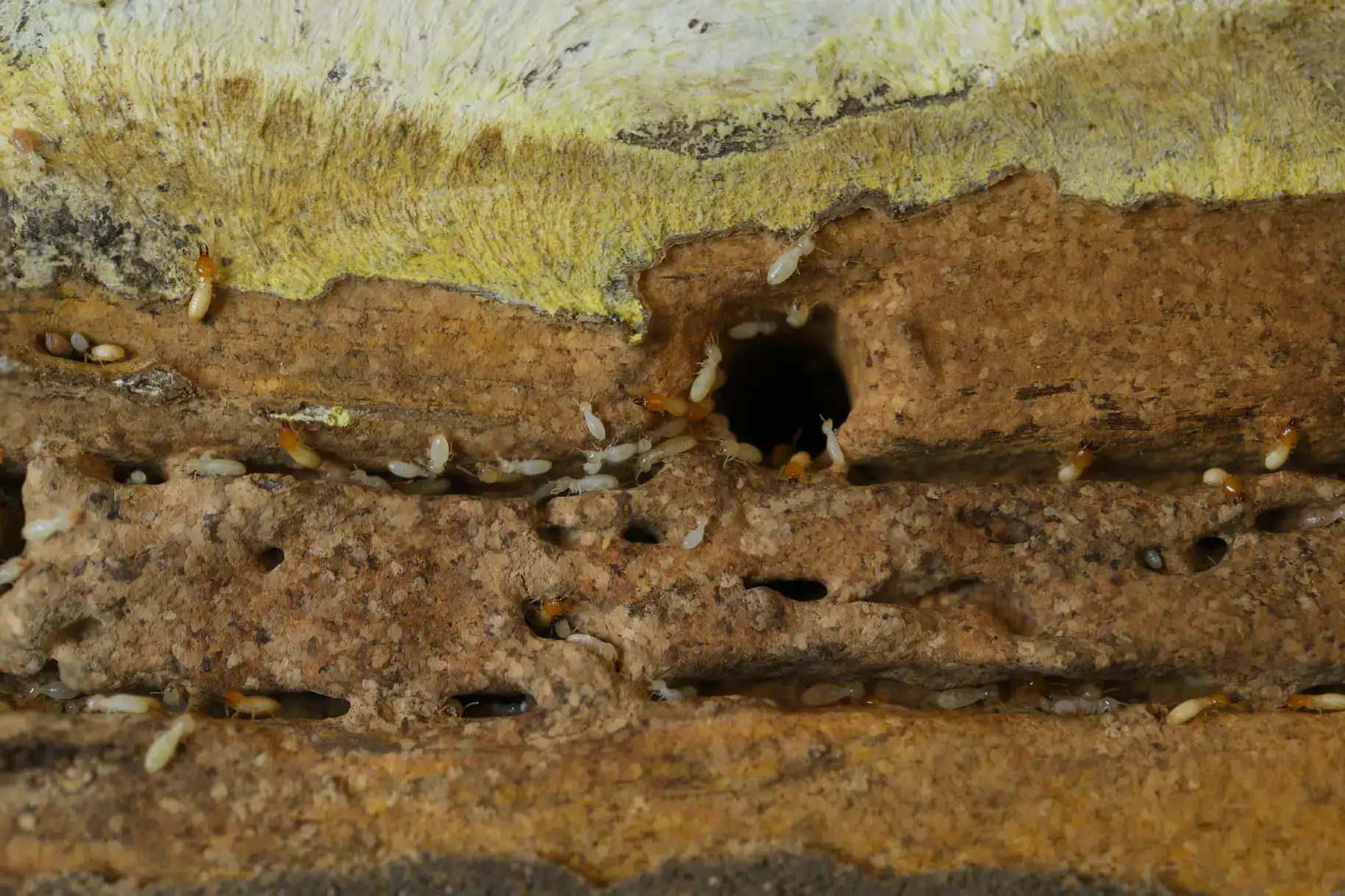
Yes, and it’s not a minor factor. Forest Park is a 538-acre urban forest that runs along the southern boundary of Forest Hills. That much forested land means persistent soil moisture, decomposing organic matter, and root systems that create ideal underground foraging conditions for Eastern Subterranean Termite colonies. These colonies nest in the soil and expand outward sometimes covering areas of several hundred feet following moisture gradients toward wooden structures.
Homes on the blocks directly adjacent to the park, or properties with mature trees and wood mulch on the lot, face a measurably higher risk of termite migration than properties in more urban, less green parts of Queens. If your home backs up to parkland or sits within a few blocks of Forest Park’s perimeter, a routine annual inspection isn’t overcautious it’s a reasonable maintenance decision for a property of this value in Forest Hills.
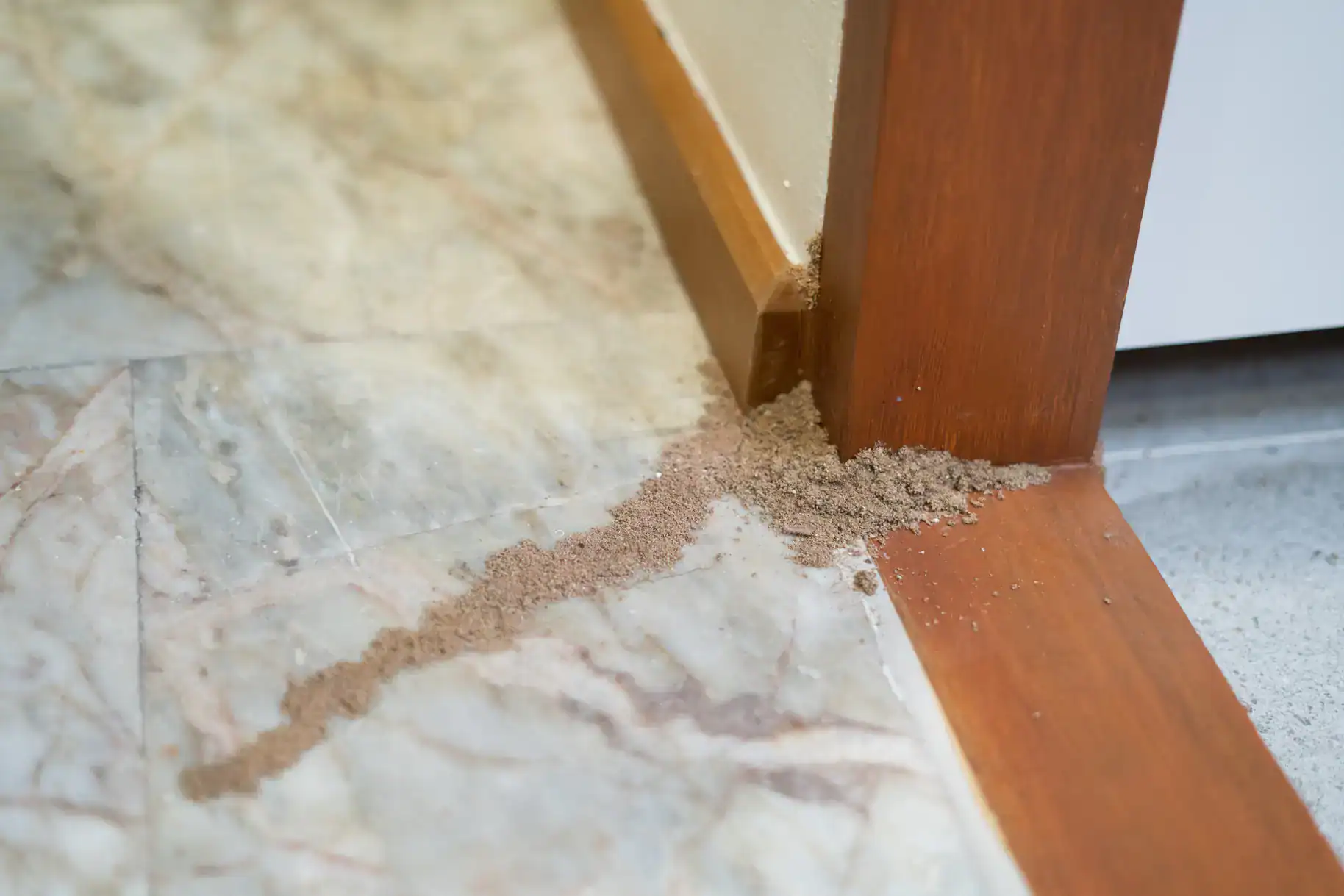
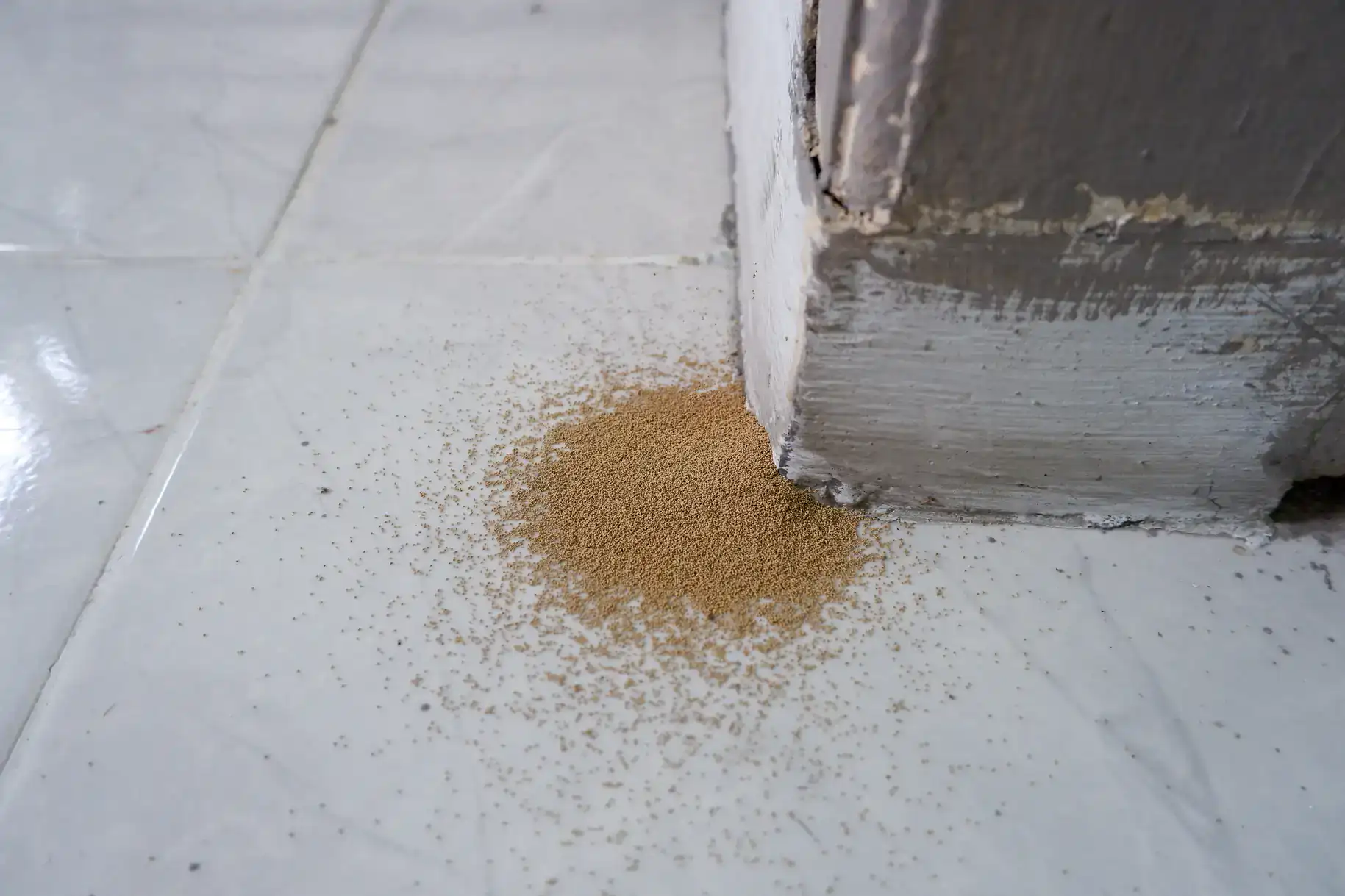
The most common signs in older Forest Hills homes are mud tubes along foundation walls or basement framing, soft or hollow-sounding wood when you tap on floors or baseboards, small piles of what looks like sawdust near wood structures, and discarded wings near windowsills or doorframes especially in spring. That last one is a swarmer sign, which means a mature colony nearby is sending out reproductive termites to establish new colonies.
In a Tudor Revival home with original hardwood floors, timber framing, and wood paneling the kind of construction that defines Forest Hills Gardens termite damage can stay hidden inside walls and structural members for years before it becomes visible. By the time you notice something is off, the colony has typically been active for three to five years or more. If your home is more than 30 years old and has never had a professional termite inspection, that’s reason enough to schedule one with us.
Treatment costs vary depending on the size of the home, the severity of the infestation, and the method used. For a typical Forest Hills single-family home, liquid soil treatments generally run in the range of $1,200 to $2,500. Termite baiting systems, which are often the better long-term option for properties near Forest Park or with established underground colony pressure, typically range from $1,500 to $3,500 depending on the number of stations and the property’s perimeter size.
For perspective: structural repairs on older homes can reach $10,000 or more. Most homeowner insurance policies in New York don’t cover termite damage it’s classified as a maintenance issue, not a sudden loss. For a Forest Hills Gardens home worth $1.5 million or more, the cost of a professional treatment is a relatively small number compared to what untreated termite damage can do to the structure and the resale value of the property.
Not always required by law, but practically speaking yes. Buyers’ attorneys in New York routinely request Wood Destroying Organism reports as part of the transaction, particularly for pre-war homes. If the buyer is using FHA or VA financing, a WDO inspection is typically required by the lender before the loan can close. Forest Hills has a very active real estate market, and a significant portion of the homes changing hands are older properties where termite history is a legitimate concern for buyers.
Getting a WDO inspection done before you list gives you control over the process. If there’s an issue, you can address it on your timeline rather than scrambling to resolve it mid-contract. If the inspection comes back clean, you have documentation that strengthens your position in negotiations. Either way, it’s a smarter way to enter a transaction on a Forest Hills property especially anything in Forest Hills Gardens where buyers are paying $1.5 million and up and doing thorough due diligence.
Eastern Subterranean Termites in New York City swarm in early spring typically March through May following warm days with rainfall. This is when reproductive termites leave established colonies to start new ones, and it’s often the first visible sign Forest Hills homeowners get that there’s an active colony nearby. In Forest Hills, swarming is most likely to be noticed near basement windows, exterior doorframes, and foundation-level openings on the south-facing sides of homes that warm up quickly in early spring sun.
That said, termites don’t stop feeding when it’s cold. In a heated Forest Hills home, an active colony can keep feeding through winter inside walls and structural wood. Spring swarm season is the most visible moment, but the feeding and damage happen year-round. If you’re planning a renovation and many Forest Hills homeowners renovate older homes rather than replace them scheduling an inspection before the work starts is worth doing. Contractors opening walls in Forest Hills Gardens homes regularly uncover termite damage that was completely invisible from the surface.
They can, and it’s more complicated than a single-family situation. In a co-op or condo building, termite damage to shared structural elements floor joists, load-bearing walls, basement framing is a building-wide liability, not just one unit’s problem. The responsibility for treatment typically falls on the building’s board or management, depending on the proprietary lease or condo declaration. Individual unit owners who discover termite evidence should document it and report it to building management immediately.
Forest Hills has a meaningful number of co-op buildings, particularly along Queens Boulevard and in the broader Community District 6 area. We work with building managers and property owners on multi-unit properties, handle the documentation required for NYC Department of Health compliance, and can provide the kind of written treatment records that co-op boards need for their files. If you’re a unit owner who’s been brushed off by building management on a termite concern, having an independent inspection report from a licensed exterminator gives you something concrete to bring back to the board.
Useful Links