Hear from Our Customers
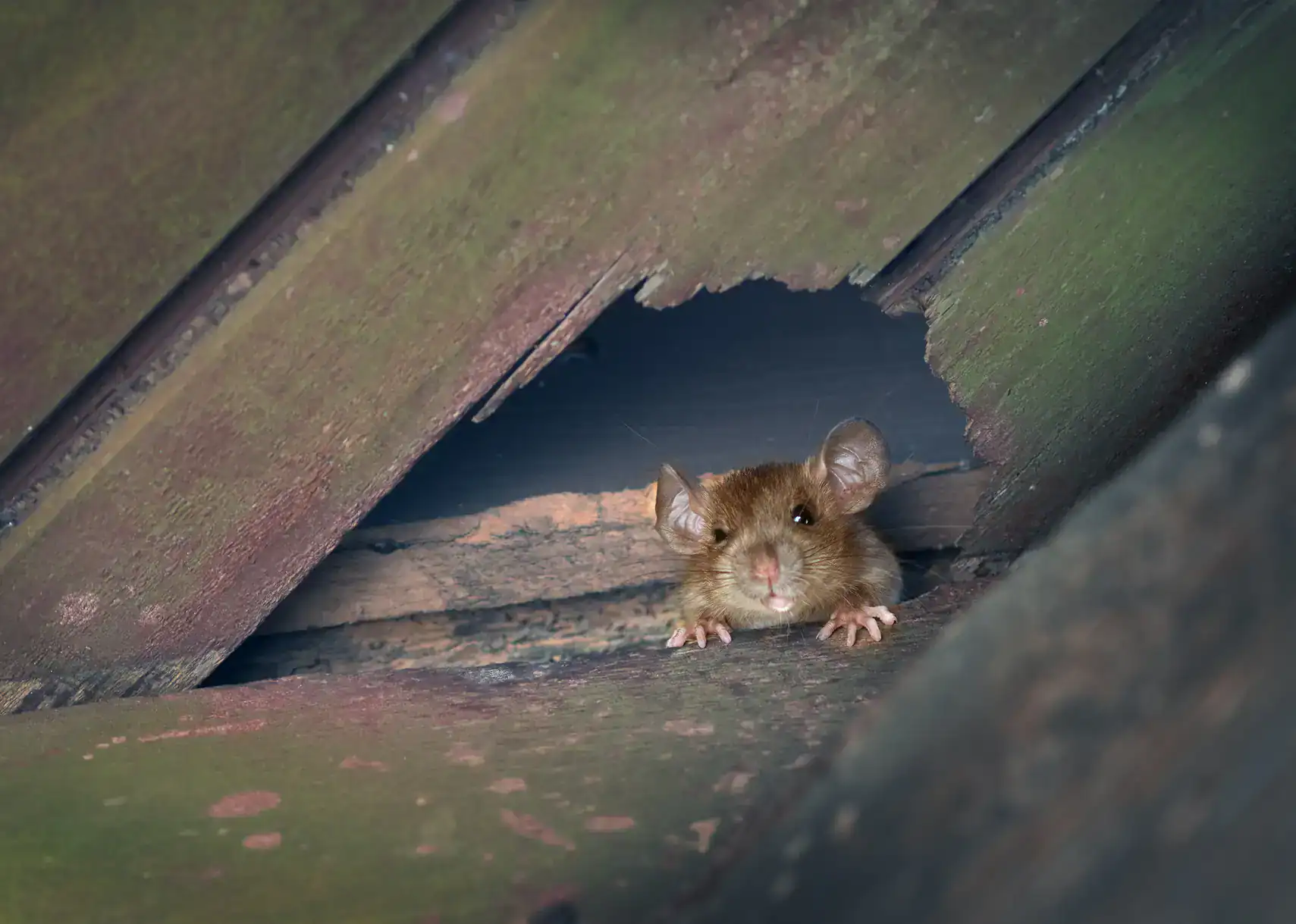
No more waking up to scratching in the walls at 2 AM. No more finding droppings behind the stove or wondering if whatever you heard in the basement was real. When rodent control is done right, you stop thinking about it and that’s the point.
For Forest Hills residents, the stakes are higher than most people realize. Rodents chew through wiring, and according to the National Pest Management Association, that’s behind up to 25% of house fires with unknown causes every year. In a Tudor home in Forest Hills Gardens or a prewar co-op along Queens Boulevard buildings with original wiring runs and shared wall cavities that’s not a statistic you want to test. A resolved infestation means your home is structurally safer, not just cleaner.
There’s also the health side. The CDC links rats and mice to more than 35 diseases, including salmonella, leptospirosis, and hantavirus spread through droppings, urine, and contact, including dried droppings that go airborne when disturbed. Families with young children, elderly residents, and anyone with a compromised immune system face real risk from an untreated infestation. Getting this handled is the responsible call.
Kingsway Exterminating Company has been operating in New York City since 1976, and we’ve been serving Forest Hills and its surrounding neighborhoods throughout that entire span. That’s not a marketing line it’s a verifiable fact that puts us in a very short list of pest control companies that have been serving Queens longer than most competitors have been in business. Richard Kourbage Sr. built this company. His sons Richard Jr. and Charles have been part of it since 1987 and 1989 respectively. This is a family business, not a franchise.
We hold an A+ rating with the Better Business Bureau of New York State accredited since May 5, 1989. We apply only N.Y.S. Department of Environmental Conservation registered pesticide materials, and we’re fully licensed, bonded, and insured. That matters in Forest Hills, where co-op boards require documentation and real estate attorneys handling Forest Hills Gardens transactions refer clients to us by name. We know this neighborhood, its building stock, and exactly what drives rodent pressure here.
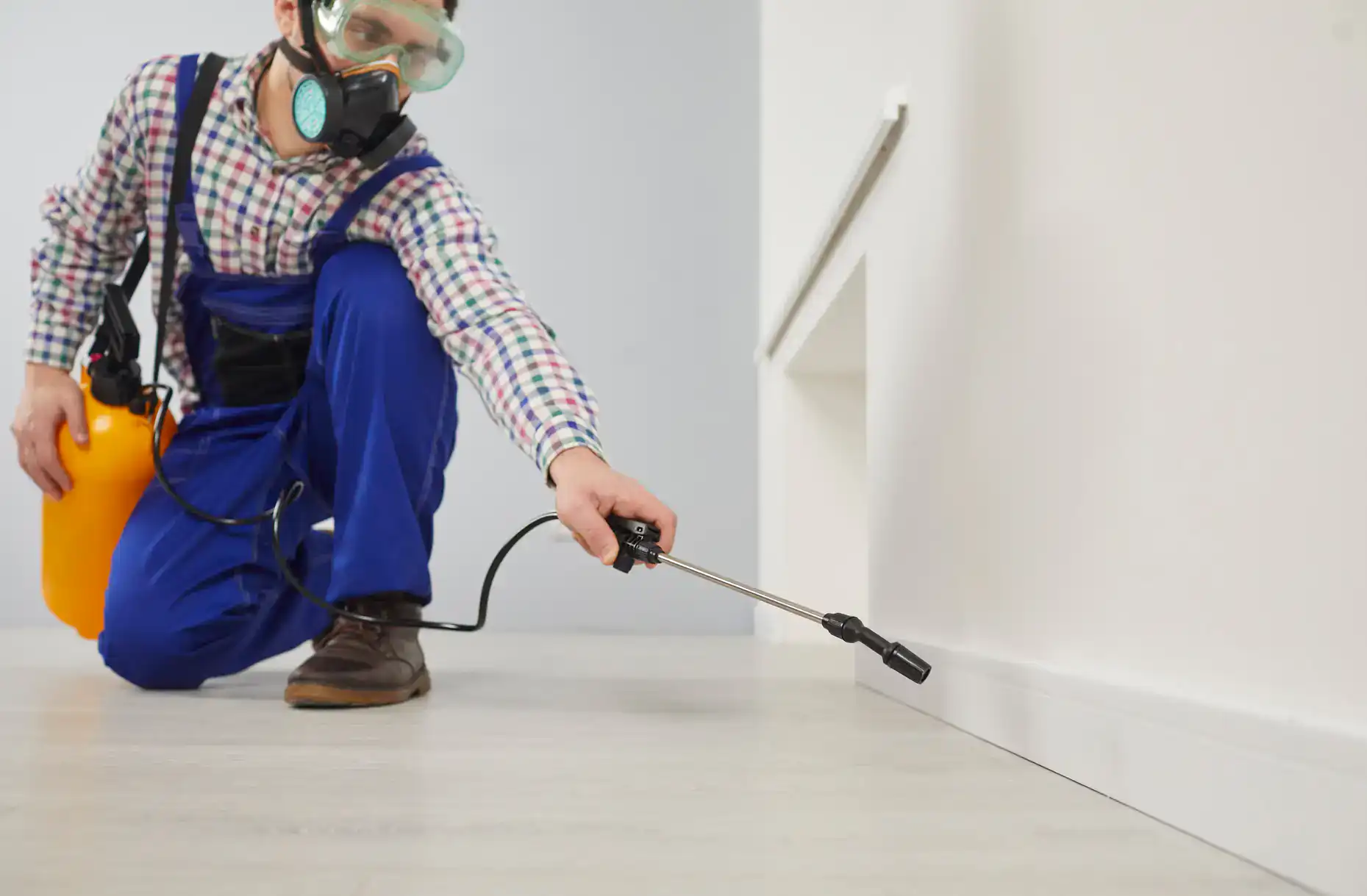
It starts with a thorough inspection interior and exterior. We’re looking for more than where the rodents are right now. We’re looking for how they’re getting in. Rats can squeeze through a hole the size of a quarter. Mice need even less space than that. In Forest Hills’ prewar co-op buildings and century-old Tudor homes, entry points aren’t always obvious a gap where original pipe work penetrates a masonry wall, a deteriorated foundation joint, a basement window frame that’s shifted over decades. Finding those points is what separates a real fix from a temporary one.
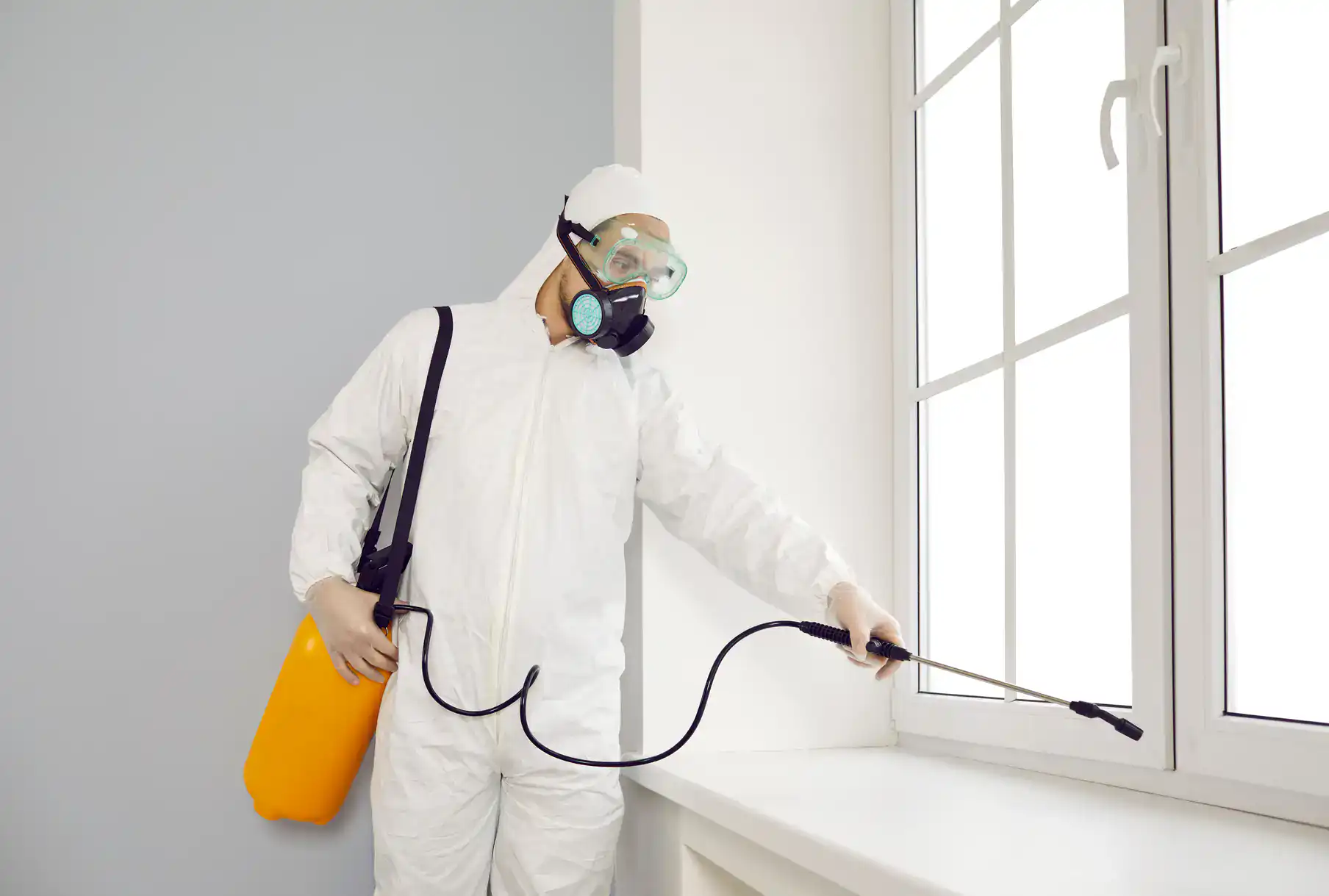
Once we know what we’re dealing with, we put a treatment plan in place that’s built around your specific property not a one-size-fits-all approach. Treatment methods are selected based on the species present, the severity of the infestation, the building type, and what’s safe for the people and pets inside. We use only NYS DEC-registered materials, and we’ll walk you through exactly what’s being applied and why.
After treatment, we don’t just leave. We address the conditions that made your property a target in the first place harborage points, entry gaps, and attractants that need to be dealt with to prevent re-entry. If you’re in a prewar co-op, we can provide written service documentation for your building’s board. If you’re near the Union Turnpike edge of Forest Park, we’ll talk through what fall migration pressure looks like for your block specifically and what ongoing prevention makes sense.
Ready to get started?
Rodent control in Forest Hills isn’t a single scenario. It looks different in a Forest Hills Gardens Tudor than it does in a high-rise co-op on Queens Boulevard, and it looks different again in a ground-floor apartment two blocks from Austin Street’s restaurant corridor. What we do is built around your actual situation the building type, the infestation level, the entry points specific to your property, and the local pressure sources driving the problem.
Every service includes a full interior and exterior inspection, identification of the rodent species present, targeted treatment using NYS DEC-registered materials, and entry point assessment. For multi-unit buildings including the many prewar cooperatives that make up a significant portion of Forest Hills’ housing stock we provide written service reports that document the inspection and treatment for co-op board compliance. That’s not optional here; Forest Hills building boards expect it, and we come prepared.
We serve Forest Hills year-round, but fall is when demand spikes hardest. As Forest Park cools and its interior food sources diminish, rodents along the park’s northern edge particularly on streets near Union Turnpike migrate toward residential properties. If you’ve never had a rodent issue before and suddenly have one in October or November, that’s almost certainly why. We offer 24/7 availability, same-day service in many cases, and a guaranteed appointment within 48 hours. Free phone consultations and free estimates are available with no pressure and no obligation.
Prewar co-op buildings along Queens Boulevard and throughout Forest Hills have shared wall cavities, aging basement infrastructure, and utility chases that connect units and floors. A rodent problem that starts in one unit or in the basement can spread through those shared spaces relatively quickly. If your building hasn’t had a recent comprehensive treatment, what you’re seeing in your unit may be part of a building-wide issue, not an isolated one.
Timing matters here too. If this started in fall or early winter, there’s a strong chance it’s connected to the seasonal migration from Forest Park. The 538-acre urban forest that borders Forest Hills to the south pushes rodents outward as temperatures drop and food sources in the park’s interior diminish. Buildings closest to Union Turnpike and the park’s northern edge feel this most acutely. Either way, a licensed inspection will tell you whether you’re dealing with an isolated situation or something that’s moving through the building and what the right response looks like for your specific unit and building type.
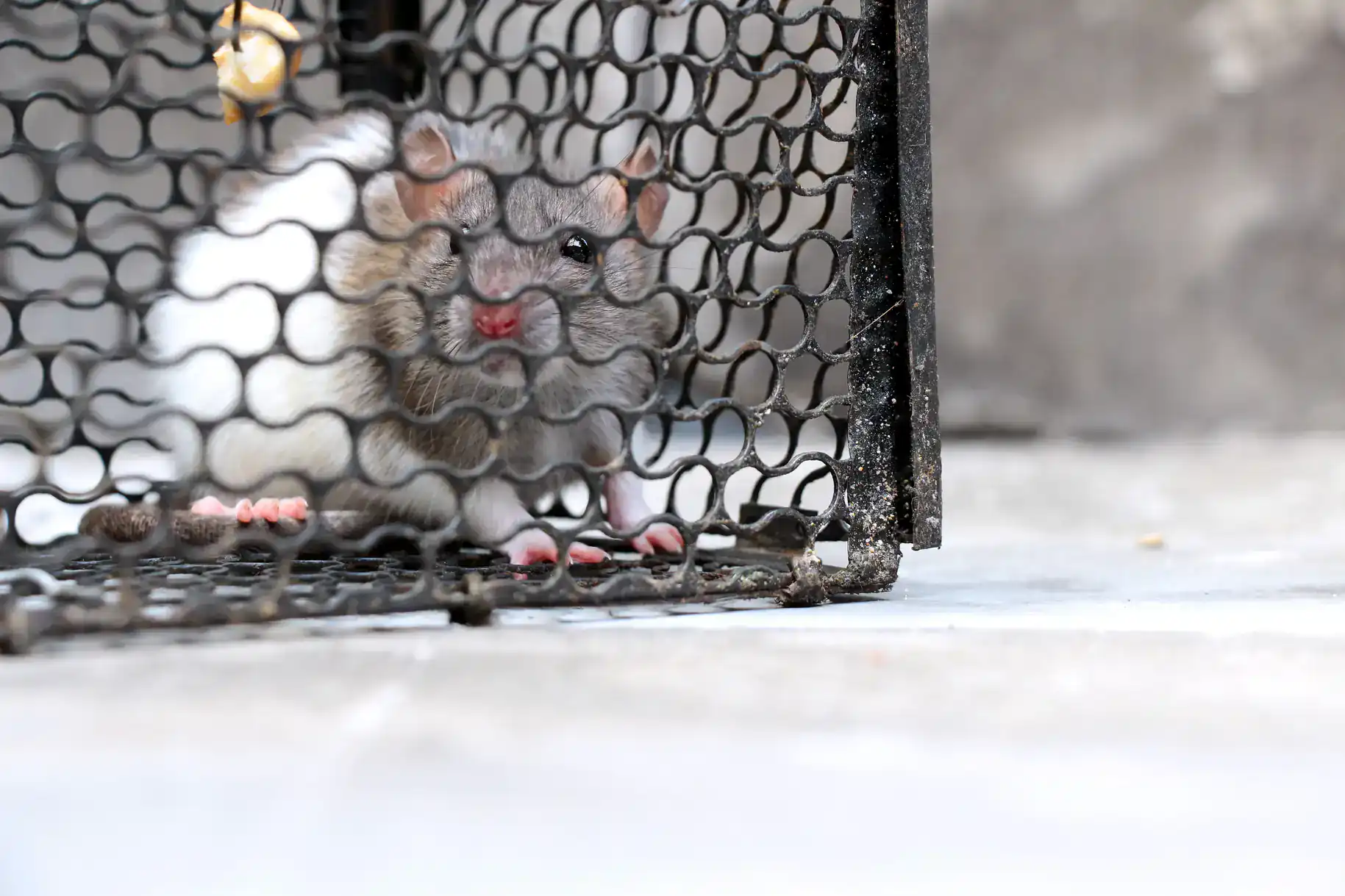
It does matter, and the signs are different enough that a trained eye can usually tell quickly. Rat droppings are larger roughly the size of a raisin and rats tend to leave grease marks along baseboards and walls from their fur. Mouse droppings are much smaller, more like a grain of rice, and mice tend to nest in tighter, more concealed spaces like inside walls, behind appliances, and in insulation. The sounds are also different: rats moving through a basement or crawl space are louder and heavier; mice in walls produce lighter, faster scratching.
Treatment differs because the two species respond to different baiting strategies, have different behavioral patterns, and use different pathways to move through a building. Rats are neophobic they’re suspicious of new objects in their environment, which means placement timing and strategy matter significantly. Mice are more curious but faster to reproduce, so speed of response matters more. Getting the species identification right at the inspection stage is what makes the treatment plan actually work, rather than just addressing part of the problem.
Yes. This is a routine part of how we work in Forest Hills’ cooperative buildings. When we complete a service, we provide written documentation of the inspection findings, the treatment applied, the materials used, and the recommendations made in a format that satisfies co-op board requirements and building management records. We apply only N.Y.S. Department of Environmental Conservation registered pesticide materials, and we’re fully licensed, bonded, and insured, which means we meet the professional standards your board is looking for.
This matters more than some homeowners initially realize. If your building receives a complaint or a NYC Health Department inspection, having documented professional pest management on record is a significant factor in how that process goes. The NYC Health Code requires building owners to maintain pest-free conditions, and a failed inspection can trigger an abatement order requiring licensed professional remediation. Having our service documentation on file puts you and your board in a much stronger position. If you’re a property manager or board member handling this for the building rather than an individual unit, we can discuss a building-wide assessment as well.
For a single mouse that wandered in once, maybe. But that’s rarely what people in Forest Hills are dealing with when they call us. In most cases, by the time you’re seeing evidence droppings, gnaw marks, sounds in the walls the population is already larger than one or two animals, and the entry points that let them in are still open. Store-bought traps and bait address the rodents you can reach, not the ones you can’t see and not the pathways they’re using to get in.
In Forest Hills specifically, the building conditions make DIY approaches particularly limited. Century-old Tudor homes in Forest Hills Gardens have settled foundations and original masonry joints that create entry points most homeowners can’t locate without experience. Prewar co-op buildings have shared infrastructure that makes it nearly impossible for an individual unit owner to address a building-wide problem on their own. And if you’re near Forest Park or the Queens Boulevard commercial corridor, you’re dealing with sustained external pressure that will keep sending new rodents toward your property until the entry points are sealed and the attractants are addressed. DIY gets you temporary relief at best.
We take calls around the clock 24 hours a day, 7 days a week. In many cases, we can provide same-day service depending on your location and schedule. In every case, we guarantee an appointment within 48 hours. For Forest Hills residents, that response window matters because rodent infestations don’t stay static. A female house mouse produces her first litter at just two months old and can have six to ten litters over her lifespan. A small problem becomes a significant infestation faster than most people expect.
If you’re calling in October or November the peak season for Forest Hills given the seasonal migration from Forest Park demand for rodent control services in the area runs high. Calling early in the season rather than waiting to see if the problem resolves on its own is always the better move. We offer free phone consultations with no obligation, so if you’re not sure whether what you’re seeing warrants a professional visit, you can call and describe what you’ve found. We’ll give you a straight answer.
A few things, and they’re specific enough that they genuinely affect how the work gets done. First, the Forest Park adjacency. Forest Hills is one of the only residential neighborhoods in central Queens that borders a large urban forest 538 acres along Union Turnpike. That creates a seasonal rodent migration pattern every fall that neighborhoods like Rego Park, Flushing, or Woodhaven simply don’t experience in the same way. Properties on the southern edge of Forest Hills, particularly near the park’s northern boundary, need a prevention strategy that accounts for this recurring external pressure, not just a one-time treatment.
Second, the building stock. Forest Hills has a concentration of prewar cooperative buildings, century-old Tudor and Georgian homes in Forest Hills Gardens, and mid-rise apartment buildings with aging infrastructure that creates rodent entry points you won’t find in newer construction. The combination of settled masonry, original pipe penetrations, and shared building systems requires an inspection approach and a level of structural familiarity that goes beyond what a generalist or newer company brings. Third, the transit infrastructure. The E, F, M, and R trains run directly beneath Forest Hills streets, and the LIRR station sits in the heart of the neighborhood. Subway tunnels are documented rodent corridors in New York City, and properties closest to those lines carry elevated pressure from tunnel-dwelling rat populations. Knowing all three of these factors and how they interact is what makes rodent control in Forest Hills a specialized job.
Useful Links