
Hear from Our Customers
You sleep again. That sounds simple, but if you’ve been dealing with bites, anxiety, and the constant second-guessing of every surface in your home, you know it’s not. Getting this handled the right way means more than just spraying a room it means knowing the infestation is gone and not coming back through the wall from your neighbor’s unit next month.
Forest Hills has a specific set of conditions that make bed bug control harder than in most places. The pre-war co-op buildings along Queens Boulevard and throughout the Cord Meyer section were built in the 1920s and 1940s, and their aging wall cavities, older plumbing chases, and shared infrastructure give bed bugs pathways between units that modern construction simply doesn’t have. A treatment that doesn’t account for that isn’t a real solution it’s a delay.
For residents of Forest Hills Gardens, there’s another layer. The historic Tudor-style homes in that district many with original plaster walls, wood framing, and older window casings harbor bed bugs differently than newer builds. The treatment approach has to match the building. When it does, you get your home back. When it doesn’t, you’re back on the phone in six weeks.
We’ve been operating in New York City since before most of our competitors were in business. Founded by Richard Kourbage and BBB A+ accredited since 1989, we’re a family-owned company with over 50 years of experience and more than 100 years of collective staff knowledge across the team. We hold a certified bedbug specialist designation not just a general pest control license which matters when you’re dealing with the kind of complex, multi-unit infestations common in Forest Hills and the broader Queens County area.
We serve all five boroughs, and Forest Hills is well within our regular territory. From the co-op buildings near Austin Street to the historic homes in Forest Hills Gardens, we’ve worked in these buildings, know their construction, and understand how infestations move through them. We’re fully licensed, bonded, and insured under New York State NYSDEC requirements the standard that co-op boards and property managers in this neighborhood require before authorizing any pest control work.
No upselling. No inflated scopes. Just an honest look at what you’re dealing with and a clear plan to fix it.
It starts with a call and because we answer 24 hours a day, seven days a week, that call can happen whenever you’re ready. We’ll ask a few questions about what you’ve seen, where in the unit you’ve noticed activity, and whether you’re in a multi-unit building. That last part matters a lot in Forest Hills, where a single-unit treatment without a building-level conversation often leads to re-infestation from an adjacent unit.
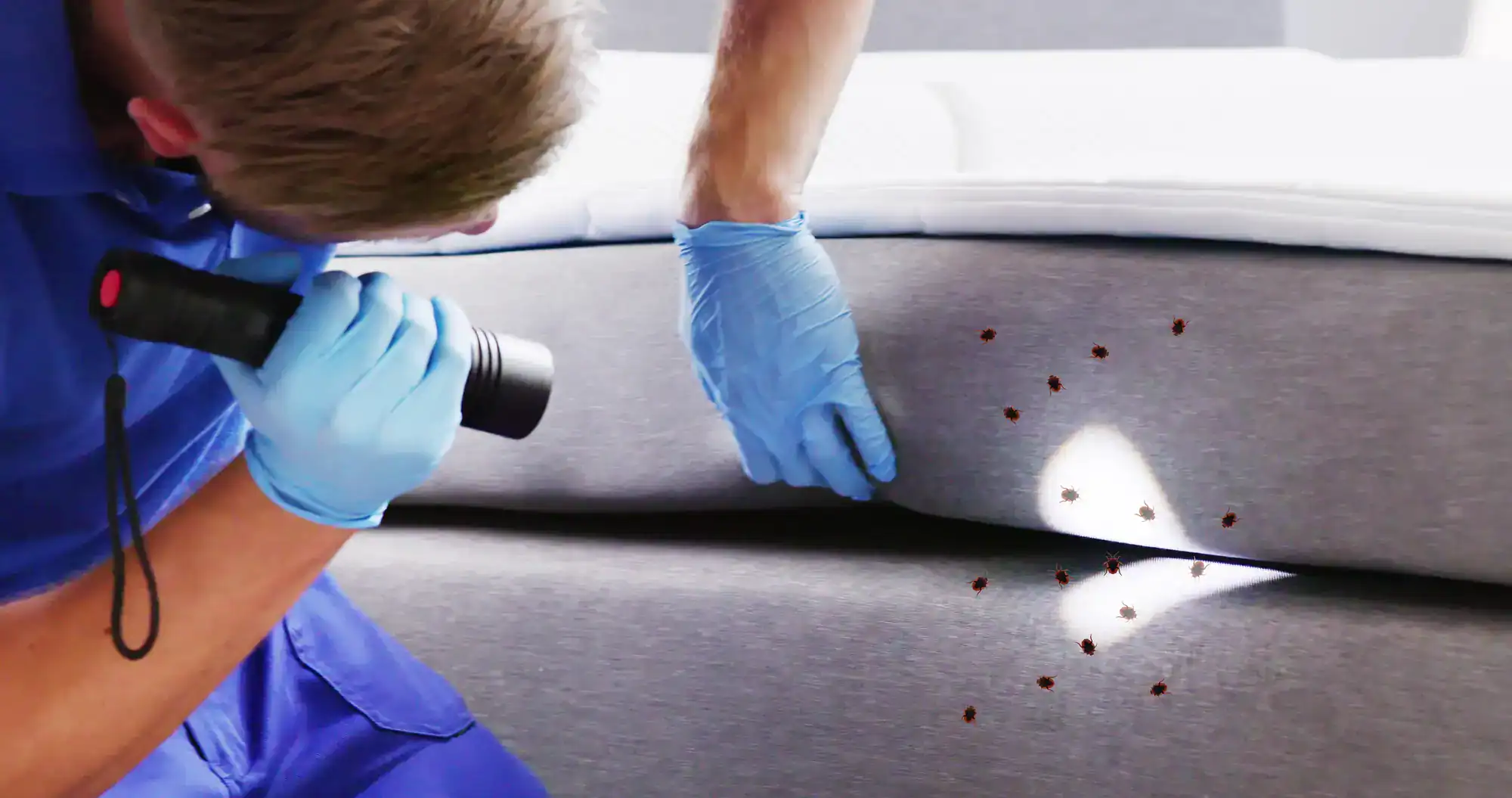
From there, we schedule an inspection same-day when possible, and always within two days. During the inspection, we assess the full scope of the infestation, identify the likely entry and travel points, and give you a clear, honest estimate of what treatment will involve. For Forest Hills residents in co-op buildings, we’ll also talk through how building management fits into the process, because coordinating with your co-op board or property manager isn’t optional it’s part of doing this right. New York City’s Local Law 69 requires building owners to document and report bed bug histories, which means proper, professional treatment isn’t just good practice here it’s a legal requirement for your building.
Treatment typically involves one to three visits over several weeks, depending on the severity of the infestation. We use environmentally friendly solutions and provide clear prep instructions before each visit and post-treatment guidelines after, so you know exactly what to expect and when it’s safe to return to normal.
Ready to get started?
Bed bug treatment in Forest Hills isn’t one-size-fits-all, and we don’t approach it that way. The building type, the severity of the infestation, and whether you’re in a single-family home or a multi-unit co-op all shape what the right treatment looks like. What we offer covers the full range: chemical treatment, heat treatment, and steam treatment applied based on what your specific situation actually calls for, not what’s easiest to deliver.
For residents of the Cord Meyer co-ops or the pre-war apartment buildings lining Queens Boulevard, multi-unit coordination is often part of the scope. We work directly with property managers and co-op boards when needed, and we issue NYC Department of Health clearance certificates for buildings that require documented proof of treatment which is increasingly common in Forest Hills given the city’s bed bug reporting requirements under Local Law 69.
For homeowners in Forest Hills Gardens or the Van Court area, we factor in the older construction materials and historic finishes when selecting treatment methods. The goal is always the same: eliminate the infestation completely, protect the integrity of your home, and leave you with documentation that stands up to any co-op board or real estate disclosure requirement. Free estimates are available, and there’s no pressure and no obligation just a straight answer about what your home needs.
Yes, and it happens more often than people expect. Bed bugs can travel through shared wall voids, electrical conduits, and plumbing chases all of which are common features in the pre-war co-op buildings that make up a large portion of Forest Hills’ housing stock, particularly in the Cord Meyer section and along Queens Boulevard. These buildings were constructed in the 1920s and 1940s, and the aging infrastructure creates pathways between units that modern construction typically doesn’t have.
This is why treating only your unit, without any coordination with building management, often leads to re-infestation within weeks. A thorough bed bug treatment in a multi-unit Forest Hills building needs to account for adjacent units and common areas not just the room where you first noticed activity. When you call us, we’ll ask about your building setup early in the conversation so we can plan accordingly from the start.
For most residential situations in Forest Hills a single apartment or co-op unit with a moderate infestation professional bed bug treatment typically runs between $1,000 and $2,500. More severe infestations, or situations requiring multi-unit coordination in a co-op building, can reach $4,000 or more depending on the scope of work involved.
The range exists because no two infestations are the same. A studio apartment with an early-stage infestation requires a very different approach than a two-bedroom co-op unit where the bugs have been active for several months and may have already spread to an adjacent unit. That’s why we offer free estimates so you get a clear, honest number based on your actual situation before any work begins. No guessing, no surprises on the invoice.
Heat treatment is one of the most effective methods for eliminating bed bugs, but it does require some care in older buildings and Forest Hills Gardens is a good example of why. The historic Tudor-style homes in that district, many built between 1910 and 1940, often feature original plaster walls, older wood framing, antique furniture, and architectural details that can be sensitive to sustained high temperatures.
Before recommending heat treatment for any Forest Hills Gardens property, we assess the building materials, the contents of the space, and any items that would need to be removed or protected beforehand. In some cases, a combination of heat and targeted chemical treatment is a better fit than heat alone. The goal is always to eliminate the infestation completely without damaging the home in the process and in a landmarked historic district, that balance matters more than in a standard apartment building.
Under New York City’s Housing Maintenance Code, bed bugs are classified as a Class B housing violation. That means if you file a complaint with the city through 311 or directly with the Department of Housing Preservation and Development (HPD) your landlord is legally required to correct the condition within 30 days. NYC’s Warranty of Habitability also applies to all rental agreements and requires landlords to maintain pest-free living conditions, whether that’s written into your lease or not.
Additionally, under NYC Local Law 69 of 2017, landlords of multiple dwelling buildings are required to disclose bed bug infestation histories to tenants at lease signing or renewal and to report annually to the city. If your Forest Hills landlord is refusing to act, you have documented legal grounds to push back and having a professional inspection report from a licensed exterminator like us strengthens your position considerably. We can provide that documentation.
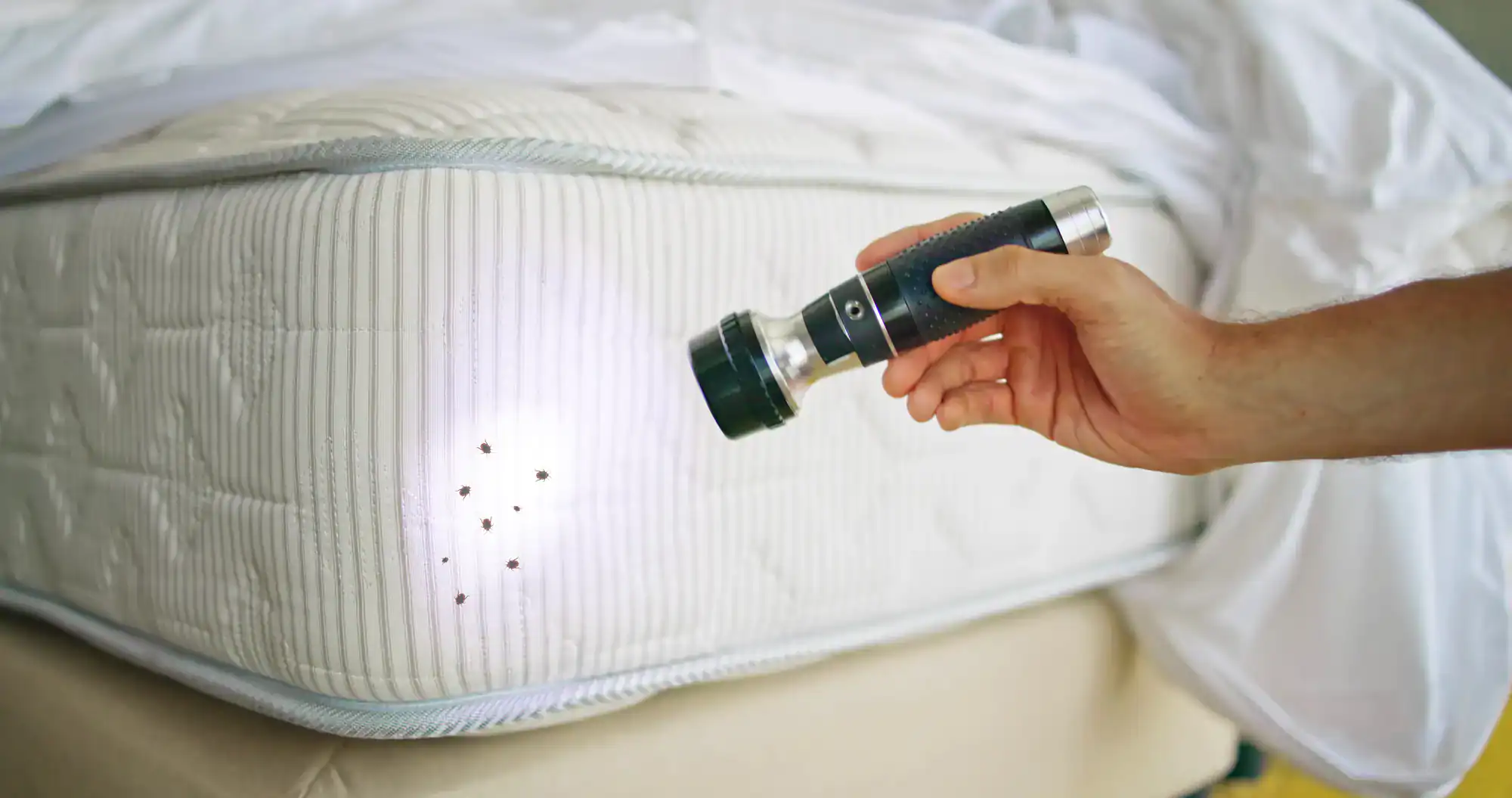
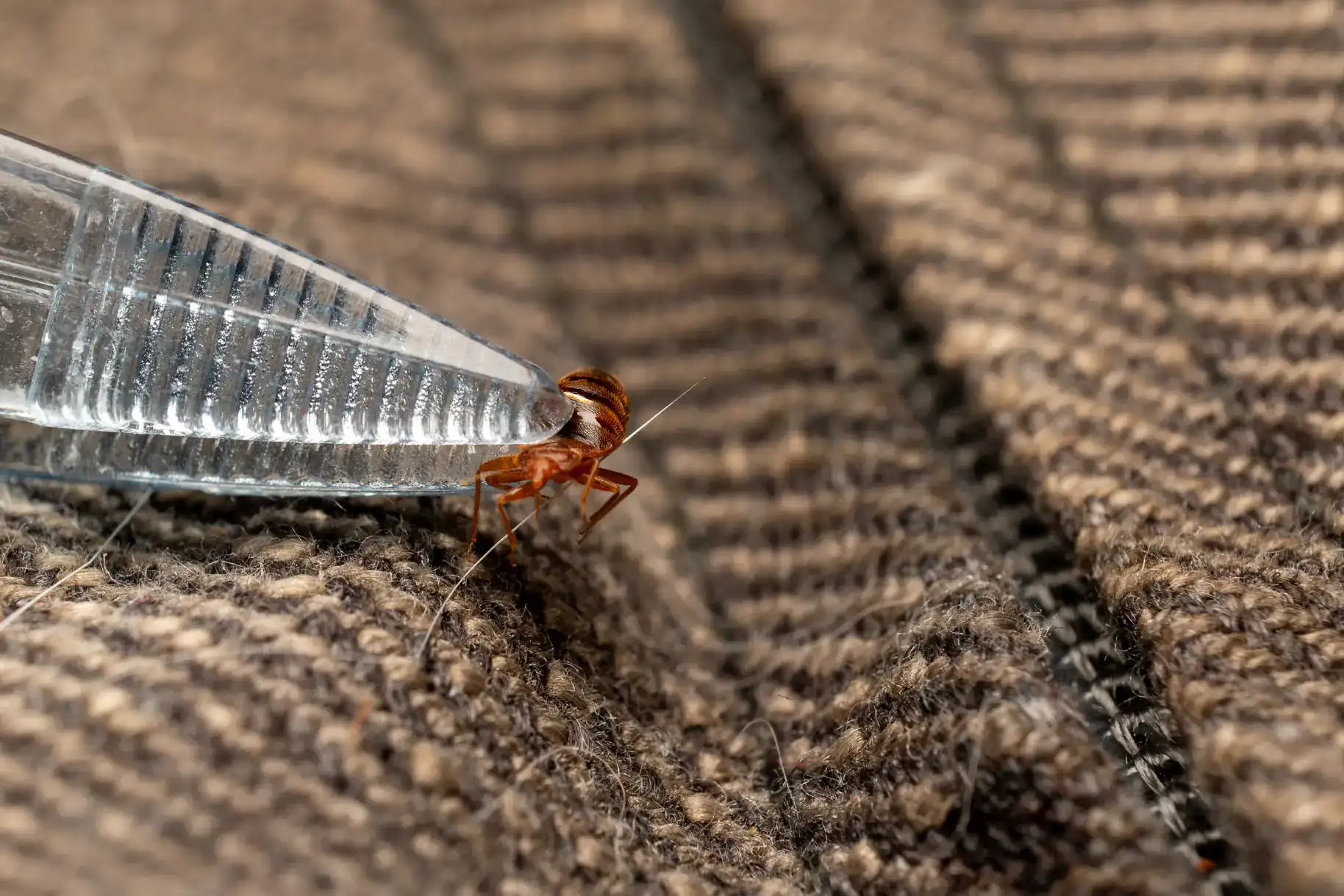
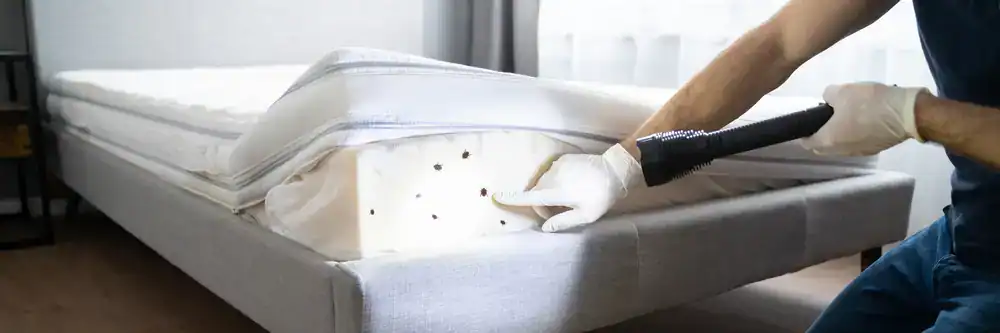
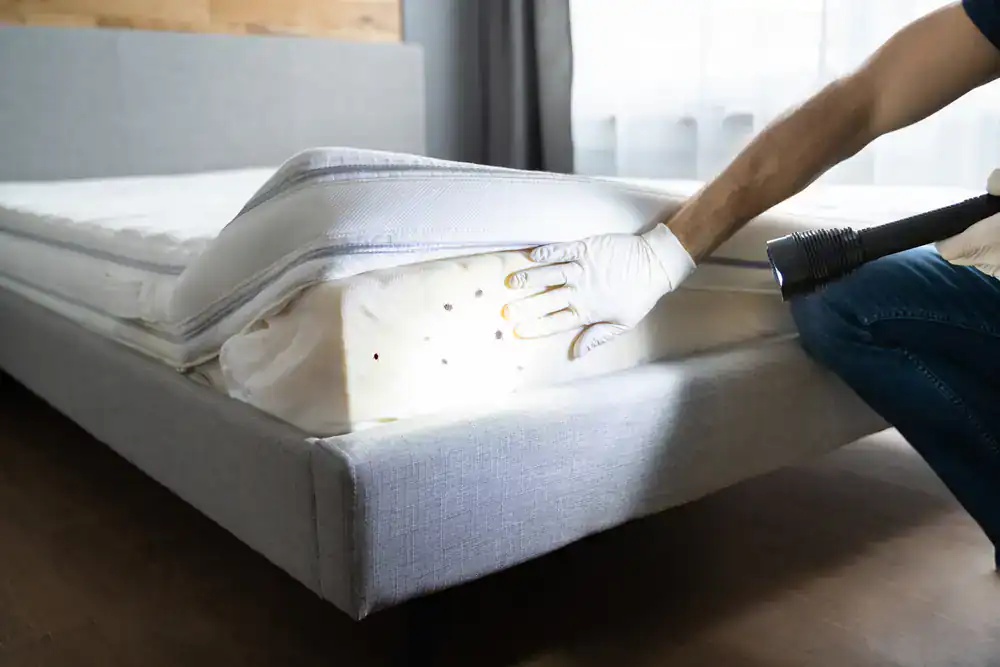
It’s a fair question, and it’s one of the most common things people ask before calling. Bed bug bites are often mistaken for mosquito bites, flea bites, or even an allergic reaction so bites alone aren’t a reliable confirmation. What you’re looking for are physical signs in the places bed bugs actually live: small rust-colored stains on your mattress seams or box spring, tiny dark spots (fecal matter) along the edges of your bed frame or headboard, or shed skins in the folds of your mattress.
In Forest Hills, many residents first suspect a problem after returning from travel through JFK or LaGuardia, or after staying in a hotel accessible via the Grand Central Parkway. Travel is one of the most common introduction vectors. If you’ve recently traveled and are now seeing bites or any of the physical signs described above, the safest move is a professional inspection. We offer same-day inspections, and a confirmed negative result is worth just as much as catching an early infestation before it spreads.
Most infestations require two to four professional treatment visits over a three-to-six-week period. The exact number depends on the severity of the infestation, the type of treatment used, and particularly in Forest Hills whether you’re in a multi-unit building where re-exposure from a neighboring unit is a real possibility.
The reason multiple visits are necessary is that bed bug eggs are resistant to most chemical treatments. The first visit eliminates active bugs; follow-up visits address newly hatched nymphs before they can reproduce. Skipping follow-up treatments is one of the most common reasons infestations return. We’ll give you a realistic timeline upfront based on what we find during the inspection, so you’re not caught off guard mid-process. For Forest Hills co-op residents especially, we also factor in building-level coordination into that timeline because your treatment schedule and your building’s response need to move together to actually work.
Useful Links
Other Services we provide in Forest Hills