Hear from Our Customers
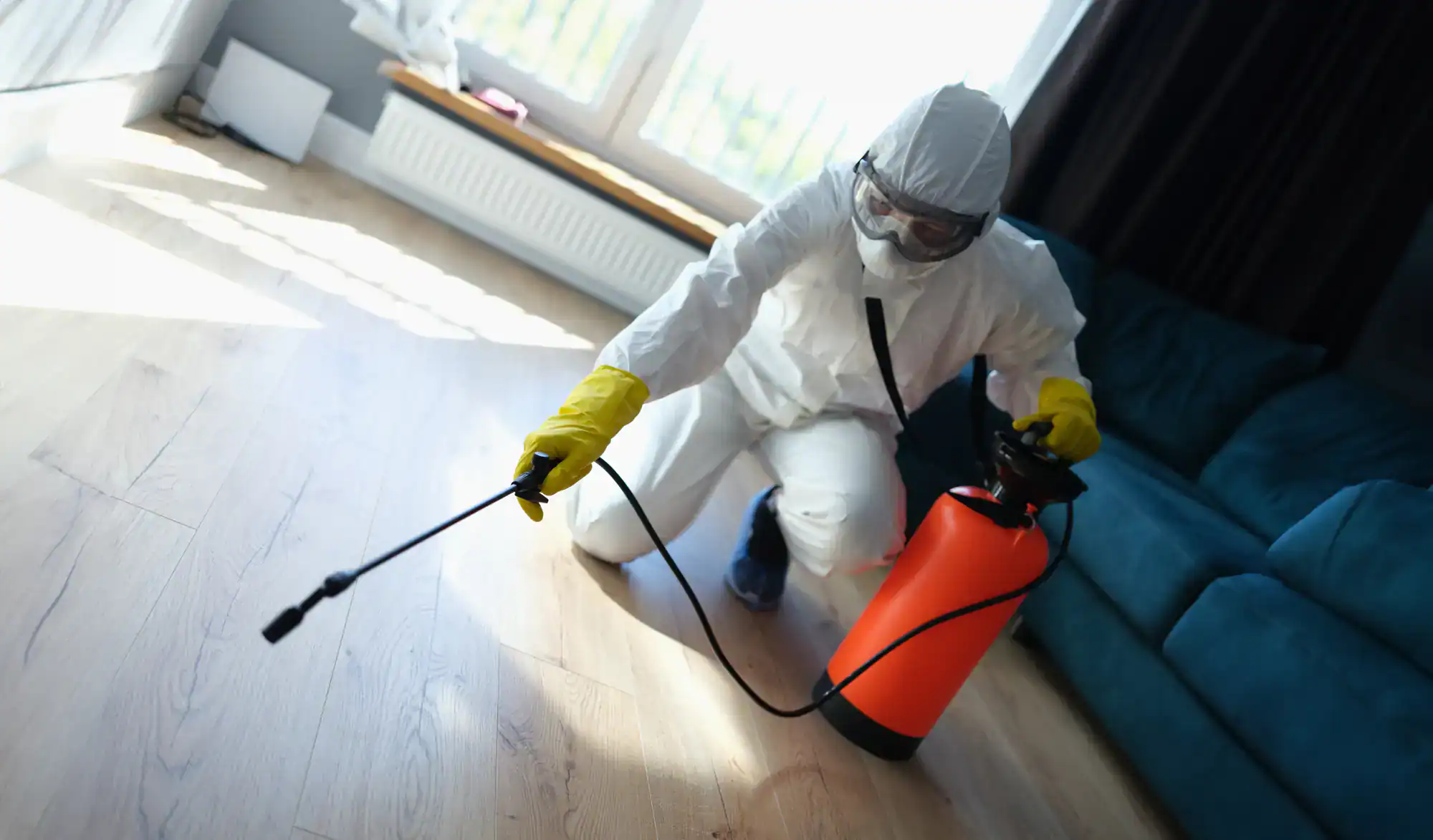
You stop finding them in your kitchen at midnight. You stop wondering if the unit next door is the source. You stop buying sprays that scatter the colony instead of eliminating it. That’s what real cockroach pest control in Forest Hills, NY looks like not a one-time spray and a handshake, but a treatment that actually addresses where they’re living and how they’re getting in.
For residents in Forest Hills’ prewar co-op buildings and high-rise towers places like Kennedy House, The Continental, and the buildings stacked along Queens Boulevard cockroach infestations don’t follow the same rules as a single-family home. They travel through shared plumbing, pipe chases, and utility walls. Treating your unit alone won’t hold if the building-level issue isn’t addressed. That’s a reality we tell clients upfront, because it’s the difference between a short-term fix and an actual resolution.
For homeowners in the Cord Meyer section or the Tudor homes near Forest Hills Gardens, the conditions are different but the need for precision is the same. Aging foundation walls, mature landscaping, and proximity to Forest Park create harborage conditions that require a specific approach not a generalized treatment pulled from a franchise playbook. When the job is done right, you get your home back. That’s the outcome that matters.
We were founded by Richard Kourbage Sr. and have been operating across the five boroughs for over 40 years. Richard Jr. joined in 1987, and our team collectively brings more than 100 years of pest control experience to every job. This is a family business built on repeat customers and word-of-mouth not a national franchise with a call center answering your questions.
We’re fully licensed, bonded, and insured, and we apply only NYS Department of Environmental Conservation registered materials on every job. That’s not a marketing line it’s the regulatory standard that protects your family, your co-op, and your property. We hold a consistent A+ rating with the Better Business Bureau of New York State, and we’ve maintained it for decades.
Forest Hills residents whether you’re in a Queens Boulevard co-op, a Tudor home near Station Square, or a high-rise off 108th Street are dealing with the specific pest pressure that comes with NYC’s aging urban building stock. We’ve been working inside that building stock since before most of our competitors existed, and we understand Forest Hills’ particular challenges: the density of prewar construction, the interconnected infrastructure that allows pests to move freely between units, and the seasonal pressure from Forest Park’s proximity.
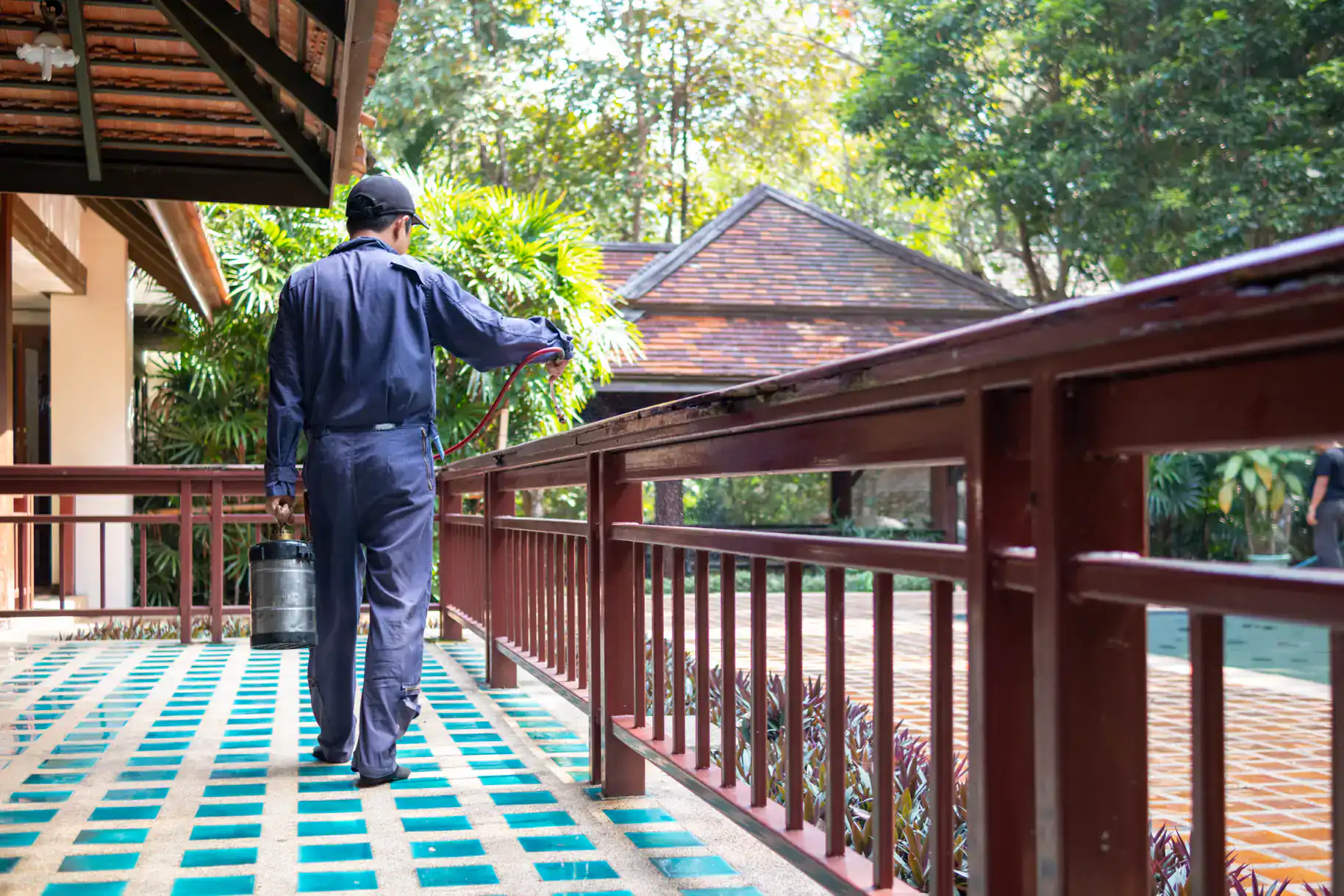
It starts with an inspection not a quick glance around the kitchen, but a real assessment of where the infestation is originating, which species you’re dealing with, and how they’re moving through your space. In Forest Hills, that distinction matters. German cockroaches the small, fast ones colonizing your appliances and cabinet interiors require a completely different treatment approach than American cockroaches, the ones locals call “waterbugs” that migrate up through basement drains and aging sewer lines after heavy summer rain. Treating them the same way is one of the most common reasons DIY efforts fail.
Once the source and species are identified, we apply treatment using NYS DEC registered materials targeted to harborage sites, not just visible surfaces. In multi-unit buildings along Queens Boulevard or in the high-rises off Austin Street, that may mean coordinating with your building superintendent or property manager to address shared infrastructure. We work at the building level when necessary, not just the unit level.
After treatment, you’ll get a clear picture of what was done, what to expect in the days that follow, and whether an ongoing maintenance schedule makes sense for your situation. For Forest Hills’ prewar buildings where pressure is year-round not seasonal a monthly or every-other-month maintenance plan is often the most practical long-term answer. We offer those schedules directly, so you’re not starting over every time a new problem surfaces.
Ready to get started?
Cockroach pest control in Forest Hills, NY requires a working knowledge of the building types, species, and regulatory environment that define this neighborhood and that’s exactly what we bring. Every treatment uses materials registered with the New York State Department of Environmental Conservation, applied by certified technicians who know NYC’s housing stock from the inside out.
For residential clients whether you’re in a prewar co-op on Queens Boulevard, a co-op at The Windsor or the Pinnacle, or a single-family home in the Cord Meyer section treatment is scoped to your specific situation. That includes identifying entry points, targeting harborage zones, and setting realistic expectations about follow-up. Under NYC’s Local Law 55 of 2018, landlords are legally required to address pest infestations as part of their habitability obligations, and we can document treatment for tenants who need that paper trail when dealing with unresponsive building management.
For commercial clients restaurants and food businesses along Austin Street, building managers overseeing large residential towers we also issue Demolition Clearance Certificates to the NYC Department of Health and can work within NYC Health Code compliance requirements. If a DOH inspection is coming or a violation has already been issued, this is the level of service that actually resolves it. Ongoing maintenance schedules are available weekly, monthly, or every other month calibrated to the real demand of your property, not a one-size-fits-all contract.
This is one of the most common frustrations for residents in Forest Hills’ prewar co-op buildings and high-rise towers. The short answer is that treating one unit doesn’t solve a building-level problem. Cockroaches particularly German cockroaches travel through shared plumbing, pipe chases, wall voids, and garbage chute rooms. If a neighboring unit or the building’s basement is the true harborage site, your apartment will keep getting re-infested no matter how many times it’s treated in isolation.
The buildings along Queens Boulevard and towers like Kennedy House and The Continental were built with interconnected infrastructure that cockroaches navigate freely. Effective roach control in Forest Hills means identifying the building-level source not just the unit-level symptoms. We work with property managers and building superintendents when necessary to address the actual origin of the infestation, which is the only approach that produces lasting results in this type of housing stock.
They’re both cockroaches, but they behave very differently and require different treatment approaches. German cockroaches are small about half an inch long and they live inside your home year-round. They colonize kitchens, bathrooms, the interiors of appliances, and the spaces behind cabinet walls. They reproduce quickly and are the species most commonly found in Forest Hills’ apartment buildings and co-ops.
American cockroaches what most New Yorkers call “waterbugs” are much larger and typically come from outside. In Forest Hills, they migrate up through sewer lines, basement drains, and the aging plumbing of prewar buildings, especially after heavy summer rain events. They’re more common in basement units, ground-floor apartments, and homes near Forest Park. Treating a waterbug problem the same way you’d treat a German cockroach infestation won’t work. Identifying which species you’re dealing with is the first step and it’s something a trained technician can determine on inspection.
For a single-unit residential treatment in a Forest Hills apartment or co-op, professional cockroach pest control typically runs in the range of $150 to $400, depending on the size of the space, the severity of the infestation, and whether follow-up treatments are needed. NYC pricing generally runs above national averages given the complexity of the building stock and the labor involved in treating multi-unit environments properly.
For ongoing maintenance which is often the most cost-effective approach in Forest Hills’ prewar buildings where cockroach pressure is year-round monthly or every-other-month service plans are available and typically more economical than paying for repeated one-time treatments. Commercial clients on Austin Street or property managers overseeing larger residential buildings should expect pricing to reflect the scope of the property and the compliance documentation involved. The best way to get an accurate number is a direct inspection the cost of treatment varies significantly based on what’s actually there.
Yes and this is directly relevant for the large number of Forest Hills residents living in rental apartments and co-op buildings along Queens Boulevard and throughout the neighborhood. Under New York City’s Housing Maintenance Code and Local Law 55 of 2018 (the Asthma-Free Housing Act), landlords are legally required to address pest infestations as part of their habitability obligations. A landlord cannot simply blame tenants and refuse to act.
If your landlord is unresponsive, you have several options. You can file a complaint with the NYC Department of Housing Preservation and Development (HPD), contact the Department of Health, or call 311 to initiate a formal complaint. We can provide documented treatment records that support your case if you’ve already taken steps to address the problem yourself and need to demonstrate a pattern of infestation to the city or your building management. Having that paper trail matters when dealing with co-op boards or building managers who are slow to act.
Safety is one of the most common concerns we hear from Forest Hills families and it’s a reasonable one. We apply only materials registered with the New York State Department of Environmental Conservation on every job. These are tested, approved substances applied by certified technicians not the aerosol bombs or broad-spectrum sprays you’d find at a hardware store, which often scatter cockroach colonies rather than eliminate them and leave residue on surfaces your kids and pets contact daily.
In most residential treatments, you’ll be asked to stay out of the treated area for a short period while materials dry or settle typically a few hours. Your technician will walk you through exactly what was applied, where, and when it’s safe to return to normal activity. For families in Forest Hills with young children or pets, that transparency is part of the job, not an afterthought. If you have specific concerns about a particular product or application method, ask during the inspection a straight answer is what you should expect.
Yes we offer a 10% senior discount, and it’s worth mentioning directly because Forest Hills has one of the higher concentrations of residents aged 65 and older in Queens. A meaningful portion of the neighborhood’s population lives in co-op apartments they’ve owned for decades, on fixed incomes, in buildings where pest pressure is ongoing and not always the landlord’s problem to solve. The discount is a straightforward acknowledgment of that reality.
If you’re a senior homeowner in the Cord Meyer section, a longtime co-op shareholder on Queens Boulevard, or a resident in one of the neighborhood’s larger towers, the discount applies to your service. There’s no complicated qualification process just mention it when you call. We’ve been serving New York City residents for over 40 years, and a significant part of our customer base is exactly the kind of long-term, established resident that Forest Hills is known for. The discount reflects that relationship, not a promotional gimmick.
Useful Links
Other Services we provide in Forest Hills