
Hear from Our Customers
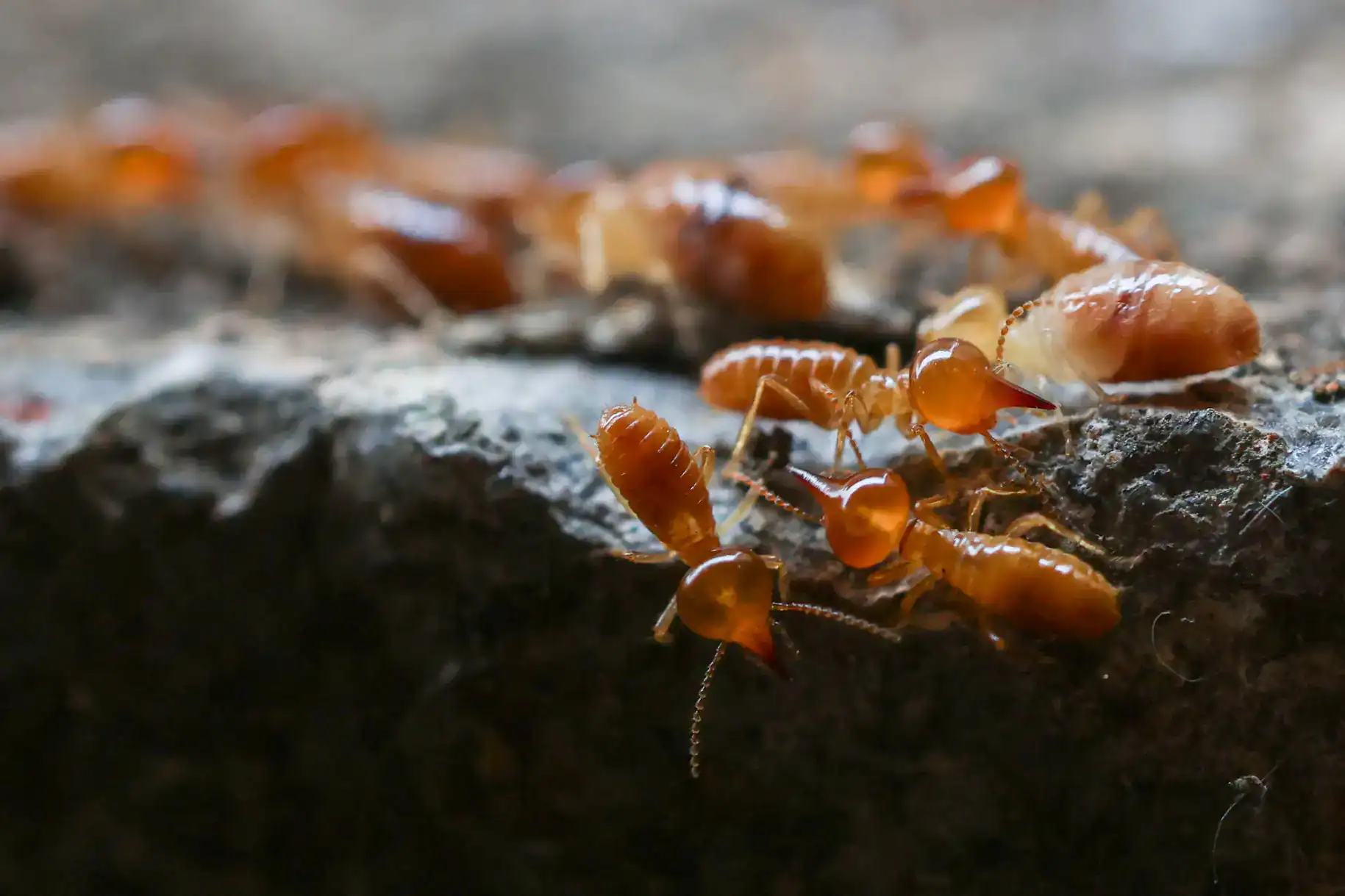
Most termite problems in Ridgewood aren’t discovered early. They’re discovered during a renovation, during a home sale, or after a floor starts feeling wrong underfoot. By that point, the colony has often been feeding inside the structure for years quietly, continuously, and completely out of sight behind the brick facade that makes these rowhouses so visually iconic.
That’s the specific reality of owning a pre-war attached home in this neighborhood. The wood-framed interior is sealed behind masonry, which means damage accumulates in places you can’t see without knowing exactly where to look. When we complete termite treatment the right way, you’re not just eliminating insects you’re stopping a process that compounds silently and costs exponentially more the longer it runs.
For homeowners in Ridgewood’s attached rowhouse blocks, there’s another layer to this. Subterranean termite colonies don’t stop at your property line. They move through shared soil and foundation walls, which means your neighbor’s untreated infestation becomes your problem too. Our proper treatment addresses the colony at the source underground not just the symptoms you can see inside your unit.
We’ve been operating in New York City since 1971 founded by Richard Kourbage Sr. and now run with his sons Richard Jr. and Charles. That’s over 50 years of the same family name on every job, in every borough, including the pre-war rowhouse neighborhoods along the Queens-Brooklyn border where Ridgewood sits.
The building stock here brick exteriors, wood-framed interiors, aging basements is the same stock we’ve worked in for decades. Our technicians aren’t adjusting to an unfamiliar environment when they come to Ridgewood. They’re walking into a building type they know well, with more than 100 years of combined staff experience behind every inspection.
We hold an A+ BBB accreditation dating back to 1989, apply only NYS DEC-registered materials, and are available 24 hours a day, seven days a week. When Charles Kourbage responds to a customer review personally, that’s not a customer service policy that’s what accountability looks like when your name is actually on the business.
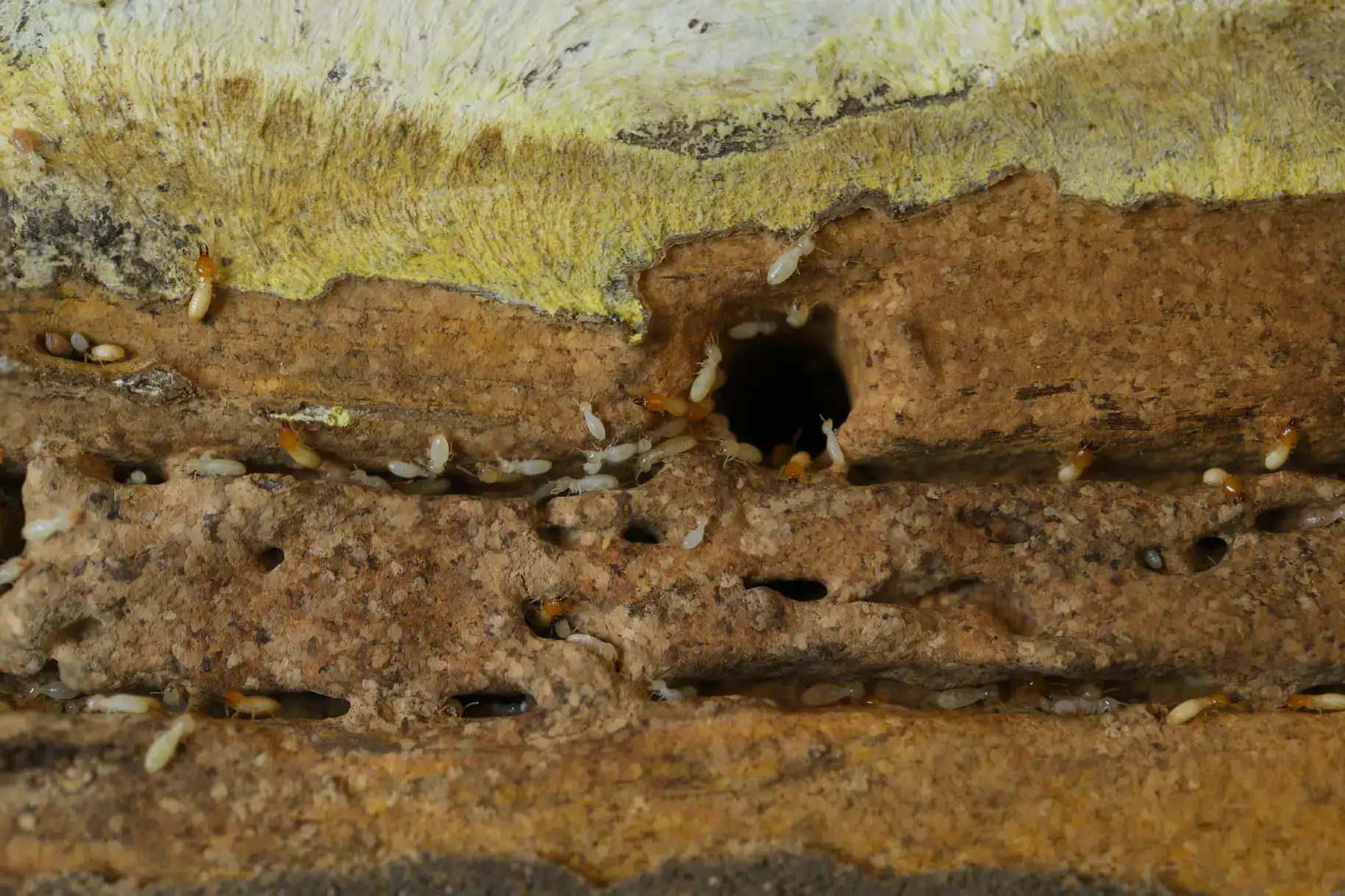
It starts with a thorough inspection, and in a Ridgewood rowhouse, that means going beyond the surface. Our technician walks the basement, checks the foundation perimeter, looks for mud tubes along the sill plates, probes wood framing in below-grade areas, and checks anywhere there’s potential wood-to-soil contact. These are the entry points that matter most in a building constructed 100 years ago with materials that have been absorbing moisture since before most people’s grandparents were born.
From there, we explain the findings clearly what was found, where it was found, and what your options are. If we identify active termites or evidence of past activity, we recommend a treatment plan based on the specific conditions of your property. That might mean a liquid barrier treatment applied along the foundation, a baiting system designed to eliminate the colony underground, or a combination of both. For properties in Ridgewood’s Central Ridgewood Historic District, any structural repair work that follows may be subject to Landmarks Preservation Commission review something worth knowing before work begins.
After treatment, you’ll know what we did, what to watch for, and when a follow-up makes sense. There are no open-ended commitments and no surprise charges after the fact.
Ready to get started?
We handle the full range of wood-destroying organism services termite identification and inspection, liquid barrier treatments, termite baiting systems, subterranean termite eradication, and WDO inspection reports for real estate transactions. That last one matters more in Ridgewood than most people realize. VA, FHA, HUD, and most conventional lenders require a Wood Destroying Organism report before approving a mortgage on a property like the ones found throughout this neighborhood. Given the age of the housing stock, these aren’t rubber-stamp inspections they surface real issues that affect whether a deal closes.
For buyers and sellers moving through Ridgewood’s active market where median asking prices reached $1.295 million in 2024 having a licensed WDO report from a credentialed provider isn’t optional. It’s a transaction requirement. We provide that documentation with the detail and certification your lender, attorney, and real estate agent need.
Beyond real estate, we also handle carpenter ant and powder post beetle treatment alongside termite work, which matters in a neighborhood where all three can be active in the same 100-year-old structure. If your Ridgewood property has received a NYC Department of Health pest-related citation, we have the experience to resolve it with the documentation DOH inspectors actually look for.

Brick exteriors give a lot of Ridgewood homeowners a false sense of security when it comes to termites. The brick itself isn’t what’s at risk it’s the wood framing behind it. Eastern Subterranean Termites, the dominant species in New York City, live underground and enter structures through gaps as small as 1/32 of an inch. In a pre-war rowhouse, those entry points are typically at the foundation sill plate, through cracks in the mortar, around basement window frames, or anywhere there’s direct contact between soil and wood.
In Ridgewood’s older buildings, decades of settling, aging plumbing, and original cast-iron pipes create the moisture conditions that subterranean termites actively seek out. Once they’re in, they feed on floor joists, subfloor lumber, and structural framing from the inside which is why the damage is often well advanced before anyone notices it from the surface.
Yes, and this is one of the most important things to understand about termite risk in an attached rowhouse neighborhood like Ridgewood. Subterranean termite colonies live underground and forage through soil. When homes share a continuous foundation wall or sit on adjacent soil with no barrier between them, the colony doesn’t stop at a property line it follows the wood.
This means that even if you treat your own property thoroughly, reinfestation is possible if an adjacent unit remains untreated. It’s one of the reasons we recommend colony-elimination methods like baiting systems that target the termites underground rather than just repelling them from your structure for attached rowhouse situations in Ridgewood. A liquid non-repellent barrier can also help, because termites transfer the active material back to the colony rather than simply avoiding the treated zone.
A proper termite inspection in a Ridgewood home focuses on the areas where subterranean termites are most likely to gain entry and establish feeding activity. That means the basement and crawl space (if present), the foundation perimeter, sill plates, floor joists, basement window frames, and any area with known or suspected moisture. In a 100-year-old rowhouse, that list is longer than it would be in a newer home there are more potential entry points, more aged wood, and more places where moisture has had decades to accumulate.
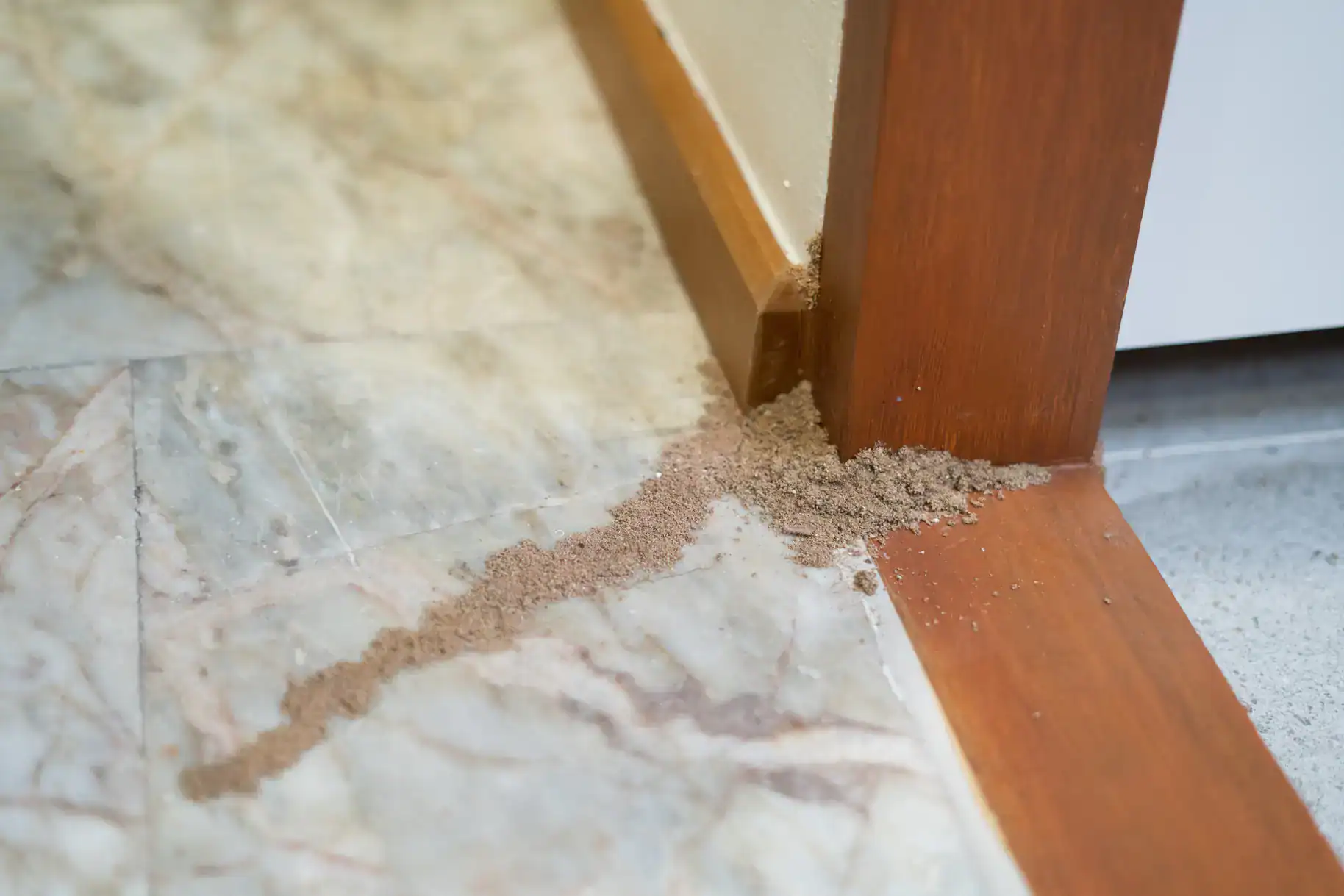
Our technician will look for mud tubes (the pencil-width tunnels termites build to travel above ground), hollow-sounding or visibly damaged wood, discarded wings from swarmers, and frass (termite droppings). If your property is within the Central Ridgewood Historic District, the inspection findings may also inform whether any subsequent repair work requires Landmarks Preservation Commission review before it can proceed.
If you’re financing the purchase of a property in Ridgewood through a VA, FHA, or HUD loan or through most conventional lenders a Wood Destroying Organism inspection report is typically required before the mortgage can be approved. This is standard across New York City, but it carries more practical weight in a neighborhood like Ridgewood where virtually every home was built before 1930 and many have never had a formal termite inspection.
A WDO report documents the presence or absence of active termite activity, evidence of past infestation, and conditions conducive to wood-destroying organism damage. It’s the document your lender, real estate attorney, and buyer’s agent will reference. If the report flags active activity or significant conducive conditions, that finding typically needs to be addressed and documented before closing. Getting this done early in the transaction timeline avoids last-minute delays.
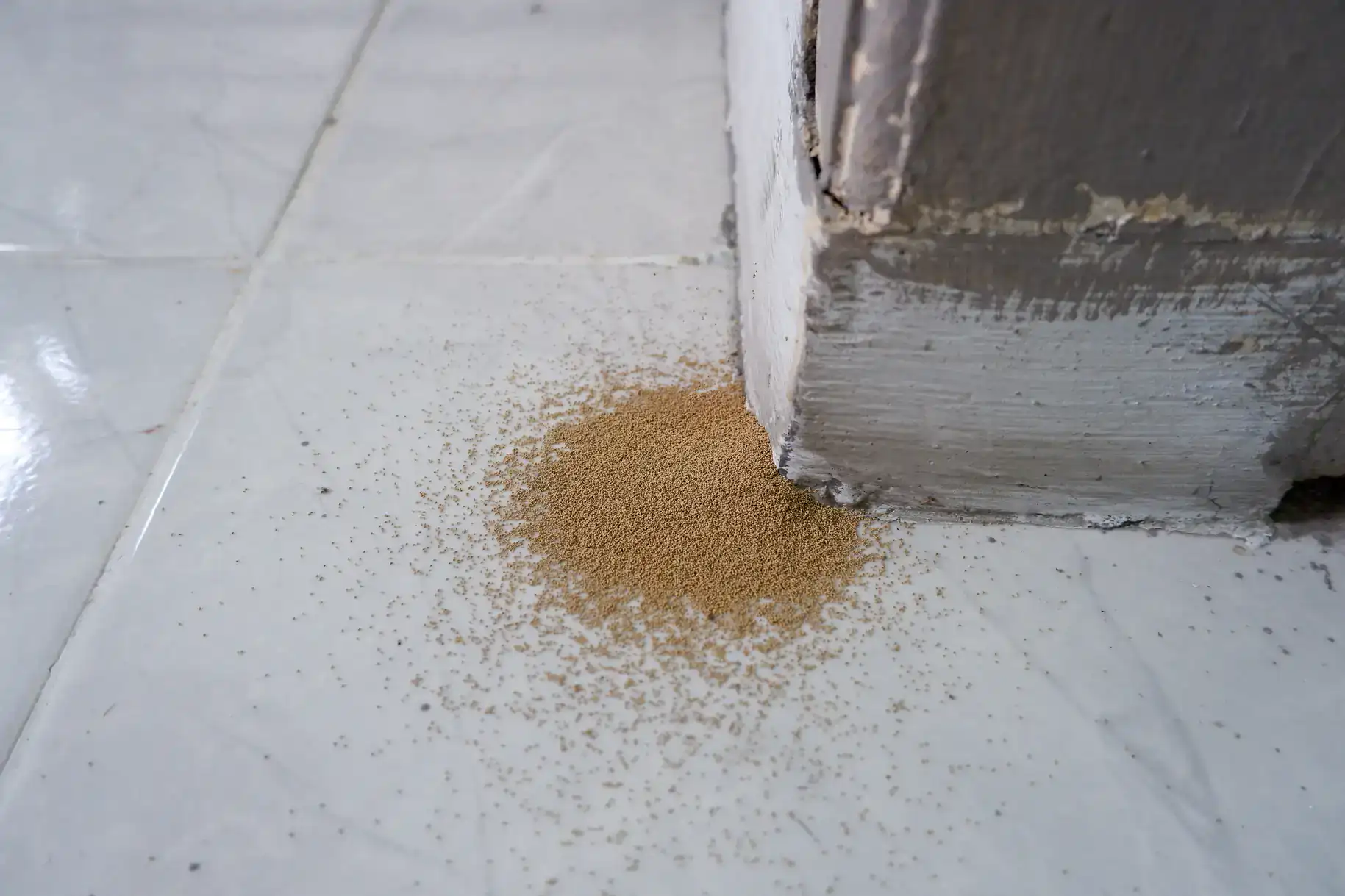
In New York City, Eastern Subterranean Termite swarmers the winged reproductives typically emerge in spring, usually between March and May, often following a warm day with rain. In Ridgewood, they’re most commonly spotted near basement windows, foundation cracks, or along the lower walls of rowhouses where wood is closest to the soil. If you see what look like flying ants emerging from your walls or floor, don’t assume they’re ants termite swarmers are frequently mistaken for them.
The key visual difference is the body shape: termites have a straight waist and equal-length wings, while ants have a pinched waist and unequal wings. Either way, swarmers indoors are a sign that a colony is already established somewhere in or near your structure they don’t create new infestations, they emerge from existing ones. Seeing them means it’s time to call, not time to wait.
In almost every case, no. Standard homeowner’s insurance policies in New York and across the country explicitly exclude termite damage. The reasoning insurers use is that termite damage is considered a preventable maintenance issue rather than a sudden, accidental loss. That exclusion means the full cost of treatment and structural repair falls on the property owner, with no reimbursement.
In Ridgewood, where homes are over a century old and structural repairs in landmarked buildings can involve additional LPC review and compliance steps, the out-of-pocket exposure from undetected termite damage can be substantial. Structural repairs alone can run anywhere from $2,000 to $10,000 or more depending on what’s been affected. That’s the real argument for early inspection and treatment not because termites are dramatic, but because the math on catching them early versus catching them late is not even close.
Useful Links
Other Services we provide in Ridgewood