
Hear from Our Customers
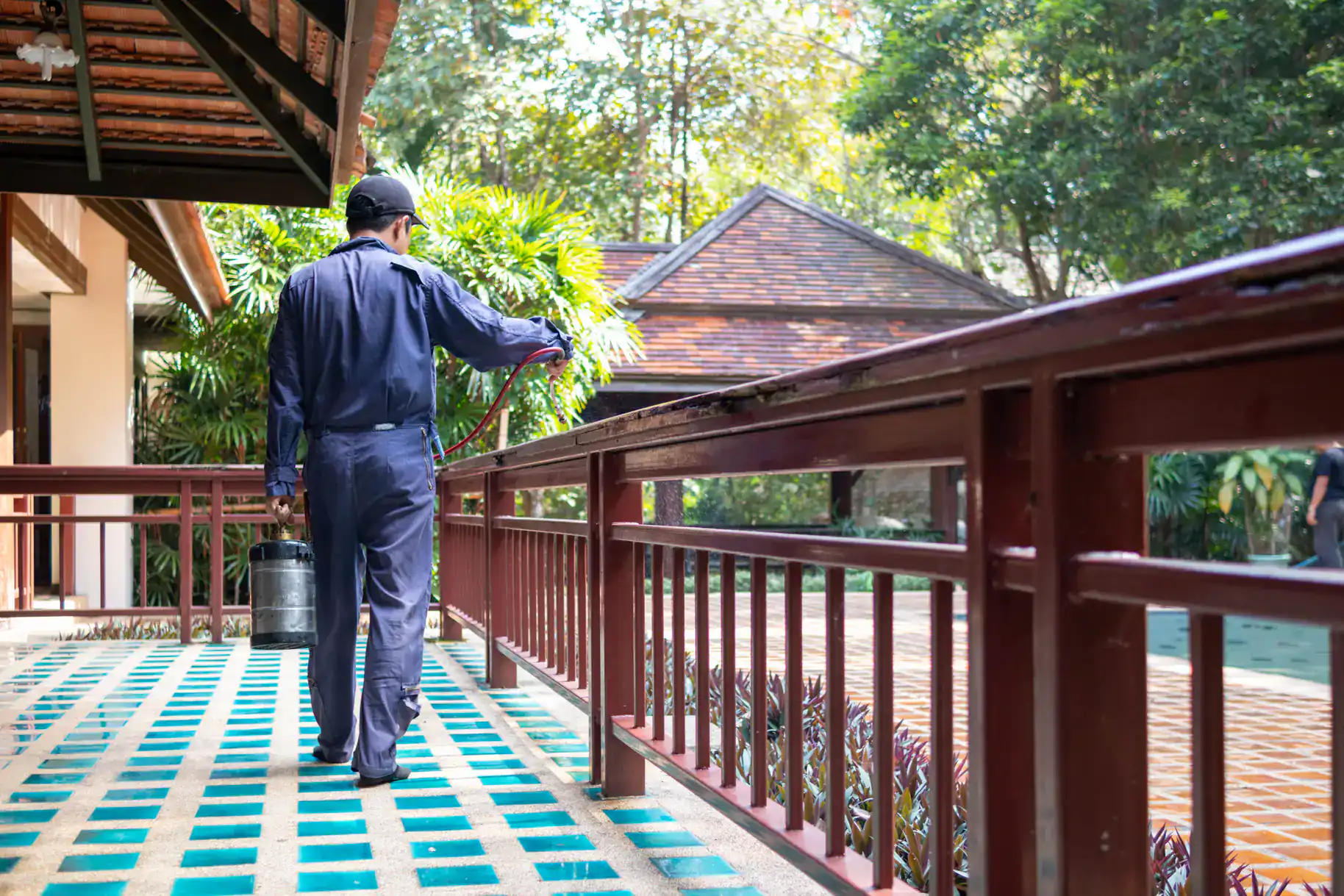
You stop second-guessing every sound in the walls. You stop wondering if the roach you saw in the kitchen is one or a hundred. That shift from anxious to certain is what a real pest inspection and a properly executed treatment actually gives you. It’s not dramatic. It’s just relief, and it’s more valuable than most people expect until they have it.
In Ridgewood, that relief is harder to get than it sounds. The neighborhood’s attached row houses most of them built between 1900 and 1925 share party walls, plumbing chases, and basement infrastructure that connects your unit to every unit around it. A cockroach infestation two floors down can reach your kitchen in days through shared drain stacks. Mice don’t need much more than a gap in a century-old mortar joint to get inside and stay there. The buildings are beautiful, but they weren’t built to keep pests out and no amount of hardware store spray is going to change that structural reality.
What changes after a proper treatment is that you’re no longer reacting. You know what got in, how it got in, and what’s been done to stop it from happening again. For landlords managing buildings along Myrtle Avenue or Fresh Pond Road in Ridgewood, that also means fewer tenant complaints, fewer Housing Maintenance Code issues, and a building that’s easier to rent in a neighborhood StreetEasy just named the number one area to watch in NYC for 2025.
We’ve been a family-owned and operated pest control company since 1971. That’s not a number we throw around to sound impressive it means we’ve been treating pre-war brick buildings, attached row houses, and multi-family properties in Ridgewood and the surrounding western Queens and Brooklyn neighborhoods longer than most of our competitors have been in business. We know what Ridgewood’s housing stock actually looks like from the inside, because we’ve been inside it for decades.
We’re licensed by the New York State Department of Environmental Conservation, certified as bed bug specialists, and equipped to handle everything from a single-unit rodent problem to a whole-building cockroach infestation. We also issue WDI inspection reports for real estate transactions which matters in Ridgewood, where the median home value is pushing $862,000 and buyers and lenders both want documentation before closing.
When you call us, you’re not getting a national franchise technician following a checklist. You’re getting a company that’s been working in buildings like yours, in Ridgewood and neighborhoods like this one, for over half a century.
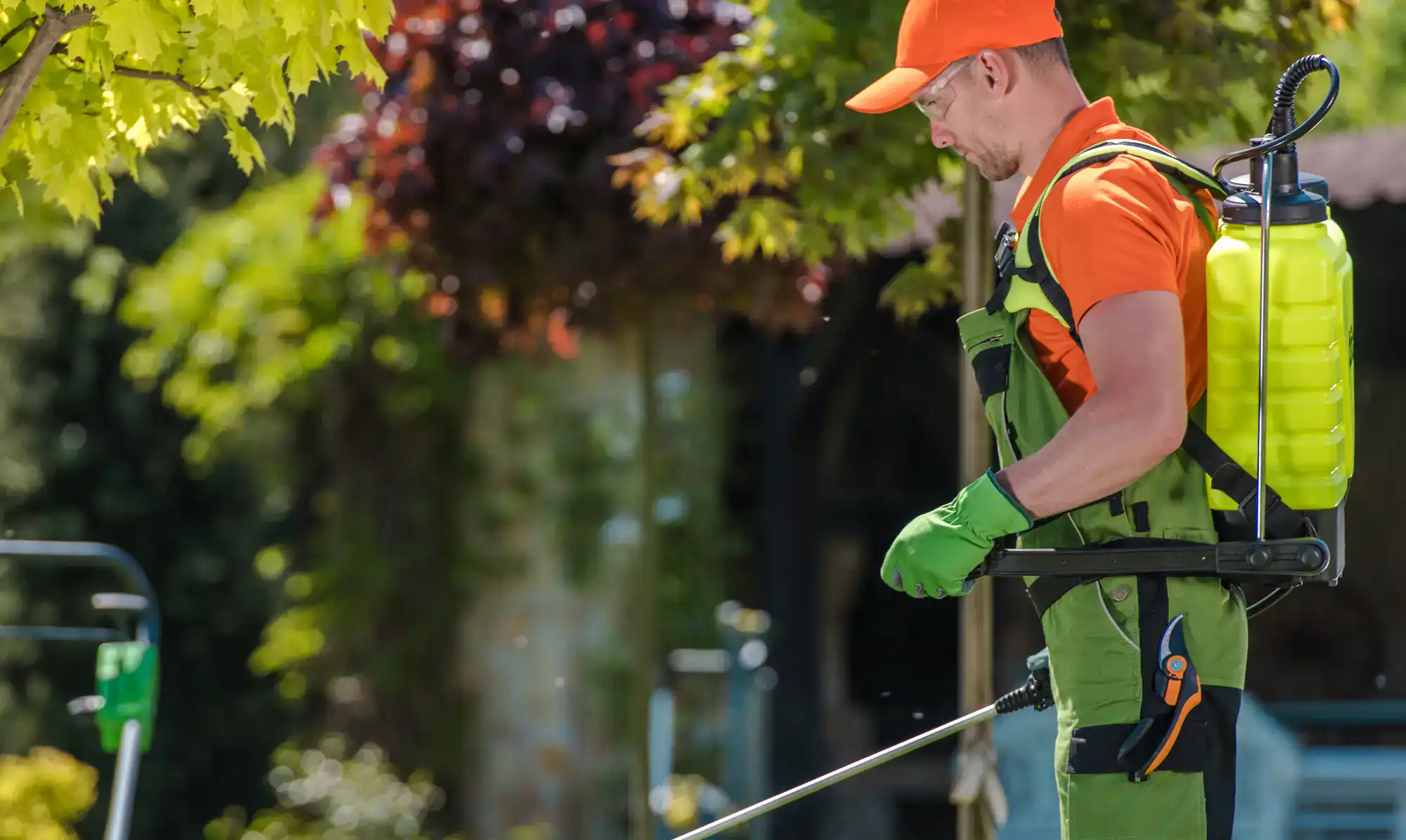
It starts with a free inspection. A licensed technician comes to your home or building, walks through the space, and looks for what’s actually there not what’s most common or most profitable to treat. In Ridgewood’s older buildings, that means checking the basement foundation, utility penetrations, wall voids, plumbing chases, and any shared infrastructure that connects your unit to adjacent ones. The inspection is thorough because the buildings here require it.
After the inspection, you get a clear picture of what pest you’re dealing with, how far it’s spread, and what treatment will actually resolve it. No vague estimates, no pressure. If treatment is needed, we explain what we’re using, why we’re using it, and what you should expect during and after the process. For multi-unit buildings which make up a significant portion of Ridgewood’s housing stock we’ll also walk through what coordination with neighboring units or the building owner may be necessary to get a lasting result rather than a temporary one.
Follow-up matters too. Some treatments, particularly for bed bugs and rodents in attached housing, require a second visit to confirm the infestation is fully resolved. We schedule that upfront so there’s no ambiguity about what’s included. The goal isn’t just to treat it’s to close the problem.
Ready to get started?
Cockroaches are the year-round priority pest in Ridgewood present in roughly 19% of homes here, according to local pest control data. German cockroaches thrive in the kitchen and bathroom environments of these older buildings, and American cockroaches move freely through the basement and sewer-connected spaces that run beneath the neighborhood’s attached row house foundations. We treat both, targeting harborage points rather than just applying a surface treatment that drives them deeper into the wall.
Rodents are a close second, especially from September through November when mice and rats push indoors ahead of winter. The century-old foundation gaps and deteriorated mortar joints that define Ridgewood’s older buildings are exactly the kind of entry points that make exclusion work sealing those gaps alongside treatment the only approach that holds. Bed bugs, termites, stinging insects including carpenter bees (which target the weathered wood trim on many of Ridgewood’s historic facades), fleas, and mites are all within scope. If you’re near Forest Park or the Ridgewood Reservoir, tick activity is also a documented seasonal concern worth addressing.
For property owners navigating a sale or purchase in the 11385 ZIP code, we issue formal WDI inspection reports accepted by mortgage lenders and real estate attorneys. One call covers the inspection, the documentation, and treatment if anything is found.
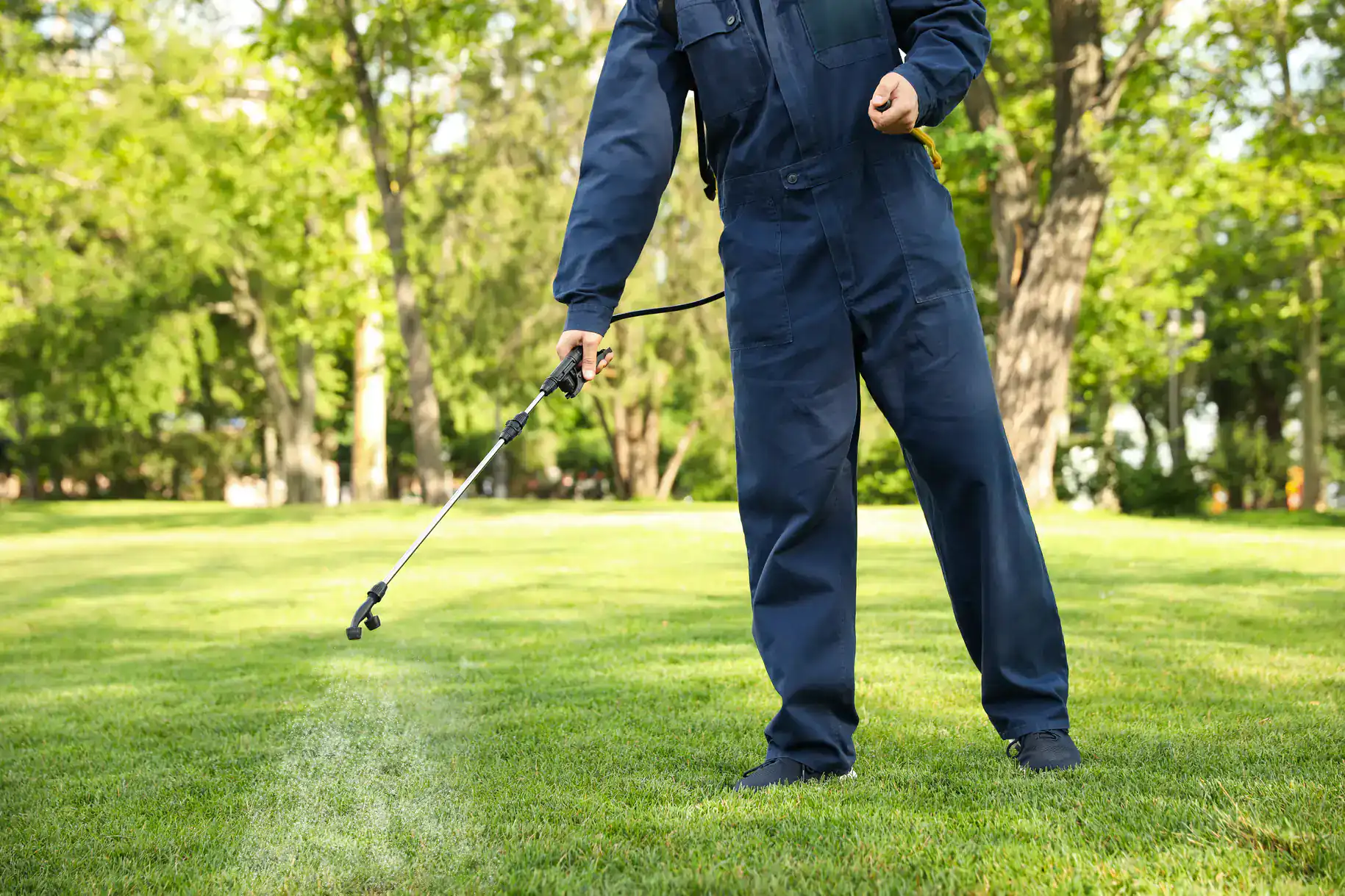
The most common reason is that the source of the infestation isn’t in your unit it’s in the building. Ridgewood’s attached row houses and multi-family buildings share party walls, plumbing chases, and basement infrastructure that create continuous pathways between units. Treating one apartment without addressing what’s happening in adjacent units or the basement below is like patching one hole in a net. The pests come back because the entry point and the harborage haven’t been eliminated only the visible population in your space has been temporarily reduced.
The fix requires understanding the building as a whole, not just the unit that called. A proper inspection looks at where pests are entering the structure, how they’re moving through it, and whether a coordinated treatment across multiple units or common areas is necessary. Under New York City’s Housing Maintenance Code, building owners are legally responsible for maintaining pest-free conditions so if you’re a tenant dealing with a recurring problem in Ridgewood, that’s also a conversation worth having with your landlord, and one we can help document if needed.
Bed bugs move through the structural voids that connect units in attached buildings gaps around electrical outlets, plumbing penetrations, baseboards, and the spaces inside shared walls. In Ridgewood’s pre-war row houses, those voids are more plentiful than in newer construction because the buildings have settled, shifted, and been modified over 100-plus years. Shared laundry facilities in basement common areas are another frequent transmission point. A bed bug infestation that starts in one unit can reach adjacent units within weeks if it isn’t treated correctly and completely.
Effective treatment in Ridgewood’s type of building means more than treating the infested unit in isolation. It means identifying whether adjacent units show signs of activity, advising the building owner on notification requirements, and using a treatment approach whether heat, chemical, or a combination that accounts for how the infestation may have spread. As certified bed bug specialists, we’ve worked in exactly this type of building throughout Ridgewood and the adjacent Brooklyn neighborhoods, and we know what a thorough treatment in attached housing actually requires versus what a surface-level visit looks like.
Cockroaches are the year-round constant in Ridgewood the neighborhood’s older plumbing infrastructure and shared basement systems create ideal harborage conditions regardless of the season. Rodents peak hard in the fall, typically from September through November, as mice and rats seek warmth through the foundation gaps and deteriorated mortar joints common in the neighborhood’s century-old brick construction. If you see one mouse in October and don’t address it, you’re likely dealing with a much larger problem by December.
Termites swarm in spring, which is also when carpenter bee activity picks up on the weathered wood trim and window surrounds of Ridgewood’s historic facades. Bed bug calls increase in summer, partly tied to travel season and partly to the higher tenant turnover that comes with warmer months. Tick exposure is a real concern for residents who use Forest Park or the Ridgewood Reservoir area, particularly from late spring through early fall. The practical takeaway is that there’s no true off-season in Ridgewood’s dense, heated, attached housing stock pests don’t hibernate when the building stays warm year-round.
For most conventional mortgage transactions, and for all FHA and VA loans, a Wood-Destroying Insect inspection report commonly called a WDI report is required before closing. Only a licensed pest control professional can issue this document in New York State. It covers termites, carpenter ants, carpenter bees, and other wood-destroying insects, and it has to be signed by a licensed applicator. If wood-destroying insects are found, treatment and a clearance certificate are typically required before the lender will approve the loan.
In Ridgewood, where the median home value is approaching $862,000 and the real estate market has been moving quickly, a missing or delayed WDI report can hold up a closing at a costly moment. Getting the inspection scheduled early in the transaction process rather than waiting until the final week before closing is the smarter move. We schedule WDI inspections promptly, issue the required documentation, and can provide treatment and clearance if anything is found, so the transaction doesn’t stall.
Yes, when it’s done correctly. The concern is legitimate pre-war buildings in Ridgewood have original plaster walls, older HVAC systems, and less air sealing than modern construction, which means chemical applications need to be targeted rather than broad. The approach we use is based on Integrated Pest Management principles, which means applying the least toxic, most precise treatment for each specific situation rather than blanket-spraying a space. Treating the cockroach harborage in a wall void is different from applying residual chemical across an entire kitchen and in a historic Ridgewood building, that distinction matters.
All materials we use are EPA-registered and applied according to label requirements, which carry the force of federal law. For families with children, pets, or residents with sensitivities, we can walk through exactly what’s being applied, where, and what the re-entry interval is before anyone returns to the treated space. The goal is a treatment that’s effective on the pest and appropriate for the building not a one-size-fits-all application that ignores the fact that your home was built in 1910.
It depends on the pest, the building, and the conditions driving the infestation. A one-time treatment can fully resolve an isolated issue a wasp nest, a flea problem tied to a specific event, or a termite swarm that hasn’t established a colony. But in Ridgewood’s attached row houses and multi-unit buildings, where the structural conditions that allow pest entry are ongoing and the density of neighboring units creates constant re-exposure risk, a single visit often isn’t enough to hold the line long-term.
Cockroach and rodent problems in older multi-family buildings, in particular, tend to benefit from a recurring service plan not because we want to bill you every month, but because the building’s shared infrastructure means new pressure can come from adjacent units or the street-level environment at any time. After your inspection, we’ll give you an honest read on whether your situation calls for a one-time treatment, a follow-up visit, or a maintenance schedule. We’re not going to recommend ongoing service if a single treatment will solve it that’s not how a 50-year-old family business stays in business.
Useful Links
Other Services we provide in Ridgewood