Hear from Our Customers
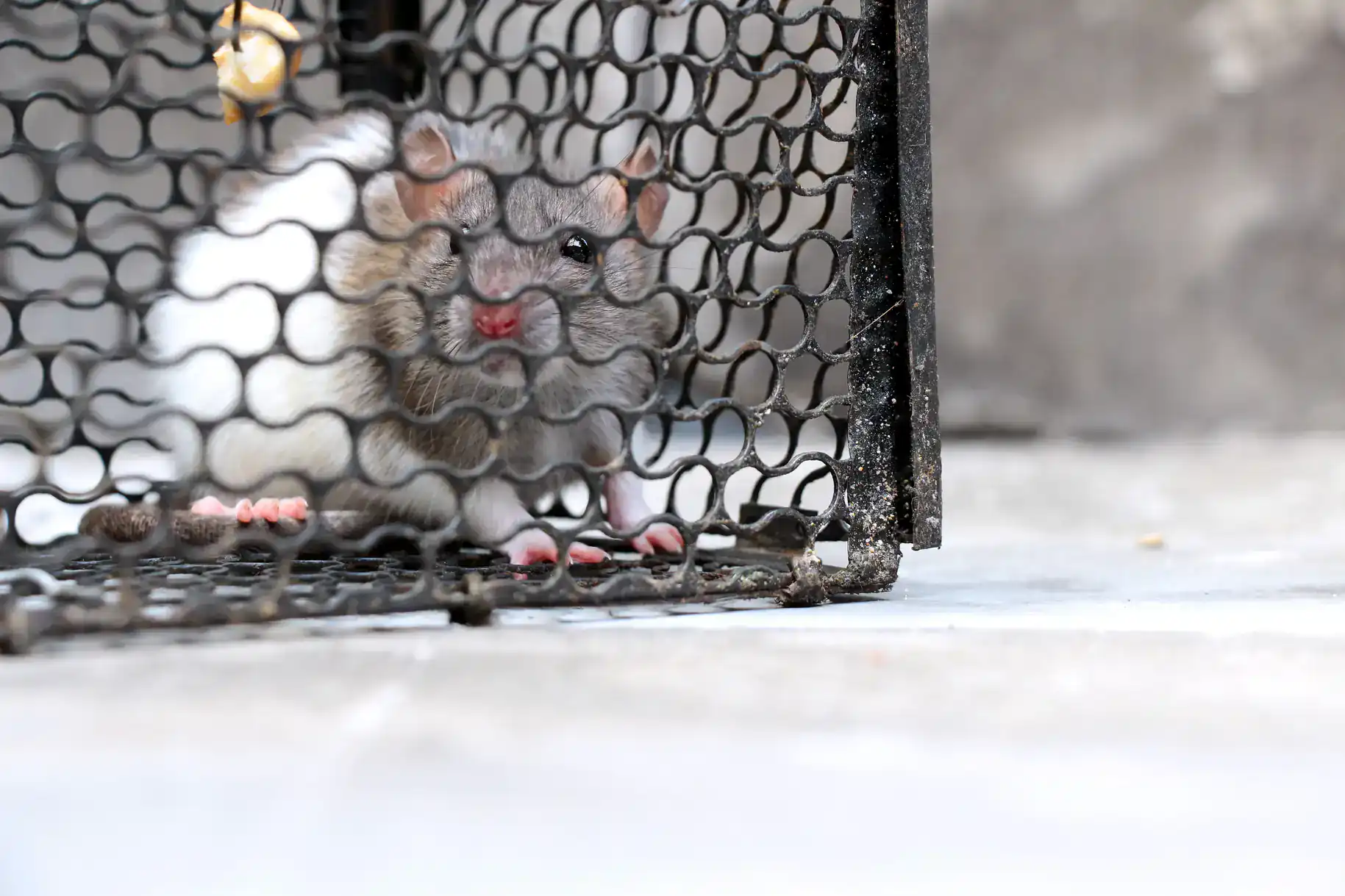
No more lying awake listening to scratching inside the walls. No more finding droppings on the kitchen counter before your morning coffee. When rodent control is done right, you stop managing the symptoms and start living in a home that feels clean and safe again.
In Ridgewood, that’s not always a simple fix. Most of the rowhouses here were built between 1905 and 1925, and after a hundred years of settling, the gaps in foundations, around utility lines, and along party walls are real and they’re everywhere. Mice can squeeze through a gap the size of a pencil eraser. Rats need barely more than that. A treatment that doesn’t account for how these buildings are connected just pushes the problem around.
There’s also the geography to consider. The Evergreens Cemetery bordering Ridgewood to the south is prime burrowing territory for Norway rats. They forage outward from there into residential blocks regularly, especially in warmer months. And as development continues along the Bushwick border to the west, displaced rodent colonies don’t just disappear they relocate, often into the nearest stable residential structure. That’s frequently yours. Solving this means looking at the full picture, not just where you’ve already seen activity.
Kingsway Exterminating has been working in New York City since 1976. That’s not a marketing number it’s just how long the Kourbage family has been doing this. Richard Sr. founded the company, and his sons Richard Jr. and Charles have been running jobs alongside him since the late 1980s. When you call, you’re reaching a family that has built its reputation one building at a time across all five boroughs.
Ridgewood is the kind of neighborhood we know well. The attached brick rowhouses, the shared basements, the aging utility chases these aren’t abstract building types to us. We’ve treated them. We hold an A+ rating with the Better Business Bureau, we’ve been BBB-accredited since 1989, and every material we apply is registered with the New York State Department of Environmental Conservation. Licensed, bonded, and insured, with a free phone consultation and no pressure to commit.
It starts with a phone call free, no obligation. You describe what you’re seeing: droppings, sounds in the walls, a live sighting. We ask the right questions to get a real picture of what you’re dealing with before anyone shows up at your door. If you want to move forward, we schedule an appointment within 48 hours, and in many cases same-day.
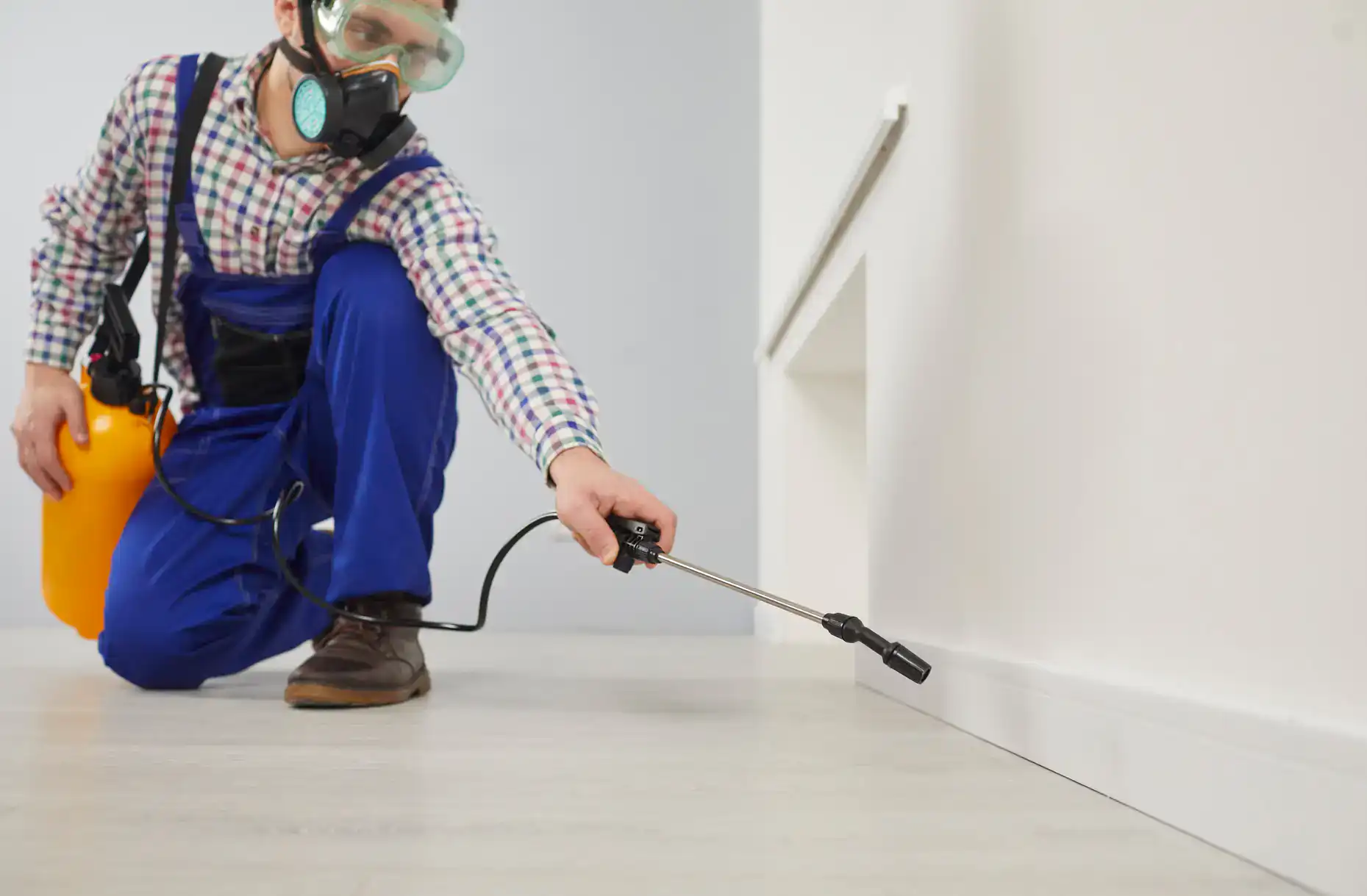
On-site, the inspection comes first. In Ridgewood’s attached rowhouses, that means looking beyond the obvious. We check the foundation, the basement, the utility penetrations, and the party walls the places rodents actually travel, not just where they’ve been spotted. Because these buildings share walls and infrastructure with neighboring units, entry points are often in places you’d never think to look. We identify where they’re getting in, where they’re nesting, and what conditions are keeping them there.
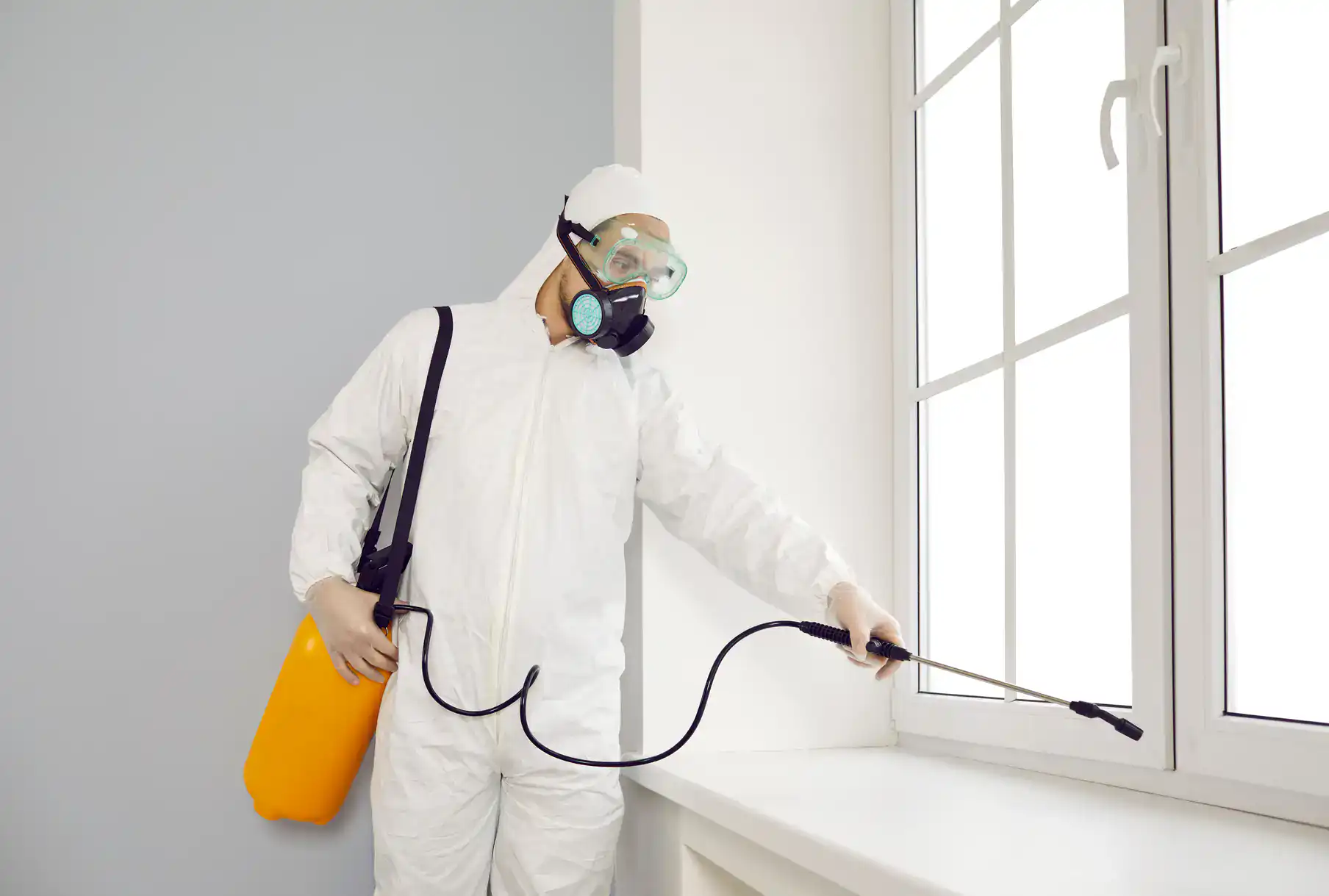
From there, we put together a treatment plan using only NYS DEC-registered materials, applied in targeted locations that keep your family and pets out of contact. Exclusion work physically sealing entry points is part of the process when it’s needed, not an upsell. If your property is subject to NYC Health Code requirements or you need documentation for a 311 response or pre-demolition certificate, we can help with that too. After treatment, we walk you through what was done and what to watch for going forward.
Ready to get started?
Rodent control in Ridgewood isn’t the same as rodent control in a detached single-family house in the suburbs. The service has to account for the way these buildings are actually constructed attached on both sides, with shared foundations, common basement areas, and utility runs that connect multiple units. A rat that enters through a gap in the foundation at one end of the block doesn’t stay there. Our approach is built around that reality.
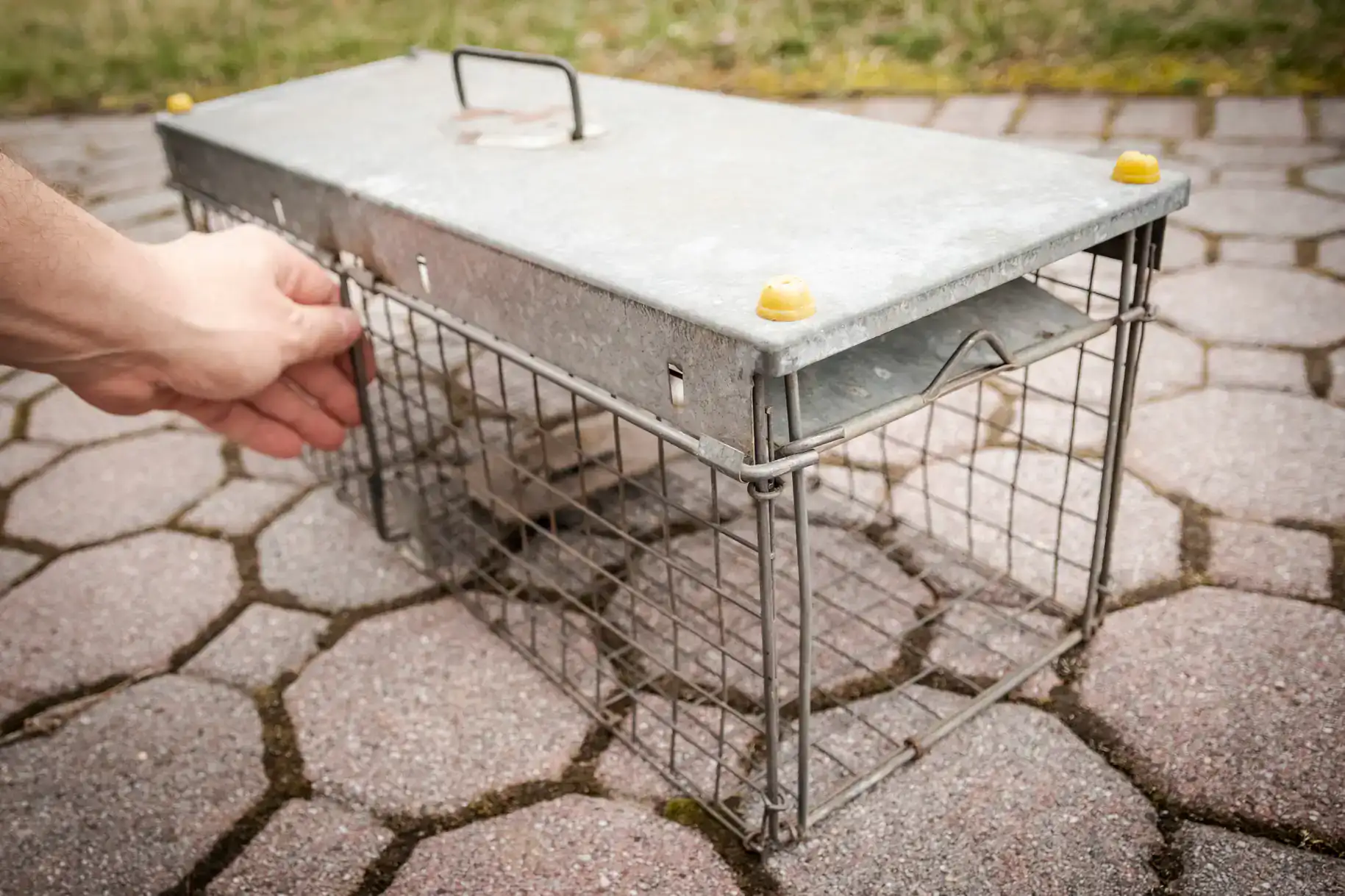
For residential properties in Ridgewood and the surrounding Queens 11385 area, the service includes a full interior and exterior inspection, targeted treatment using NYS DEC-registered rodenticides and trapping systems, and exclusion work to seal confirmed and likely entry points. We address Norway rats and house mice the two dominant species throughout NYC and we look at the environmental conditions that are sustaining the infestation, not just the infestation itself. That includes harborage conditions, food access points, and structural vulnerabilities specific to your building.
For multi-family buildings, landlords facing 311 complaints, or property owners needing documentation for NYC Health Department compliance, we provide the paperwork and follow-up that makes the process straightforward. Ridgewood’s historic district designations also mean some exterior work needs to be done with care we’re familiar with those constraints and handle exclusion work accordingly. If you’re a tenant whose landlord hasn’t acted, a homeowner protecting a six-figure investment, or a property manager trying to stay ahead of a recurring problem, the process is the same: thorough, documented, and done right.
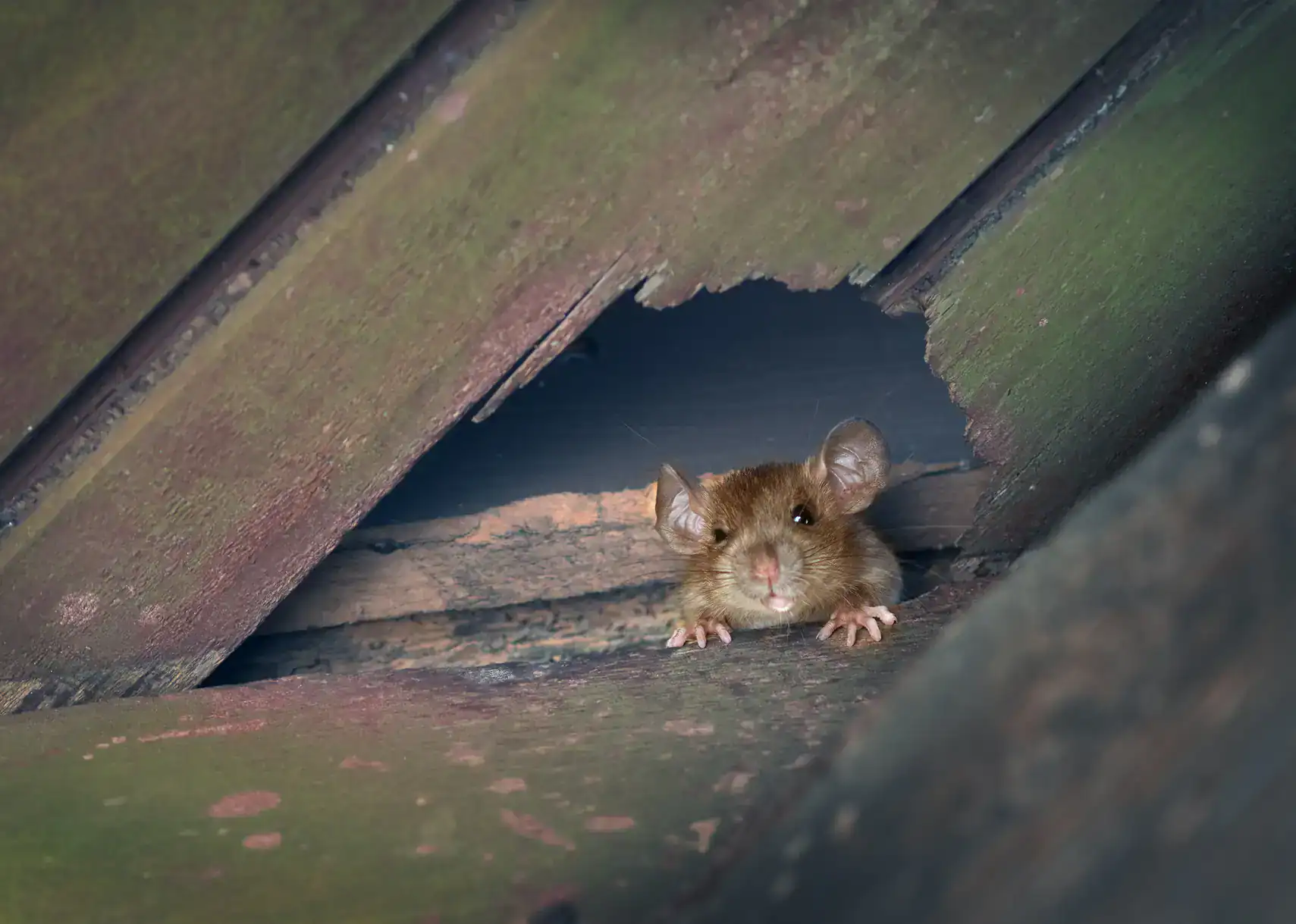
This is one of the most common frustrations we hear from Ridgewood homeowners, and the answer almost always comes down to the building’s construction. In an attached rowhouse especially one built over a century ago mice aren’t just entering through your unit. They’re traveling through shared wall voids, connected basement spaces, and gaps around utility lines that run between adjoining buildings. Treating your unit alone addresses where you’re seeing the problem, not where it’s originating.
A thorough inspection in Ridgewood has to account for the party walls, the basement perimeter, and any utility penetrations that connect your building to the one next door. Mice can fit through a gap as small as a quarter inch, and in buildings that have been settling and shifting since 1910, those gaps are common and often invisible without knowing where to look. The fix isn’t more traps it’s finding and sealing the actual entry points while treating the active infestation at the same time.
Yes, it changes the approach in a few meaningful ways. House mice are smaller, more exploratory, and tend to nest inside walls, cabinets, and insulation close to food sources. Norway rats the dominant rat species in NYC and throughout Ridgewood are larger, more cautious, and more likely to burrow. You’ll often find their burrows under stoops, along fence lines, and in garden areas, particularly in the sloped terrain near the northern side of Ridgewood where the glacial moraine creates the well-drained soil they prefer for burrowing.
Droppings are the clearest indicator. Mouse droppings are small, roughly the size of a grain of rice. Rat droppings are larger, closer to the size of a raisin. Rats also leave grease marks along walls and baseboards where they travel repeatedly. If you’re hearing scratching in the walls at night, it could be either but if you’re seeing burrow holes outside near your foundation or stoop, that’s rats. The treatment plan, trap types, bait stations, and exclusion work differ enough between the two that correct identification matters before anything else is done.
Under the NYC Health Code, landlords are legally required to maintain rental properties free of rodent activity. If you’re a tenant in a Ridgewood multi-family building and your landlord isn’t addressing a rodent problem, you can file a complaint through 311. That complaint triggers a NYC Health Department inspection, and if the property fails, the landlord receives a Commissioner’s Order to Abate. If they still don’t act, they face fines and in serious cases, the city can exterminate the property and bill the owner directly.
The Ridgewood Tenants Union has been active in pressing landlords on exactly these kinds of housing conditions, so you’re not without resources. That said, if you’re a tenant who can’t wait for the process to play out or if you own your unit in a co-op or condo building you have the option to bring in a licensed exterminator directly. We can treat your unit, document the work, and provide the paperwork you’d need to demonstrate that you took action, which matters if the situation ever escalates legally.
The sharpest spike in rodent pressure in Ridgewood happens in fall typically October and November when temperatures drop and Norway rats actively seek warm shelter indoors. Ridgewood’s attached rowhouses, with their aging foundation gaps and shared basement connections, offer plenty of entry points for rodents looking to overwinter. By the time you hear scratching in the walls in December, the infestation is already established and reproducing.
Spring brings a secondary surge. As the ground thaws and construction activity picks back up along the Bushwick border, displaced rodent colonies move into stable residential areas. The spike in rodent activity during the damp spring transition is consistent with what we see across the neighborhood. The practical takeaway: don’t wait for a visible problem. If you had any rodent activity last year, a pre-fall inspection and any needed exclusion work is the most cost-effective thing you can do before the season turns.
It does, and it’s one of the more overlooked factors in the neighborhood. Cemetery grounds are ideal harborage for Norway rats undisturbed soil for burrowing, minimal human foot traffic, and vegetation cover, all within foraging distance of residential blocks. Rats typically travel 100 to 150 feet from their nests in search of food, which means the residential streets bordering the southern edge of Ridgewood are well within range of colonies established in the cemetery grounds.
This doesn’t mean every rodent problem in Ridgewood traces back to the cemetery, but it does mean that for homeowners on those southern blocks, the pressure is ongoing and somewhat independent of what’s happening on your specific property. You can seal your building perfectly and still see renewed activity the following season if the source population isn’t being managed. That’s why a treatment plan for properties near the cemetery should include monitoring and follow-up, not just a one-time treatment.
Costs vary depending on what you’re dealing with, but for residential rodent control in the NYC area, most treatments fall somewhere in the range of $180 to $600. A straightforward mouse problem in a single unit with clear entry points will sit at the lower end. A Norway rat infestation in an attached rowhouse that requires exclusion work, multiple treatment visits, and documentation for a 311 complaint response will be higher. The severity of the infestation, the size of the property, and whether exclusion work is needed are the three biggest cost drivers.
We offer a free phone consultation before any of that you describe what you’re seeing, we give you a straight answer about what’s likely involved and what it would cost, and you decide from there. No pressure, no obligation. For Ridgewood homeowners, that first call is also a chance to ask questions specific to your building type: how rodents typically move through attached rowhouses, what entry points are most common in prewar construction, and whether your situation is something that needs one visit or ongoing monitoring. That conversation costs nothing and usually tells you exactly what you need to know.
Useful Links
Other Services we provide in Ridgewood